Interior design is as much about making a space function well as it is about making it look beautiful. Small, common mistakes can undermine a room’s usability without being obvious. These are not matters of style or trends, but practical principles that ensure a space feels right and works for day-to-day life. Below are eight essential design rules you should keep in mind to make rooms that are both attractive and comfortable.
1. The Room Should Guide the Design
Don’t force a particular style onto a space. Let the room’s layout, natural light and circulation patterns determine your choices. A narrow room won’t work with oversized furniture; a room with little daylight shouldn’t be painted in very dark hues unless you plan for additional lighting. Start by assessing what the room needs—traffic flow, focal points and light—then select furniture, finishes and colors that complement those conditions. Designing around the room’s constraints yields a more practical, harmonious result.
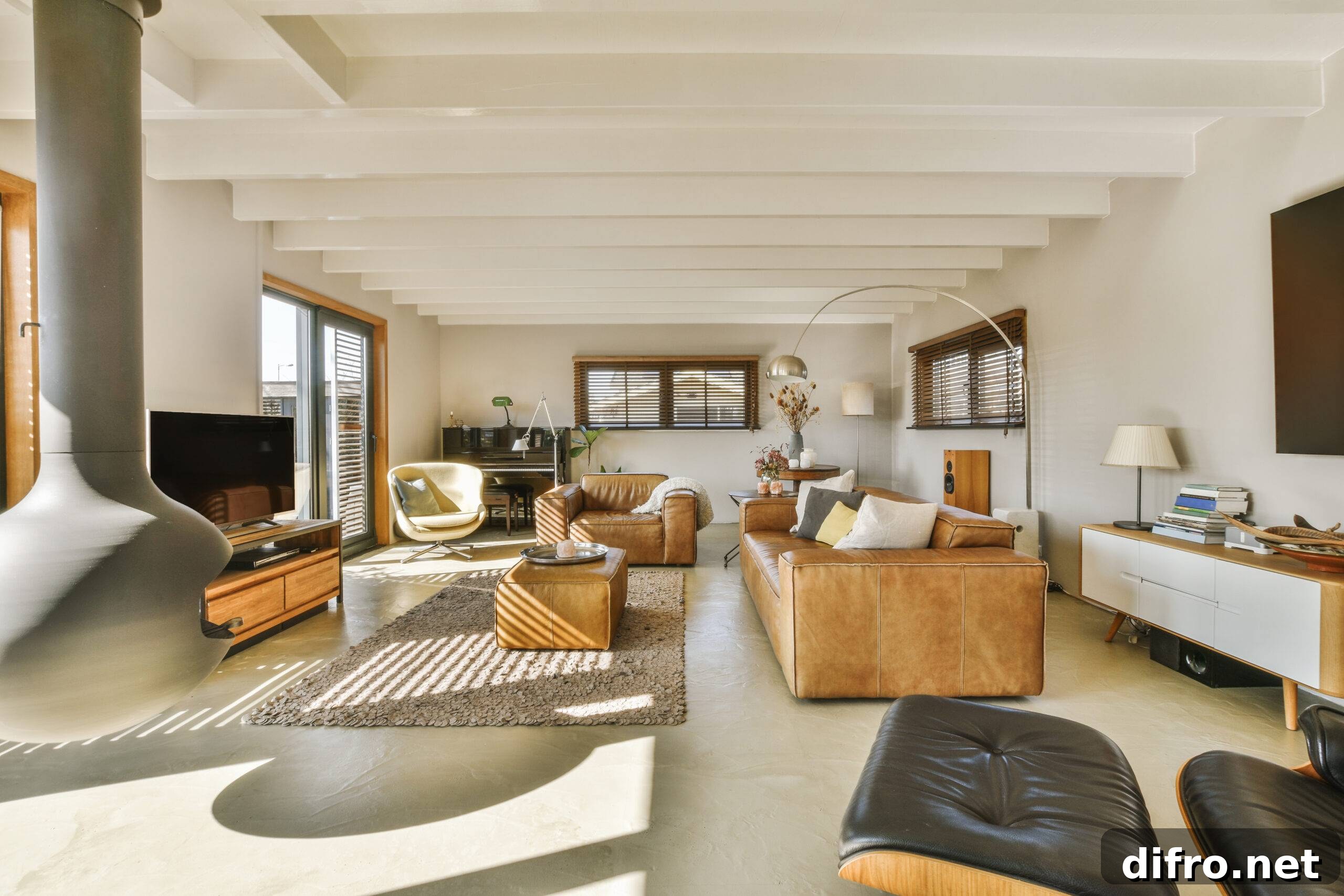
2. Function Before Aesthetics
Beauty matters, but function must come first. A kitchen with stunning countertops will frustrate you if storage and work zones are poor. A chair that looks elegant but is uncomfortable will remain unused. Think about how each room is actually used—cooking, entertaining, working, sleeping—and prioritize practical needs like storage, lighting and ergonomics. Aim for a balance where form and function support each other, but always make functional requirements the foundation.
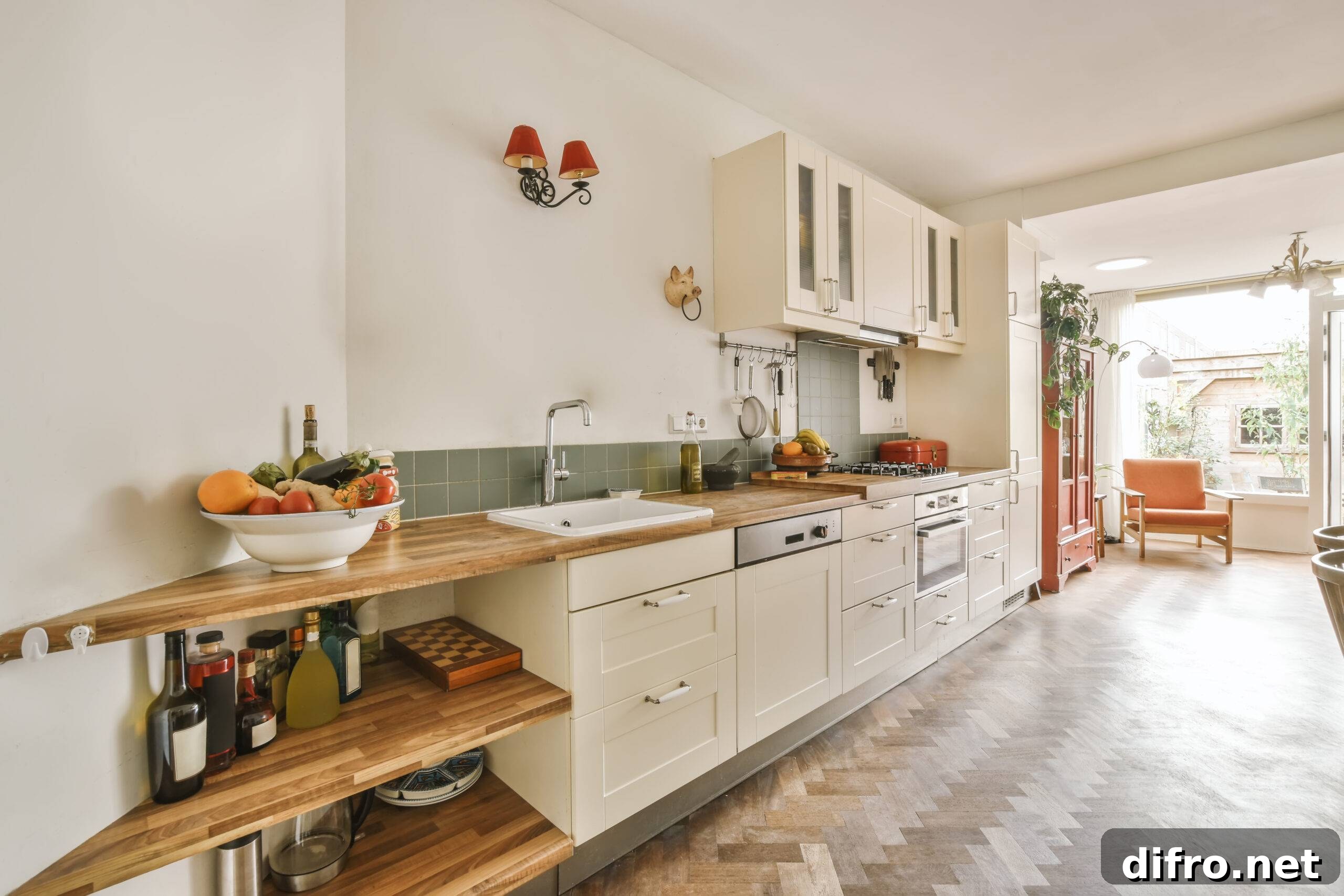
3. Rooms Need Breathing Space
Cluttering a room with too many items—even attractive ones—creates visual noise and reduces comfort. Negative space is essential: it gives your eye a place to rest and lets signature pieces stand out. Edit ruthlessly—if something doesn’t add to the room’s function or character, consider removing it or relocating it. Maintain clear sightlines and space around seating and pathways so the room feels open and calm rather than busy and chaotic.
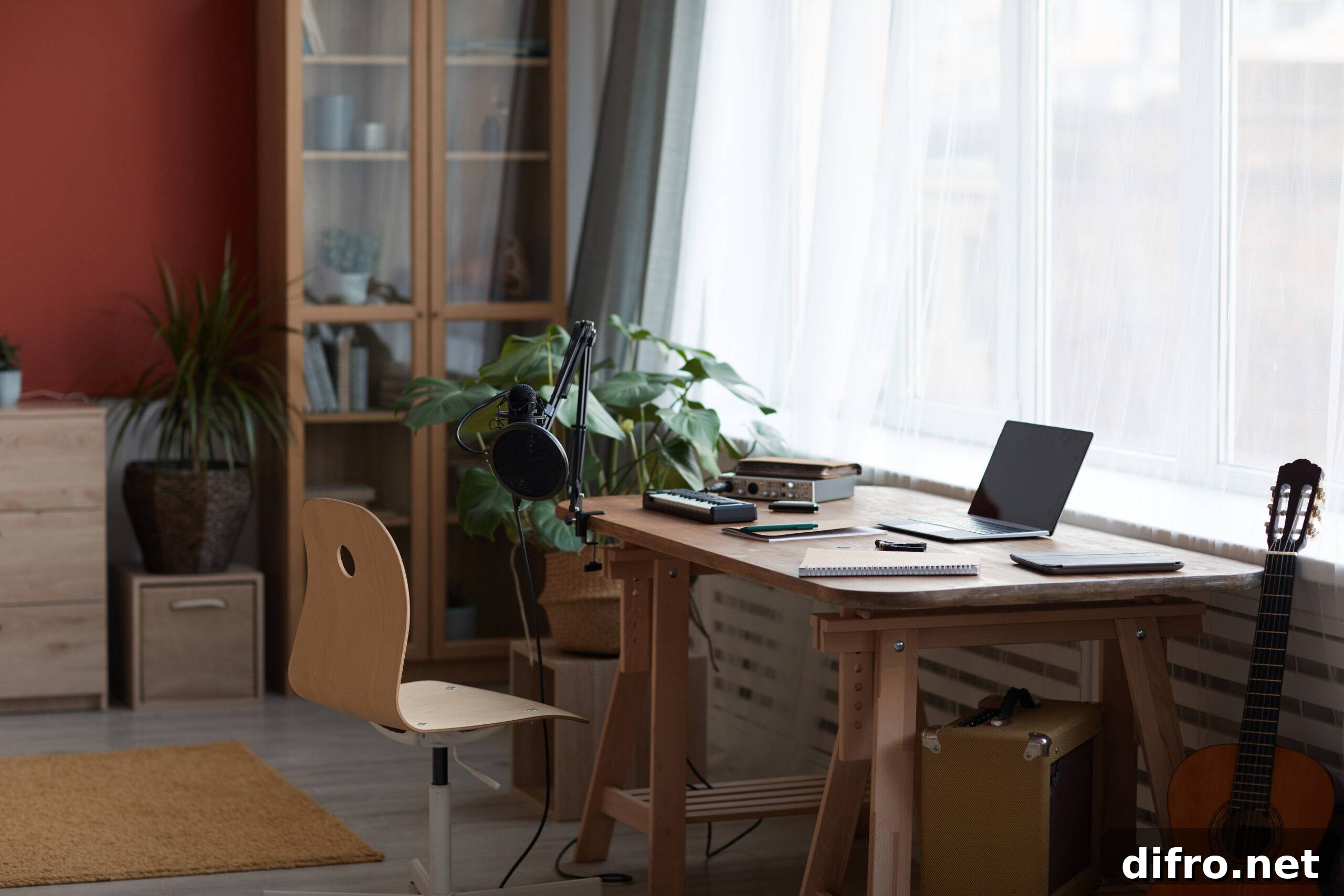
4. Texture is Just as Important as Color
Color grabs attention, but texture gives depth and warmth. Mixing materials—wood, metal, glass, stone and fabrics—creates contrast and tactile interest. In a neutral palette, layering textures (a plush rug, a woven throw, matte ceramics and polished metal) prevents the room from feeling flat. Consider both visual and tactile textures so surfaces and furnishings complement each other and invite touch.
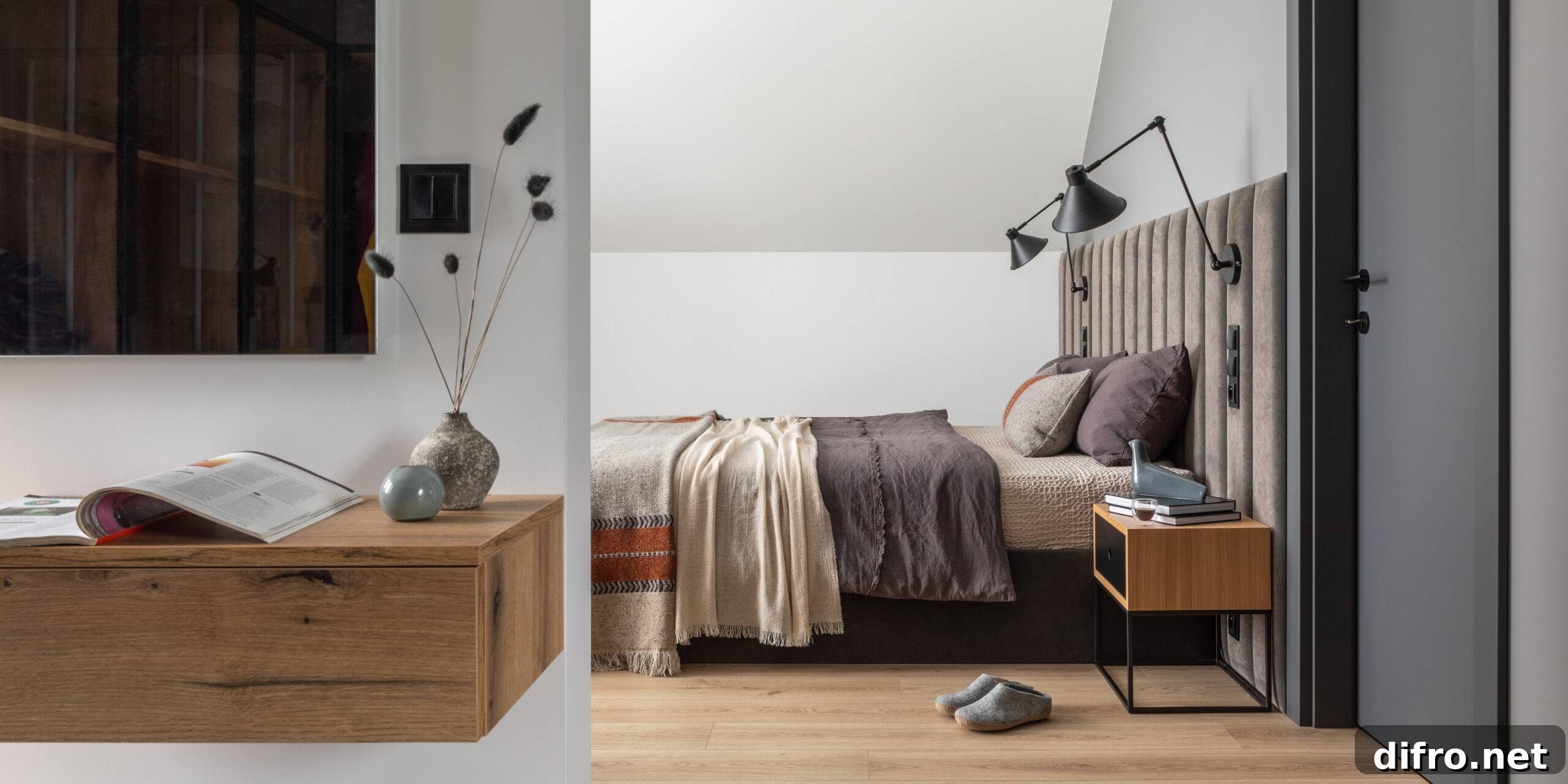
5. Avoid the “Showroom Look”
Rooms that look staged and identical to catalog photos can feel impersonal. A home should tell a story through objects collected over time—books, framed photos, vintage finds and meaningful knickknacks add warmth. Mix newer items with heirlooms or secondhand pieces to create layers and personality. Embrace small imperfections; they make a space feel authentic and lived-in.
6. Don’t Ignore Flow
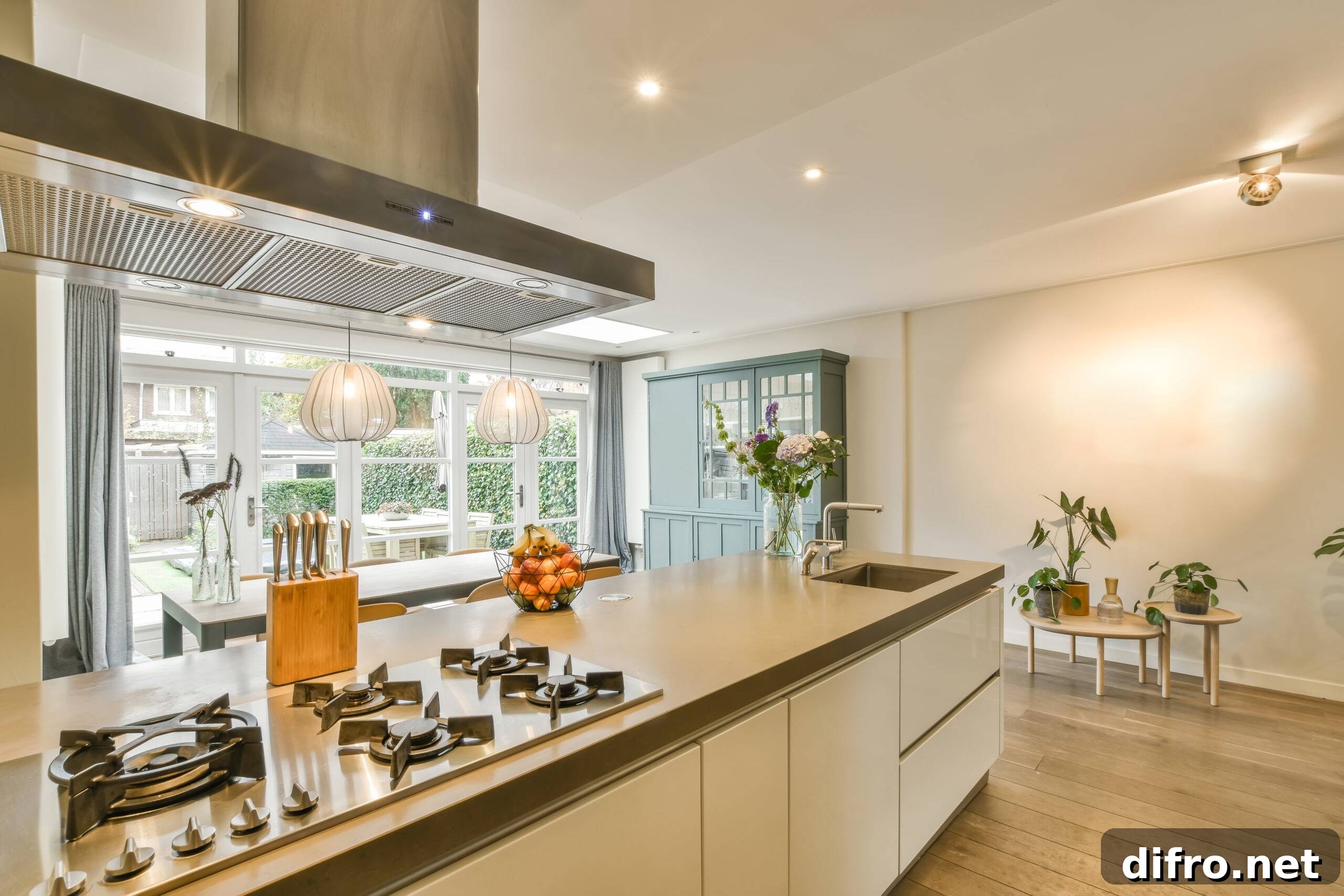
Flow is about how people move through a room. Arrange furniture so walkways are clear, doors open fully and conversation areas feel natural. Pay attention to how the room will be used each day—if you continually have to move items to pass through, the layout needs rethinking. Good flow improves both comfort and functionality.
7. Don’t Overdo Trends
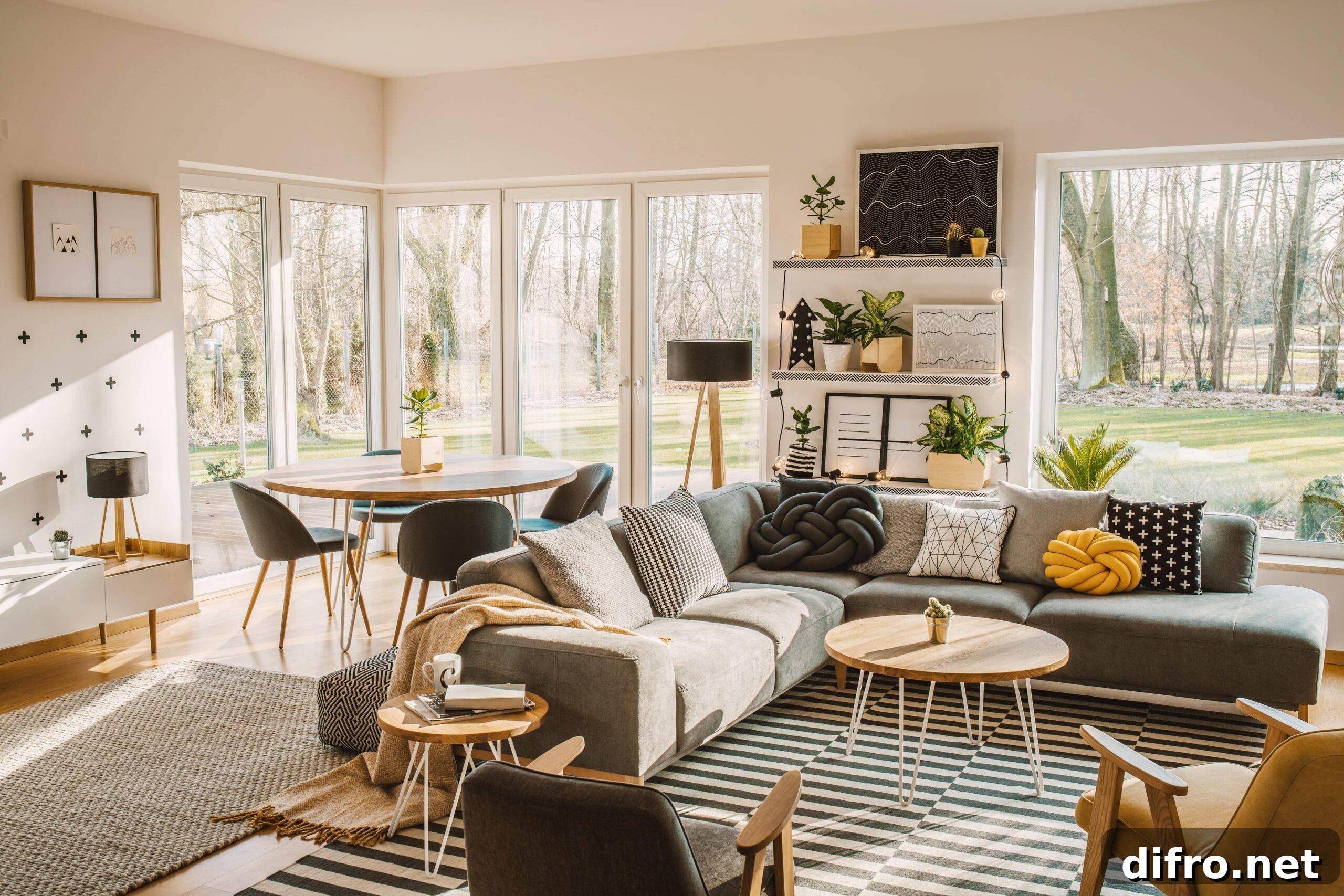
Trends fade, but a well-designed home should feel timeless. Reserve bold, short-lived trends for small elements—pillows, accessories, paint or artwork—so they can be updated without major expense. Invest in durable, high-quality core pieces that support your long-term taste and add trendy touches sparingly to refresh the look without rebuilding the room.
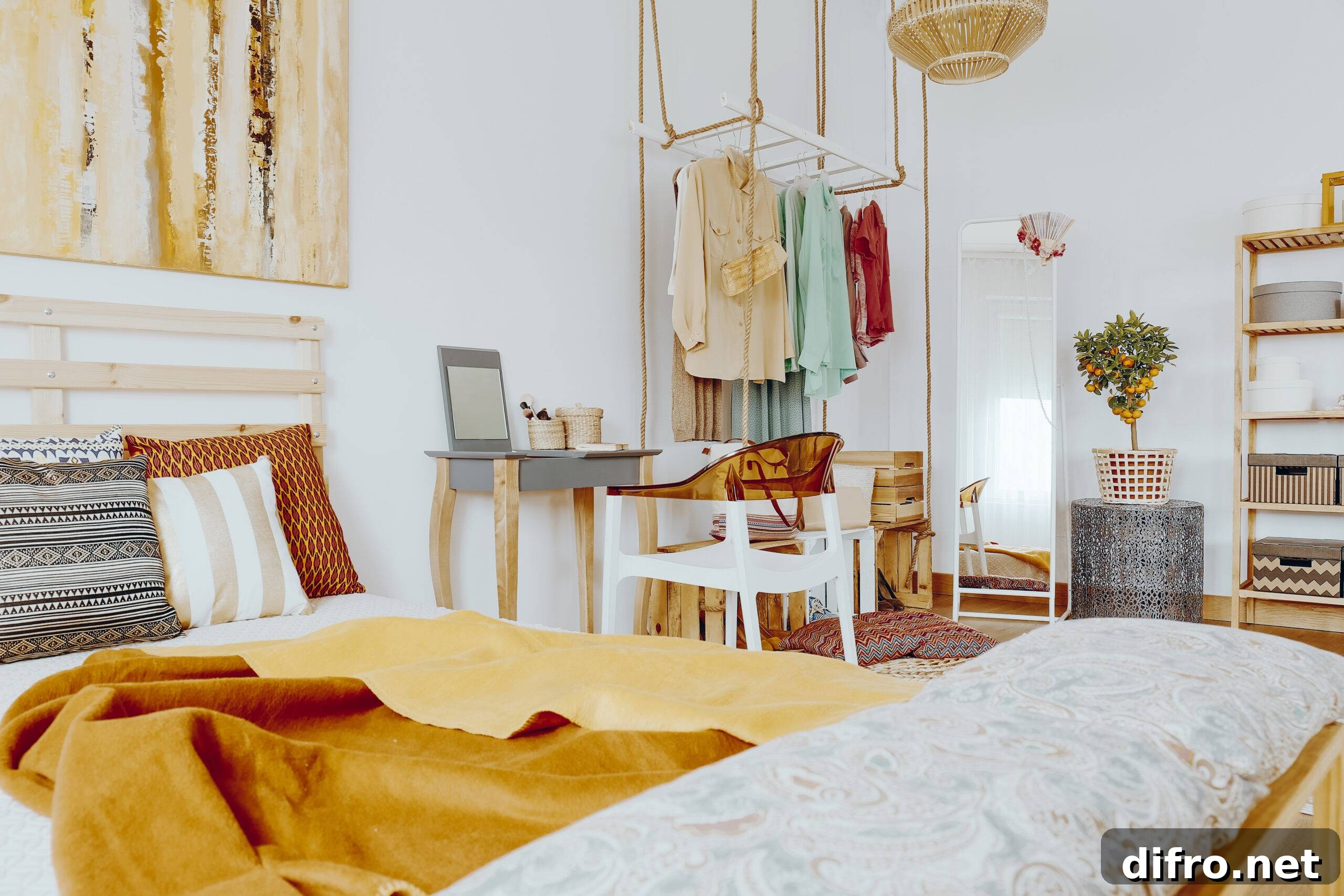
Good interior design isn’t about blindly following every rule, but some principles are essential. Prioritize a room’s needs, create comfortable circulation, balance texture and color, and allow spaces to develop personality over time. When you follow these guidelines, a room not only looks appealing but also functions well and feels genuinely welcoming to live in.