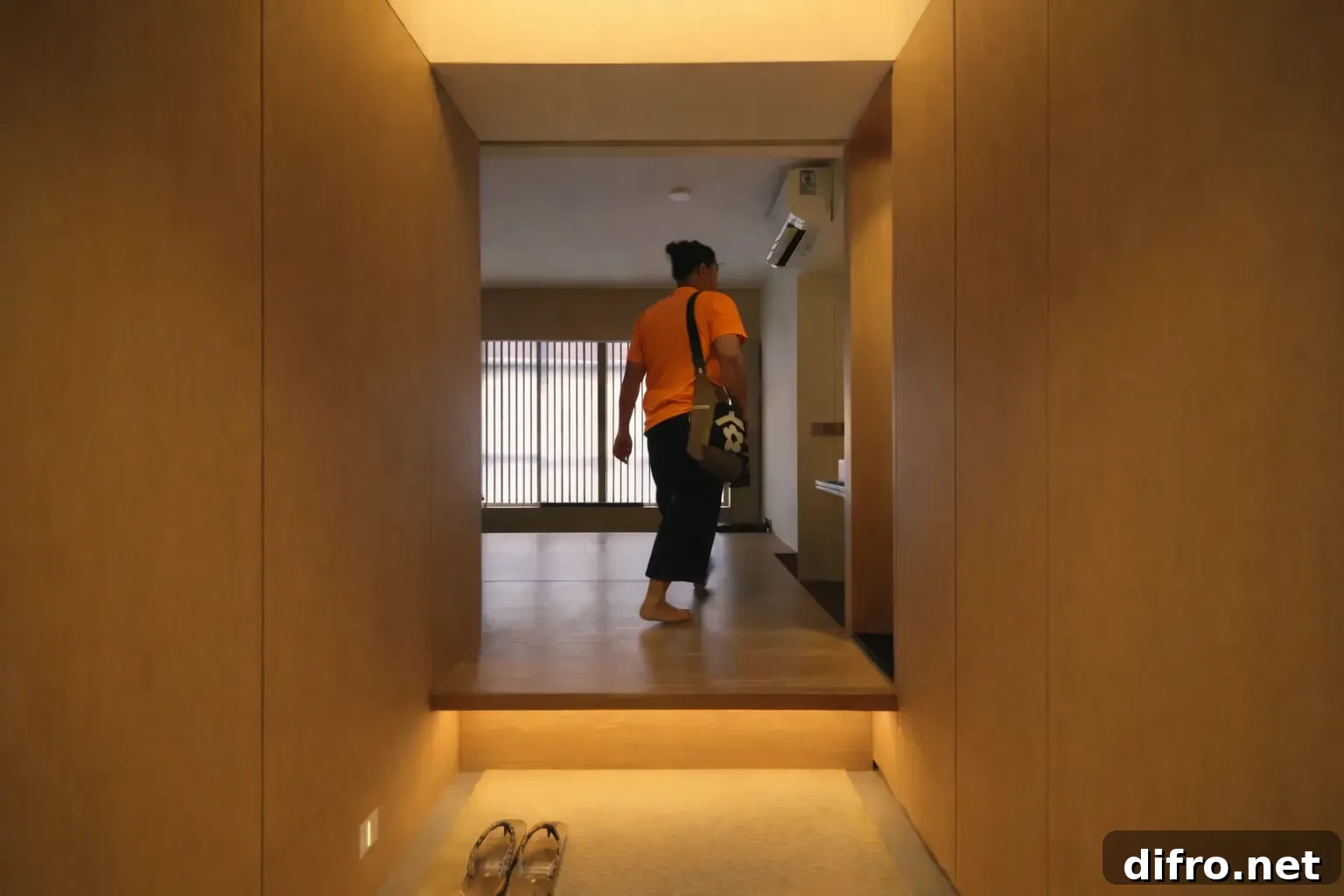
If your entryway feels like a high-traffic collision zone the moment you walk through the door, you’re not alone. In many Western homes the front door opens directly into the living room or kitchen with no deliberate pause between outside and inside. The Japanese concept of the genkan offers a simple, design-driven solution: turn your entry into a purposeful transition zone that protects the calm of your home and improves entryway organization and entryway design.
What is a Genkan?
A genkan is a traditional Japanese entry area, usually slightly lower than the main floor, where people remove shoes and leave outdoor items. It functions as a literal and psychological threshold—a clean zone that separates public life from private space. You don’t need to lower your floor to adopt the genkan mindset. Treat the area by your front door as an intentional transition zone rather than a “drop-and-go” surface for everything the day dumps on you.
1. Create a Visual Step-Up
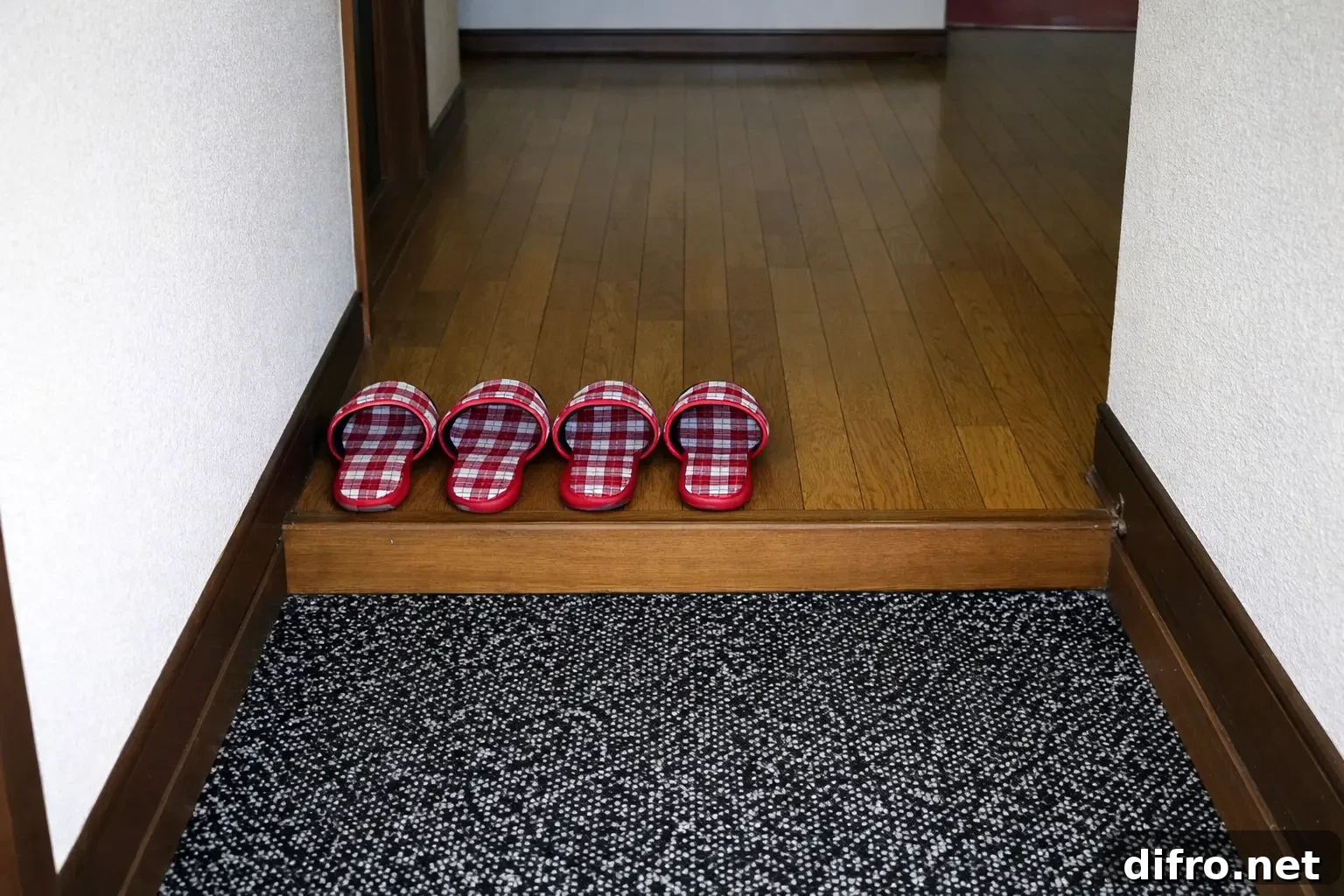
The genkan succeeds because it creates a clear boundary. If your home is open-plan, you can make that boundary visually and functionally distinct without a renovation. Define a small area near the door and be intentional about the materials, textures, and furniture you use.
- Use texture and contrast: Place a textured, high-contrast rug—such as woven sisal or a low-pile wool runner— to visually mark the entry zone. A rug creates a clear step-up in your mind, even on a single plane.
- Add a soft barrier: Position a slim console table, a low-profile storage bench, or a wooden slat screen to act as a gentle partition. This “soft wall” creates a subtle pause and keeps the outside world from visually spilling into your living area.
2. Contain the Visual Noise (Shoes & Bags)
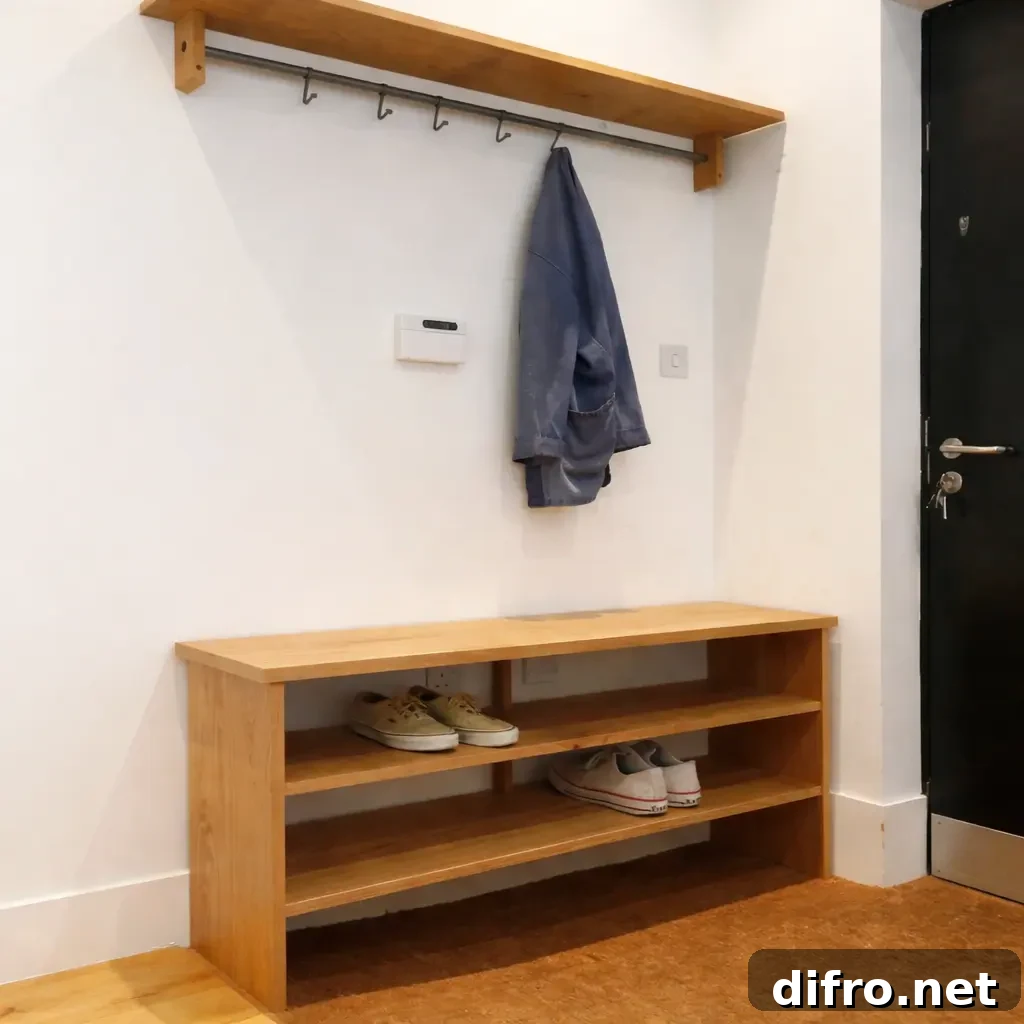
The most obvious source of visual clutter at the door is the shoe pile. In Japan, shoes rarely cross the threshold; they stay in the entry. Keep footwear out of sight to reduce the “visual volume” of colors and shapes that otherwise dominate the space.
- Closed shoe storage: Invest in a closed shoe cabinet—traditionally called a getabako—rather than an open rack. A cabinet hides footwear and creates a calmer visual field.
- Bench with storage: Choose a low-profile bench that doubles as storage. It gives you a place to sit while putting shoes on and keeps the floor clear for a neater entryway.
3. Designate a Drop-Off Zone for Clutter
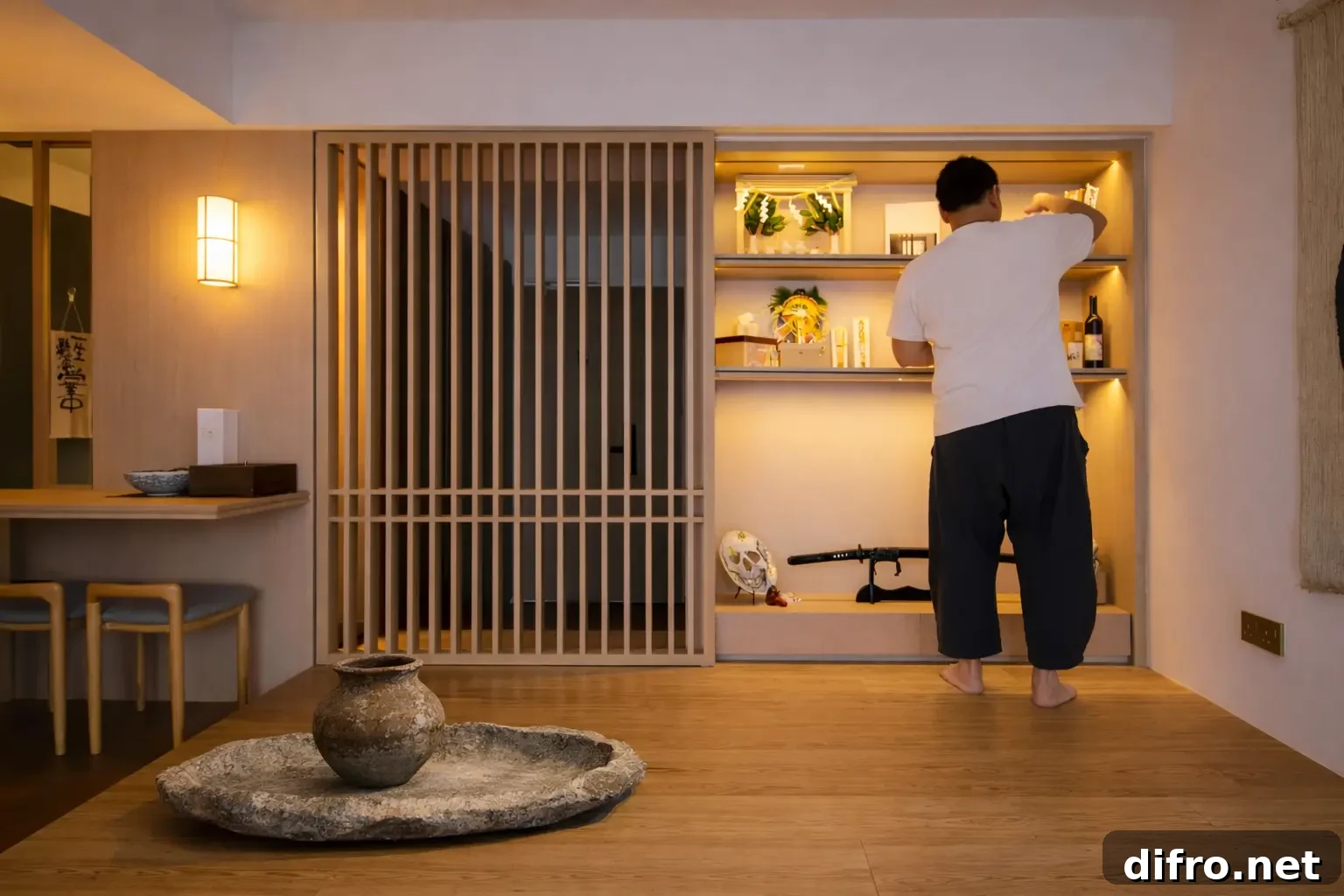
Small items—keys, mail, sunglasses—turn into big messes when they have no home. Create a single, dedicated place for these essentials so they don’t drift into the rest of the house.
- Single tray rule: Place one handcrafted stoneware tray or a wooden bowl on your console. Limit the surface to a single container for small items to keep the area tidy and intentional.
- Daily edit: Adopt a simple rule: if something doesn’t fit in the tray, it doesn’t stay in the entry. This forces a quick daily edit of receipts and mail and preserves the entry as a curated space for purposeful items and simple decor.
4. Engage the Senses
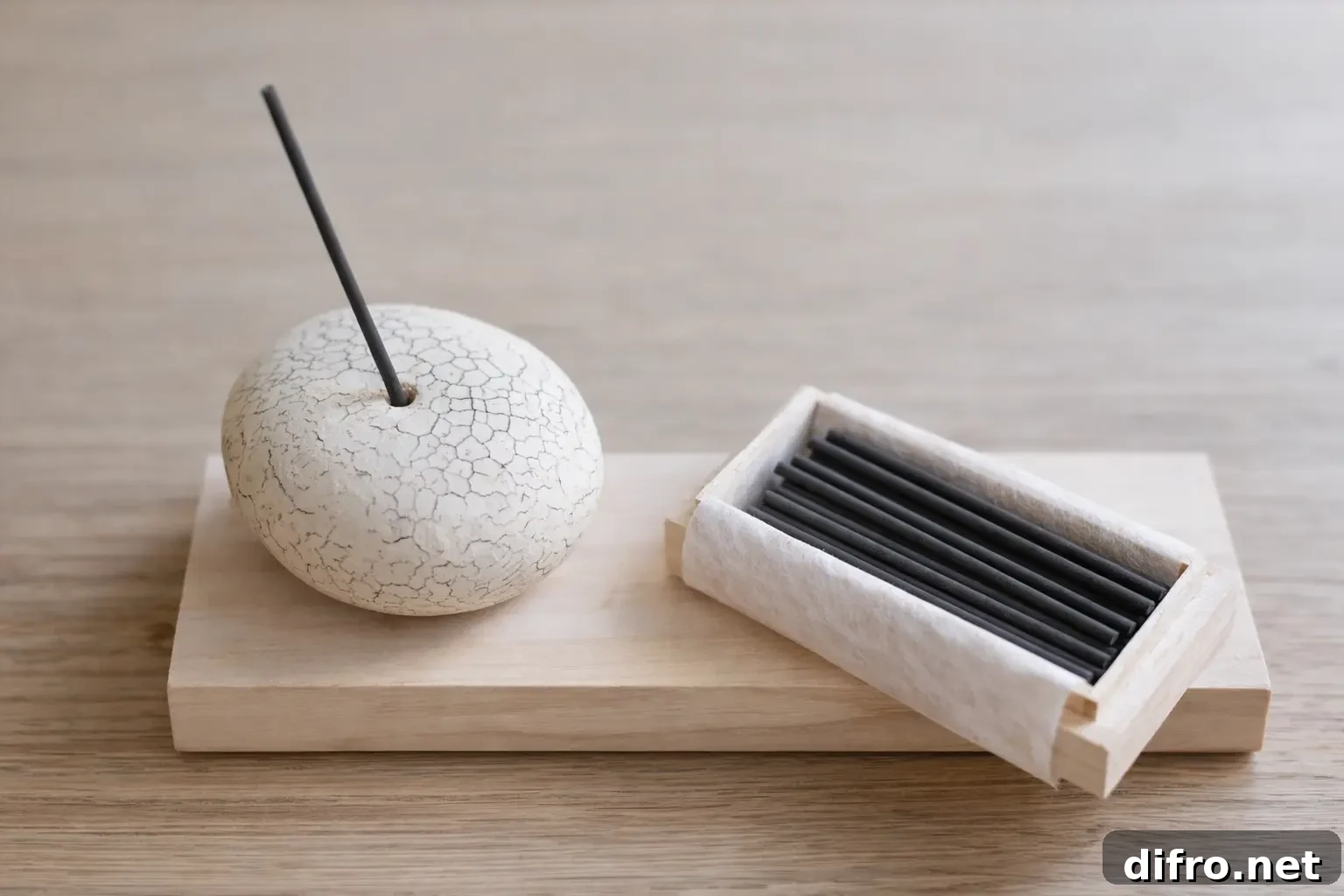
The genkan is about atmosphere as much as order. Smell is closely linked to emotion, so a consistent, grounding scent at the door can help cue your brain that you’re entering a private, calm space.
- Choose a signature scent: Use an earthy, woody fragrance—cedar, sandalwood, or hinoki—only in the entryway. When you associate that scent with coming home, it becomes a subtle psychological checkpoint.
- Keep it simple: Avoid overpowering fragrances. A gentle diffuser, a small incense stick, or a natural wax melt positioned near the entry creates a welcoming, stable scent that signals transition.
Why This Works

As homes double as workspaces and gyms, the threshold becomes the most important line we draw between public and private life. A genkan-inspired approach—using a rug, a cabinet, a simple tray, and a consistent scent—creates a deliberate pause that protects your mental space and improves entryway organization. You don’t need a renovation to make a meaningful change: a few thoughtful pieces and the discipline to keep the outside at the door are enough to transform your entryway into a calm, functional transition zone.
The Takeaway: Embrace the genkan mindset to turn your entryway into an organized, sensory-aware buffer that signals the end of the day and the start of home. With intentional design choices—floor definition, concealed storage, a single drop-off tray, and a signature scent—you create an entryway that supports peace, order, and better daily routines.