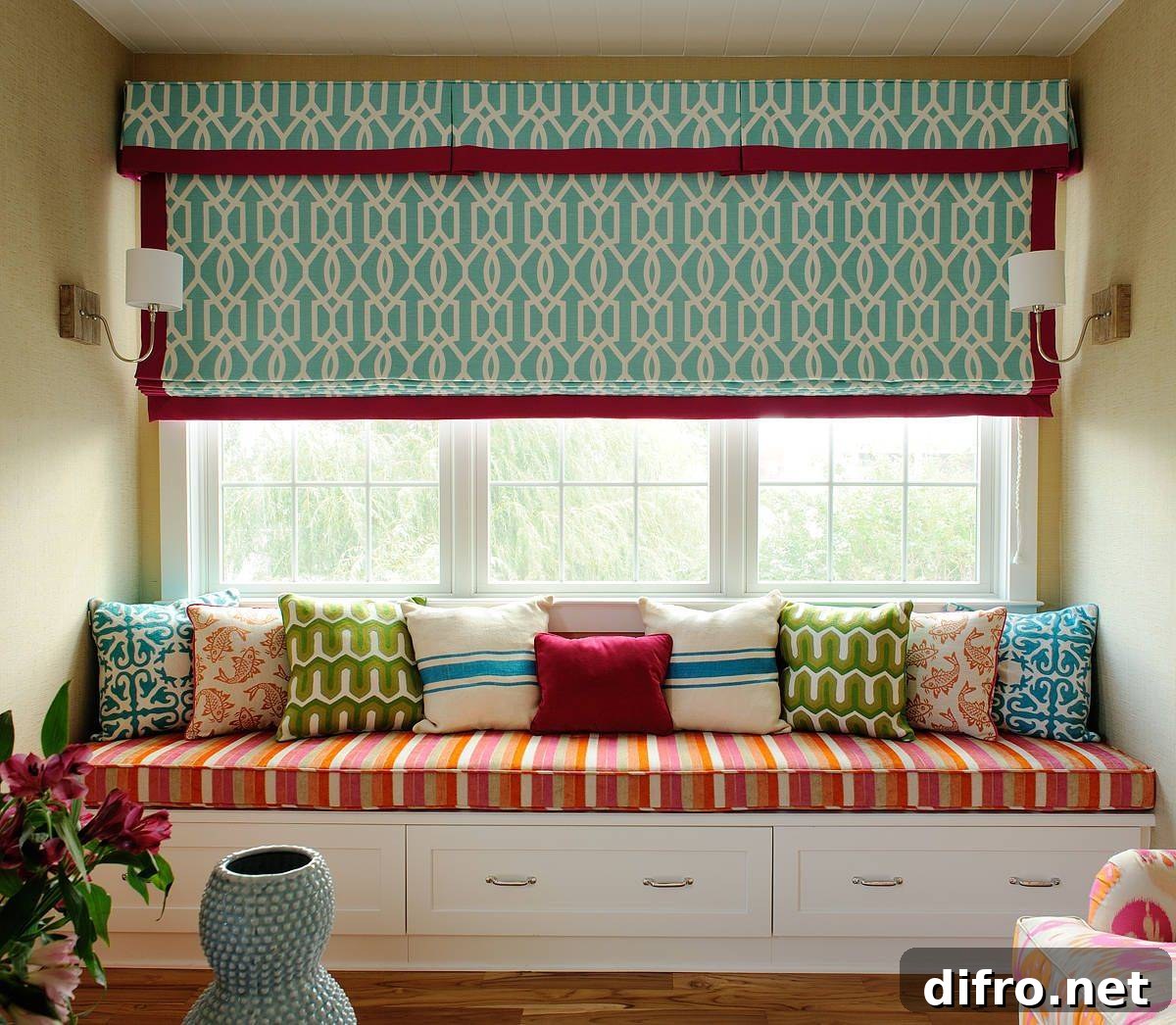
What do you do when you need more seating in your family room or living area? Many people head to the nearest furniture store or browse online to find a freestanding chair or sofa. That works for renters who can’t make permanent changes, but homeowners have another attractive, durable and cost-effective option: built-in benches and seats. Increasingly popular in modern family rooms, built-in benches add flexible seating while making efficient use of the room’s layout. Below, discover practical ideas and design considerations to help you bring this trend into your home.
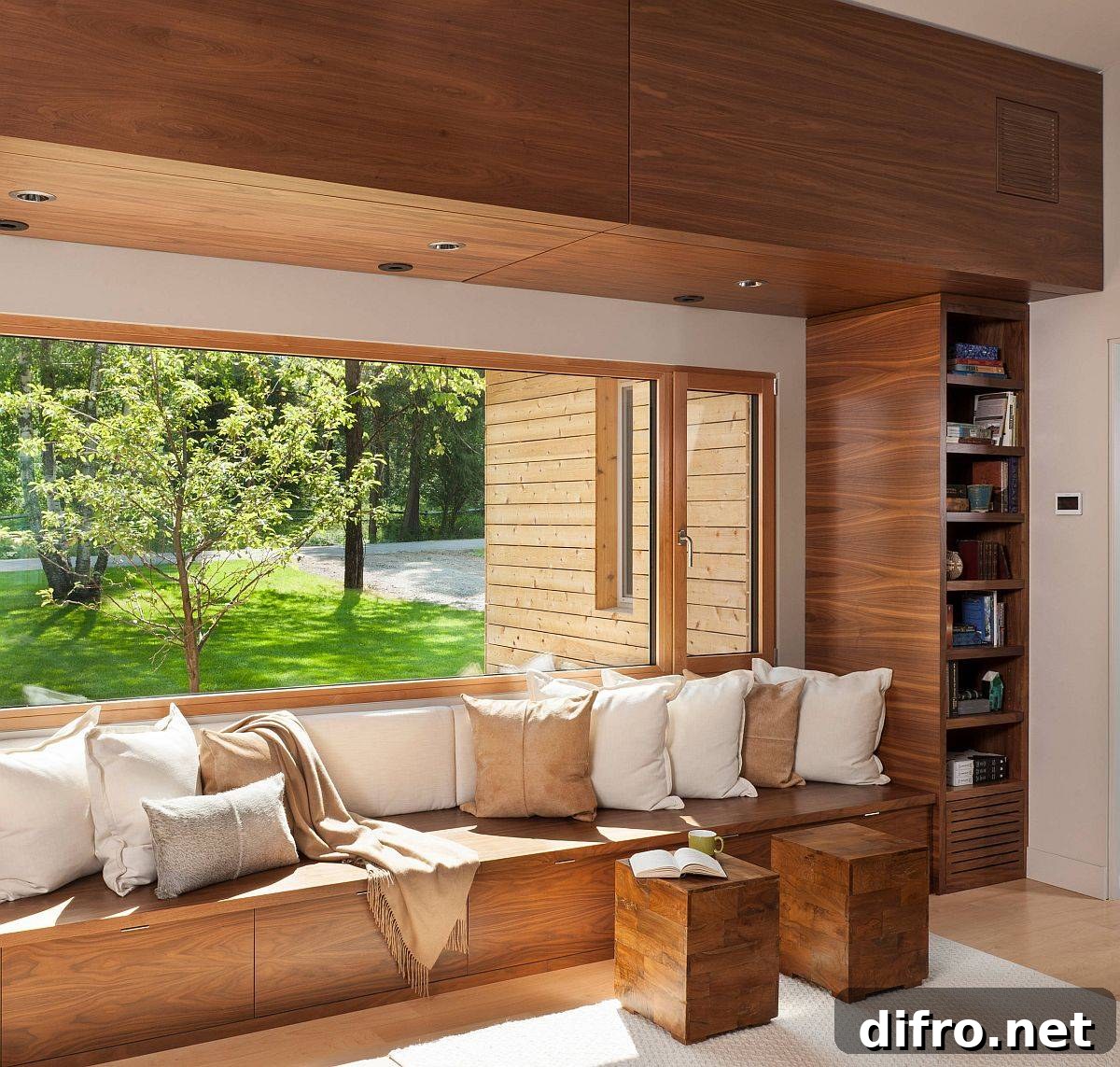
Many people assume built-in seating belongs only outdoors or in a banquette or bay window. In reality, nearly any family room can benefit from a thoughtfully designed bench. Built-in seating adapts to room contours, increases seating capacity, and—when paired with cushions or a mattress—can double as a daybed. Beyond comfort, built-in benches can add storage, display space and a cohesive architectural feature that helps define the room.
Explore a World of New Possibilities
If floor space is limited, a built-in bench can provide extra seats without the bulk of freestanding sofas or armchairs. On busy weekends when friends and extended family arrive, a long bench can easily seat several people. For quieter evenings, cushions and throws make the bench an inviting spot to recline. Because built-ins are fixed, they can be tailored to awkward corners, fireplace nooks, window walls or built around architectural features for a seamless, custom look.
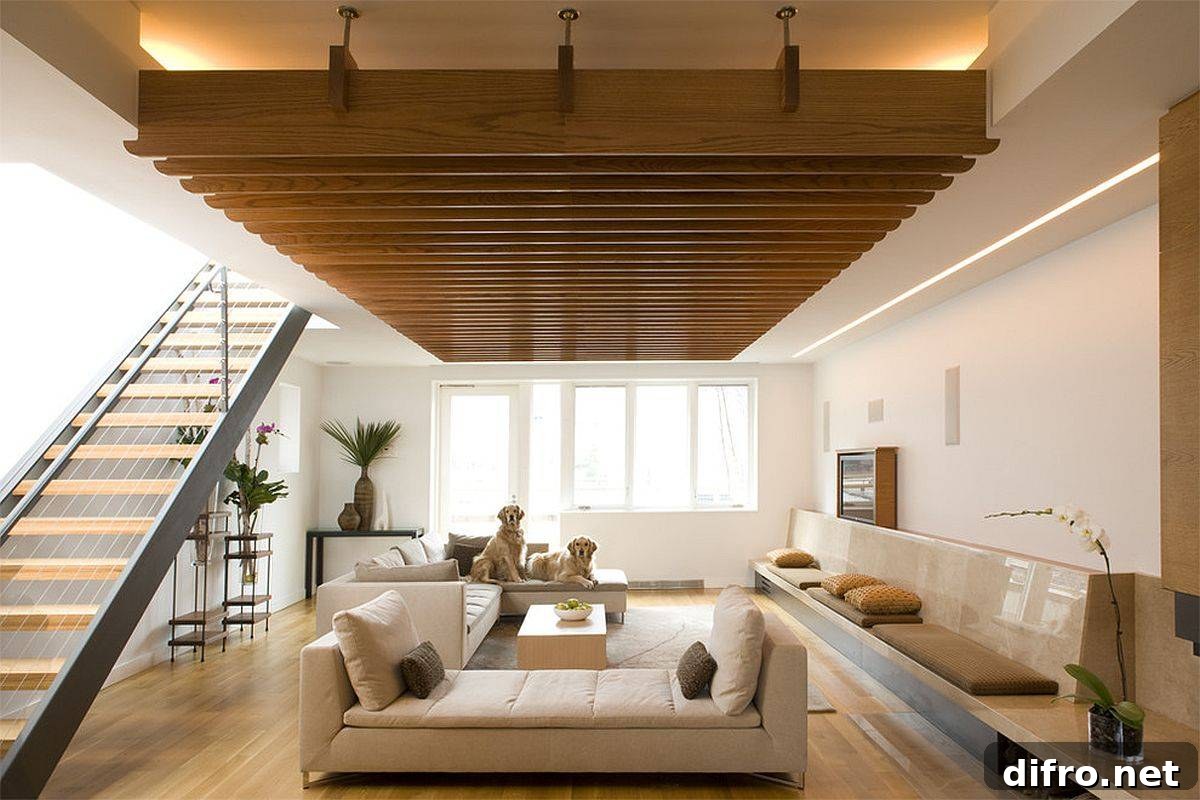
Maximize Space on a Budget
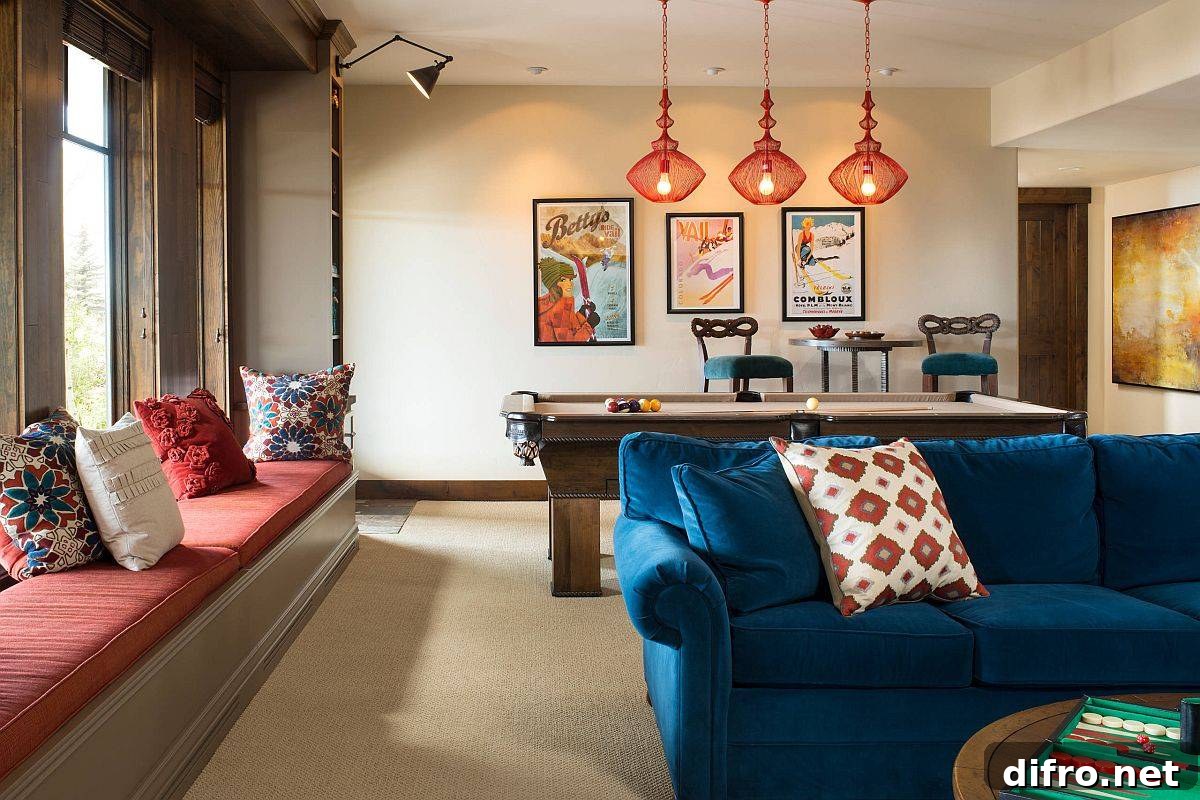
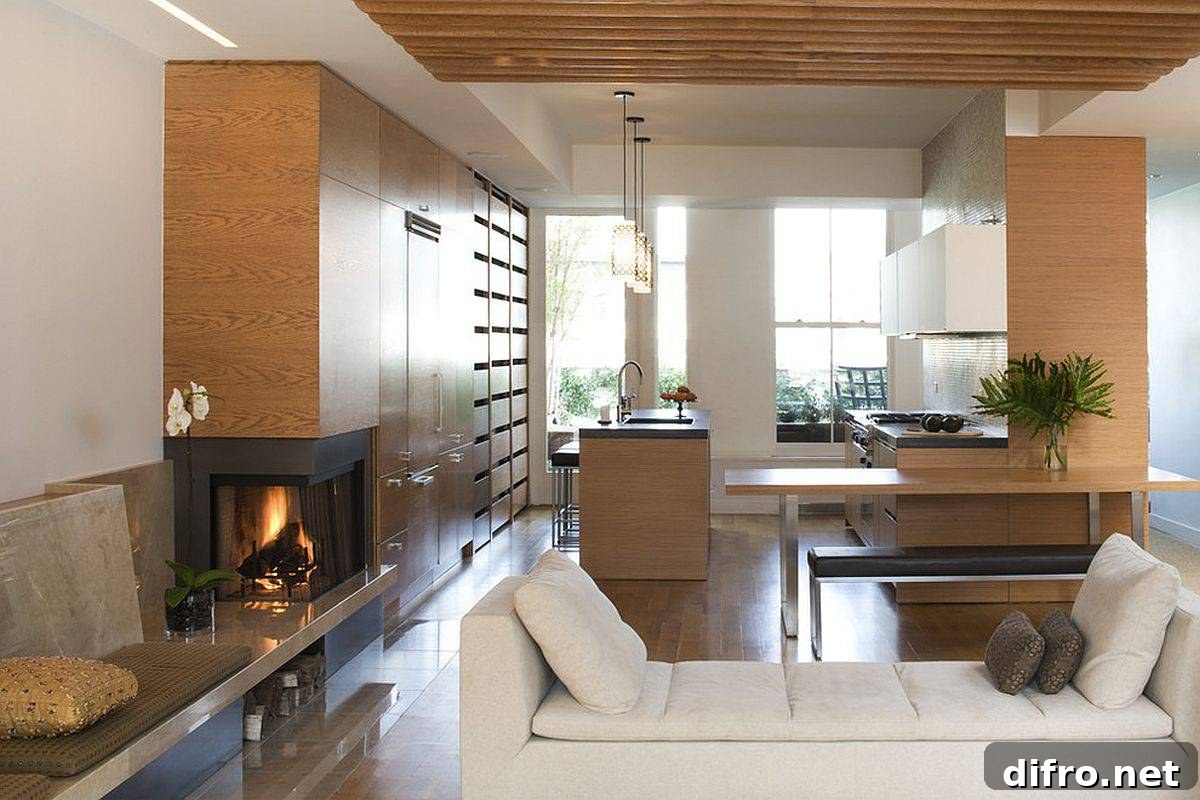
Built-in benches make the most of small corners while maintaining a polished look. Because they are custom-fitted, benches can incorporate drawers, lift-up seats, open cubbies or shelves beneath the seating to increase storage—ideal for toys, blankets or seasonal items. Extending bench material into adjacent shelving or a desk creates continuity and reduces the need for additional furniture, which can cut overall decorating costs. Wood finishes are popular for warmth and affordability, but painted or upholstered benches also work well in modern or coastal rooms.
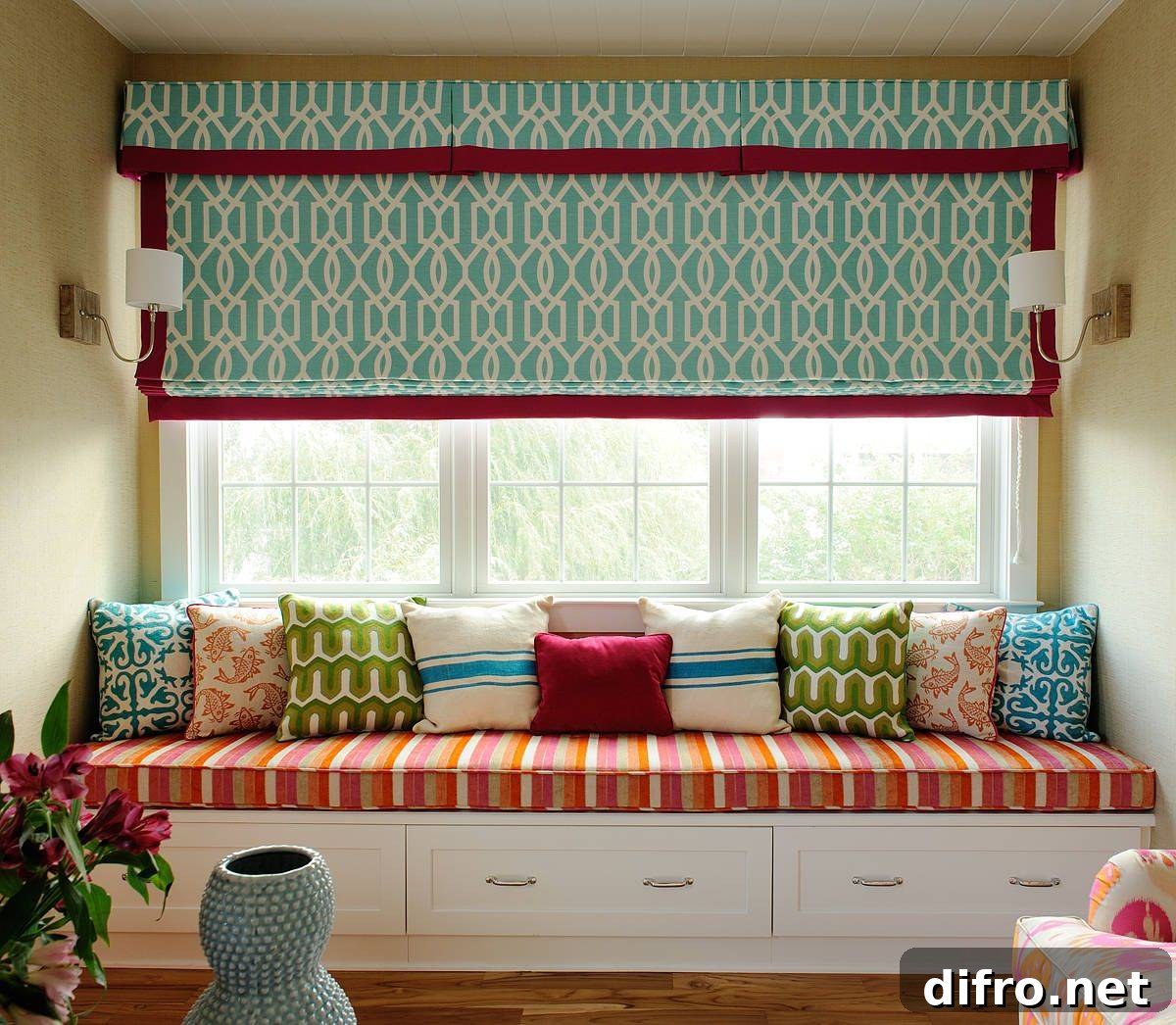
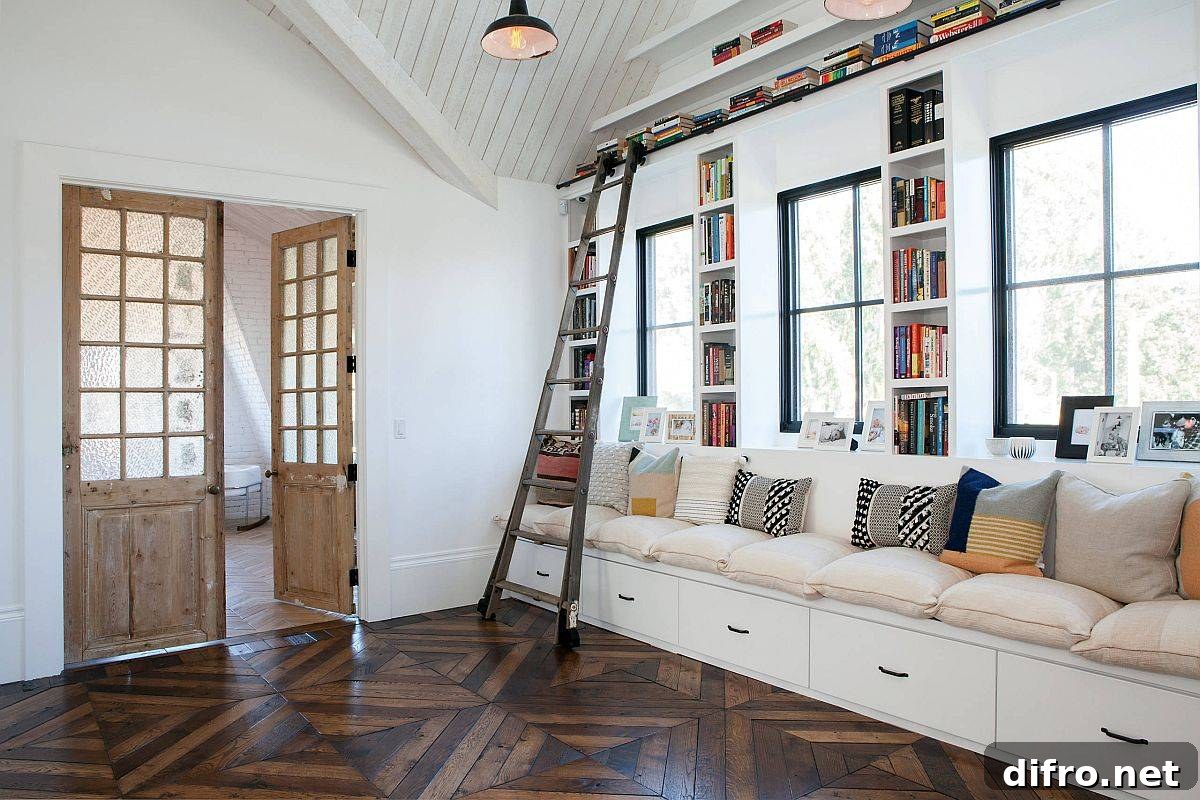
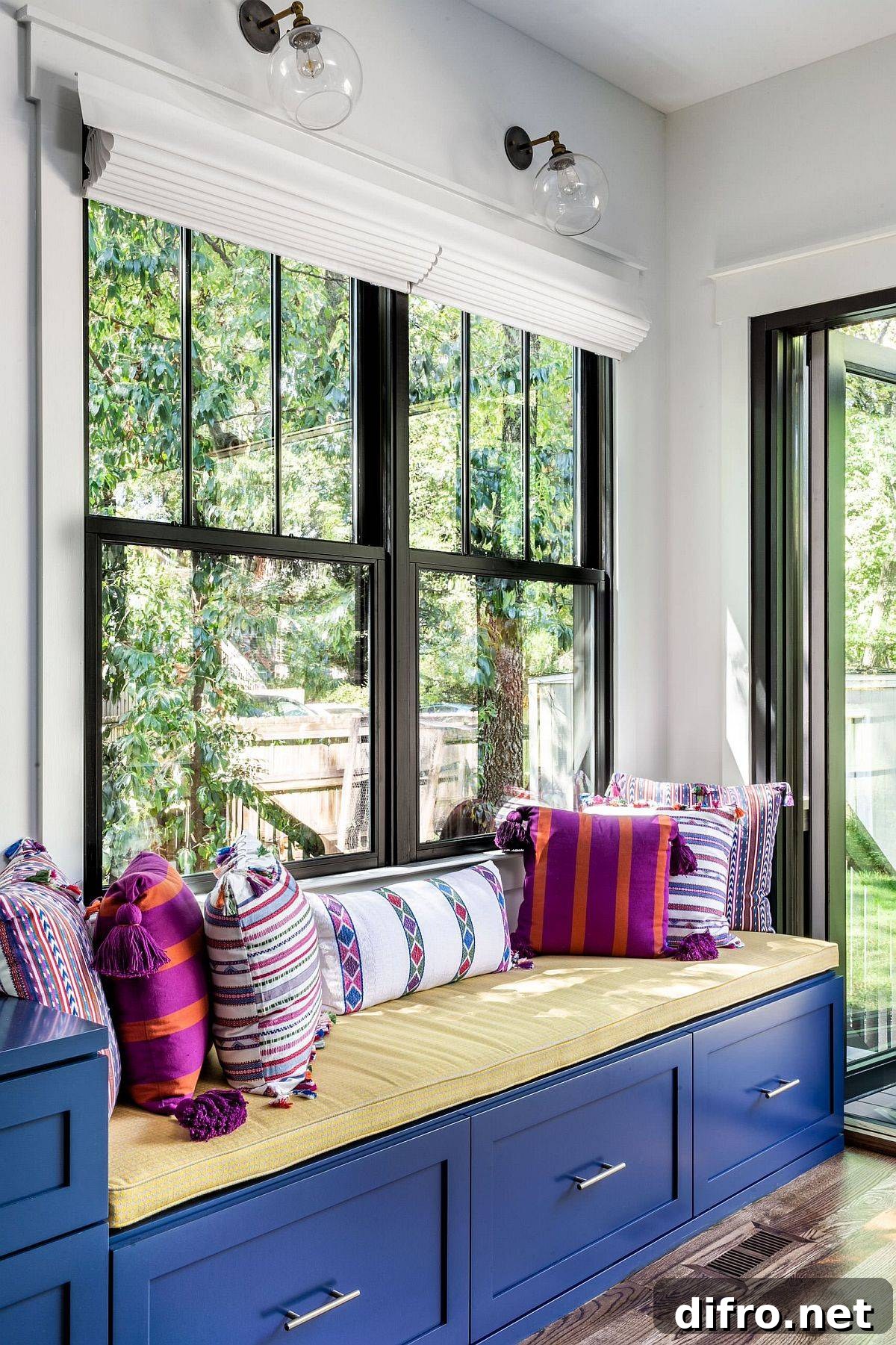
How to Plan Seating, Storage and Style
Before installing a built-in bench, consider how it will connect with the rest of the family room. Think about the bench’s primary role—extra seating, a lounging nook, or storage—and how that aligns with daily use. Bibliophiles may prefer floor-to-ceiling bookshelves framing the bench to create a reading alcove, while homeowners who want cozy evenings might position the bench near a fireplace. If your room has a scenic outlook—garden, ocean or city skyline—place the bench where you can best enjoy the view.
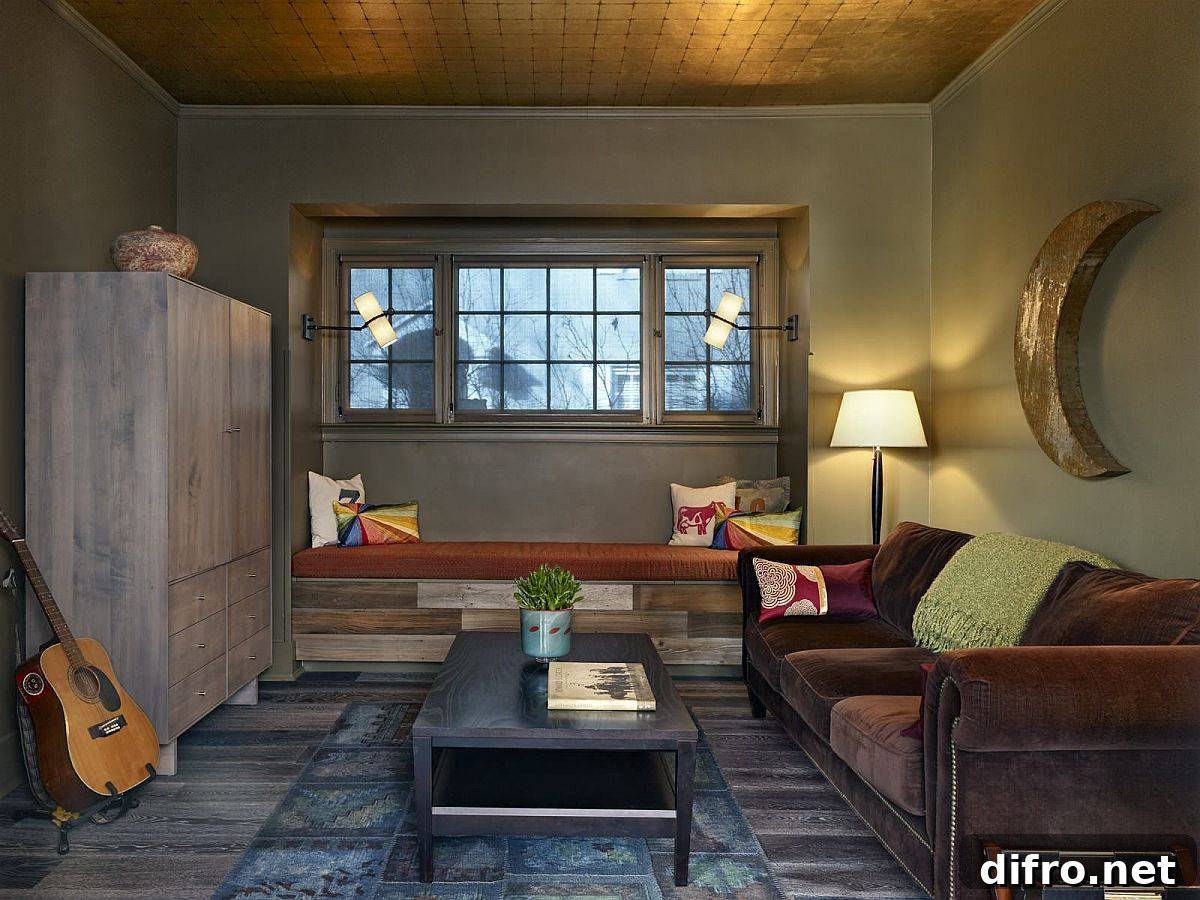
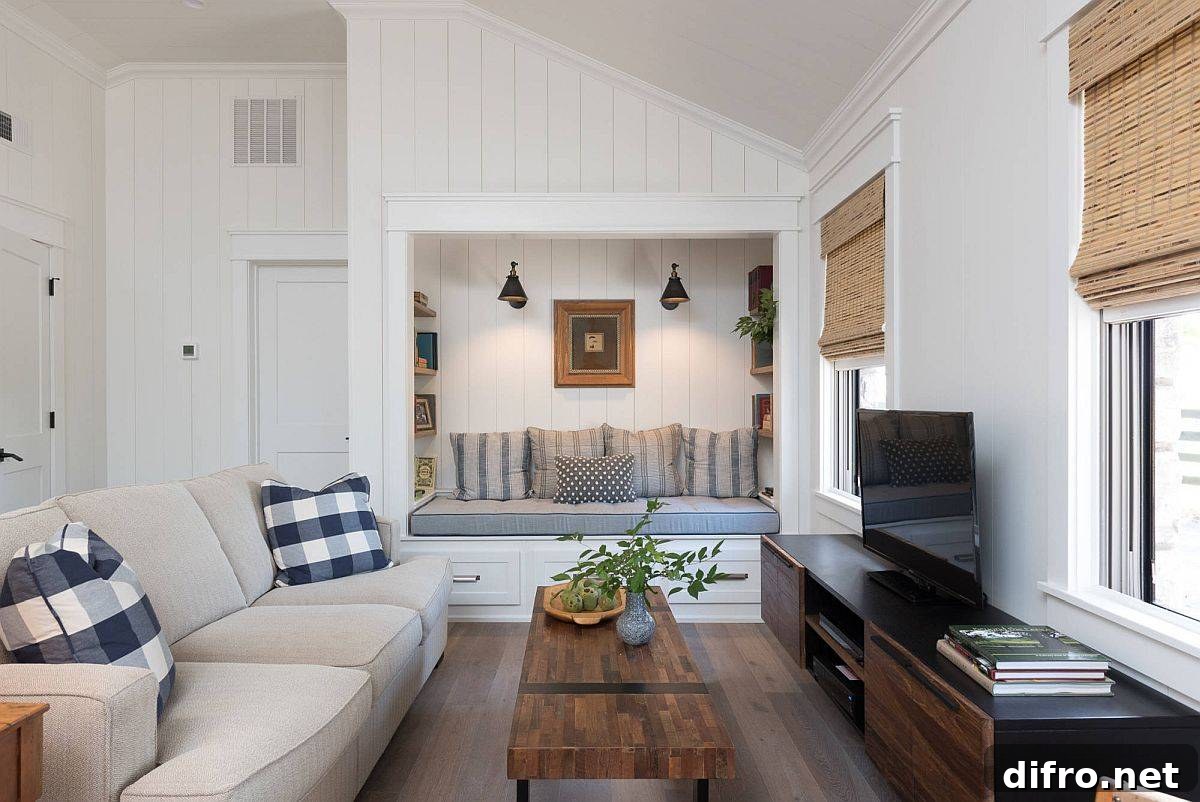
Material choice matters: hardwoods and engineered wood are durable and can be stained or painted to match trim and cabinetry; stone or tiled bench tops work well near fireplaces or in contemporary settings; and upholstery adds comfort but requires more maintenance. For cushions, choose high-density foam wrapped in durable, washable fabric for family-friendly use. Add a few decorative pillows for color, texture and seasonal updates.
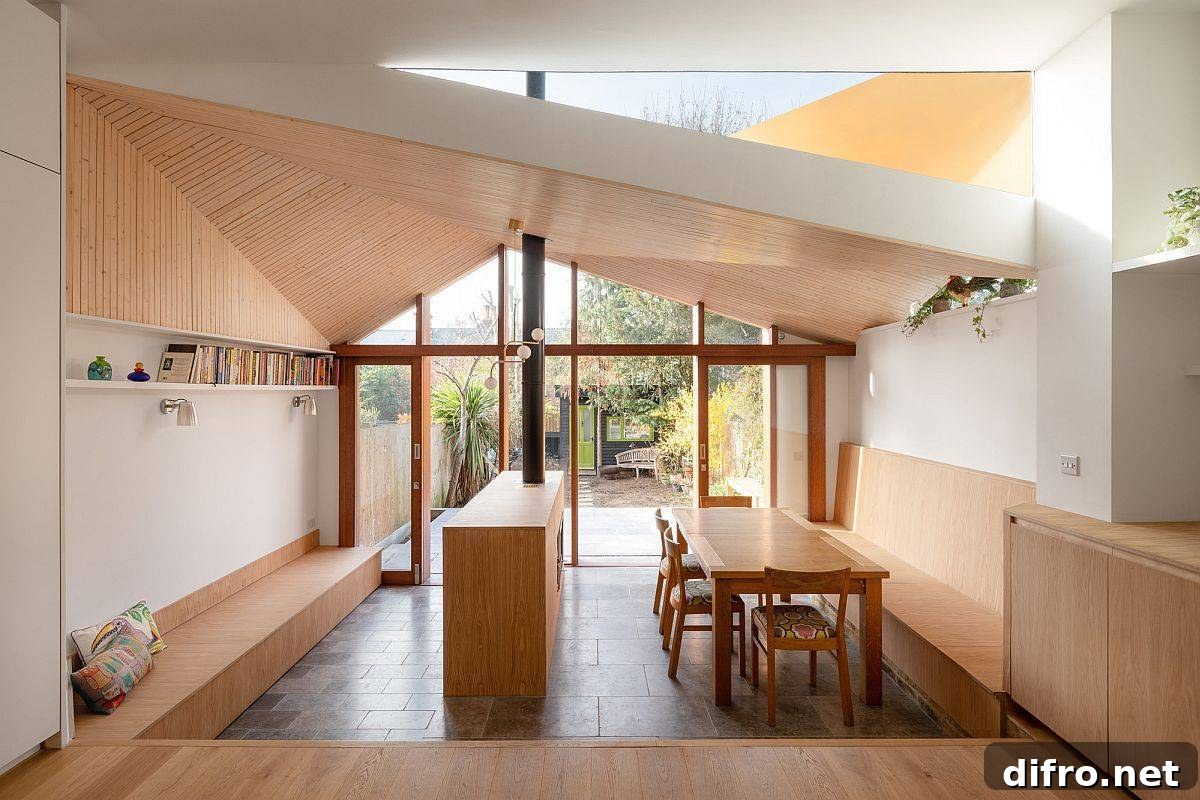
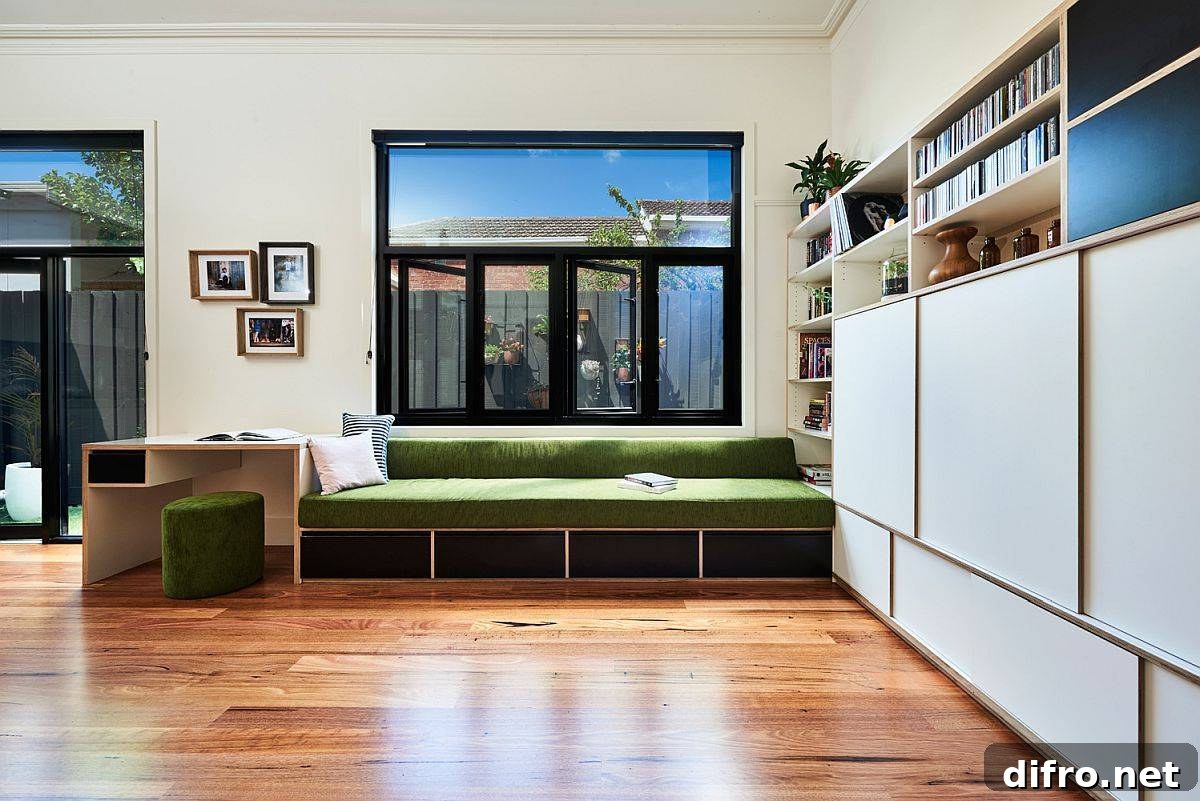
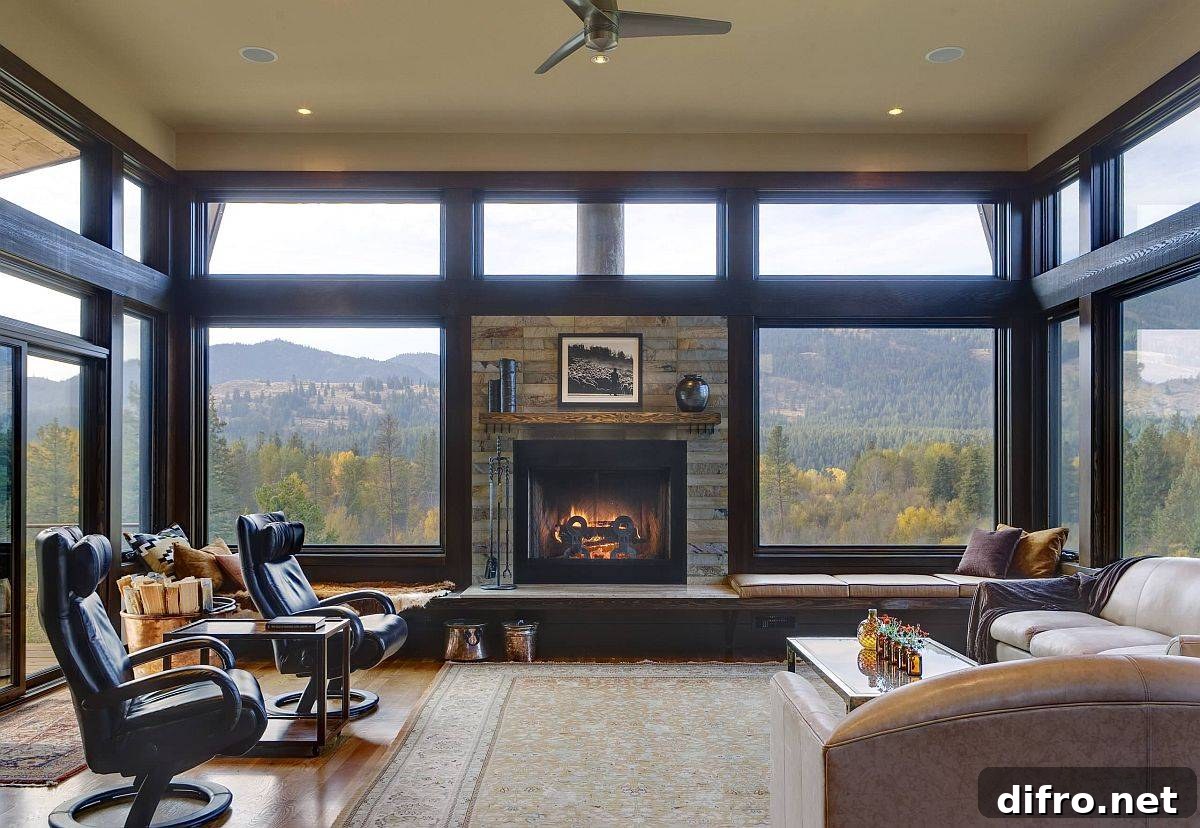
Whether you want to maximize seating, add storage, create a reading nook or frame a view, a well-designed built-in bench brings form and function to a family room. Thoughtful planning—considering placement, materials and storage—will yield a comfortable, attractive solution that enhances everyday living and hosts guests with ease.