Some home features look attractive at first but become persistent dust traps over time. These spots collect layers of dirt and fibers that can worsen allergies and make cleaning feel endless. Below are eight common home features that tend to gather dust, why they do it, and practical ways to reduce buildup so your home stays cleaner and healthier.
1. Ceiling Fans
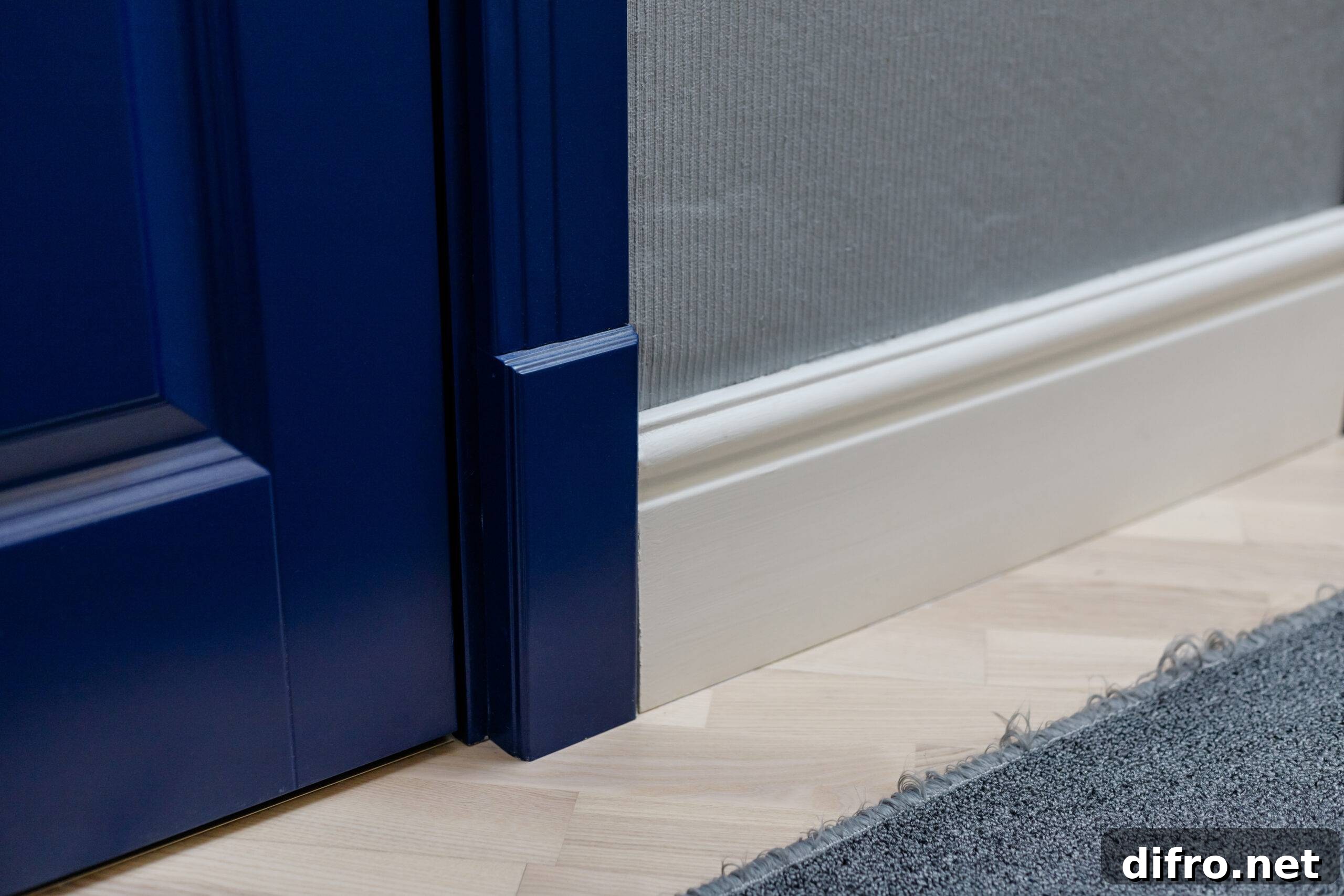
Ceiling fans cool rooms effectively, but their blades act like large shelves for airborne dust. When the fan runs, that dust is redistributed through the room. Wipe blades regularly with a slightly damp microfiber cloth or use an extendable duster to reach higher fixtures. For extra protection, run an air purifier in the room to reduce airborne particles that settle on surfaces, and schedule a deeper cleaning of the blades about once a month if the fan gets heavy use.
2. Wall-to-Wall Carpeting
Wall-to-wall carpet provides warmth and softness but traps dust, pet hair, and allergens deep in its fibers. Regular vacuuming helps, but carpets can hold far more particles than smooth floors. If possible, replace carpeting with hard surfaces such as hardwood, laminate, or tile and use washable area rugs instead. When carpet removal isn’t an option, use a high-quality vacuum with a HEPA filter, maintain a vacuuming schedule (more often if you have pets or high foot traffic), and arrange for professional steam cleaning periodically to remove embedded dirt.

3. Ornate Light Fixtures
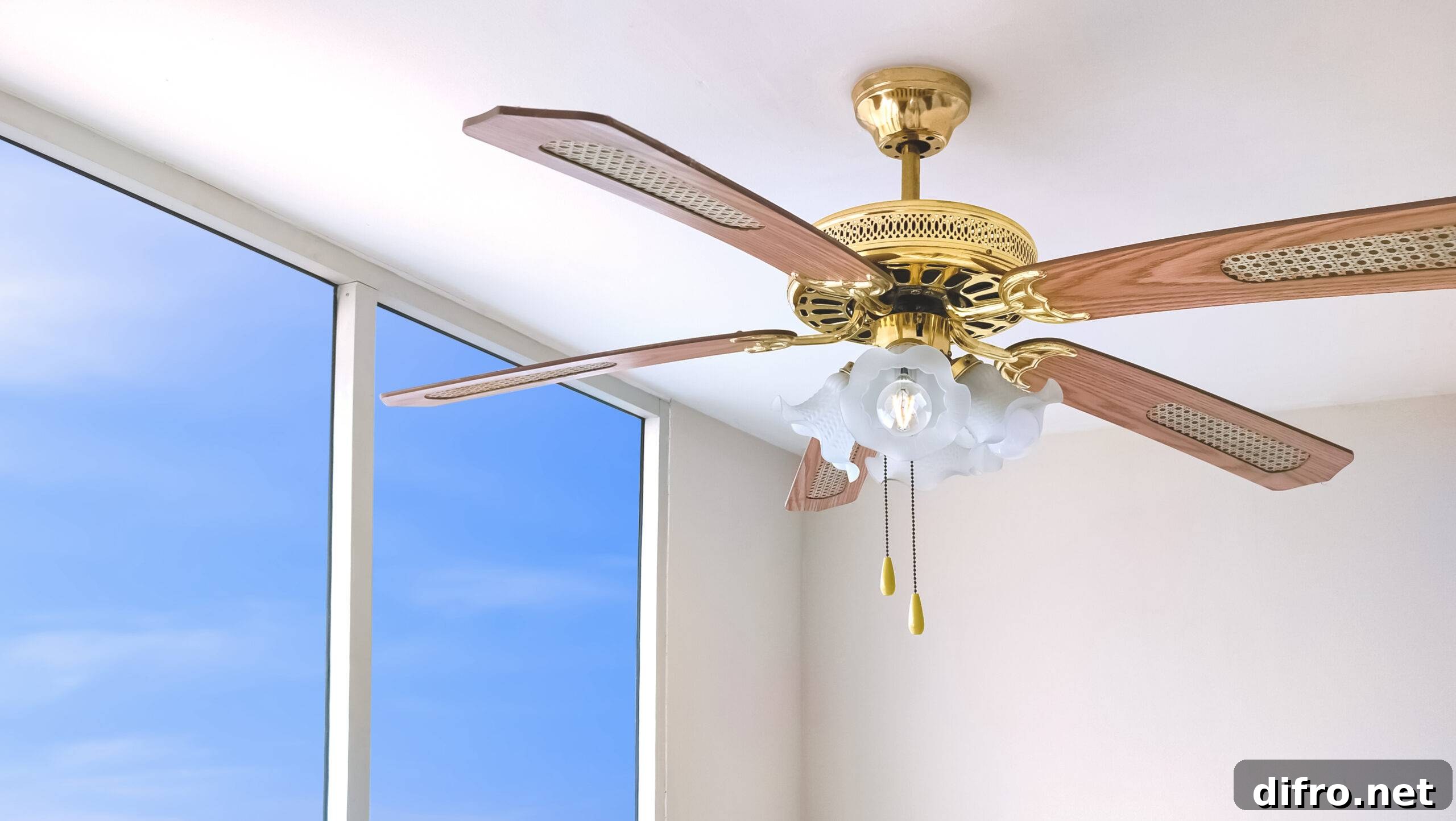
Chandeliers and intricately detailed light fixtures look elegant but gather dust in every crevice, which makes them time-consuming to clean. Opting for simpler, minimalist fixtures can cut down on cleaning time. If you own an ornate chandelier you want to keep, use a microfiber cloth or a long-handled duster for routine maintenance and perform a full, careful cleaning of all components at least once a month to prevent buildup.
4. Vent Covers and Air Ducts
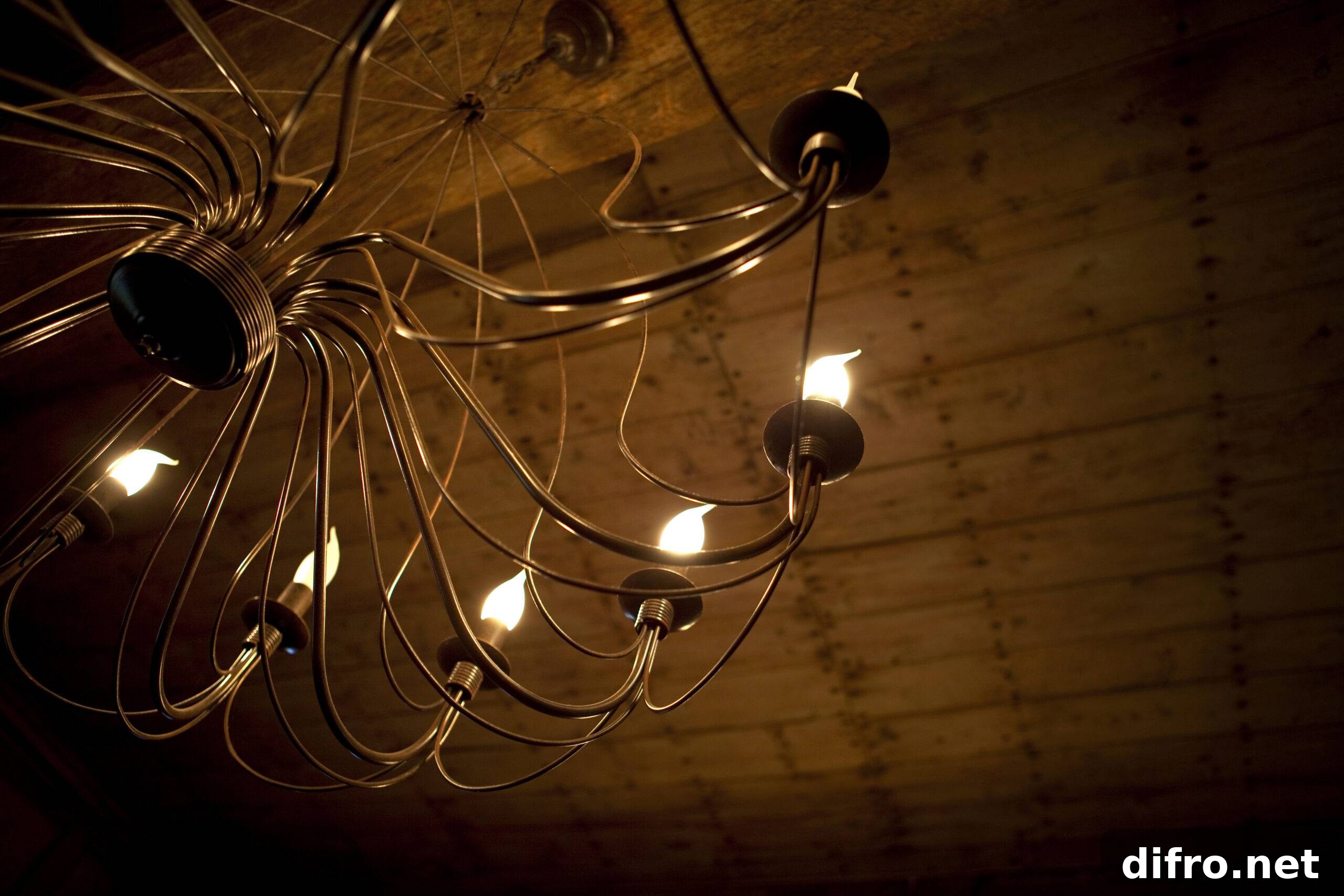
Vent covers and ductwork channel your home’s airflow, so they naturally accumulate dust and debris over time. Buildup in vents reduces indoor air quality and can make the whole house feel dusty even after surface cleaning. Choose vent covers that are easy to remove and wipe clean, regularly vacuum vent grilles with a brush attachment, and consider having ducts inspected or professionally cleaned every few years if you notice persistent dust or airflow issues. Replacing HVAC filters on schedule also reduces the amount of dust circulated through the system.
5. Baseboards and Molding
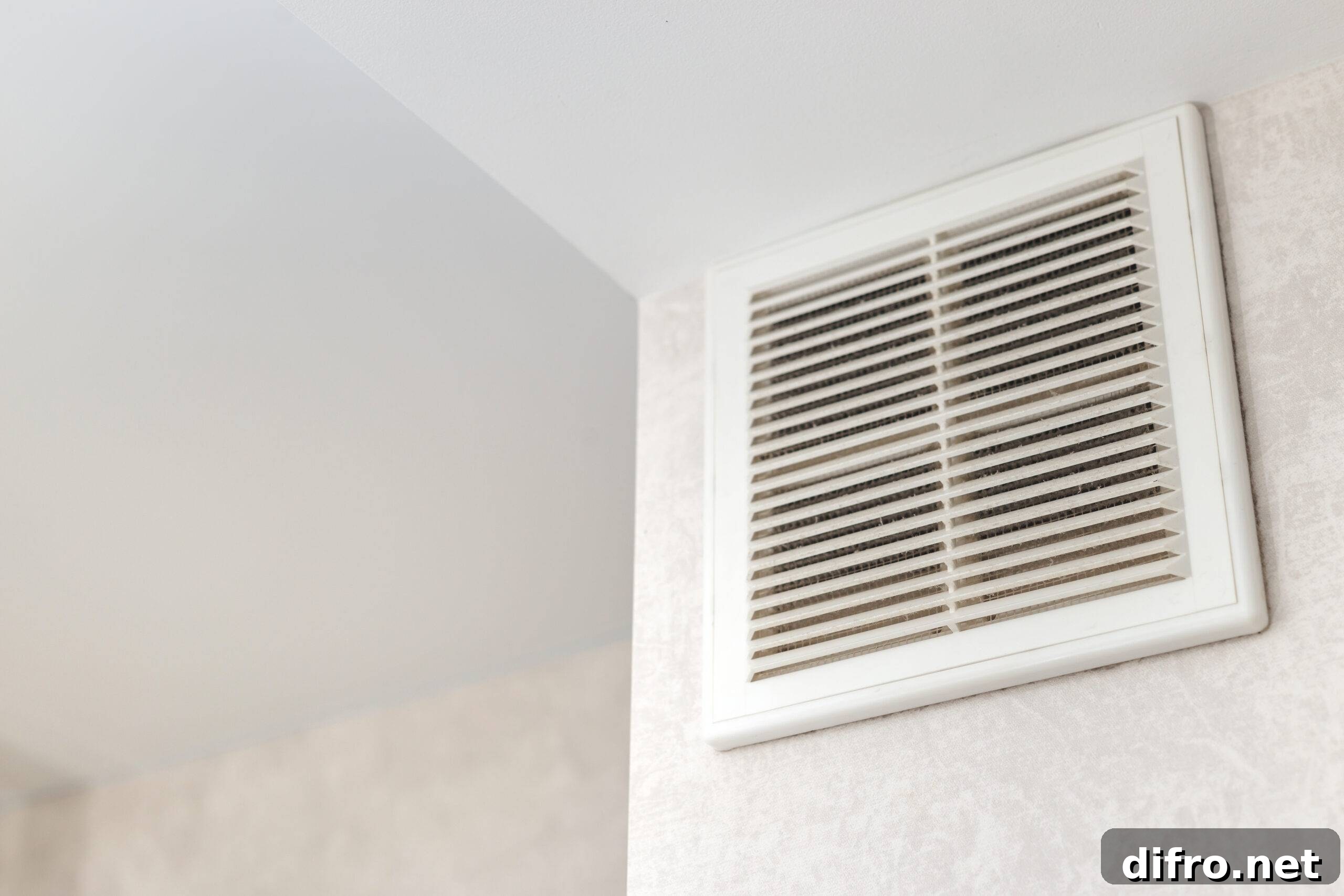
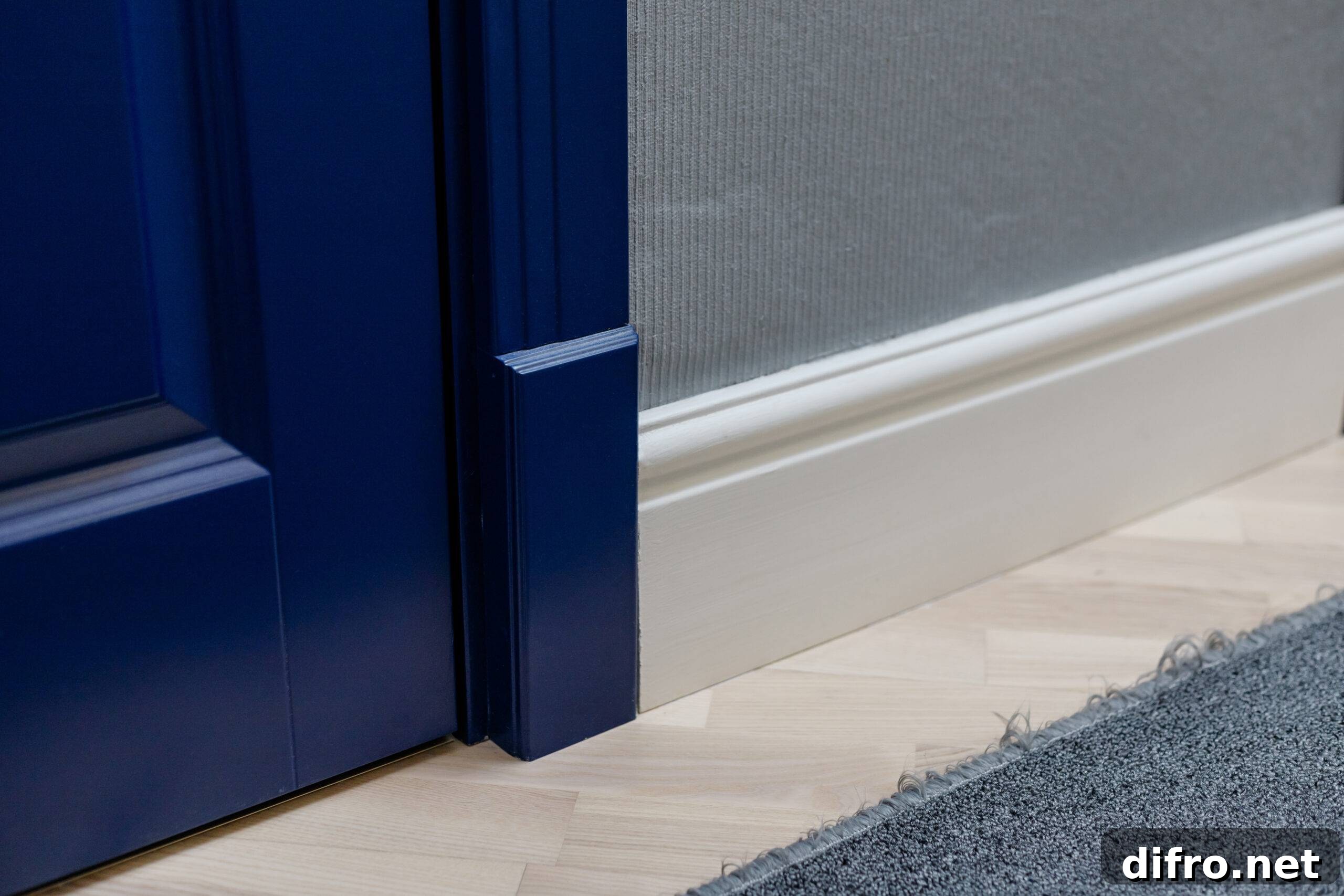
Baseboards, crown molding, and detailed trim catch dust along every profile and groove. The more intricate the trim, the more spots there are for dust to settle. When renovating, consider simpler trim profiles for easier upkeep. For existing trim, use a microfiber cloth or a slightly dampened rag to wipe surfaces regularly. A dryer sheet lightly run along baseboards can reduce static and make dust less likely to cling, while a vacuum with a crevice tool helps remove accumulated dust from tight corners.
6. Heavy Curtains
Thick drapery and heavy textiles trap dust and allergens within their weave, especially when washed infrequently. Opt for lightweight, washable curtains or cellular shades that are easier to clean, or launder heavy drapes every few months if you use them for insulation or blackout purposes. Regular vacuuming with an upholstery attachment helps reduce surface dust, and steam cleaning can refresh heavier fabrics between washes.

7. Upholstered Furniture
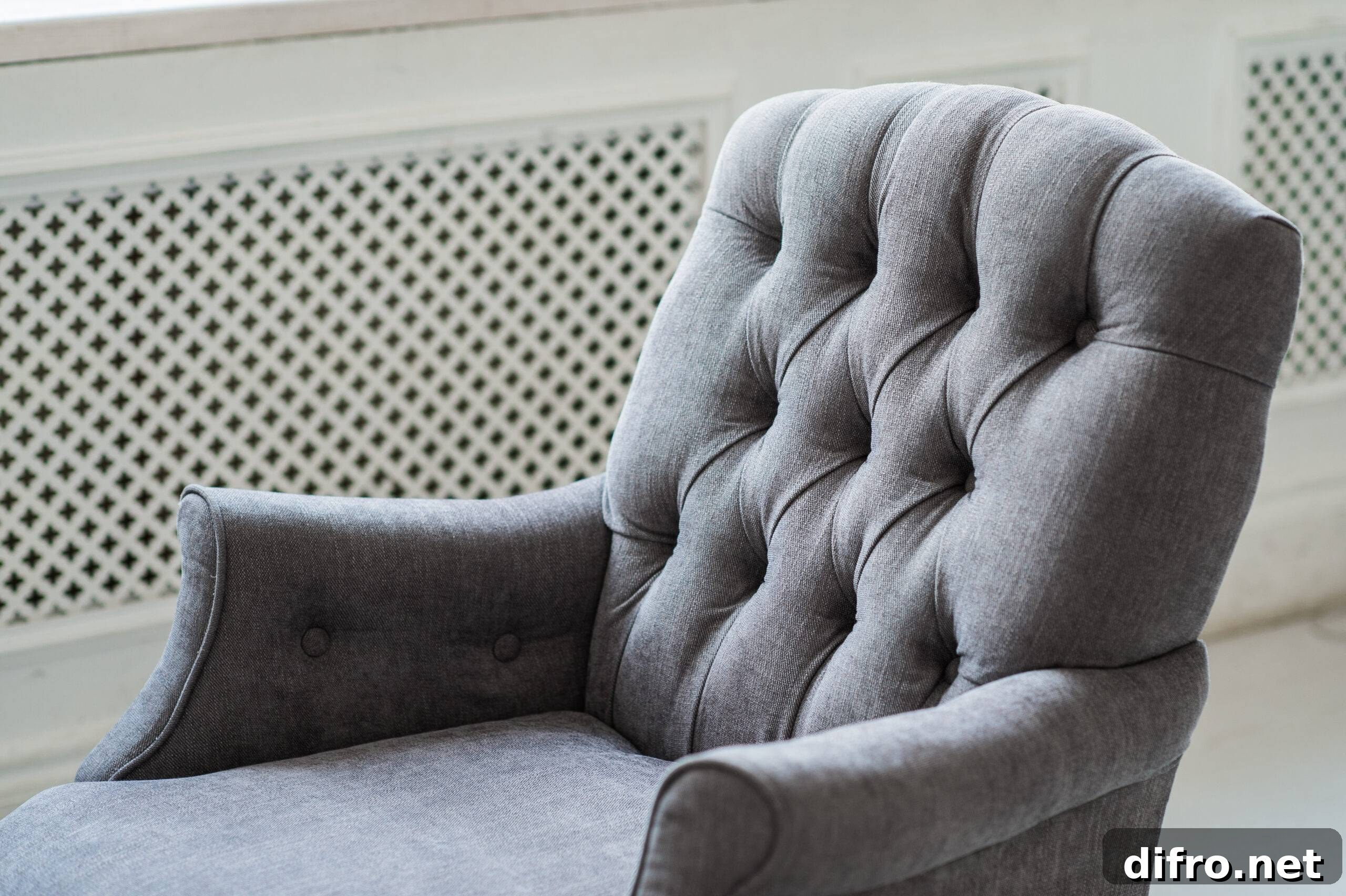
Sofas, armchairs, and other fabric-upholstered pieces are magnets for dust, pet hair, and skin flakes—the very things that contribute to household dust. Regular vacuuming with an upholstery tool is essential. Consider furniture with removable, machine-washable covers, or choose leather and tightly woven fabrics that are easier to clean. Rotating cushions and airing out upholstered pieces outdoors occasionally also helps reduce trapped dust and odors.
Dust is a normal part of home maintenance, but design choices influence how much you’ll face. Prioritizing smooth, easy-to-clean surfaces, choosing low-maintenance textiles, and maintaining a consistent cleaning routine will reduce dust accumulation and improve indoor air quality. Small adjustments—like switching to washable rugs, using HEPA-filter vacuums, and cleaning vents—deliver noticeable improvements in comfort and cleanliness.