Thrifting is a practical way to save money, find one-of-a-kind pieces, and shop more sustainably. For many people, however, stepping into a thrift store can feel overwhelming: rows of items, inconsistent organization, and an unpredictable inventory. With a little strategy, patience, and an eye for quality, thrifting becomes less random and more rewarding. These practical tips will help you shop smarter, avoid common pitfalls, and make the most of every thrift-store visit.
Go in With a Plan (But Stay Open-Minded)
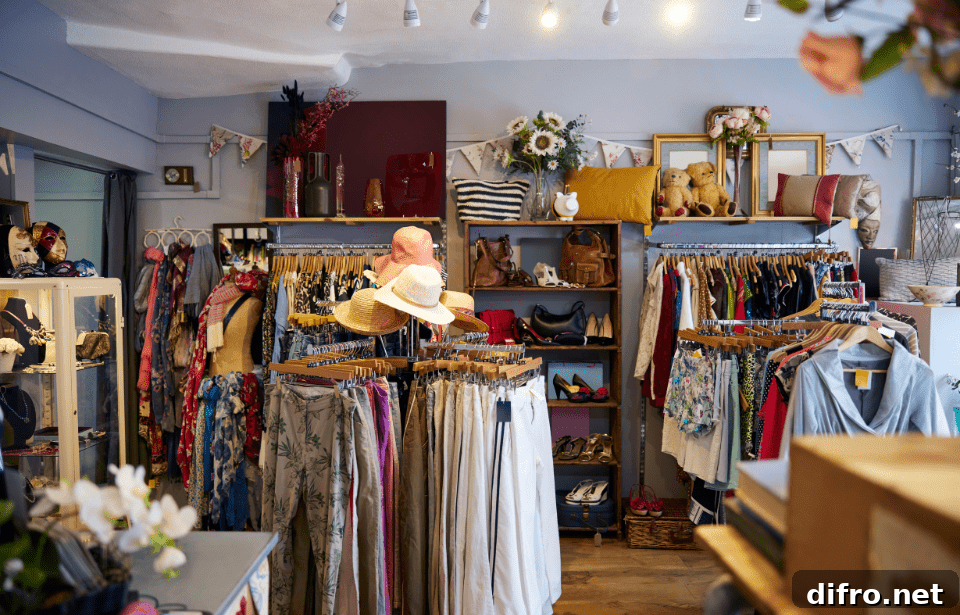
Having a loose plan makes thrifting more efficient. Decide whether you want clothing, home decor, furniture, or specific items such as a winter coat or vintage decor pieces. A simple checklist or mental list prevents decision fatigue and helps you spot what you need amid clutter. At the same time, stay open to surprises—some of the best finds are items you didn’t know you wanted. Balance intention with curiosity: know your priorities, but allow room for serendipity.
Learn the Best Days to Shop
Inventory turnover varies by store. Ask staff when new donations arrive or when they tag items for sale. Many stores restock after weekends or after local donation drives, while others offer weekly discount days or tag-color promotions. Shopping early in the morning often gives you first pick of freshly stocked items. Once you learn a store’s cycle, you’ll time visits to align with the best selections.
Check for Quality, Not Just Price
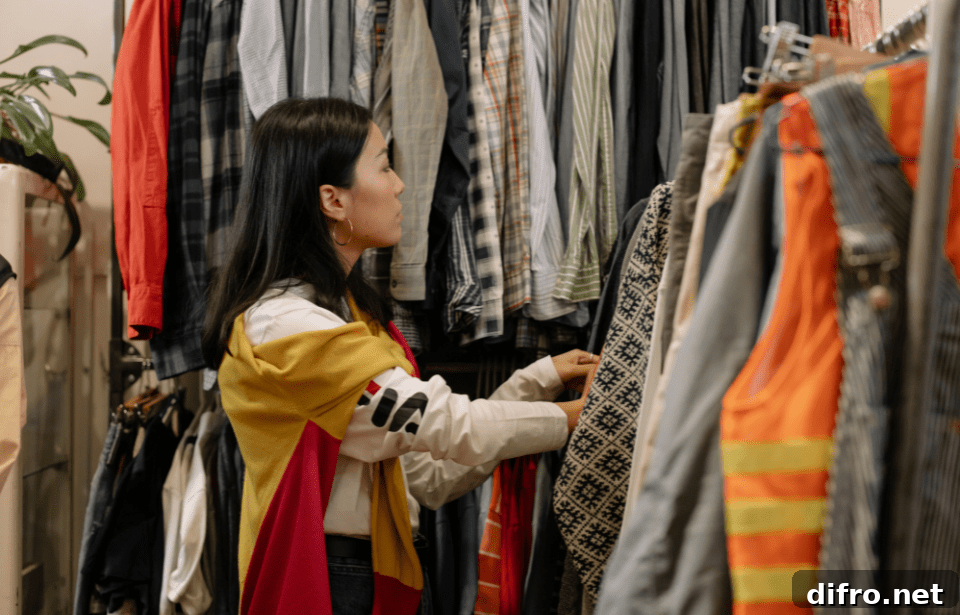
Low price is attractive, but it shouldn’t be the only criterion. Examine items closely for wear, missing pieces, stains, holes, or lingering odors. Some flaws are repairable—loose buttons, small tears, or scuffs on furniture—while others, such as extensive water damage or irreparable stains, make an item more trouble than it’s worth. Prioritize durable materials like wool, leather, or solid wood; a well-made secondhand item often outlasts a cheaply made new alternative.
Think Beyond the Original Purpose
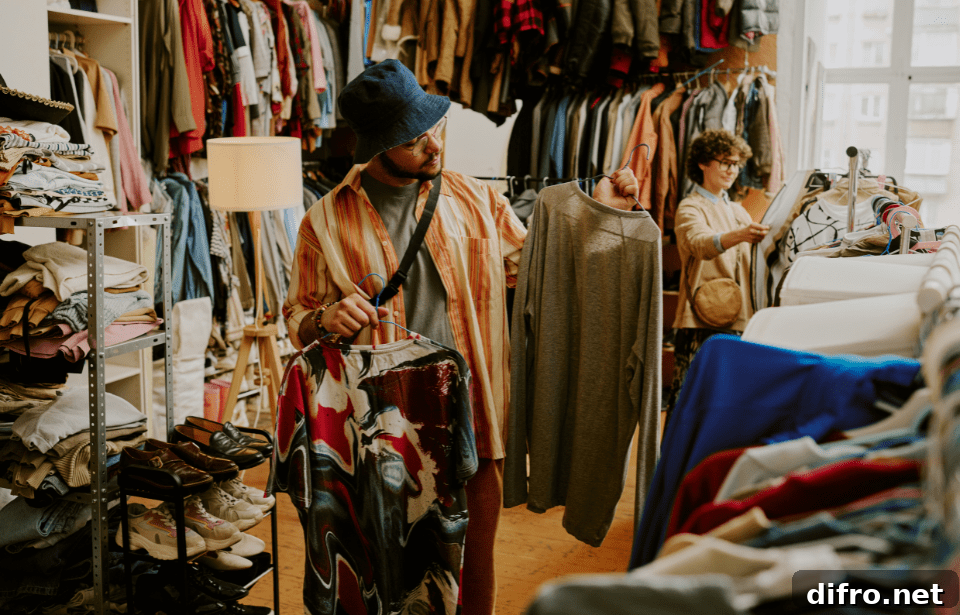
Repurposing is a smart thrift tactic. A large men’s sweater can be transformed into a cozy dress or oversized cardigan; a wooden ladder makes an attractive blanket display; curtains can become cushion covers. When you like the fabric, structure, or hardware of an item, imagine alternative uses. Creative upcycling turns ordinary thrift finds into unique, personalized pieces that reflect your style.
Be Patient and Keep Going Back
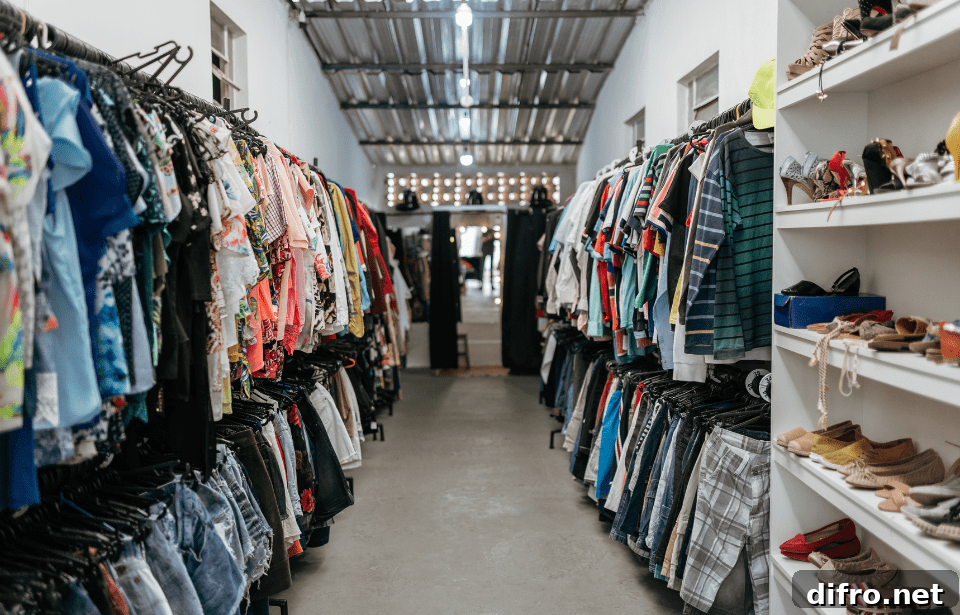
Thrifting rewards persistence. Unlike retail stores with consistent stock, thrift shops change frequently—what isn’t there today may appear next week. Visit regularly and make a few favorite stores part of your routine. If you’re hunting for something specific, give it time. Over repeated visits you’ll develop an instinct for timing and inventory patterns, and you’ll be more likely to spot rare or high-quality items.
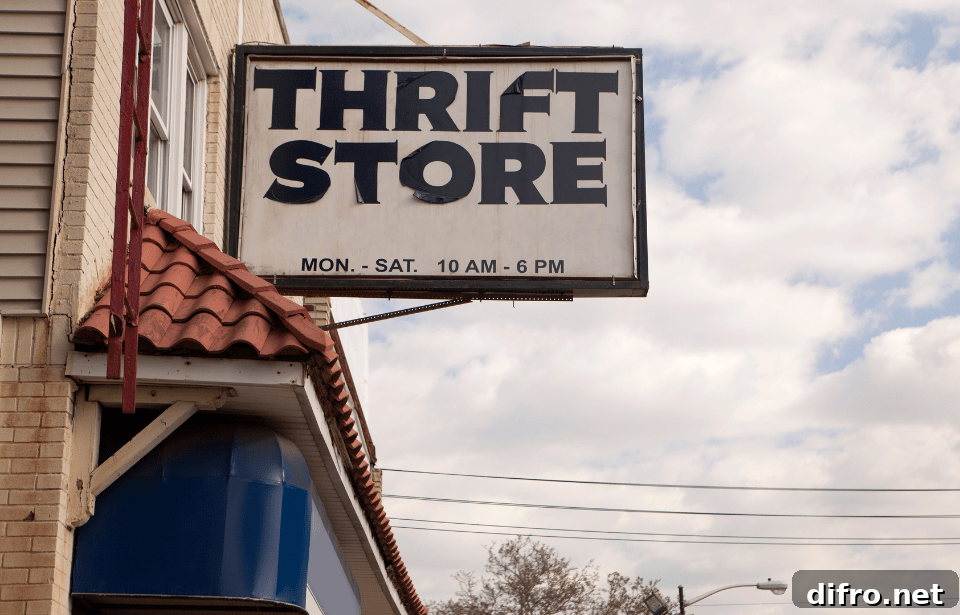
Practical Tips for a Better Thrifting Experience
Bring a plan for cleaning and repairs: many thrift purchases just need a good wash, a gentle dry-clean, or a minor repair to make them like-new. Carry a small tape measure if you’re shopping for furniture or curtains. Try items on when possible, or measure them against clothing you own. If you prefer to avoid returns, ask about the store’s return policy before buying. For bulky items, make sure you have the means to transport them safely.
Why Thrifting Matters
Thrifting reduces waste and extends the life of existing goods, which lowers the environmental impact of consumption. It also offers access to distinctive styles and higher-quality materials at lower prices. Whether your aim is to save money, find vintage treasures, or support sustainable habits, thrifting is a practical and creative approach to shopping.
Approach thrift shopping like a treasure hunt: go in prepared, inspect items carefully, imagine new uses, and be persistent. Over time you’ll learn store rhythms, build a knack for spotting gems, and accumulate a collection of unique, affordable, and sustainable finds.