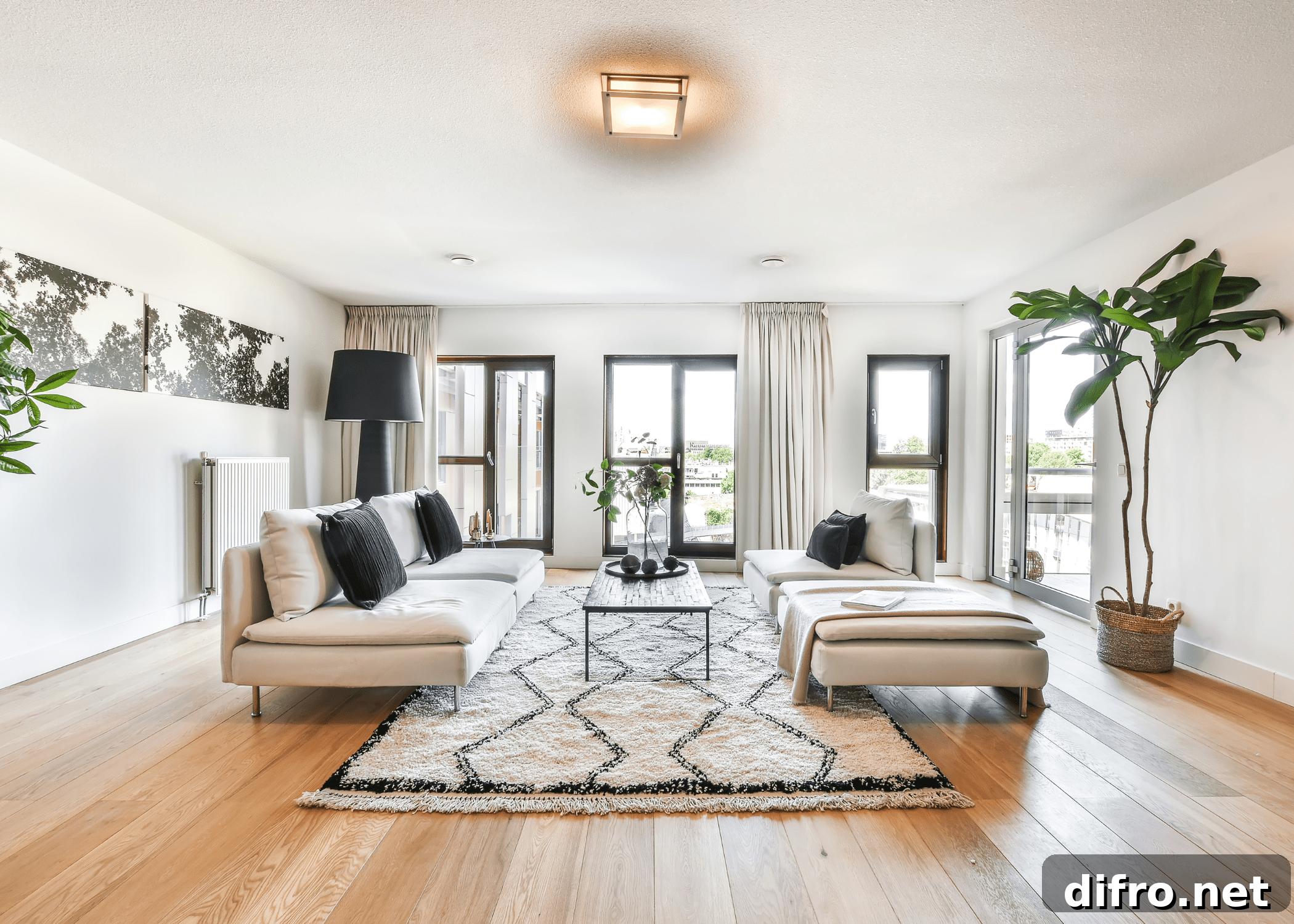
In real estate, first impressions matter. Home staging—the practice of preparing a property to appeal to potential buyers—can speed up a sale and increase its value. Professional stagers know how to create neutral, welcoming spaces that highlight a home’s strengths while remaining broadly appealing. Many of their techniques are inexpensive and easy for homeowners to apply, whether you’re selling or simply refreshing your living space.
Below are practical, budget-friendly staging strategies used by pros. From strategic furniture layout to smart color choices and lighting, these tips will help any room look brighter, larger, and more inviting without a large investment.
Declutter and Depersonalize
One of the first moves a stager makes is to remove clutter and personal items. Pack away family photos, unique collections, and any decor that feels overly specific to a single taste. Clearing surfaces and minimizing furniture instantly opens a room, making it easier for visitors to imagine themselves living there.
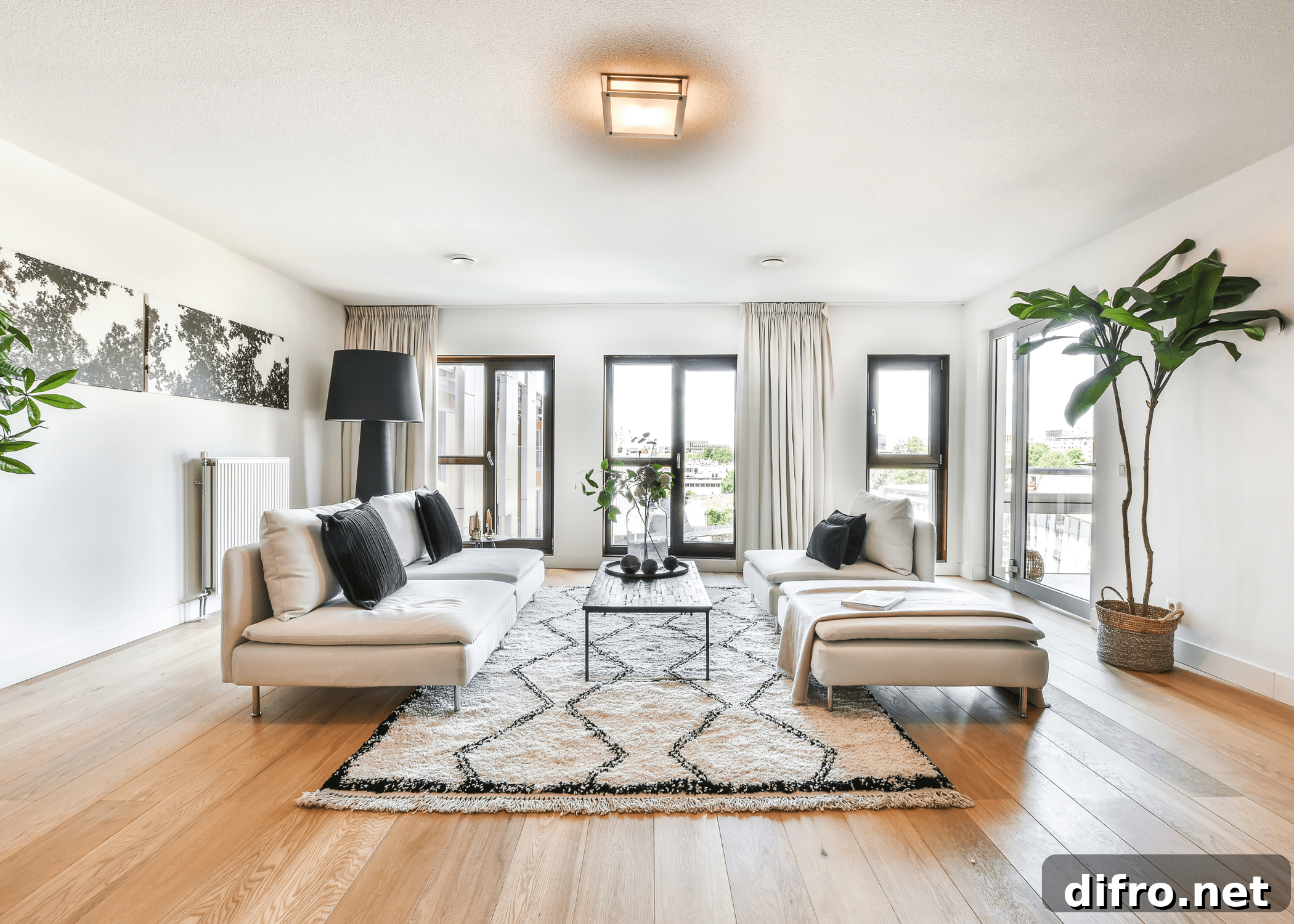
Use simple storage solutions—baskets, bins, and shelves—to keep everyday items organized and out of sight. Removing excess furniture and clearing counters can reveal the home’s architectural details and improve perceived square footage.
Utilize Mirrors to Create Light and Space
Mirrors are an affordable staging tool that can make rooms feel larger and brighter. Position mirrors opposite windows or light sources to reflect natural light and visually expand the space. Large mirrors work well as focal points, while smaller pieces can highlight views or features you want to draw attention to.
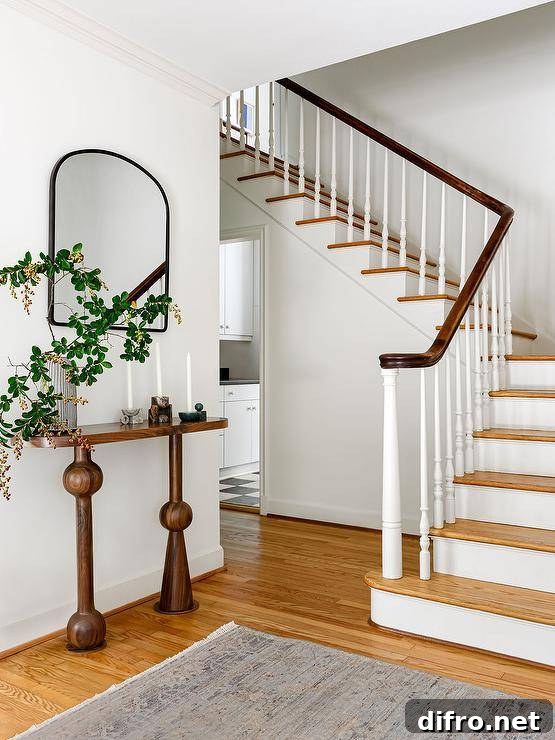
Experiment with different mirror shapes and frames to add personality while maintaining a sense of openness. A well-placed mirror delivers both function and a refined visual boost.
Embrace Neutral Color Palettes
Neutral colors are a cornerstone of effective staging because they appeal to a wide audience and create a calm, cohesive backdrop. Whites, beiges, soft grays, and taupes let buyers focus on a room’s potential and make spaces feel more spacious.
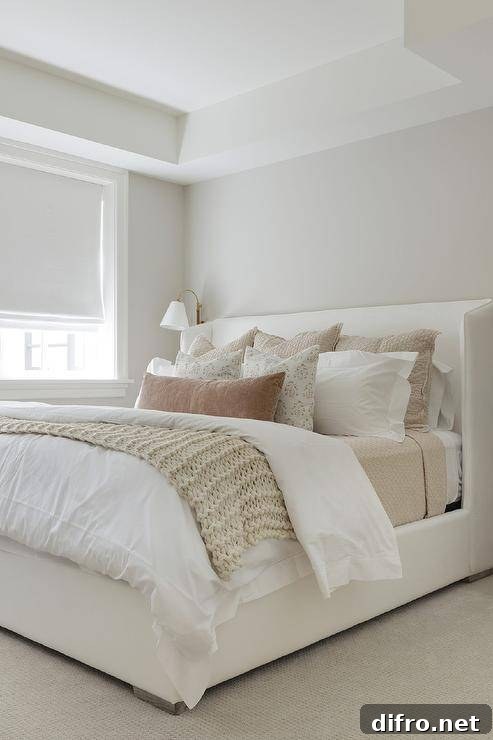
If walls are currently a bold or dark color, repainting in a soft neutral can dramatically change how a room feels. Neutral walls also make it easy to introduce accents—art, cushions, or a single colorful accessory—without overwhelming the space.
Highlight Key Features with Lighting
Good lighting showcases a room’s best qualities and creates an inviting mood. Combine ambient, task, and accent lighting to cover general illumination, functional needs, and focal points. Ambient light sets the tone, task lights help with activities, and accent lights draw attention to artwork or architectural details.
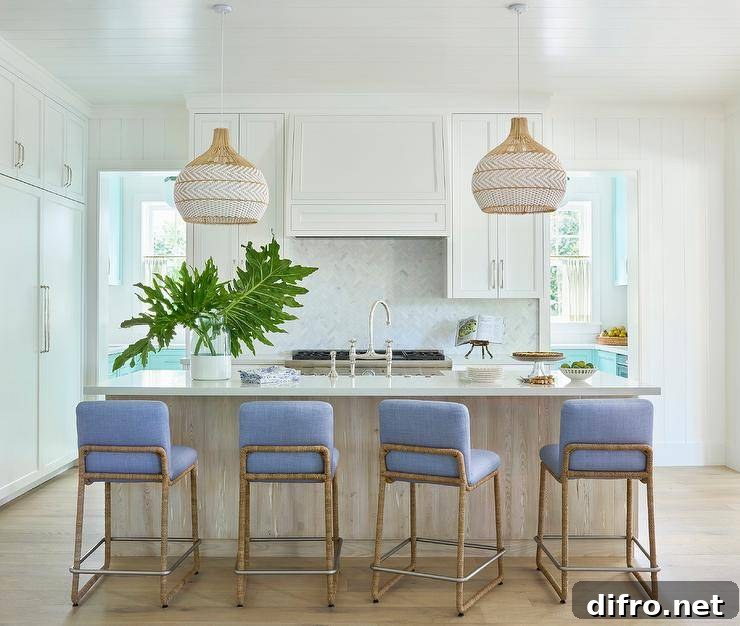
Replace outdated fixtures, add floor or table lamps where light is lacking, and consider LED bulbs for bright, energy-efficient light. Layered lighting instantly elevates mood and makes rooms feel more intentional.
Rearrange Furniture for Optimal Flow
Furniture layout strongly affects a room’s functionality and perceived size. Remove unnecessary pieces and try alternative arrangements that emphasize focal points—fireplaces, windows, or built-ins. Aim for clear pathways and seating that encourages conversation.
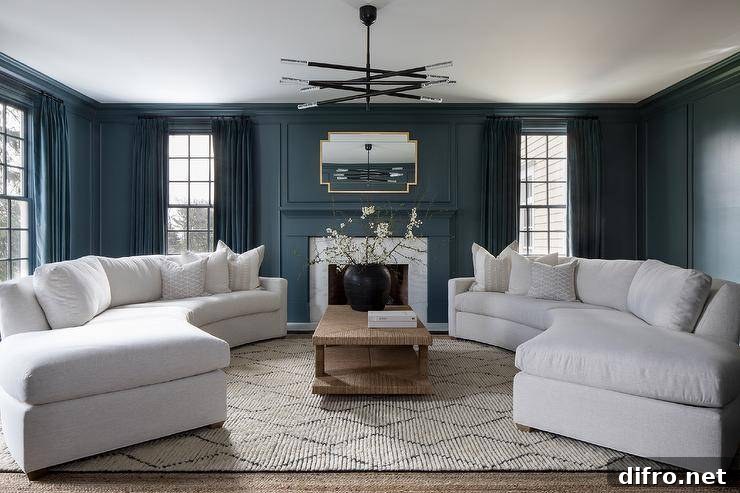
Even small adjustments—angling a sofa, centering seating around a rug, or pulling furniture slightly away from walls—can improve flow and make a room feel fresh.
Add Greenery and Natural Elements
Plants and natural materials add warmth and life. A few well-placed plants—a large fern in a living room corner, a potted herb in the kitchen, or a small succulent in a bathroom—can make a home feel cared-for and vibrant. Natural accents like woven baskets, wooden bowls, or stone coasters bring texture and a sense of authenticity.
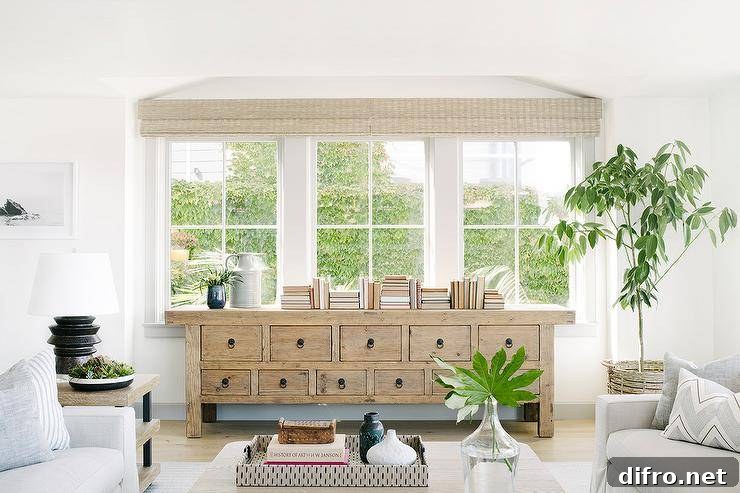
Choose low-maintenance plants if you don’t have a green thumb. The right greenery refreshes a room visually and improves the overall presentation to buyers or guests.
Use Affordable Textiles to Add Warmth and Comfort
Textiles are an easy, cost-effective way to change a room’s look. Use throw pillows, blankets, and area rugs to add color, texture, and a sense of comfort. Layering materials—such as a soft throw over a leather sofa or a plush rug over hardwood—creates depth and invites people to linger.
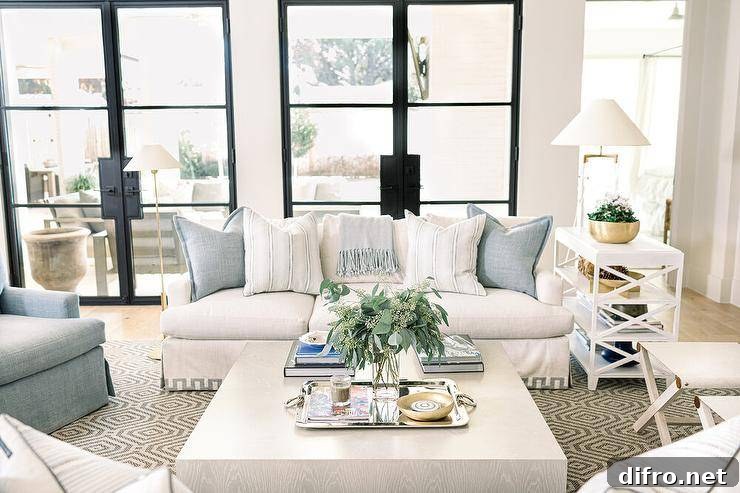
Textiles are also easy to swap seasonally or when preparing for showings, allowing you to refresh the look of a space rapidly and affordably.
Related Articles
- Scandinavian Minimalism Compared to Minimalist Style
- Classic White Kitchen Appliances Are Reclaiming Their Place in the Heart of the Home
- Simple Sophistication for Your Modern Minimalist Living Room
Applying these cost-conscious staging strategies will help any room look more polished and market-ready. Whether your goal is to sell quickly or simply to enjoy a fresher, more inviting home, these techniques deliver clear visual improvements without a large budget.
Ready to refresh your space? Subscribe to our newsletter for interior design tips, trends, and practical ideas to help you transform your home.