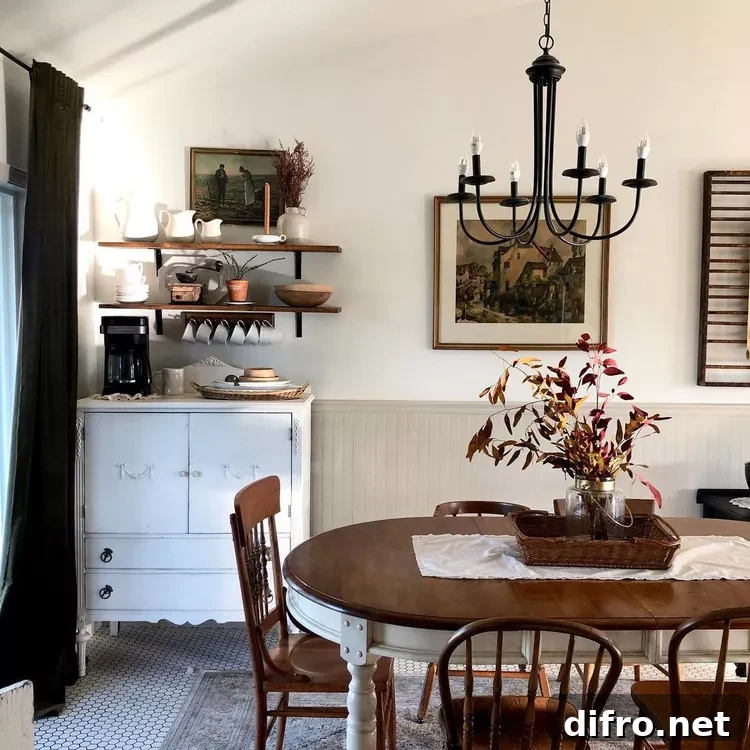
Creating a cozy, practical dining room is a satisfying design challenge that balances comfort and functionality. Whether you live in a compact apartment, a small house, or simply want to refresh an existing dining area, there are many smart strategies to make the most of limited square footage while keeping a warm, stylish atmosphere.
This guide explores furniture choices, storage solutions, lighting tips, and décor approaches that help you transform an outdated or cramped dining room into a welcoming and efficient space. Each idea focuses on maximizing usable space without sacrificing aesthetic appeal, so you can host meals and gatherings with ease and style.
Choosing the Right Furniture
Opt for Multifunctional Furniture
When floor space is limited, multifunctional furniture becomes essential. Choose a dining table that can double as a workspace, a console that extends into a table for guests, or benches that hide storage underneath. Folding or stackable chairs are practical for occasional use and can be stashed away to free up room. Planning pieces that serve more than one purpose keeps the dining area flexible and uncluttered.
Go for Slim and Sleek Designs
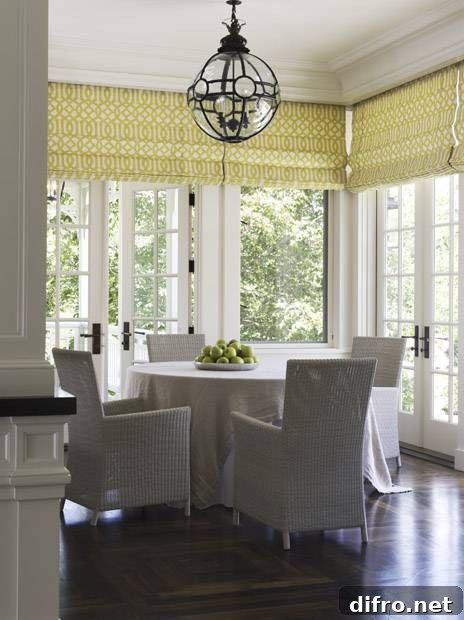
Bulky, heavy furniture can make a dining area feel crowded and closed-in. Opt for slim, lightweight pieces with open lines—pedestal tables, slim-legged dining sets, or chairs with open backs—to create visual breathing room. Transparent materials, tapered legs, and slim profiles keep sightlines open and make the room feel larger and more inviting.
Maximizing Storage
Utilize Vertical Space
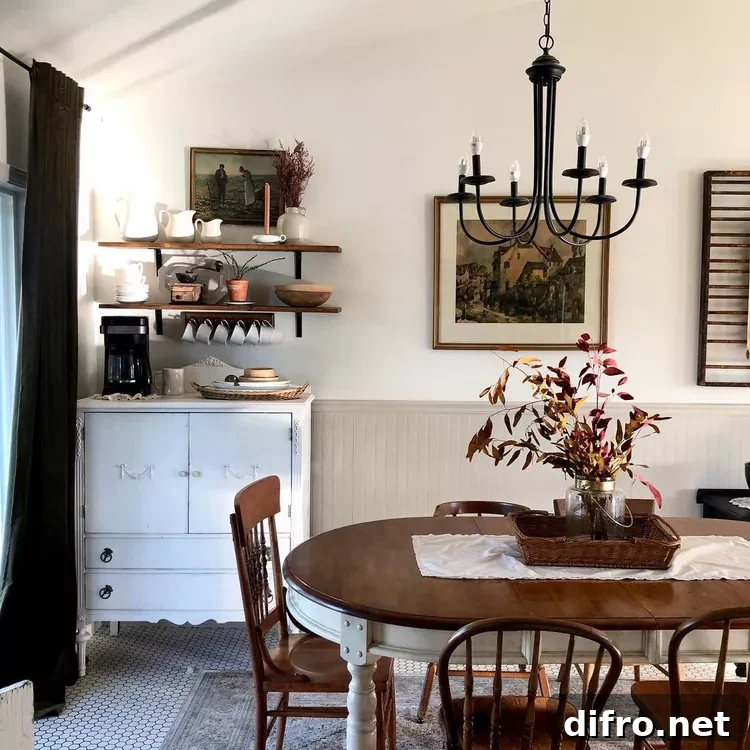
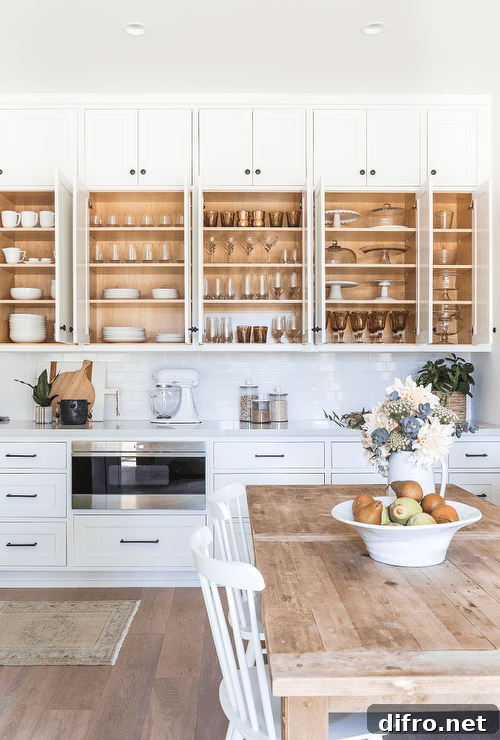
When horizontal space is limited, think vertically. Wall-mounted shelves, high cabinets, or a display of staggered shelving units make use of wall real estate to store dishes, glassware, and decorative items. Floating shelves offer storage while keeping the floor clear, and open shelving can showcase curated items that also serve a functional purpose.
Consider Built-In Storage
Built-in solutions can dramatically improve storage and seating in a small dining area. Banquette seating with hidden compartments, shallow built-in cabinets, or a bench with drawers keeps essentials like linens, placemats, and extra serveware neatly stored while providing comfortable seating. These custom solutions are especially effective in narrow or oddly shaped rooms.
Creating an Illusion of Space
Use Mirrors Strategically
Mirrors reflect light and create depth, helping a dining room feel larger and brighter. A single large mirror or a gallery of smaller mirrors on one wall will visually expand the room. Mirrored furniture or a reflective backsplash can also add elegance while enhancing the sense of space.
Light It Up
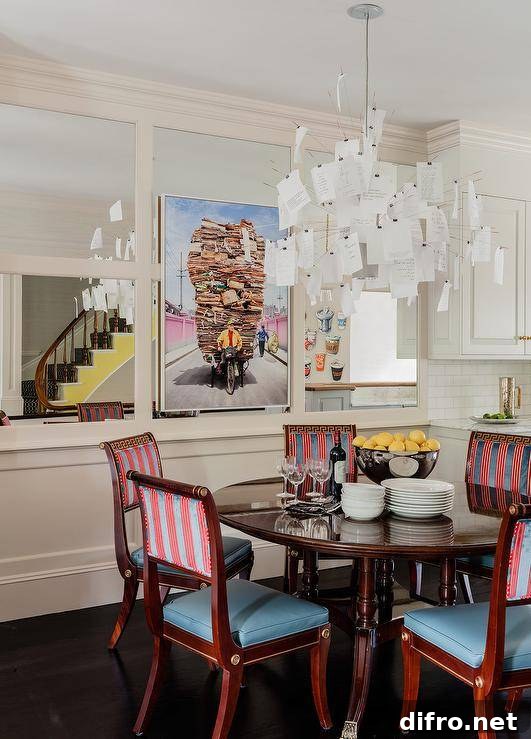
Good lighting transforms a small dining room more than almost any other factor. Layer ambient, task, and accent lighting to create depth and warmth. A pendant or chandelier over the table provides a focal point and draws the eye upward, while wall sconces, under-cabinet lights, or directional fixtures add useful task lighting and mood. Properly placed lighting makes the space feel larger and more welcoming.
Adding Personal Touches
Incorporate Colors and Patterns
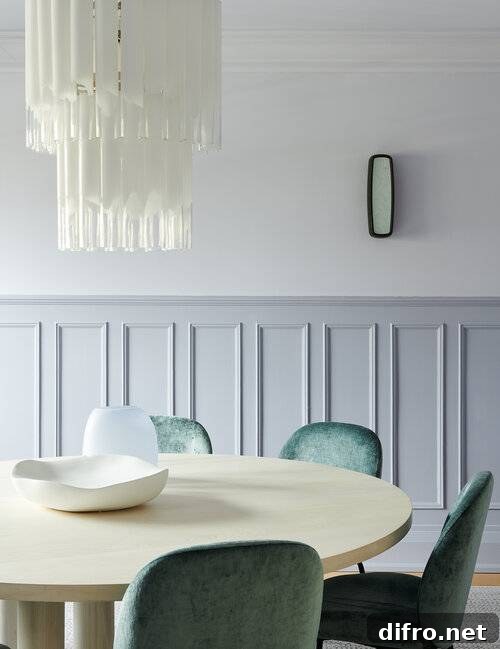
Color and pattern are powerful tools to inject personality into a dining room. An accent wall, patterned wallpaper, colorful seating, or a bold rug can energize the space. Use color strategically—balance a vibrant choice with neutral tones to avoid overwhelming the room, and repeat accent hues through textiles and accessories for cohesion.
Decorate with Intention
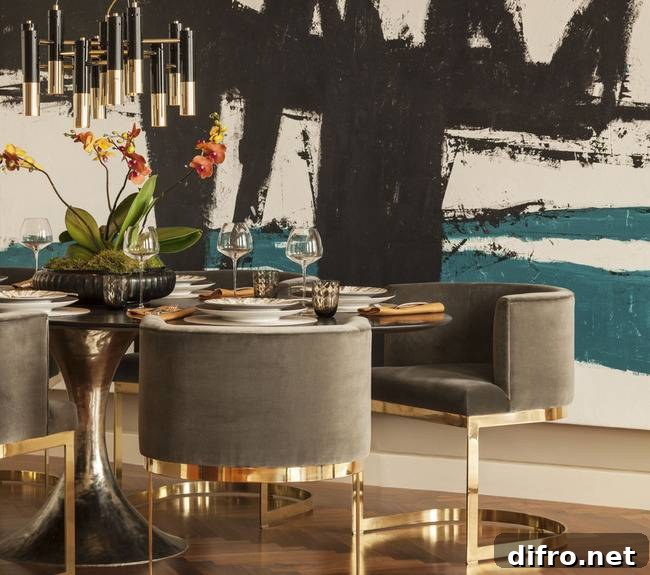
Choose décor pieces that reflect your style while remaining purposeful. A standout piece of artwork, a well-chosen rug, or a central table arrangement can elevate the room without cluttering it. Aim for a few meaningful accents rather than many small items—this keeps the space calm and thoughtfully styled.
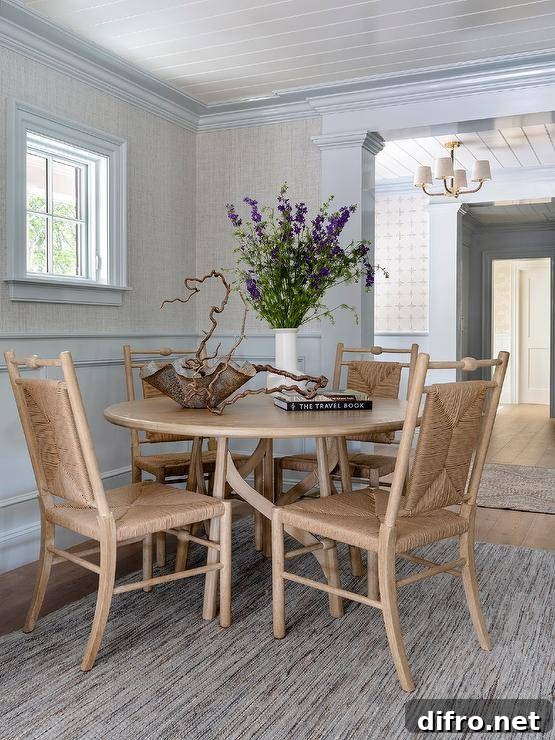
Adopting these practical and stylish dining room ideas will help you create a space that is both functional and inviting. Thoughtful furniture choices, clever storage, strategic lighting, and purposeful décor can turn even a small dining area into a comfortable place for meals and conversation. A well-designed dining room reflects your taste and enhances the overall atmosphere of your home.
Related Articles
- Dining Room Paneling Inspiration That Won’t Look Dated
- 10 Small Living Room Dining Room Combo Layout Ideas
- Romantic Dining Rooms: A Cozy Table for Two
Turn your house into the home of your dreams. Our newsletter delivers design ideas and décor trends to inspire your next update. Subscribe to get curated inspiration and helpful tips.
Frequently Asked Questions (FAQs)
What type of table is best for a dining room?
Drop-leaf or extendable tables are excellent choices because they adapt to different needs and free up space when not fully extended. Pedestal tables are also a good option since they reduce visual bulk and make seating more flexible.
How can I make my small dining room look bigger?
To make a small dining room feel larger, use light, neutral colors, add mirrors to reflect light and create depth, choose slim-line furniture, and introduce layered lighting. Vertical storage and clear sightlines also help the space feel more open.
What are some storage solutions for a dining room?
Effective storage options include vertical shelving, built-in benches or banquettes with compartments, multifunctional furniture like storage benches or sideboards, and shallow cabinets that fit narrow walls. These solutions keep essentials organized without encroaching on the dining area.
Can I use bold colors in a dining room?
Yes—bold colors can add character and energy. Use them thoughtfully: try an accent wall, colorful chairs, or patterned textiles to create interest while balancing with neutral tones so the space remains harmonious.
How do I choose the right lighting for a dining room?
Layer your lighting with ambient sources for overall brightness, task lighting for specific activities like serving, and accent lights to highlight art or architecture. A central pendant or chandelier anchors the table, while sconces and under-cabinet lights add depth without taking up floor space.