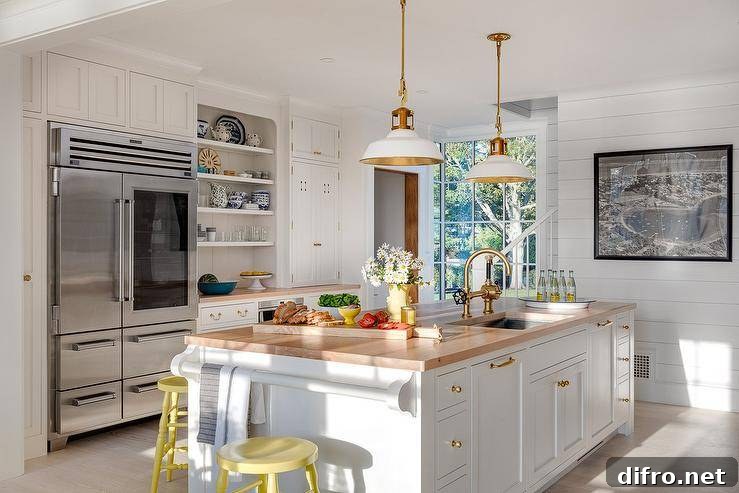
Kitchen pendant lights are a defining element of contemporary kitchen design. Beyond illumination, pendant lighting adds personality, defines zones, and enhances both task and ambient lighting. Available in a wide range of styles, finishes, sizes, and colors, pendants can complement everything from a sleek modern kitchen to a warm, rustic farmhouse.
Pendants are ideal for creating focal points over an island or dining nook, providing concentrated task light over work surfaces, or layering light for a welcoming atmosphere. This guide presents practical ideas and styling tips to help you choose pendant lighting that is both beautiful and functional for your kitchen.
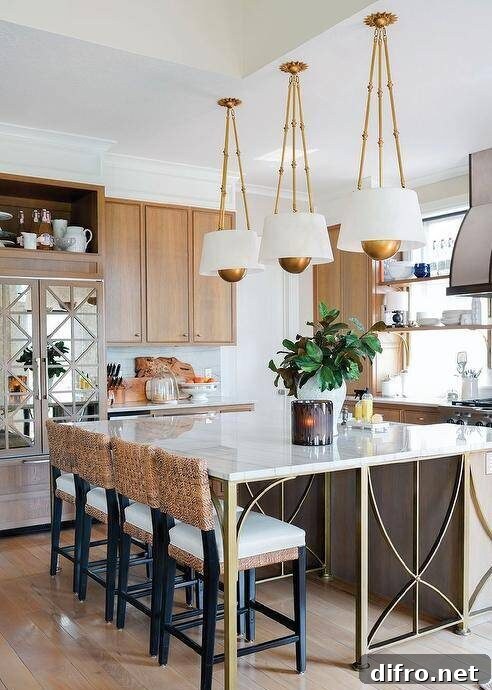
Industrial-Style Pendants
Industrial pendants bring a raw, utilitarian edge to a kitchen. Inspired by factory and warehouse lighting, these fixtures often feature metal shades, exposed hardware, and matte finishes that suit both contemporary and traditional layouts. They can act as statement pieces over an island or sink, providing focused task light while contributing bold texture and contrast. Their straightforward silhouettes pair well with wood, concrete, and metal surfaces.
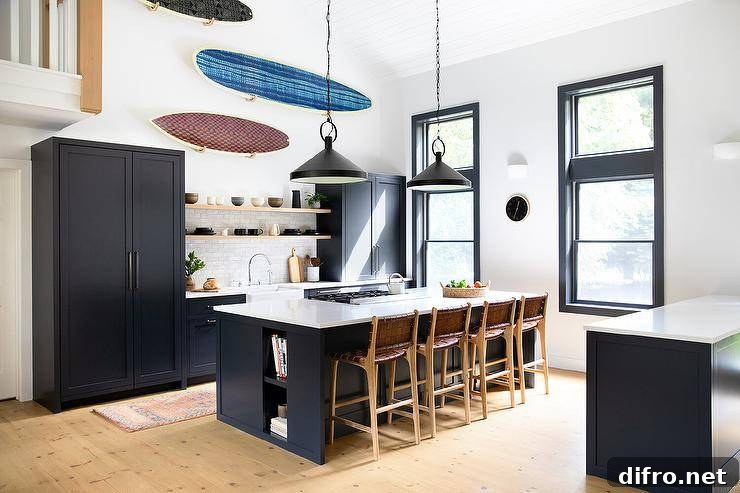
Glass Pendants
Glass pendants emphasize light and clarity. Their transparent or translucent shades create bright, airy spaces and showcase bulb styles—from vintage filament bulbs to modern LEDs. Glass pendants come in globe, bell, or lantern shapes and work beautifully over islands, breakfast bars, or sink areas where clear, even light is desirable. Their simple elegance adapts to traditional, eclectic, and contemporary kitchens alike.
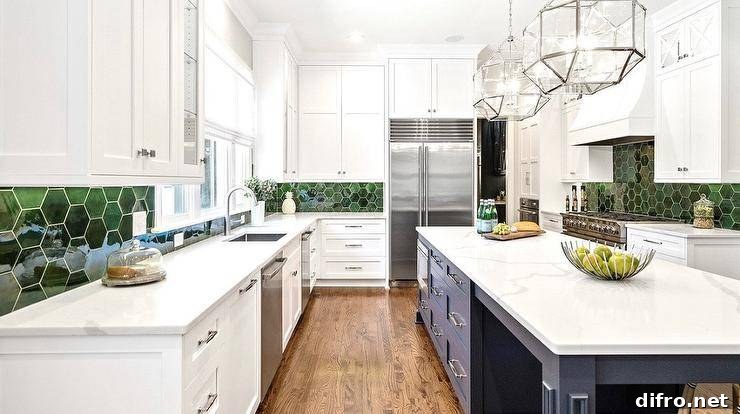
Colorful Pendants
Choose colorful pendants to inject personality and energy into the kitchen. Bright hues or soft pastels create focal points and can coordinate with cabinetry, backsplashes, or accessories. A single vibrant pendant over a small breakfast nook or a series of colored pendants above an island will energize the room without overpowering it.
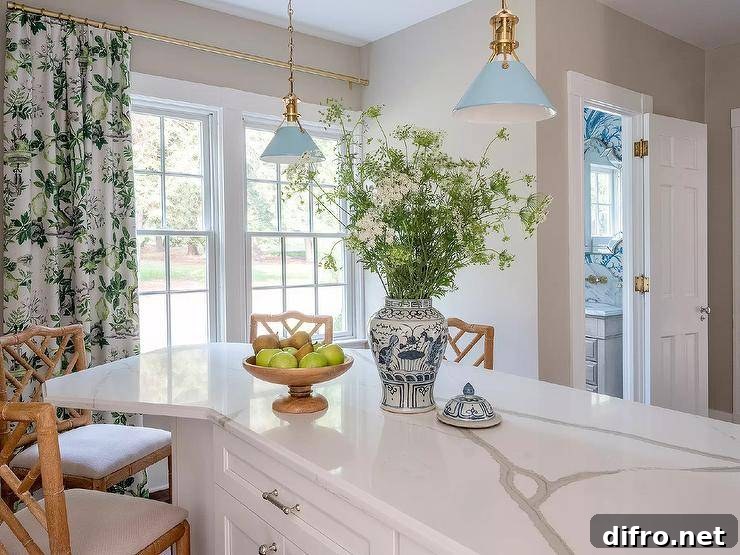
Unique Shapes and Statement Fixtures
Pendants with distinctive forms—geometric silhouettes, organic curves, or sculptural clusters—serve as functional art. A single sculptural pendant can anchor a dining area while multiple complementary shapes can add rhythm over an island. Consider scale and balance so the fixture enhances rather than overwhelms the space.
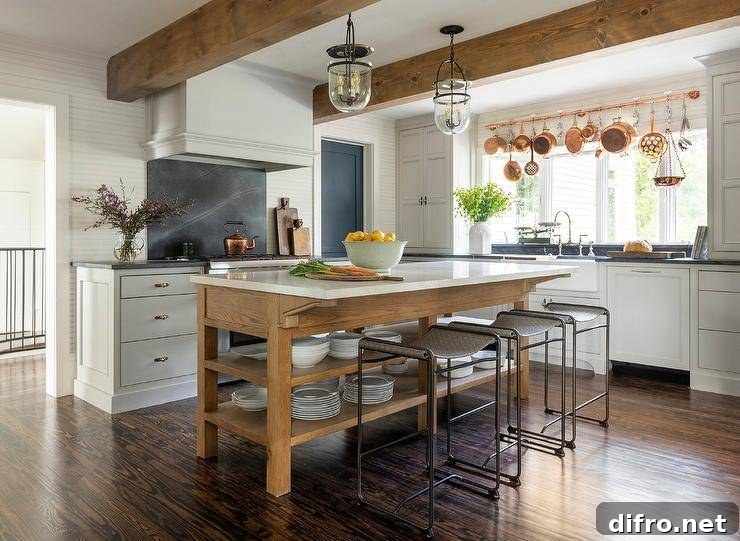
Oversized and Mini Pendants
Oversized pendants make a dramatic statement in large kitchens or rooms with high ceilings; use them to define dining zones or to emphasize a generous island. For smaller kitchens or more subtle accents, mini pendants grouped in twos or threes produce an elegant, layered look. When arranging multiples, keep consistent spacing and alignment to ensure even light distribution and visual harmony.
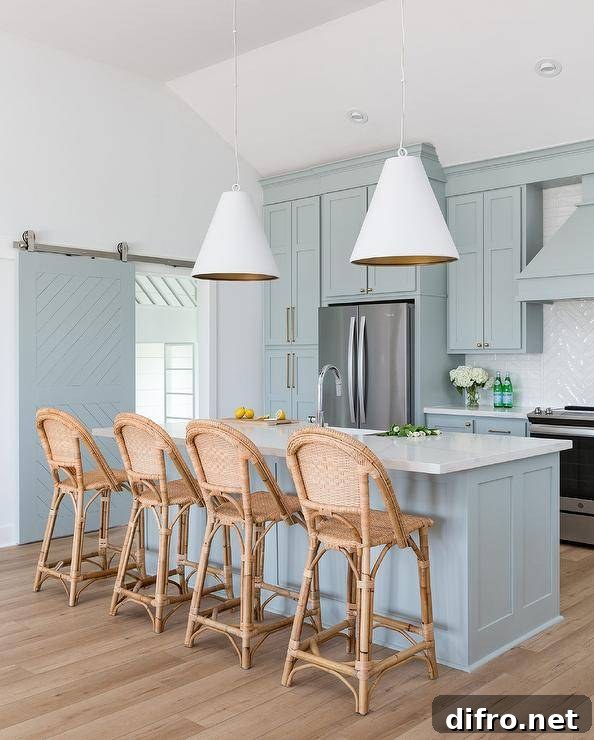
Natural Materials
Pendants crafted from wood, rattan, wicker, or woven fibers introduce organic warmth and texture. These fixtures integrate seamlessly into kitchens that emphasize natural finishes. Pair natural-material pendants with complementary accents—wood shelves, stone countertops, or woven textiles—to reinforce a cohesive, earthy aesthetic.
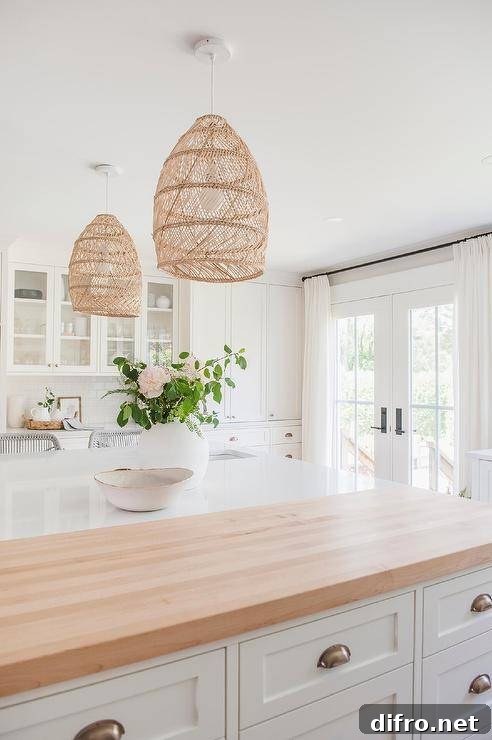
Vintage Pendants
Vintage or vintage-style pendants add character through aged finishes, ornate details, and classic shapes. These fixtures work well in cottage, farmhouse, and period kitchens, or as contrast pieces in modern settings. Authentic antiques or carefully selected reproductions can deliver warm, nostalgic charm while still meeting modern performance standards.
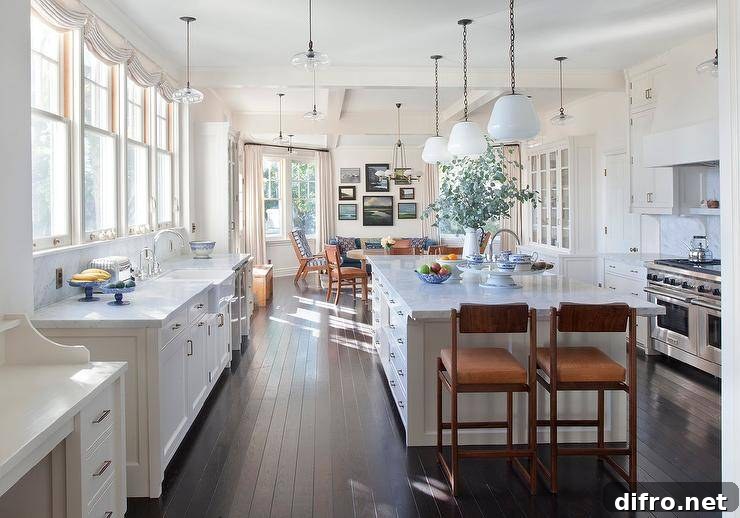
How to Choose the Right Size
Select pendant size based on room scale, ceiling height, and function. For islands, measure the surface and choose fixtures that are proportional: a common rule is one pendant for every 24 inches of island width, or combine multiple smaller pendants across the length. In high-ceiling kitchens, larger or lower-hanging pendants create intimacy; in low-ceiling spaces, pick compact fixtures and hang them higher to preserve sightlines.
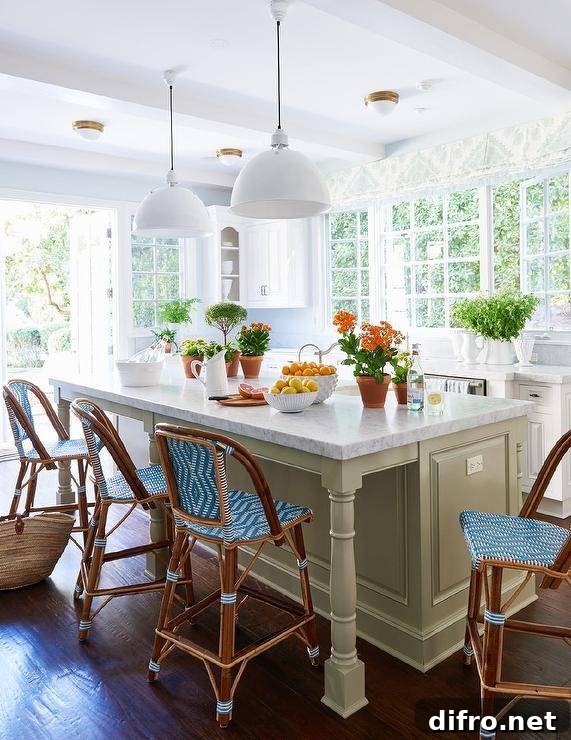
Hanging and Placement Tips
Placement is critical for both aesthetics and function. For island lighting, pendants are typically positioned 30–36 inches above the countertop to avoid glare while keeping sightlines clear. Maintain consistent spacing between multiple fixtures and set them centrally over the workspace. Combine pendant lighting with recessed or under-cabinet lights to create layered illumination suitable for food prep, cooking, and entertaining.
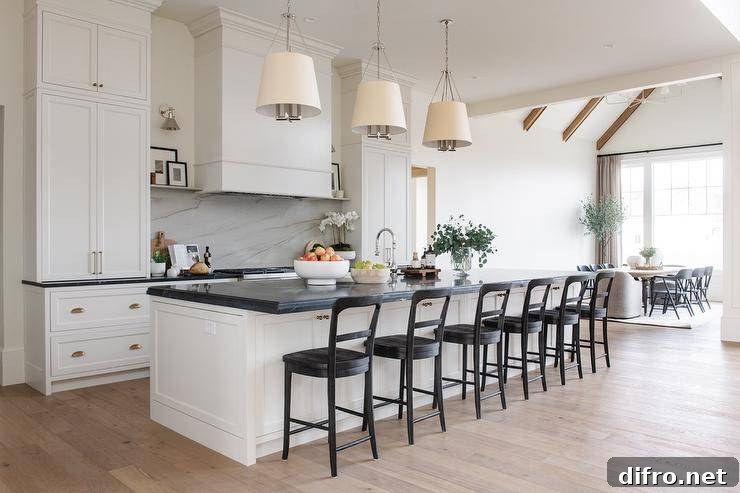
Frequently Asked Questions (FAQs)
What are kitchen hanging pendants?
Kitchen hanging pendants are ceiling-suspended fixtures that provide direct and decorative lighting for islands, counters, and dining areas.
What is the ideal height for kitchen hanging pendants?
A typical guideline is 30–36 inches above an island or table surface, adjusted for ceiling height and personal preference.
Which bulbs work best?
LED bulbs are recommended for their efficiency, long life, low heat output, and the wide range of color temperatures available.
How many pendants should I install?
Spacing depends on island length and fixture size. As a general rule, allow roughly 24 inches of island width per pendant when using multiple lights.
Can pendants be used outside the kitchen?
Yes. Pendants also work well in dining rooms, entryways, and over bedside tables—anywhere a focused or decorative light source is desired.