An open concept space should feel effortless—airy, connected, and easy to move through. But without any clear cues to define different areas, a large open room can quickly feel chaotic. The challenge is to introduce structure while preserving the sense of openness that makes these layouts appealing. Small, deliberate choices—zoning, varied shapes, thoughtful traffic flow, and purposeful empty space—can turn a sprawling layout into a functional, stylish home.
Interrupt The Space
Open-plan doesn’t mean everything must merge seamlessly. Adding subtle interruptions helps guide movement and signals transitions between zones without building walls. Consider a built-in bench by the entry, a waist-high bookshelf between kitchen and living areas, or a strategically placed rug to indicate where one zone ends and another begins. These simple markers create a sense of order and define function while keeping sightlines open and the room feeling cohesive.
Use Irregular Shapes
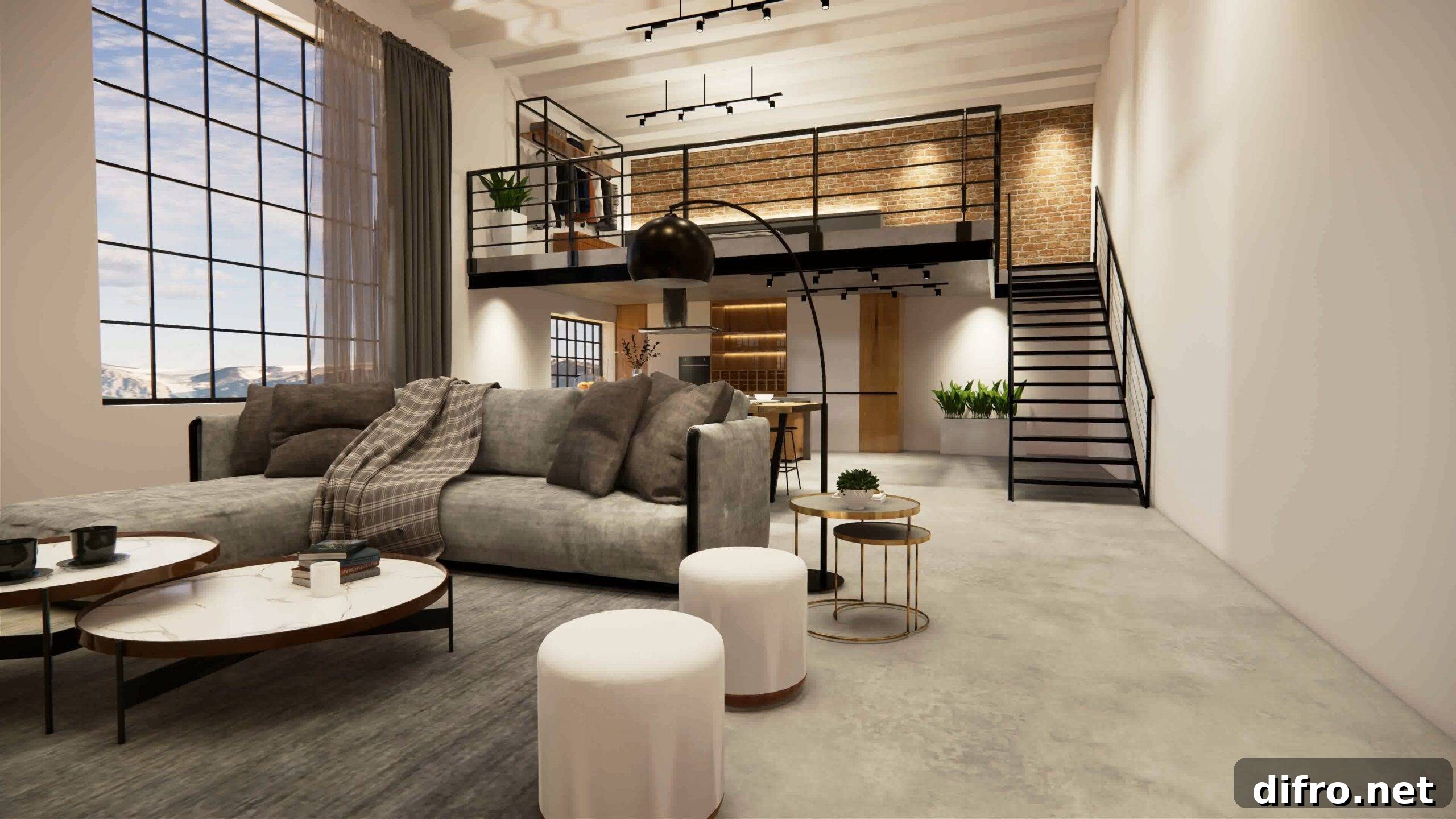
Rigid, grid-like arrangements can make an open space feel static. Soften the room and add visual movement by introducing curved furniture, asymmetrical groupings, or sculptural elements. A round dining table, a sofa with a curved back, or an off-center coffee table arrangement disrupts uniformity and creates interest. Non-traditional wall art or freestanding sculptural pieces also draw the eye and strengthen distinct areas without closing them off.
Use Foot Traffic For Your Layout
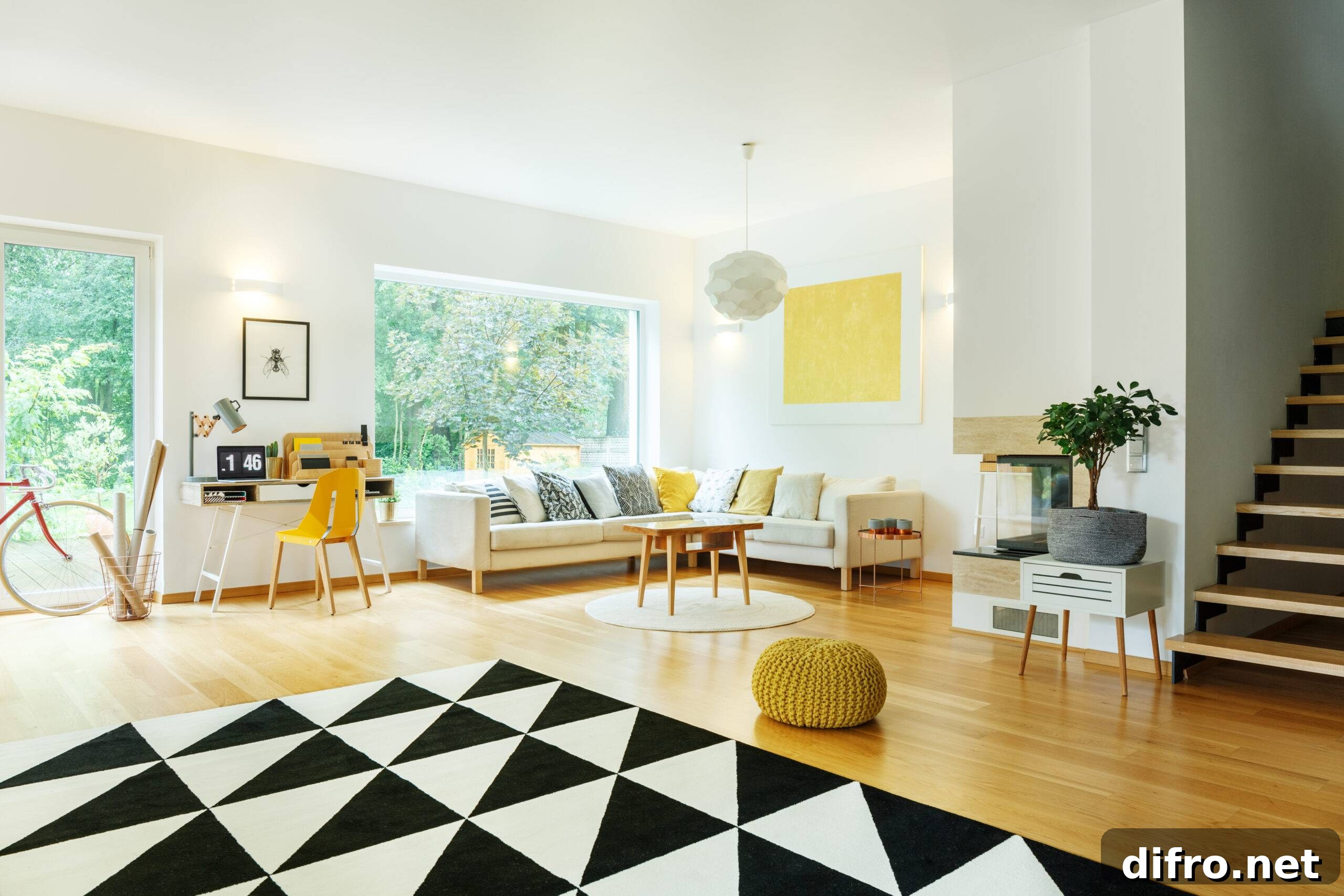
Design around how people naturally move through the space instead of forcing traffic patterns to suit a preconceived layout. Observe daily paths—where you walk between kitchen, entry, and seating—and arrange furniture to support those routes. Leave clear circulation lanes and avoid placing large pieces where they create bottlenecks. When traffic flow is respected, each zone feels more intuitive and comfortable, and the entire open plan functions better for everyday life.
Assign Unexpected Functions
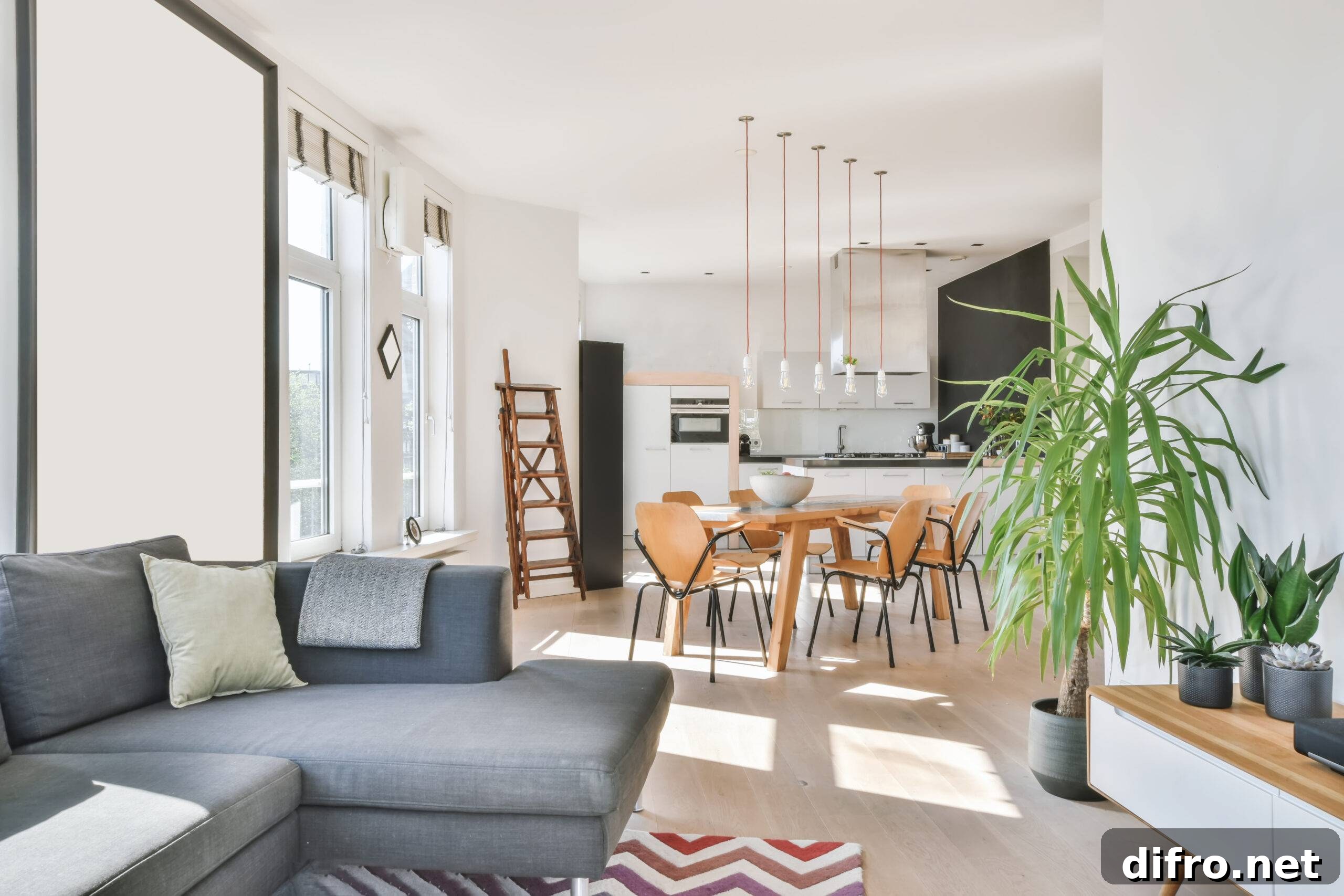
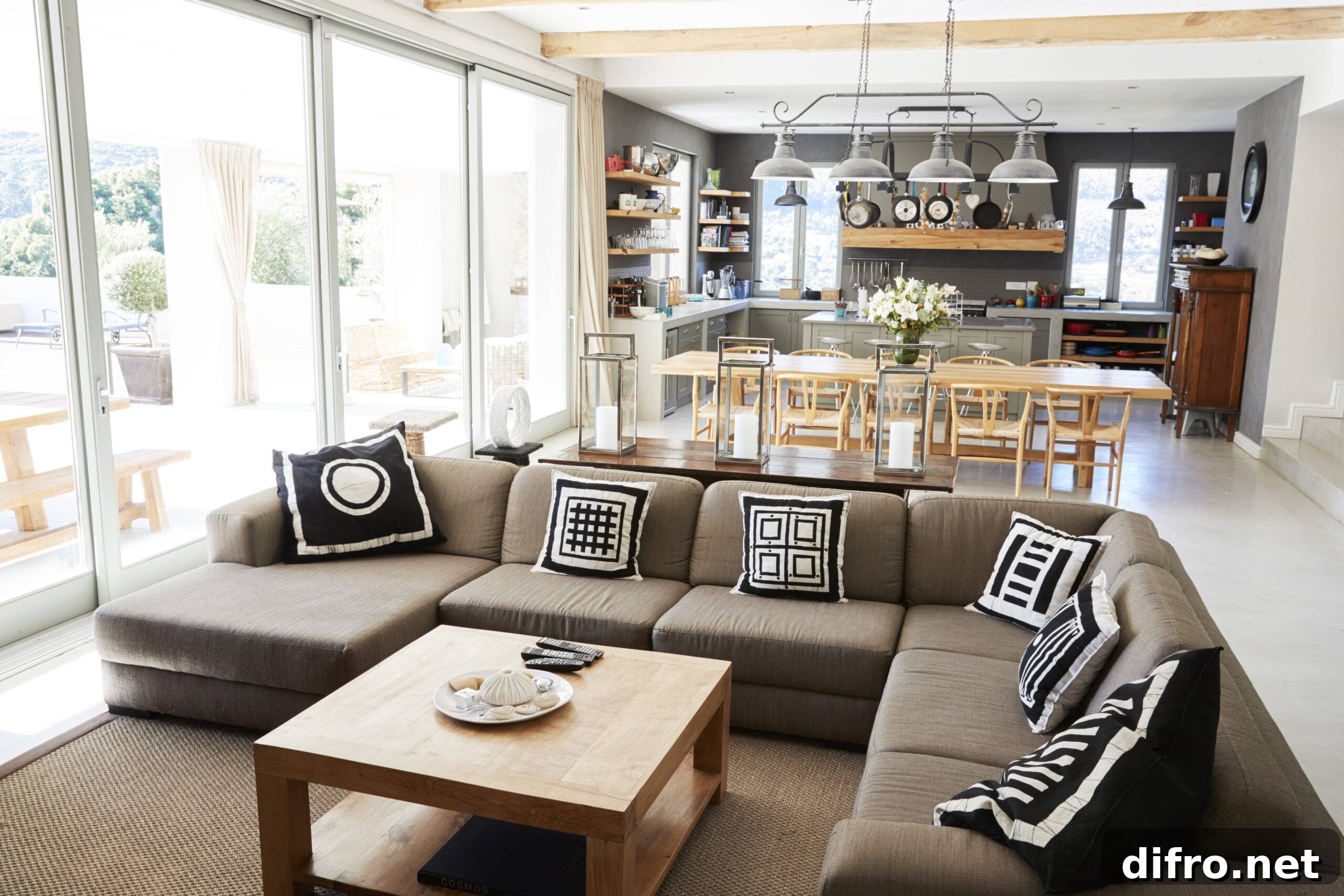
In open-plan living, multifunctional pieces are essential. Choose furniture that serves more than one purpose: a dining table that transforms into a work desk, an ottoman that offers storage and extra seating, or a narrow console behind a sofa that doubles as a casual dining counter with stools. These hybrid solutions reduce clutter, increase flexibility, and allow each area to adapt to different needs without adding more furniture than necessary.
Play with Levels
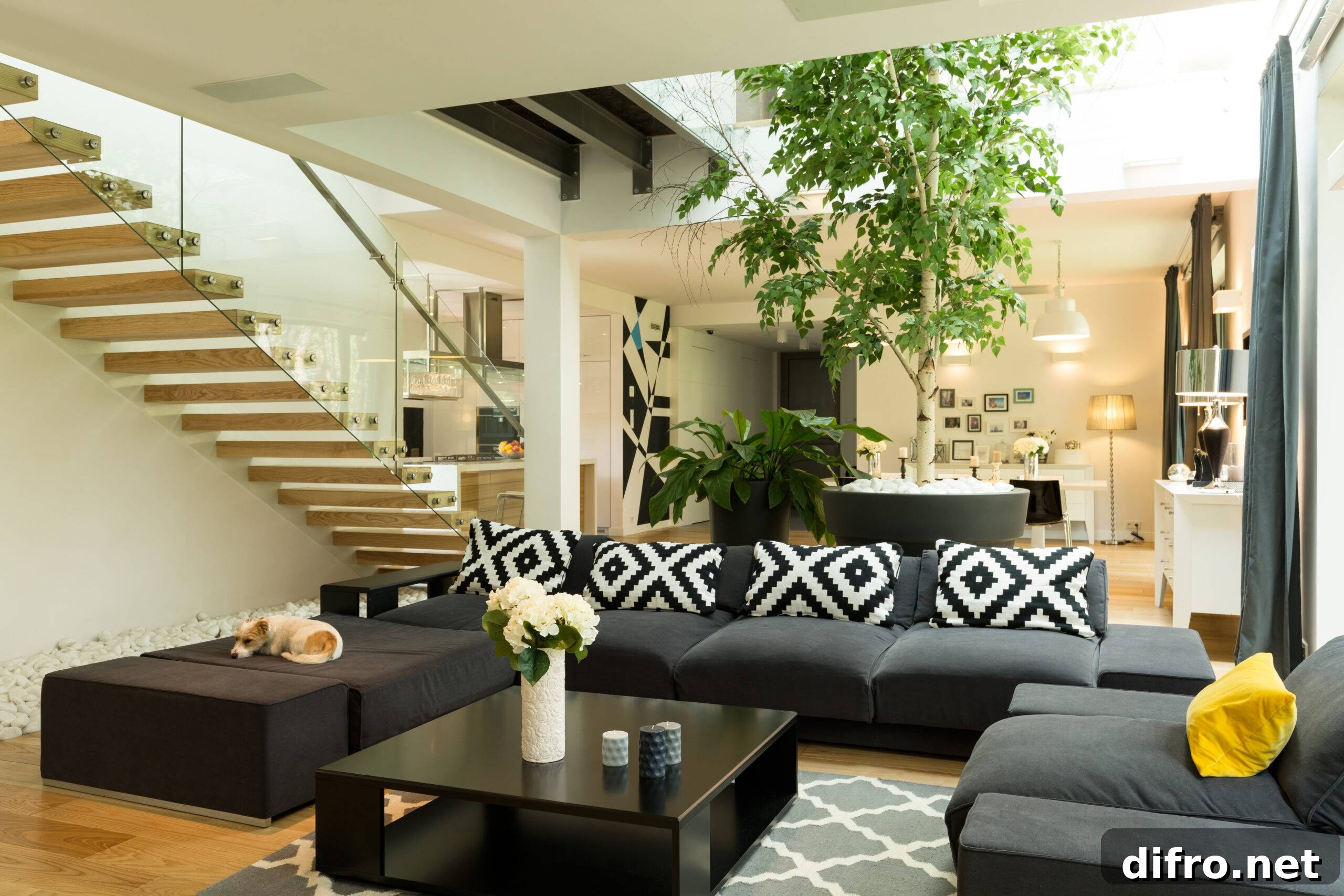
Variation in height prevents an open room from feeling flat. Combine low-profile seating with taller shelving, place large plants beside a low media unit, or introduce a raised platform or single step to subtly separate one zone from another. Layering heights with lighting, artwork, and furniture creates depth and visual interest while helping to define functional areas in a cohesive way.
Utilize Empty Space
Resist the urge to fill every corner. Purposeful empty areas create breathing room and strengthen the overall layout. A clear entryway invites and organizes traffic; an unoccupied corner can become a flexible spot for a temporary activity, a reading nook, or simply a visual pause. Treat open areas as deliberate parts of the design—negative space that enhances the function and flow of the rest of the room.
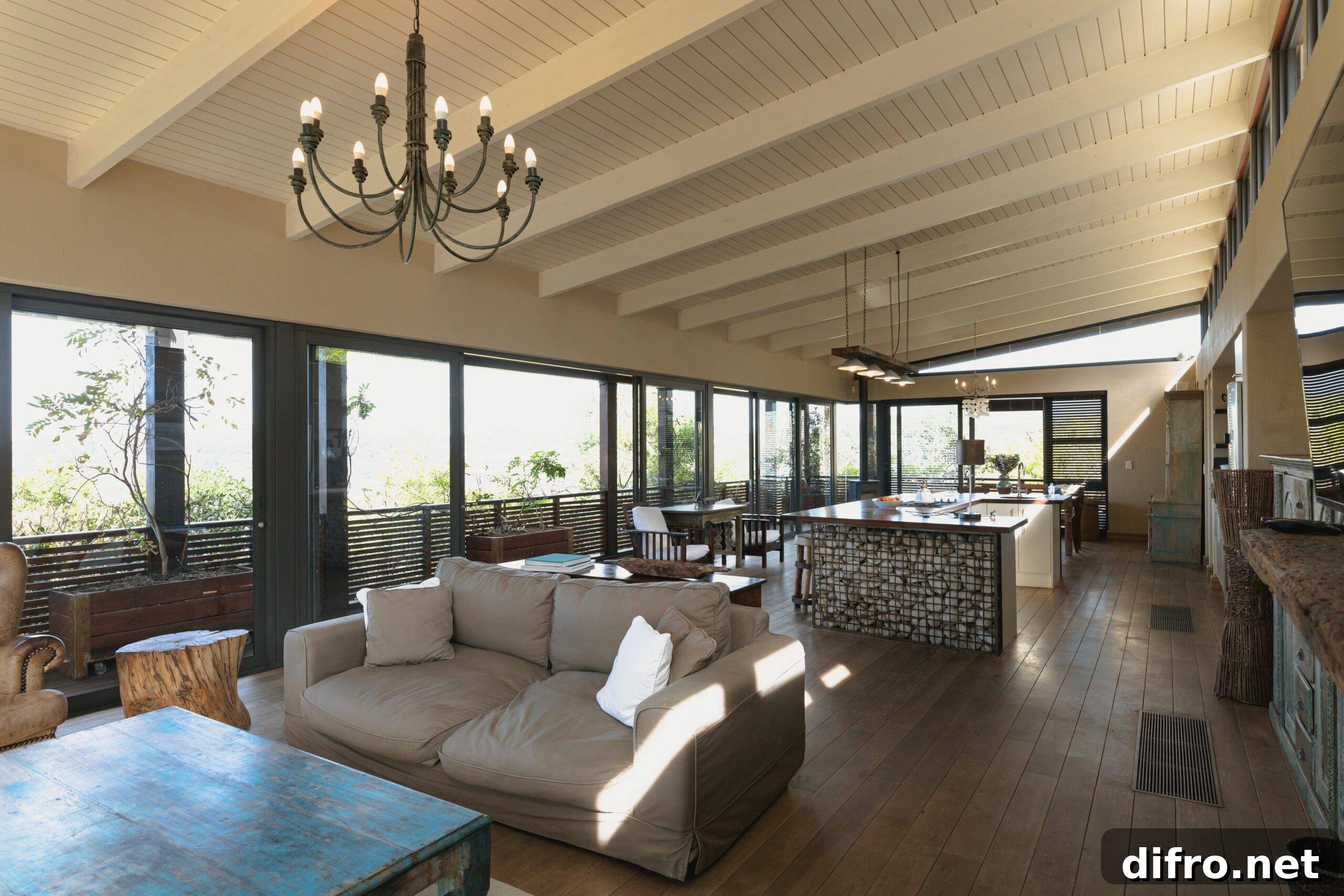
An open concept layout can be both liberating and highly livable when you make intentional design choices. Focus on flow, varied forms, multifunctional furniture, and well-considered empty space to create a home that feels airy yet organized. With careful planning and a few strategic interventions, an open-plan living area will support daily life beautifully while maintaining its light, open character.