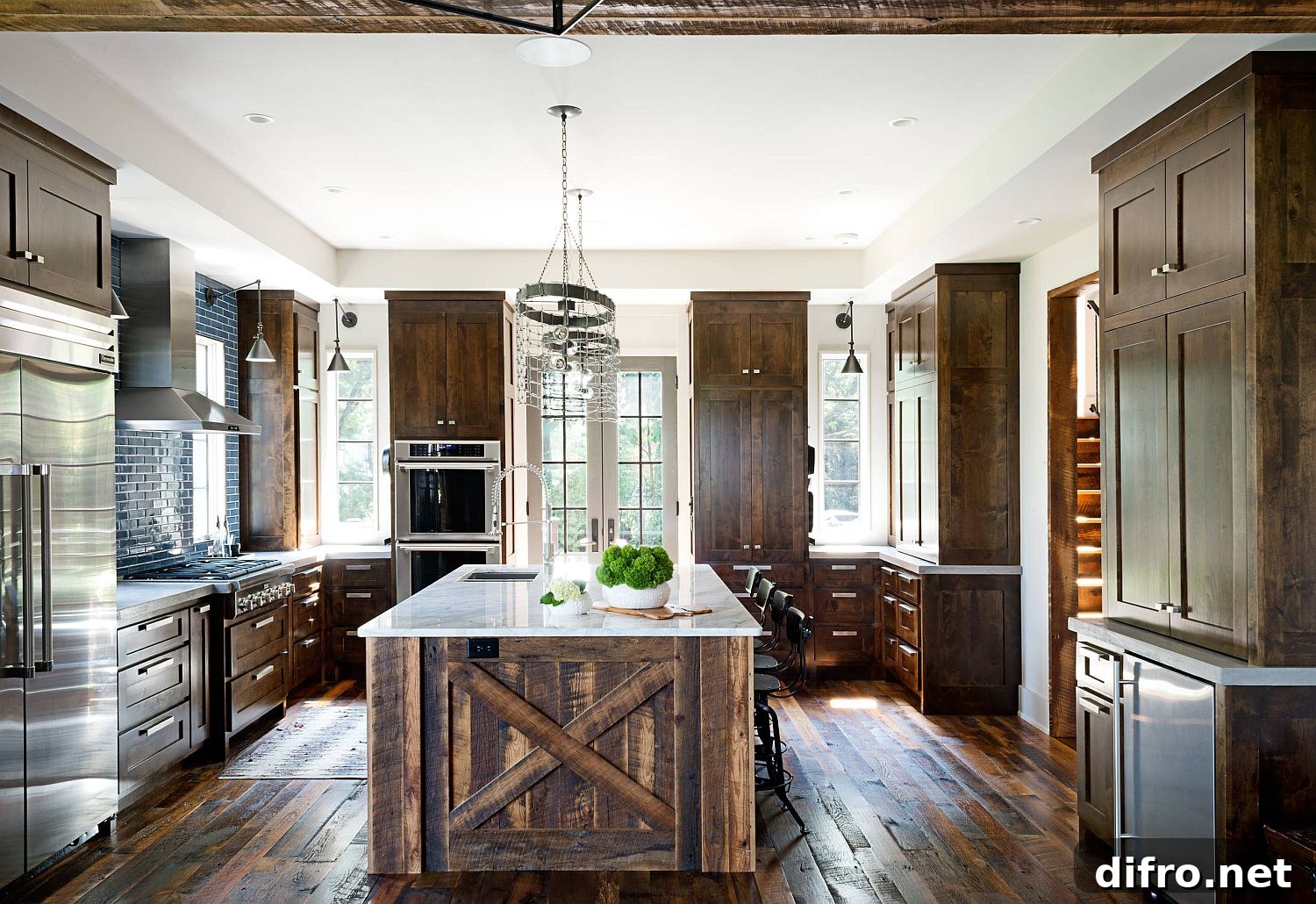
Home design and decorating trends rarely stand alone; those that led the way last year often shape the most popular choices in the year ahead. As we move into 2020, one kitchen element continues to take center stage around the world: the kitchen island. Over the past decade the island—often including a breakfast bar—has become a must-have, and that trend shows no sign of slowing. In particular, wood islands are emerging as a key focal point for new kitchens, combining warmth, texture and functionality in a way few materials can.
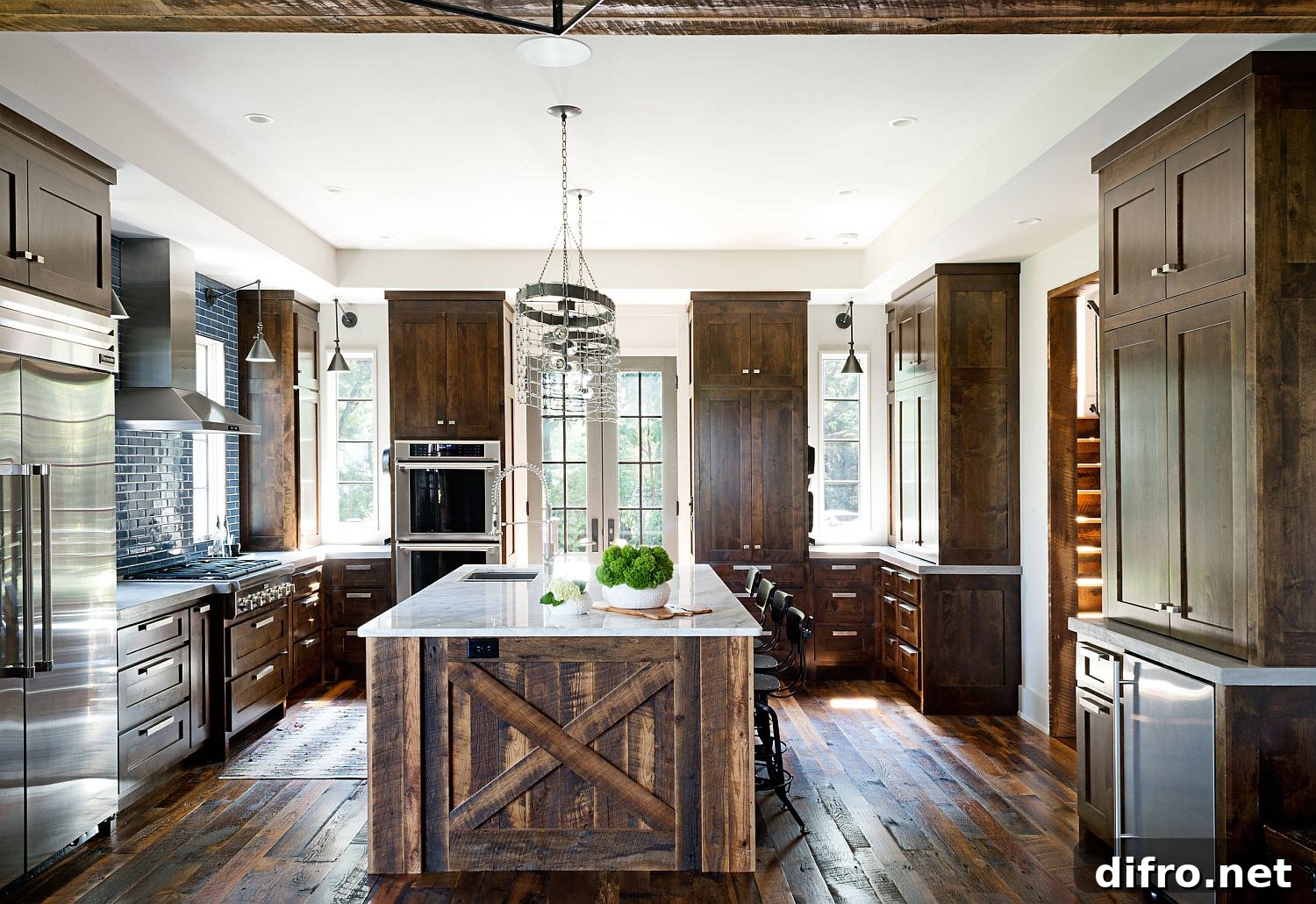
Wooden kitchen islands are not a novelty; they feel timeless, lending both classic character and contemporary refinement depending on finish and detailing. Today’s trend is about pairing natural wood with polished man-made surfaces—think stone or Corian countertops—so the island becomes both a visual anchor and a practical workhorse. A wood island can provide contrast against lighter cabinetry, ground an open-plan layout, or echo the cabinetry for a cohesive, curated look. Below are inspiring examples and practical considerations for integrating a wooden island into a modern kitchen.
Wood Islands in Modern Kitchens
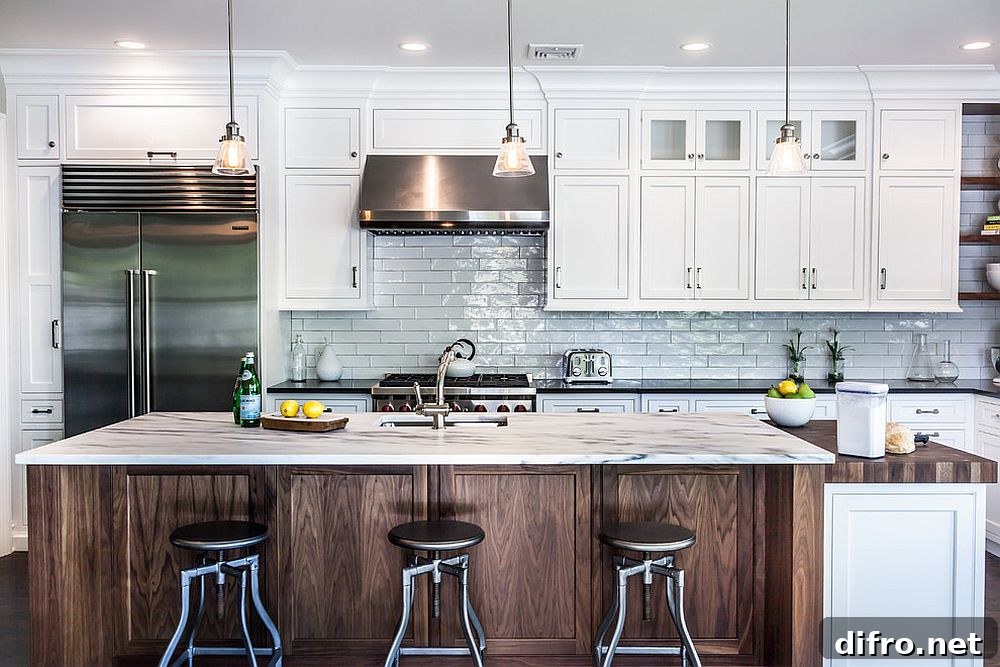
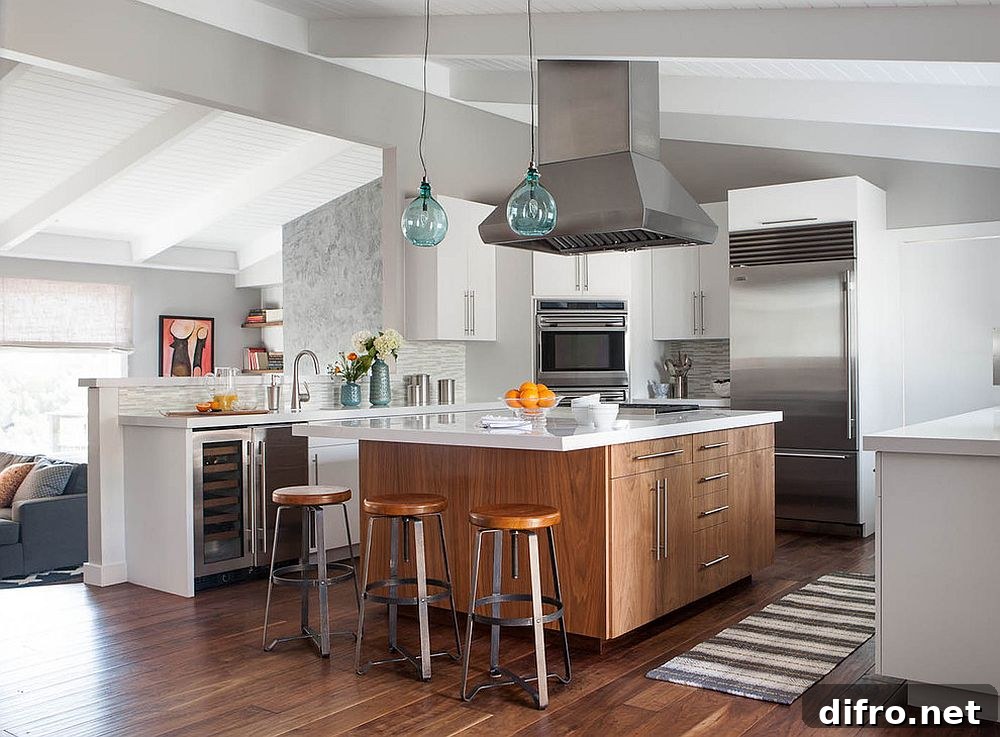
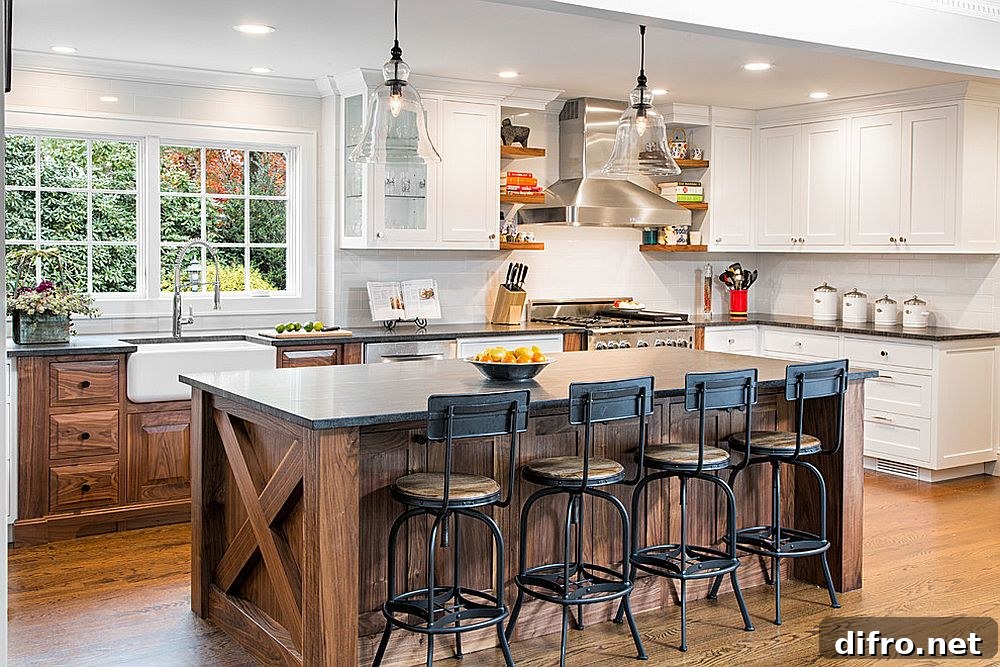
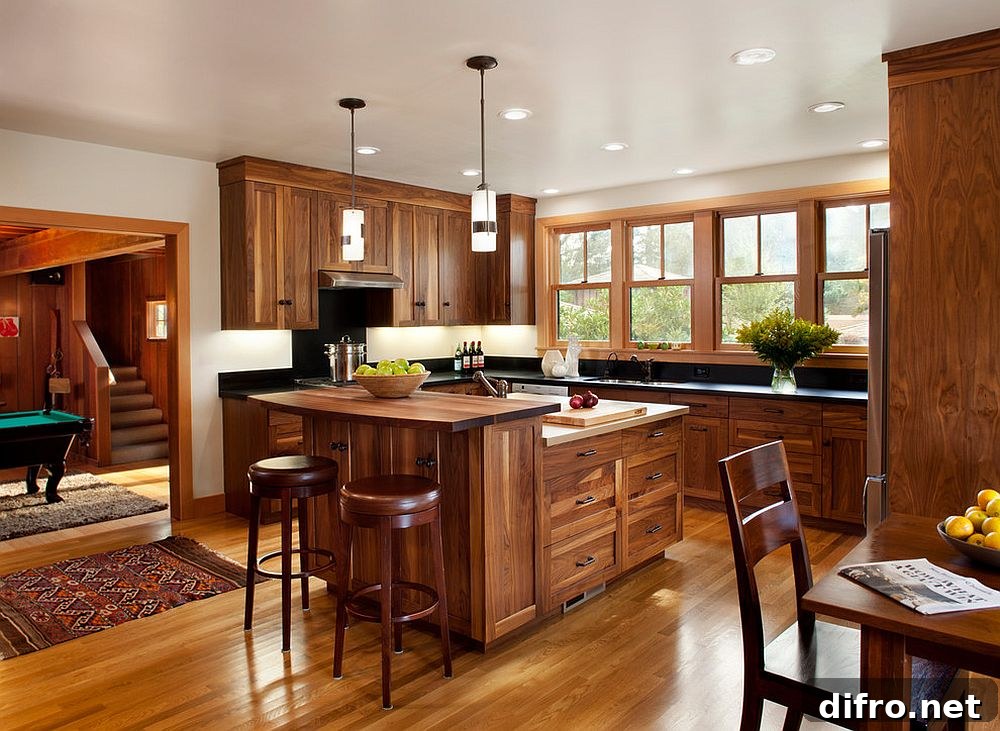
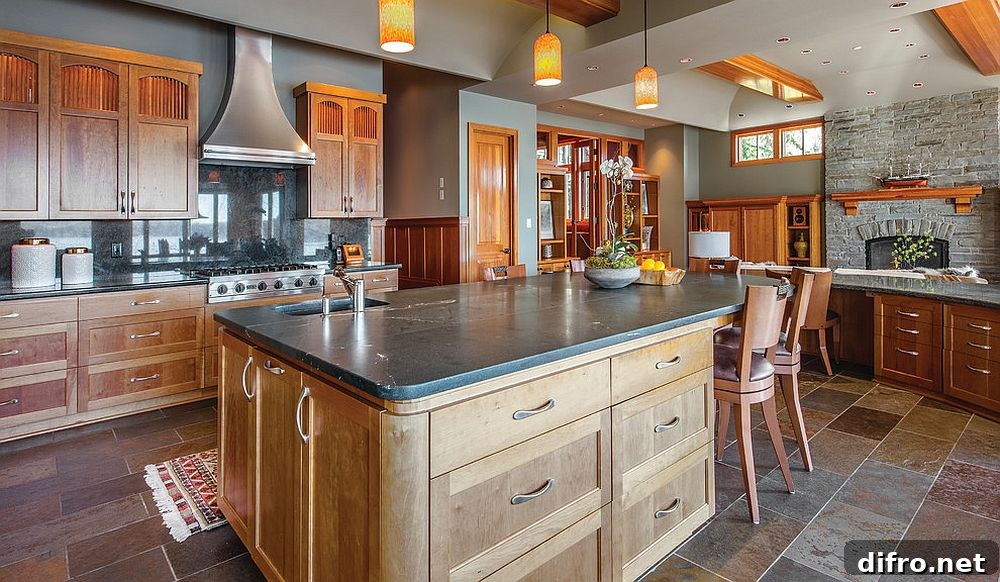
In contemporary kitchens, a wooden island offers texture and visual interest without overwhelming the space. Instead of relying on bright, attention-grabbing colors, designers are choosing warm wood tones to create balance and subtle contrast. You can match the island’s wood finish to existing cabinets for a unified appearance, or select a complementary tone to introduce depth. Pairing a wooden base with a refined stone or Corian countertop yields an island that is durable, attractive, and ideal for everyday use—especially when it includes a breakfast bar for casual dining and socializing.
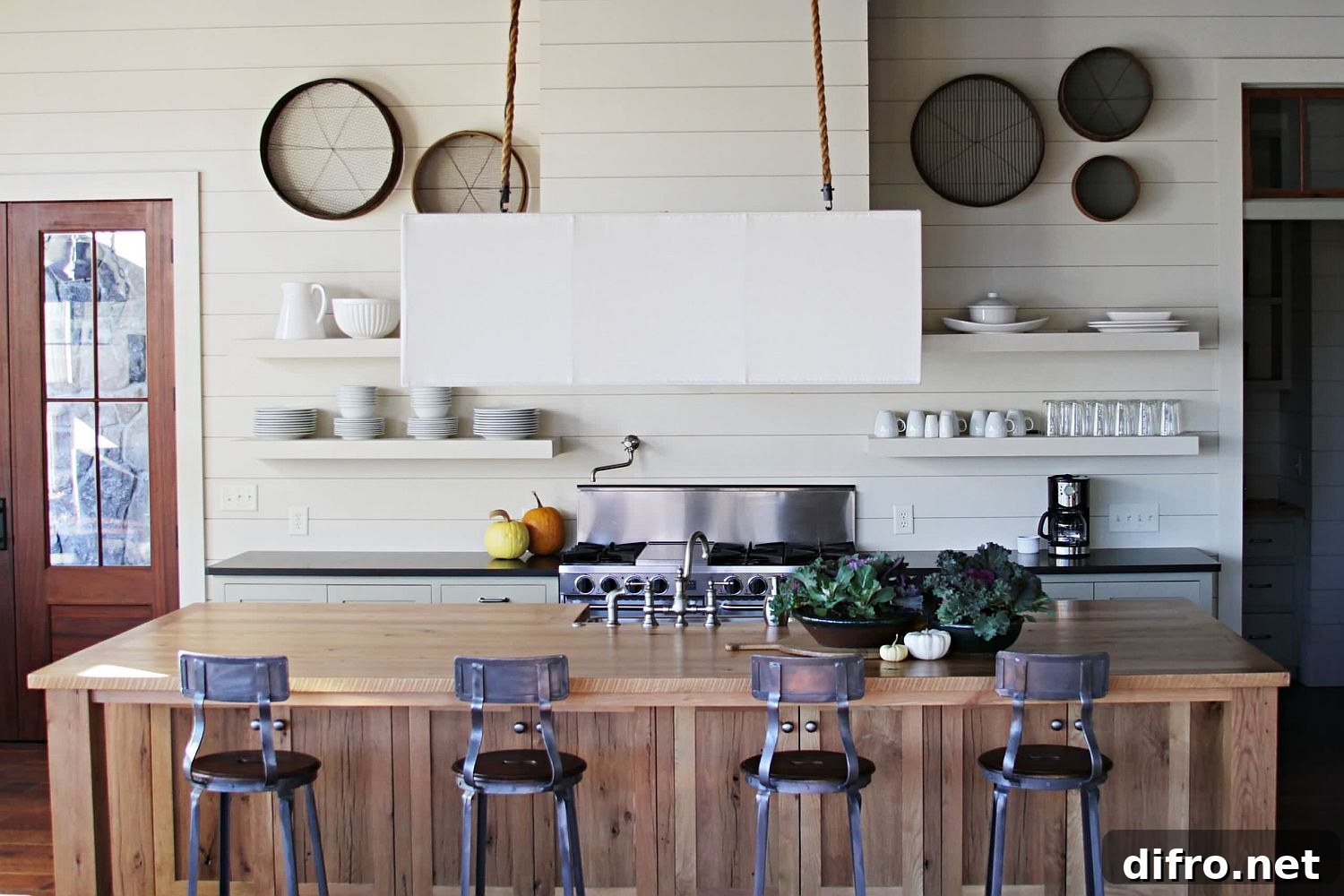
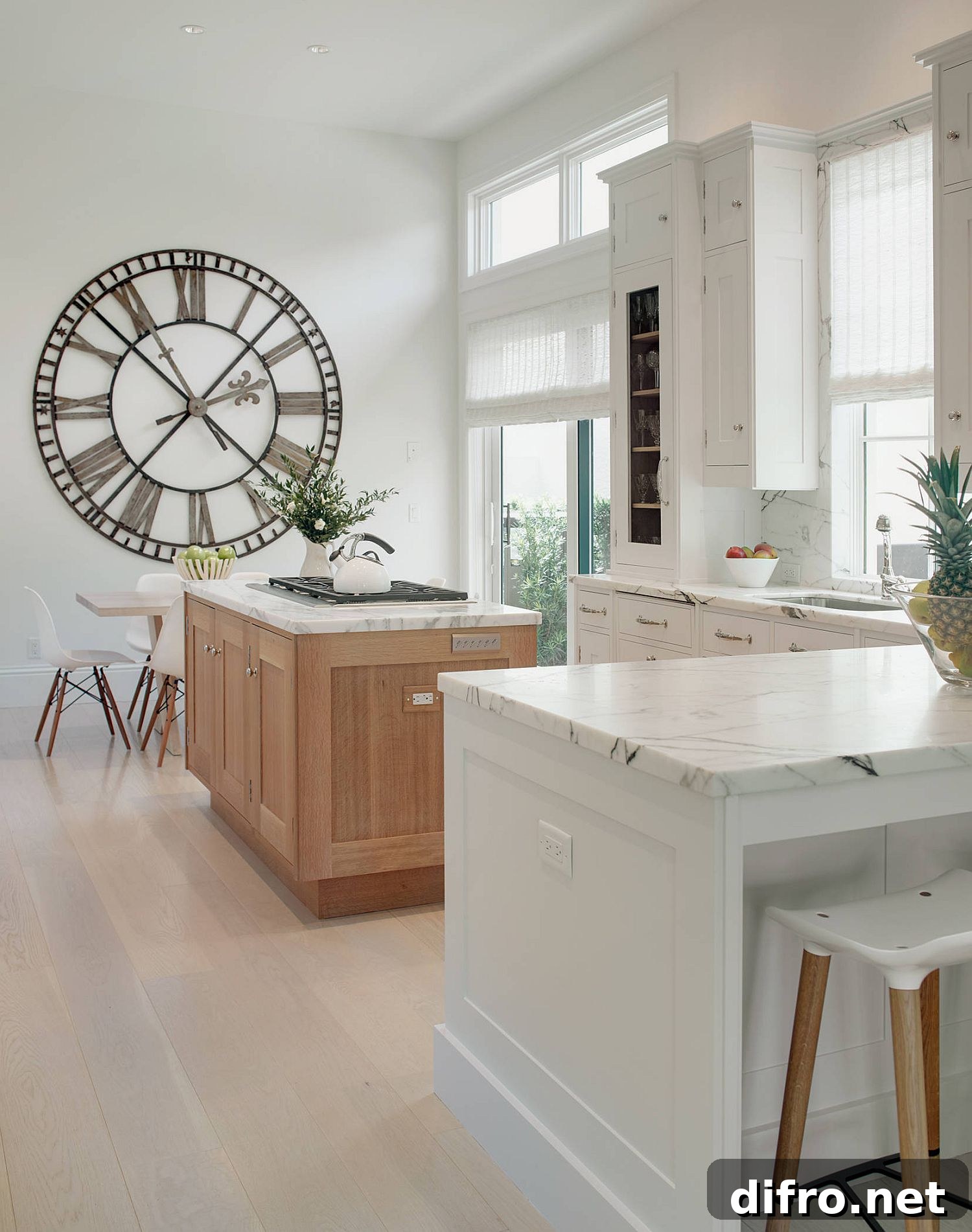
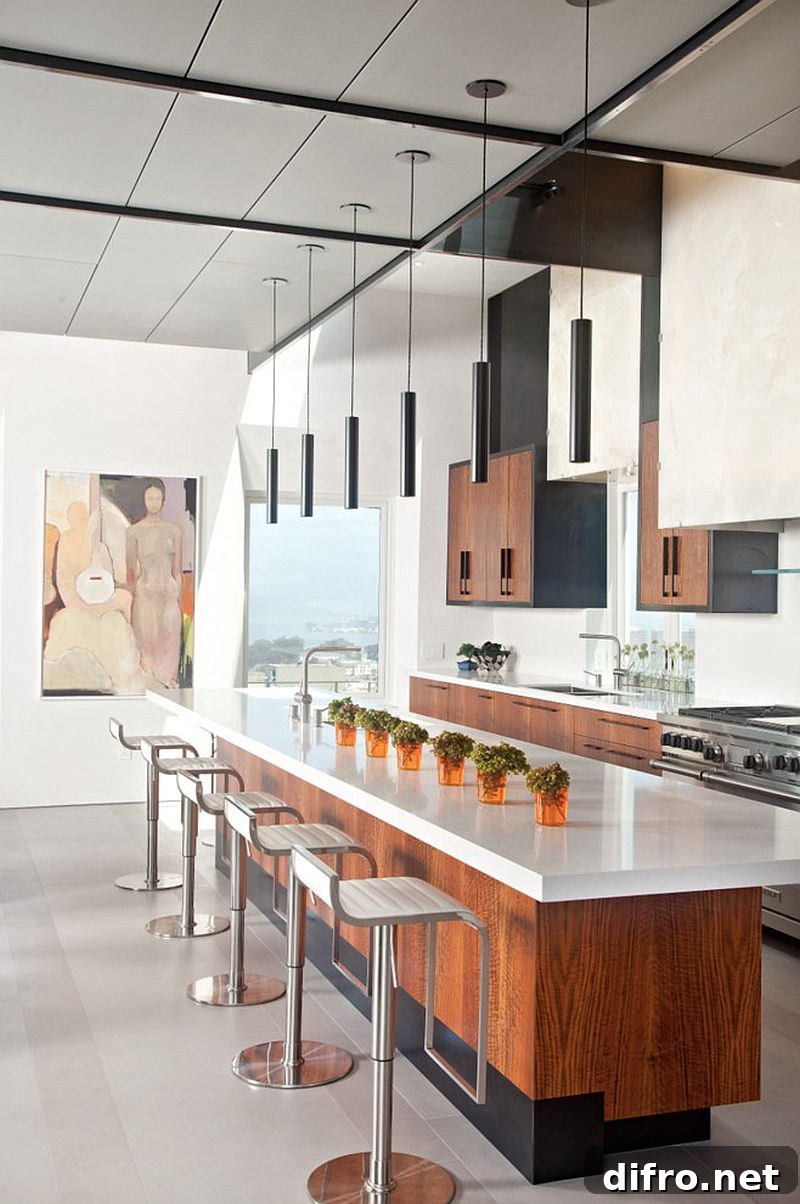
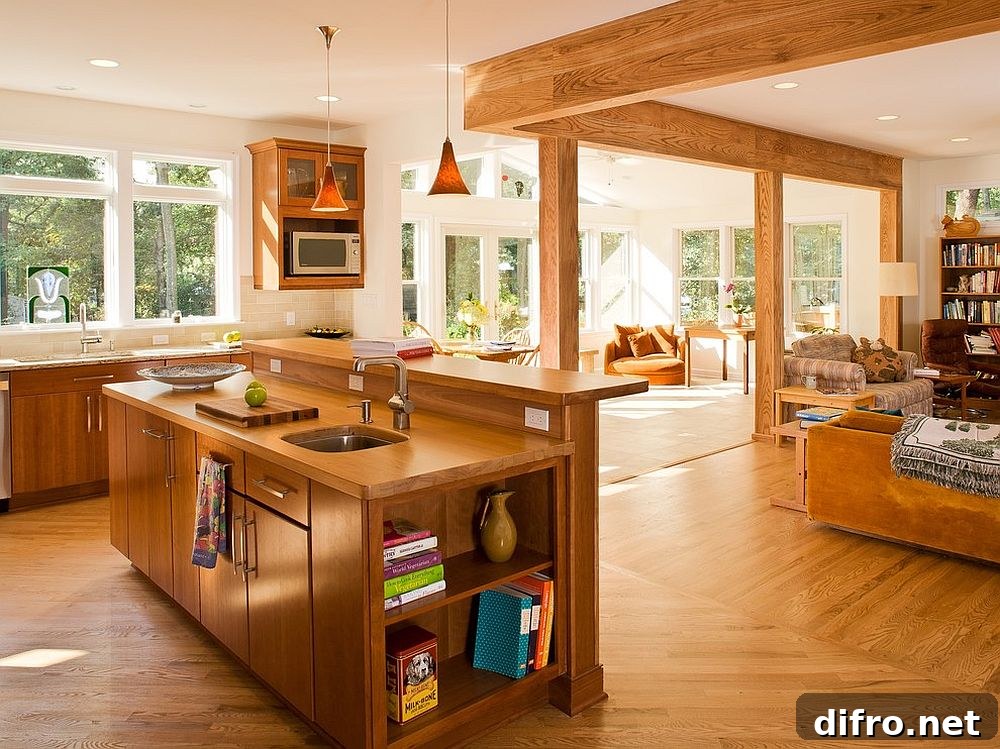
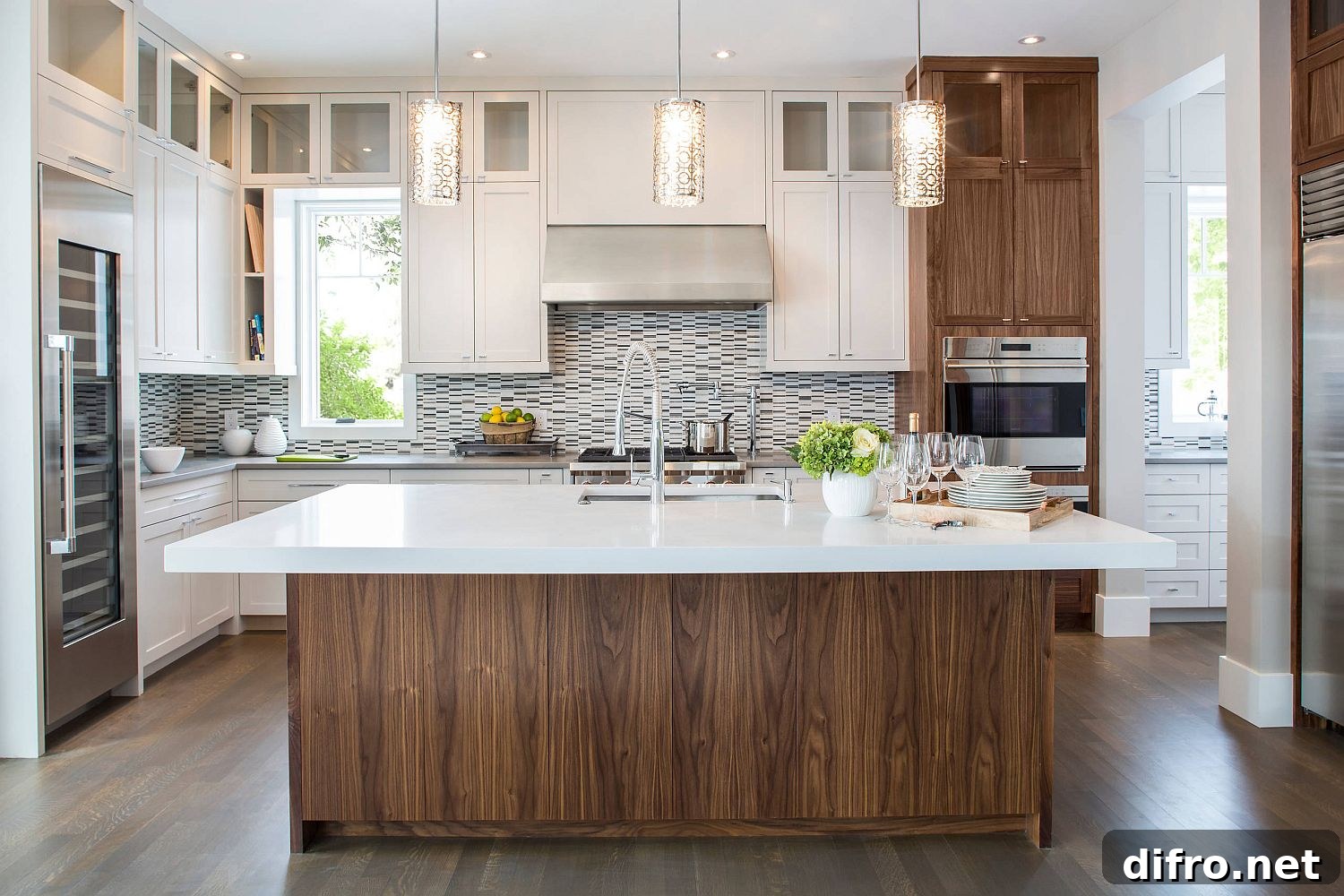
Fab White and Wood Kitchen
The wood-and-white palette remains one of the most enduring and versatile color schemes for kitchens. It suits a wide range of styles, from farmhouse to mid-century modern, and can be adapted by changing hardware, tile patterns or accent colors. Clean white walls and cabinetry let the warmth of a wooden island stand out, while materials like subway tiles, metallic accents, and natural stone countertops add character. Good layered lighting is important in a white-and-wood kitchen to maintain brightness and avoid a flat appearance, and seasonal accessories can refresh the look throughout the year.
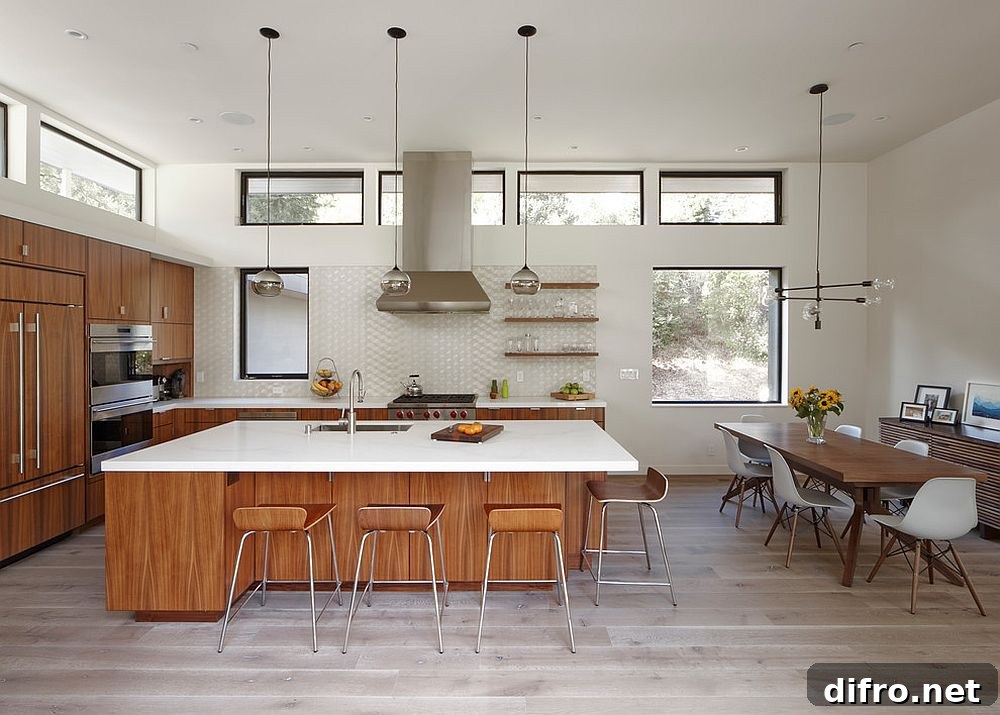
Functionality Coupled with Warmth
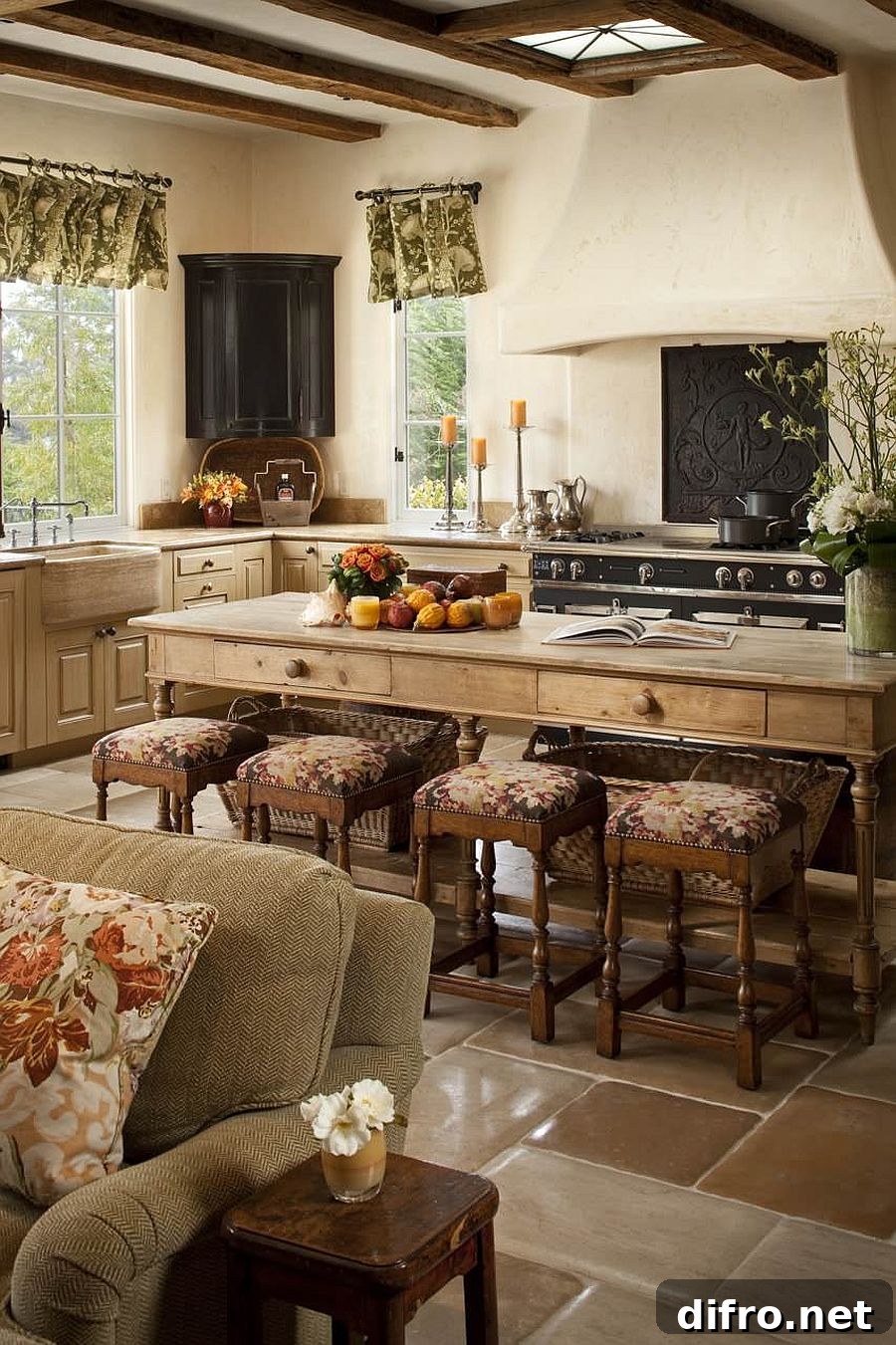
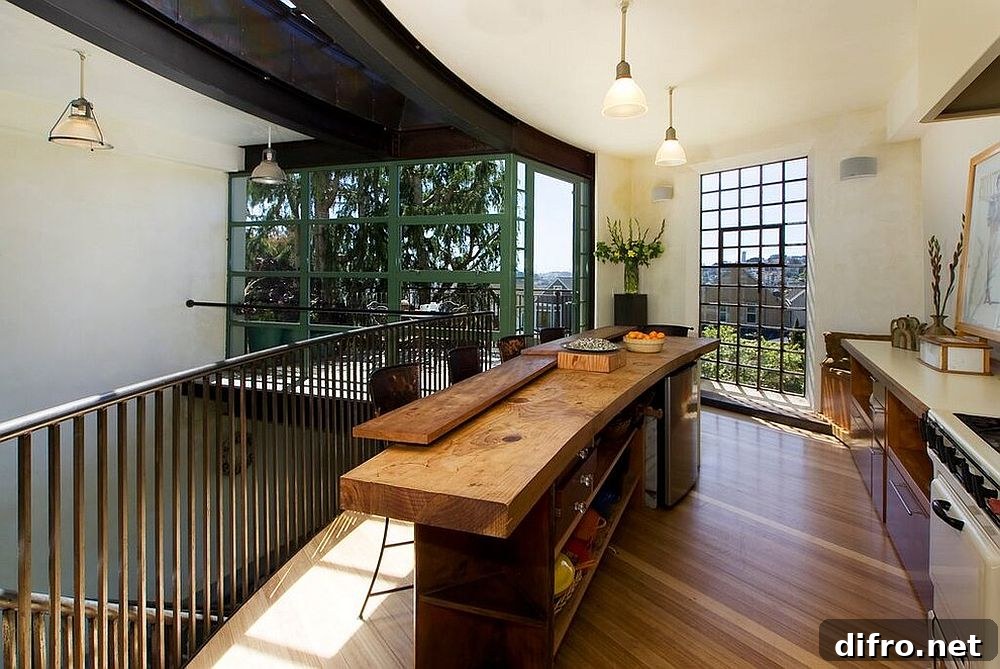
When selecting a wooden island, look beyond aesthetics and consider how the island will function in daily life. Islands come in a wide range of sizes, shapes and storage configurations. Some are built to maximize storage with multiple drawers, cabinets and dedicated appliance spaces; others adopt an open design with shelving and legroom for bar stools. Choose an island that fits the kitchen footprint and your lifestyle: a too-large island can impede workflow and circulation, while an undersized one may not provide the utility you expect.
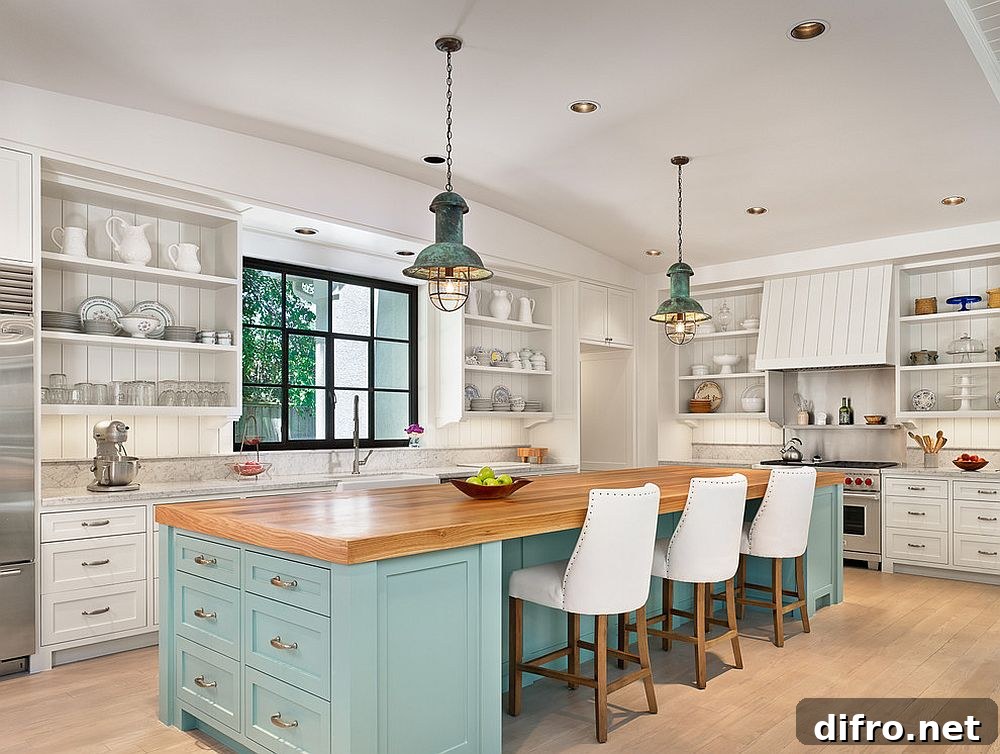
Whether you’re planning a full remodel or a simple update, a wooden island is a meaningful investment in both style and everyday usability. With thoughtful proportions, appropriate storage, and a surface material that suits your cooking habits, a wood island can enhance flow, encourage social interaction, and add lasting warmth to the heart of your home.