Kingswood Factory: Industrial Warehouse Reimagined as a Family Home in Lyttelton, New Zealand
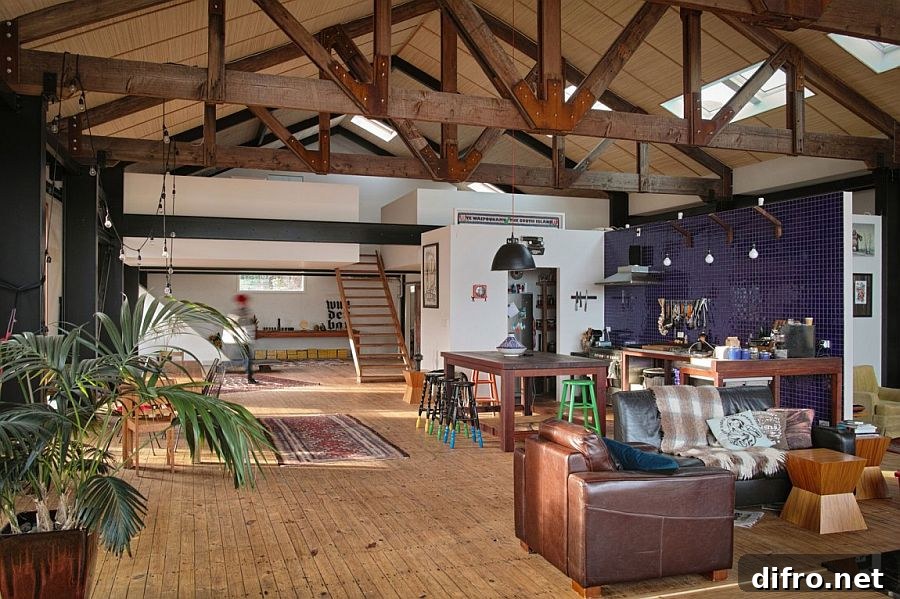
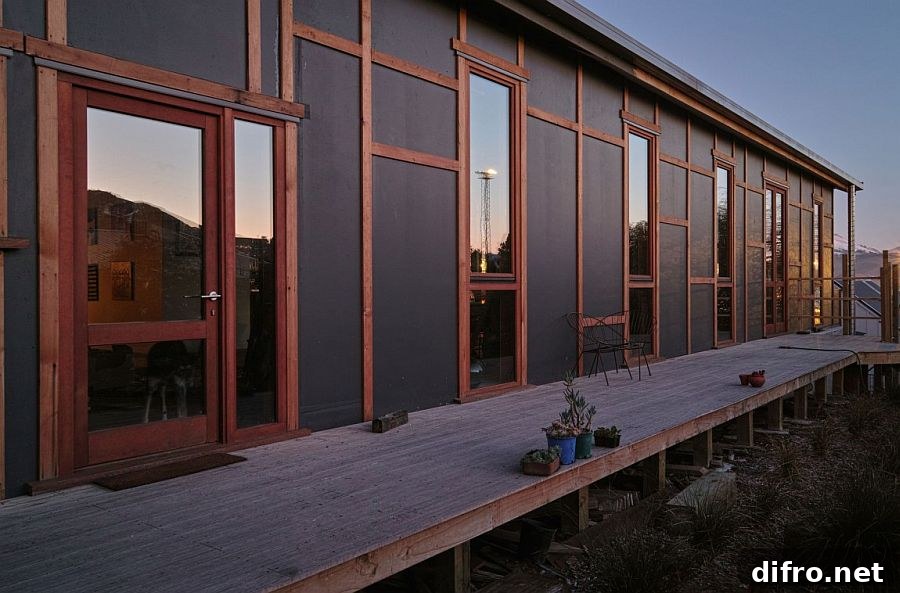
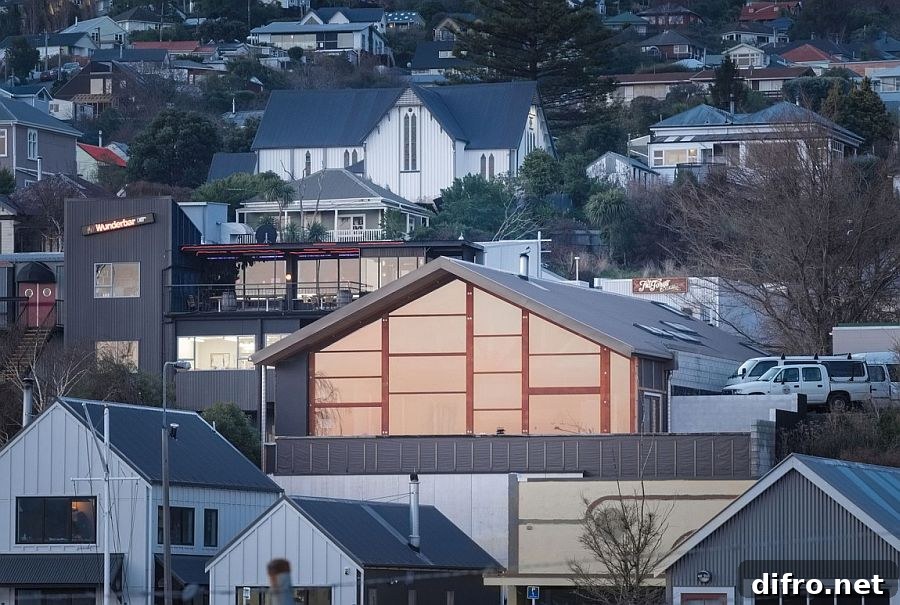
Across many cities, former warehouses are being reimagined as distinctive homes that celebrate industrial character while offering modern comfort. In the port community of Lyttelton, New Zealand, the Kingswood Factory was transformed into a warm, contemporary family residence by architect Max Capocaccia. The design respects the building’s maritime and industrial context, using a timber-and-steel façade whose silhouette sits comfortably among nearby port structures. Inside, the renovation retains and showcases elements of the building’s past, creating a home that is both authentic and inviting.
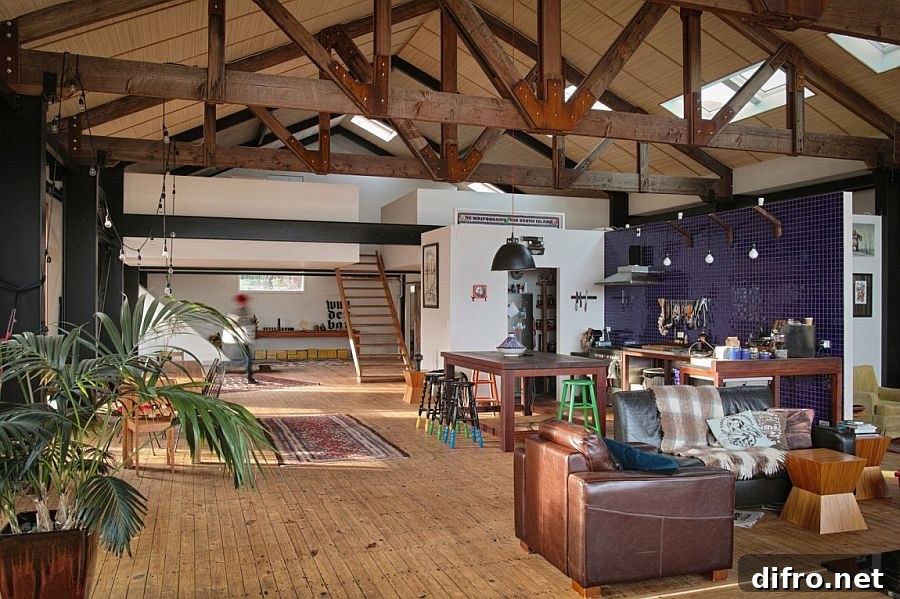
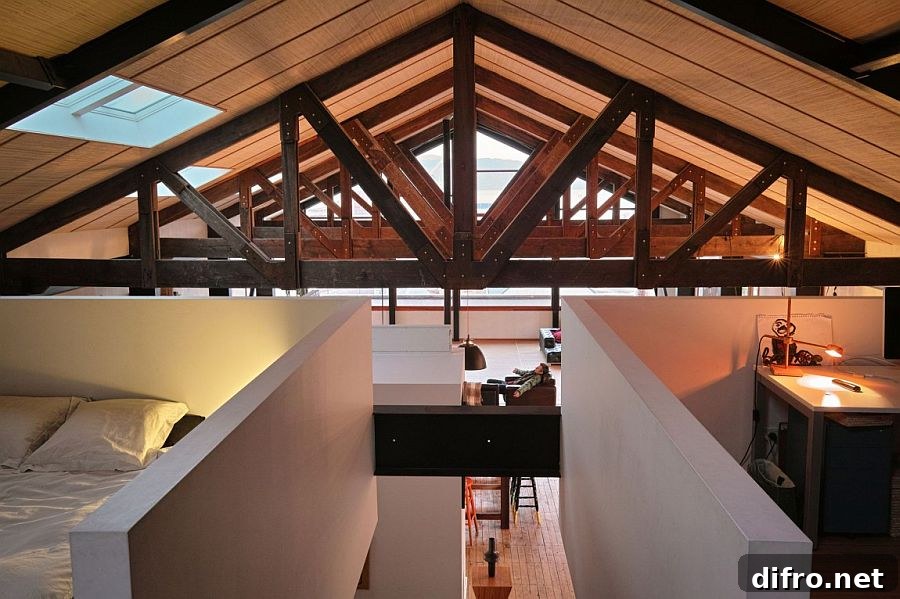
The original factory structure sustained significant damage during the earthquakes earlier in the decade. During demolition, the original timber trusses were discovered and rescued; the homeowners stored them with the intention of reusing these defining elements. The design team made the salvaged trusses a central feature of the new build, reinforcing them with visible metal plates and exposed bolts so their weathered character remained legible while meeting current structural requirements.
The interior opens into a generous double-height living space where large windows frame expansive views of the port, the distant hills and the sea. This open-plan layout blends living, dining and kitchen areas into a fluid social zone. A mezzanine-level bedroom and study overlook the central space, taking advantage of the volume and natural light. The overall arrangement prioritizes connection — between floors, between interior and exterior, and between the home and its maritime setting.
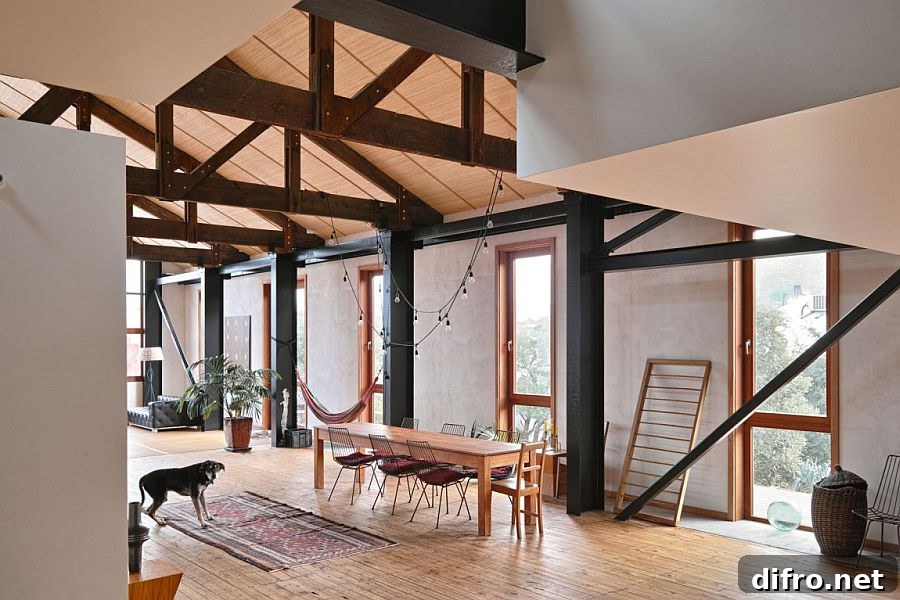
The interior finishes follow a contemporary industrial language: reclaimed materials and salvaged pieces are paired with clean, modern surfaces. Industrial-style lighting and exposed fixtures emphasize the building’s heritage while contributing to a relaxed, characterful atmosphere. Furniture and fittings are kept simple and purposeful so the original structural elements and the generous proportions remain the home’s primary focus.
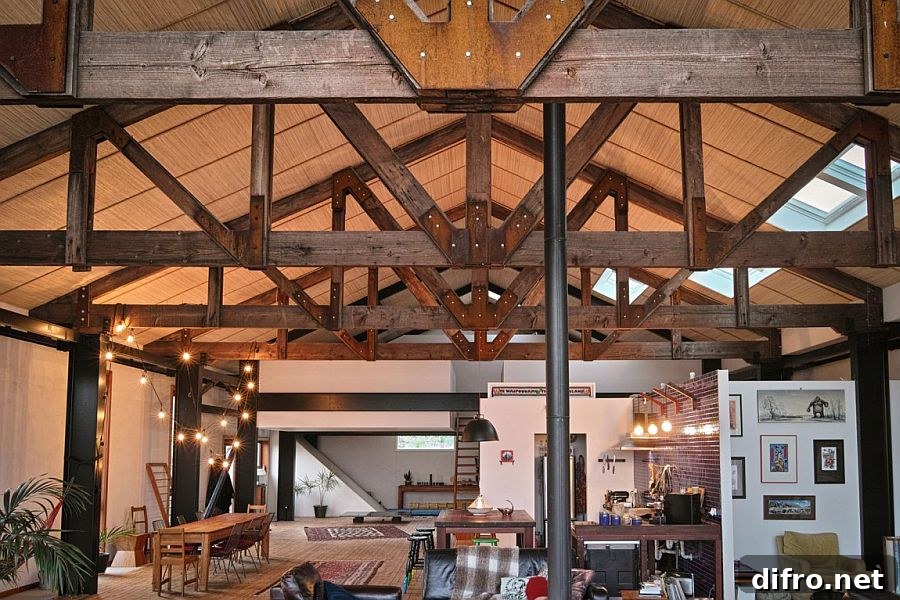
The salvaged trusses are visible in the heart of the home, forming a narrative link to the building’s past. Their restored, patinated surfaces and reinforced connections become an aesthetic as well as structural feature, giving the interior an immediate sense of history and continuity. The reuse strategy demonstrates how thoughtful preservation can be combined with contemporary construction to produce a domestic environment that feels layered and personal.
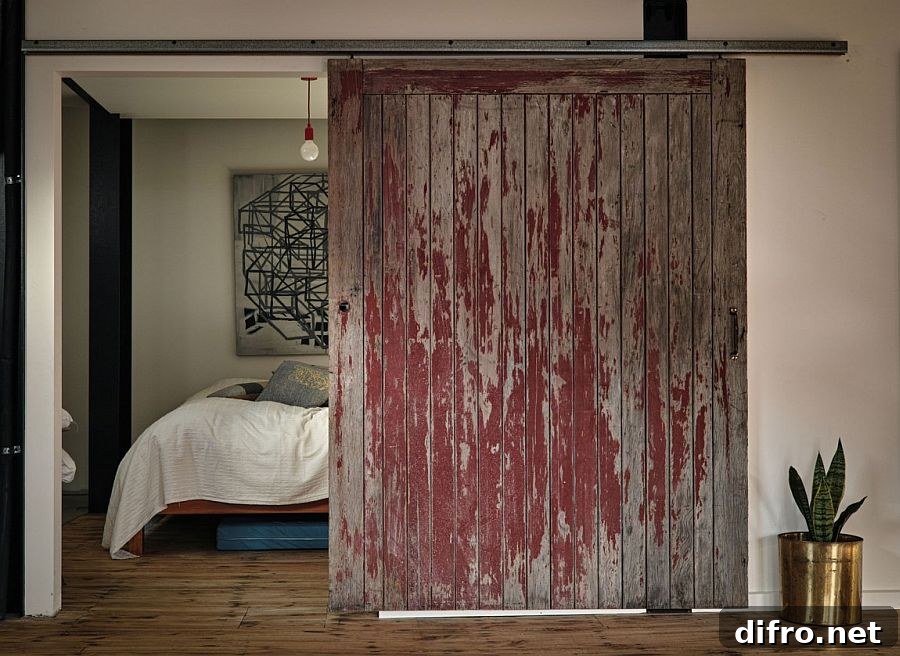
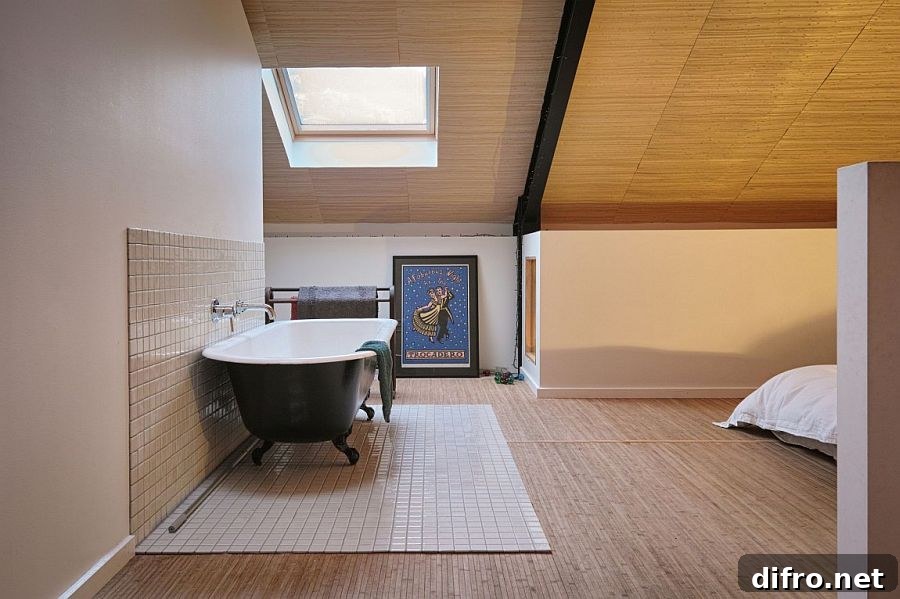
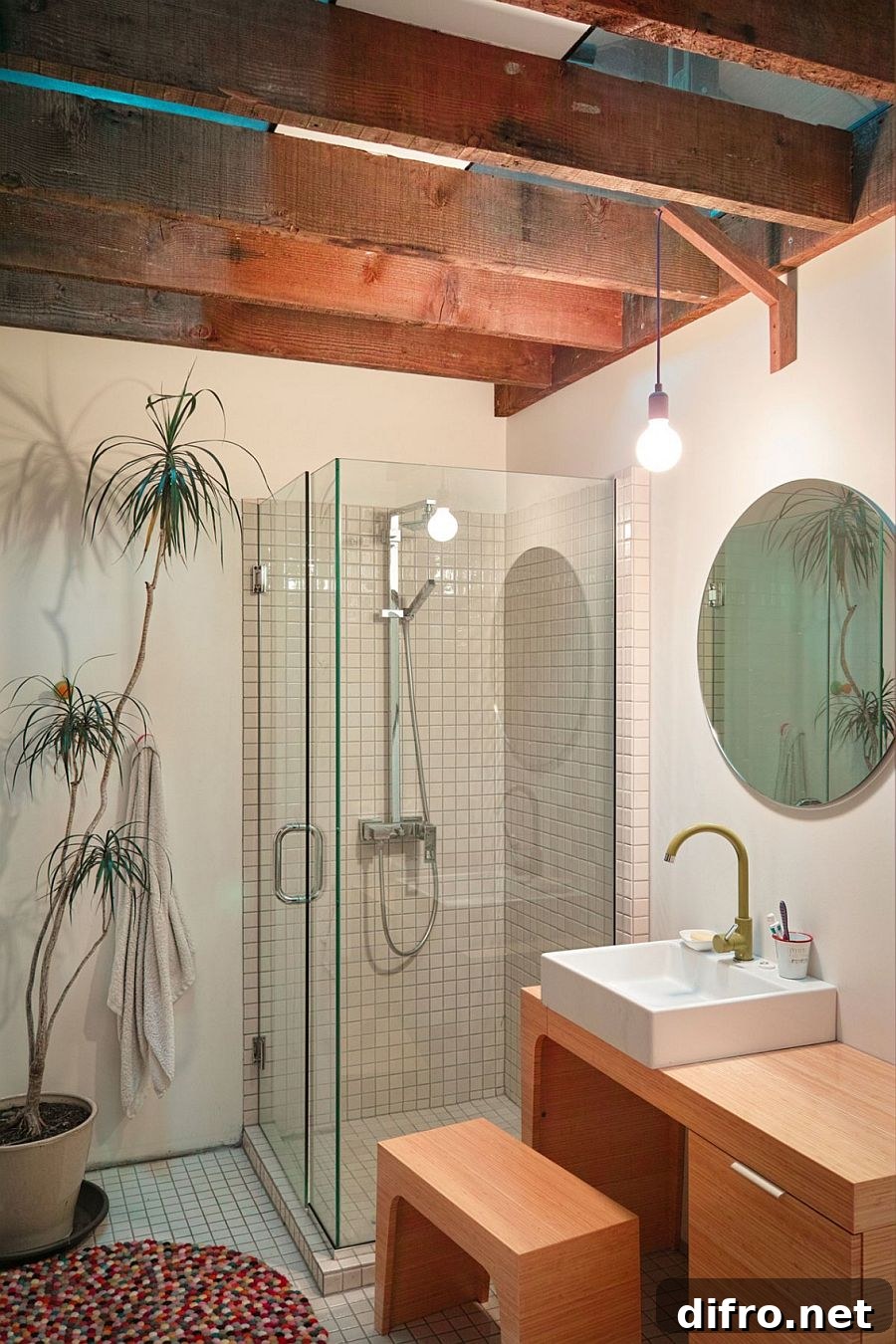
A sliding barn door leads to the private bedroom suite, combining rustic charm with contemporary detailing. The upper-level master bedroom includes intimate bathroom moments — a bathtub tucked into a corner and a compact shower area softened by the presence of a potted plant — that make practical use of the available space while maintaining a tranquil, spa-like feel. Narrow deck spaces extend the living area outdoors, providing spots to enjoy the clean sea air and the port vistas.
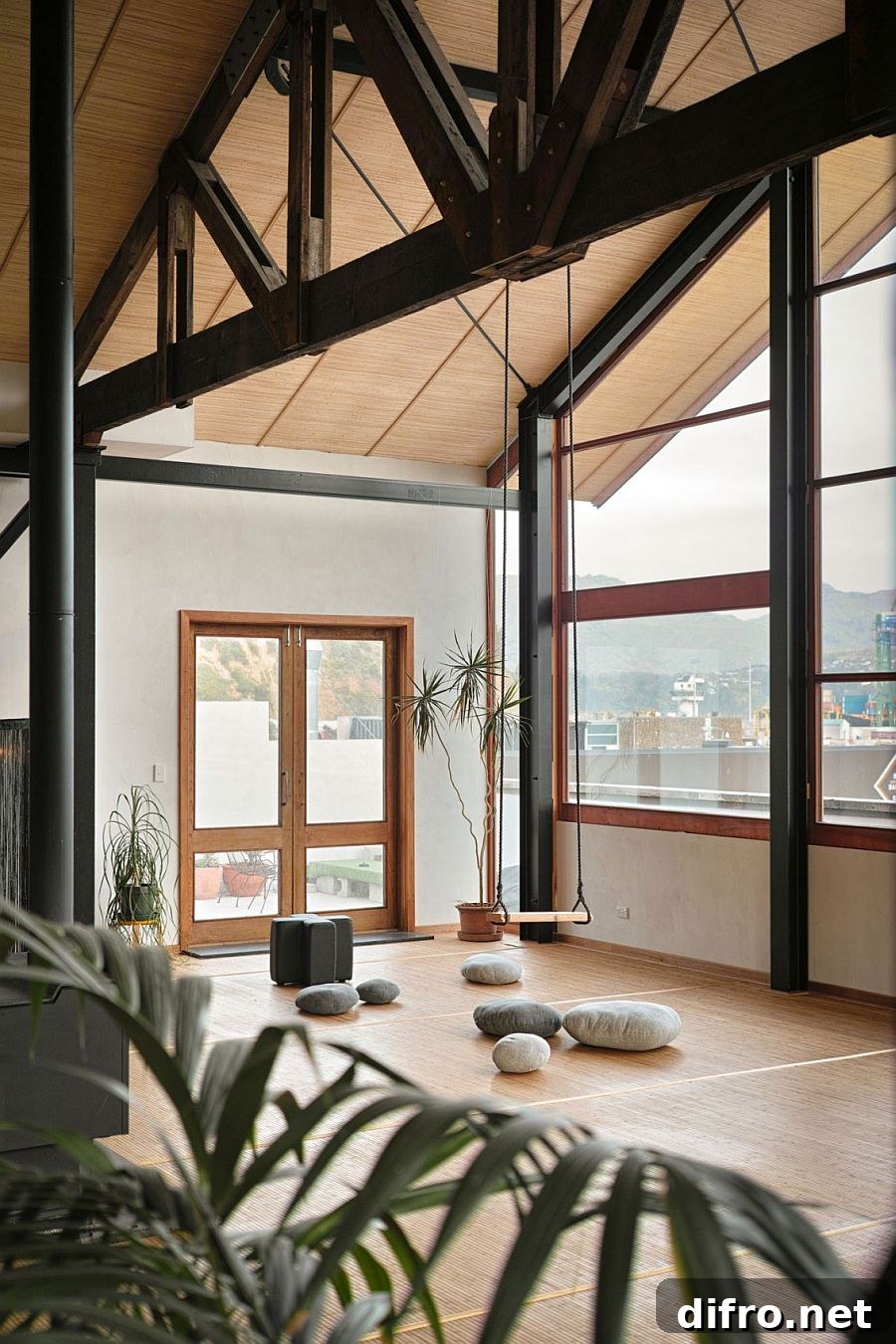
The demolition of the house revealed the original trusses. These were rescued and safely stored by the client who was hoping to reuse them if possible. The trusses became an important feature of the new build. Their strengthening was achieved with rusted metal plates and exposed bolts. They have been reused in the central part of the building…
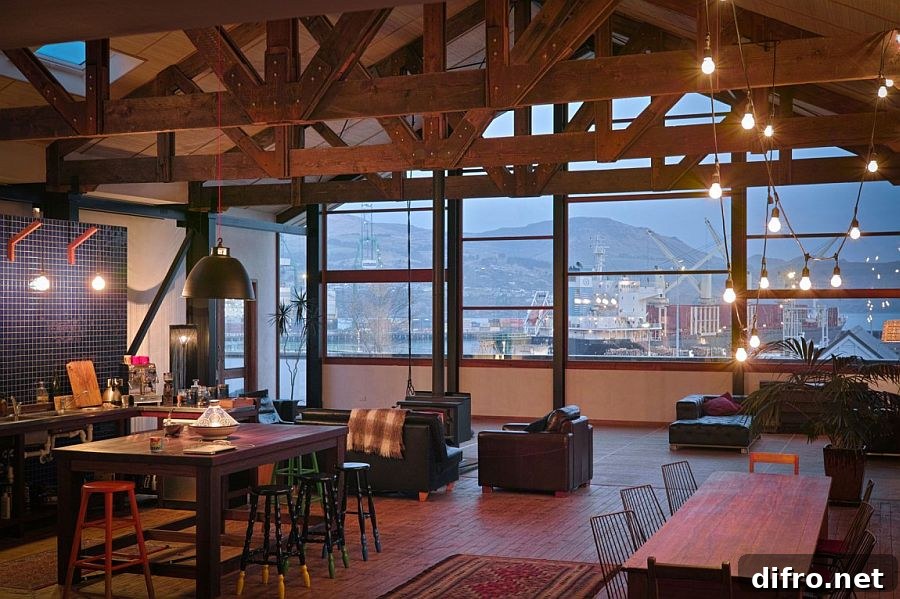
Photography for the project is credited to Mick Stephenson. The Kingswood Factory conversion demonstrates an approach to adaptive reuse that balances respect for an existing building’s identity with the needs of contemporary family life. The result is a home that reads as honest and unpretentious, one that celebrates reclaimed materials, generous light, and strong connections to its working harbour surroundings.
By combining preservation, material honesty and careful spatial planning, the Kingswood Factory conversion offers a compelling example of how industrial heritage can be adapted for contemporary living. The house is both a tribute to the site’s past and a thoughtful, functional family home that responds to its coastal, working-harbour setting.