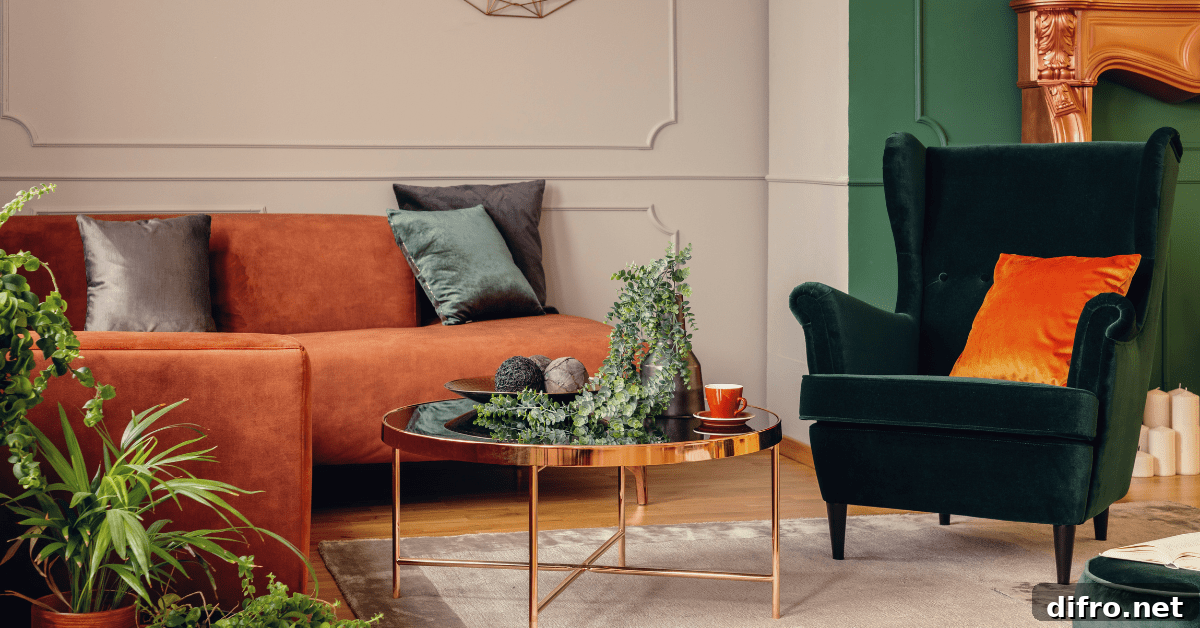
Refreshing your living room starts with choosing the right color scheme. With countless color combinations to explore, the challenge is picking palettes that reflect your personality while keeping the space balanced, comfortable, and stylish. This guide highlights versatile living room color schemes and practical ways to use them—whether you prefer bold, dramatic tones or soft, calming hues.
The Power of Blue and White – A Classic Duo
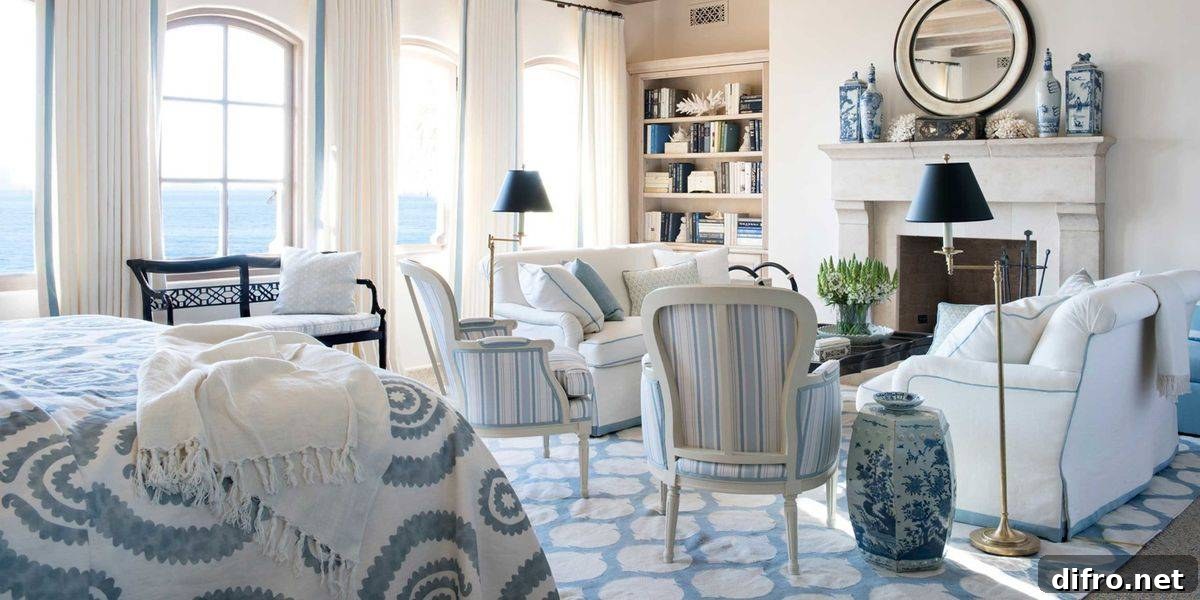
Blue and white form a timeless palette that works across many styles, from coastal to modern minimalist. Blue adds calming depth while white keeps the room feeling bright and open. Use a deep navy with crisp white for high contrast and drama, or choose soft sky blue and warm off-white for a subtler, airier feel. Incorporate these tones through wall paint, textiles, or a statement sofa to create a space that’s both inviting and elegant.
Embracing Warmth with Orange and Grey
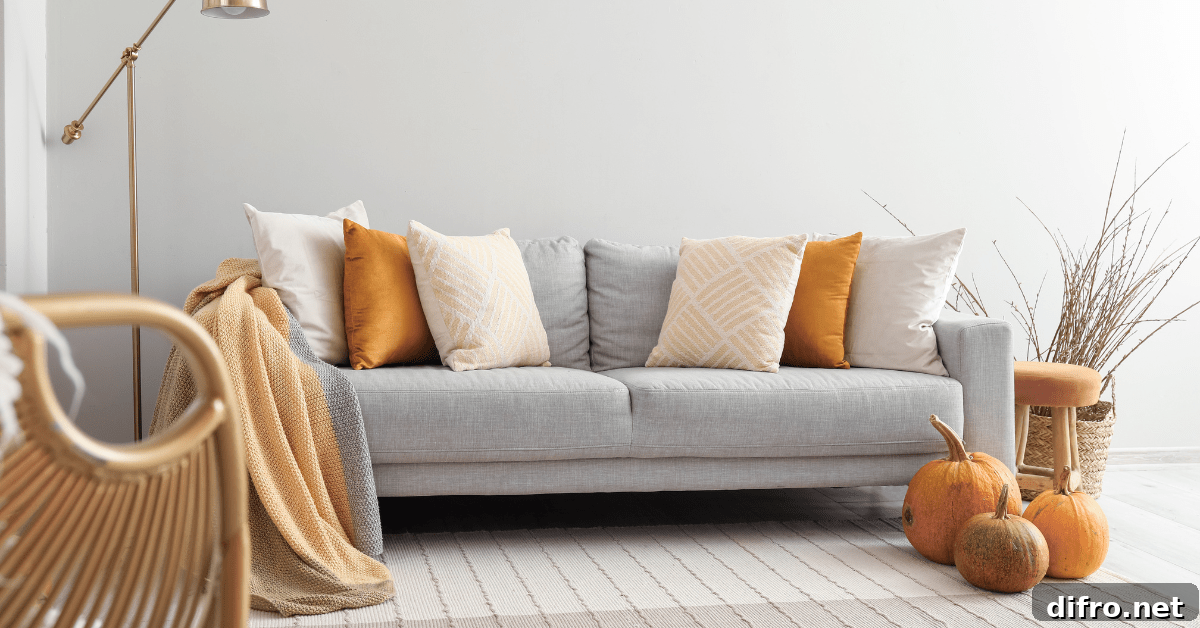
Orange and grey create a cozy yet contemporary look. The warmth and energy of orange energize a room, while grey anchors the palette with refinement. Use orange as an accent—pillows, throws, or a feature wall—against a grey backdrop to keep the effect balanced. Mixing textures, like wool cushions and matte painted walls, will enhance the visual interest and keep the space feeling carefully curated rather than overwhelming.
Vibrant Yellow and Soft Grey – A Cheerful Pairing
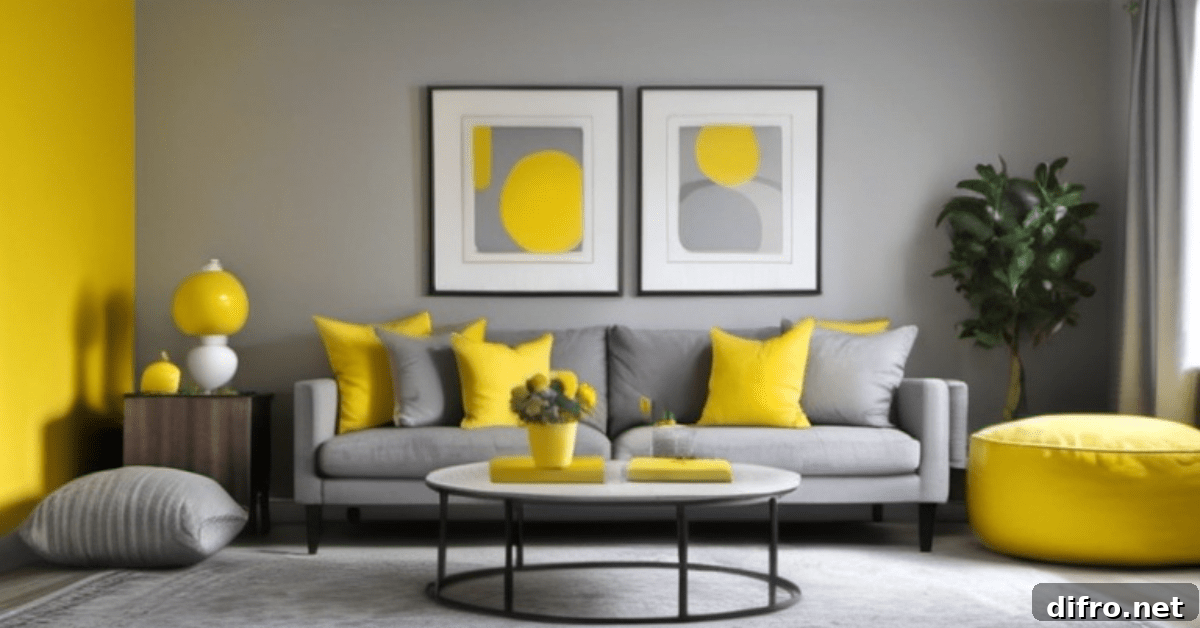
Yellow and soft grey balance cheerfulness with calm. Grey on larger surfaces—walls, sofas, or rugs—creates a neutral base, while yellow accents introduce optimism and energy. Swap accessories seasonally to change the room’s mood, or use patterned textiles that blend both shades for a cohesive look that still feels lively.
Bold Red and Beige for a Dynamic Space
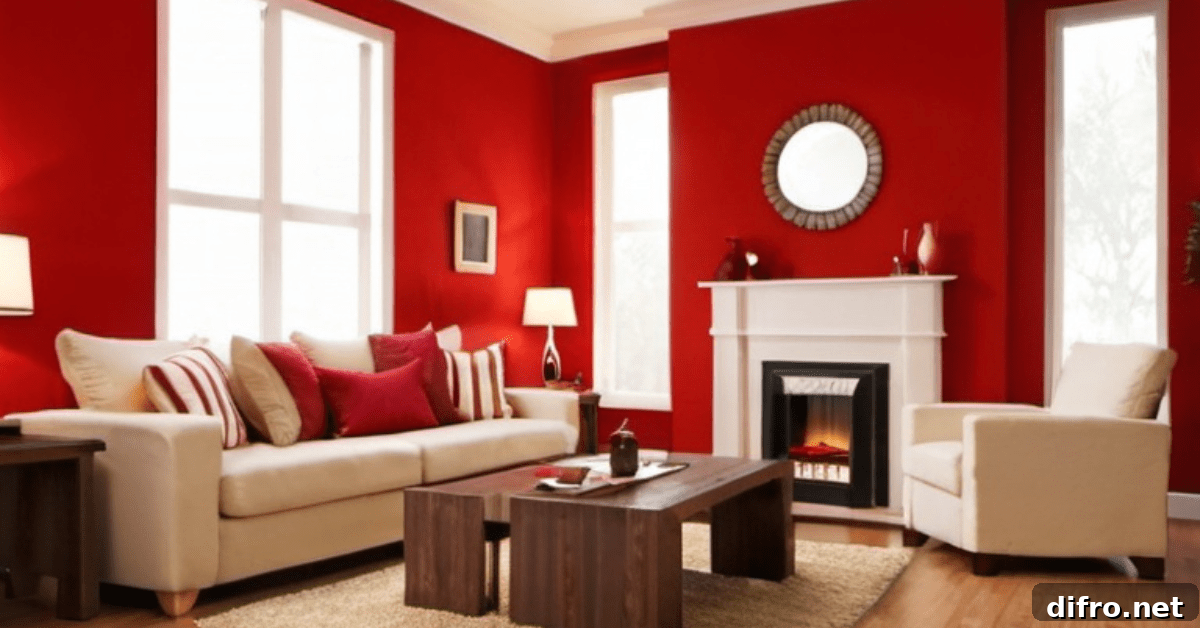
Red paired with beige creates warmth and energy without sacrificing comfort. Use beige to temper bold red—think a beige sofa with red accent chairs, cushions, or a single red feature wall. This approach keeps the palette lively yet inviting, making the room suitable for both relaxation and social gatherings.
The Soothing Appeal of Green and Brown
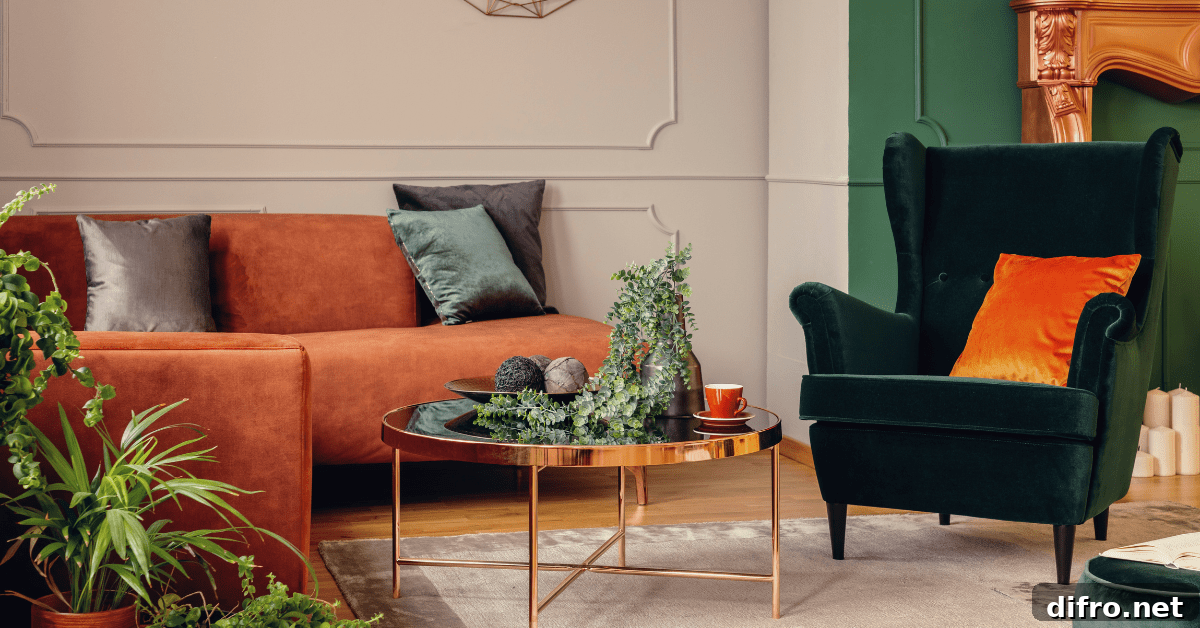
Green and brown evoke nature and comfort. Soft sage or deep forest green paired with warm brown tones produces a grounded, tranquil atmosphere. Combine green textiles with wooden furniture and natural fibers to enhance a soothing, organic feel that suits minimalist, rustic, or contemporary interiors.
Sophisticated Navy and Gold Accents
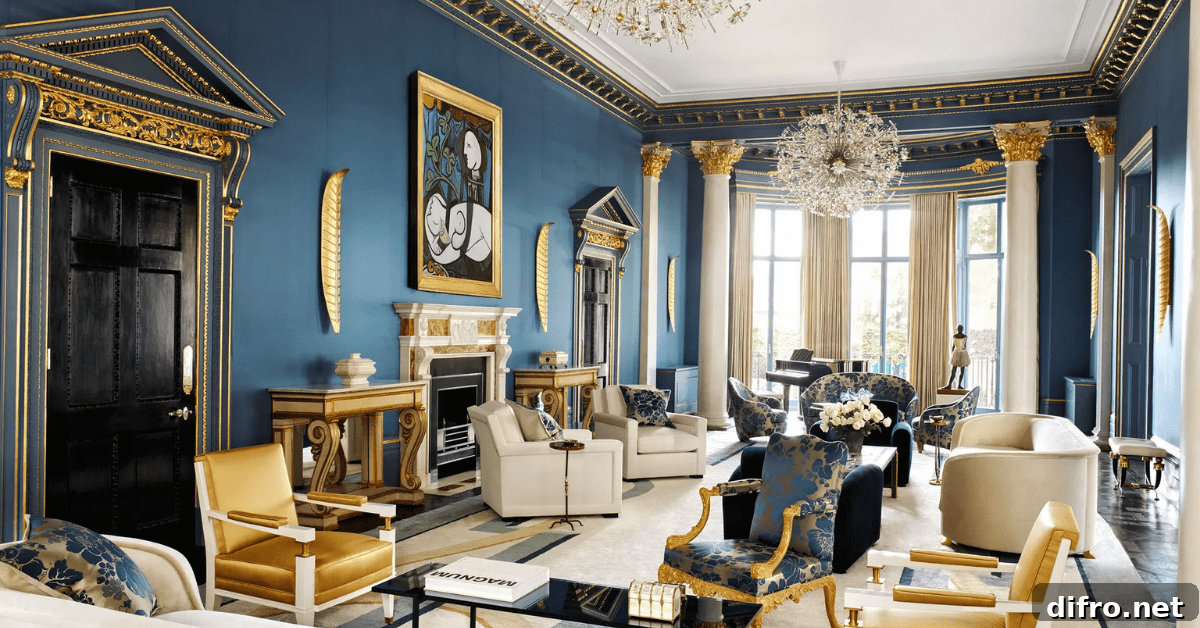
Navy and gold deliver a luxurious, refined look. Navy provides depth while gold accents—lighting, frames, or hardware—add warmth and sophistication. This pairing works well in formal living rooms or modern spaces that benefit from a touch of glamour without sacrificing coziness.
Fresh Turquoise and Cream for a Coastal Vibe
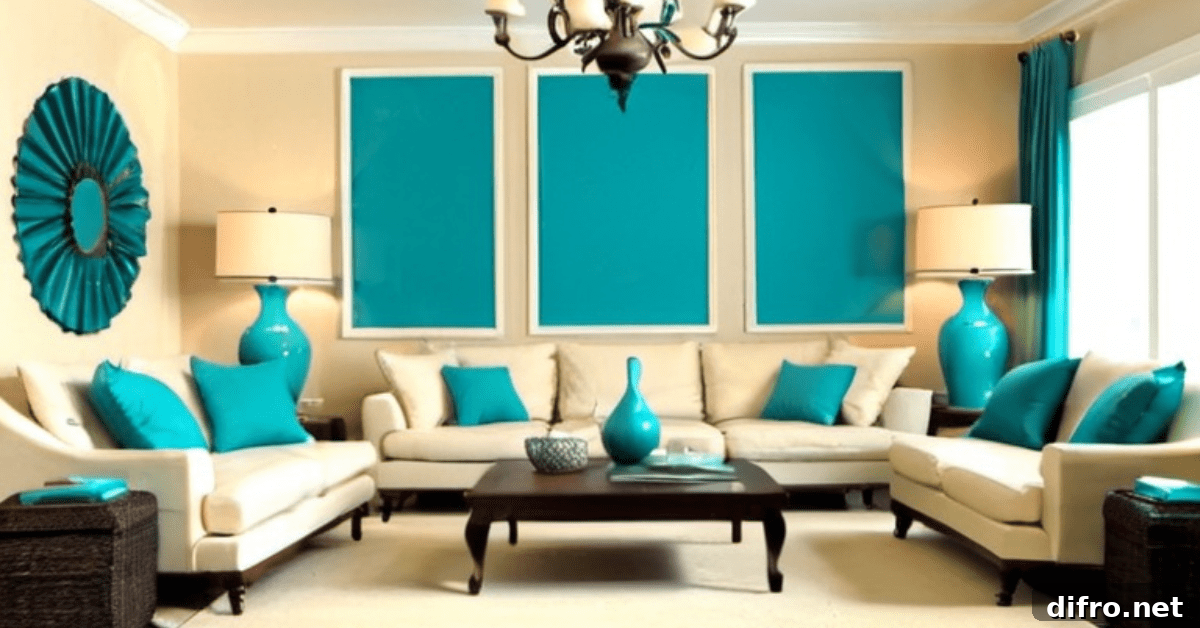
Turquoise and cream bring a breezy, coastal feel to a living room. Turquoise energizes while cream softens and brightens. Add natural textures—rattan, driftwood, linen—to complete the seaside-inspired look without turning the design into a theme room.
Elegant Purple and Silver Contrasts
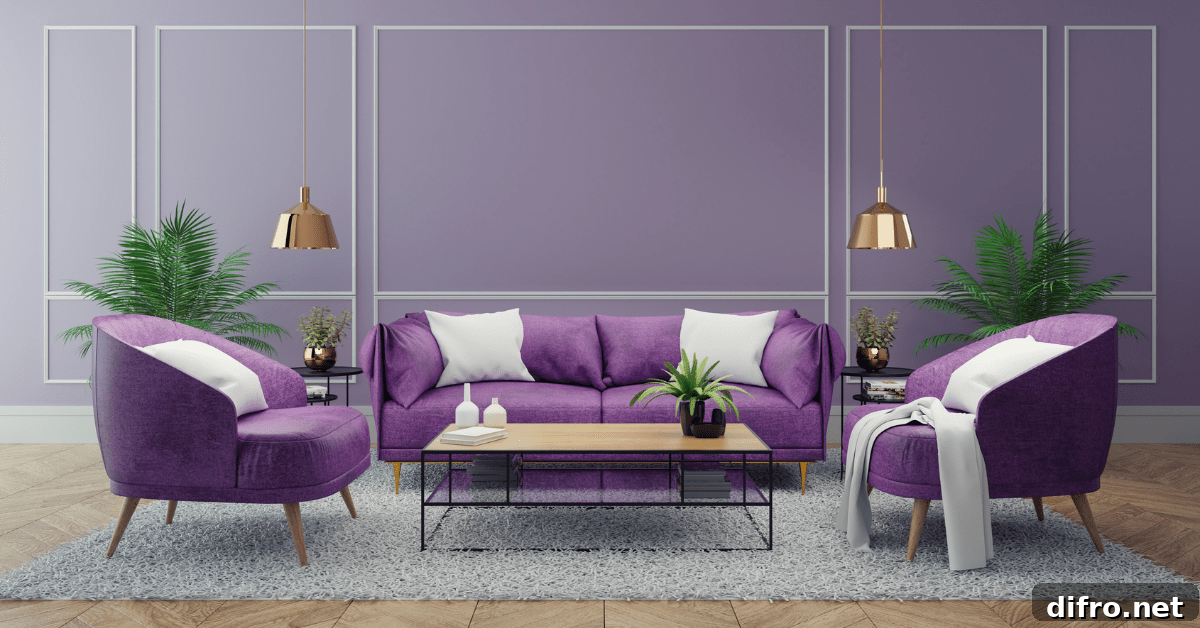
Purple and silver combine luxury with modern edge. Use purple as the dominant tone—pillows, an accent wall, or a rug—and introduce silver in lighting, frames, or small accessories to achieve a balanced, elegant space that feels both cozy and stylish.
Earthy Olive and Rust for a Natural Feel
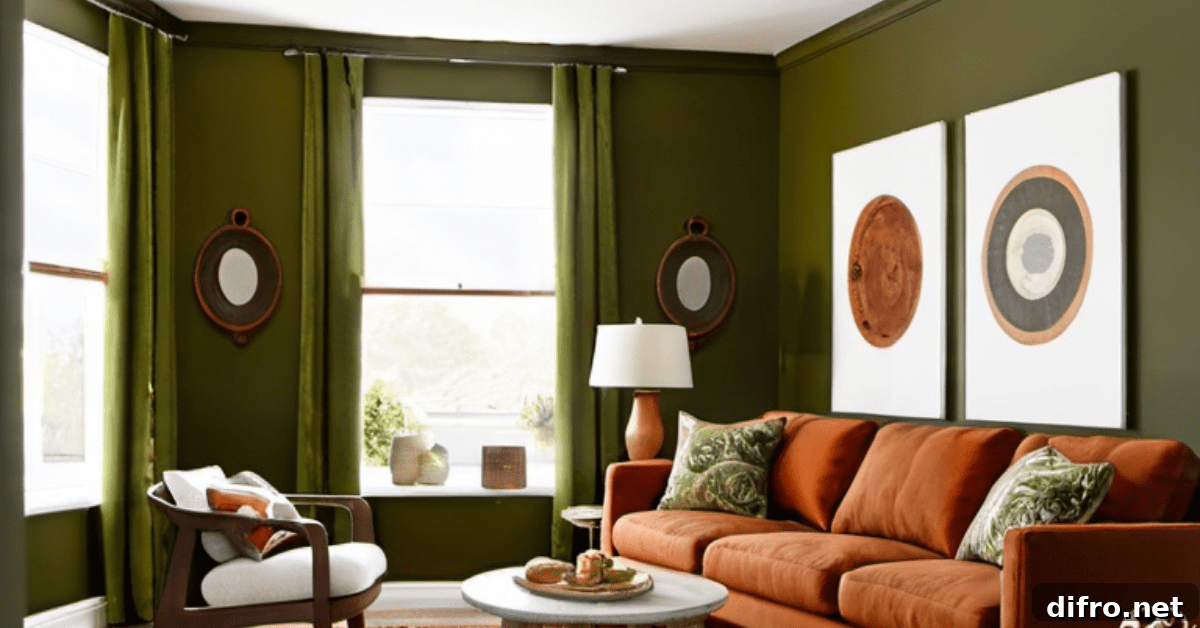
Olive and rust create an autumnal, grounded palette. This combination pairs beautifully with wooden furniture, textured fabrics, and muted metallics for an inviting living room that feels warm and well layered.
Bright Pink and Soft White – A Feminine Touch
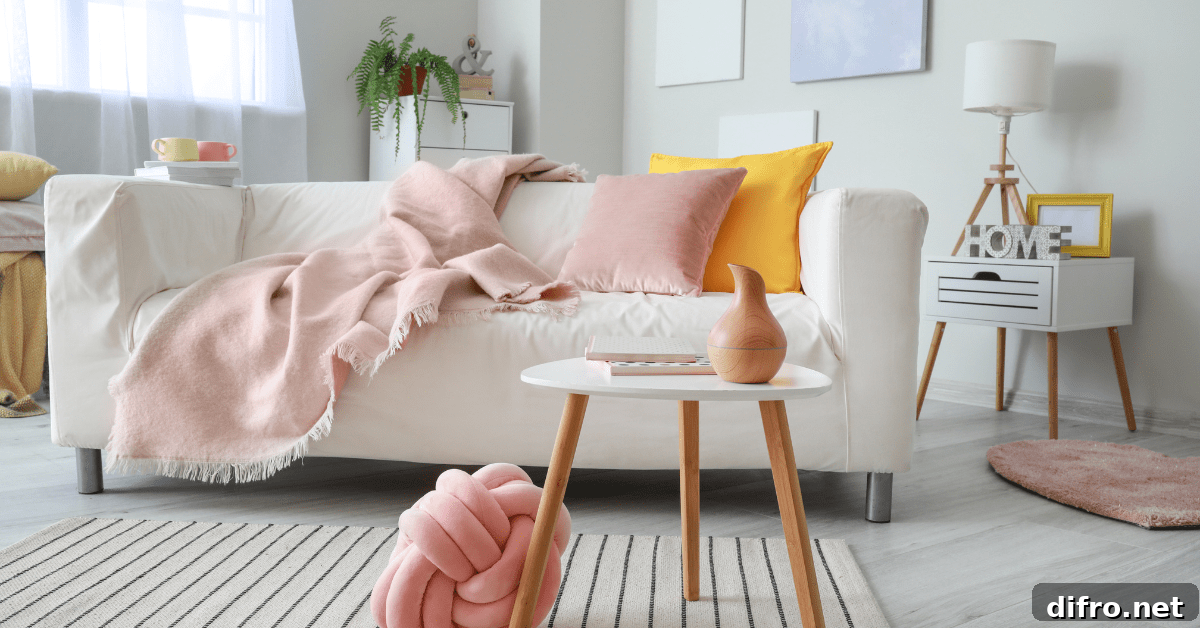
Bright pink balanced with soft white brings a fresh, feminine energy to a living room. Use white as the canvas and add pink accents to avoid overwhelming the space. Natural wood and metallic details help integrate the palette into varied decor styles.
The Modern Edge of Black and Red
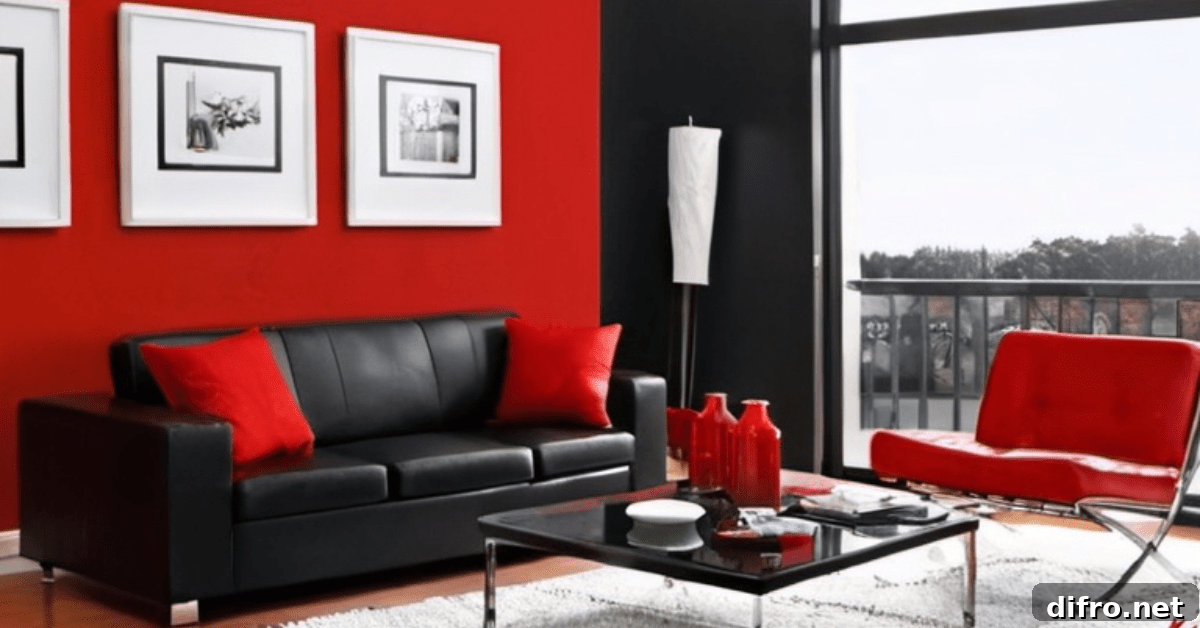
Black and red make a bold statement. Use black for depth and red for striking accents. Keep the distribution intentional—accent pieces, artwork, or a single statement furniture item—to maintain a modern, sophisticated feel without overpowering the room.
Luxurious Champagne and Dark Brown
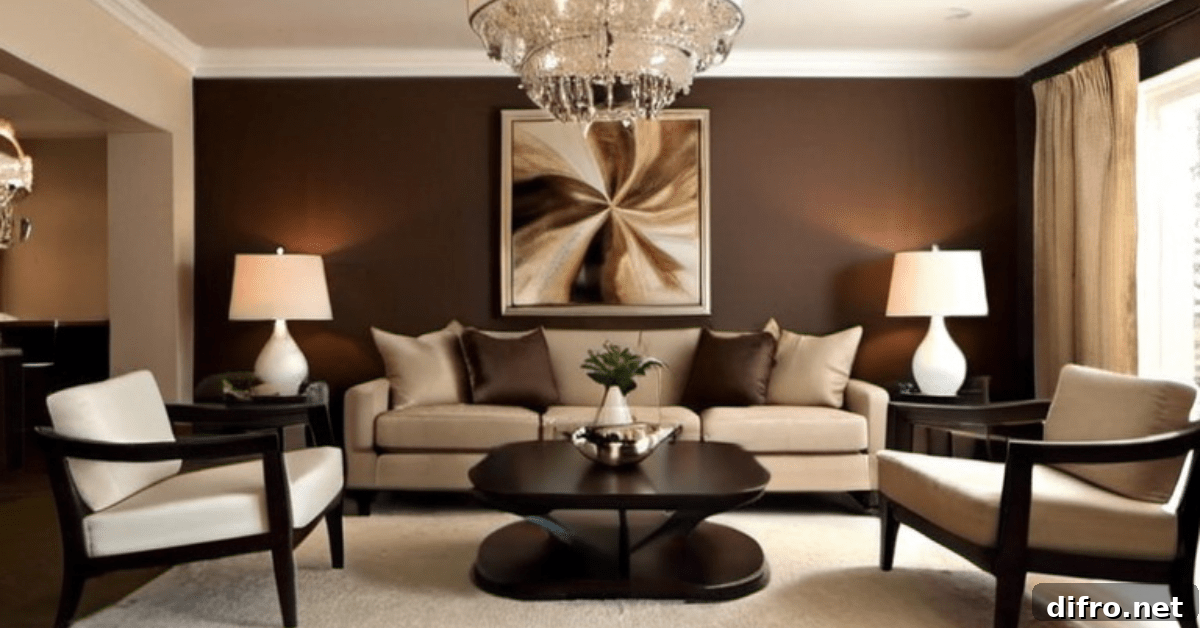
Champagne and dark brown offer a sophisticated, warm backdrop. Use dark brown for major furniture and champagne for walls, textiles, or accents to create an inviting, luxe environment. Add plants or gold-toned accessories for added texture and shine.
Calming Lavender and Crisp White
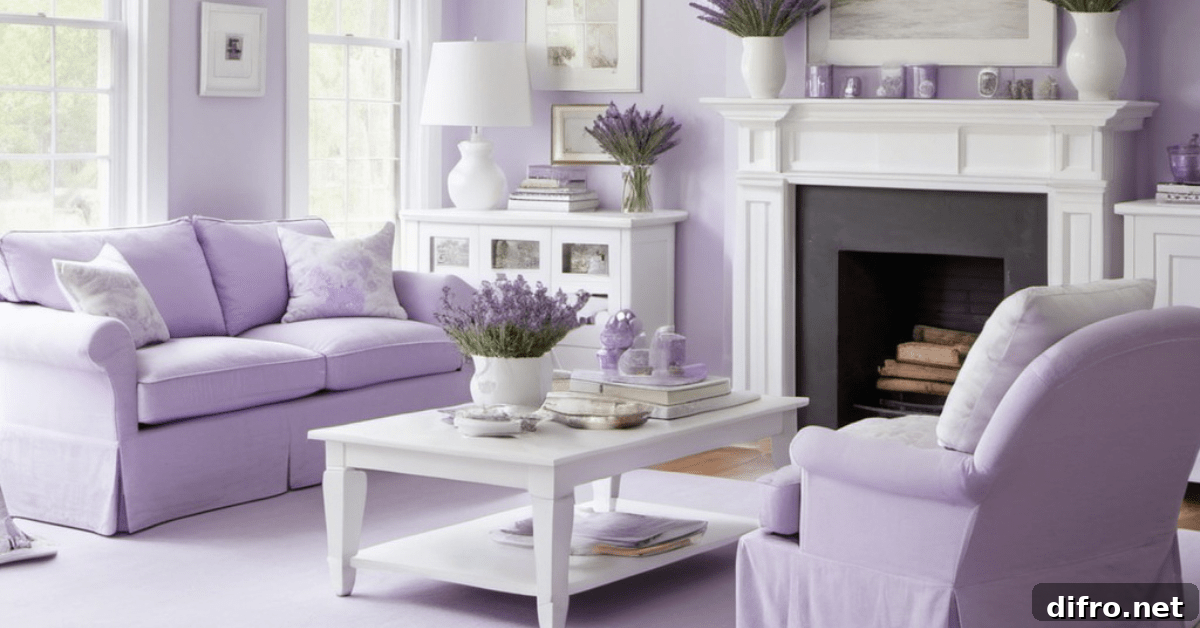
Lavender with crisp white creates a serene, refreshing living room. Keep lavender as subtle accents or a feature wall and let white maintain brightness. This pairing suits contemporary minimalist and cozy cottage styles alike, promoting relaxation and visual calm.
Related Articles:
- Formal Living Room Ideas for Timeless Interior Design
- Color Wheel and Opposites – Mastering Complementary Colors in Design
- Top Rustic Living Room Decor to Add to Your Home in 2024
Choosing the perfect living room palette is about balance and intention. Start with a neutral base, define a dominant color, and layer in secondary and accent tones. Think about the room’s size, natural light, and existing furniture when deciding on intensity and contrast. With thoughtful combinations—whether calm and understated or vibrant and bold—you can create a living room that reflects your taste and enhances daily life.
Ready to refresh your home? Subscribe to a design newsletter for ideas, trends, and practical tips that help you bring these color schemes to life.
FAQs
What Are Some Popular Living Room Color Schemes?
Neutral tones like beige, gray, and white paired with accent colors—navy, emerald, or mustard—remain popular. These mixes create a sophisticated, welcoming atmosphere and adapt well to different styles.
How Can I Use Eye-Catching Colors?
Introduce bold colors through accents—pillows, artwork, or a single feature wall—while keeping larger surfaces neutral to maintain balance and prevent sensory overload.
What Are Effective Color Combinations?
Work with three-layer palettes: a dominant color, a secondary color, and an accent. For example, navy (dominant), soft gray (secondary), and coral (accent) create depth and harmony.
How Do I Choose the Best Combination?
Consider room size, light, and furniture. Test swatches under your room’s lighting and start with a neutral base, adding personality via accents and textures.
What Are Some Room Color Schemes?
Monochromatic, complementary, and triadic schemes all work well. Monochromatic uses shades of one color; complementary pairs opposites on the color wheel; triadic balances three evenly spaced hues.
What Is the Best Color Combination for a Living Room?
There’s no single best; choose a palette that supports the room’s function and your mood. Classic choices like blue and white or gray with a bold accent tend to be versatile and timeless.