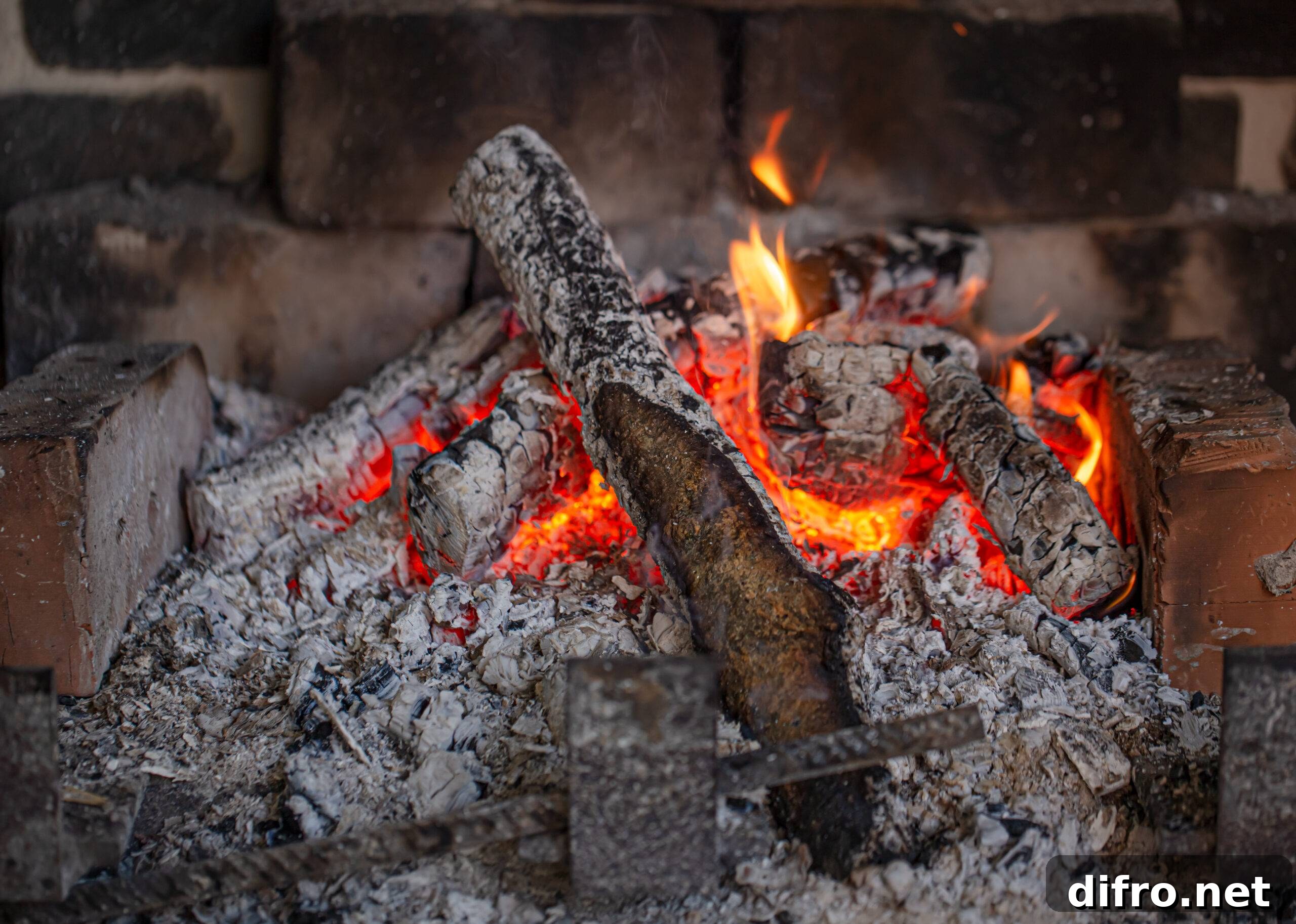
Who would have thought the gray pile left in your fireplace could be so useful? Often dismissed as waste, wood ash is actually a versatile household resource. From enriching garden soil to de-icing pathways, fireplace ashes can serve many practical purposes. Below are safe, effective ways to reuse ashes around the home, along with a few precautions to keep in mind.
1. Enrich garden and houseplant soil with nutrient-rich ash
Wood ash contains potassium, calcium, and trace minerals that can help improve soil structure and supply nutrients to plants. Use a light sprinkling of cooled ash over vegetable beds or potting soil and gently work it in. Ash is alkaline, so it can help raise pH in acidic soils, but moderation is essential: too much ash can create nutrient imbalances and harm acid-loving plants like blueberries and rhododendrons. Before applying ash broadly, test your soil’s pH and apply small amounts gradually, observing plant response over a few weeks.
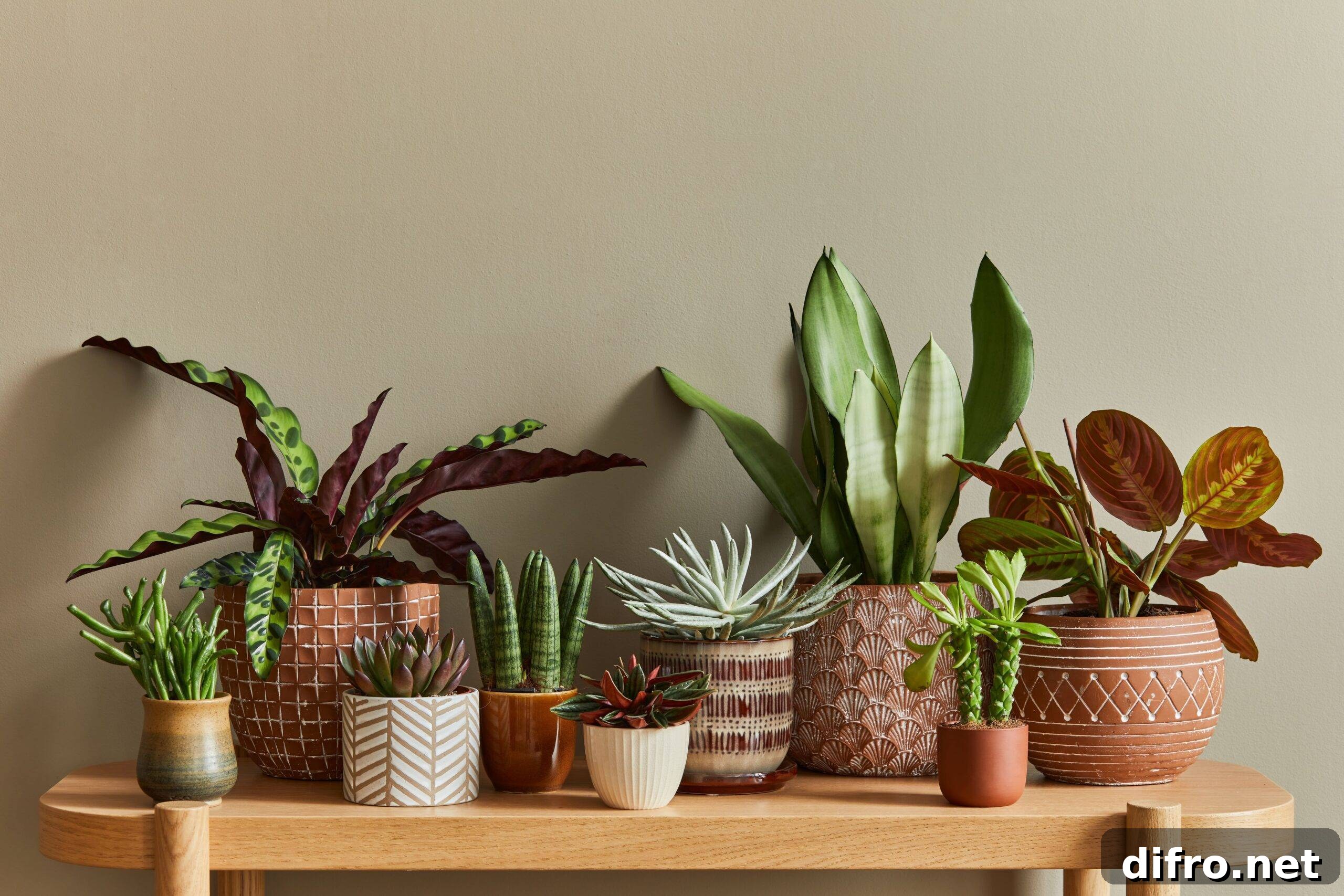
2. Natural pest deterrent for the garden
Ashes make an inexpensive, chemical-free barrier for certain garden pests. Sprinkling a thin ring of ash around vulnerable plants creates an abrasive surface that slugs and snails tend to avoid. It can also discourage ants and some crawling insects when applied sparingly around doorways or garden beds. Reapply after heavy rain and avoid piling ash directly on plant stems or leaves, as concentrated ash can burn tender tissue.
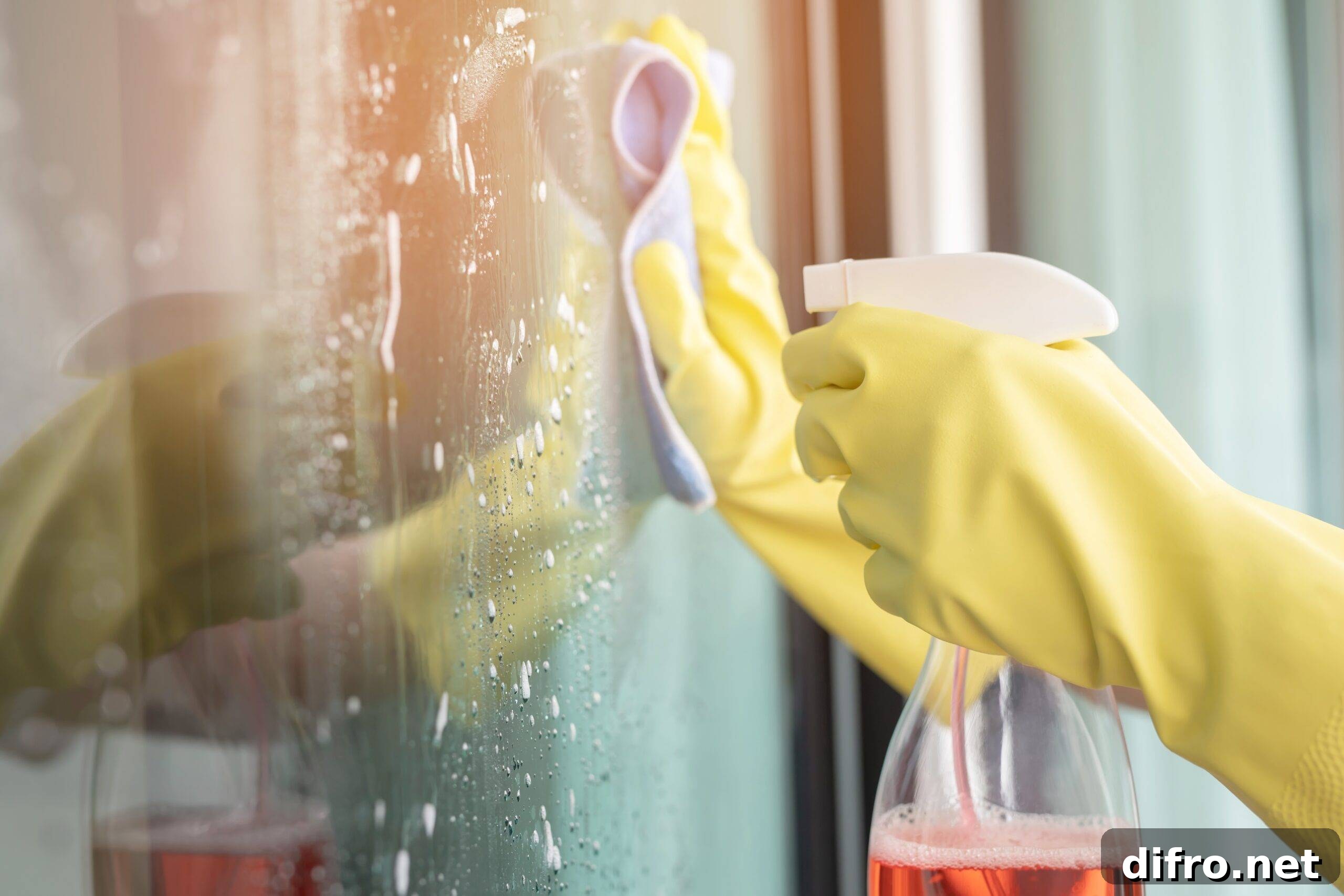
3. Eco-friendly cleaning and polishing
Mixed with a little water, fine wood ash forms a mild abrasive paste that can remove soot, tarnish, and stubborn grime from glass, metal, and cookware. Use a soft cloth or sponge and test a small inconspicuous area first to be sure the ash won’t scratch the finish. Ash works well for polishing silverware or scrubbing a sooty fireplace glass when combined with gentle rubbing and rinsing. This low-cost, low-toxicity cleaning option replaces harsher chemical cleaners for many household jobs.
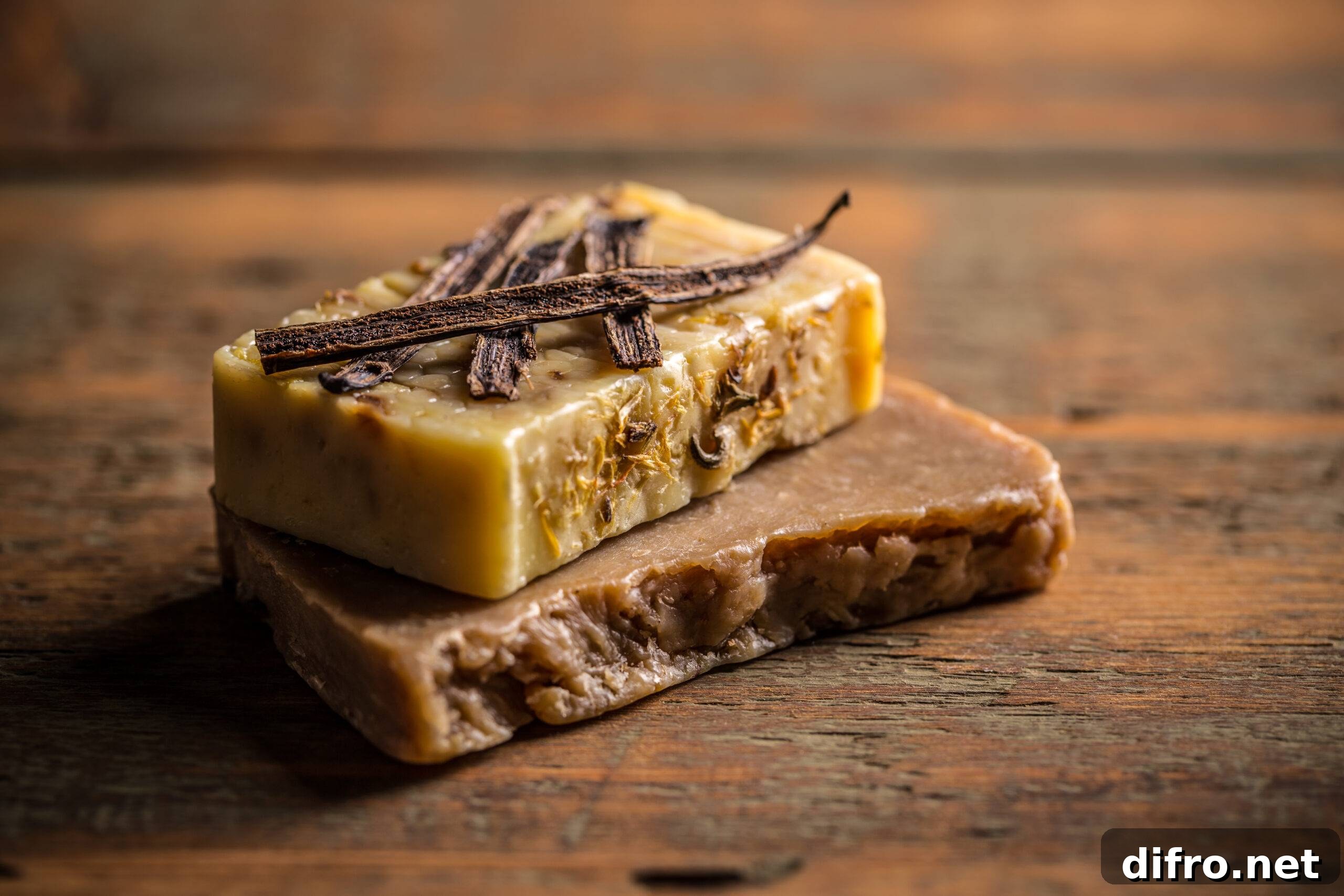
4. Traditional soap-making ingredient (handle with care)
Historically, wood ash has been used to make lye, which is a key ingredient in traditional soap production. Lye can be leached from ashes by soaking them in water and filtering the liquid, then reacting that alkaline solution with fats or oils to saponify them. This process produces natural soap but requires careful handling, accurate measurements, and protective gear because lye is caustic. If you choose to experiment, study safe soap-making practices thoroughly and follow all safety guidelines.
5. Odor control and neutralizing
Because of their porosity, ashes can help absorb and neutralize household odors. A shallow dish of dry ash placed in a smelly area—such as a garage corner, near trash bins, or a seldom-used closet—can reduce musty or unpleasant smells. A light dusting in litter boxes or garbage cans can also diminish odors, but avoid using ash where it could be inhaled by pets or children, and sweep up excess regularly to prevent dust from spreading.
6. Traction and de-icing in winter
On icy days, dry ash sprinkled over walkways and driveways adds traction and helps melt thin layers of ice, thanks in part to its dark color that absorbs sunlight. Unlike rock salt, wood ash does not significantly corrode concrete or metal and is less likely to damage nearby plants when used modestly. Keep a covered container of ash near entryways for quick application, and brush or sweep it away once surfaces are clear to prevent buildup.
Practical reuse of fireplace ash reduces waste and supports eco-friendly household habits, but some precautions are important: only use ash from untreated, natural wood (avoid ashes from painted, pressure-treated, or coal-burning fires), store ash in a metal container with a lid until completely cool, and wear gloves and a dust mask when handling fine ash. Small, measured applications and occasional soil testing will help you harness the benefits of ash without unwanted side effects. Next time you clean your hearth, consider saving a scoop or two—those gray remnants may be more valuable than you think.