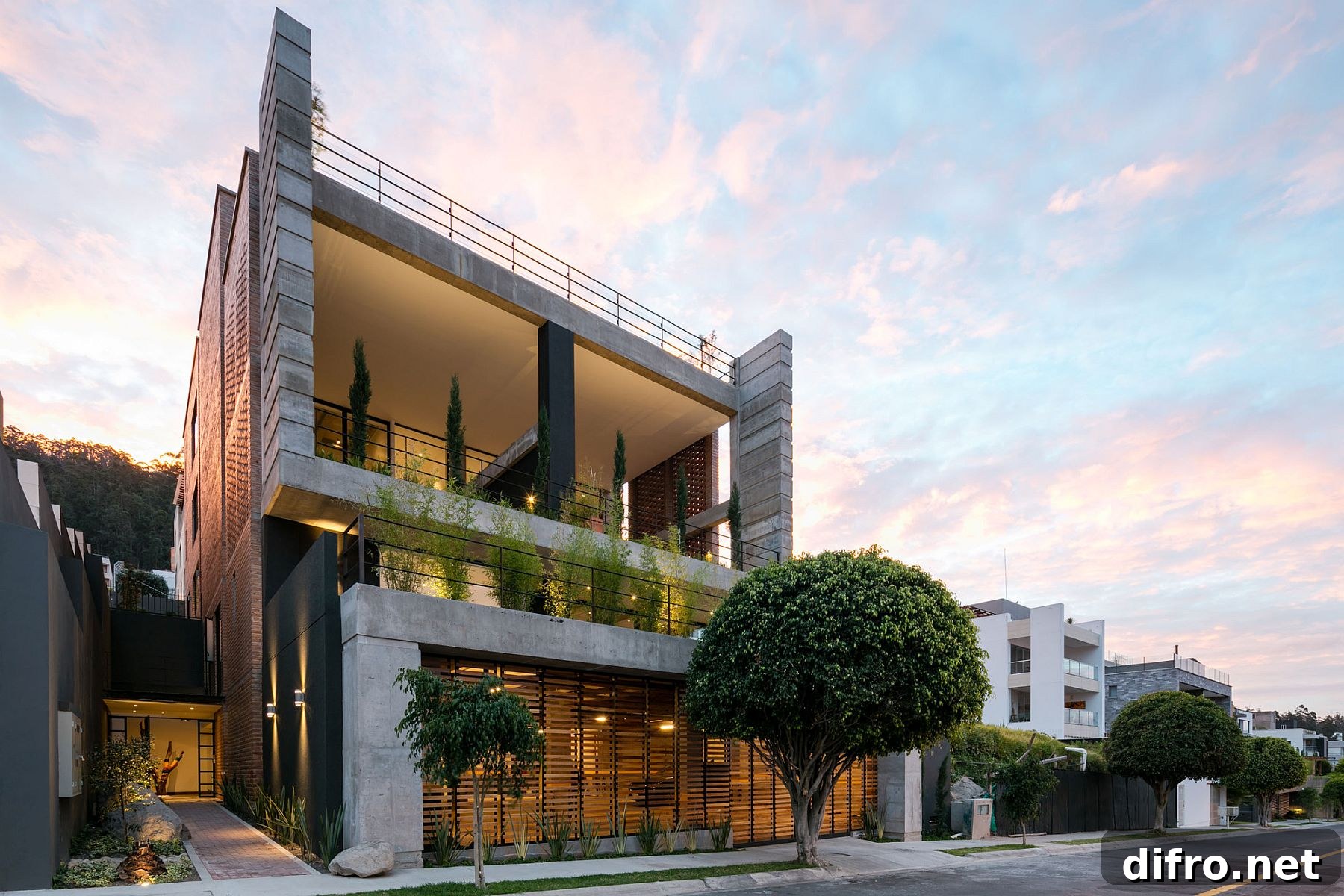
A versatile residence thoughtfully designed to take full advantage of the panoramic views across the Cumbayá Valley, Apartment Building Zambeze was conceived to meet the needs of a family wanting four separate but similarly configured living units. Designed by Juan Pablo Ribadeneira Mora, the building’s distinctive façade and double‑story porches for the two upper duplex apartments give the structure a welcoming green tone that sets it apart from its neighbors. Carefully balancing openness with privacy, Apartment Building Zambeze captures the landscape while providing private outdoor living for each unit.
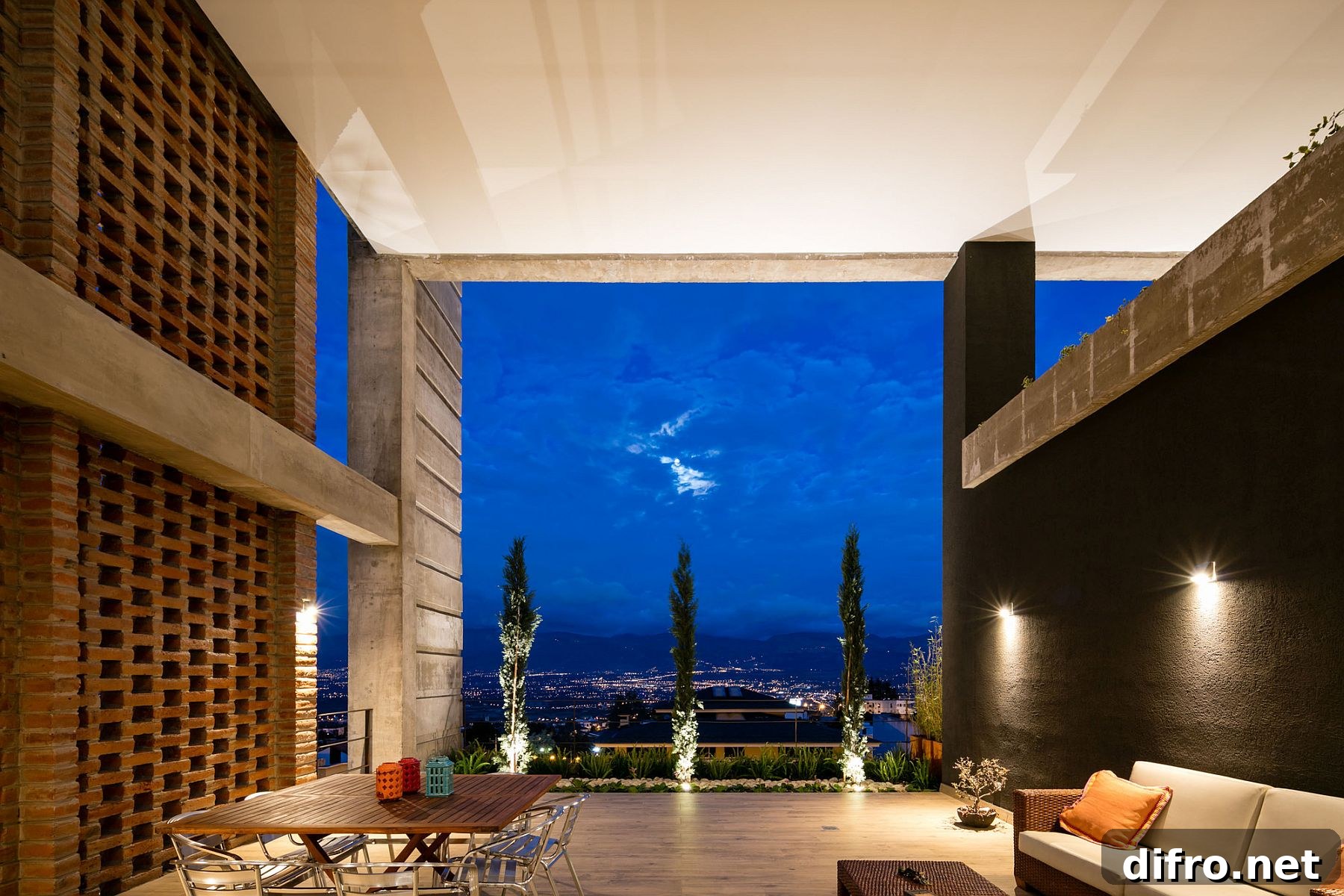
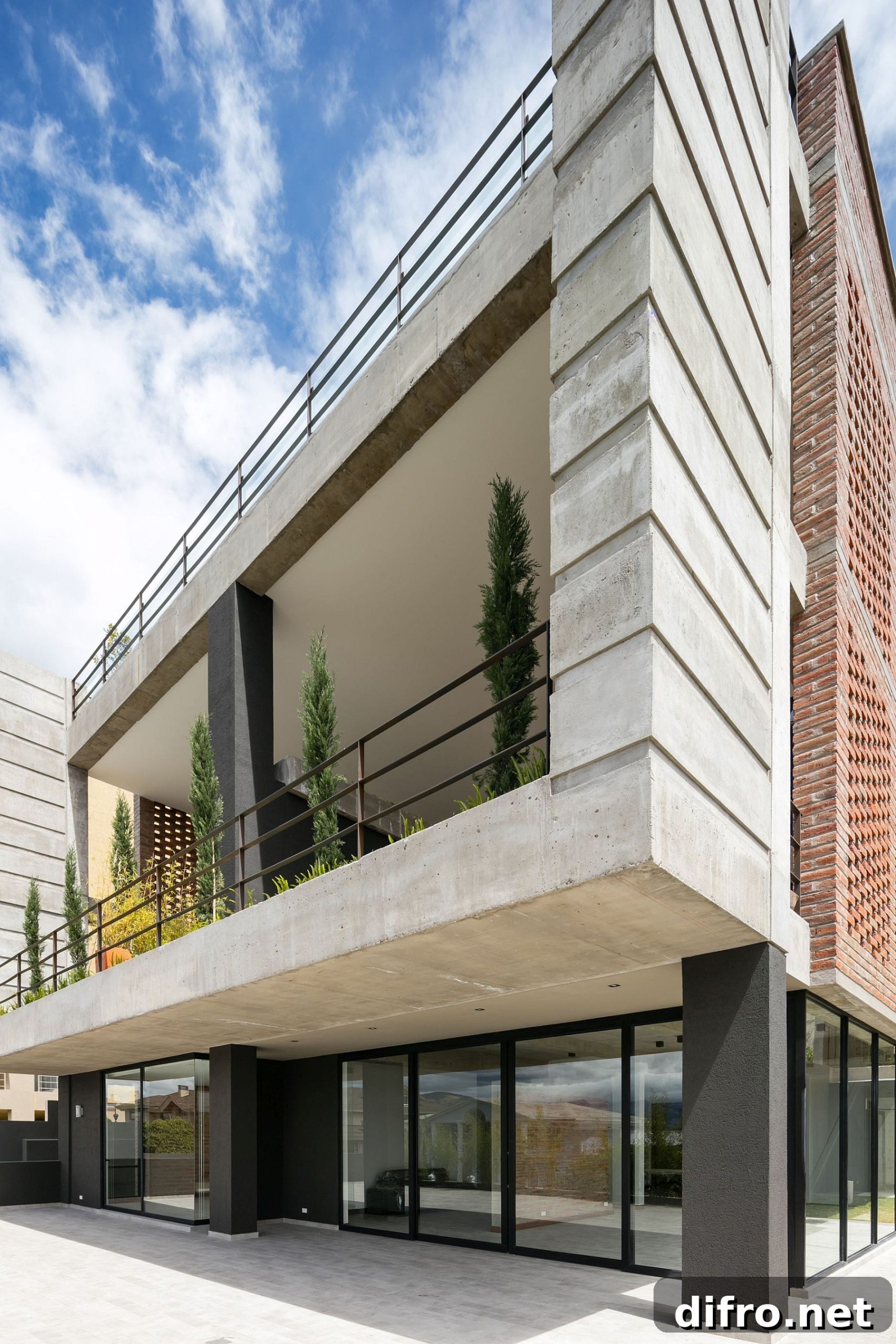
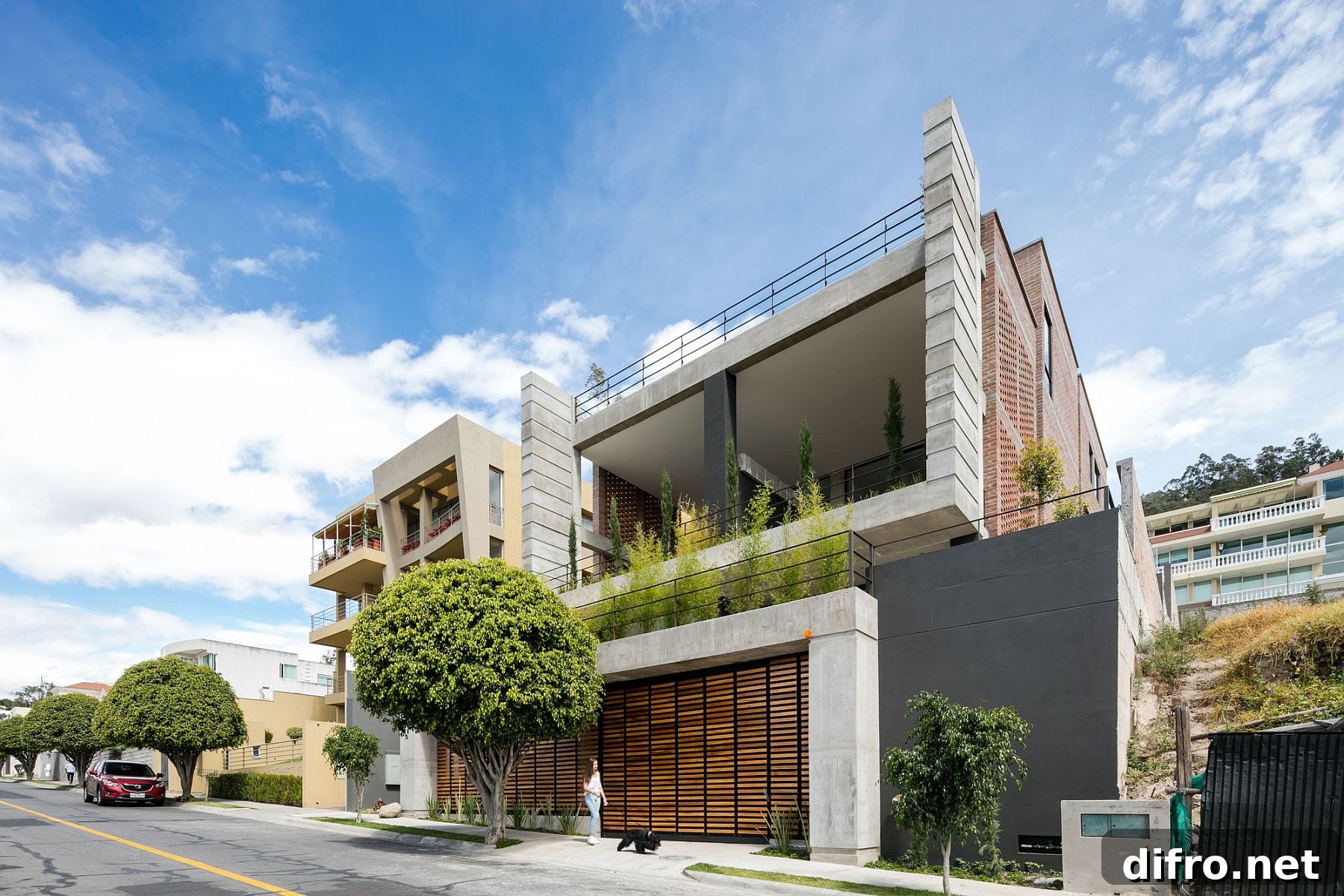
The project places one apartment on the first floor, two duplex units across the second and third floors, and a fourth apartment at the top level. Each dwelling is anchored by its own outdoor lounge and porch, extending the interior living spaces into shaded terraces that frame the valley views. This layering of semi‑private outdoor spaces enhances the sense of dwelling while allowing residents to enjoy the site’s natural panorama.
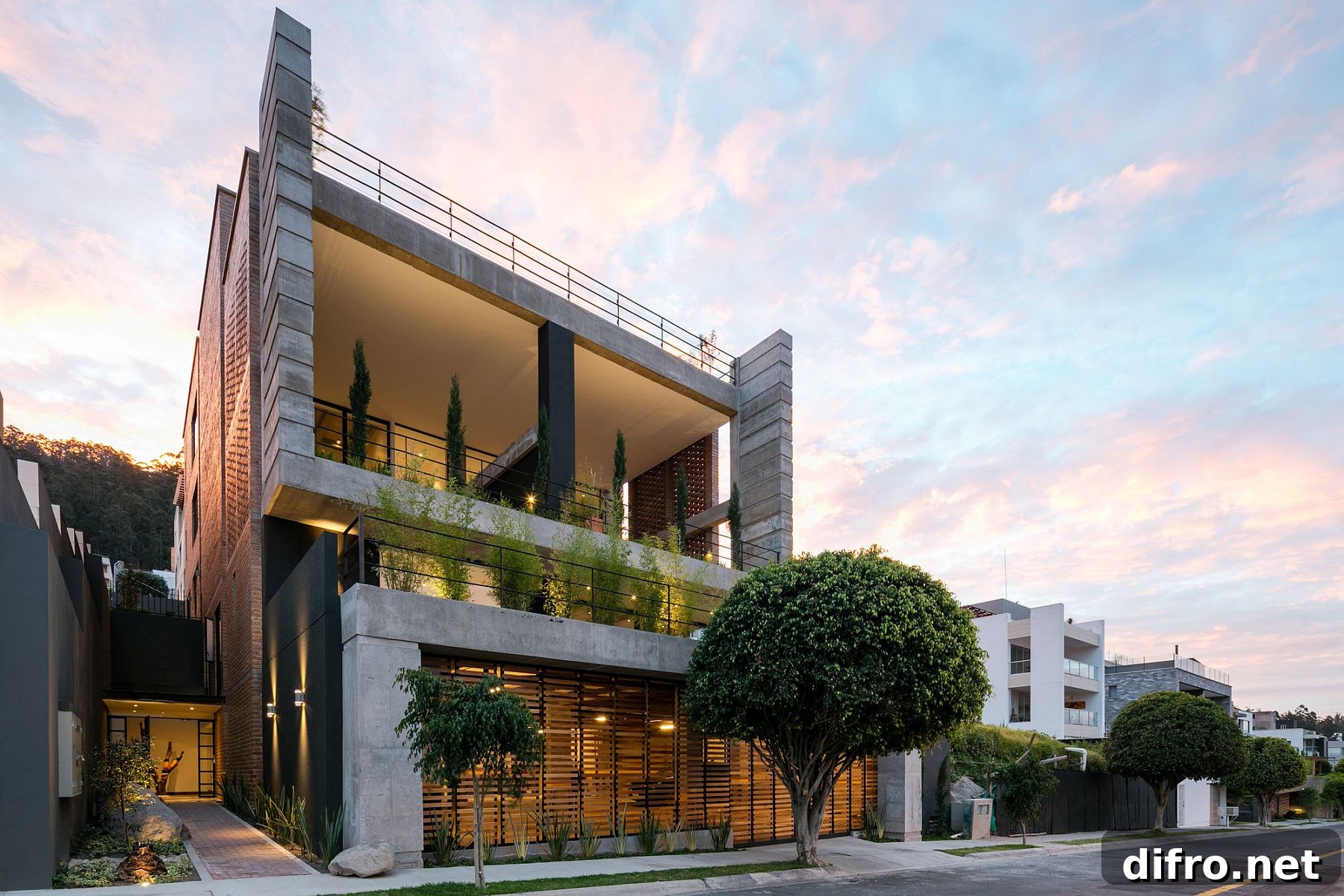
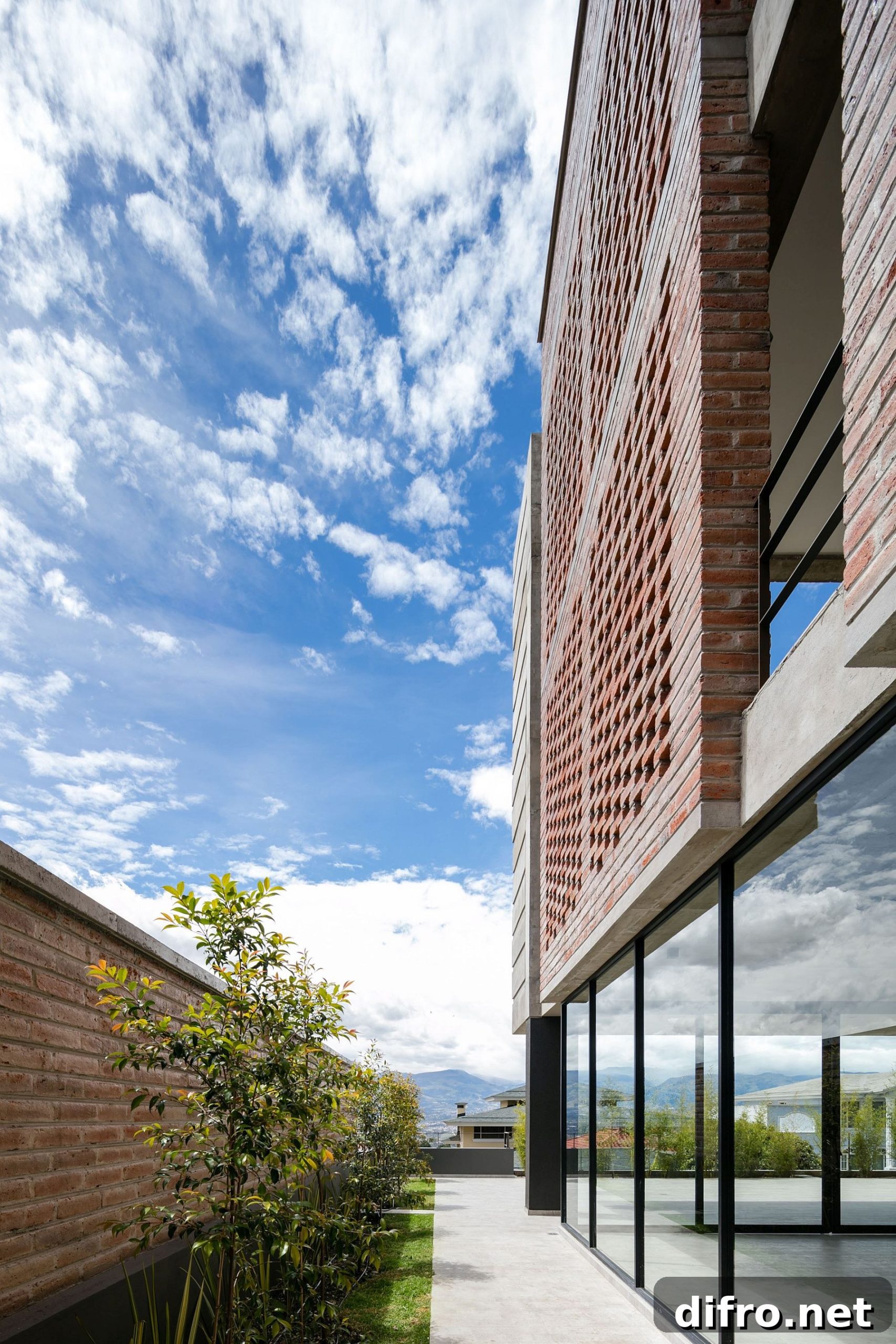
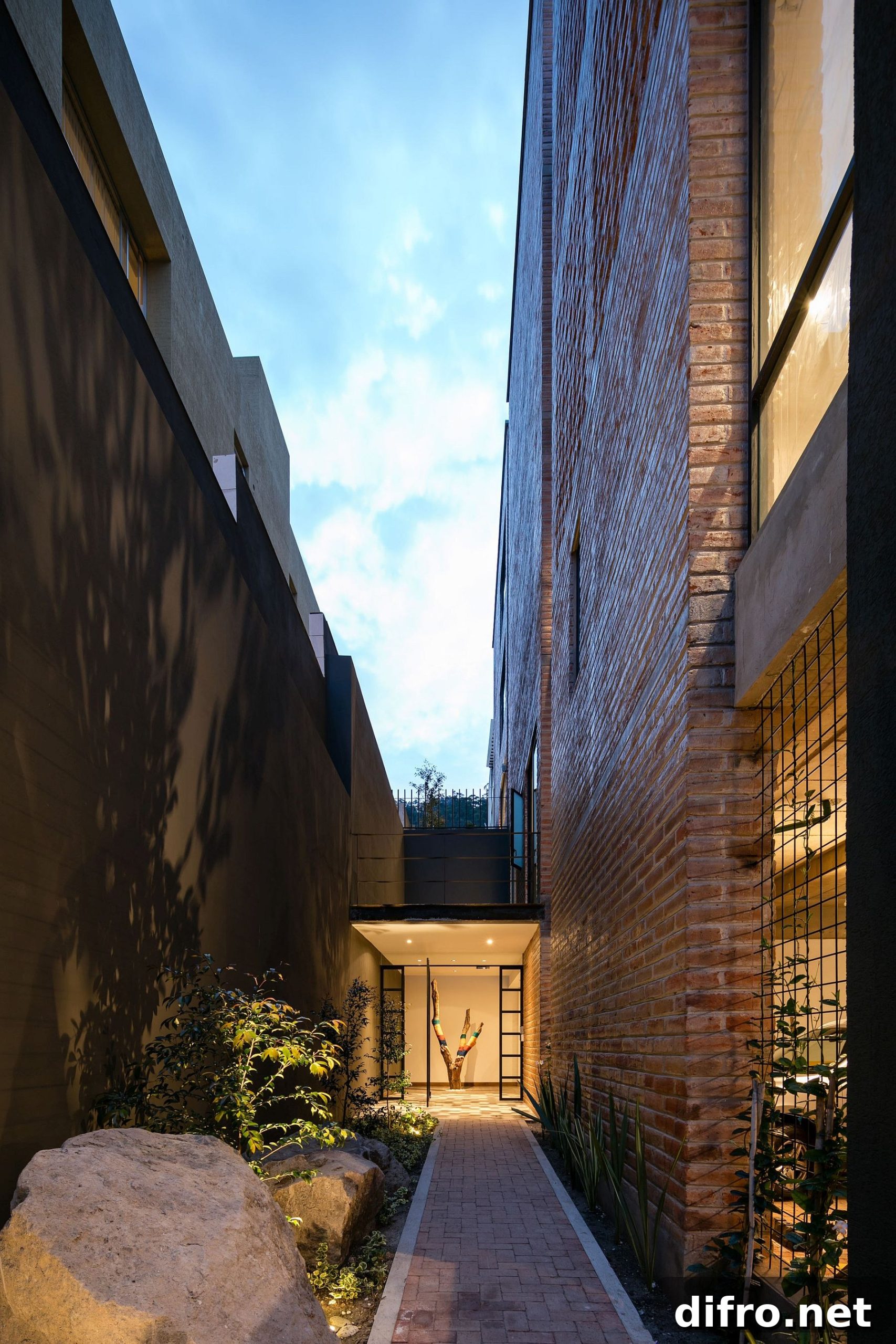
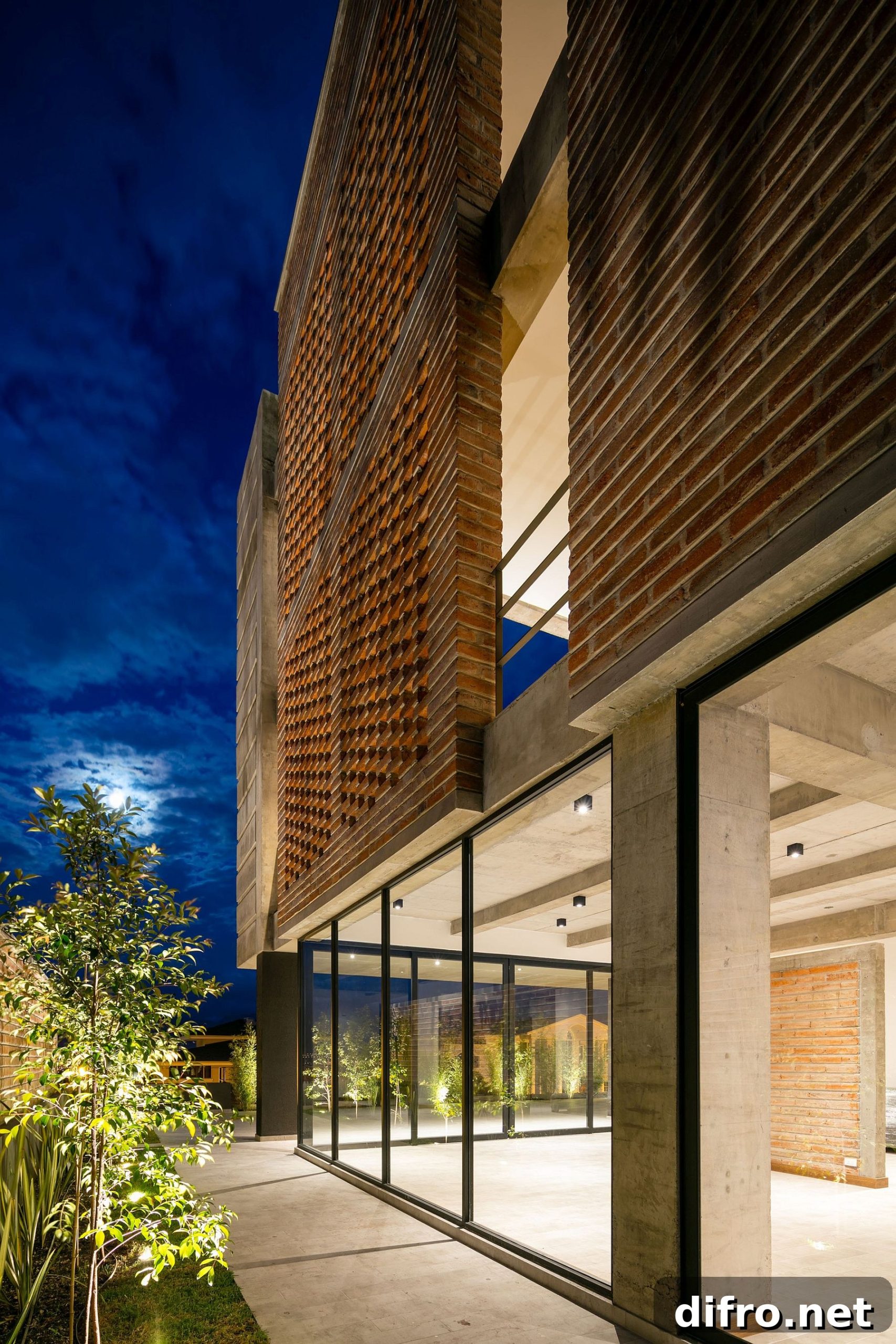
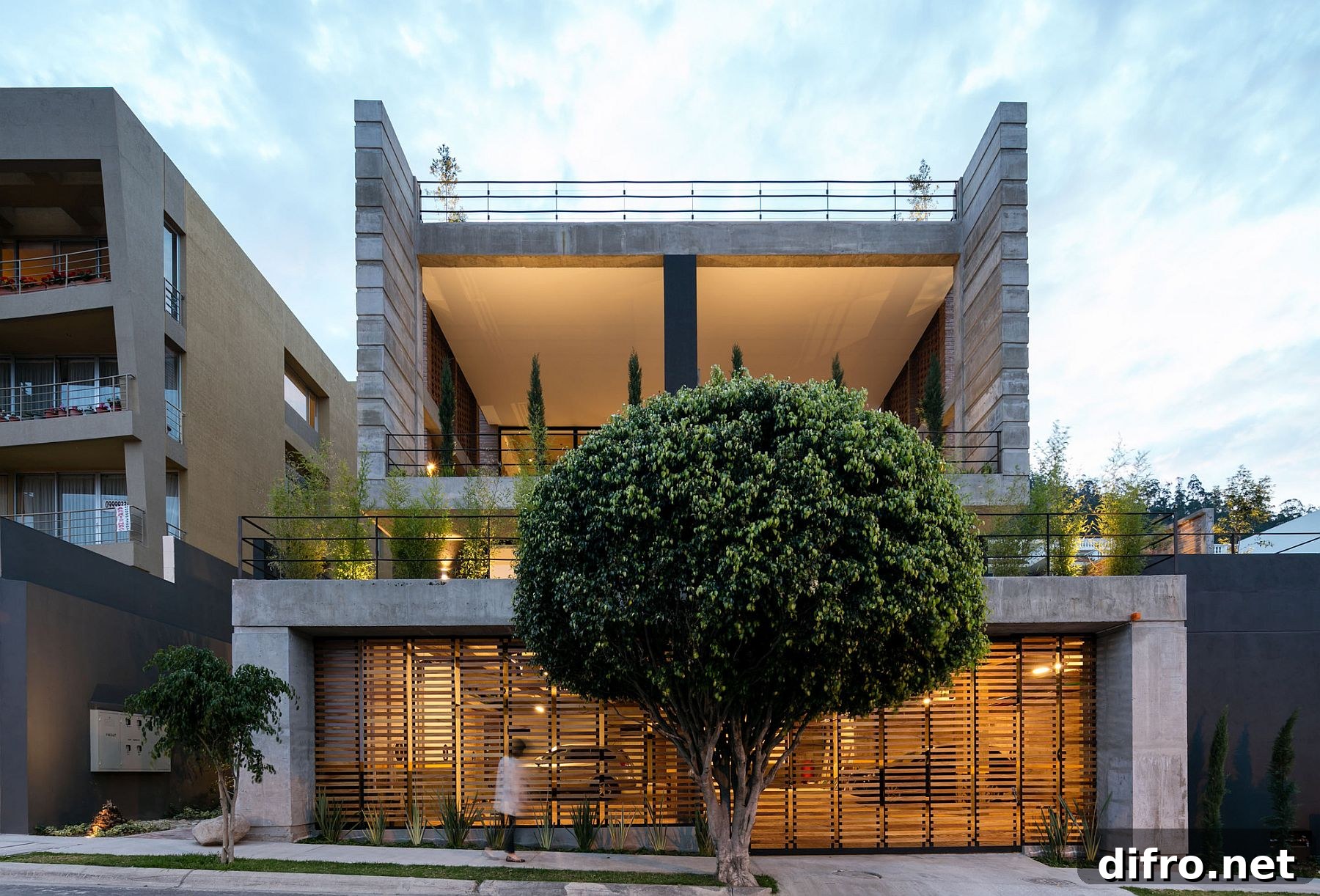
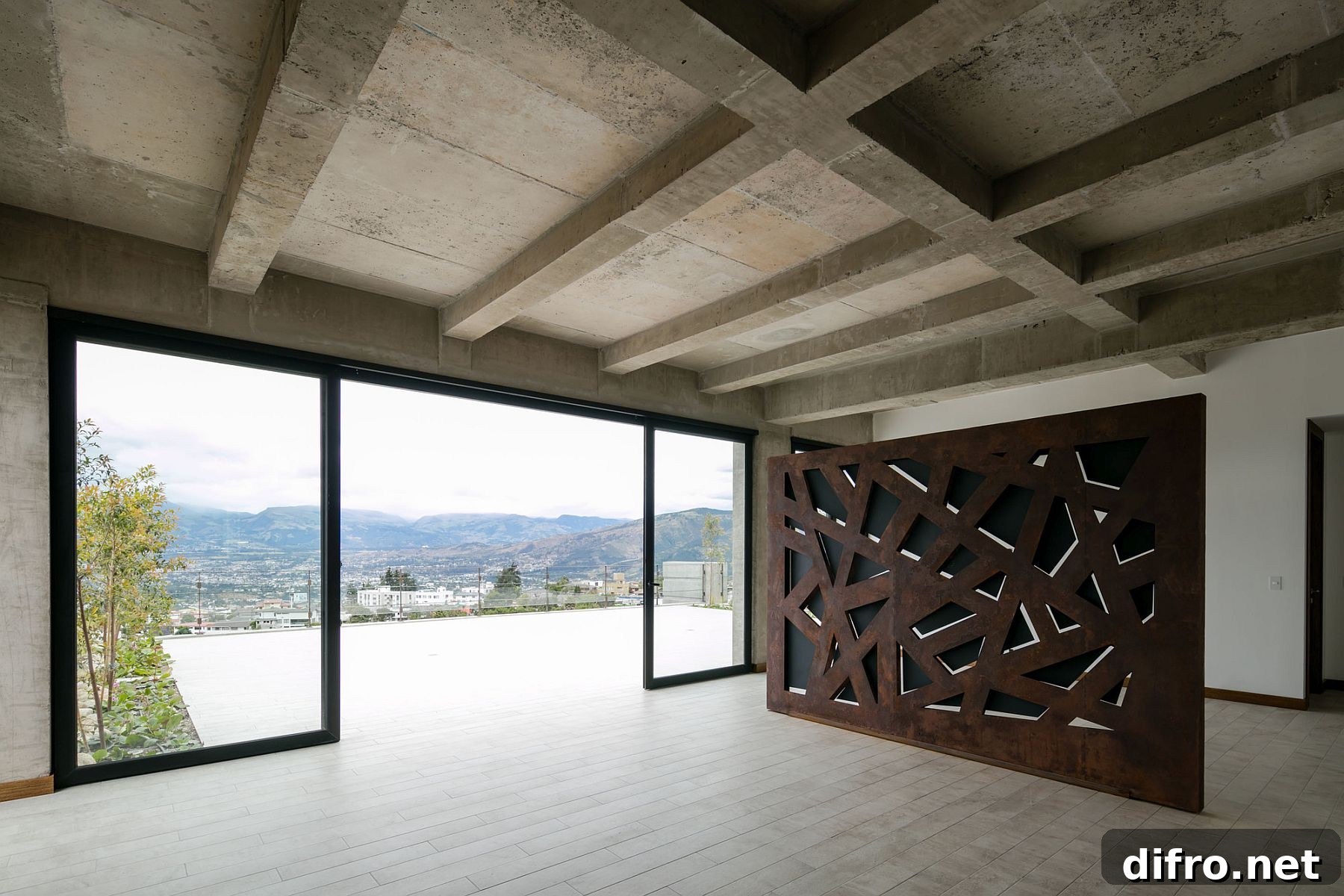
Constructed with cast‑in‑place concrete and artisanal brick, the building interior embraces a modern industrial aesthetic while preserving tactile warmth and textural contrast. Exposed concrete beams and ceilings provide an honest structural expression, while the handmade brickwork introduces a human scale and individuality to each façade. A wood screen at street level conceals the parking and main entrance, creating a layered approach that alternates solid and void, light and shadow.
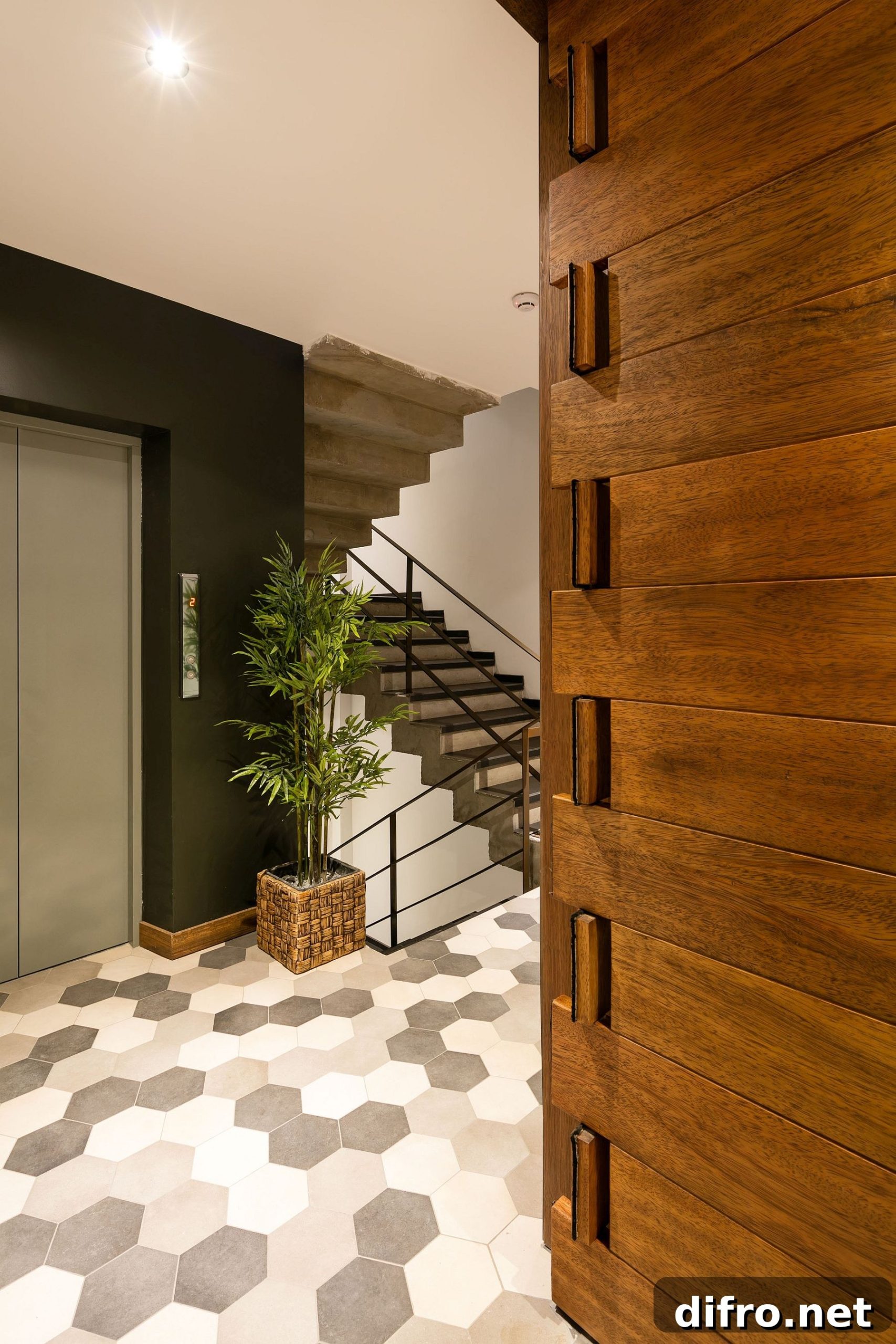
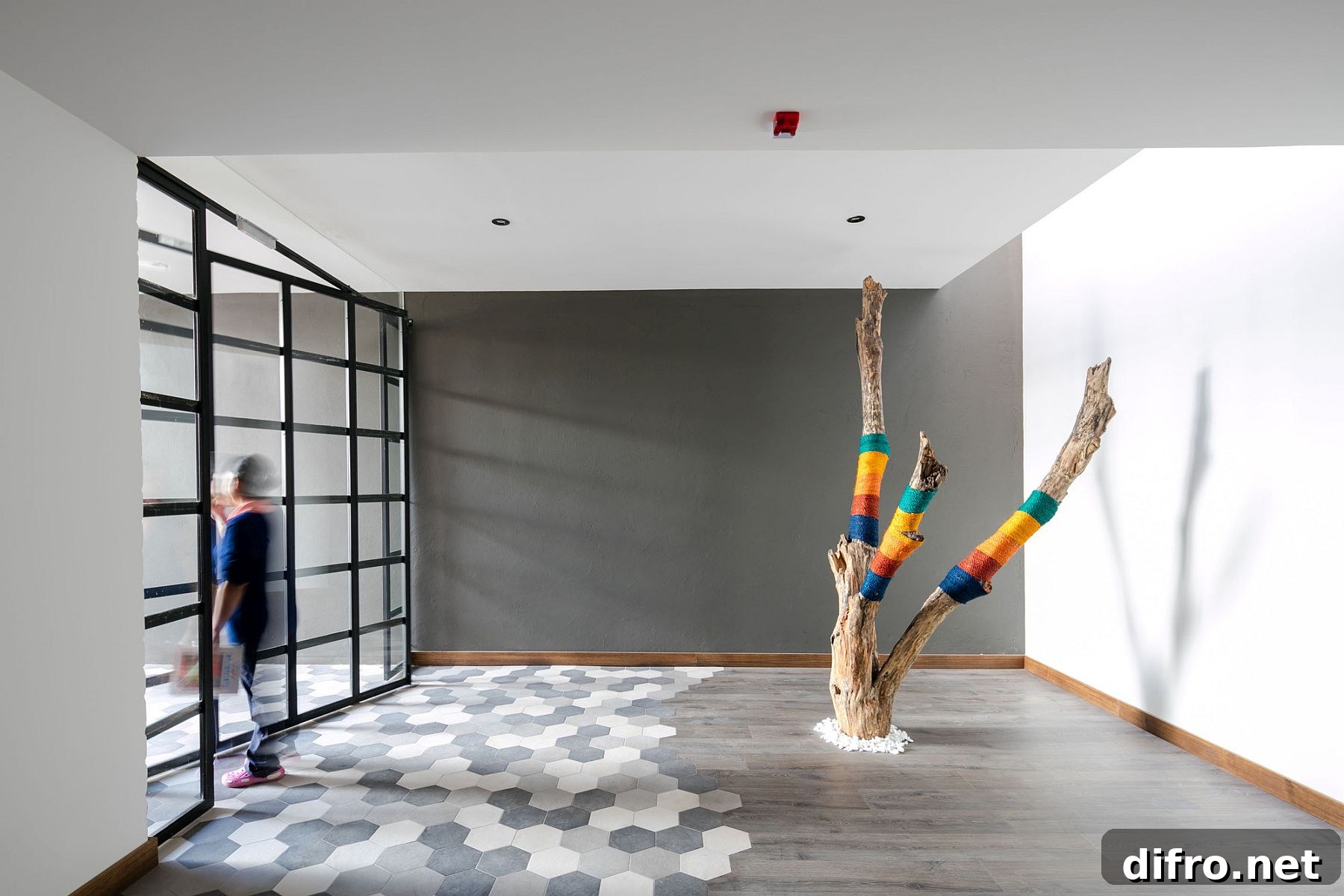
Throughout the apartments, material choices and detailing emphasize durability and refinement. Hexagonal floor tiles introduce geometric contrast to otherwise rectilinear volumes, while select lighting fixtures add a sculptural accent to dining and living areas. Large glazed openings and strategically placed transitional spaces—such as recessed terraces and shaded loggias—promote cross‑ventilation, daylighting and discreet views toward the valley without sacrificing seclusion.
The design responds directly to the sloping site. Changes in height across the plan are managed through articulation on the side façades and transitional voids that signify shifts in volume. These transitional elements not only create a pleasing rhythm in elevation but also support natural ventilation strategies and visual separation between apartments. Greenery is incorporated on multiple levels—planters and terraces temper the concrete surfaces and reinforce the building’s connection to its valley setting.
Interior finishes are restrained and purposeful. The combination of raw concrete, textured brick, timber accents and carefully chosen fixtures produces an atmosphere that is both contemporary and inviting. Day‑to‑day living is complemented by generous shaded outdoor areas that offer privacy while opening onto expansive valley views—an intentional contrast between sheltered domestic spaces and the openness beyond.
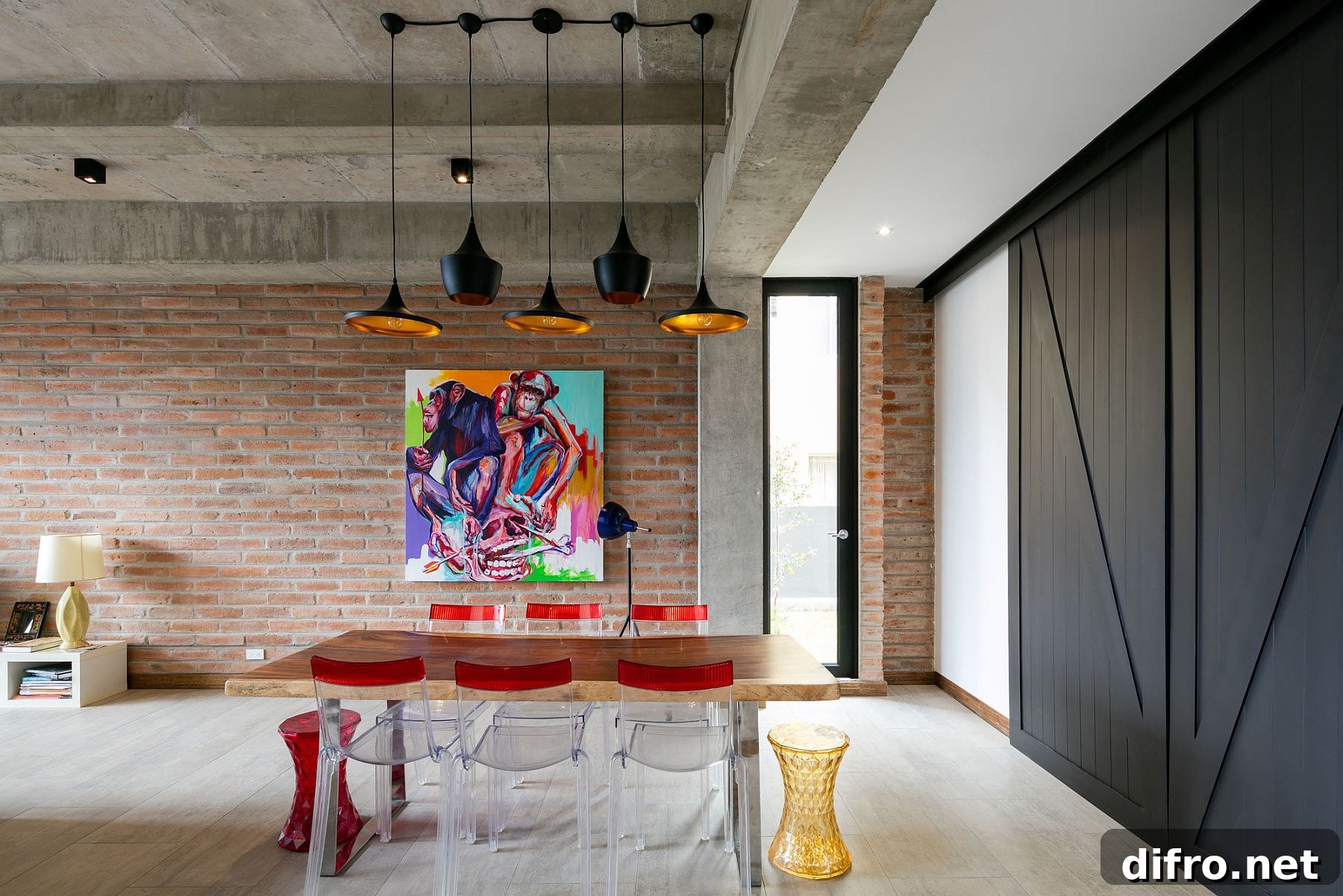
At night, subtle exterior lighting animates the building’s massing and terraces, while interior illumination highlights the material textures and the rhythm of openings. The result is a home that has a strong street presence but reads as a collection of intimate, well‑scaled dwellings when experienced up close.
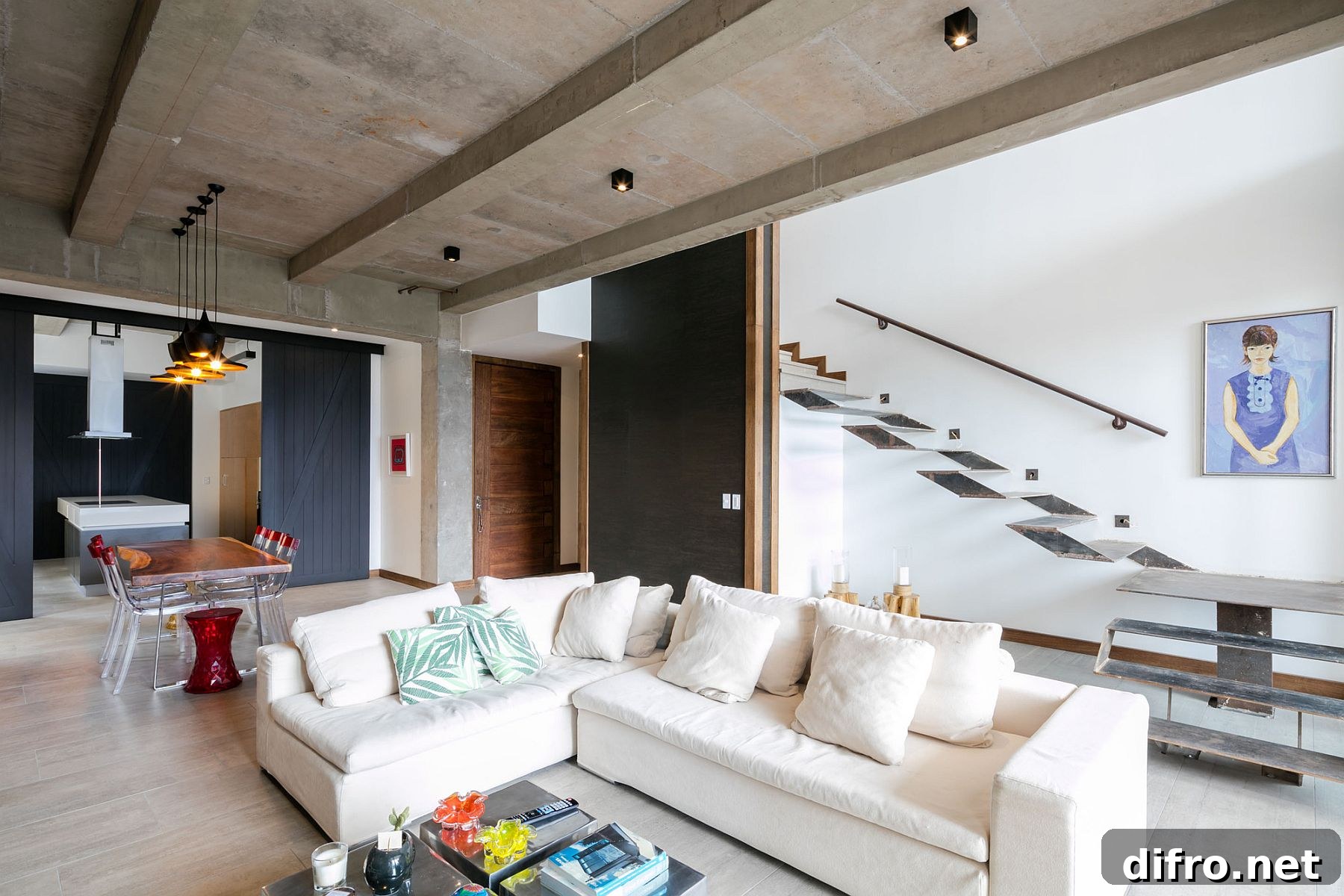
Important design details are the spaces creating tension on the side facades. These spaces help transition materials and divide volumes when they change in height. These height variations happen as the building responds to the positive gradient of the hill.
Apartment Building Zambeze demonstrates how thoughtful material selection, careful siting and layered outdoor spaces can reconcile the desire for generous views with the practical need for privacy and comfort. Photography by Lorena Darquea captures the project’s textural richness and the strong relationship between interior spaces and the surrounding landscape.