Color blocking isn’t just a fashion trend — it’s a striking, easy way to transform a room without hanging art or buying tall furniture. By pairing contrasting hues or unexpected color combinations, color blocking creates bold focal points that can redefine any space. If you love bright tones and geometric effects, these color-blocking wall ideas will inspire you to experiment with paint and shape.
Halfway Up the Wall
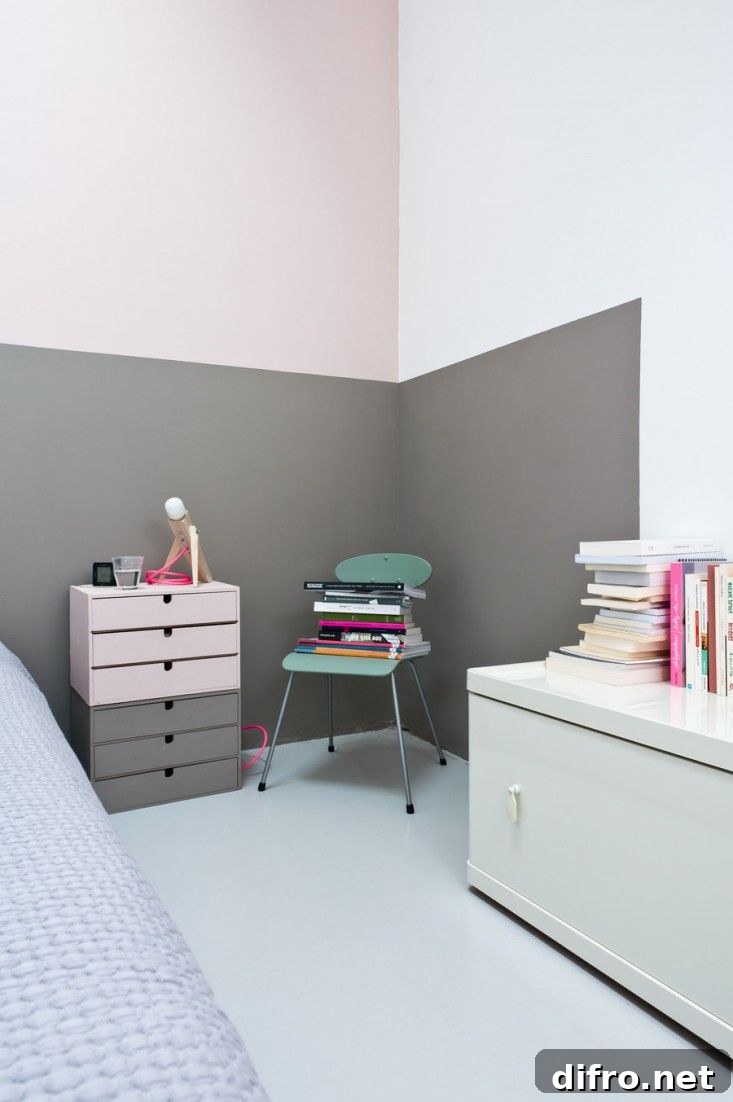
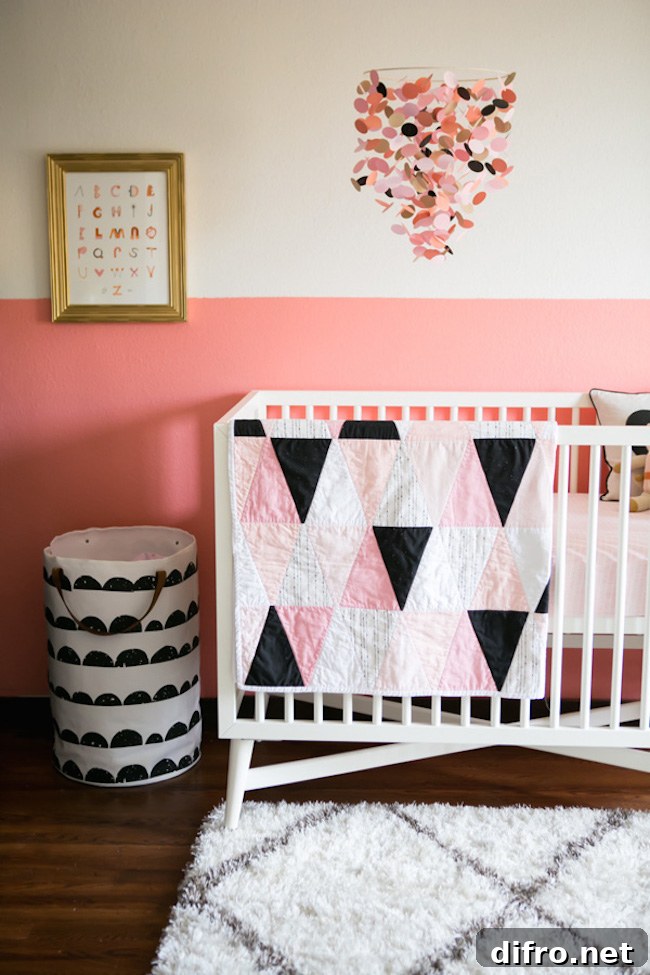
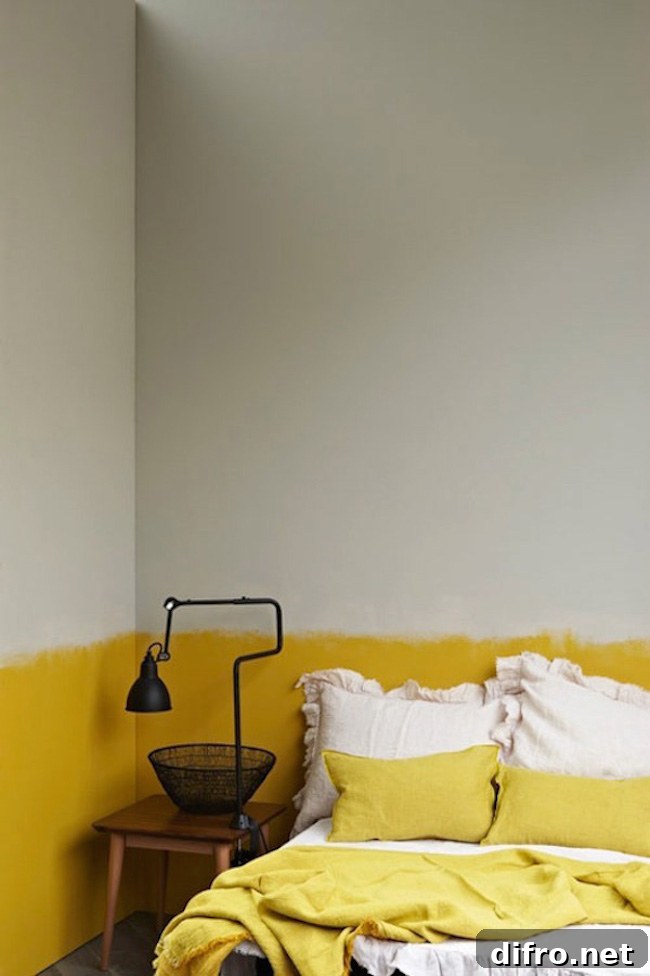
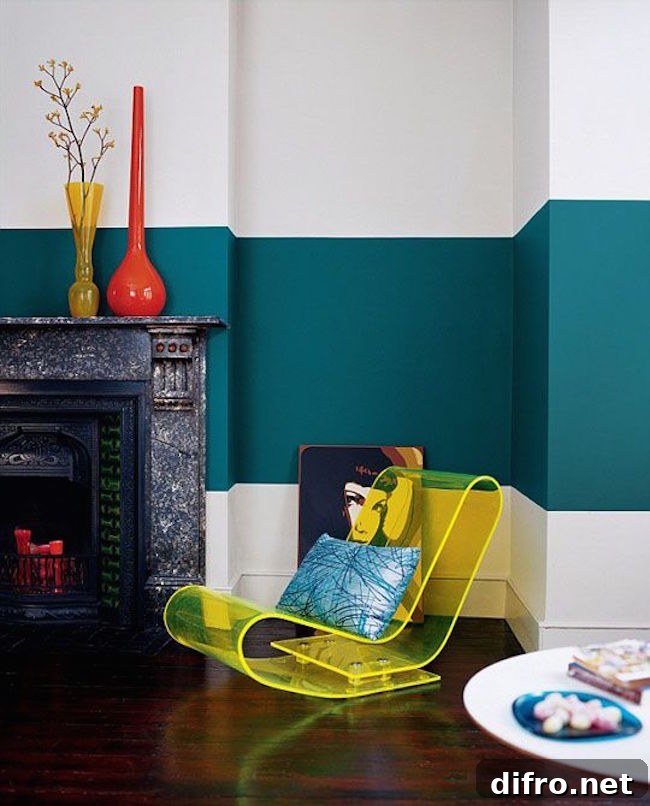
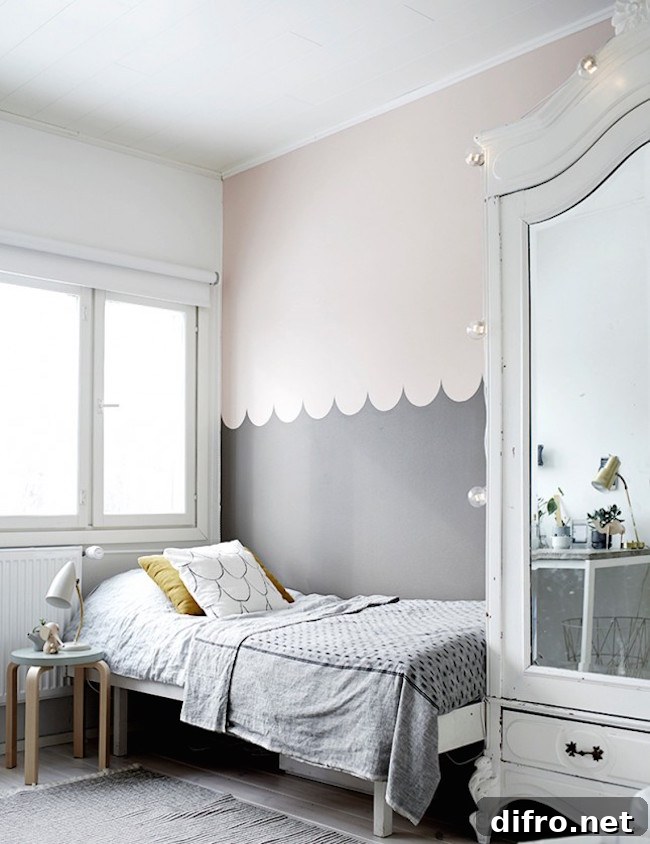
A simple and stylish approach is to keep most of the wall neutral and paint a bold color halfway up. This technique creates a clear division that draws the eye and adds personality without overwhelming the room. Examples range from subtle mid-tones like gray to playful hues such as pink or yellow. You can choose a crisp straight edge for a modern look, or a softer, slightly distressed edge for a more relaxed, lived-in feel. This method works beautifully in nurseries, hallways, and living rooms, and it’s an excellent way to introduce color while keeping the overall palette balanced.
Touch the Ceiling
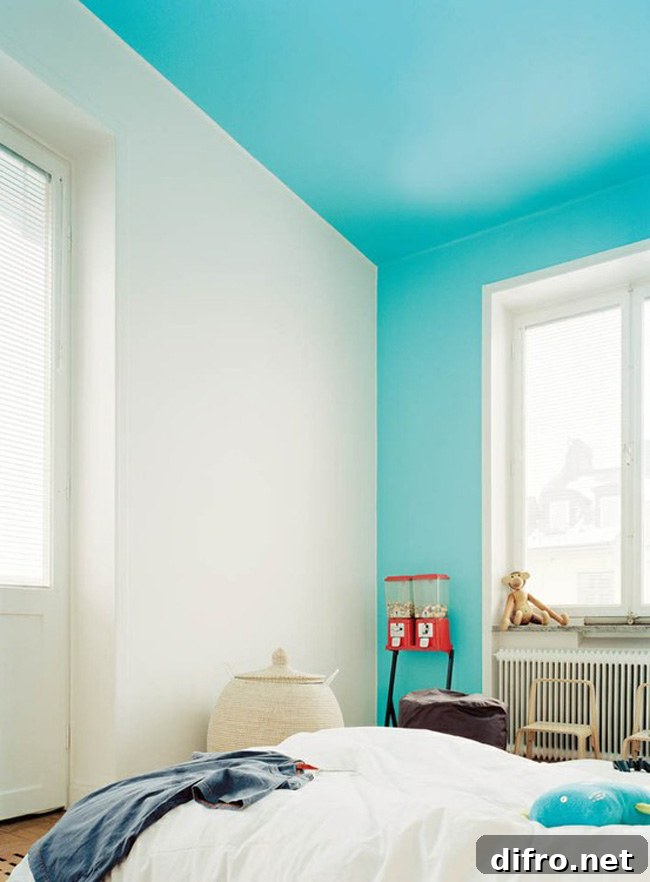
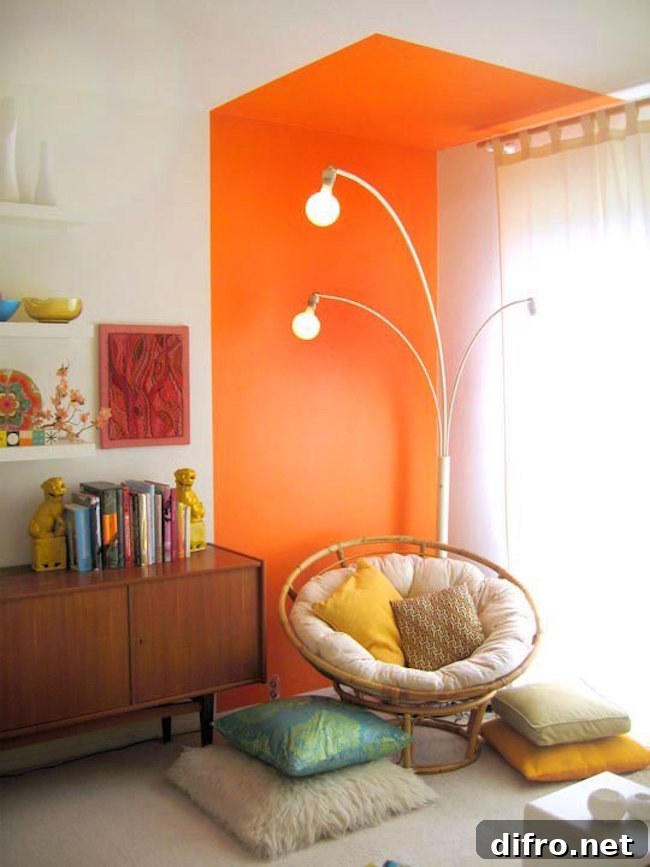
Extend color blocking onto the ceiling to create a dramatic, cocooned effect. Painting the upper wall and ceiling in the same hue frames a bed or seating area and makes the space feel intentional and designed. Use this technique to define a reading nook, highlight architectural features, or add a pop of color where you least expect it. Smaller color-blocked areas that reach up onto the ceiling can create dynamic shapes and visual continuity. Consider bright lime green, turquoise, or a vivid blue to emphasize crown molding and give the room an energy boost.
Geometric & Triangular Inspiration
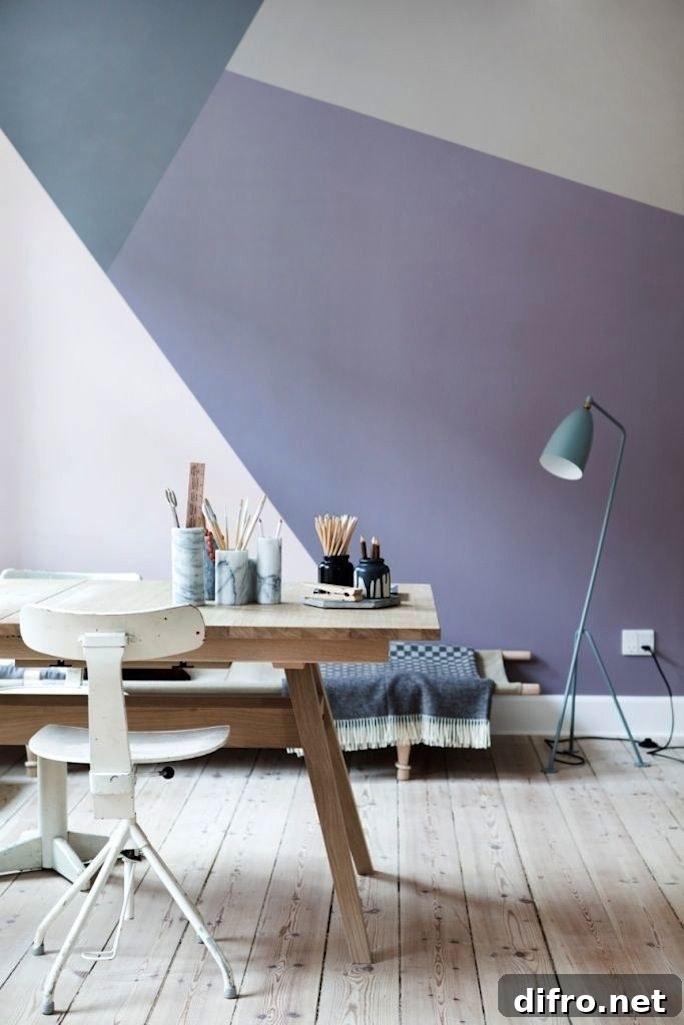
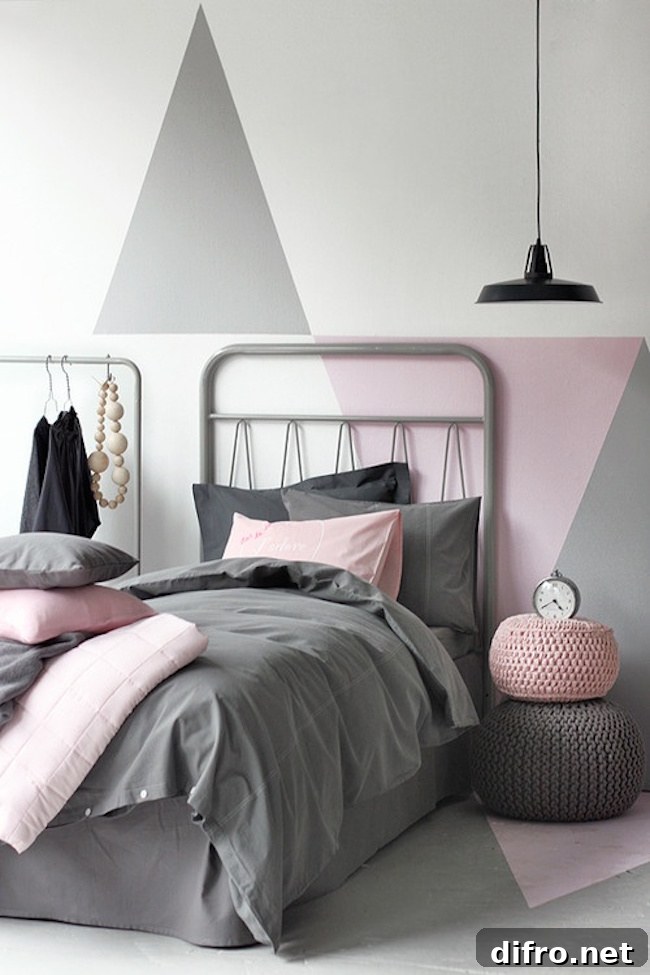
Color blocking is especially effective when paired with geometric shapes. Triangles, angled panels, and asymmetric polygons add movement and modern flair. Use lighter and darker shades of the same color family for depth, or combine contrasting colors for a graphic statement. Geometric color blocking looks great behind desks, in bedrooms, or as a feature wall in a dining area. Accent pillows and accessories can echo the shapes on the wall to create a cohesive, curated look.
Getting Slightly Rectangular
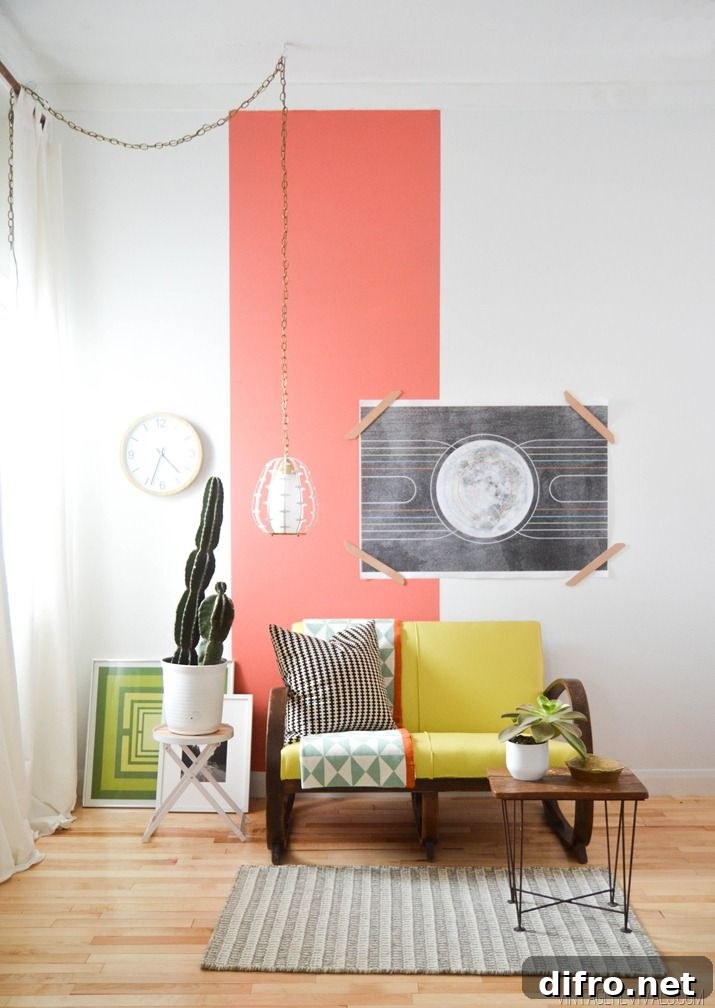
Painting a rectangular block on the wall is a refined way to highlight a specific zone — a shelving area, a home office, or the space behind a sofa. Vertical rectangles lift the eye and can make ceilings feel taller, while horizontal bands stretch and anchor a room. This approach acts like a built-in frame, and works well with neutral surroundings or layered decor. Choose a saturated color to create contrast or a softer tone for a subtle architectural detail.
Ovals, Arches, and Waves
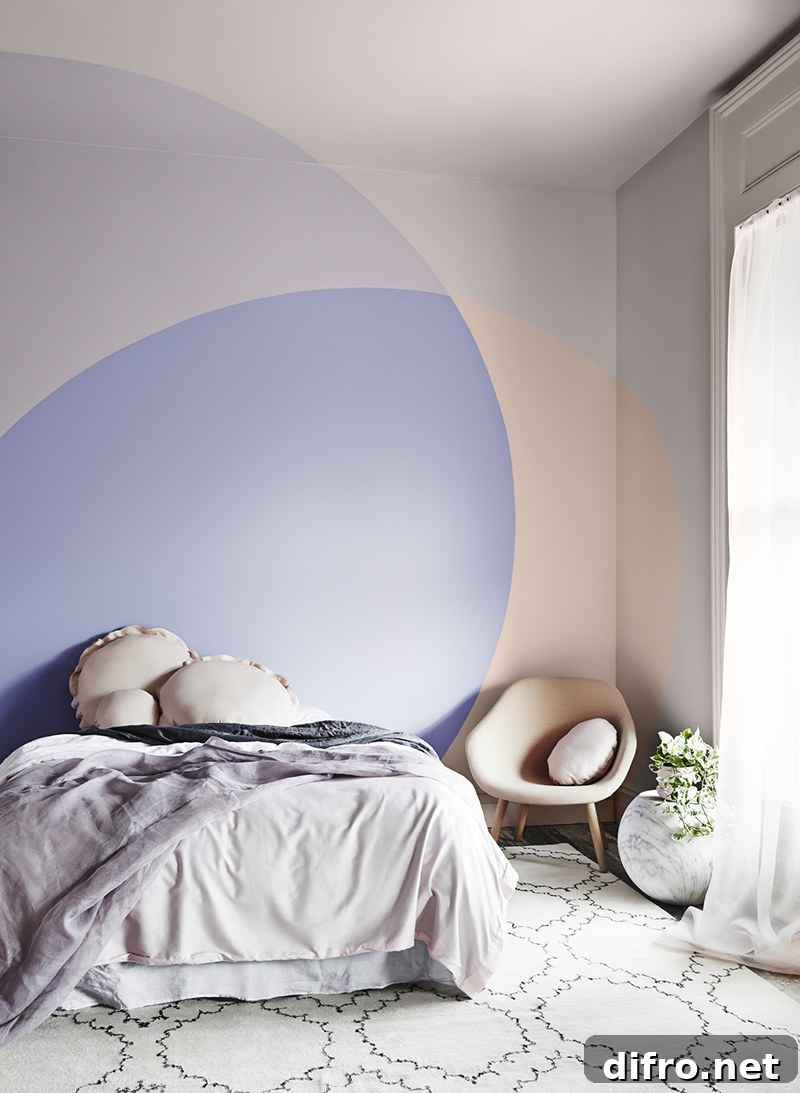
If you prefer organic forms, consider ovals, soft arches, or wave-like shapes instead of straight lines. Overlapping ovals in contrasting colors create depth and a playful layering effect, while painted arches can mimic architectural openings and add whimsy above doors. Wave patterns are a lovely option for coastal-inspired rooms, evoking motion and a relaxed atmosphere. These curving designs soften a space and work well with both muted and vivid color schemes.
Don’t Forget the Door!
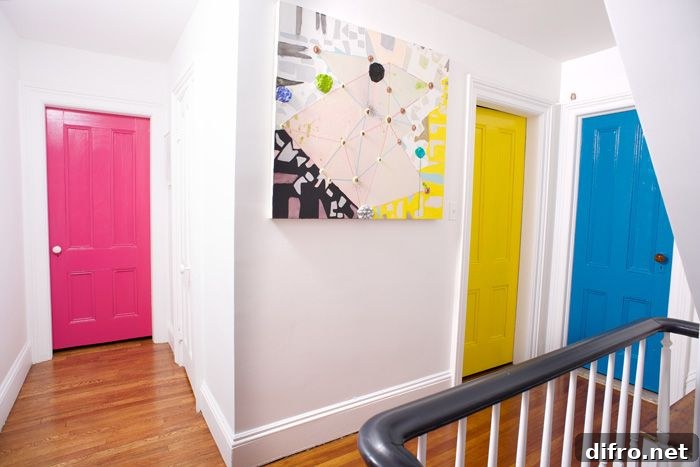
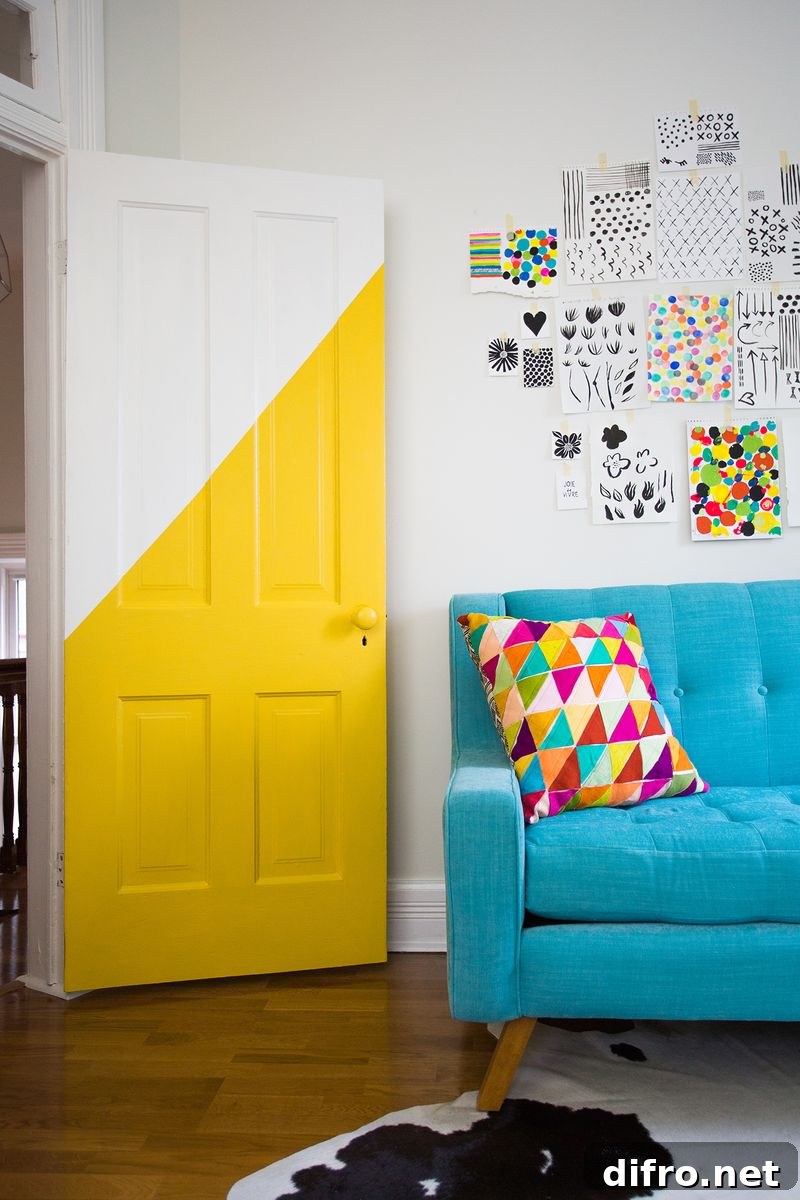
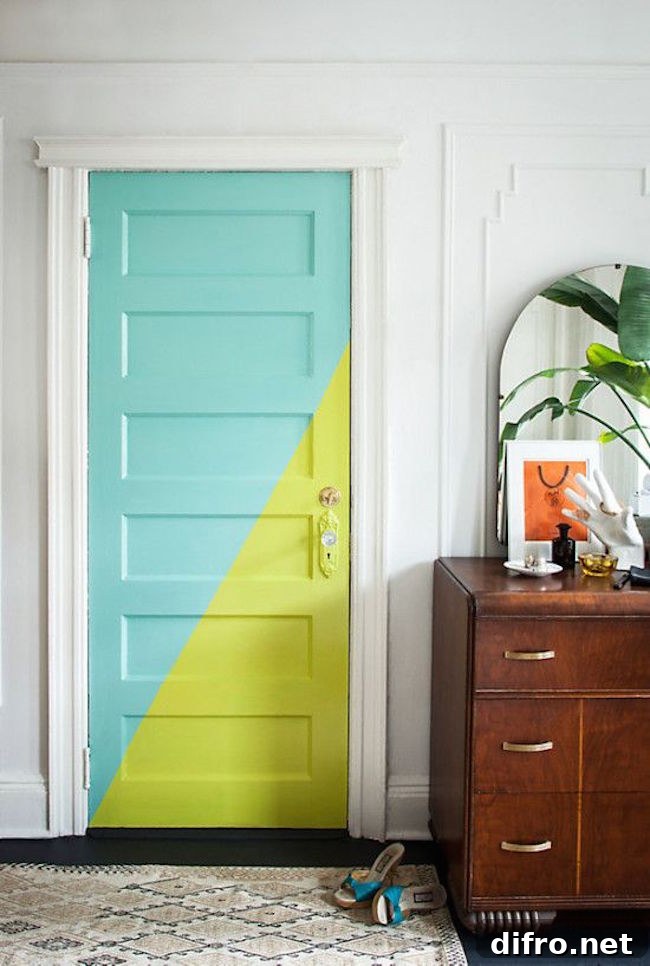
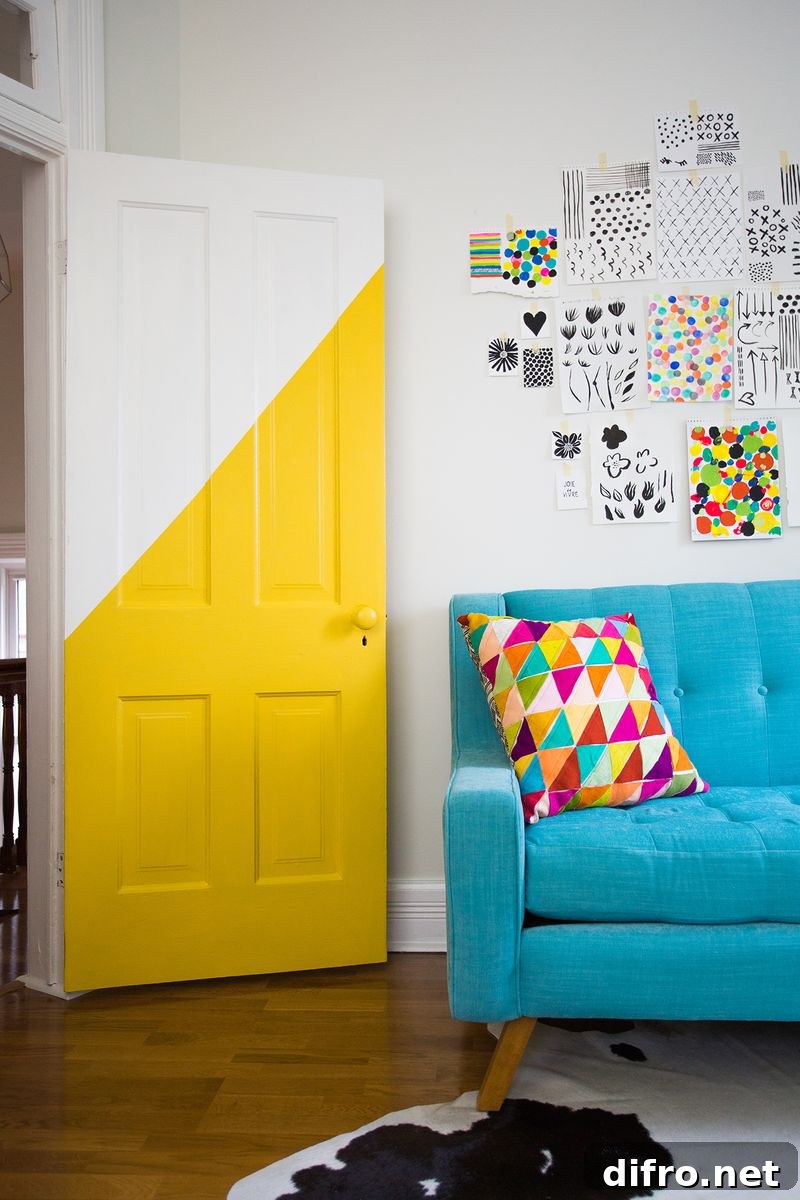
Doors are ideal mini-canvases for color blocking. A brightly painted door instantly transforms a neutral room and becomes an immediate focal point. Try painting half the door a bold hue, or choose a two-tone treatment to echo the room’s palette. Fully painted doors in different vivid colors can create a playful, eclectic hallway or entry sequence. Using the door as an accent is an easy, low-commitment way to bring color into a home.
Whether you prefer clean lines, geometric shapes, or flowing curves, color blocking is a versatile design tool that can update any room. Start with a small area if you’re unsure, and use paint samples to test color combinations before committing. With a thoughtful application of hue and shape, color blocking will breathe new life into your interiors and deliver statement-making results.