Every day your home remains on the market without selling, the greater the chance it will ultimately sell for less. That can feel alarming, but you are not alone—many sellers face the same challenge. If your property has stalled, pause, evaluate, and act. A few targeted changes can reignite interest and move your sale forward.
If your house has been listed more than a month with little activity, don’t delay making adjustments. Start by checking whether one of these five common problems is keeping buyers away. Address each issue quickly and strategically to improve your odds of a timely sale.
The Price Is Too High
Homeowners often have a strong emotional attachment to their property, which can make pricing feel personal. Buyers, however, base decisions on market value, not memories. The only price that matters is what a buyer is willing to pay.
Accurate pricing reflects several factors: the property’s condition, current market conditions, local comparable sales, and how quickly you need to sell. Use an online home value estimator for a rough idea, but for a reliable listing price consult an experienced real estate agent. An agent will analyze recent sales of comparable homes, consider your home’s condition, and recommend a competitive list price.
Your listing price forms buyers’ first impression before they even step inside. If interest stalls after several weeks, re-evaluate the price. A modest reduction can attract fresh attention and convert prospects who previously balked at the cost.
Re-think Your Staging
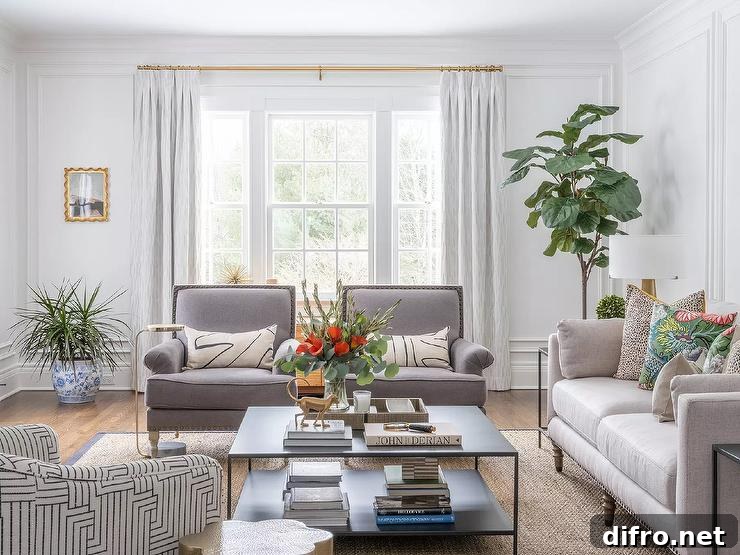
Staging is more than adding pillows—it’s about creating a neutral, inviting environment where buyers can picture their lives. If your staging hasn’t worked, consider a fresh approach.
Begin by removing personal items such as family photos, children’s artwork, and any décor that strongly reflects your personal taste. These items distract buyers; a neutral presentation helps them imagine themselves in the space. Replace overtly personal accents with simple, tasteful art or neutral décor.
Evaluate lighting and flow: maximize natural light by replacing heavy drapes with airy curtains, and ensure rooms feel open and navigable. Declutter to make spaces feel larger—too much furniture or crowded rooms suggest the home is smaller than it is. Check that furniture scale matches each room; oversized pieces can make a space feel cramped.
If staging feels overwhelming, hire a professional stager or ask your agent for referrals. A well-staged home often leads to faster offers and higher sale prices.
Unfavorable Market Conditions
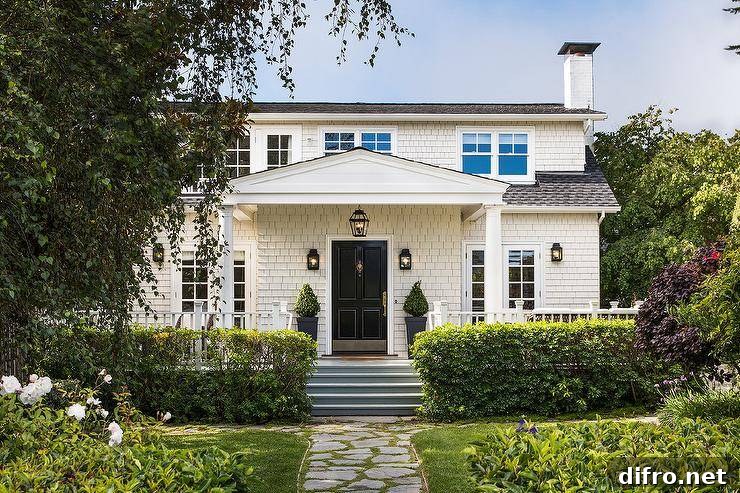
Broader market forces—interest rates, employment trends, local housing supply, and even seasonality—can affect how quickly a house sells. These are largely out of your control, but you can control when and how you list.
An experienced agent can advise on timing and strategy, helping you list when demand is stronger. Spring and early summer frequently bring more buyers into the market, but local conditions vary. Discuss market trends with your agent and consider temporary adjustments—such as pricing, marketing, or staging—while waiting for a better window.
Curb Appeal
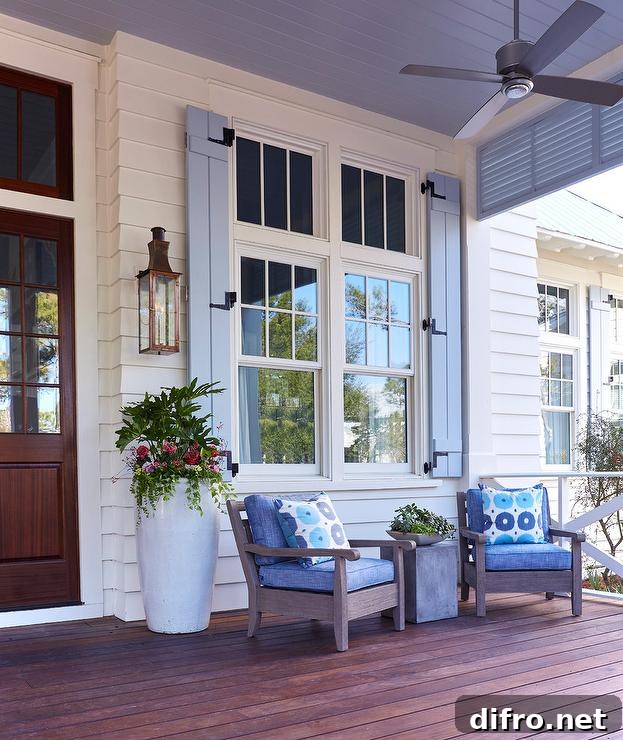
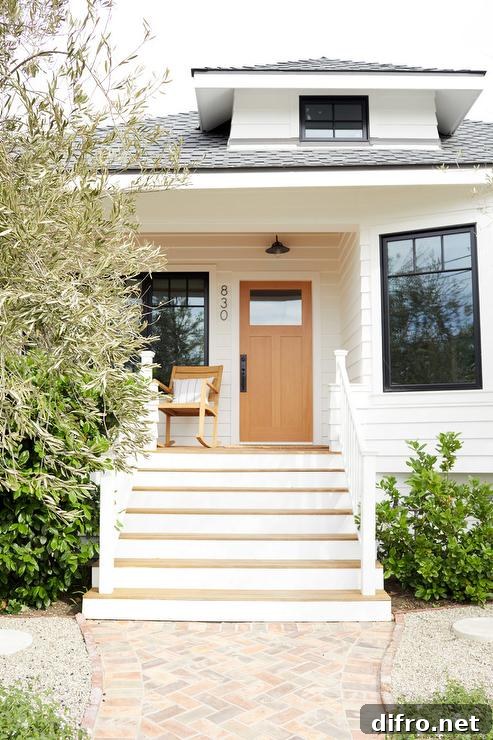
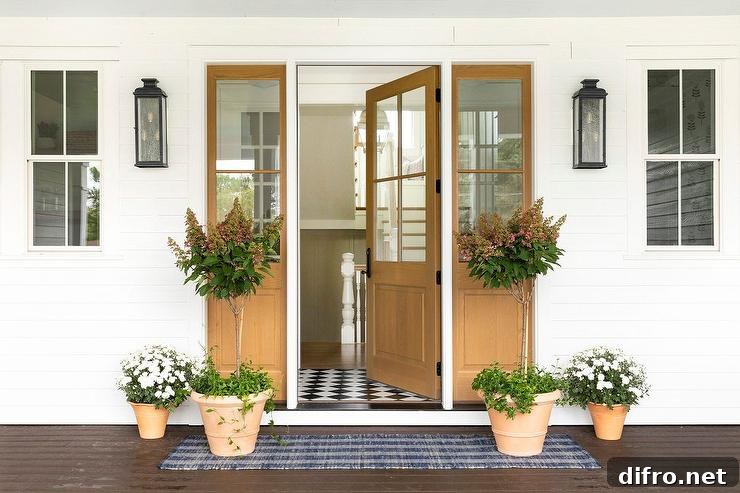
Curb appeal is the first physical impression buyers get when they arrive. A neglected exterior can immediately turn potential buyers away, even if the interior is appealing.
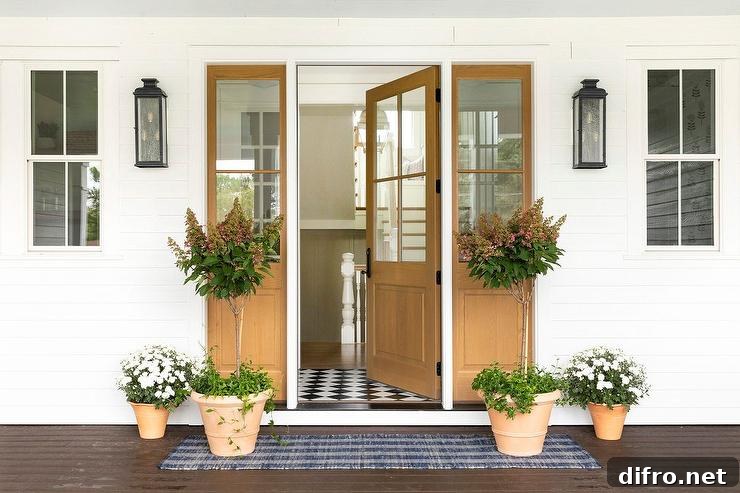
You don’t need an expensive renovation to make a strong first impression. Small, affordable improvements—fresh paint on the front door, a tidy walkway, new house numbers, clean siding with a pressure wash, or a few well-placed planters—can make the property feel cared for and inviting. Even simple touches like a wreath, trimmed shrubs, and a swept porch help buyers imagine living there.
Dated Elements
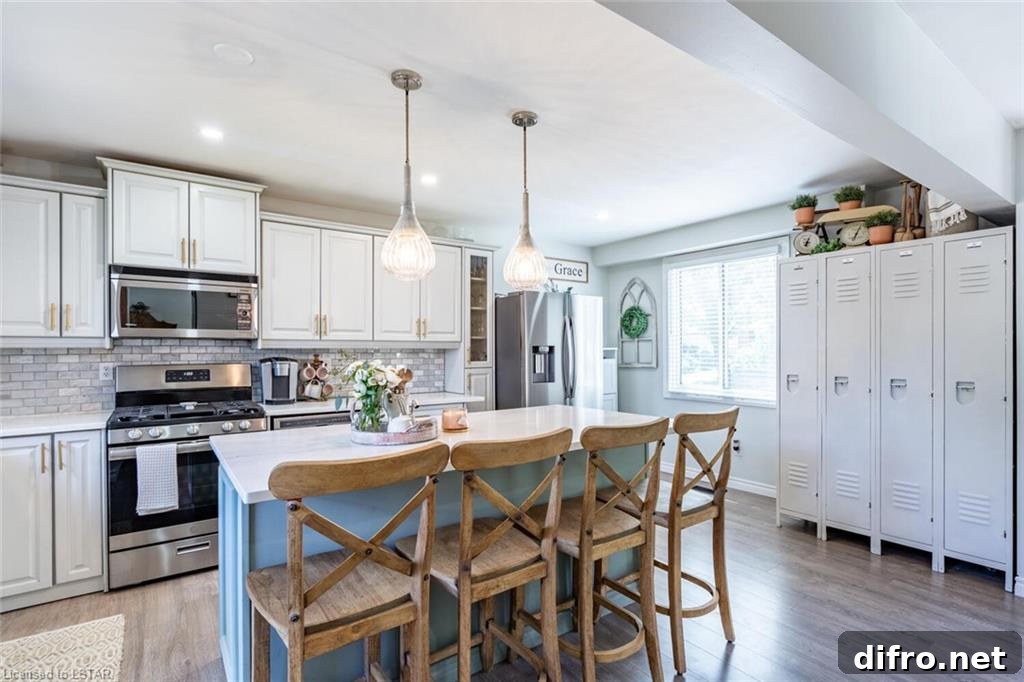
Minor, inexpensive updates inside can have an outsized effect. You don’t need a full renovation—small changes often deliver the best return.
Replace outdated cabinet hardware, switch out old light switch plates and outlet covers, clean fixtures, and dust thoroughly. If your budget allows, a fresh coat of neutral paint throughout makes rooms feel clean and modern—buyers respond well to neutral palettes because they present a blank canvas. Consider painting baseboards and door frames too; these details help the home feel refreshed.
Finally, create a welcoming atmosphere during showings. Small touches—fresh flowers, a tidy kitchen, or the subtle aroma of something pleasant—can help buyers connect emotionally with the space. You loved your home for a reason; let thoughtful presentation help buyers see that same potential.