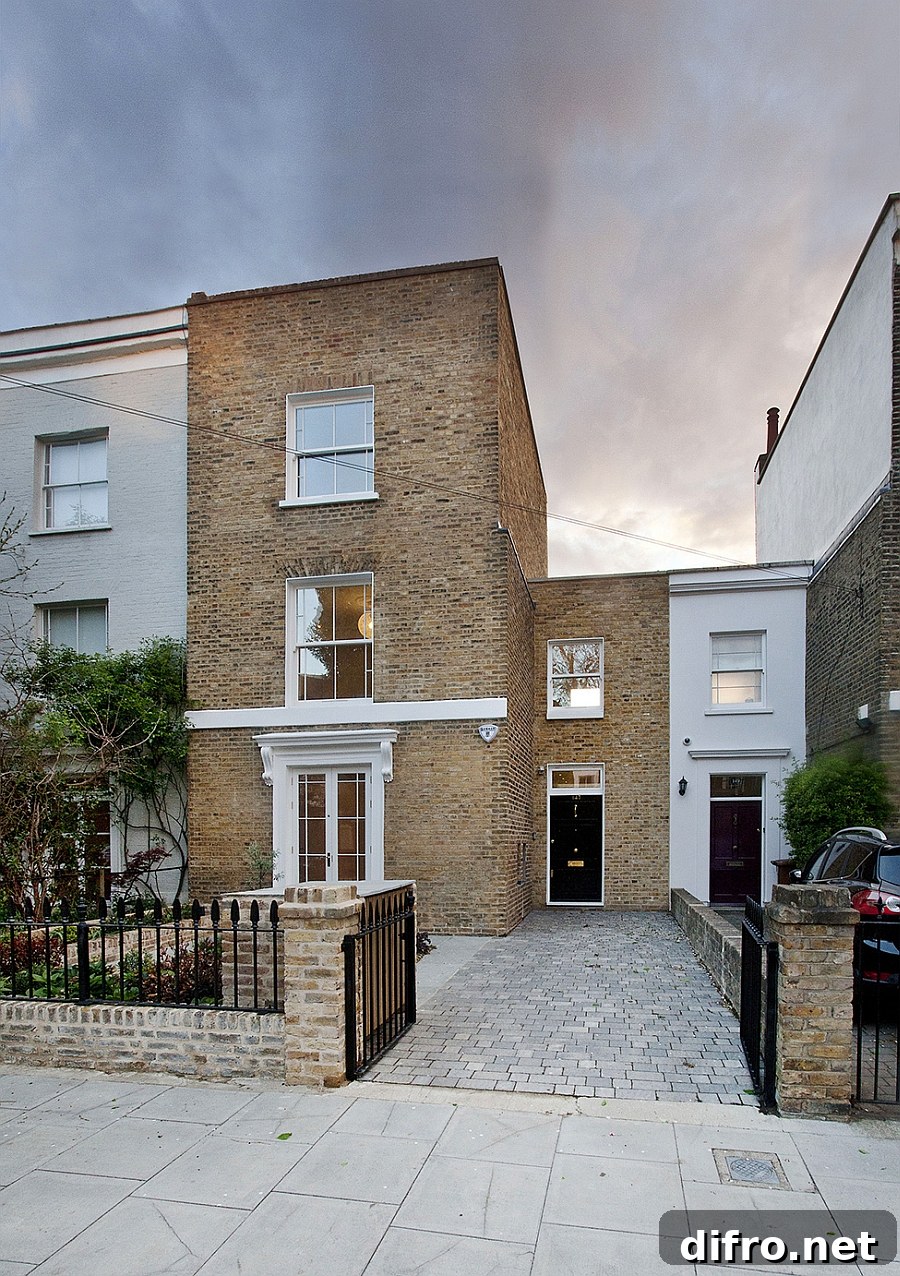
Timber-Clad Extension Preserves a Victorian Home in De Beauvoir, London
Renovating and extending an existing home can be a far more sustainable and cost-effective option than demolition and rebuilding. Thoughtful restorations can retain a house’s original character while adding contemporary living space and modern performance. In London’s De Beauvoir Conservation Area, a Victorian residence was carefully updated with a sensitive, sculptural rear extension designed by Scott Architects. The project keeps the original home’s identity intact while delivering bright, functional interiors and sustainable features.
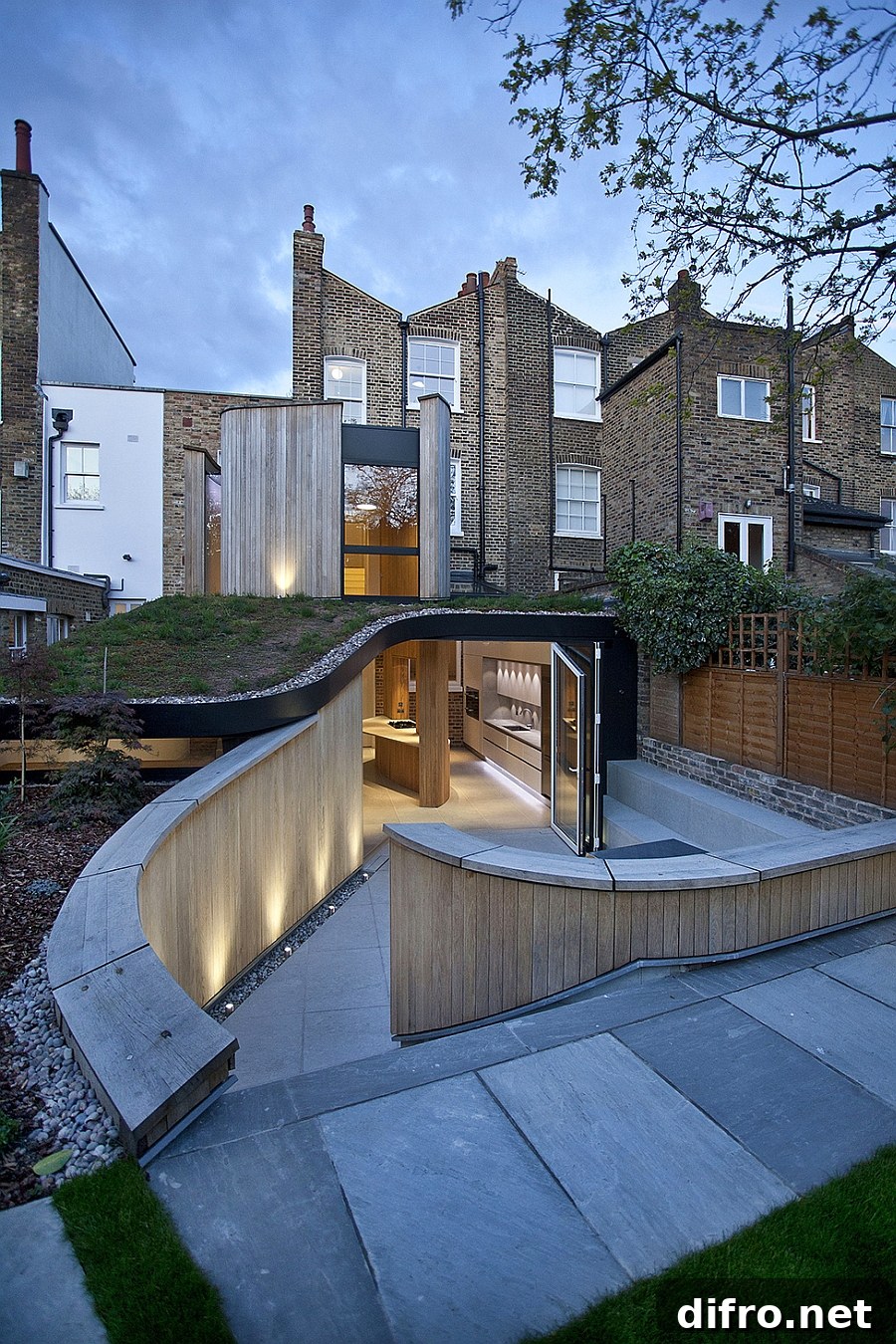
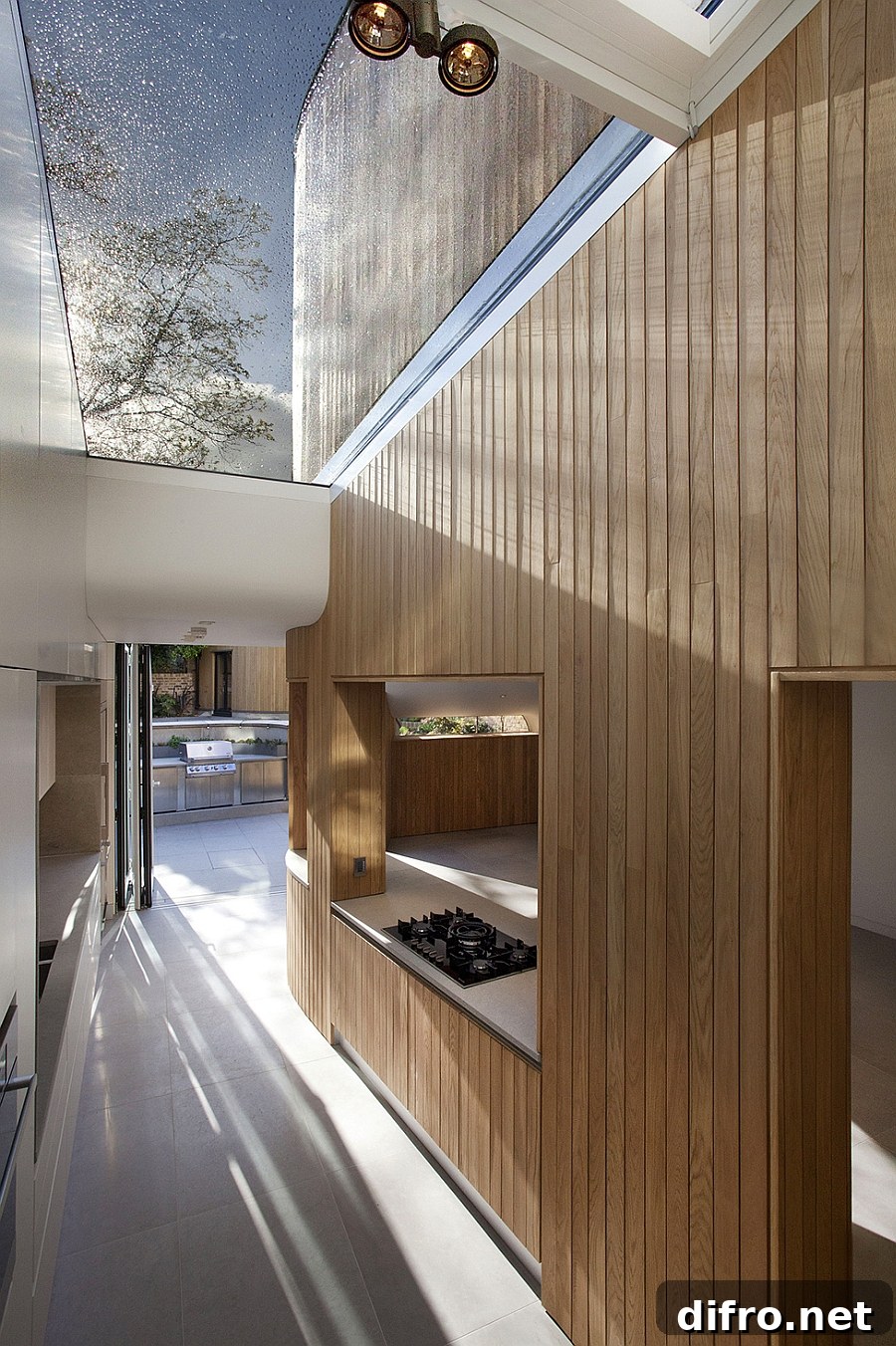
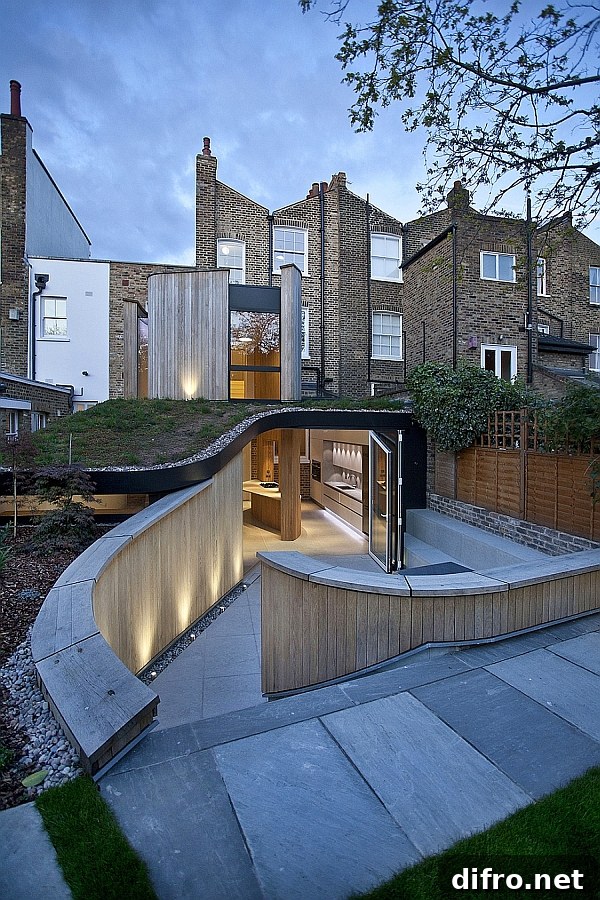
Recognised as a standout small project, the house was named “best small house of the year” at The Sunday Times British Homes Awards in 2013. The brief focused on blending the traditional brickwork and proportions of the Victorian property with a contemporary addition that would feel like part of the garden rather than a dominant architectural statement. That intention is visible in the extension’s form and materials: natural oak cladding, a green roof system and carefully considered glazing that links inside and out.
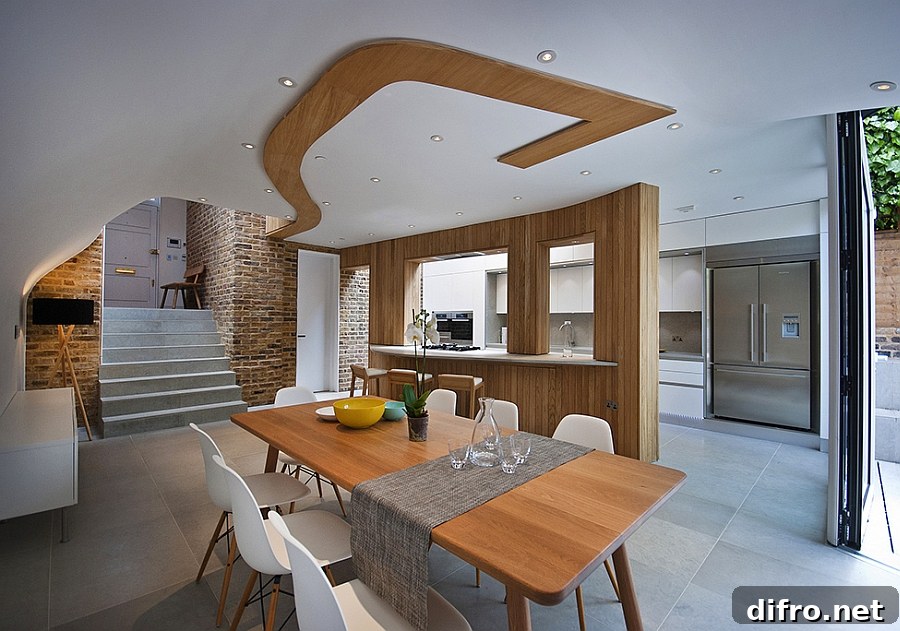
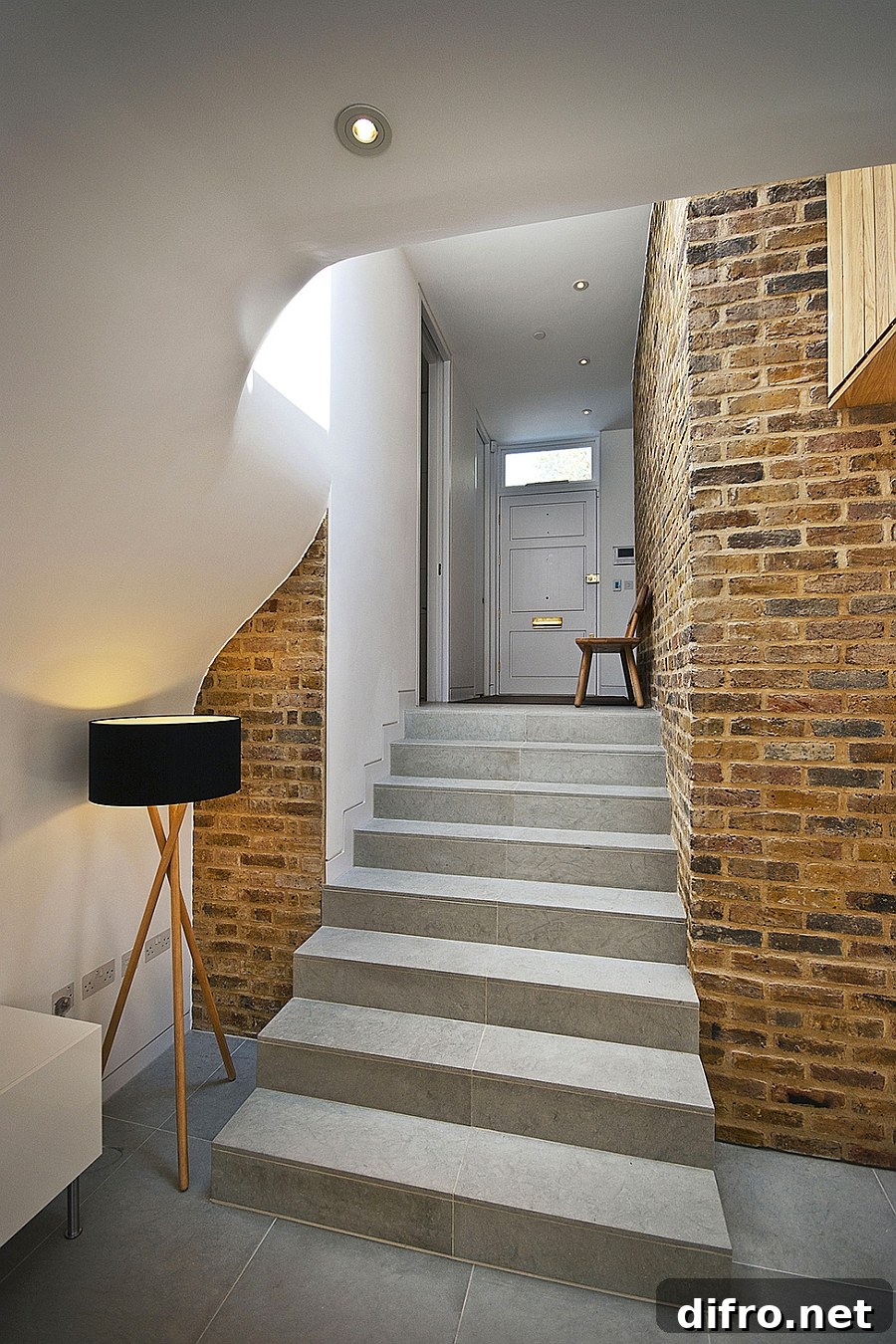
The interior palette is restrained and tactile, combining warm timber surfaces with the exposed brick and plaster of the original house. Oak-lined walls and ceilings create a continuous, flowing interior where rooms lead into one another. This continuity enhances a sense of space and connection to the garden while preserving the historic parts of the home.
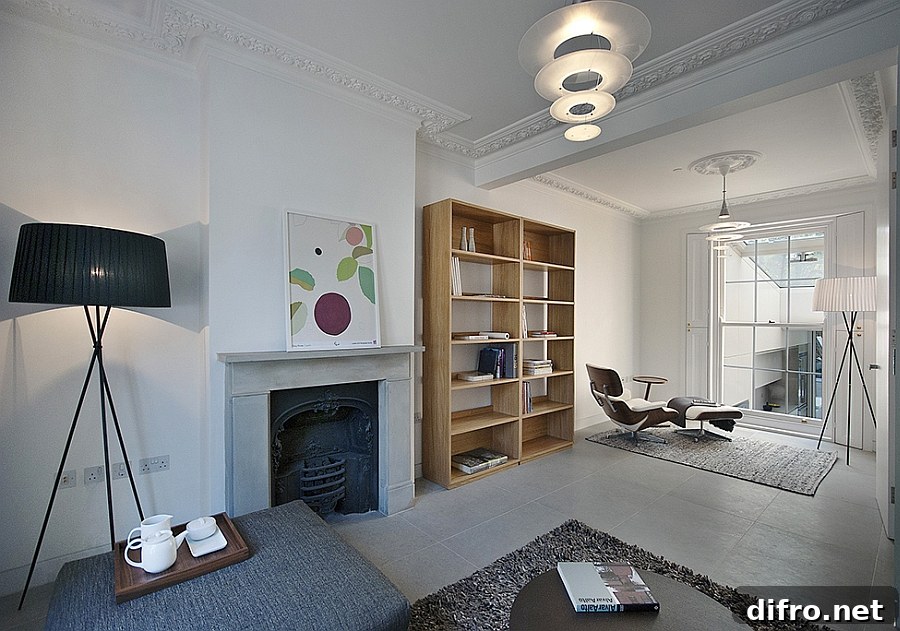
Contemporary furniture and lighting are used sparingly to complement the architecture—pieces such as the Eames Lounge Chair and an expressive sculptural pendant help define living zones without cluttering the space. The redesign also introduced practical sustainability measures: energy-efficient lighting and underfloor heating modernise the building services while improving comfort and reducing running costs.
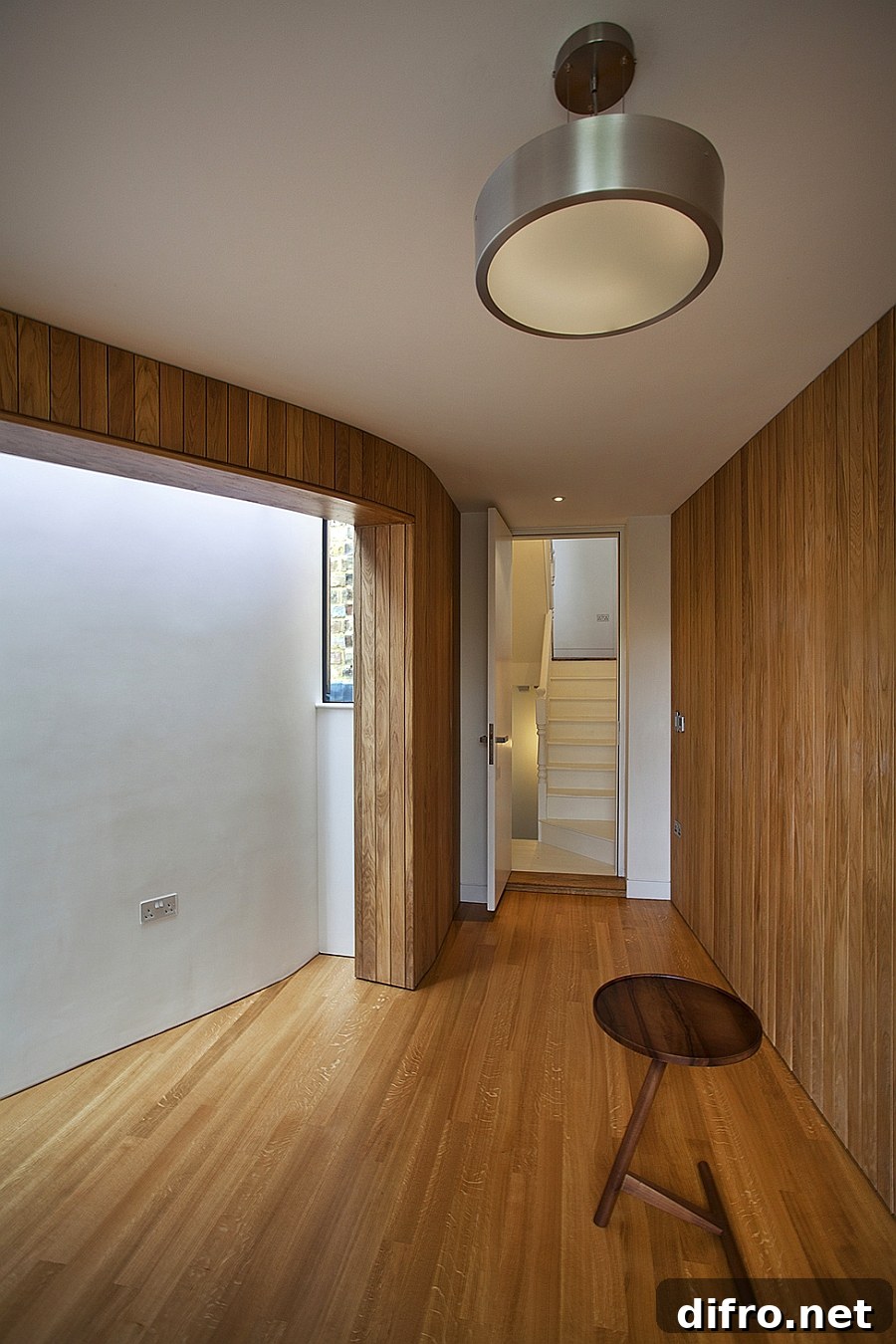
Architecturally, the extension responds directly to its site. Its low, organic profile and timber façade allow it to read as part of the garden landscaping rather than a formal addition to the street-facing house. A planted roof softens the new volume and contributes to biodiversity, rainwater management and thermal performance. The choice of materials and detailing emphasises craftsmanship and longevity—timber cladding, carefully resolved junctions and glazed connections that frame garden views.
The sculptural form of the rear extension has resulted from specific responses to the site’s immediate surroundings while preserving the character of the existing building. The extension is designed to be part of the garden landscaping rather than the main house, and this is reflected in the choice of timber cladding and a green roof system.
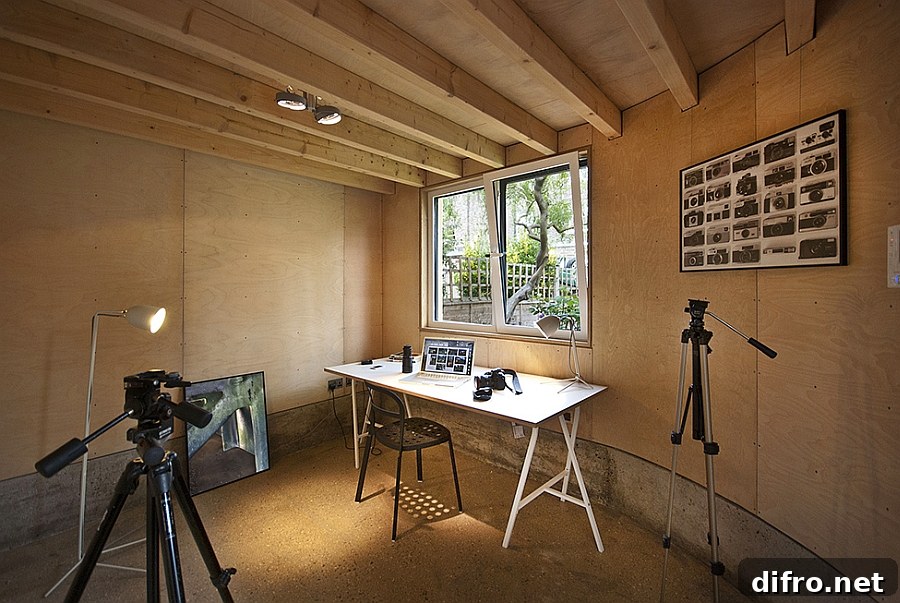
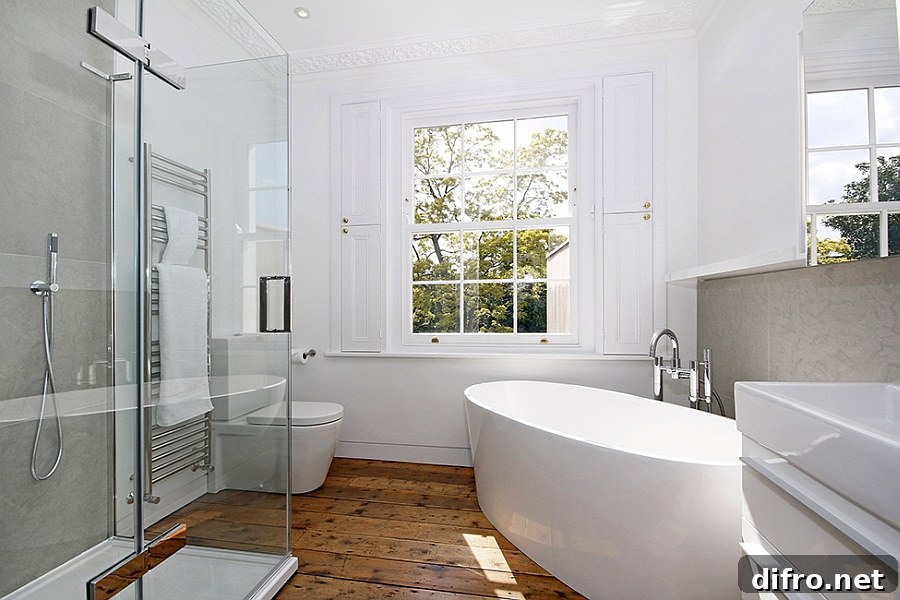
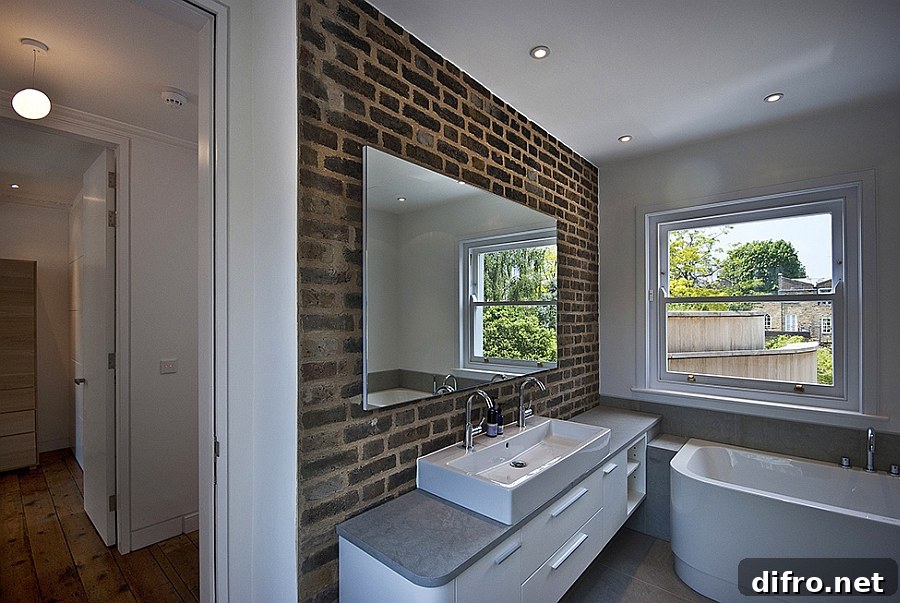
Practical interior spaces include a relaxed seating area, a dining zone that opens directly onto the garden, contemporary bathroom fittings and a discreet home studio. Exposed brick and neutral finishes give the bathrooms and utility spaces a confident, pared-back aesthetic that complements the timber-clad extension. Together, these elements create a home that reads as both modern and respectful of its Victorian roots.
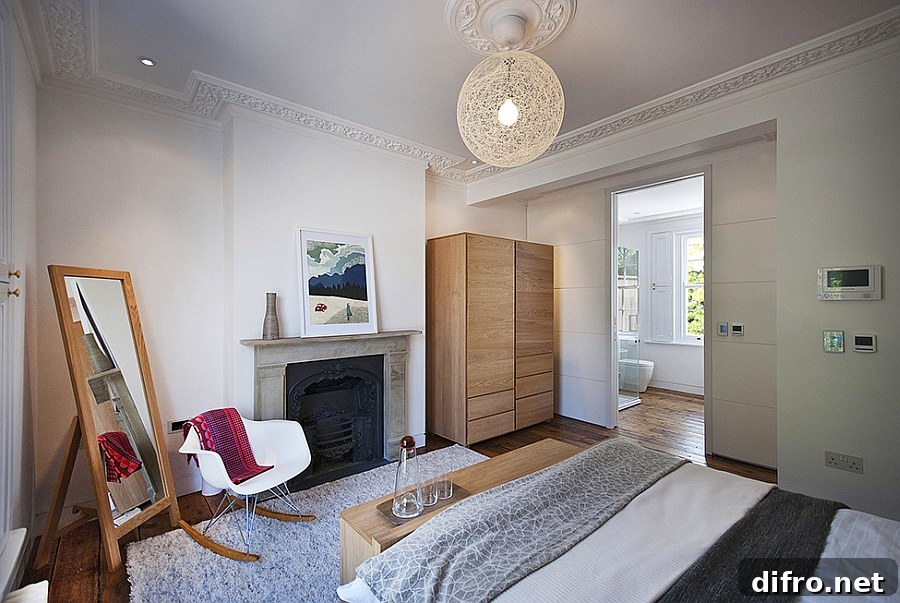
Overall, the project demonstrates how a small, well-considered extension can significantly improve a period home’s functionality and environmental performance while preserving its historic character. The timber-clad addition sits lightly within the garden, creating a contemporary living environment that complements the original Victorian house instead of competing with it.