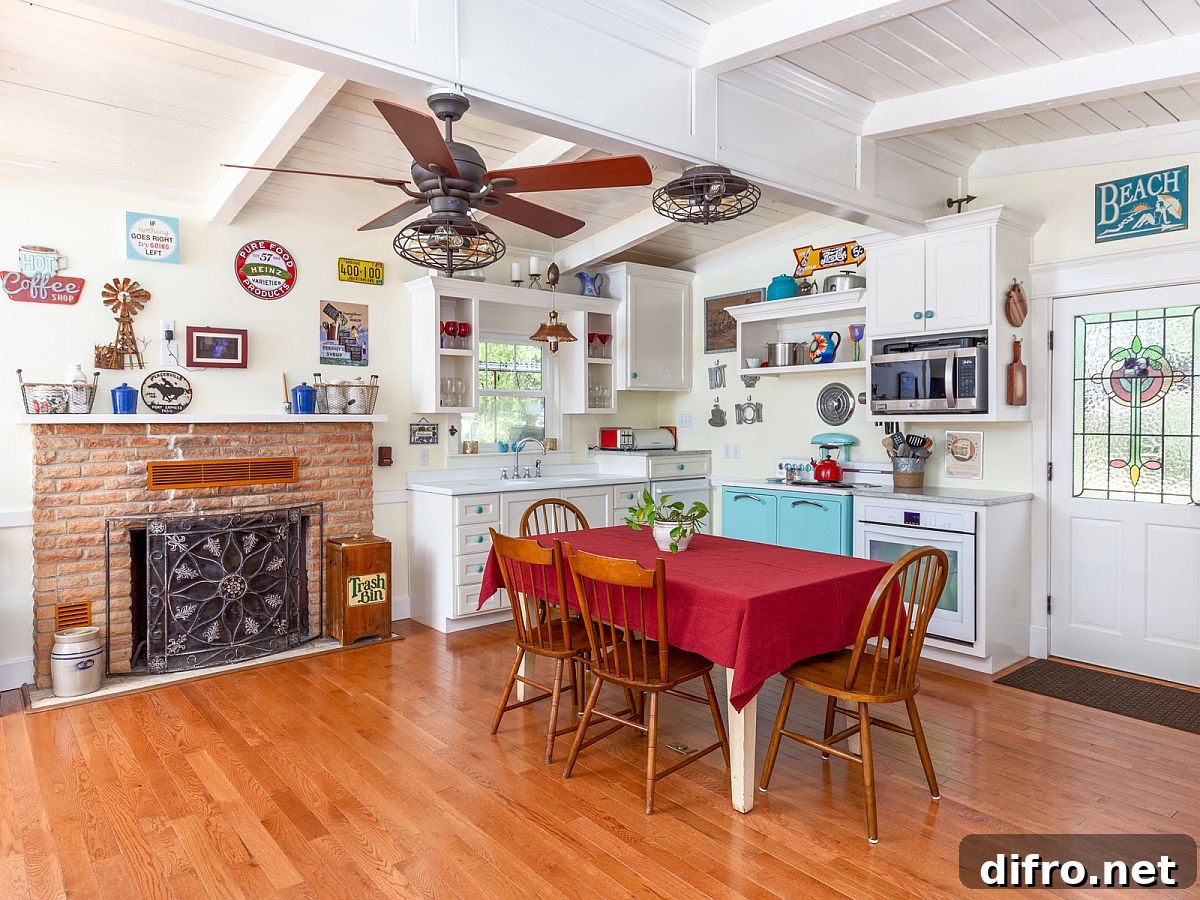
If you follow decorating and interior design trends, you’ve likely noticed a steady move away from ultra-modern, manufactured finishes toward materials and styles that feel more organic and timeless. Homeowners are embracing traditional, rustic, industrial and farmhouse influences while keeping modern ergonomics and functionality. Nowhere is that blend more evident than in the kitchen—often the heart of today’s open-plan living. Here we explore the colorful side of farmhouse kitchens: how to introduce vibrant tones, work with natural textures and create a warm, lived-in space without losing style or cohesion.
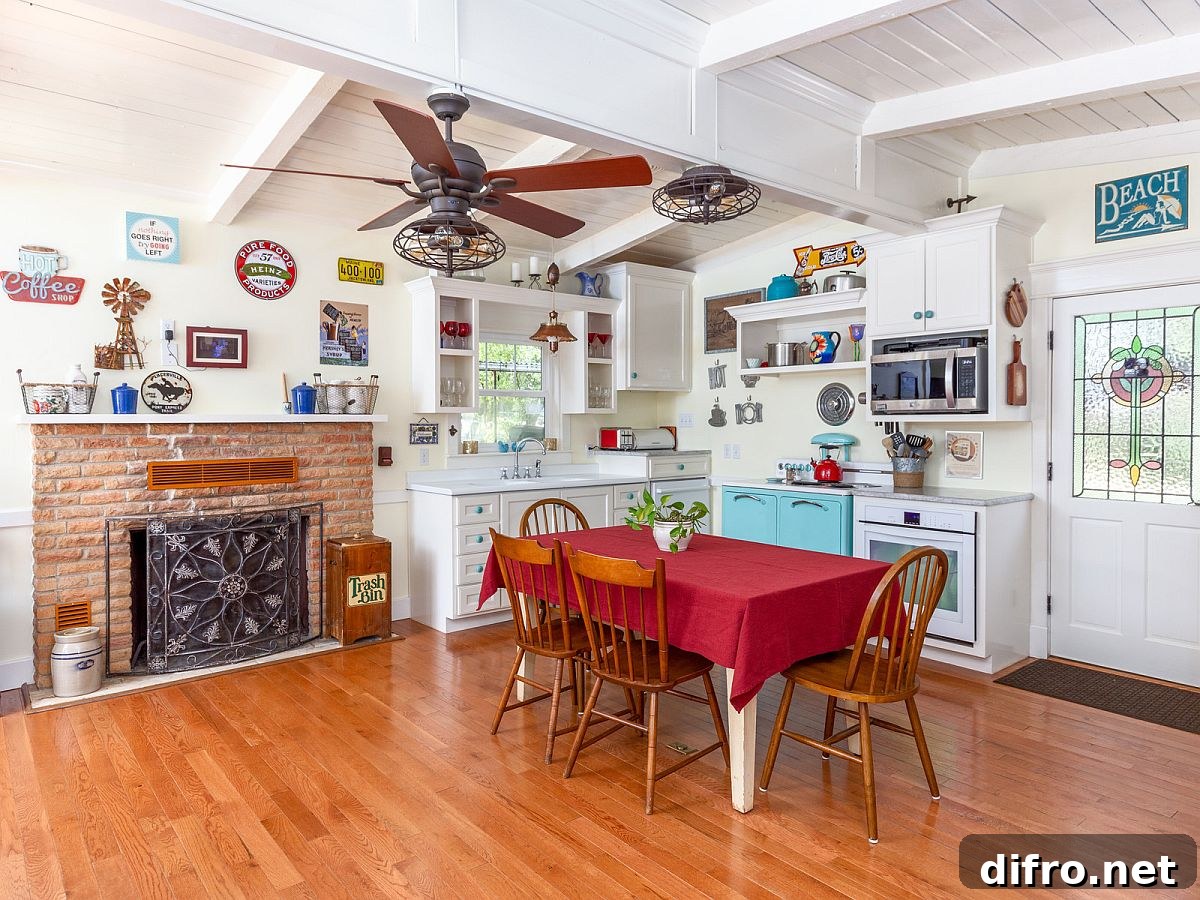
Farmhouse kitchens evoke a simpler era when wood, natural stone and unpolished finishes were the norm. Their charm comes from texture and character: visible grain, tactile surfaces and furnishings that look as though they’ve been used and loved. Unlike ultra-minimal designs, farmhouse kitchens allow a bit of visual richness and collected items on display. When you add color to that mix, the result can feel both nostalgic and fresh—a lively, welcoming kitchen that’s practical for everyday living.
Finding a Color that Works for You
Choosing a color palette is the first step toward a colorful farmhouse kitchen. Bold reds and oranges, calm sage and olive greens, sunny yellows and jewel-toned blues all work beautifully in a rustic setting. Consider large elements first—cabinets, island, an accent wall or a run of open shelving—then layer in color with smaller elements so the scheme feels intentional rather than scattered.
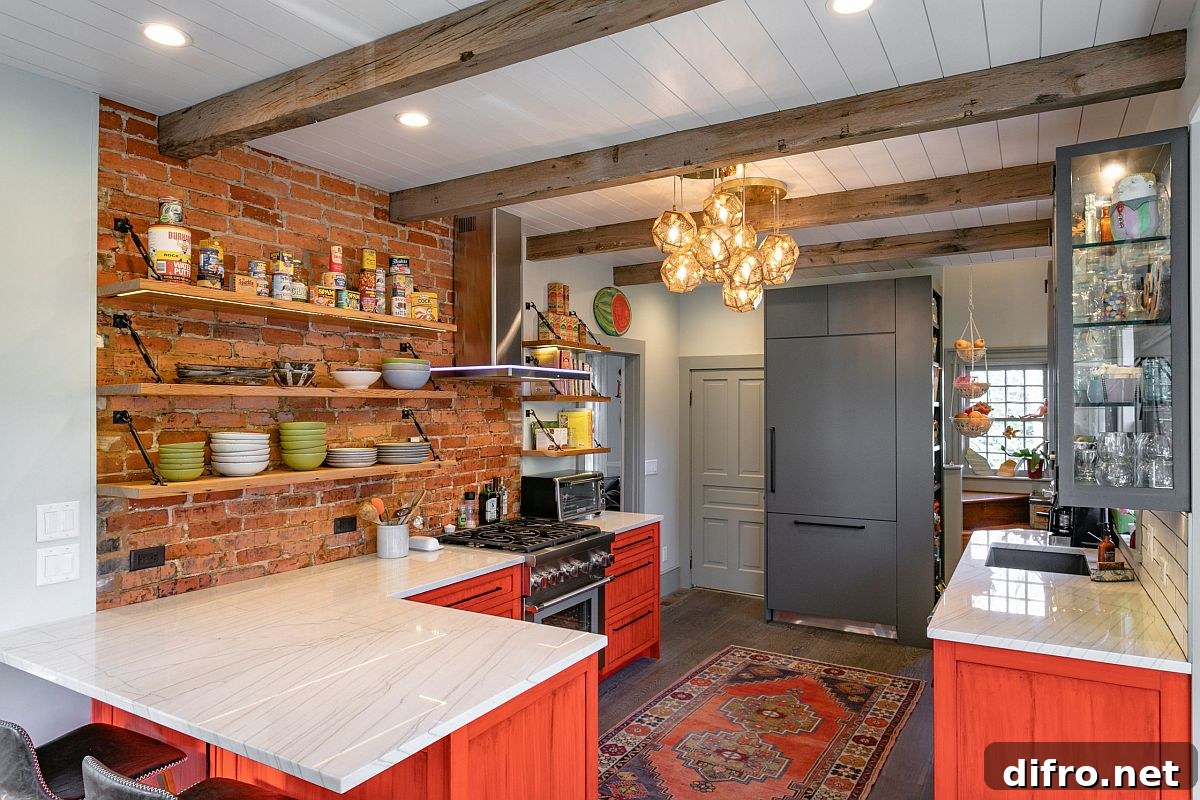
Pay attention to the kitchen’s size and natural light. Darker, richer hues can feel cozy in a large, well-lit kitchen but may overwhelm a small, windowless space. Lighter, muted tones—soft grays, washed blues or pale greens—preserve brightness while still offering color. Contrast colored cabinetry with neutral backsplashes, countertops and trim to keep visual balance. Textured materials like white subway tile, butcher block or honed stone help bridge rustic and modern elements.
Using Kitchenware and Appliances to Add Color
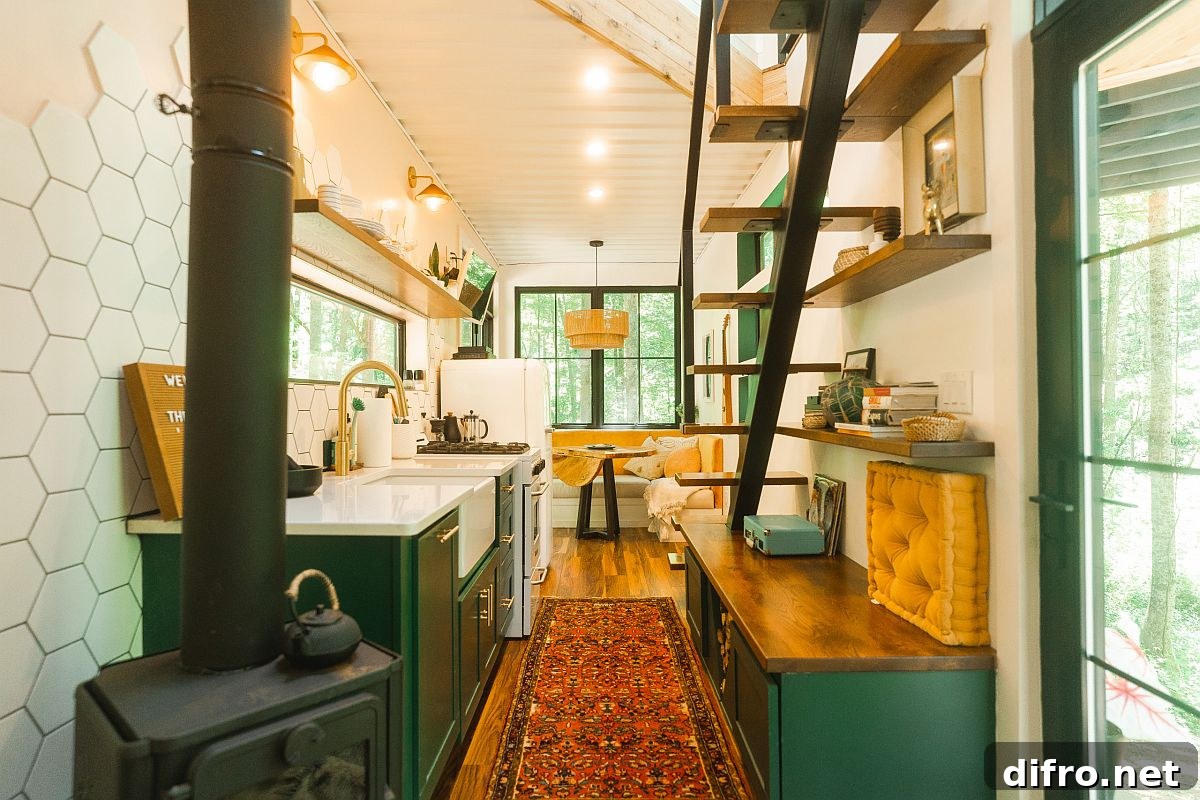
If you want color without committing to painted cabinetry, use kitchenware, appliances and accessories. A colorful vintage refrigerator, painted island, patterned dishware, or a collection of enamel cookware on open shelves can all be impactful. Plants and fresh herbs not only add color but also introduce life and a seasonal touch. Mixing new appliances with vintage finds—such as a weathered pendant lamp or a reclaimed-wood shelf—gives the room personality without overwhelming the base palette.
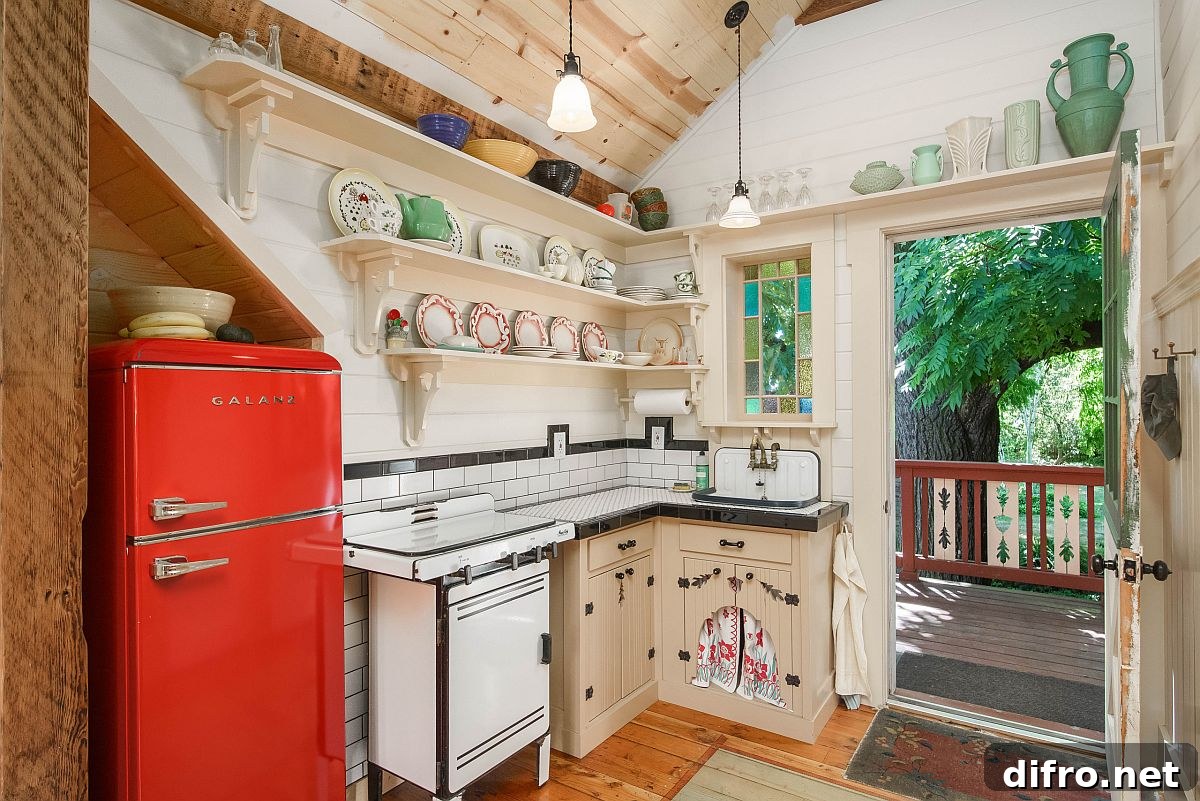
Accessories and hardware are also subtle ways to introduce color and texture. Brass pulls, matte black fixtures or copper accents warm up painted cabinetry and pair well with rustic countertops and open timber. Consider patterned rugs, woven stools or colorful bar chairs to create pockets of color that are easy to swap out as tastes change.
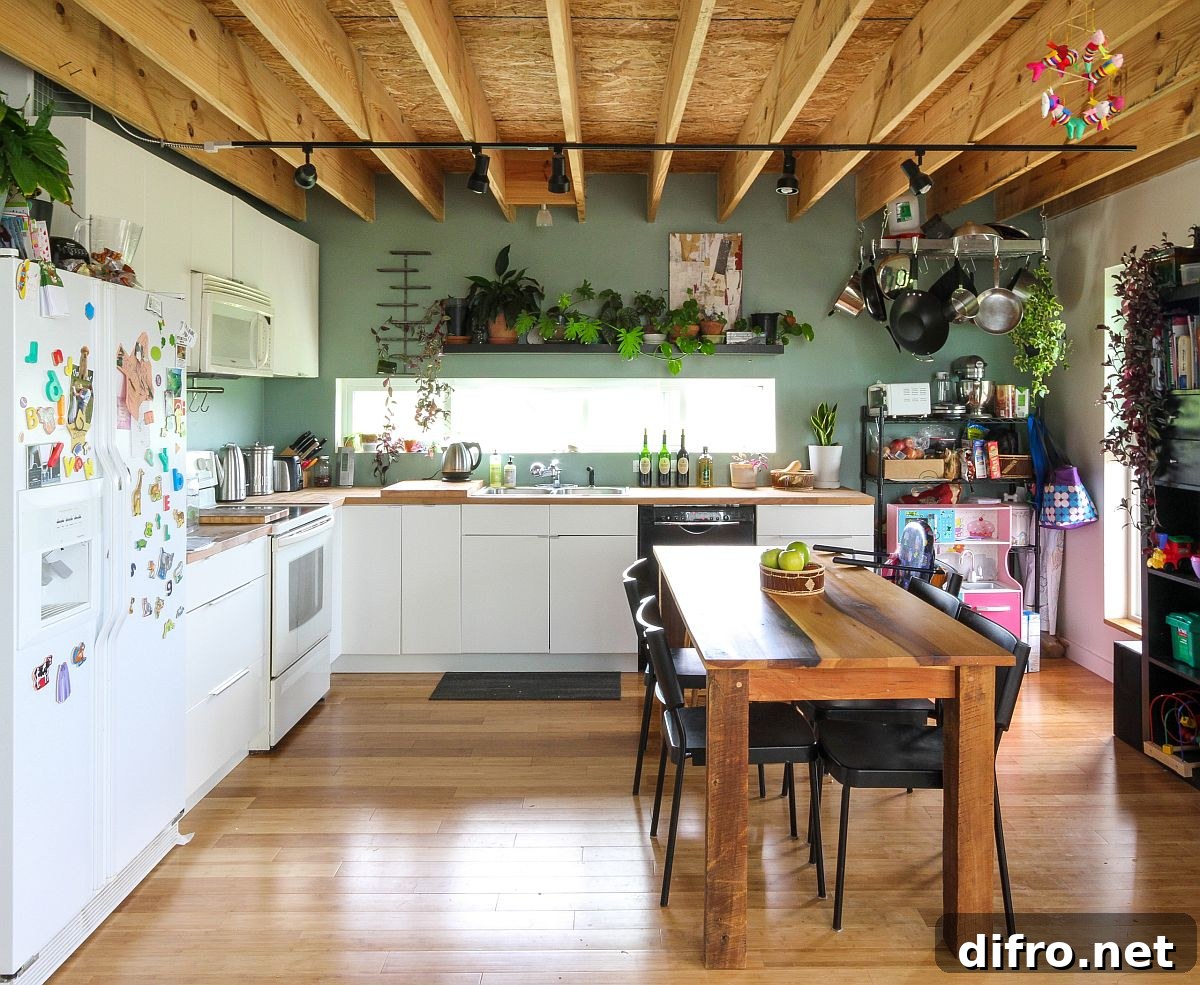
A Balance Between Modern and Timeless
Colorful farmhouse kitchens succeed when they balance tradition and contemporary details. Blue hues—ranging from soft gray-blue to deeper navy—are particularly popular because they feel both timeless and modern. A grayish-blue matte cabinet finish reads contemporary while pairing naturally with reclaimed wood floors, stone counters and vintage lighting. Darker blues and grays lend a classic, grounded look, while lighter tones keep the room airy.
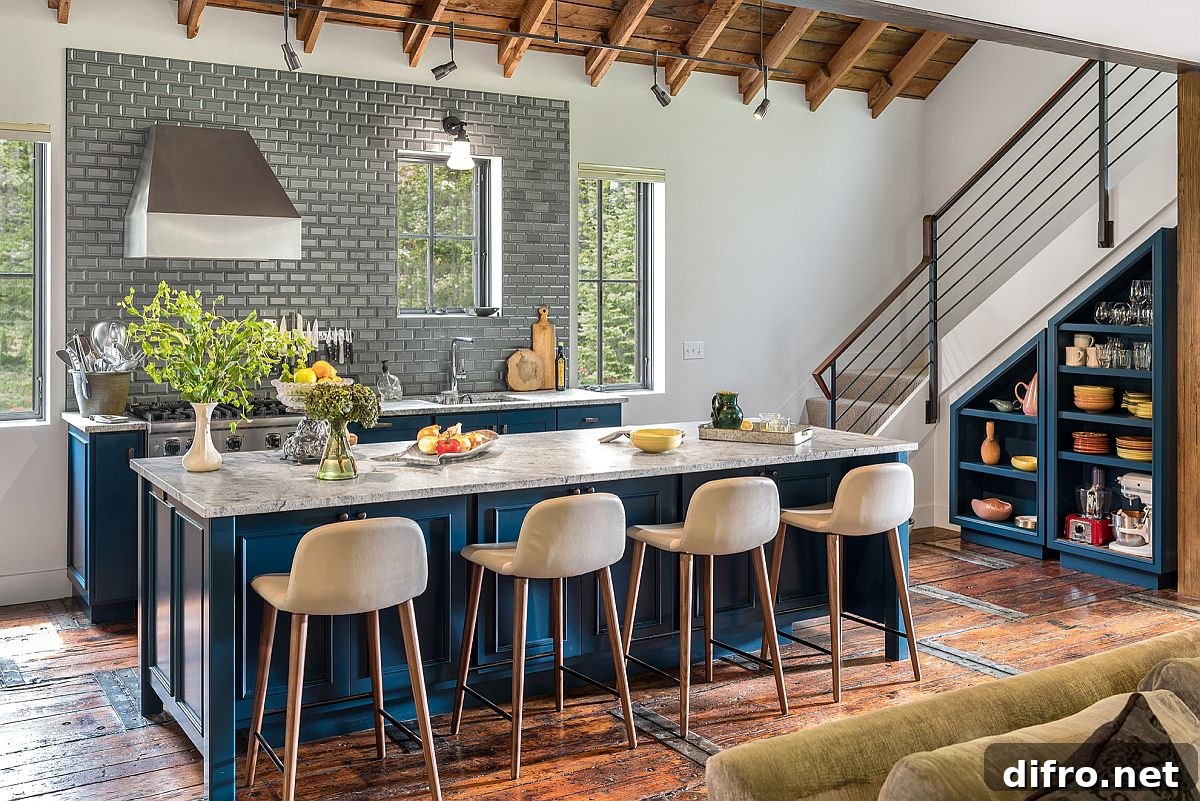
Mix materials for contrast: a painted island with stone countertops, open shelving with ceramic backsplashes, or a metal range hood set against exposed brick. Thoughtful lighting—pendants over an island, sconces beside a range, and under-cabinet task lights—completes the look and highlights your chosen colors and textures. Above all, design a kitchen that suits how you live: practical storage, comfortable flow, and surfaces that can stand up to daily use.
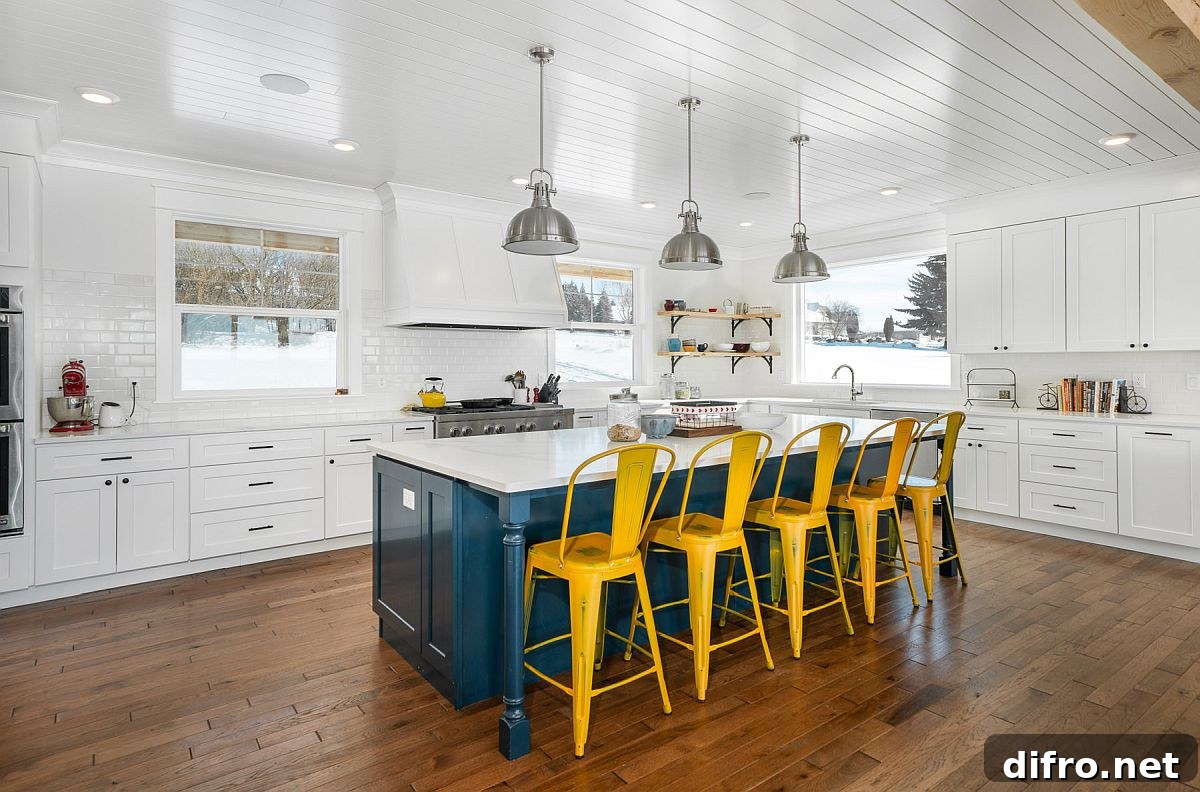
Whether you choose subtle color accents or make a bold statement with saturated cabinetry, a colorful farmhouse kitchen invites warmth and personality into one of the home’s most used spaces. Embrace texture, mix vintage and modern pieces, and select colors that reflect your mood and the home’s architecture. The result will be a kitchen that feels lived-in, stylish and uniquely yours.