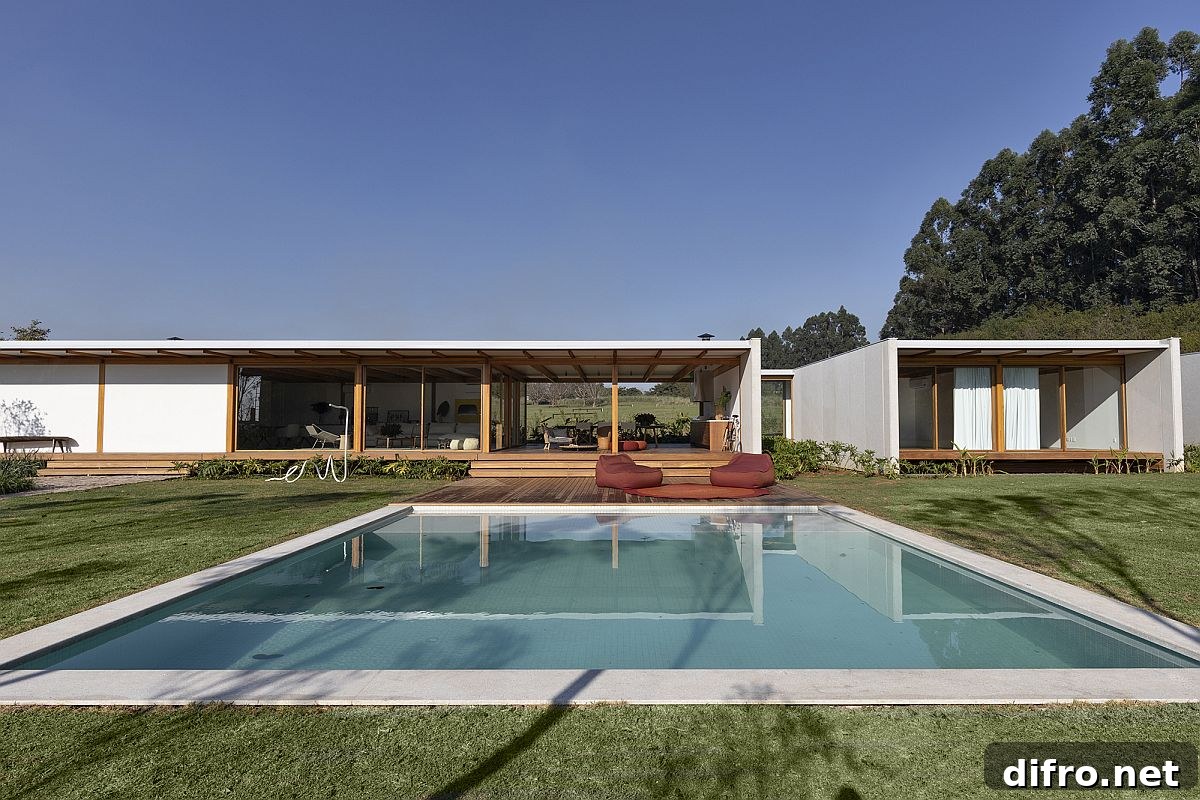
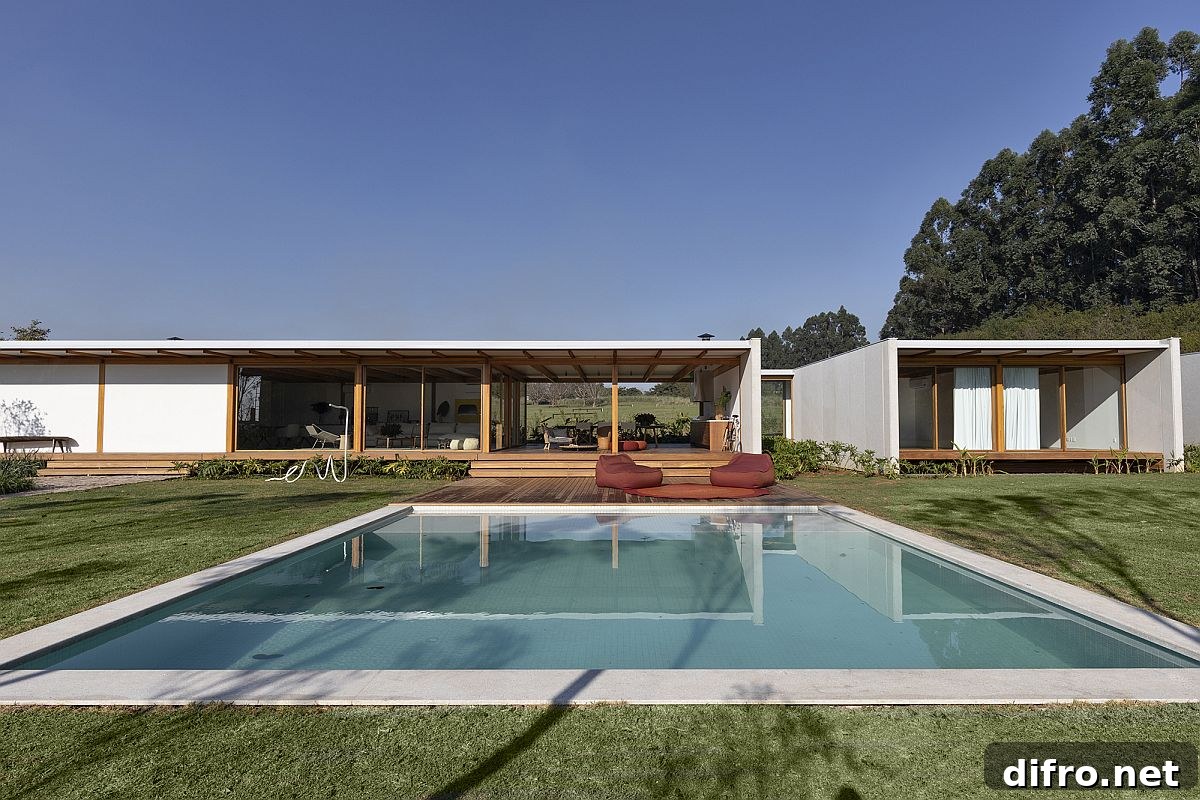
Sustainability has become a defining influence on residential architecture around the world in recent years, and the Pipa House by Bernardes Arquitetura in Brazil is a clear example of that trend. Commissioned by a couple of entrepreneurs who wanted a home that felt natural, elegant and easy to maintain, the design prioritizes durable, low-impact materials and seamless indoor-outdoor living. Clad almost entirely in glued laminated eucalyptus wood and glass, the house combines a warm, tactile material palette with clean modern lines to create a cozy yet contemporary retreat.
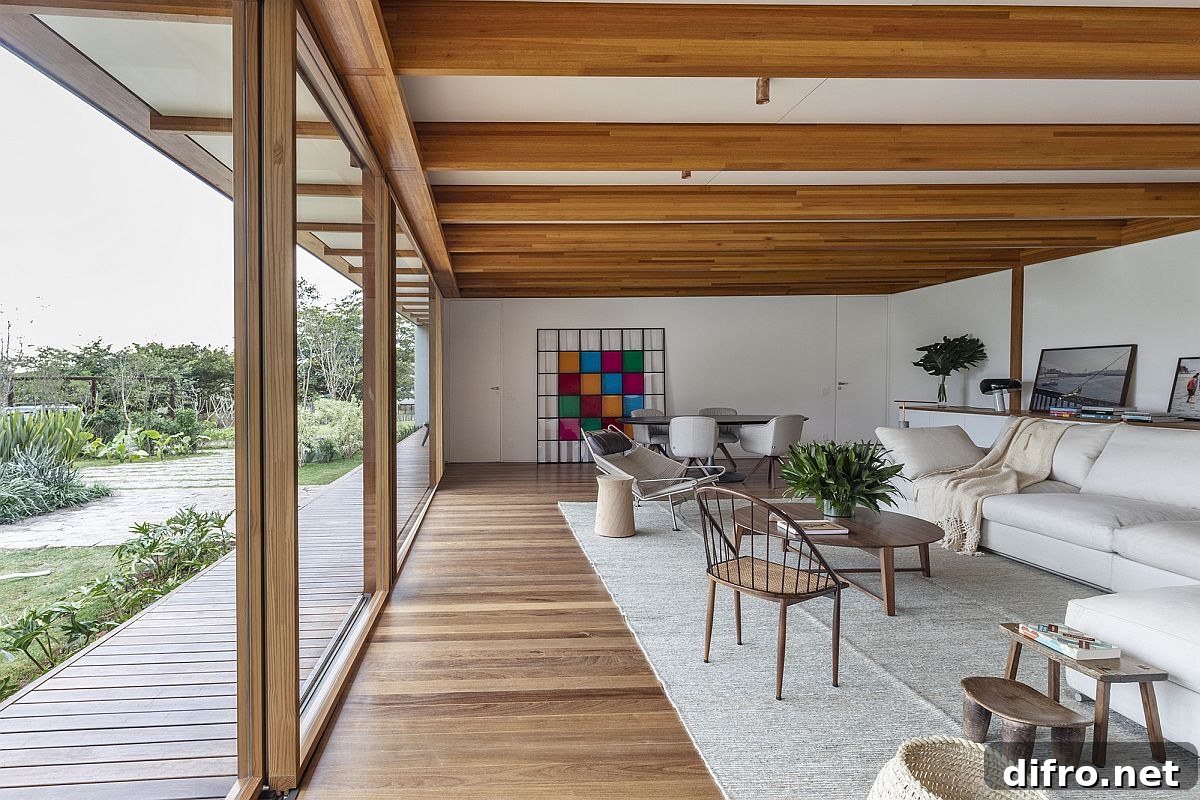
The interior follows a restrained white-and-wood color palette that highlights the eucalyptus structure while keeping the spaces bright and calm. An open-plan living area flows into the dining and kitchen zones, with a configuration that intentionally connects to the outdoors on both sides. A series of sliding glass doors and wooden frames visually and physically link interior rooms to the landscape, giving the home a pavilion-style appearance and allowing the surrounding garden and pool to become integral elements of daily life.
Durability and low maintenance were central goals for the clients and the design team. The glued laminated eucalyptus cladding is both an aesthetic decision and a practical one: it provides a consistent visual language across exterior and interior surfaces while resisting wear when properly treated. Automated systems give occupants convenient control over lighting, ventilation and other building functions, helping to optimize comfort while reducing unnecessary energy use. At the same time, the house relies on passive heating and cooling strategies—such as natural cross-ventilation and shading—to limit dependence on mechanical systems, and bespoke green solutions further boost overall efficiency. Photography by Ruy Teixeira documents the home’s material warmth and open spatial quality.
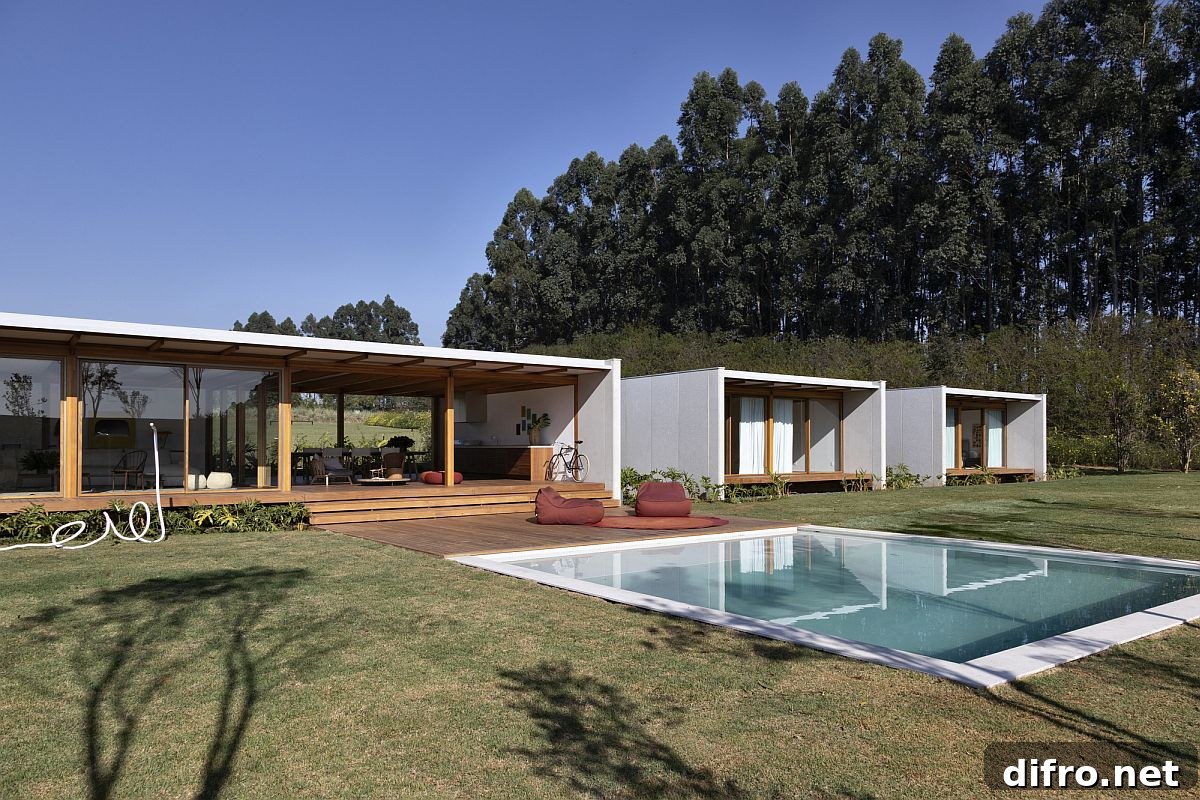
The generous wooden deck and adjacent pool form a natural extension of the interior, providing informal seating and sunning areas that encourage outdoor living. Poolside seating and open deck zones offer places to relax and enjoy the sunlight, while the landscaping around the house creates a sense of intimacy and a green backdrop. Dense vegetation functions as a privacy buffer, allowing large spans of glass to feel sheltered rather than exposed.
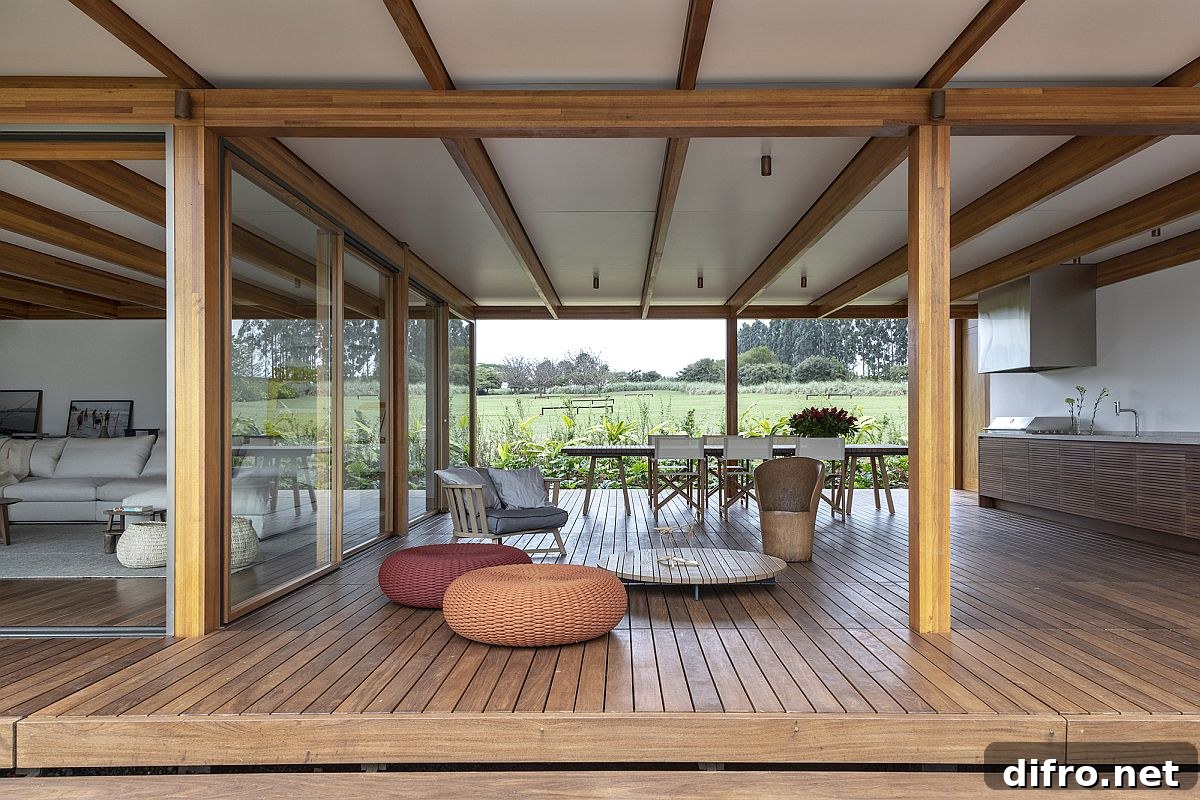
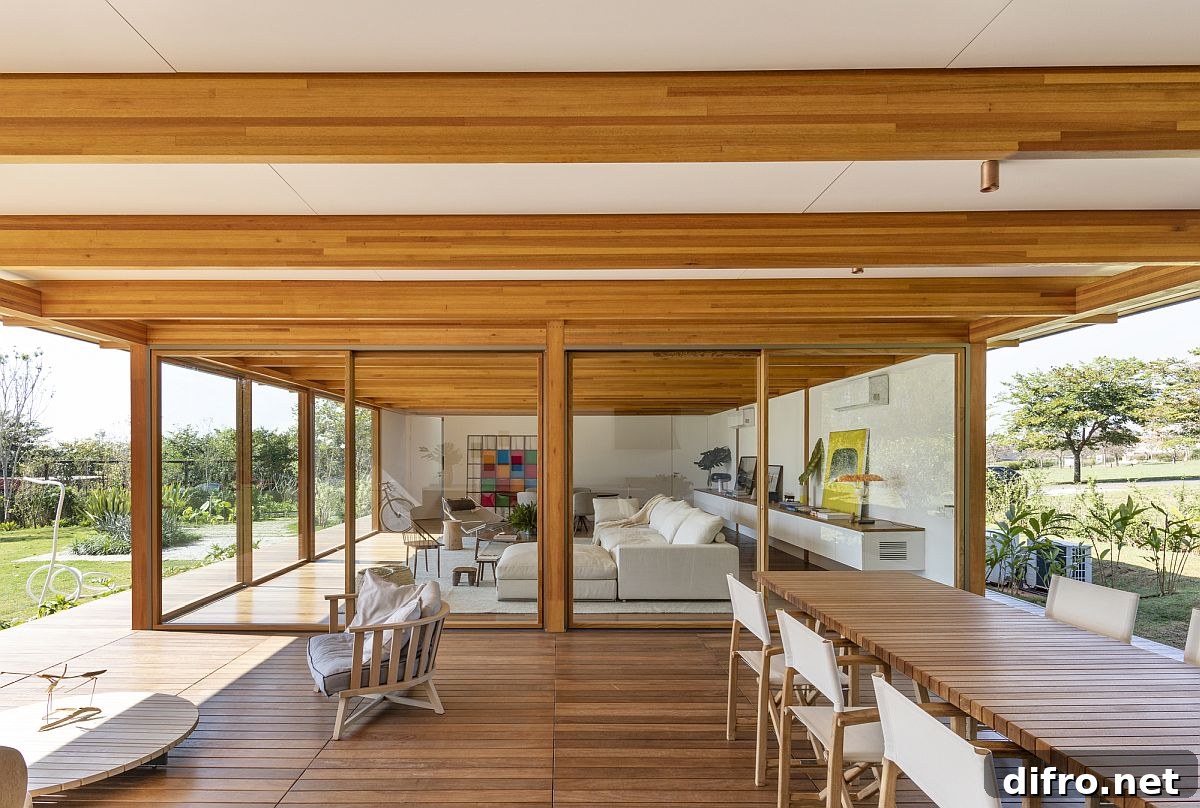
Internally, the home is organized into distinct blocks that separate public areas from private spaces, creating an ordered sequence of rooms while preserving a sense of openness. Large sliding walls with wooden frames and complementary drapes allow residents to adjust the degree of openness: the house can open fully to the landscape for gatherings or close down for privacy and quiet. Warm, layered lighting enhances the wood’s natural tones and contributes to an inviting atmosphere after sunset.
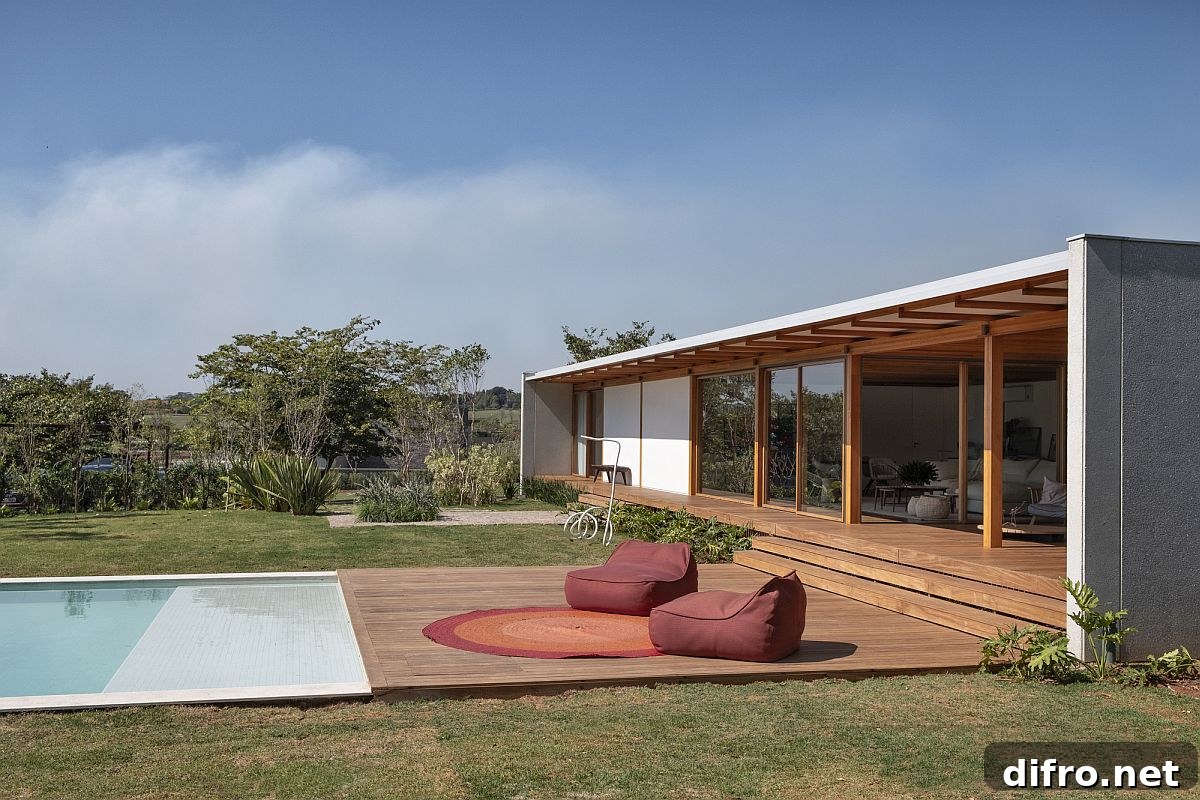
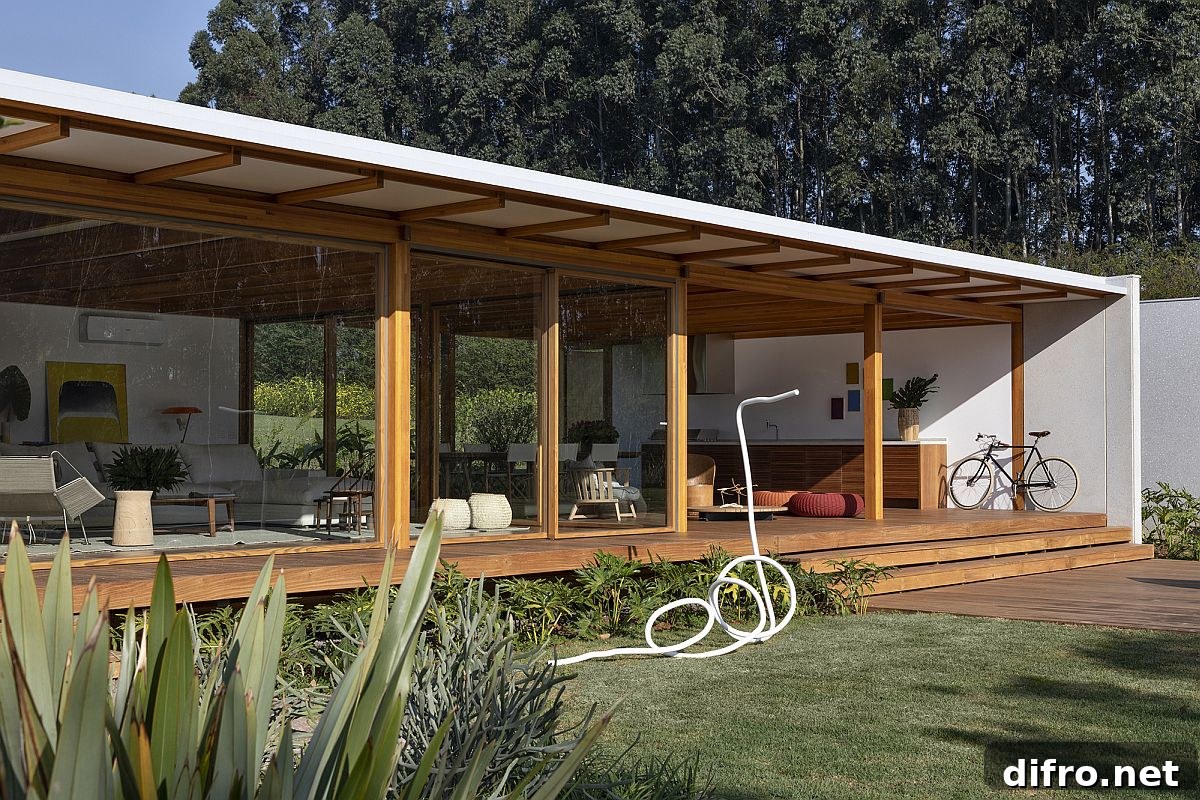
The lifting of the house off the ground ensures water tightness and ventilation for the floor slab, as well as a visit to the facilities that are distributed underneath it. The liner, with the docking system, allows adjustment and visitation to the HVAC systems. The house has individualized heating systems and air conditioning and electrical installations divided in modules, simplifying its maintenance and operation.
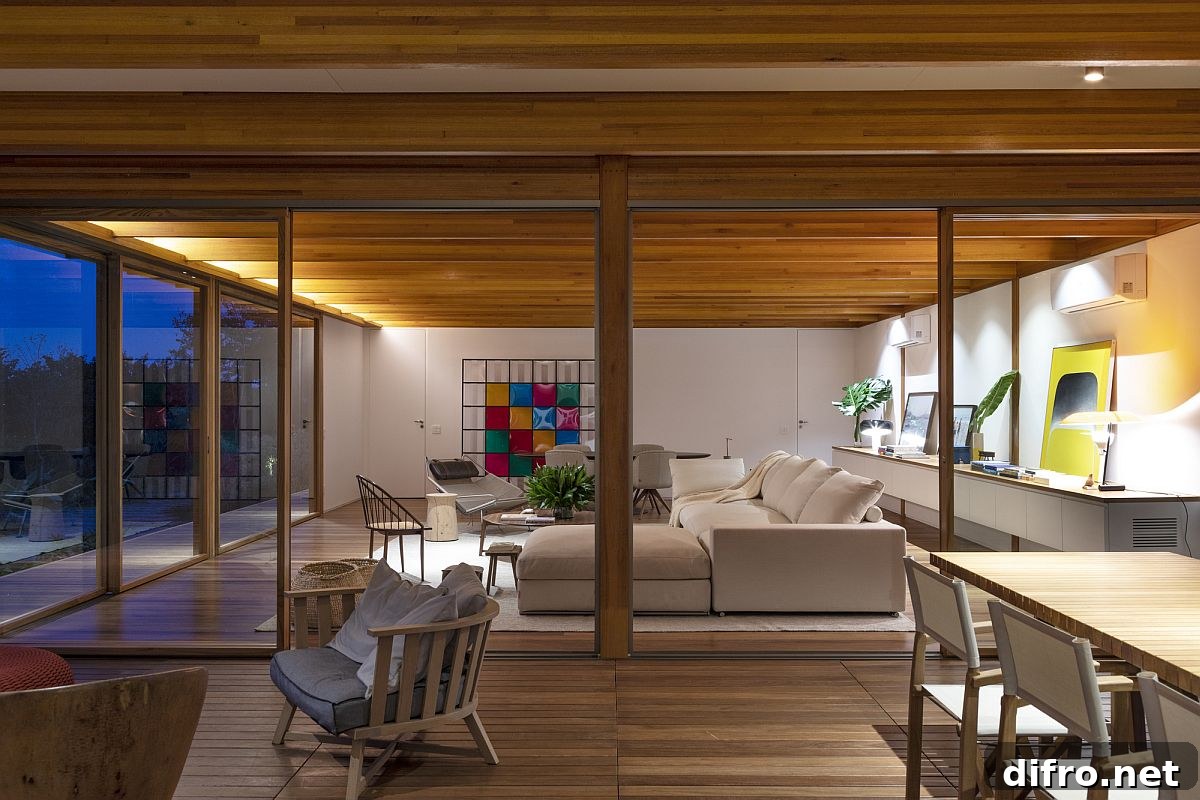
Raising the building slightly off the ground serves several practical purposes: it protects the structure from surface water, improves ventilation beneath the slab and provides accessible space for mechanical installations. The house’s technical systems are deliberately modular and accessible, which reduces the complexity of maintenance and enables easier updates over time. These considerations reflect a broader strategy of combining refined aesthetics with pragmatic solutions that support longevity and comfortable living.
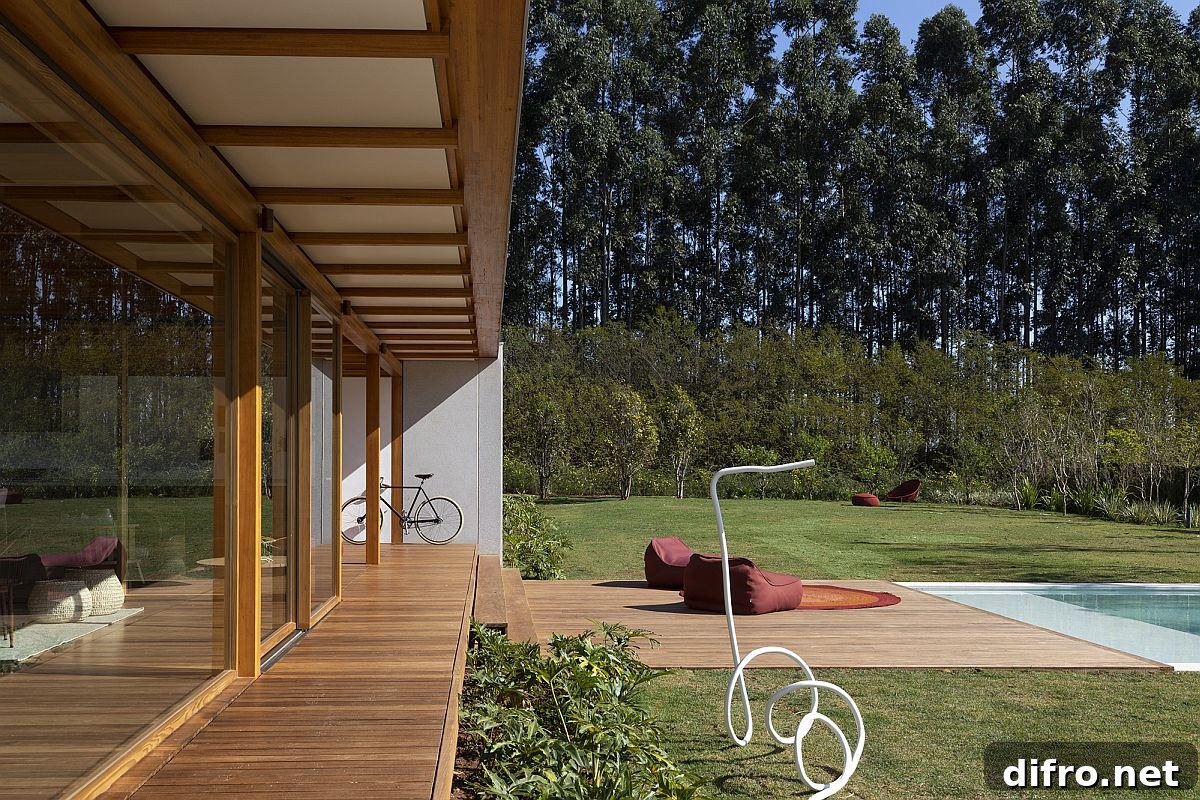
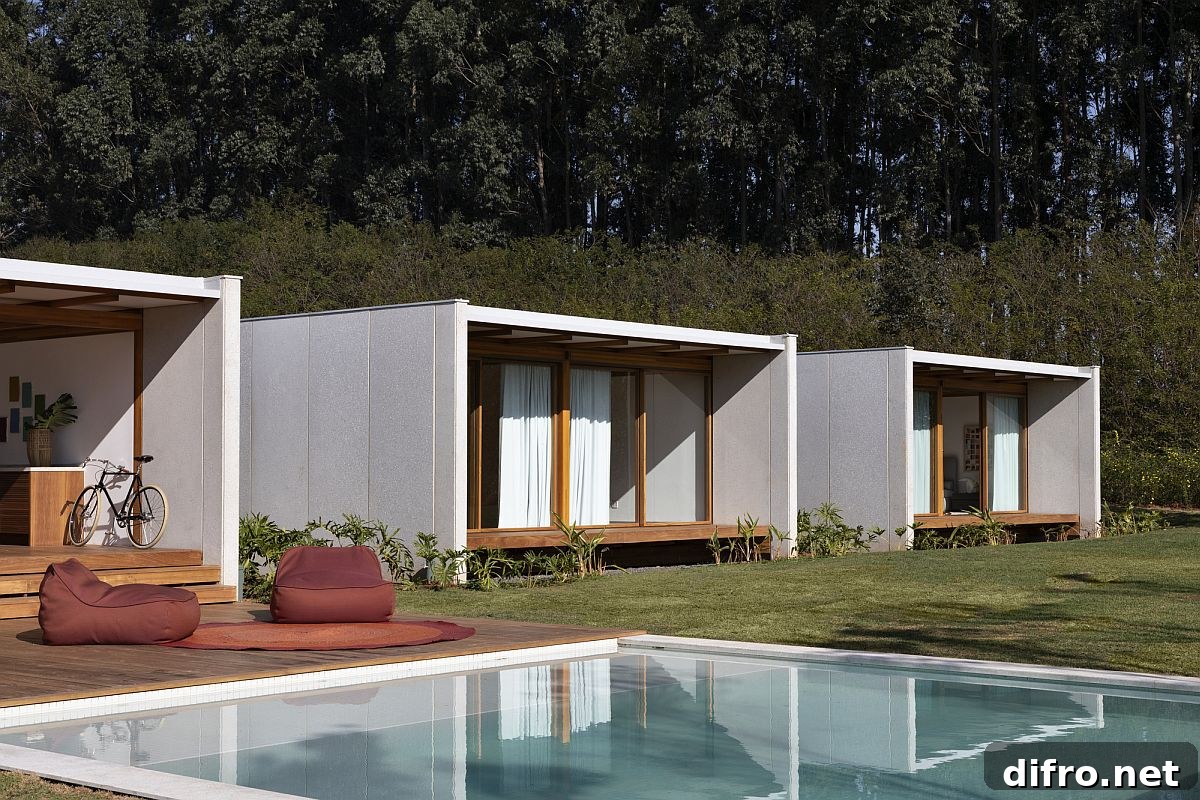
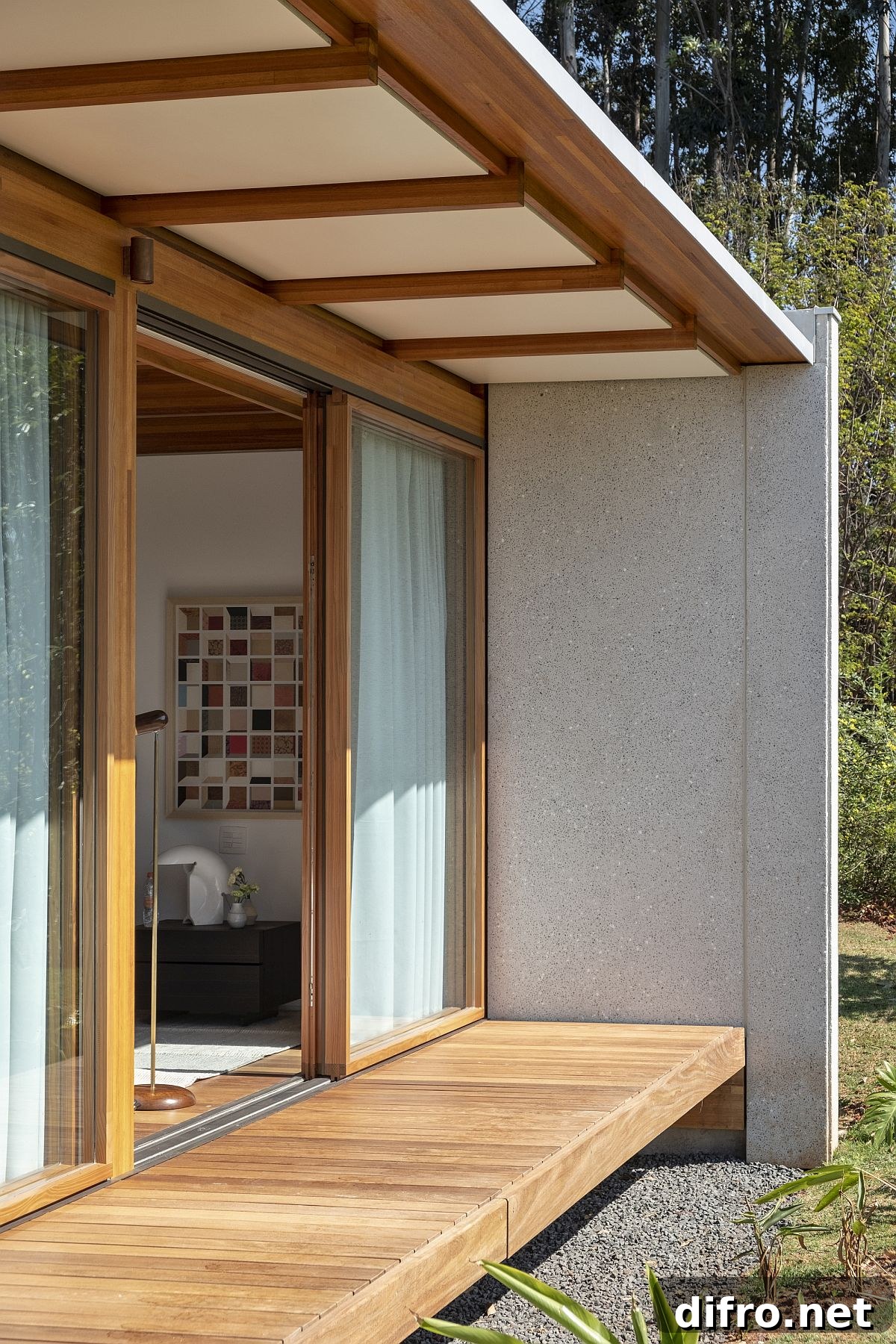
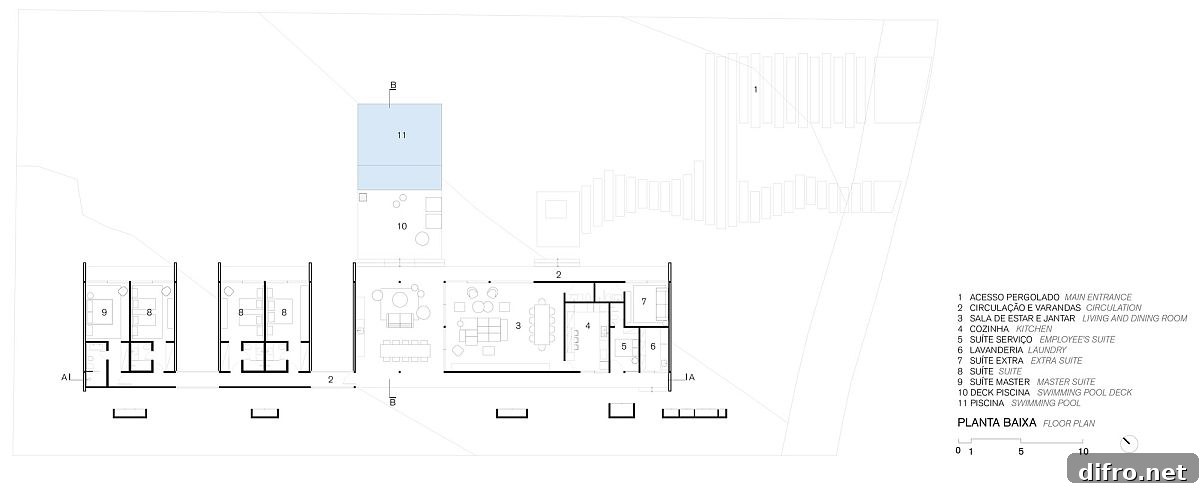
Pipa House demonstrates how thoughtful material selection, careful site integration and simple technological interventions can produce a home that is both beautiful and practical. It balances openness with privacy, sustainable strategies with modern comfort, and a clear architectural language with adaptable, low-maintenance solutions—qualities that respond directly to the owners’ brief for a natural, elegant and easy-to-manage residence.