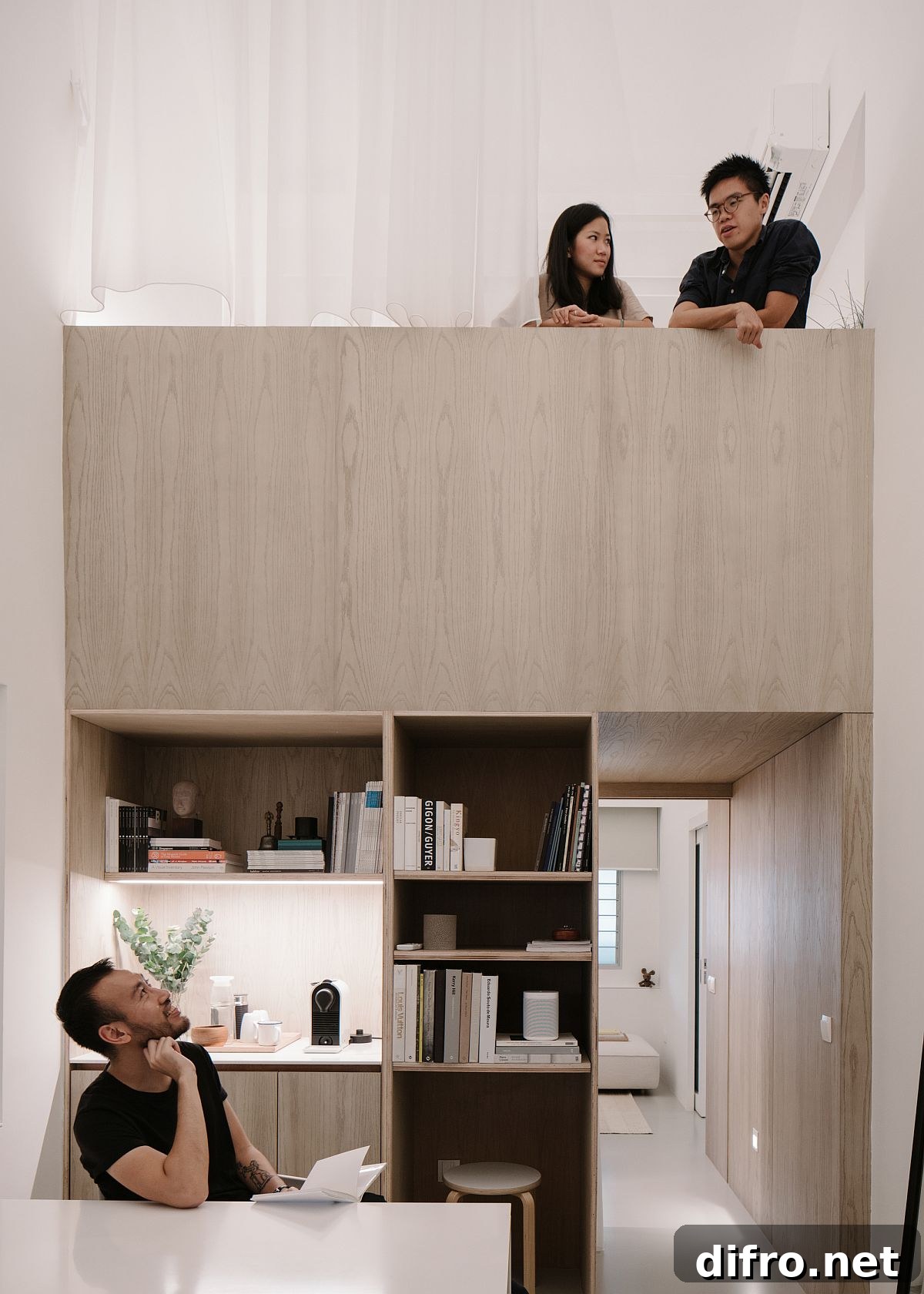
Space is a scarce and valuable resource in major cities around the world. In dense urban centres like London, Melbourne, New York City and Singapore, every square foot carries a premium. That scarcity helps explain the enduring popularity of HDB apartments in Singapore: compact, economical public housing that accommodates a large share of the city’s residents. PROJECT#13, a renovation by Studio Wills + Architects, reimagines one of these modest HDB units, transforming a small, older flat into a practical, comfortable combined home-and-office that makes the most of limited space without feeling cluttered.
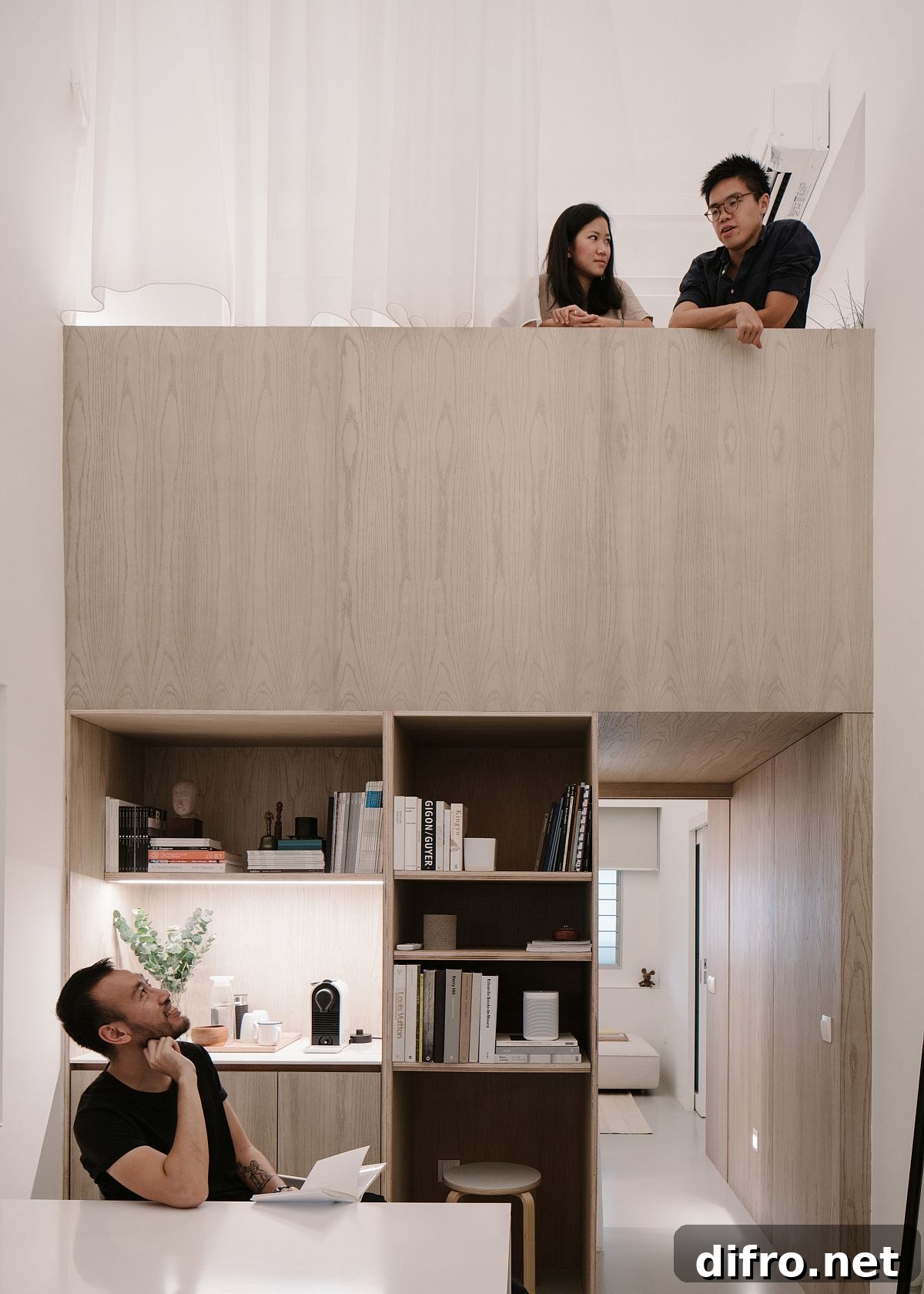
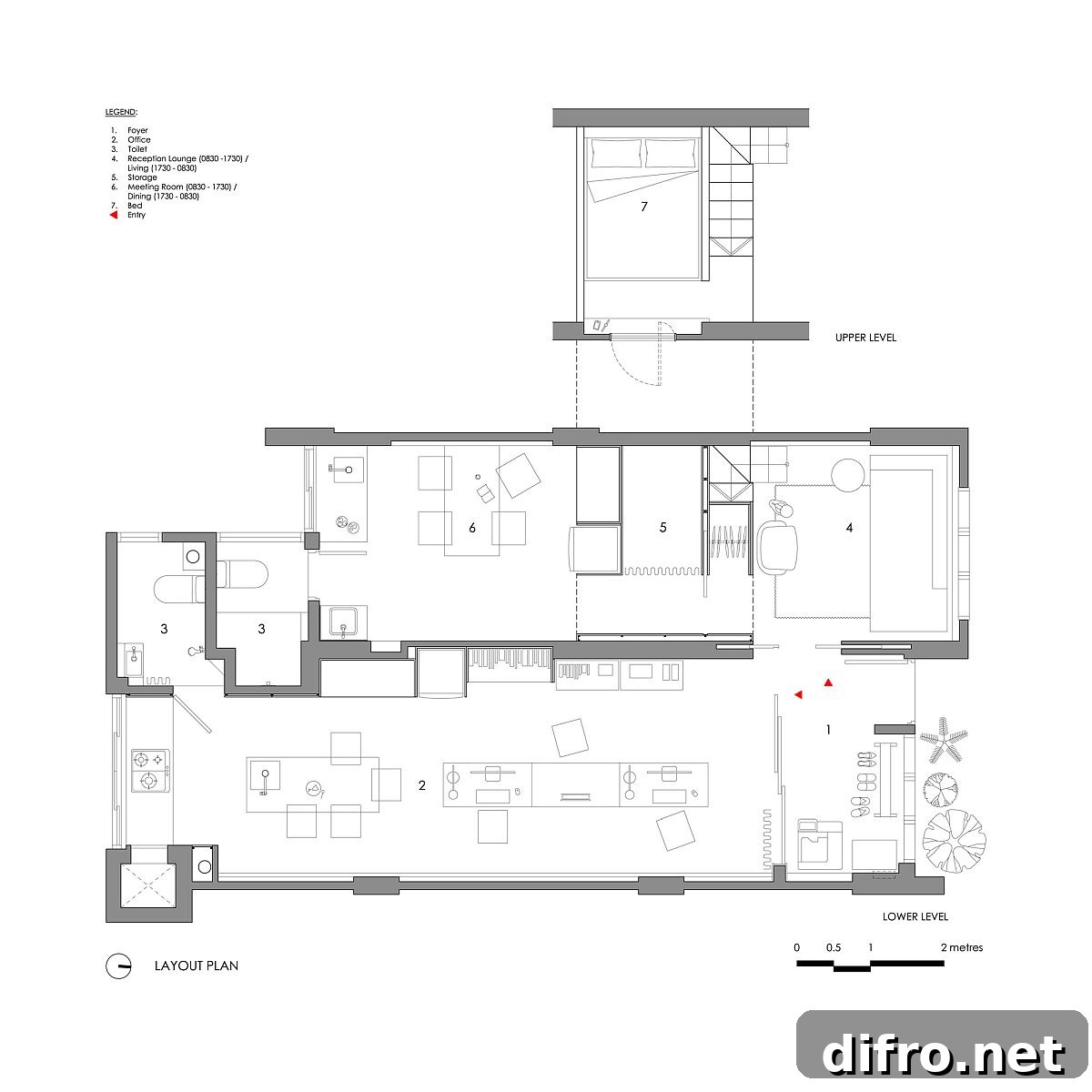
The brief given to the architects emphasised two main goals: improving privacy for residents facing shared corridors and reconfiguring the internal layout so the apartment could serve as both a workplace and a living environment. The resulting design uses a restrained palette of white and natural wood tones to keep interiors bright and visually expansive. A raised loft sleeping area frees up floor space below for living, cooking and working zones, while custom wooden cabinetry and carefully planned built-ins provide generous storage and define functional areas.
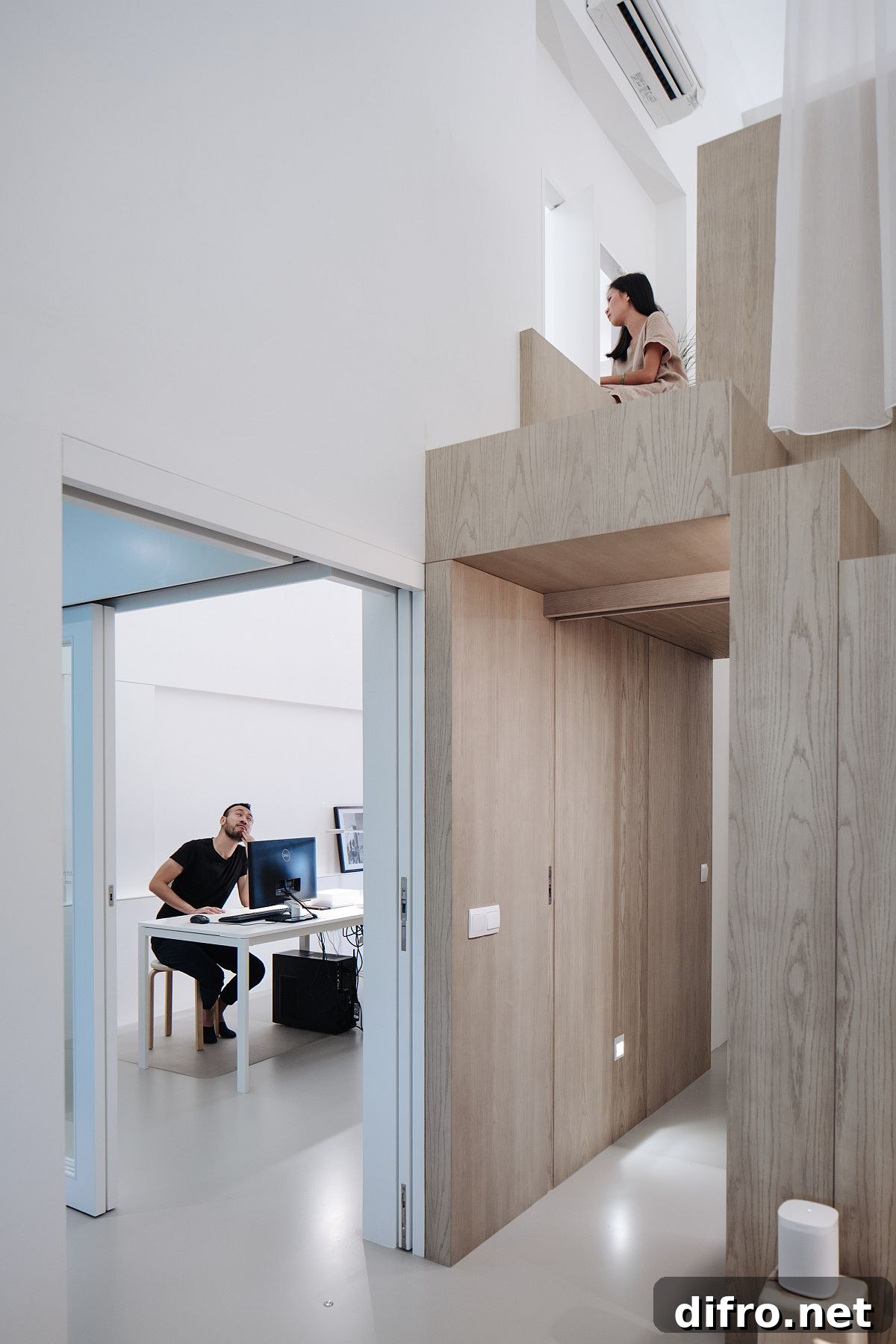
To accommodate both professional use and daily living, the interior is arranged so that a reception and lounge sit to one side and meeting and dining spaces occupy the other. This simple zoning helps the apartment feel larger than it is and makes movement between activities fluid. Smart shelving and compact desks allow the office area to host a couple of people comfortably, while the lounge and dining areas remain intimate yet functional. Throughout the apartment, bespoke wooden units and multipurpose furnishings were used to maintain visual continuity and to conceal storage without interrupting sightlines.
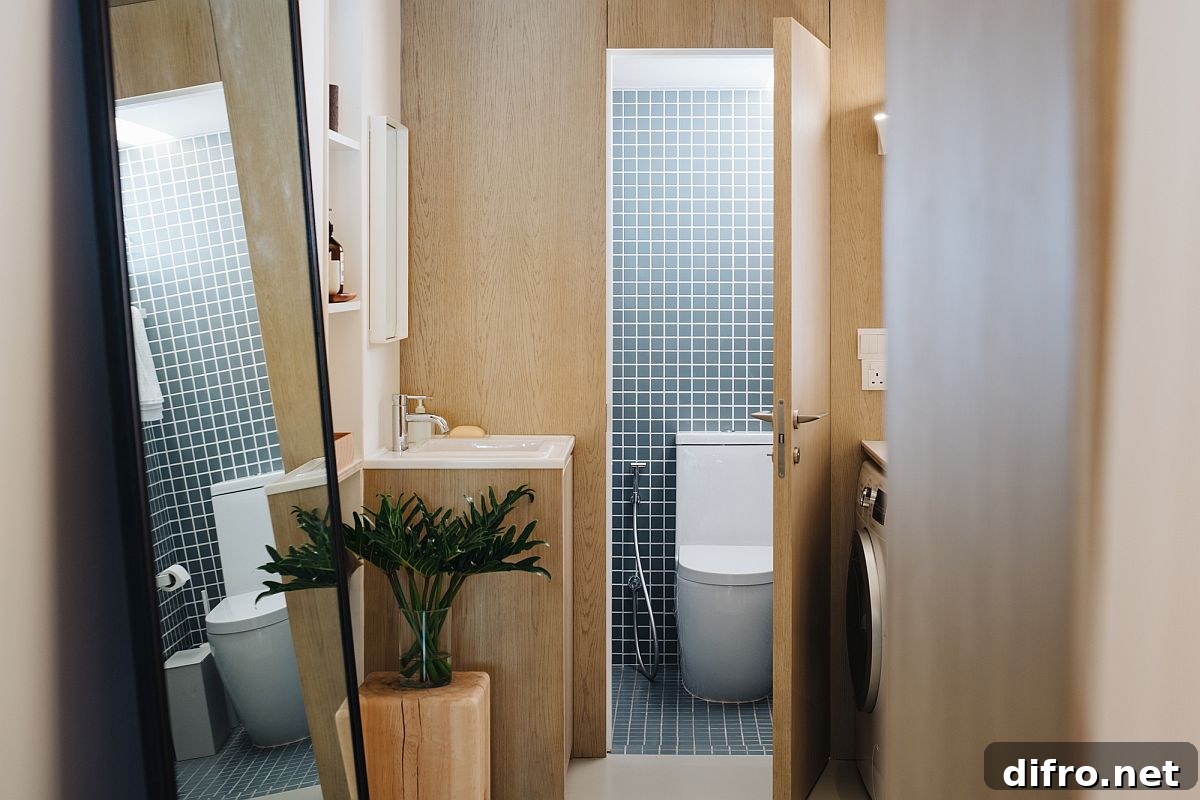
The bathroom receives the same careful attention: patterned tiles in warm wood tones and white add texture and interest while keeping the scheme cohesive with the rest of the apartment. Small fixtures and thoughtfully proportioned fittings make efficient use of the available footprint without compromising comfort. Similarly, the entrance area is designed to feel welcoming and orderly, with storage integrated so the compact foyer does not become a catch-all.
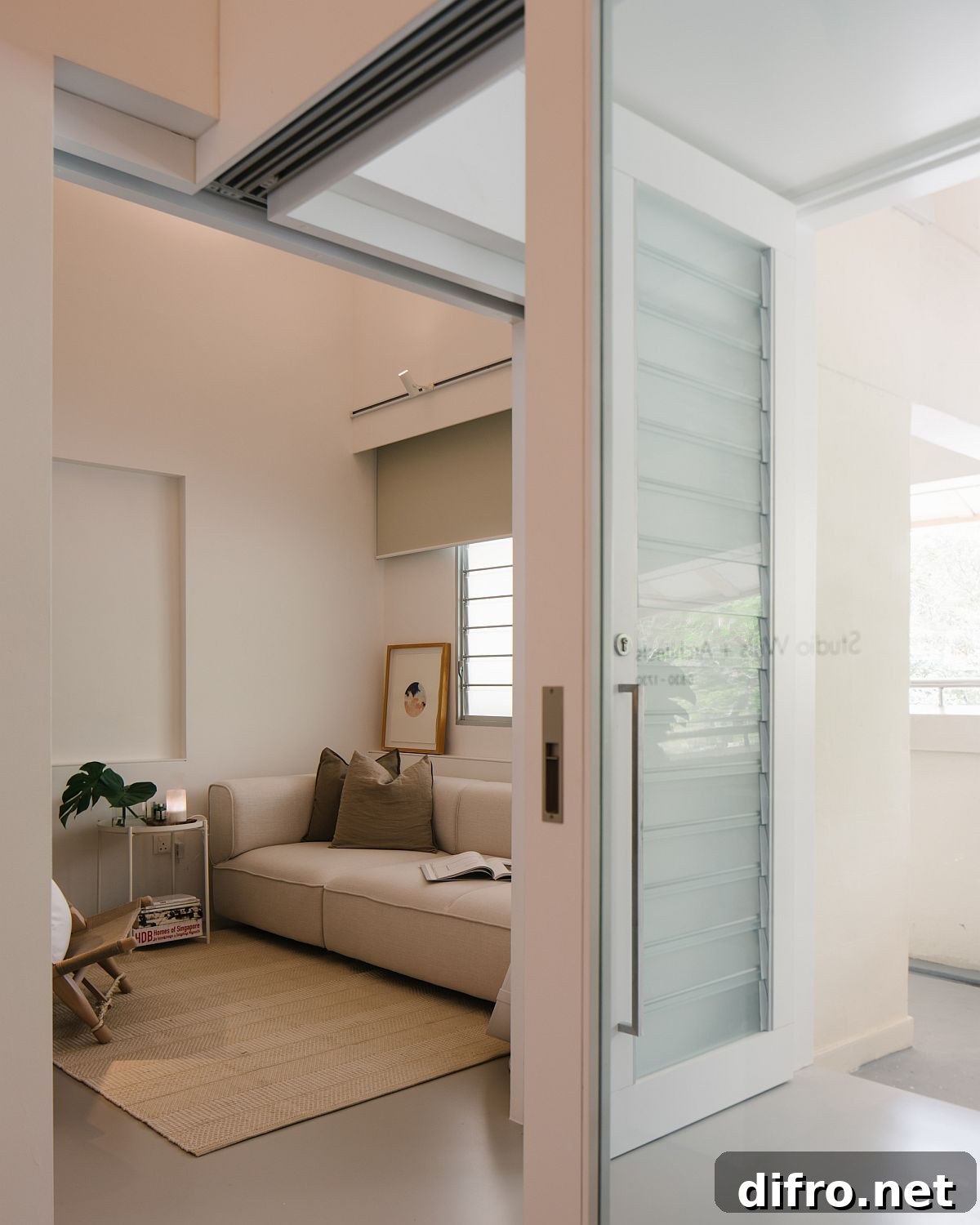
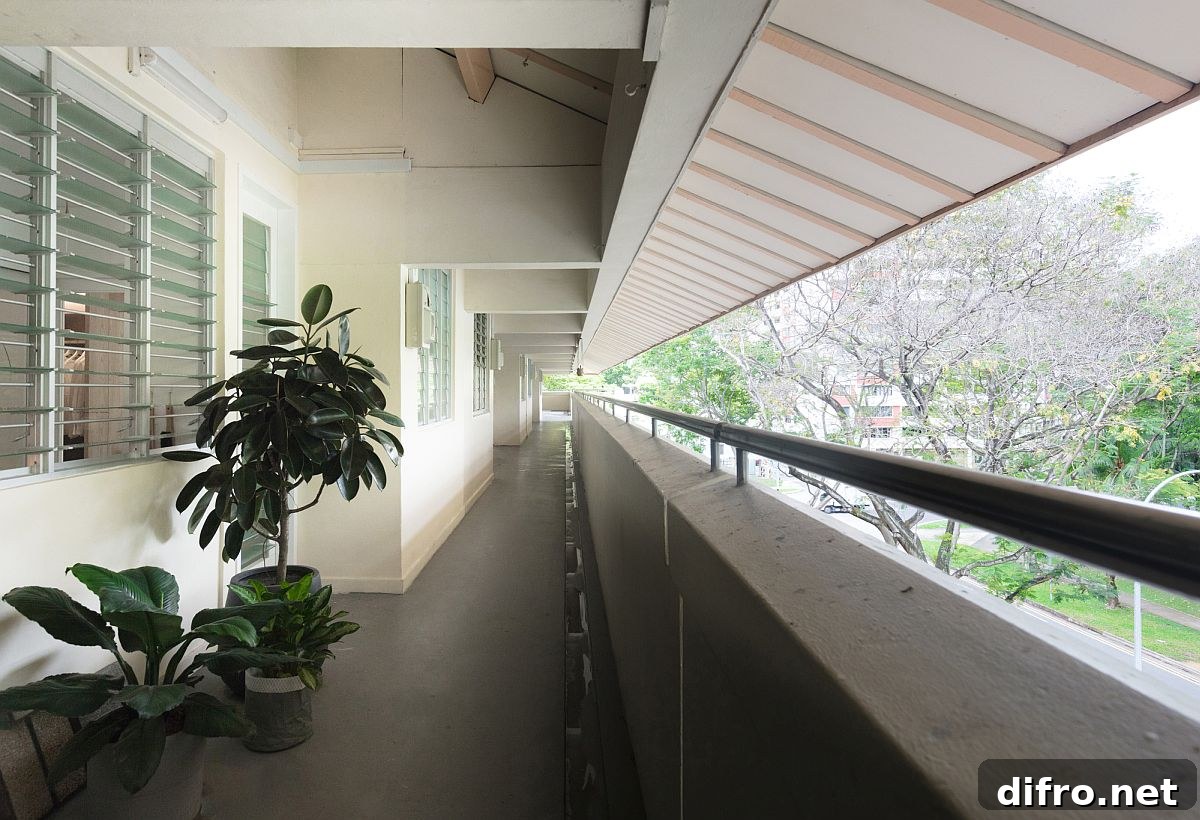
Many HDB units open onto shared corridors that were once vibrant social spaces. Over time, changing lifestyles and a greater emphasis on privacy have altered how residents use those corridors; curtains are often left drawn to create a sense of seclusion. PROJECT#13 addresses this shift by reconnecting the home’s interior with its residents’ needs for both privacy and sociability. The design carefully balances openness with screening, allowing natural light to penetrate while protecting occupants’ comfort.
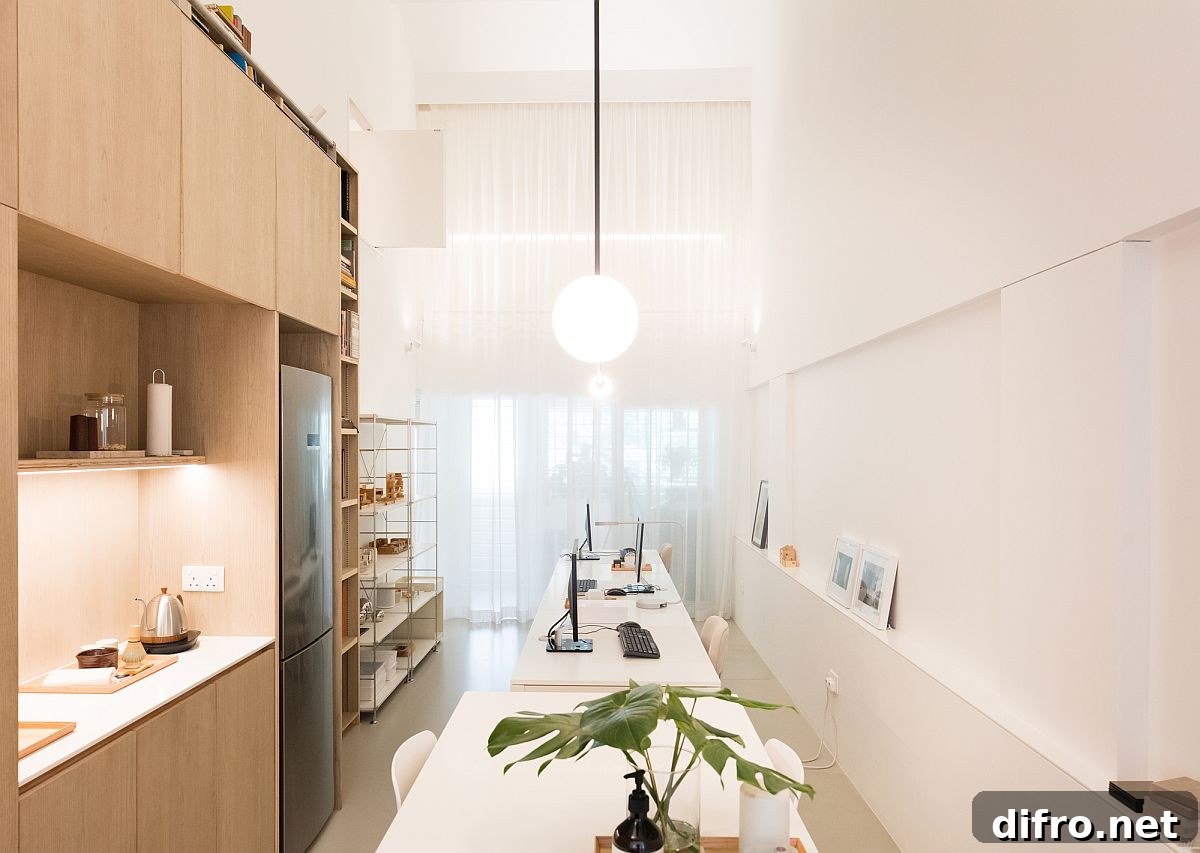
“Nested in a public housing block served by common corridors, such corridors were originally envisioned as social interaction spaces. However, over time many units facing these corridors were observed to have their curtains permanently drawn over its windows as a result of the changing behavioral patterns with increased need for privacy of its occupants.”
The loft bed is a defining feature of the apartment. By elevating the sleeping area, the design frees up valuable floor plan for living and working below, creating a compact but comfortable environment where each zone retains a clear purpose. The loft’s simple, elegant form becomes a visual anchor that complements the timber cabinetry and warm accents found throughout the flat.
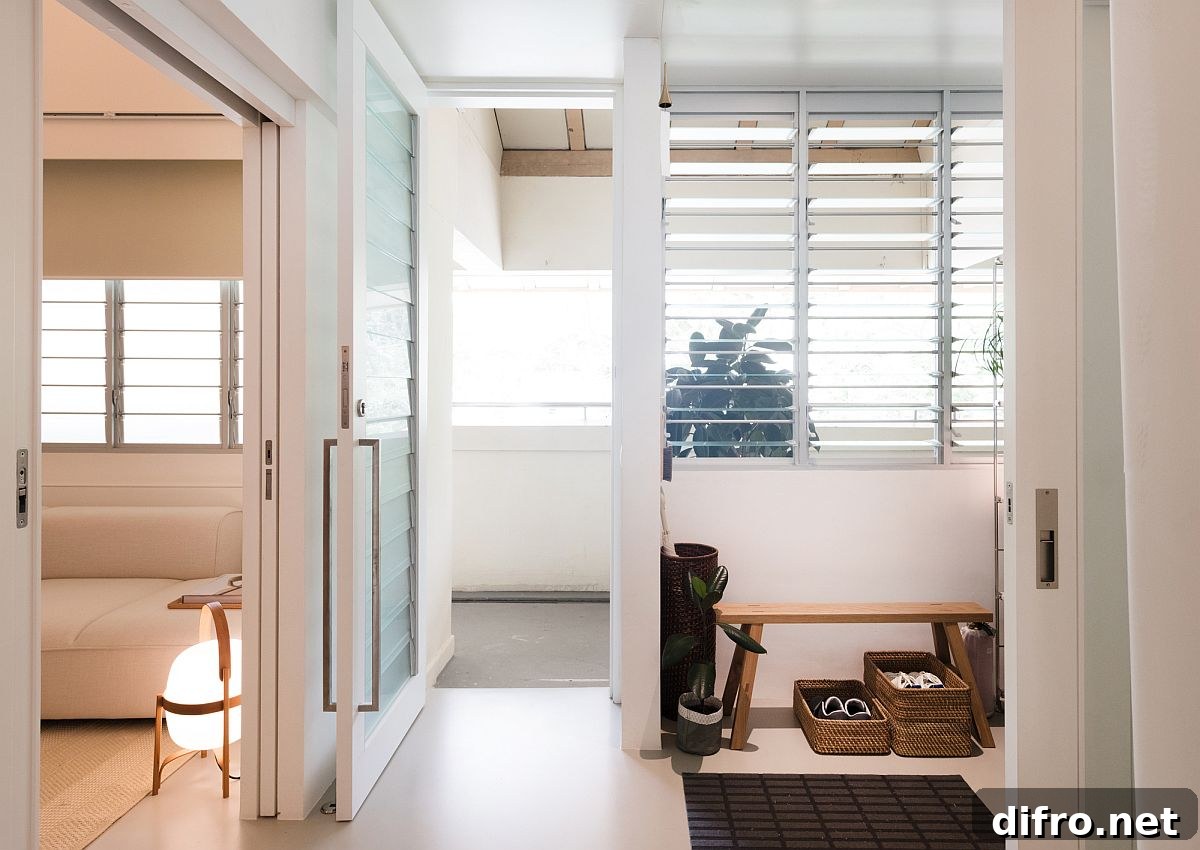
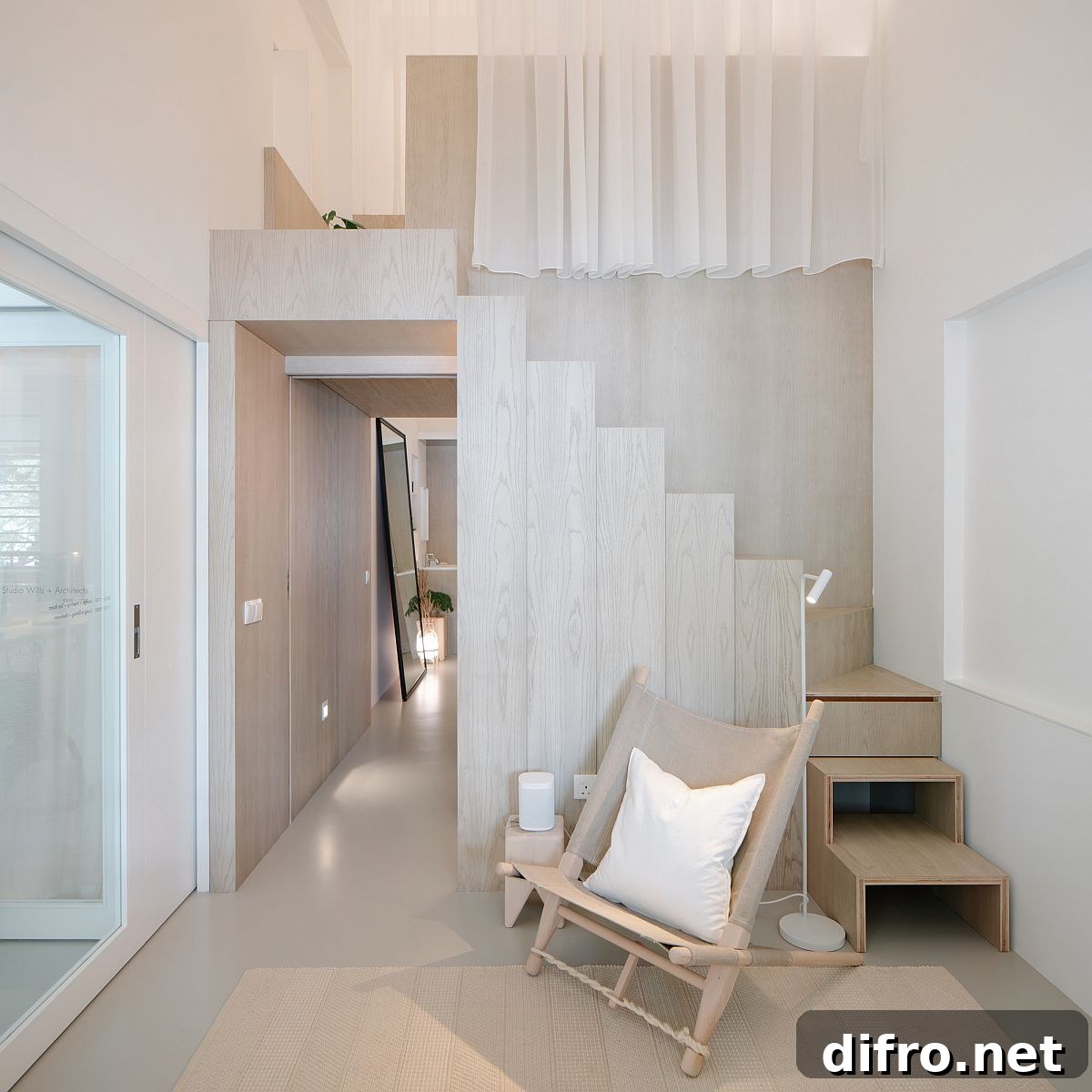
Throughout the project, the approach remains pragmatic and restrained: maximise daylight, simplify finishes, and integrate storage to avoid visual clutter. The result is an HDB flat that feels larger than its footprint, supporting a modern hybrid lifestyle where work and home coexist with minimal compromise. PROJECT#13 demonstrates how thoughtful interventions, careful material choices and compact, multi-use furniture can revitalise small urban homes, making them both functional and appealing.
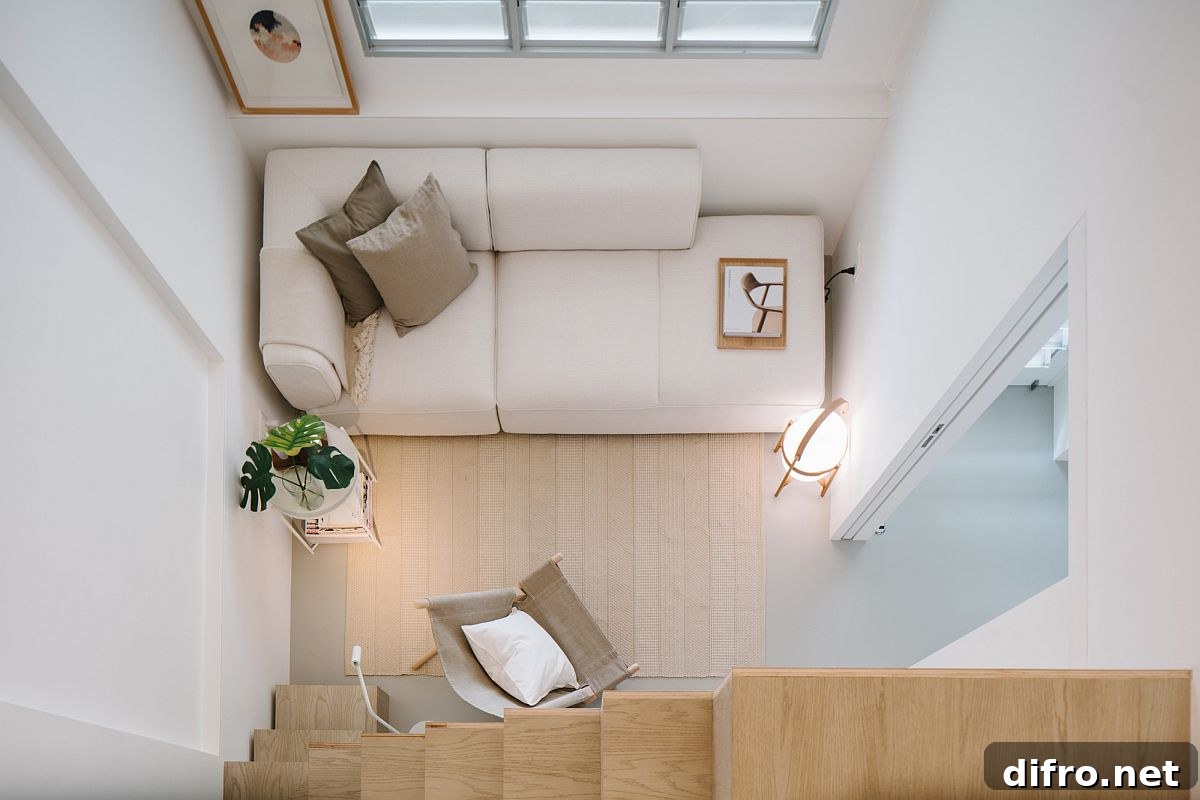
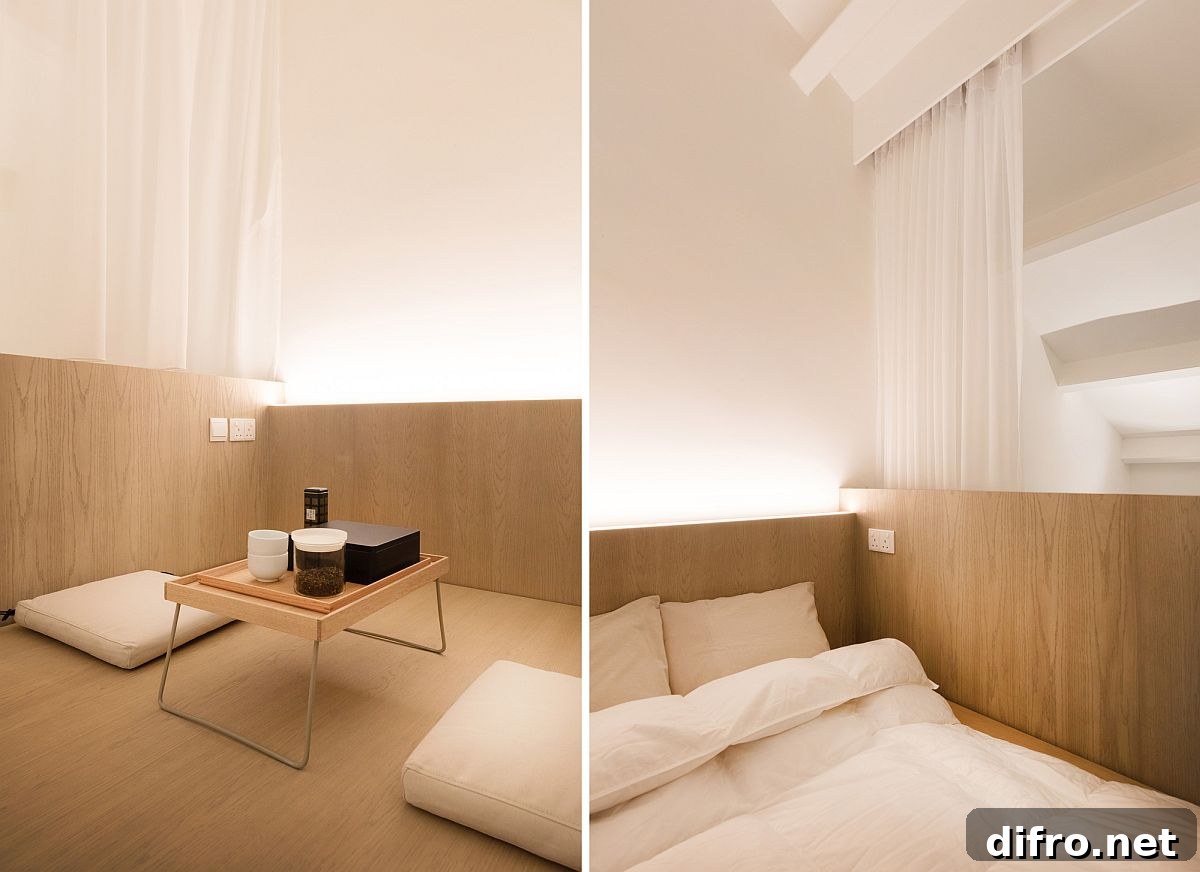
PROJECT#13 is a contemporary example of how small HDB units can be adapted to new living patterns. The architects from Studio Wills + Architects worked with carefully selected finishes and custom joinery to create a flexible, private and light-filled home that doubles as an office. Photography credits: Khoo Guo Jie, Finbarr Fallon.