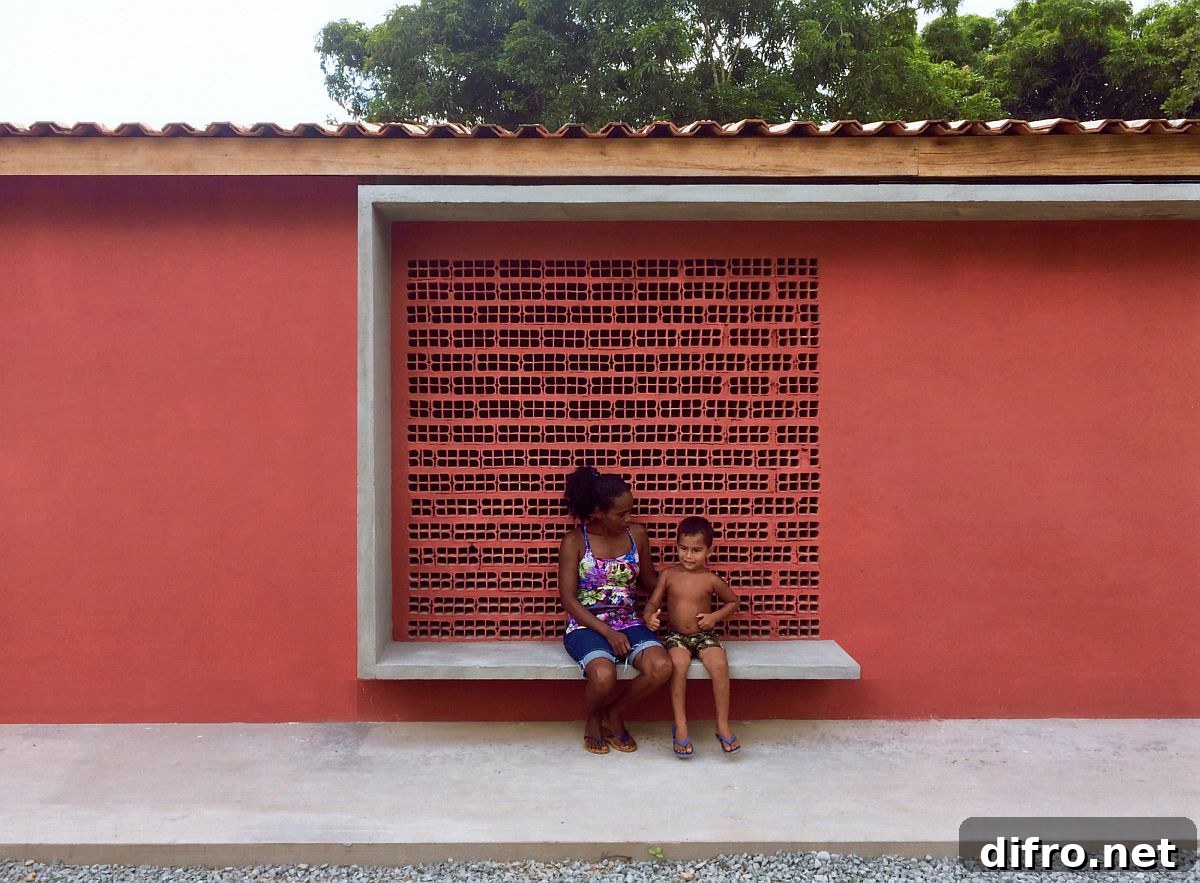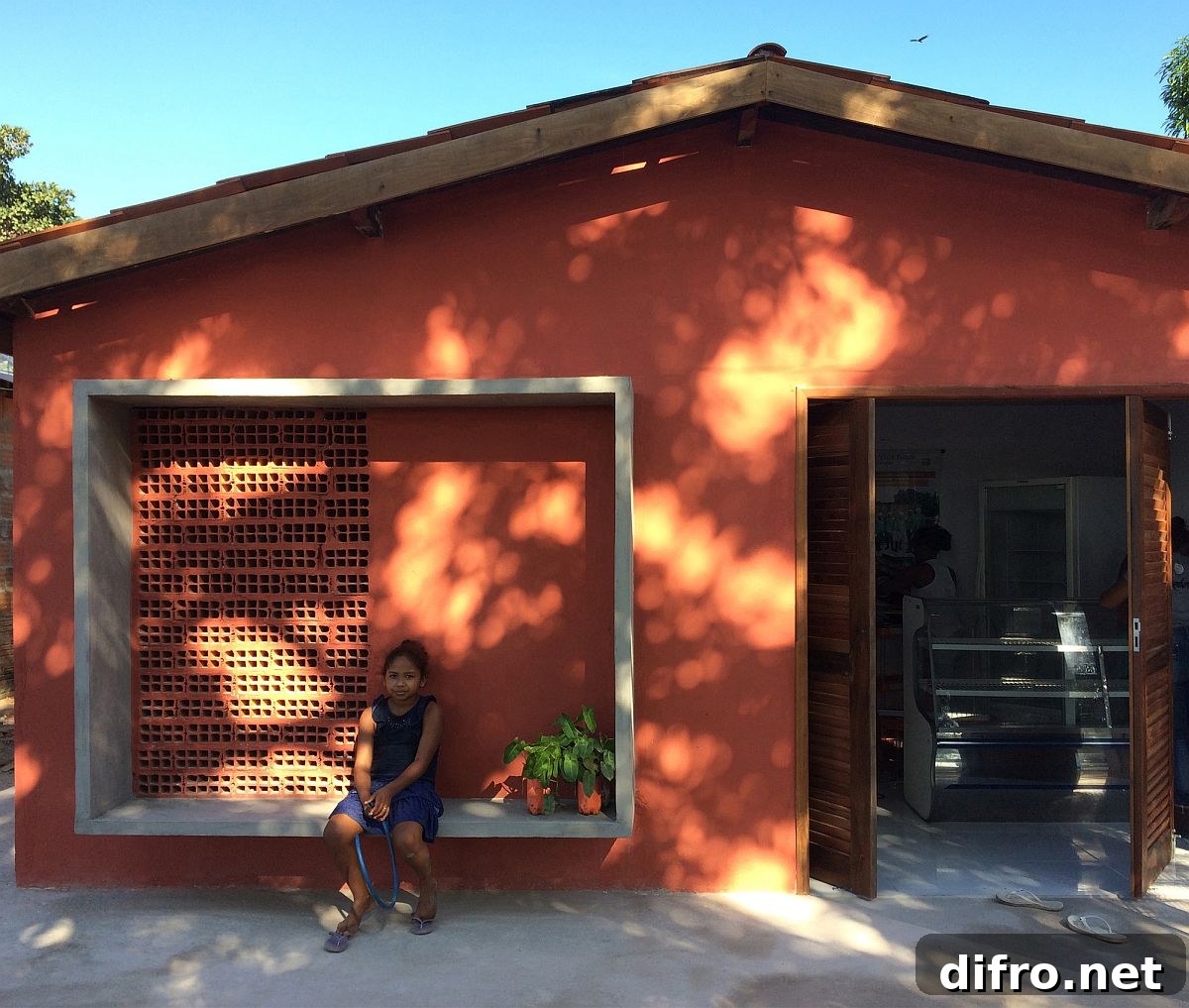
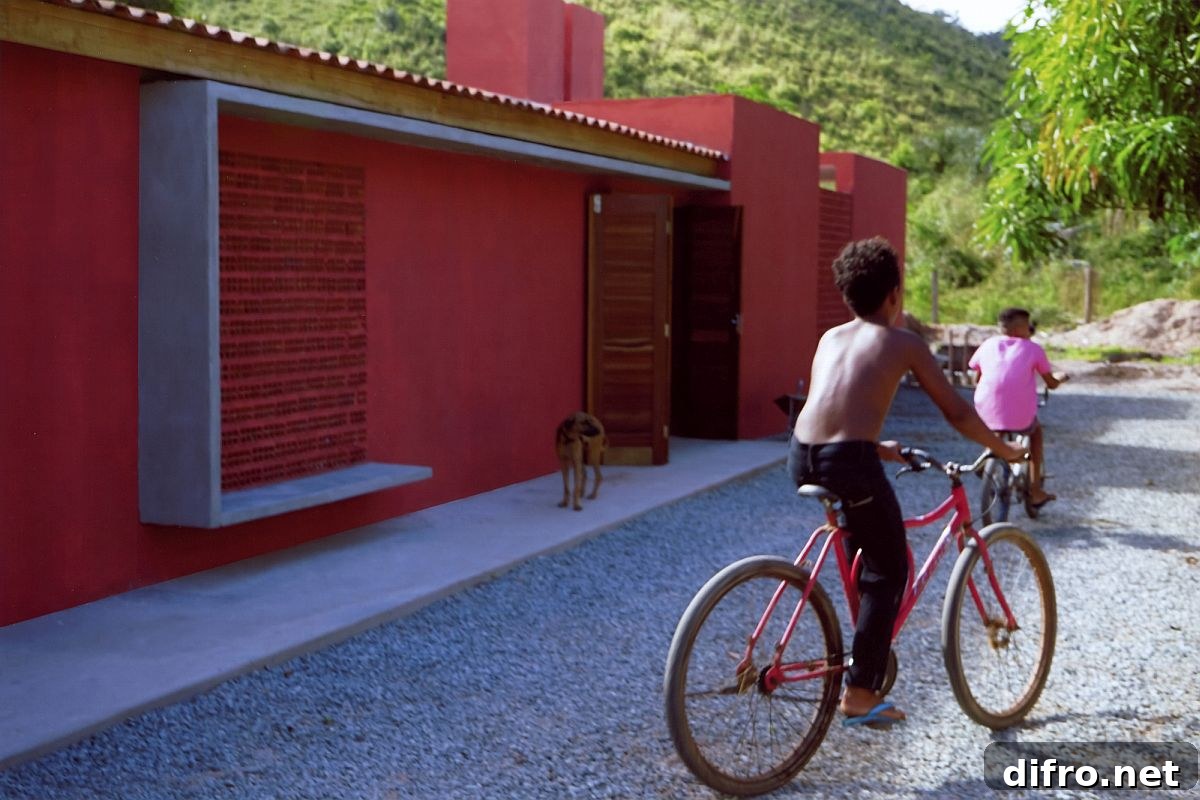
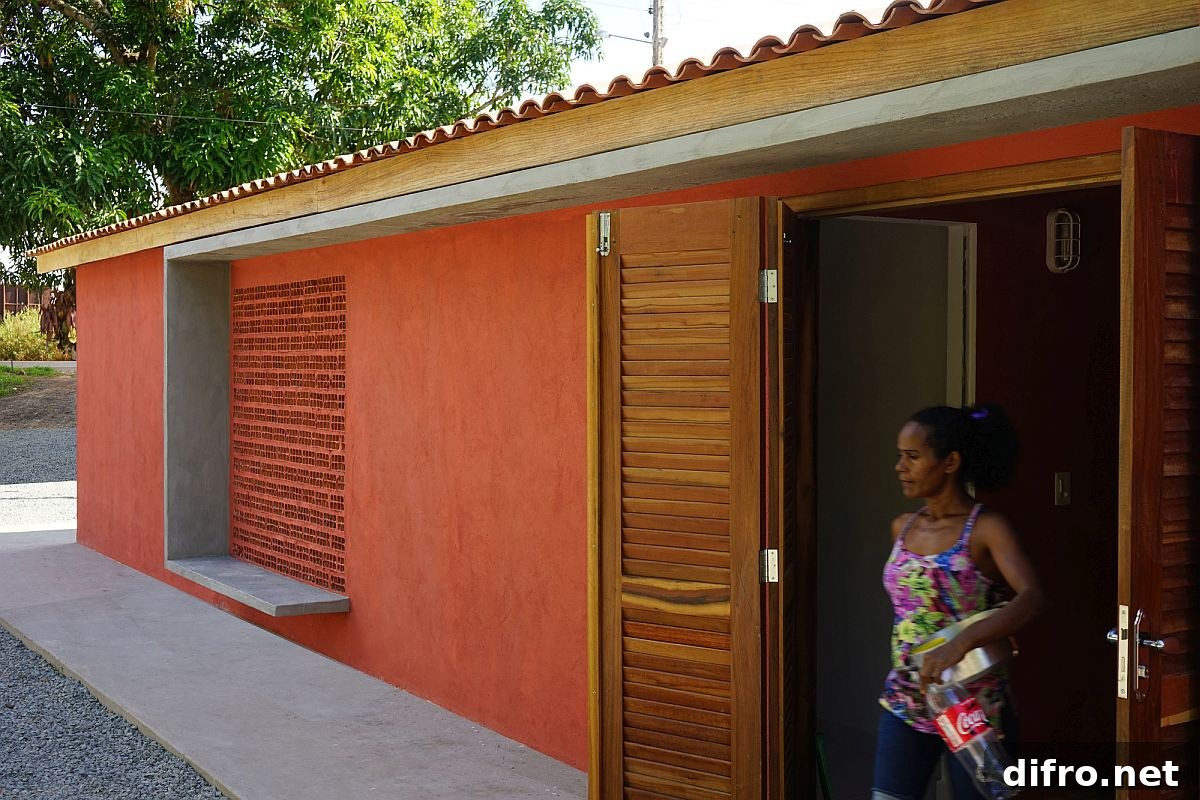
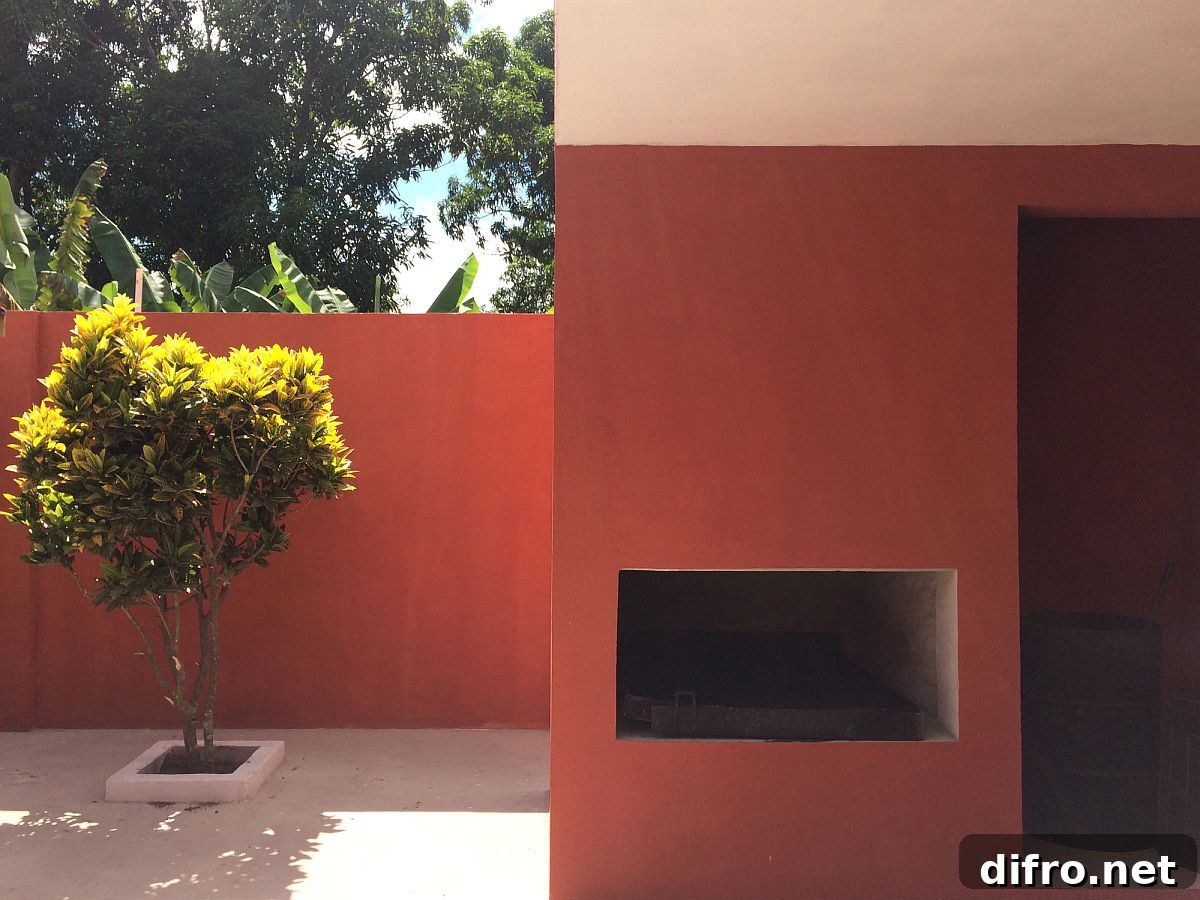
Adaptive reuse projects usually convert factories or commercial spaces into housing, but the Castanhas de Caju Extension, designed by Estudio Flume in Brazil, takes a different route. Here, an abandoned traditional house was reinvented as the headquarters for a cooperative of coconut producers, creating a modest yet striking social hub that supports the local community. The building’s bold red exterior immediately distinguishes it from its surroundings; it combines perforated and hollow ceramic bricks, ceramic tiles, timber doors and shutters, and careful passive strategies to form a cost-effective, durable and attractive community facility.
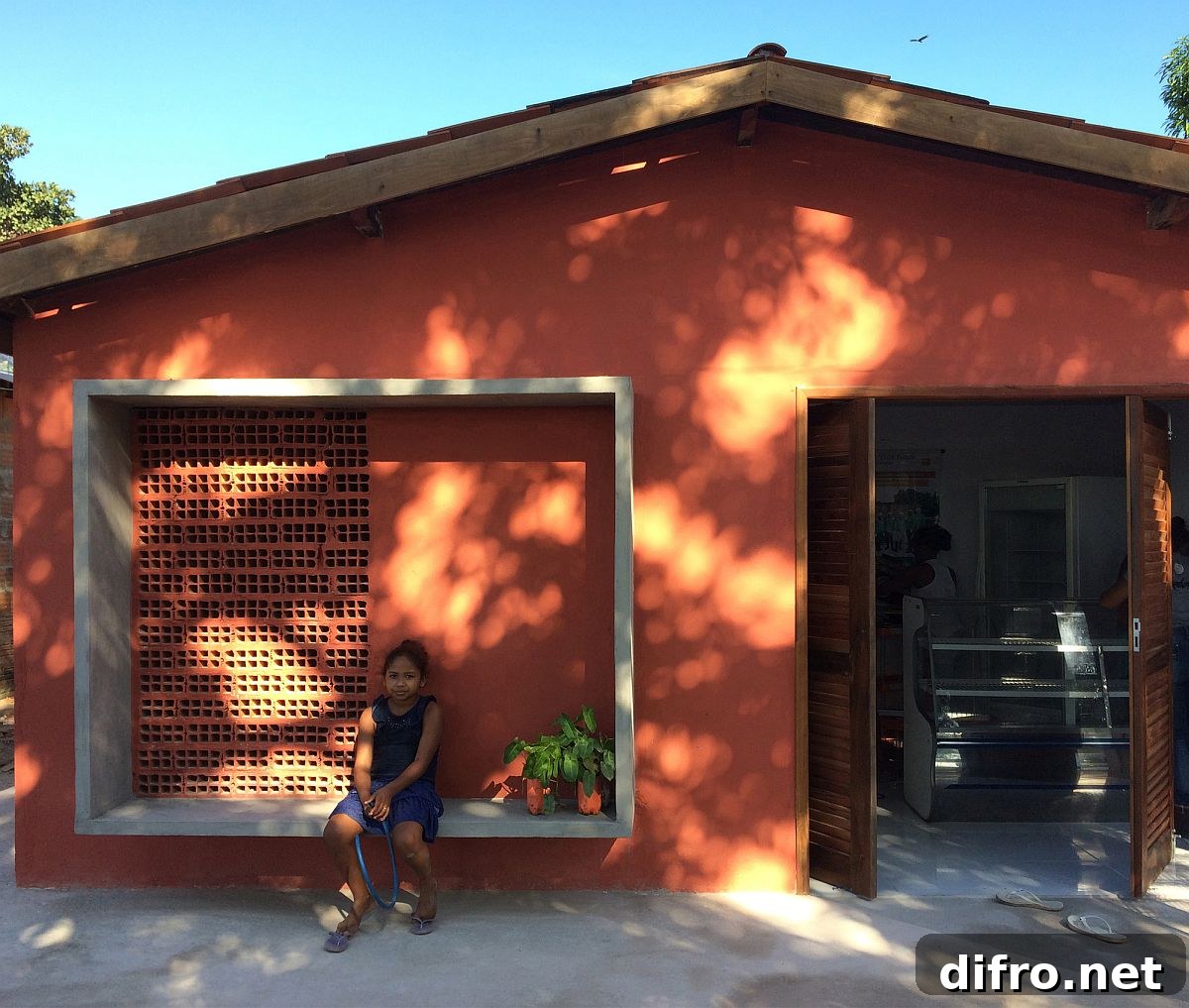
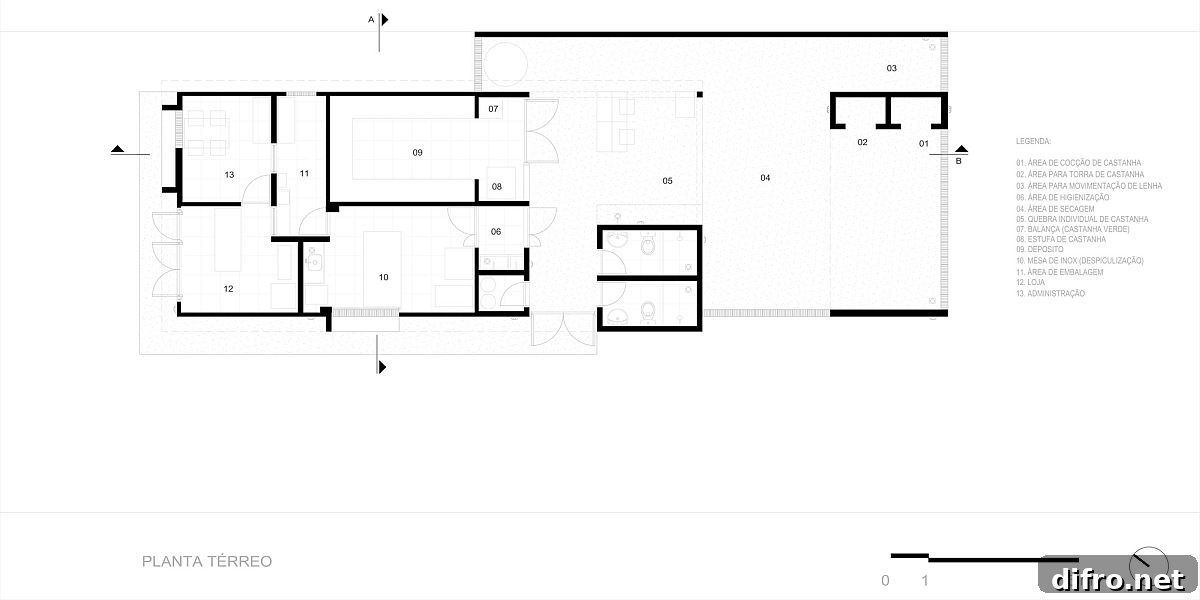
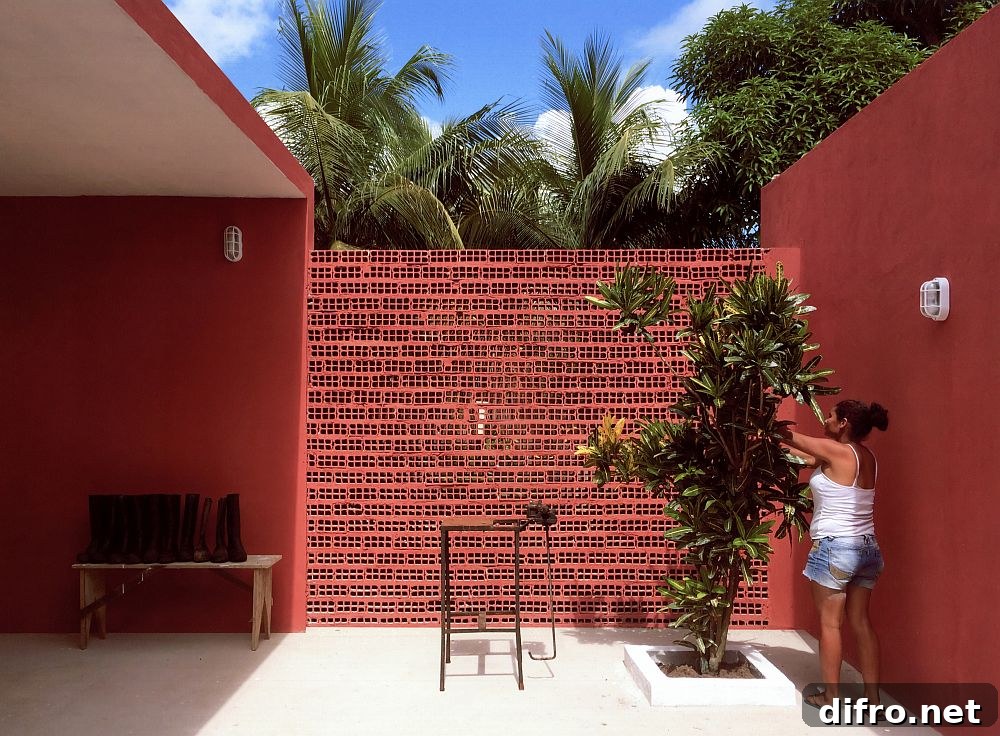
What makes this conversion notable is how the architects balanced budget constraints with functional quality. The project prioritizes affordable construction methods and locally available materials while delivering flexible spaces for gatherings, food processing, meetings and social activities. The design stitches together covered outdoor zones and sheltered interior rooms so the cooperative can operate comfortably across seasons, while the open courtyards and perforations in masonry facilitate cross-ventilation and daylighting.
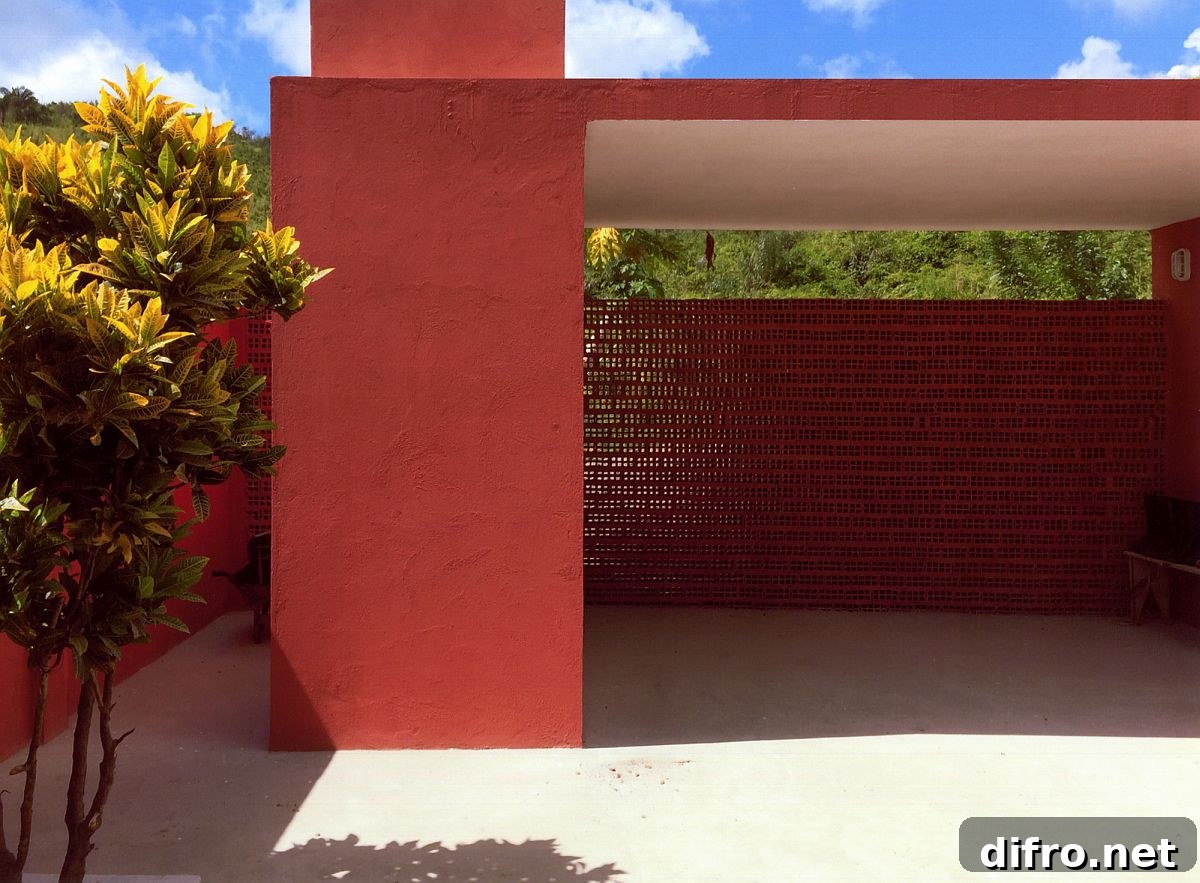
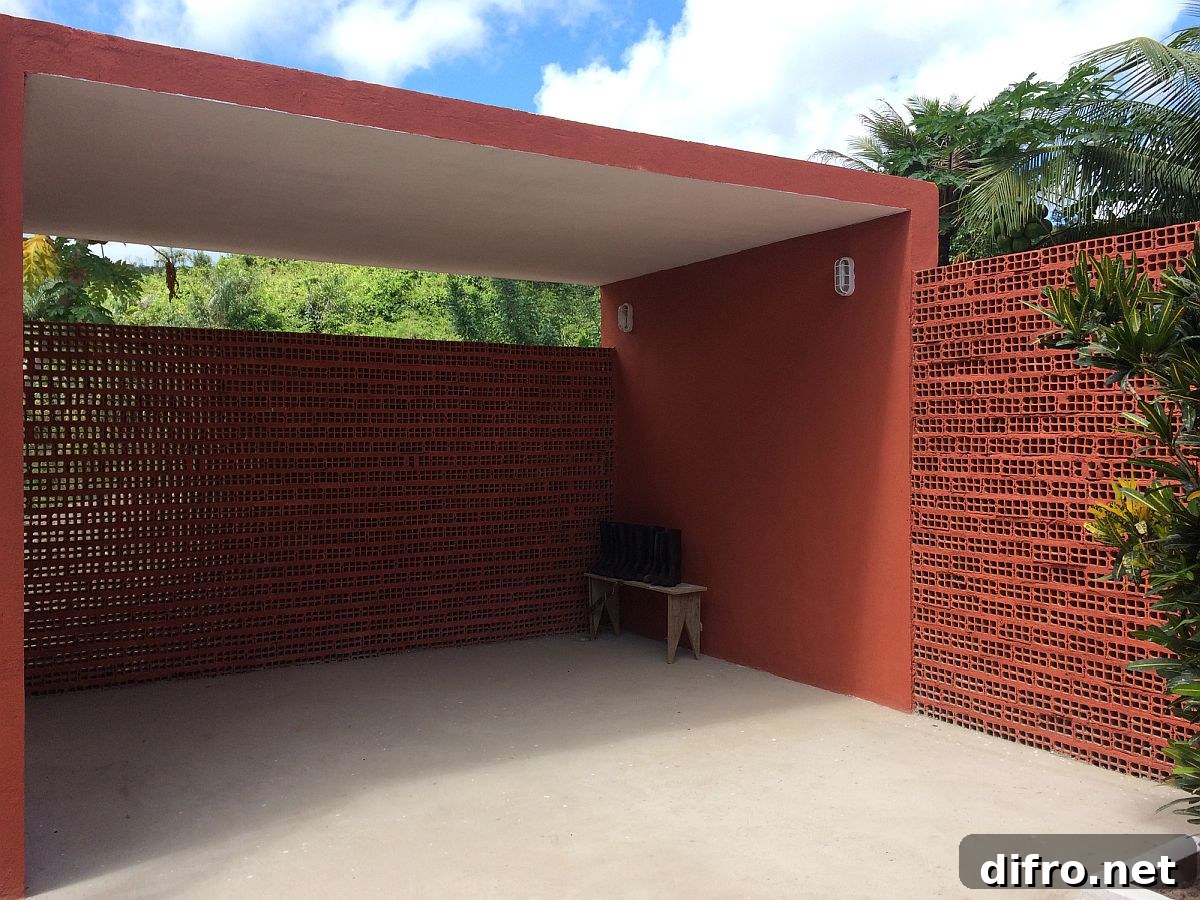
Environmental performance is integral to the scheme. Rainwater harvesting systems, passive cooling strategies and green landscaping reduce operating costs and dependence on external utilities. Hollow ceramic bricks in the courtyard walls and carefully placed openings limit heat gain while admitting soft, diffuse light, improving indoor comfort without relying on mechanical systems. The result is an energy-aware building that keeps maintenance needs low and longevity high—a practical approach for a community organization working with modest resources.
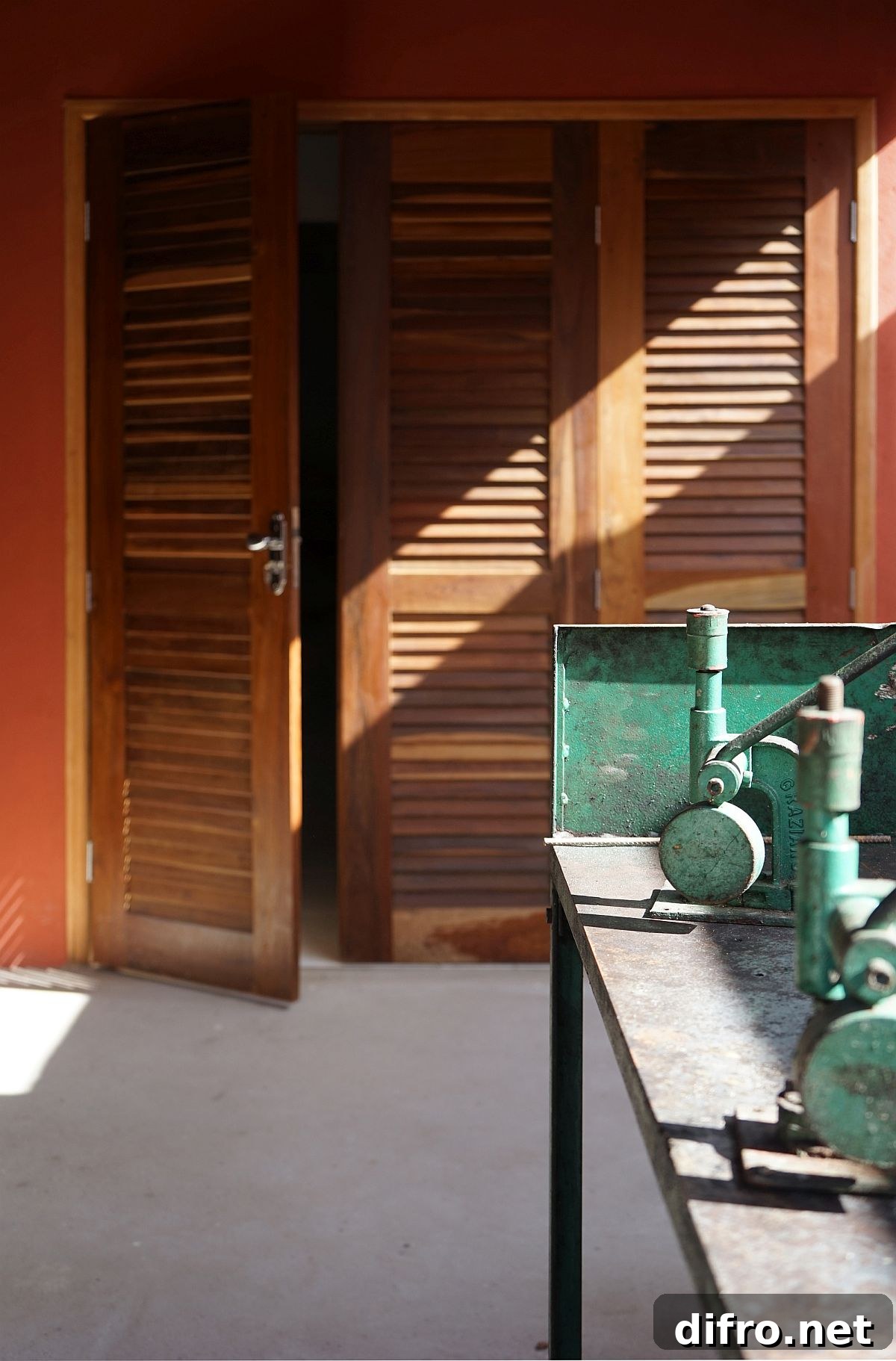
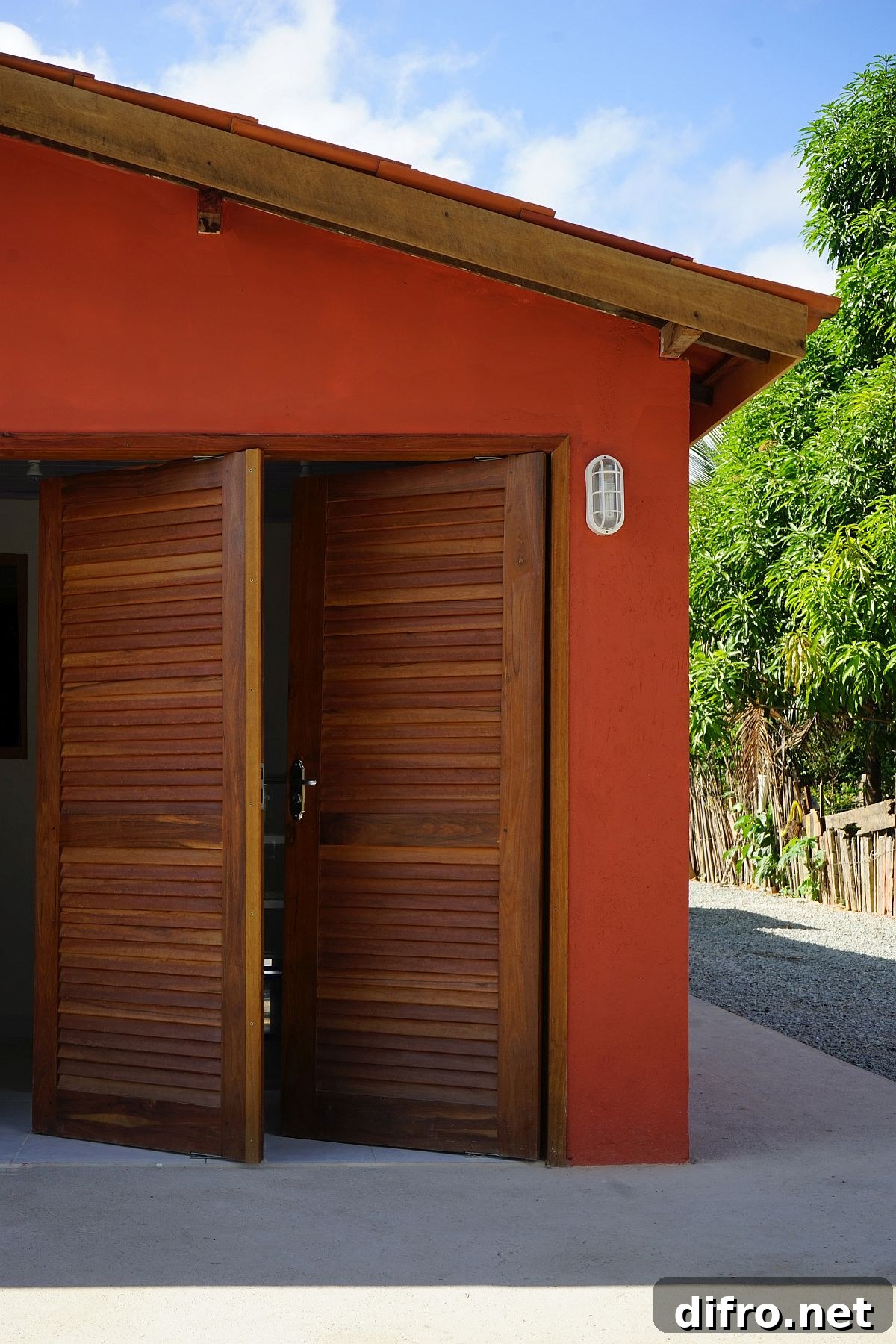
The interior spaces emphasize functionality and community use. Simple glazed finishes and matte surfaces provide a clean, resilient backdrop for daily operations, while wooden shutters and doors add warmth and allow users to control light and ventilation. Covered exterior social zones extend the usable area and create flexible thresholds between indoor and outdoor activities, supporting markets, meetings and food preparation. Throughout the project, the material palette reflects an economical but thoughtful approach—durable finishes, local ceramics and timber details that are both tactile and practical.
Beyond the architectural decisions, this project is explicitly social. By giving the cooperative a permanent, purpose-built space, the design supports local producers—many of whom work on a small scale and depend on secure, dignified places to process and sell food. The building replaces rented facilities and provides a base for training, storage and community activities. Its low running costs and robust, low-maintenance materials make it an appropriate investment for a community-led organization that prioritizes sustainability and resilience.
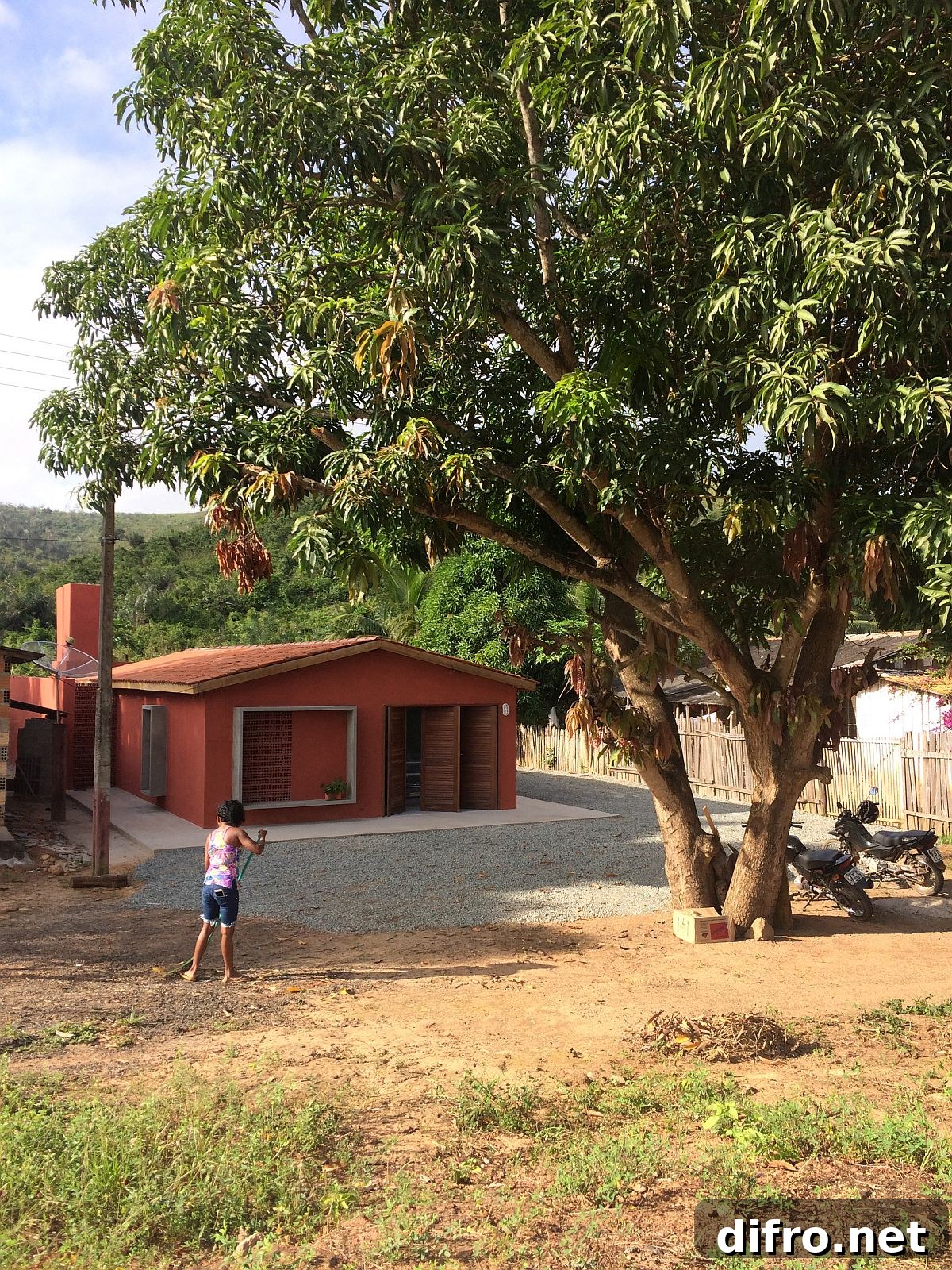
In a country with enormous continental diversity and cultural richness, this project represents the opportunity to defend some sense of social justice, to ensure job security, comfort in the routine of a group of women. This was an opportunity to work with those who produce food on a small scale and with respect for the environment and, in the end, these products are eaten in the big cities. The women’s group worked in a rented space.
Material choices also reinforce the project’s goals. Wooden shutters and earthen finishes give tactile character while shading interiors from direct sun. The reddish ceramic masonry is both a practical thermal solution and a visual identity that binds the building to local craft traditions. Small green pockets around the site add visual contrast and contribute to cooler microclimates. Covered exterior walkways and social areas create transitional zones that encourage community interaction and allow the cooperative to host events or markets without extensive infrastructure.
The Castanhas de Caju Extension demonstrates how modest budgets, appropriate materials and a clear social brief can combine to create architecture that is both practical and meaningful. For communities seeking resilient, low-cost buildings that support local economies and respect environmental limits, this cooperative headquarters offers a straightforward, inspiring example of adaptive reuse focused on people first.