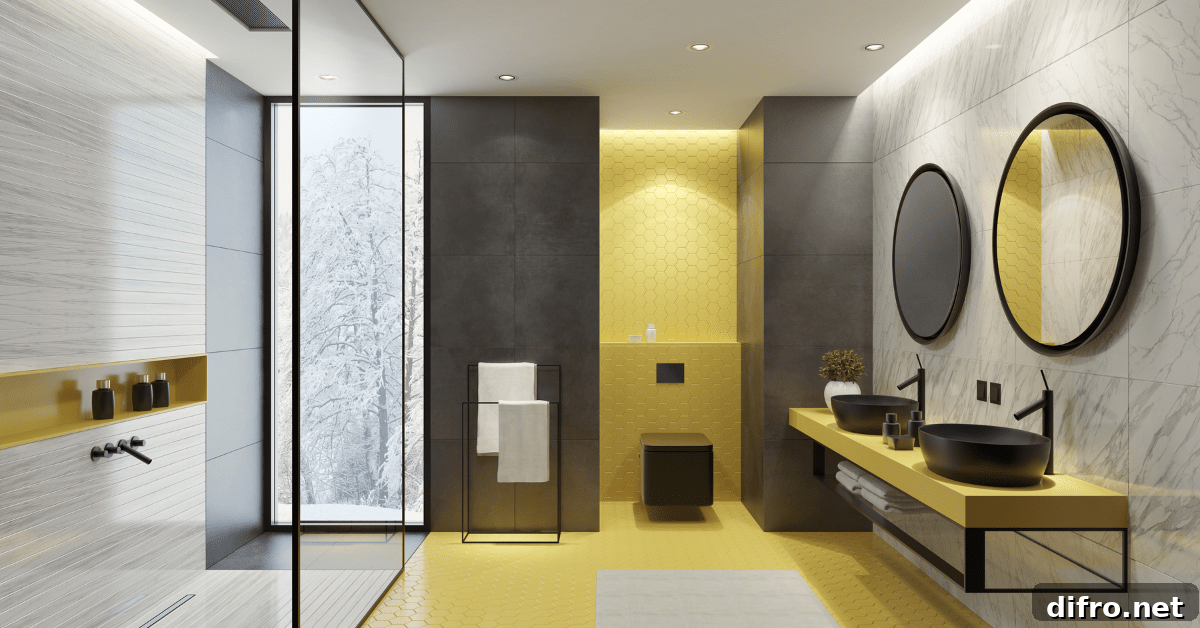
Are you thinking about upgrading your bathroom with a blend of luxury and practical design? A wet room bathroom could be the ideal choice. This guide explains what a wet room is, its advantages, essential planning points, material and fixture recommendations, lighting and ventilation advice, and layout and storage strategies to help you design a durable, attractive space.
Exploring the Concept of Wet Room Bathrooms
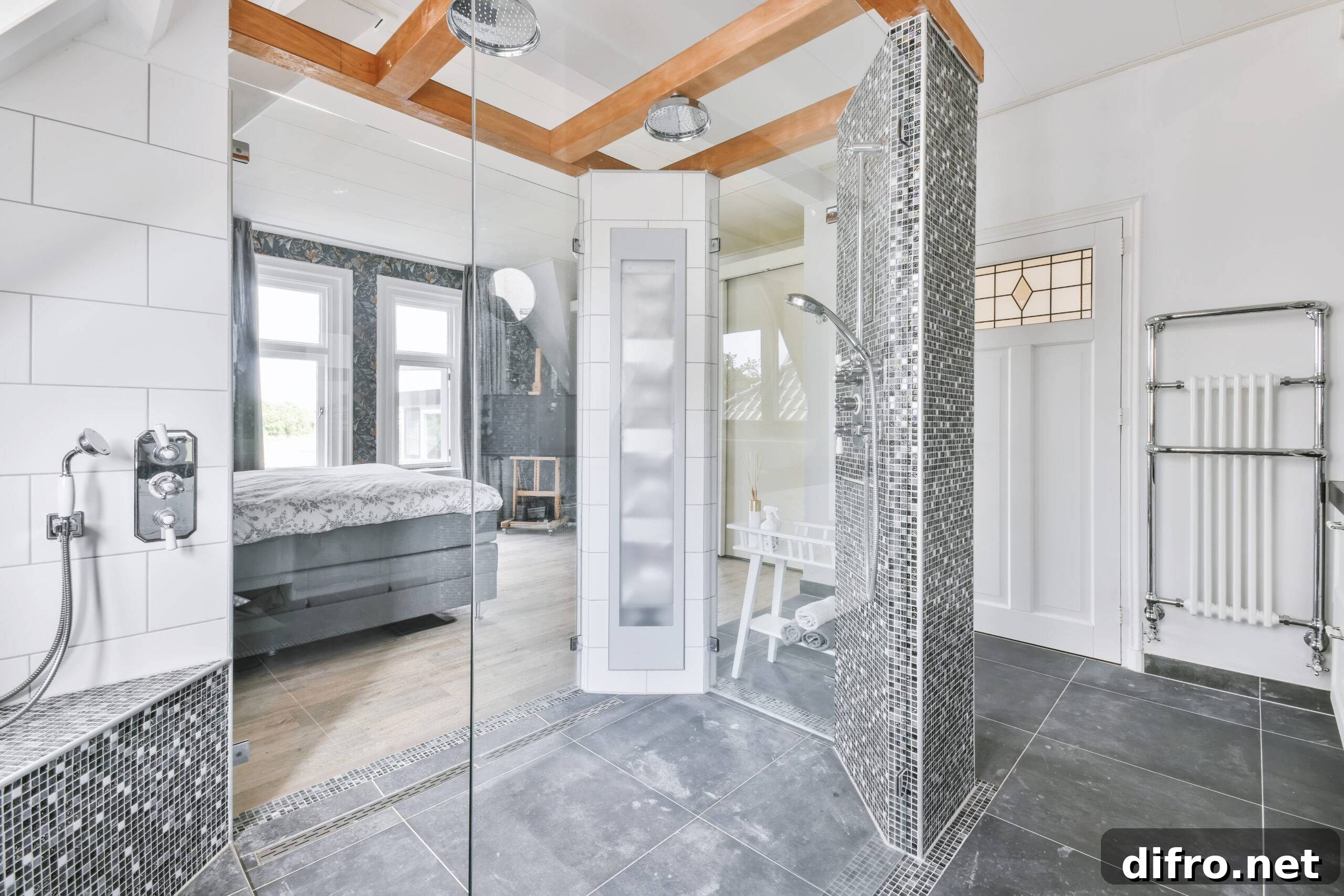
A wet room is a fully waterproofed bathroom in which the shower area is open to the rest of the room rather than contained by a tray or full enclosure. The entire floor and lower walls are designed to cope with water, enabling a seamless, spacious look that can make a small bathroom feel larger and deliver a spa-like showering experience.
Key benefits include improved accessibility, easier cleaning, and a modern, minimalist aesthetic. With no raised shower tray or bulky enclosure, wet rooms are well suited for people with limited mobility and for those seeking flexible, contemporary bathroom designs.
Key Considerations Before Designing a Wet Room Bathroom
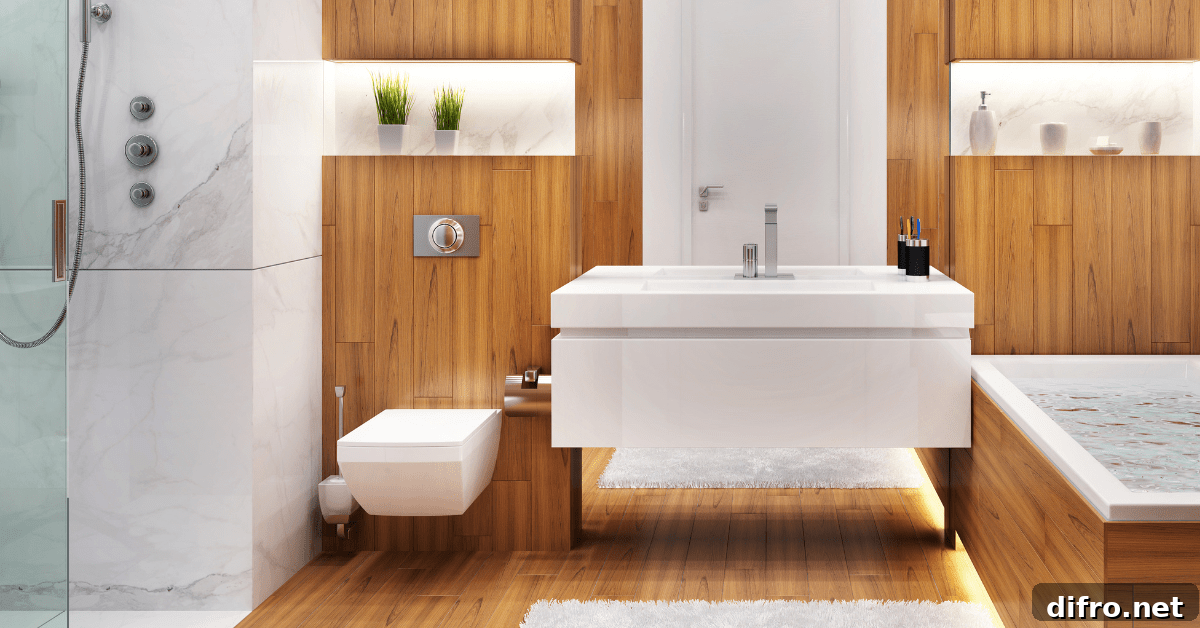
Before you start, evaluate the space, plumbing access, drainage capacity, and structural limitations. Proper waterproofing is essential: membranes, tanking, and correct slope toward the drain ensure longevity. Consider whether the wet room will be part of a renovation or a new build, and plan routing for waste and water supply accordingly.
Location matters: placing a wet room near existing soil stacks or plumbing risers reduces installation complexity and cost. Also think about how the wet room will interact with adjacent rooms—open-plan suites or en-suite bedrooms require careful moisture control and ventilation strategies.
Evolution of Wet Room Bathrooms in Modern Architecture
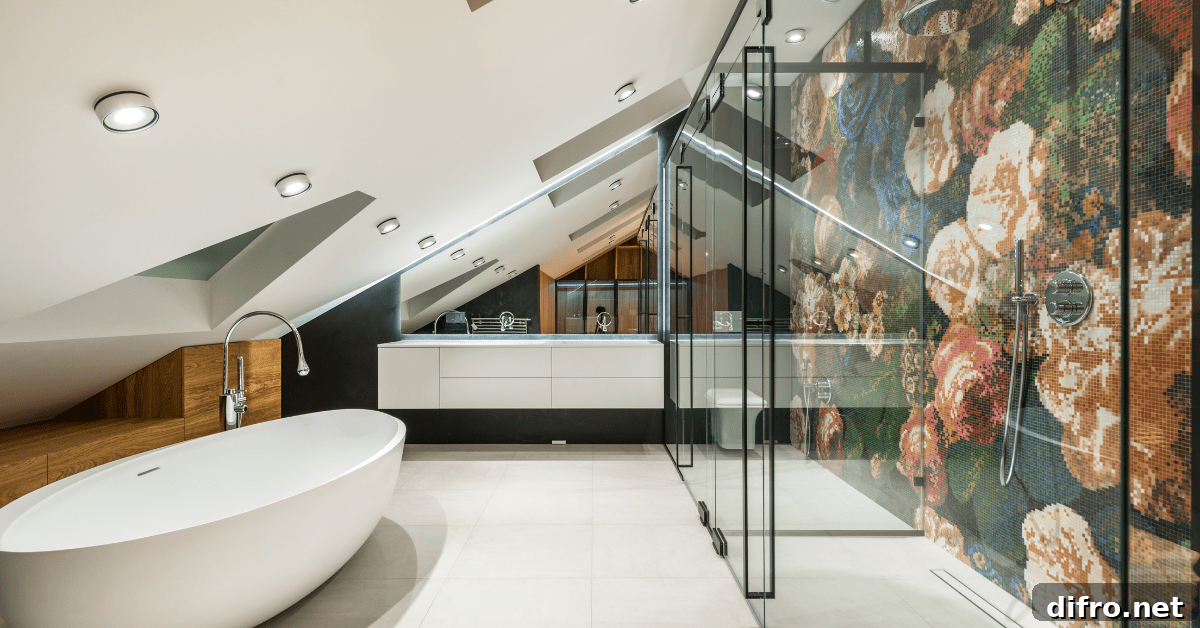
Wet rooms have become a popular feature in contemporary architecture for their clean lines and minimalist appeal. Designers often combine modern materials with natural textures—such as stone accents or timber-look finishes—to create a balance between warmth and sleekness. The flexibility of wet rooms makes them adaptable to a wide range of architectural styles, from compact urban flats to larger master suites.
Selecting Suitable Fixtures and Fittings for a Wet Room Bathroom
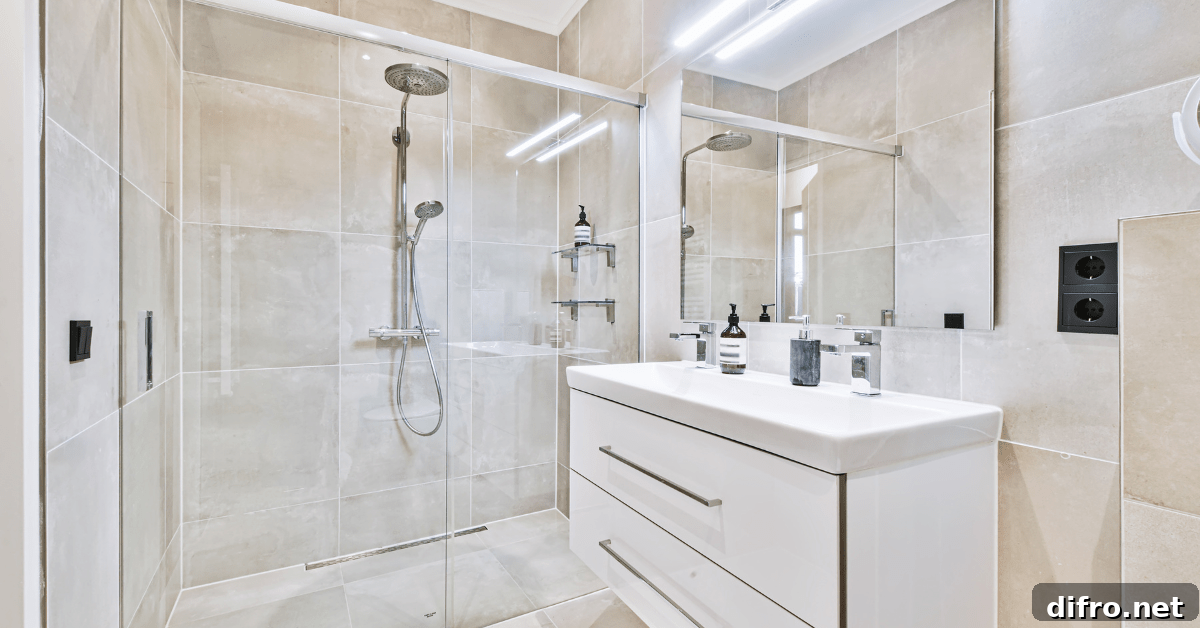
Choose fixtures designed for wet environments: stainless steel or corrosion-resistant metals, quality ceramic or solid-surface basins, and concealed valves with thermostatic controls. A good shower system—rainhead, handheld, or multi-function—will enhance daily use. Prioritize robust finishes and fittings that can withstand constant humidity and regular cleaning.
Space planning is crucial, especially in smaller bathrooms. Position taps, shower controls, and towel rails to maintain clear circulation space and prevent water pooling. Wall-mounted or recessed fittings help keep surfaces clean and maximize usable area.
Exploring Different Layout Options for Wet Room Bathrooms
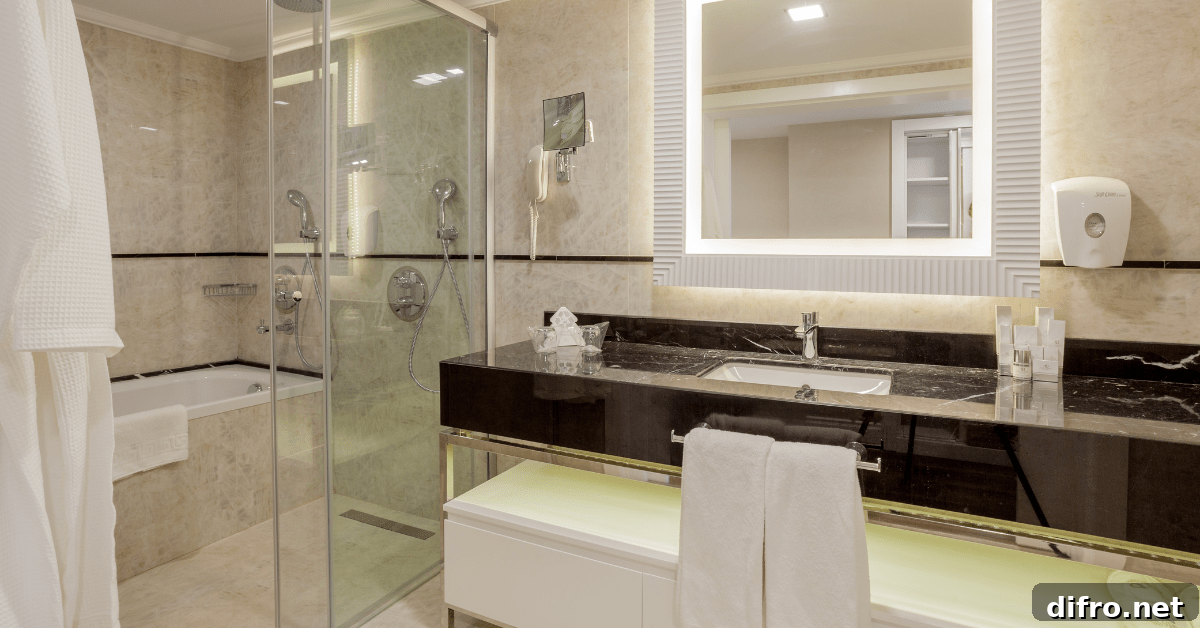
Wet rooms can be configured as compact en-suites, family bathrooms, or large spa-like suites. Common layouts include a dedicated wet zone with a linear or point drain, or a full-room wet floor with gentle falls toward a discreet drain channel. For accessibility, plan for level thresholds, grab bars, non-slip surfaces, and space for turning a mobility aid if required.
Selecting Durable and Waterproof Materials for Wet Room Bathrooms
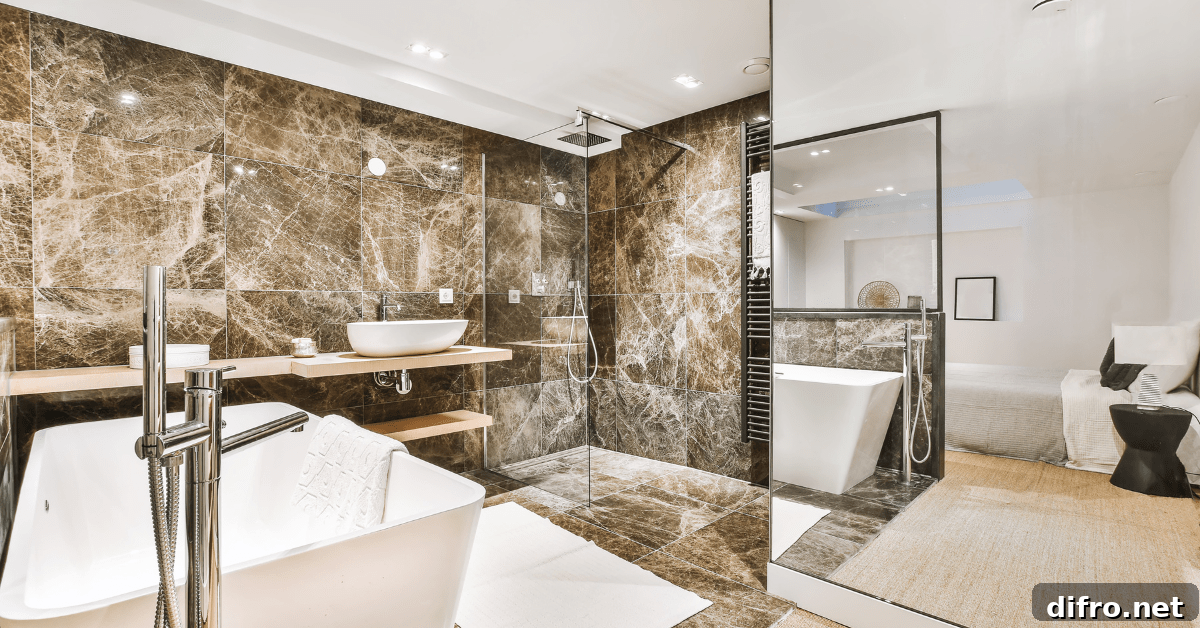
Durability and waterproofing should guide material choices. Porcelain and large-format tiles, natural stone sealed appropriately, and waterproof engineered boards are reliable. Avoid low-grade materials that may delaminate or stain when exposed to constant moisture. Proper substrate preparation and high-quality tanking membranes are as important as the visible finishes.
Incorporating Low-Maintenance Materials and Features
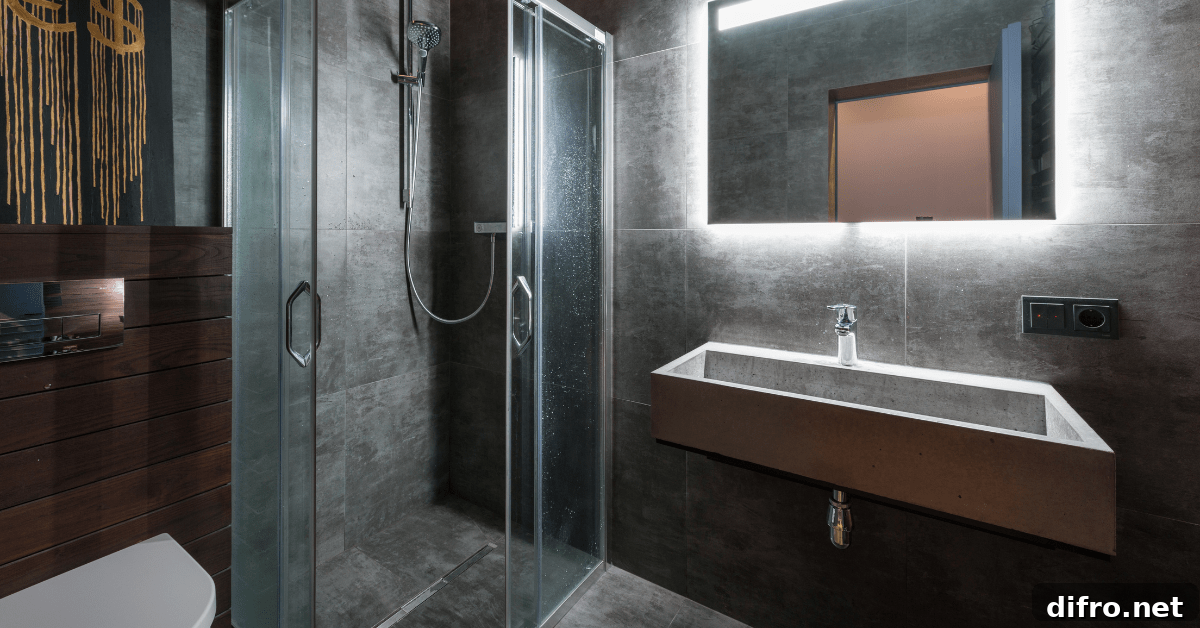
Choose finishes that are easy to clean and maintain: glass treated with repellents, quartz or solid-surface countertops, and brushed or stainless hardware that hide water spots. Proper ventilation—an extractor fan with sufficient capacity, and where possible an operable window—prevents condensation build-up and helps protect finishes over time.
Understanding the Importance of Adequate Lighting in Wet Room Bathrooms
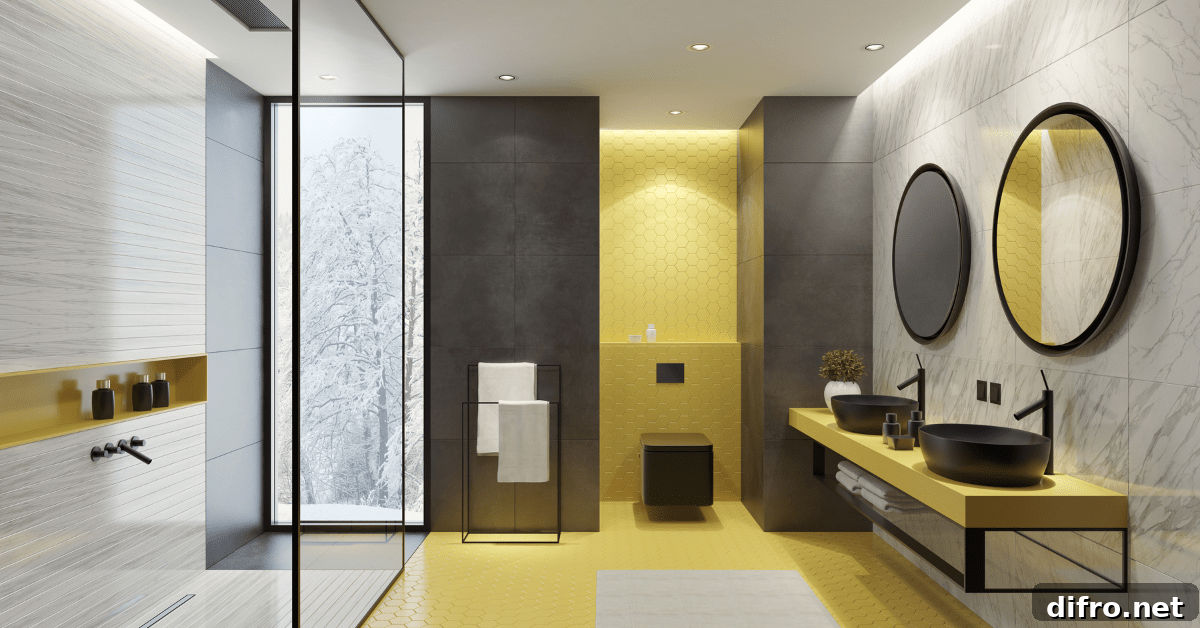
Good lighting improves safety and atmosphere. Maximize natural light with windows or skylights where practical, and supplement with waterproof, IP-rated downlights and task lighting around mirrors. Layered lighting—ambient, task, and accent—creates a flexible scheme that supports grooming, relaxation, and safety.
Choosing the Right Shower and Fixtures
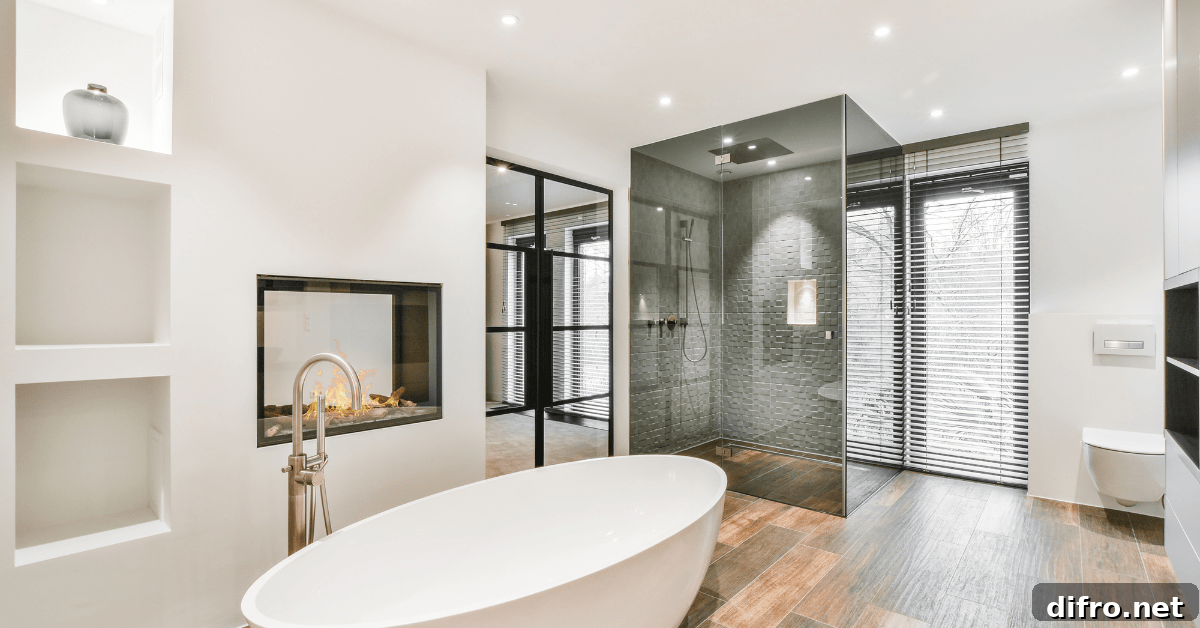
The shower is the centerpiece. Consider rainheads for a luxurious flow, handhelds for flexibility, and thermostatic valves for stable temperature control. Drain selection—linear channel drains or discreet point drains—affects floor gradient and overall aesthetic, so choose a system that suits your layout and maintenance preferences.
Incorporating Storage Solutions in Wet Room Bathrooms
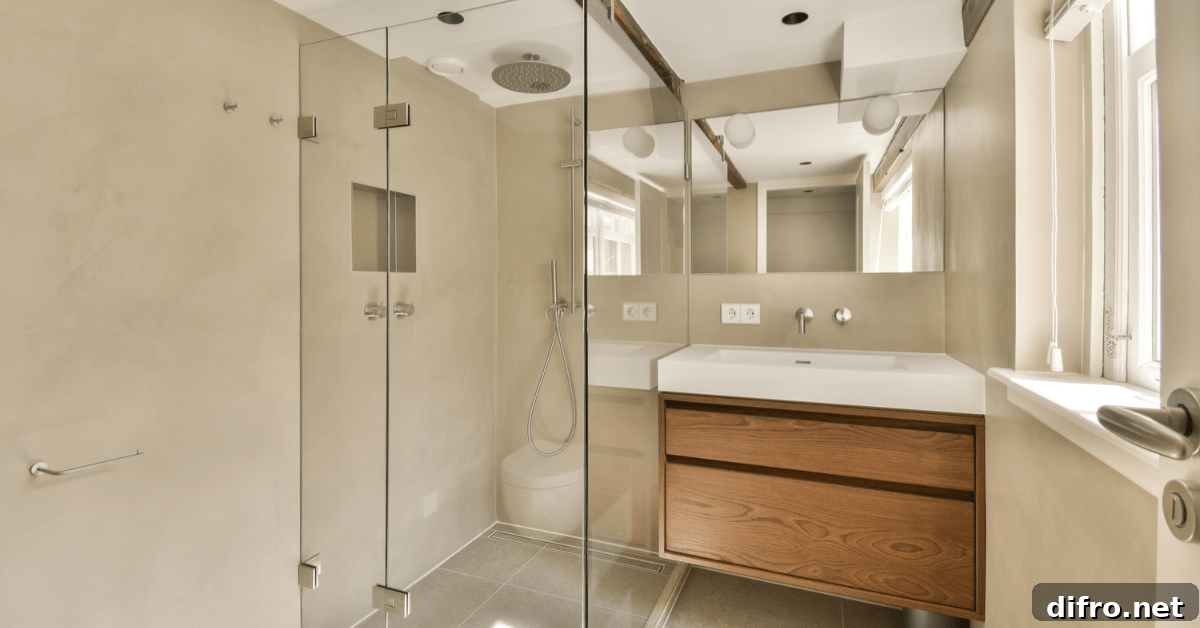
Open wet-room layouts benefit from discreet storage: recessed niches in shower walls, built-in shelves, and concealed vanity drawers keep toiletries tidy and dry. Waterproof cabinetry and raised storage units protect contents from moisture while maintaining a streamlined look.
Selecting the Right Flooring for Your Wet Room Bathroom
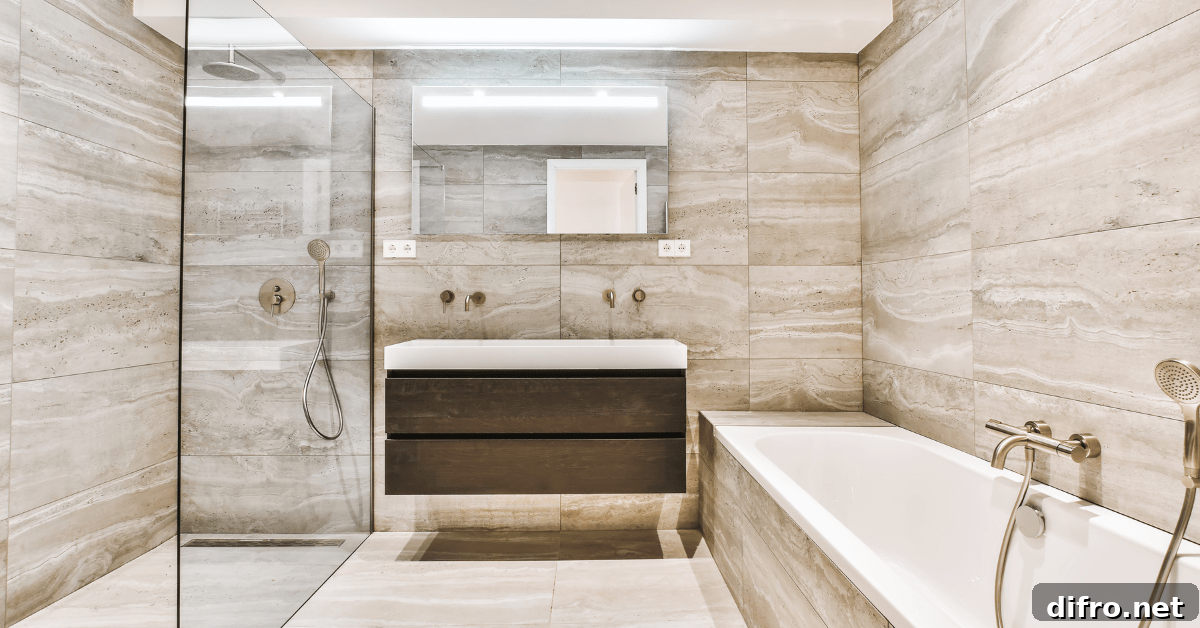
Waterproof, slip-resistant flooring is essential. Porcelain tiles, textured vinyl, and treated concrete are common choices. When installing tiles, ensure adequate grout sealing and a correct fall to the drainage point to avoid pooling. The flooring finish also sets the room’s tone—from cool, contemporary tiles to warm wood-look porcelain.
Related Articles:
- Pure Elegance: Fall In Love With Marble Bathrooms
- 30 Basement Bathroom Ideas To Help You Plan and Design
- 43 Walk-In Shower Ideas To Upgrade Your Bathroom
With careful planning, the right materials, and attention to drainage, ventilation, and lighting, a wet room bathroom can deliver a stylish, low-maintenance, and highly functional space. Whether you want an accessible en-suite or a luxurious master suite, wet rooms offer flexibility and timeless appeal when executed correctly.