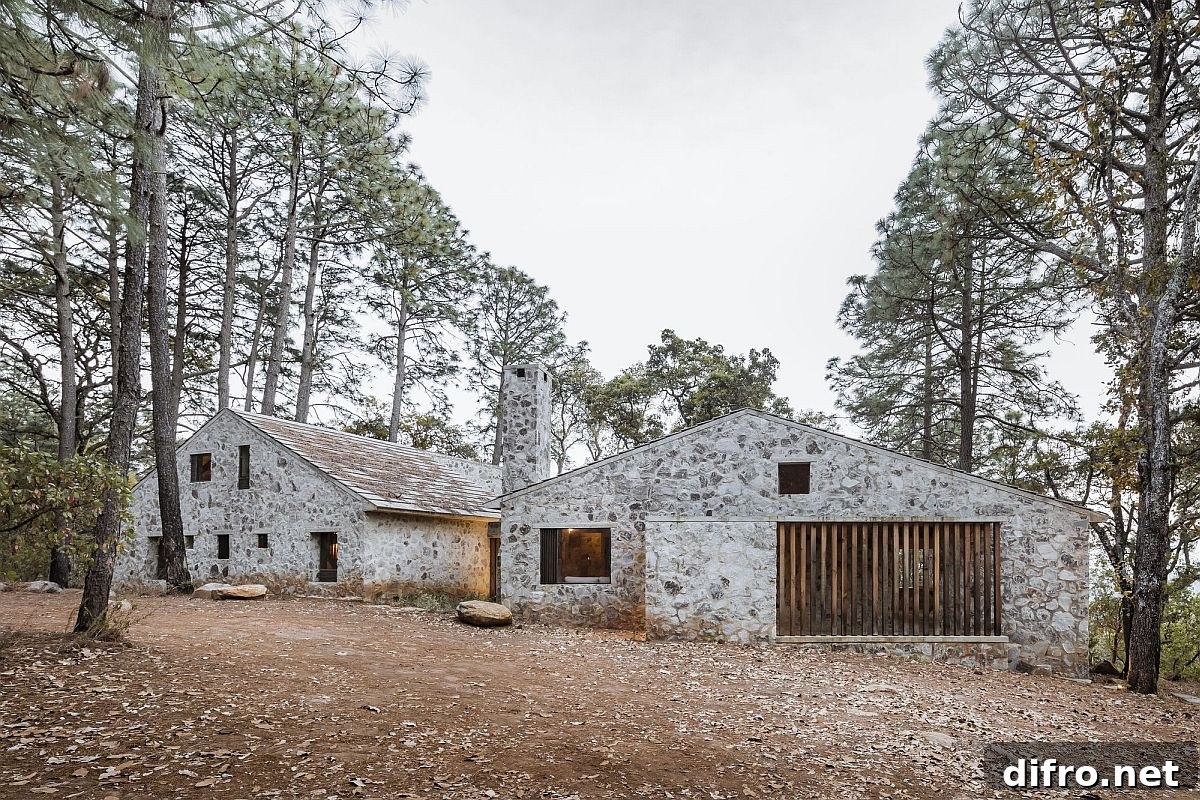
When life feels hectic and noisy, many people look for calm, uncomplicated spaces that reconnect them with nature. Organic finishes, local materials and vernacular design are increasingly popular for that reason: they offer a quieter, more grounded way of living. The DSA Development by CoA arquitectura in San Antonio, Mexico, is a graceful example of this approach — a small cluster of cabins that blends natural materials, restrained design and comfortable, human-scale spaces to create a relaxed, restorative experience.
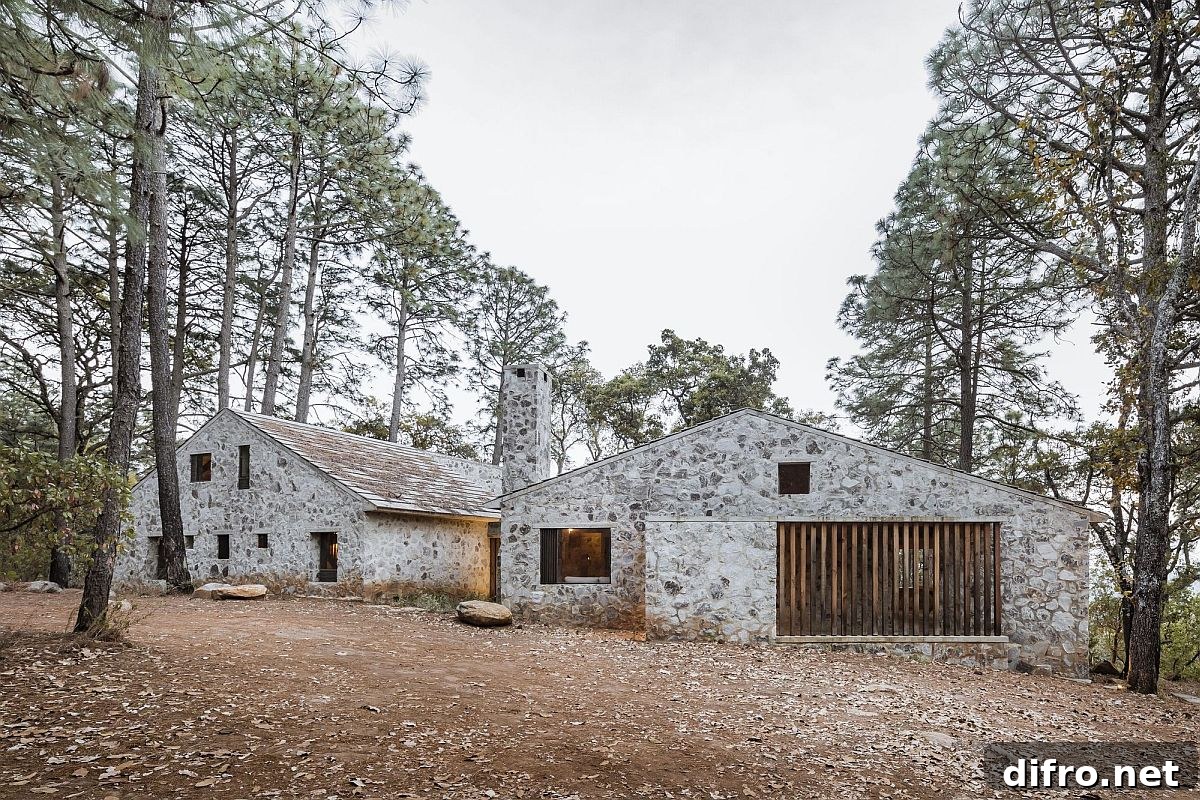
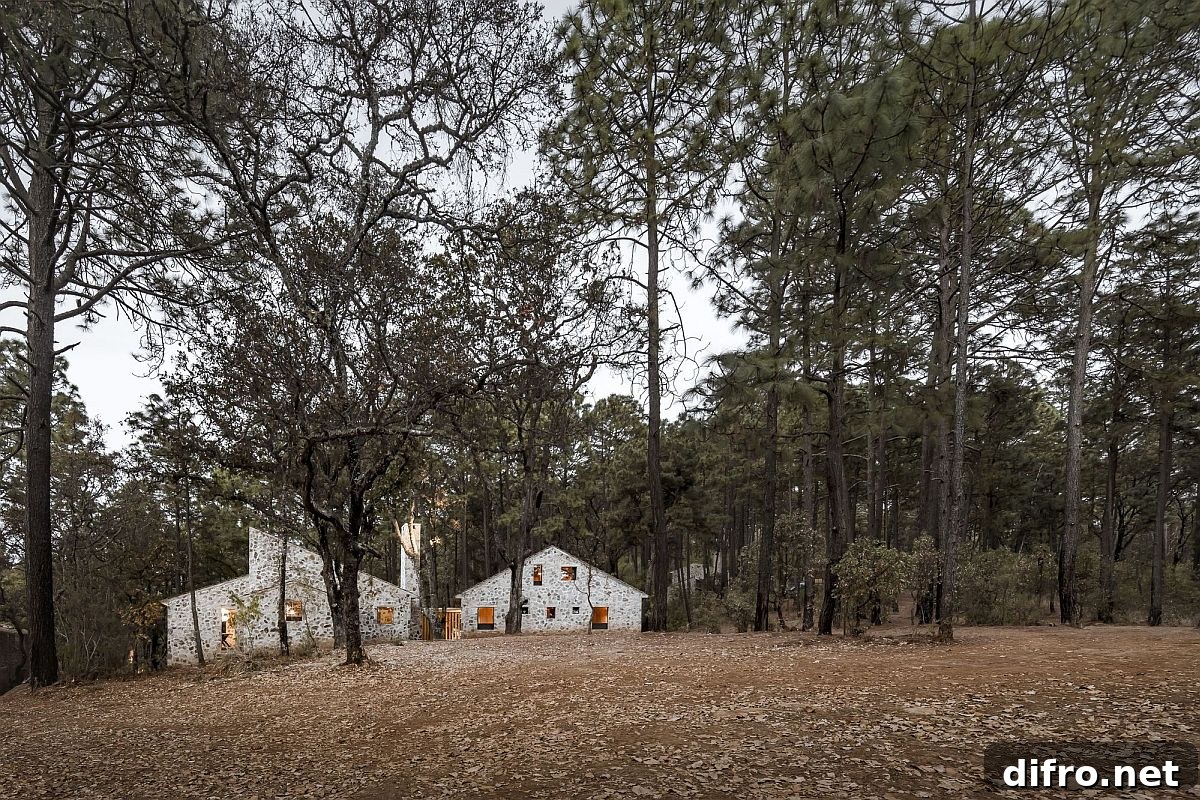
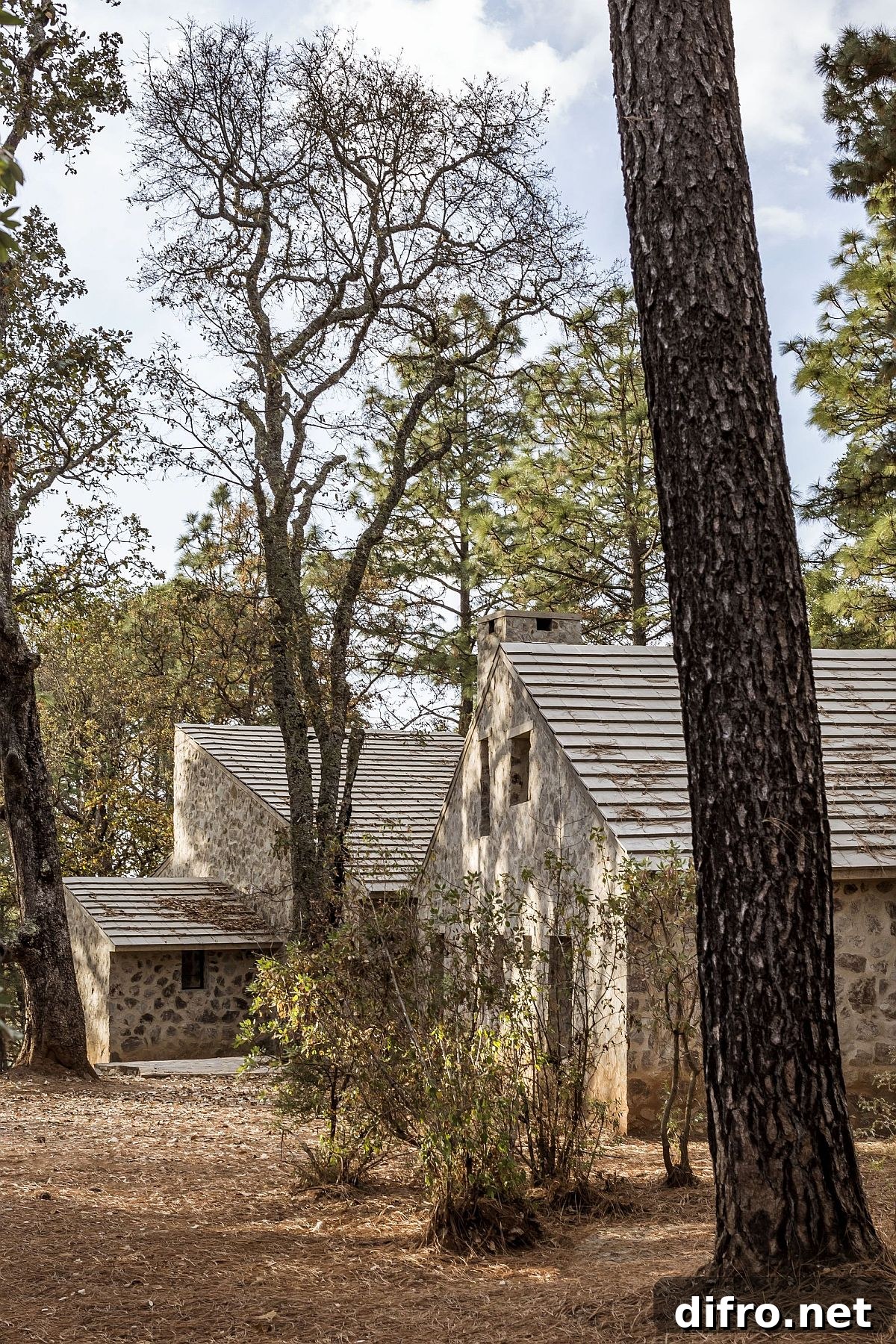
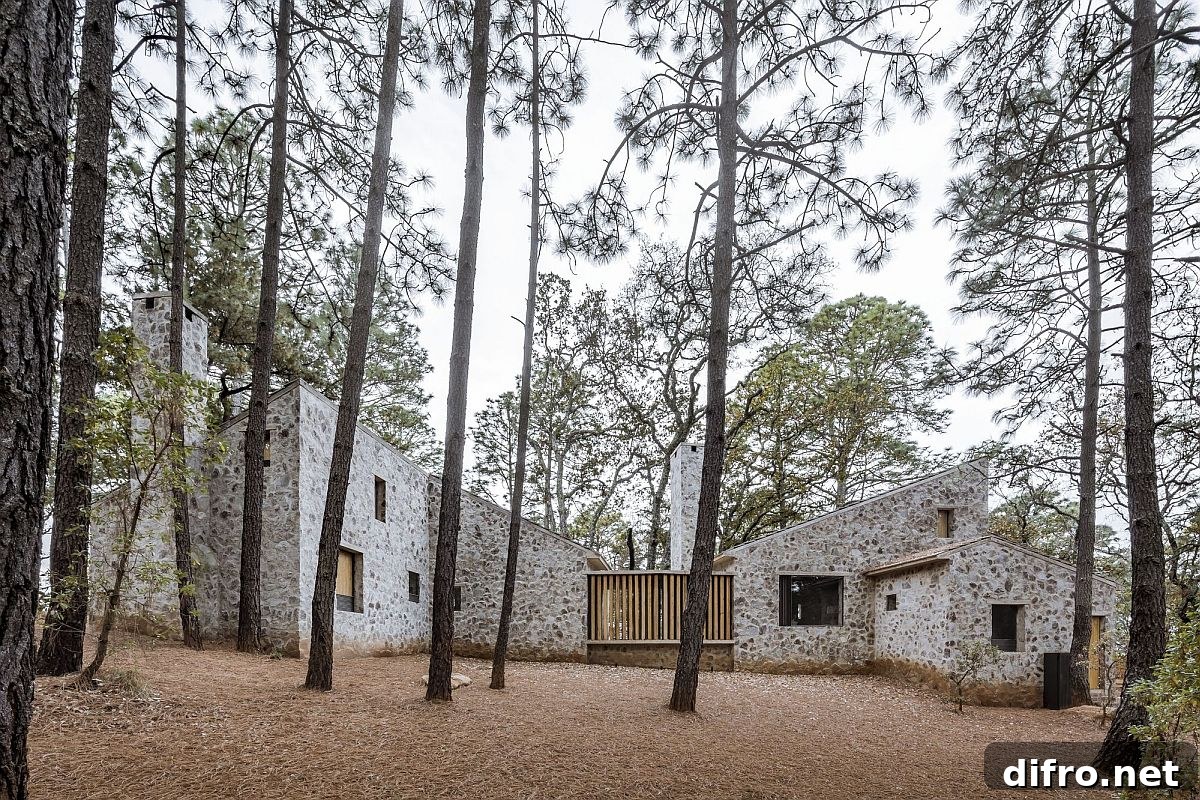
From the outside, the cabins read as straightforward, robust forms: stone-clad walls and concrete volumes anchor each unit to the site, while timber roofs and soffits bring warmth and texture. The combination of stone, concrete and wood creates a composed contrast — durable and earthy walls meet the softer, more tactile language of timber — allowing the architecture to sit quietly within the surrounding oak and pine woodland.
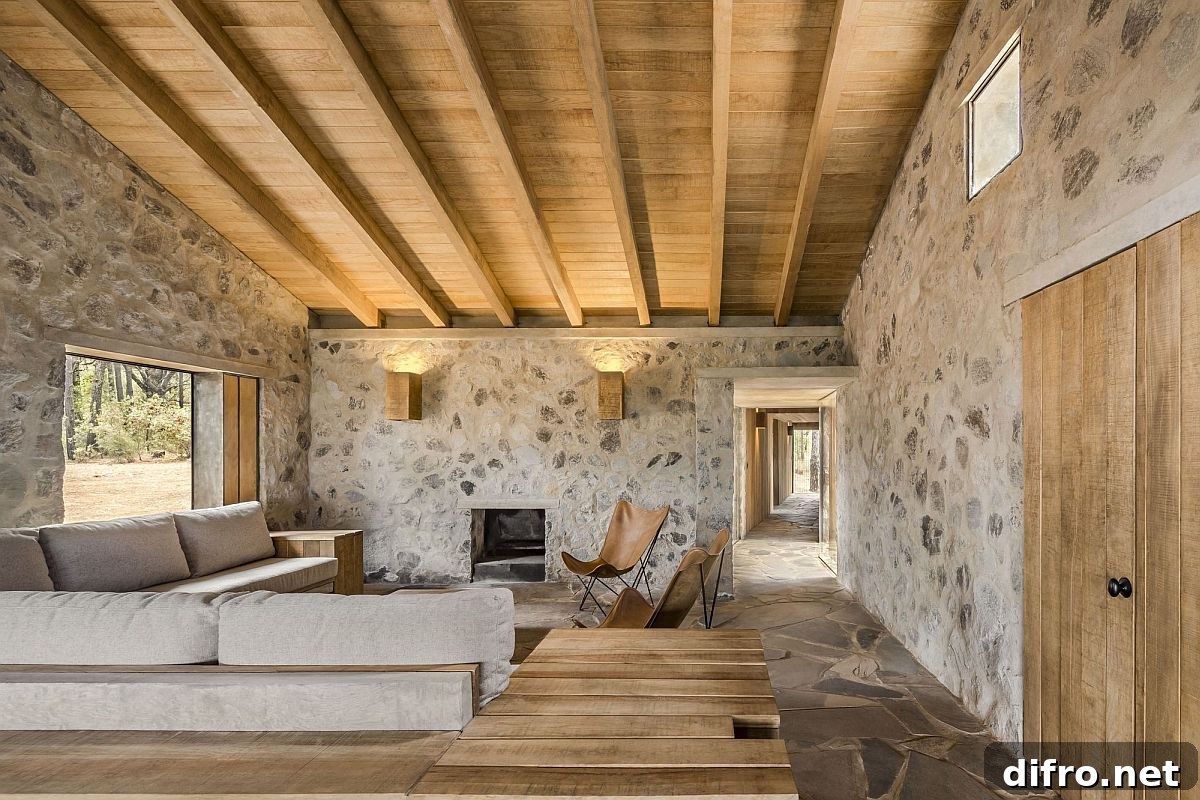
Inside, the material palette continues with honest, tactile finishes: exposed stone walls, warm wood ceilings and custom joinery create intimate, human-scaled interiors. Local building techniques and craftsmanship are evident throughout, reinforcing a sense of place and connection to the landscape. The living room opens and expands, while narrower entrance sequences gently regulate movement and create moments of welcome and privacy.
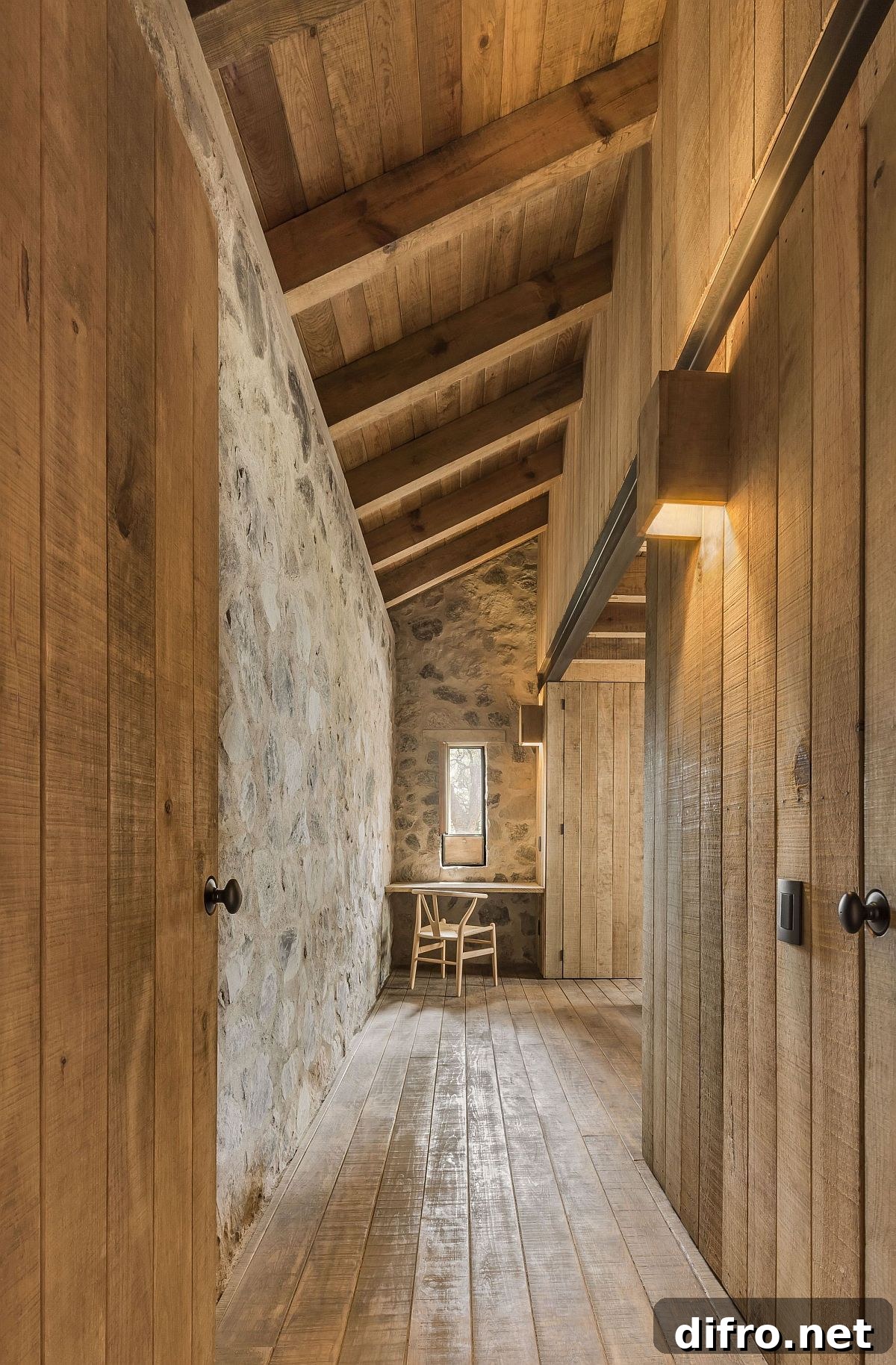
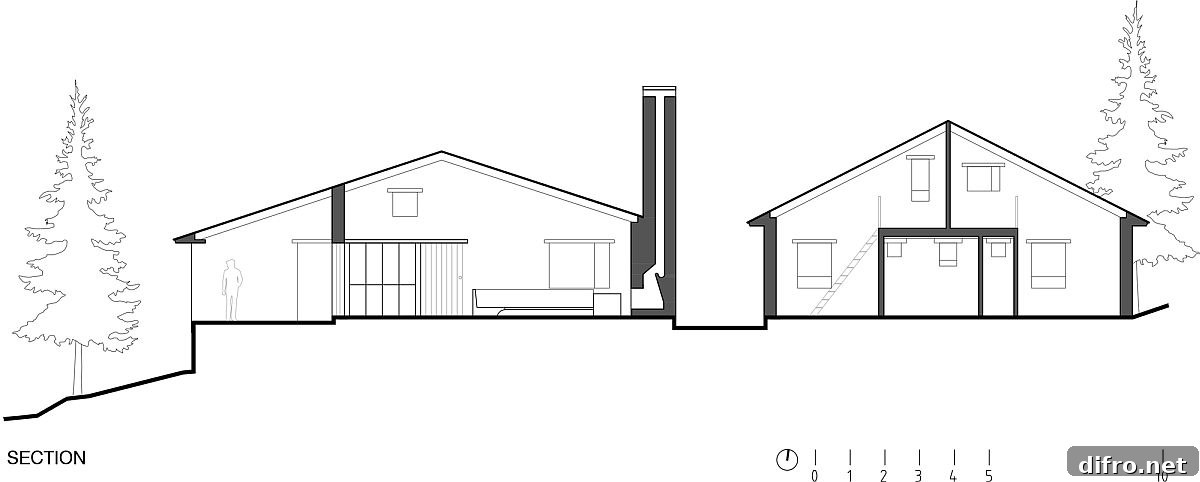
Circulation is carefully considered: narrow entry passages open into broader living spaces, and long wooden corridors with custom cabinets create a continuous, cohesive interior experience. Built-in storage, simple furnishings and a restrained decorative approach prioritize usability and comfort over ornament, letting the natural materials and views take center stage.
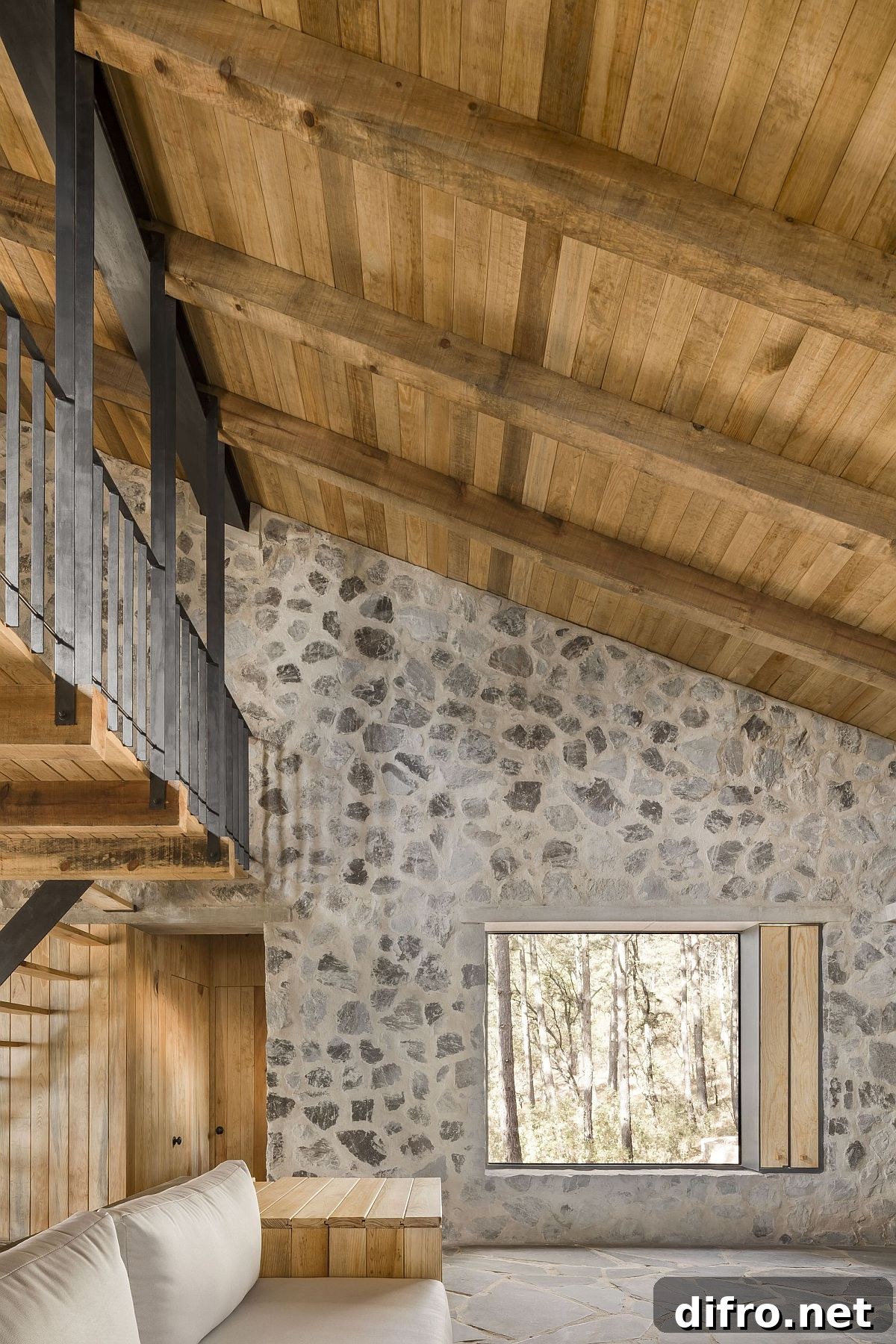
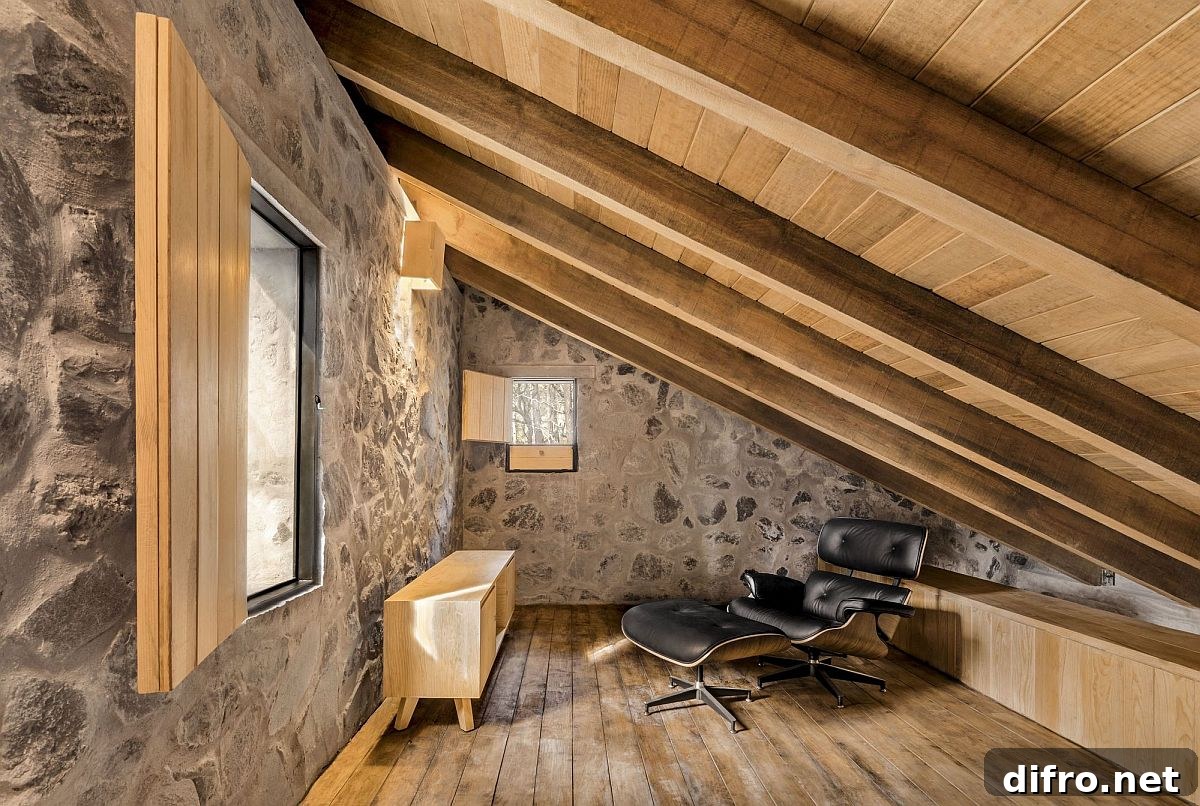
Ceiling heights vary to shape atmosphere: lower, sloped roofs foster snug, contemplative spaces, while higher volumes in the living areas allow daylight to circulate and views to the trees to expand. Furnishings are deliberately modest — pieces like an Eames lounge or a small wooden console fit comfortably without overwhelming the rooms.
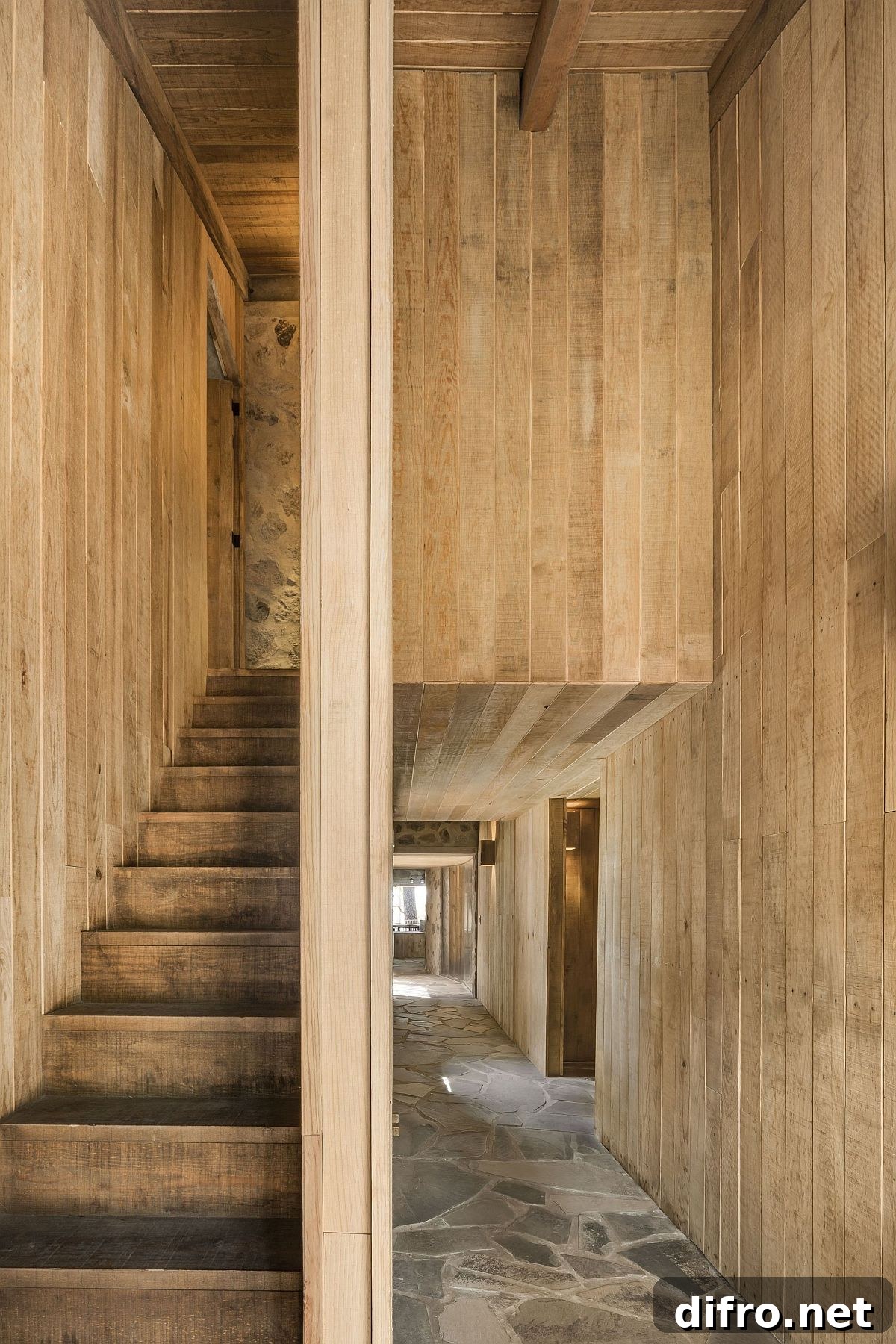
As if responding to the trees, the building volumes rotate subtly to capture specific views and orientations. This creates a varied silhouette that contrasts with the surrounding vertical woodland. The cabins function as shelters: the entrance narrows, offering protection, then opens up into the living room where the space expands and invites you to stay.
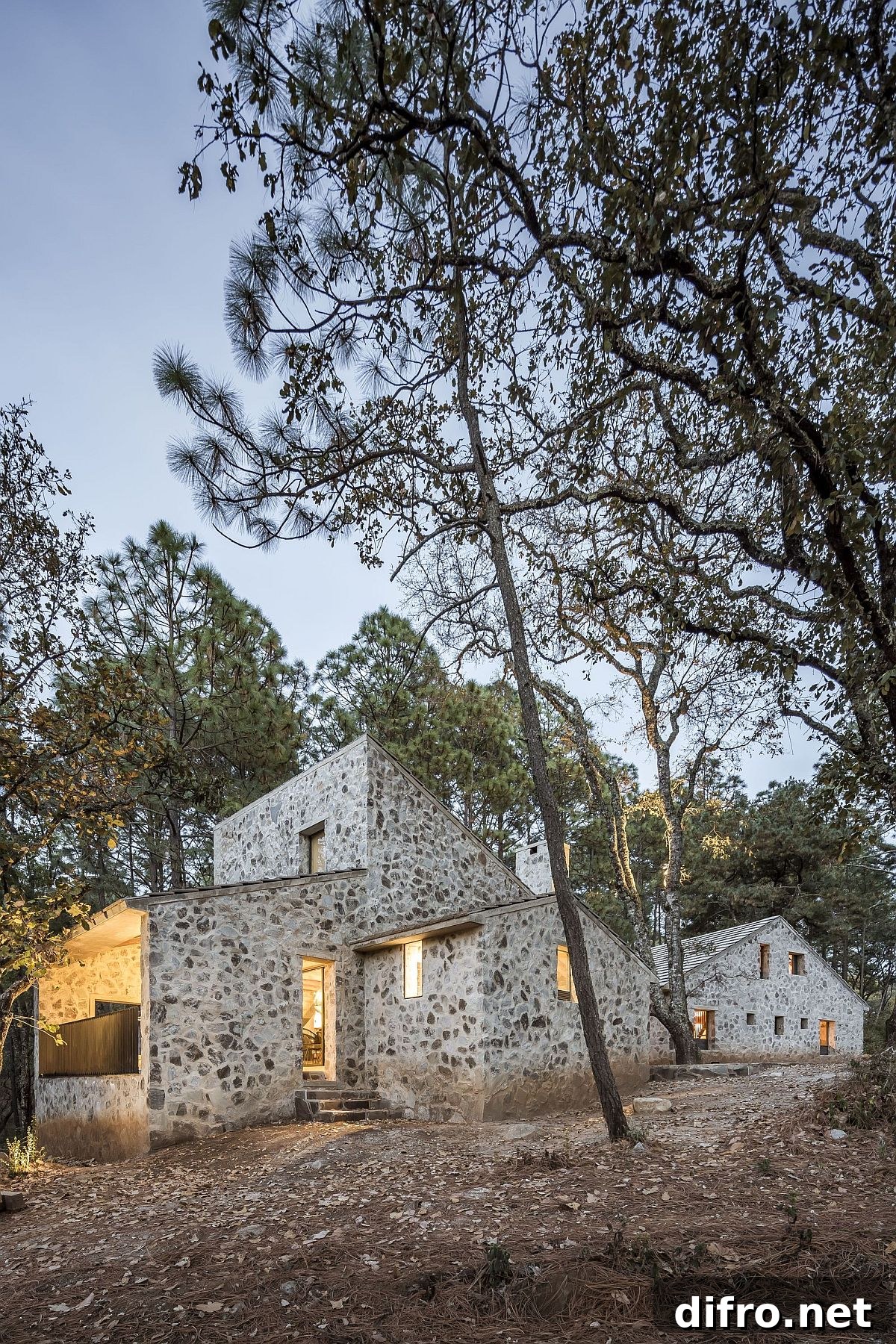
Outdoor circulation links the private and public areas with gentle, meandering paths. A small, sheltered bridge connects the two main cabin units, encouraging a feeling of discovery and quiet movement through the site. Oak and pine trees flank the approach, reinforcing the retreat-like quality of the place and ensuring that nature remains an intrinsic part of daily life here.
Careful attention to scale, materiality and circulation makes DSA Development an understated but effective exercise in contemporary cabin design. The project demonstrates how simple, locally rooted materials and spatial organization can create a calm, durable environment that feels both modern and intimately connected to its landscape. For those seeking a quiet escape from urban life, these cabins offer a thoughtful model for living comfortably within nature.