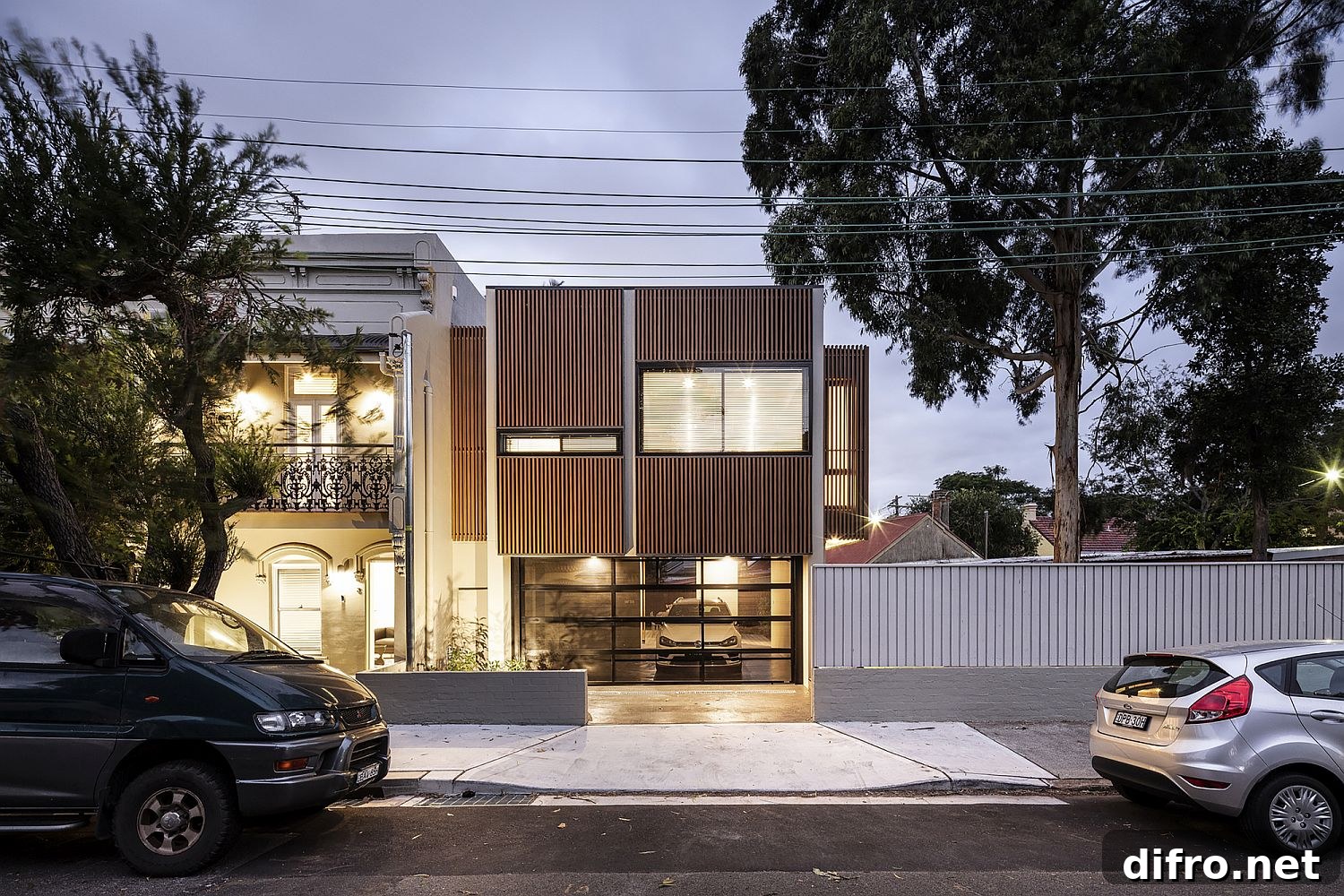
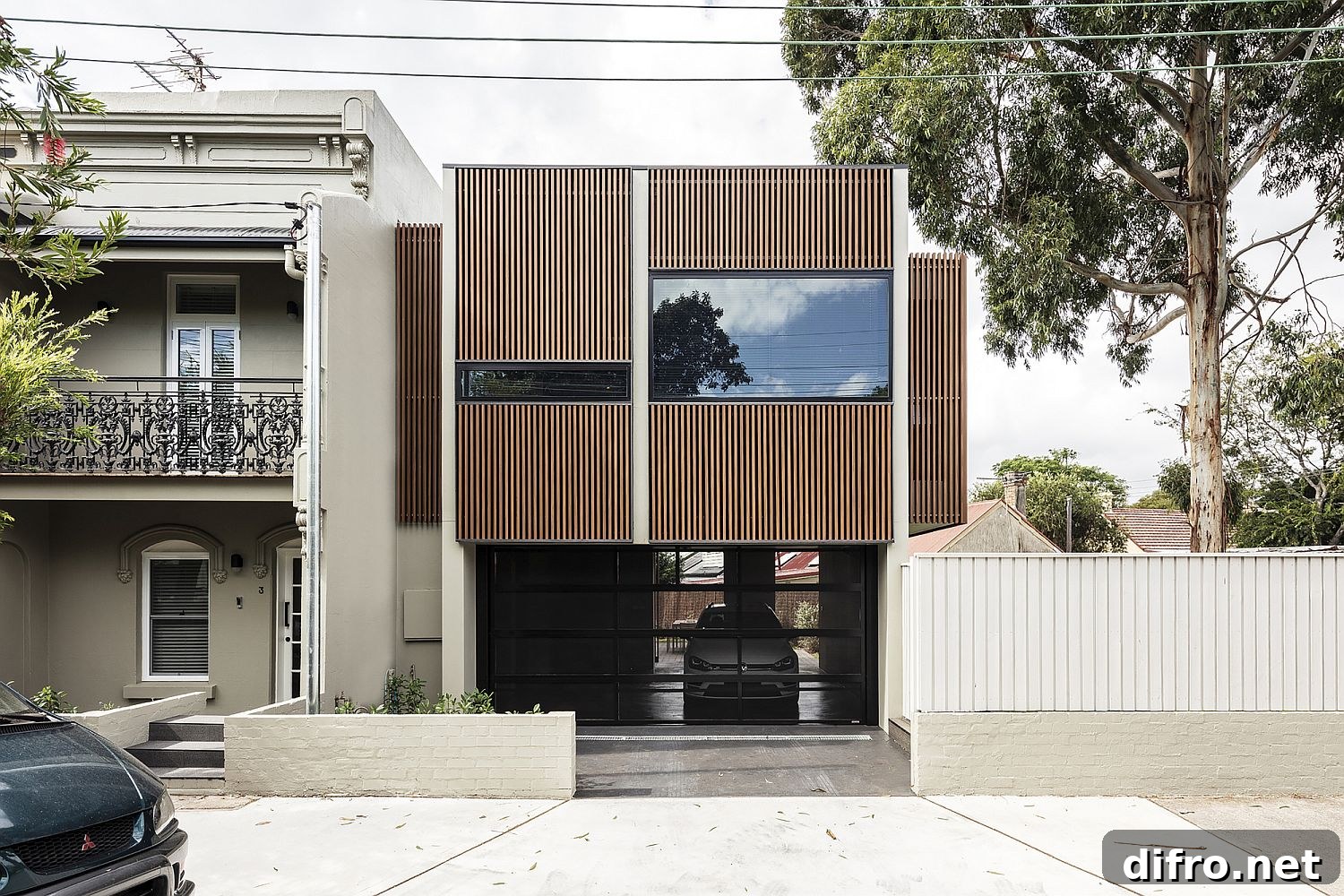
Adaptive reuse continues to inspire designers and homeowners alike, turning everything from former factories and churches to cafes into contemporary, characterful residences. Equally compelling are the revitalized old houses that had lain empty for years before being thoughtfully restored. House 2040, tucked into an inner Sydney suburb, is one such project: a once-abandoned Victorian terrace that has been carefully reimagined and given a fresh, contemporary life by Robert Parisi Architecture + Design. The renovation embraces a warm wood-and-white palette that references the home’s historic roots while delivering a clean, modern interior aesthetic.
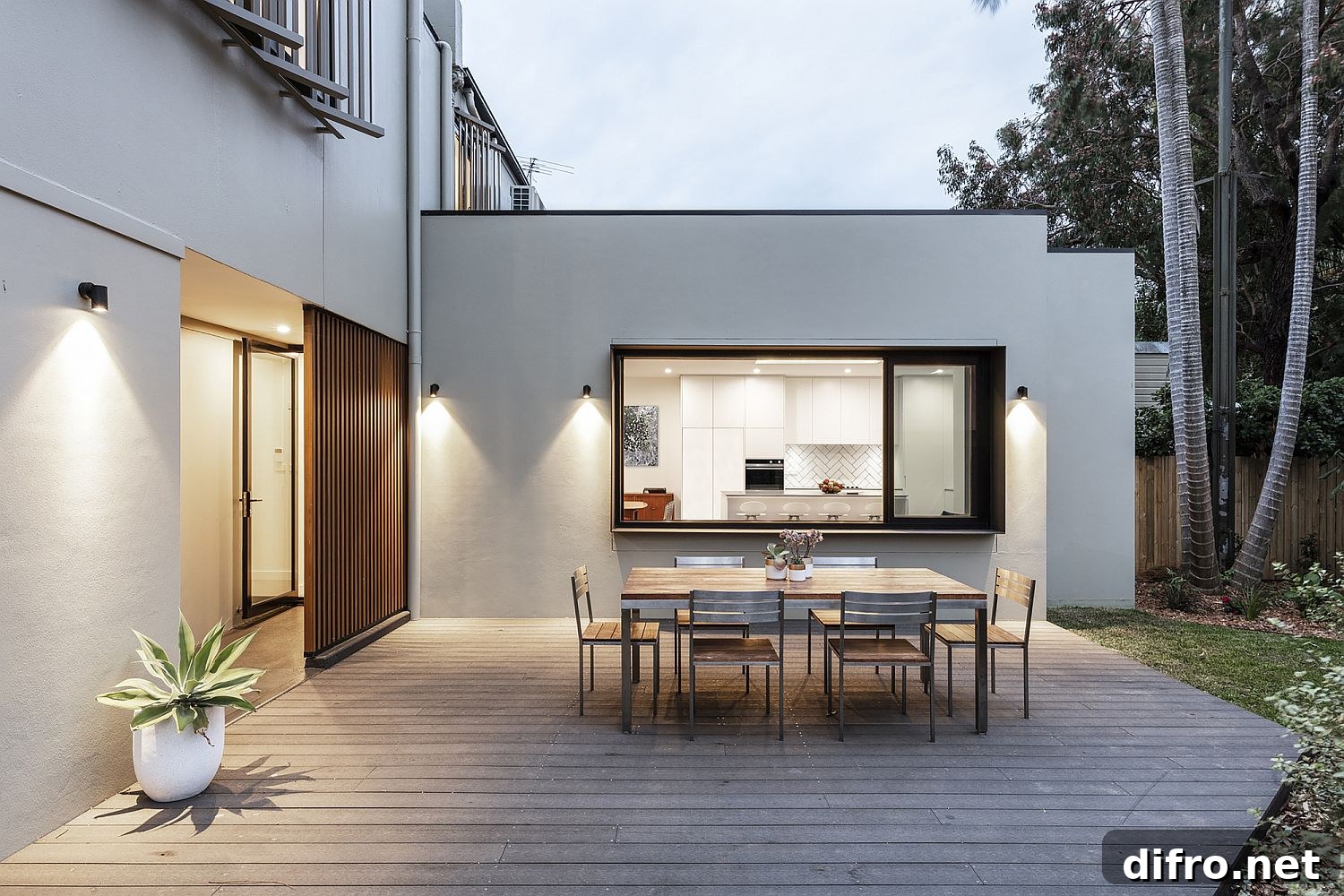
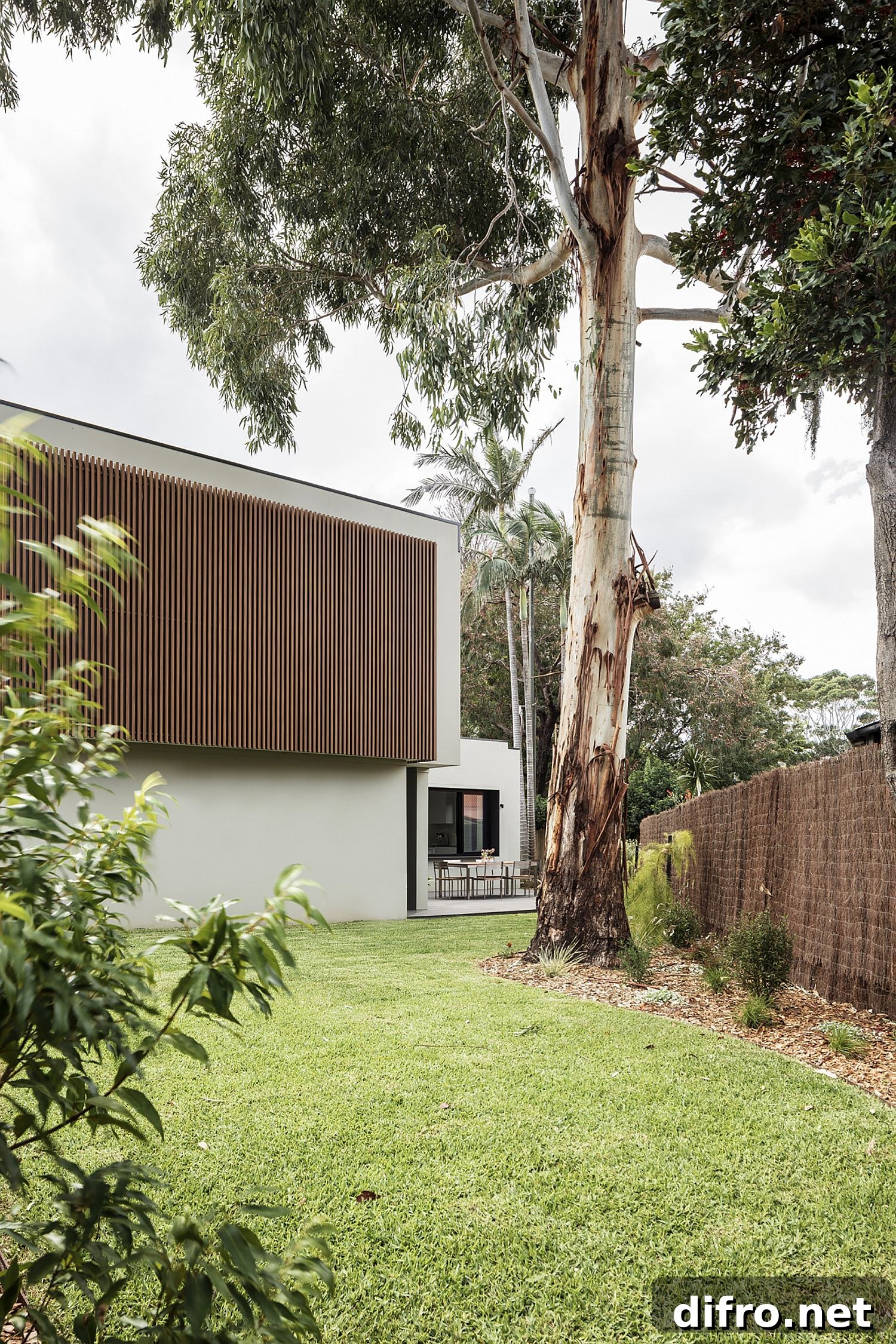
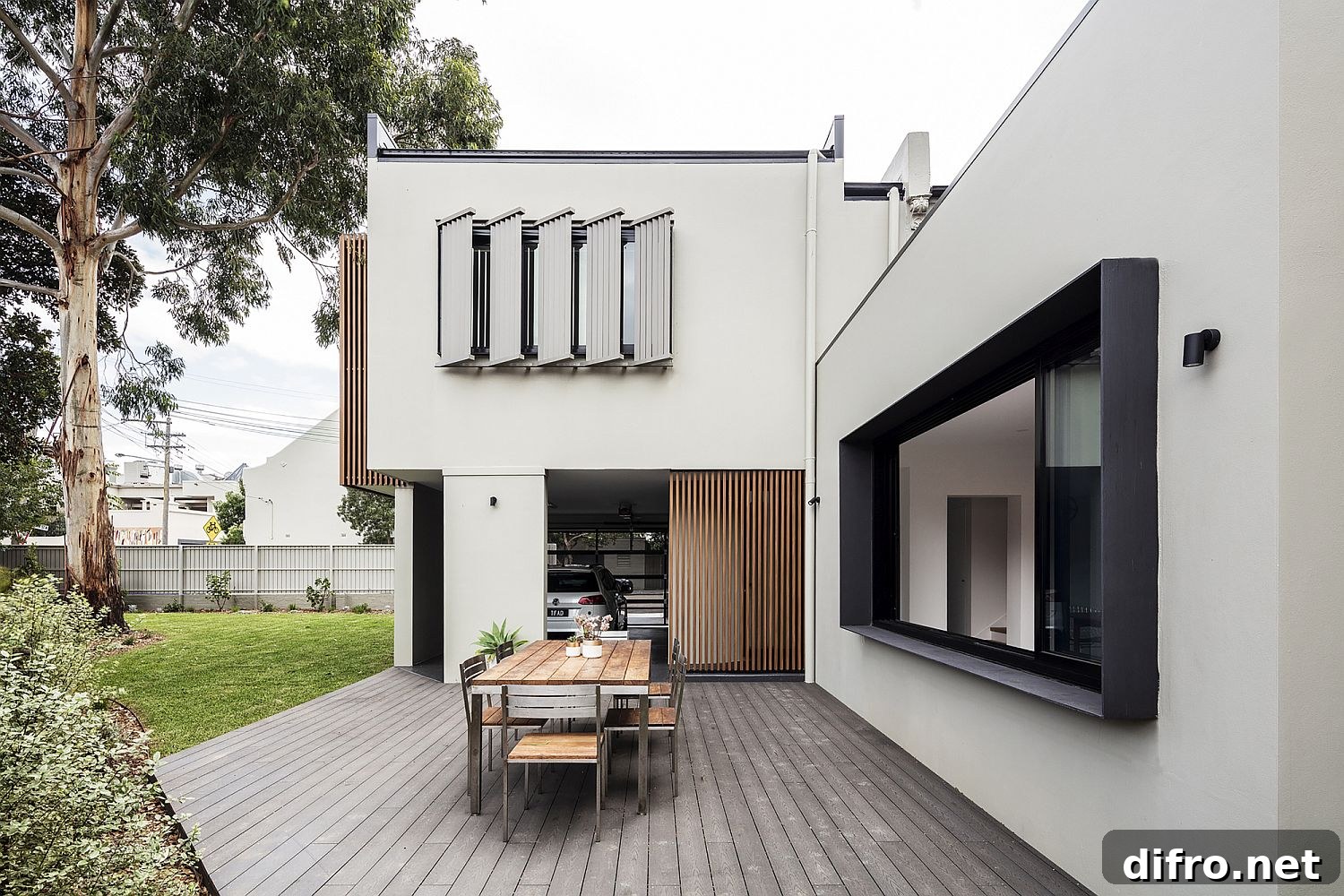
The house opens onto a generous, curated garden and a timber deck that extends the internal living area into the outdoors with ease. The deck functions as an extra room in warmer months, ideal for alfresco dining and quiet evenings. Thoughtful exterior landscaping and garden beds create a calm, private setting while allowing natural light to flow toward the home’s interior. After sunset, warm, layered lighting transforms the exterior and interior spaces, emphasizing texture and creating a welcoming atmosphere.
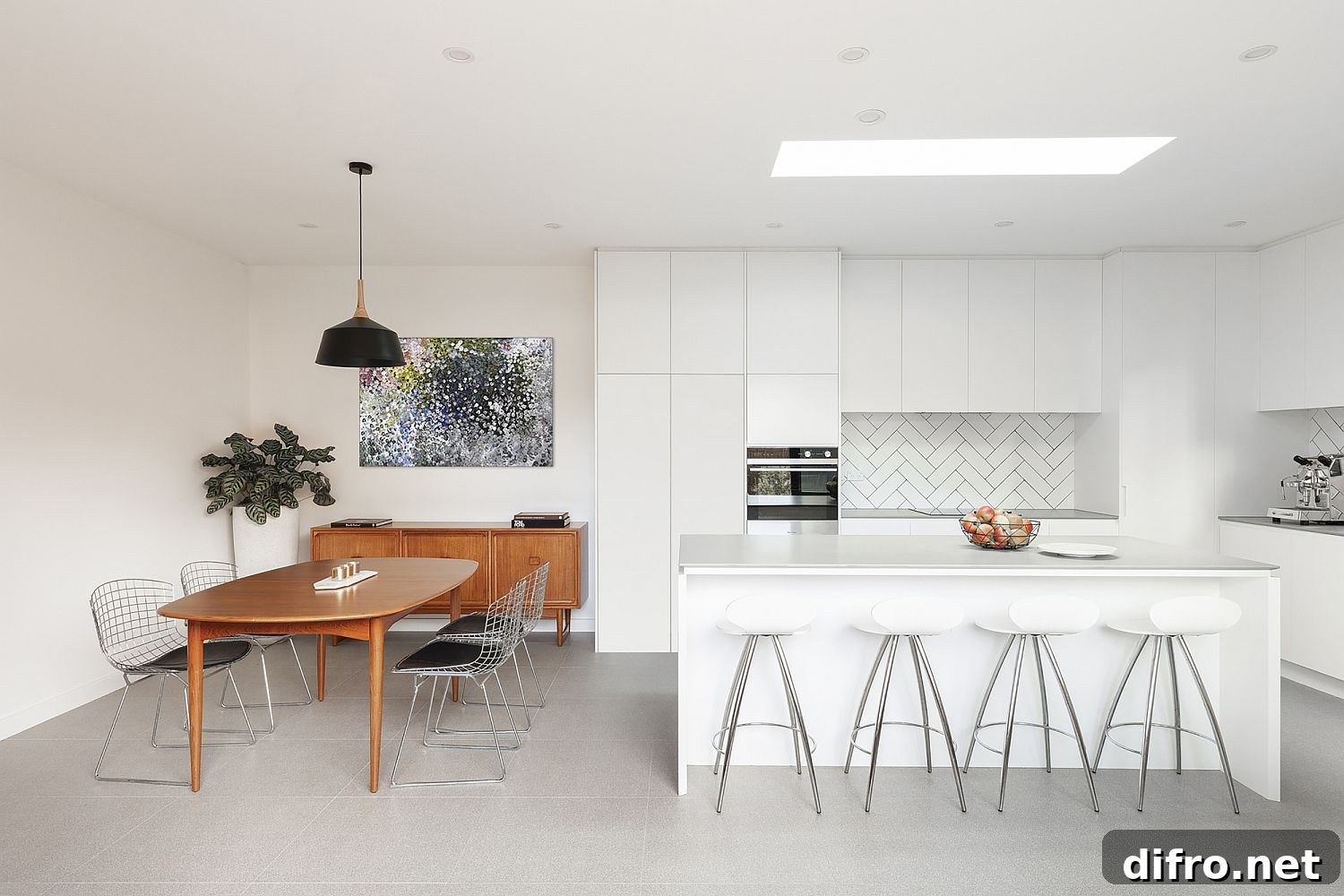
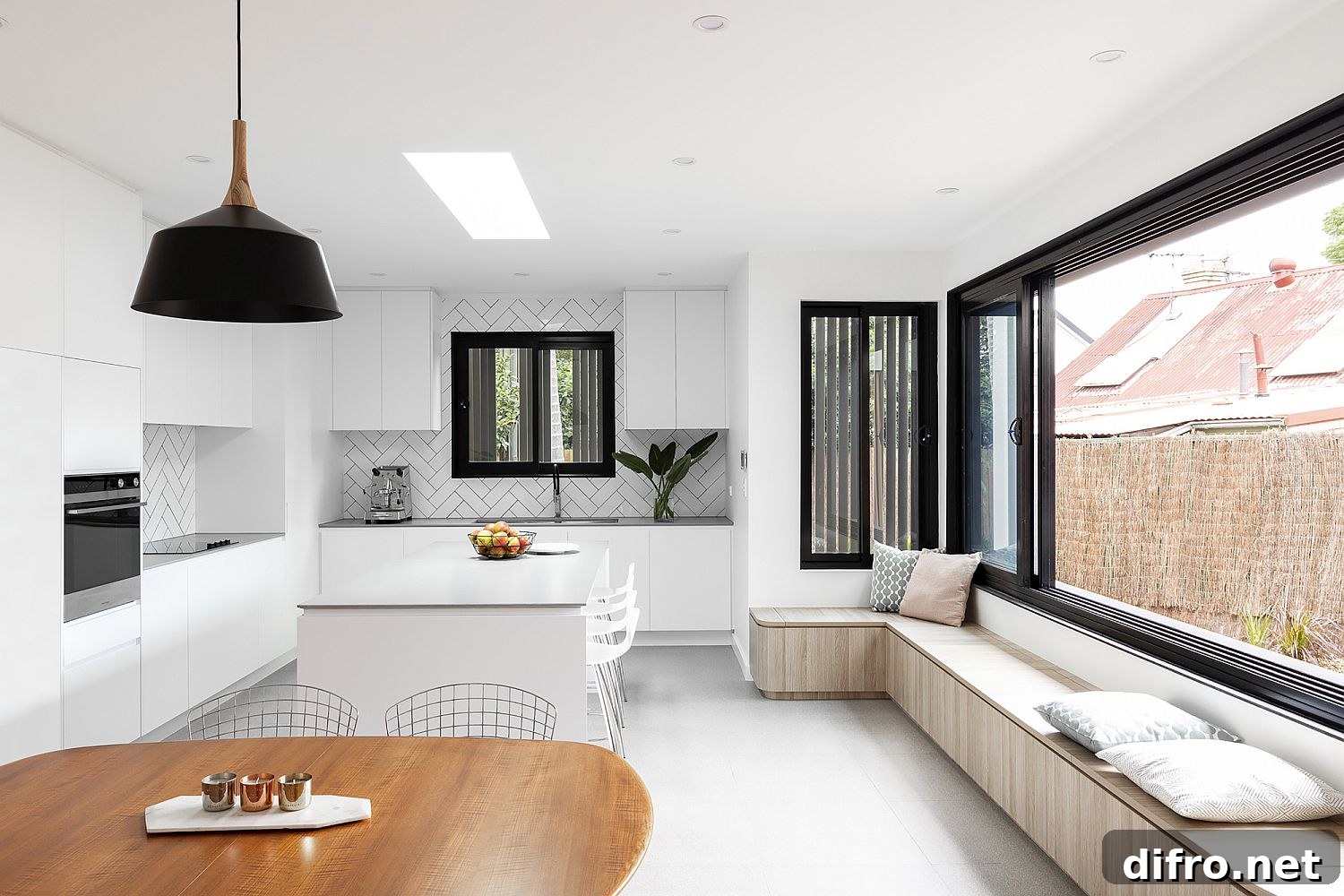
Inside, the design favors a restrained color scheme of timber tones and bright whites. The kitchen is simple and elegant: white cabinetry and surfaces balance the tactile warmth of timber elements such as the dining table and window seat cladding. A built-in window seat in the kitchen and dining zone adds both character and functionality, offering concealed storage while creating a comfortable nook for casual seating. These integrated solutions make efficient use of space while keeping the interior uncluttered.
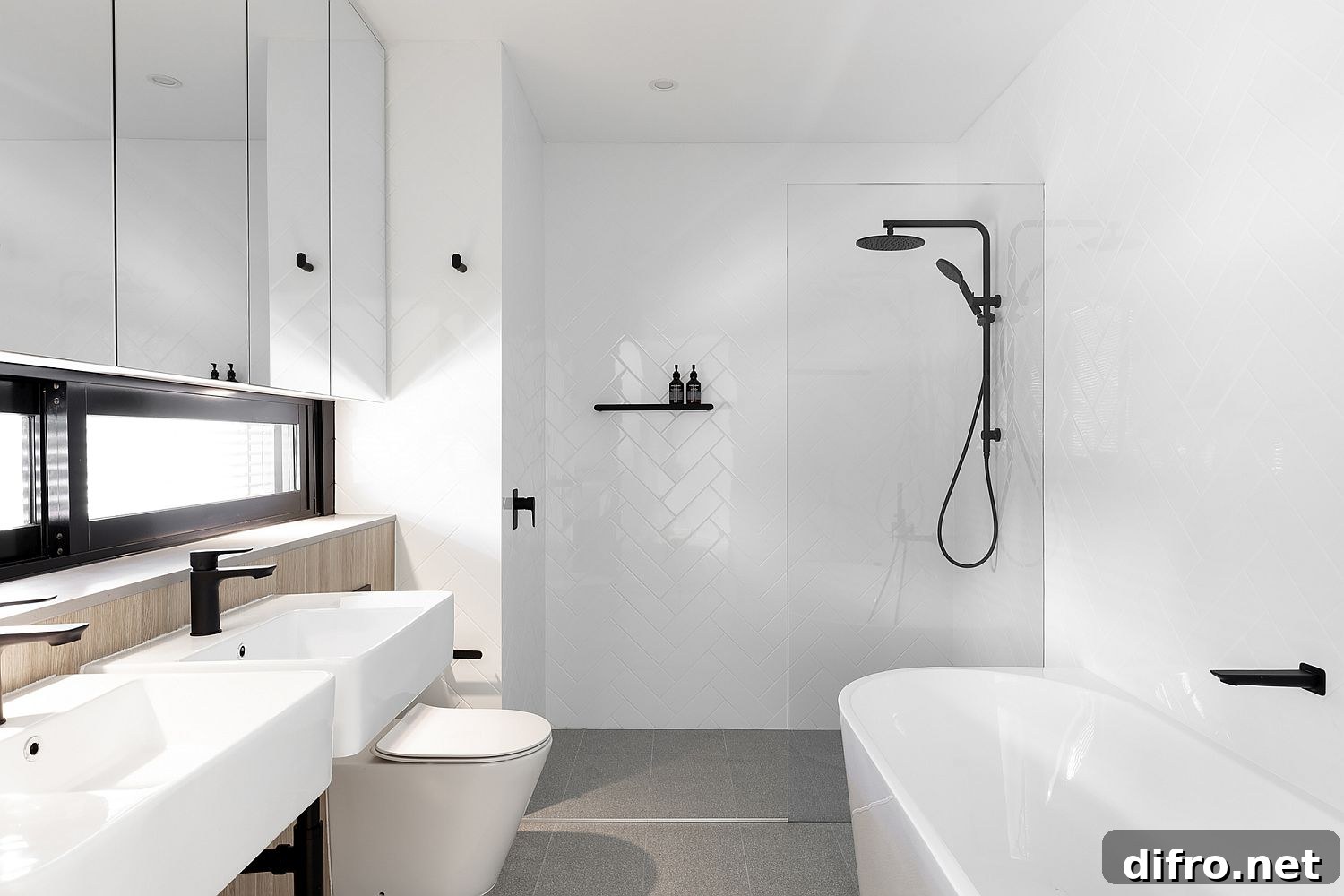
Bathrooms continue the clean, bright theme with predominantly white finishes accented by light timber and occasional black hardware for contrast. These small touches introduce a contemporary edge without overwhelming the home’s overall calm palette. Across the layout, materials and joinery have been selected for durability and timelessness, acknowledging both the building’s history and the needs of a modern family.
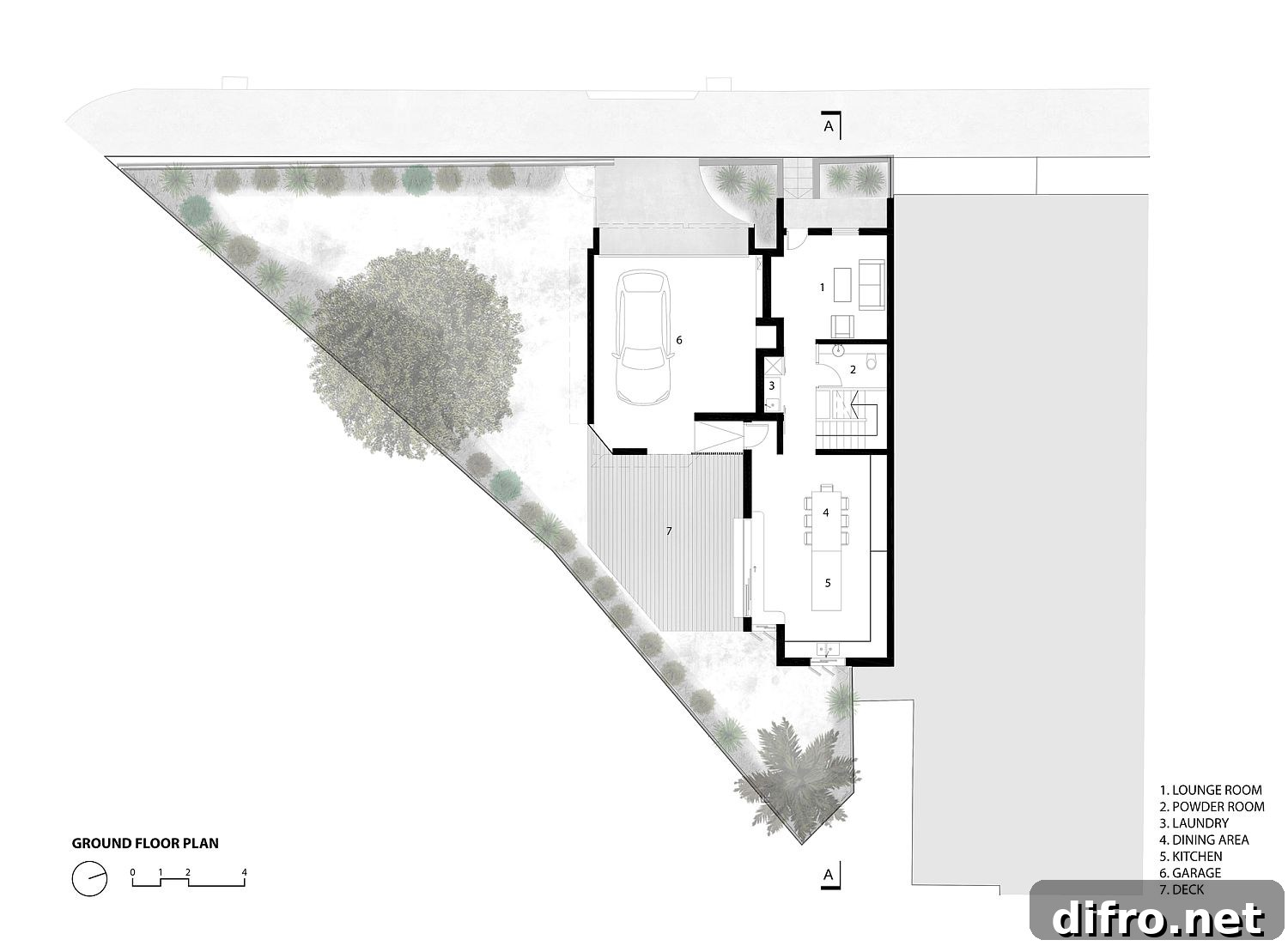
The project required careful problem solving from the outset. The site presented several constraints: an irregular, roughly triangular lot; proximity to storm-water infrastructure; the need to bring natural light into a traditionally dark terrace; and strict regulatory requirements related to the local flood zone and nearby flight path. These limitations shaped the design strategy, informing decisions about massing, fenestration and circulation so the house could perform well both functionally and legally.
This site presented a raft of challenges which needed to be overcome. These include an irregular (triangular) shaped site, working around the constraints created by storm-water infrastructure in proximity to the proposal, bringing light into a typically dark terrace and designing to the stringent prerequisites of a flood zone and the site falling below a flight path.
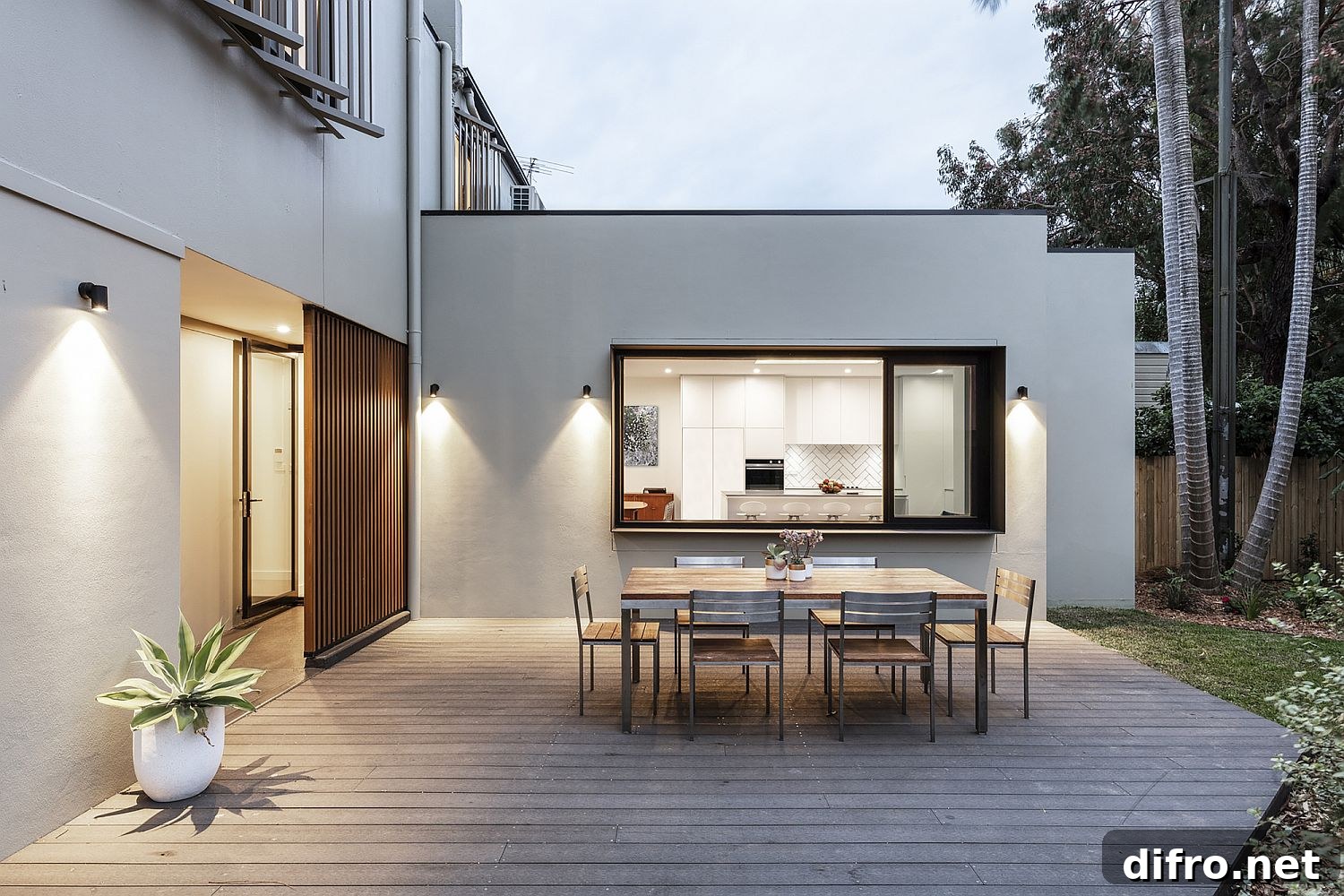
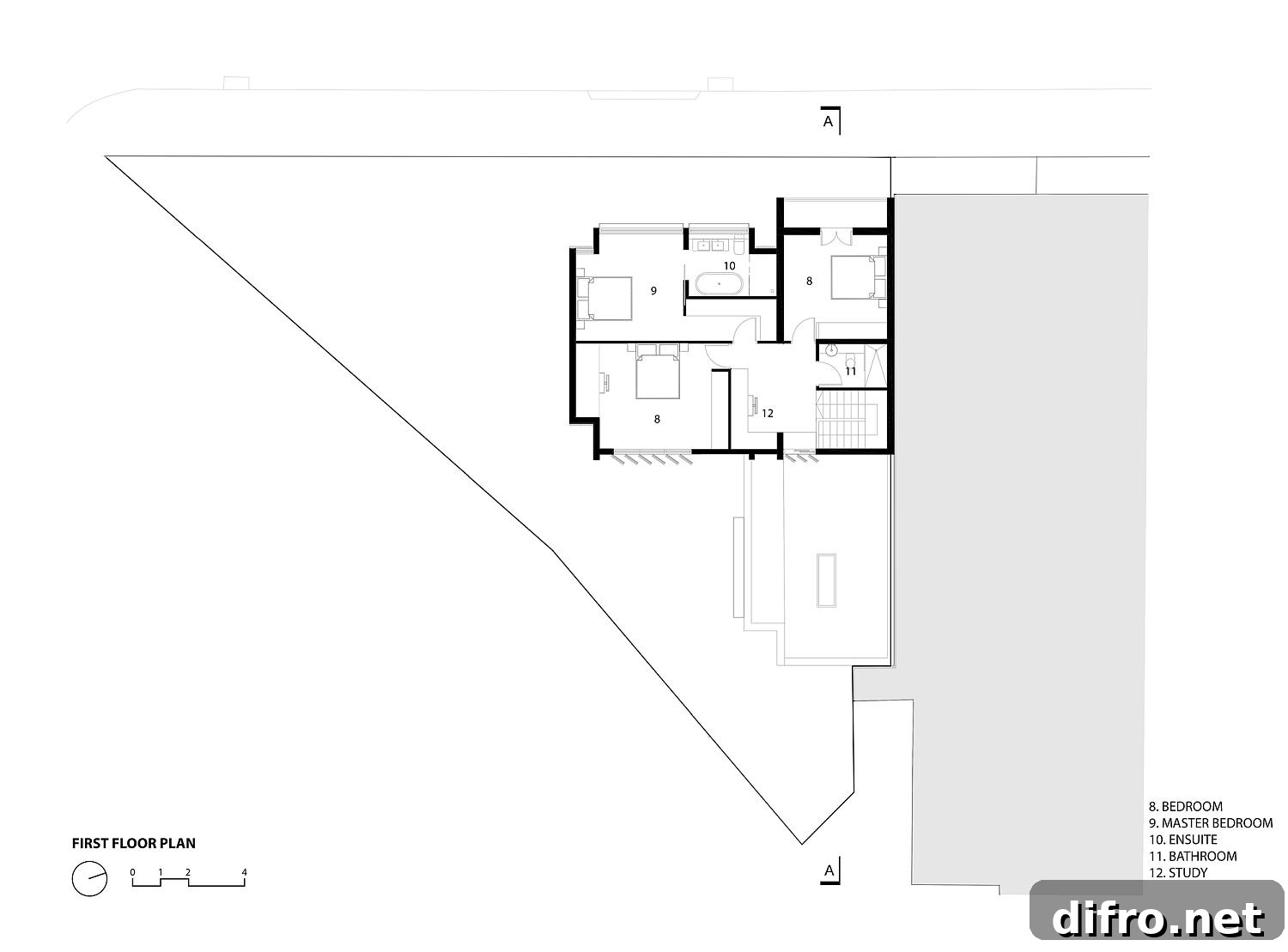
The home’s layout responds to both daily living and entertaining: living areas, kitchen, dining and guest accommodation are arranged on the ground floor to maximize flow and connectivity with the garden and deck, while private bedrooms and bathrooms are located on the upper level. This separation of public and private zones supports family life while respecting the original terrace footprint.
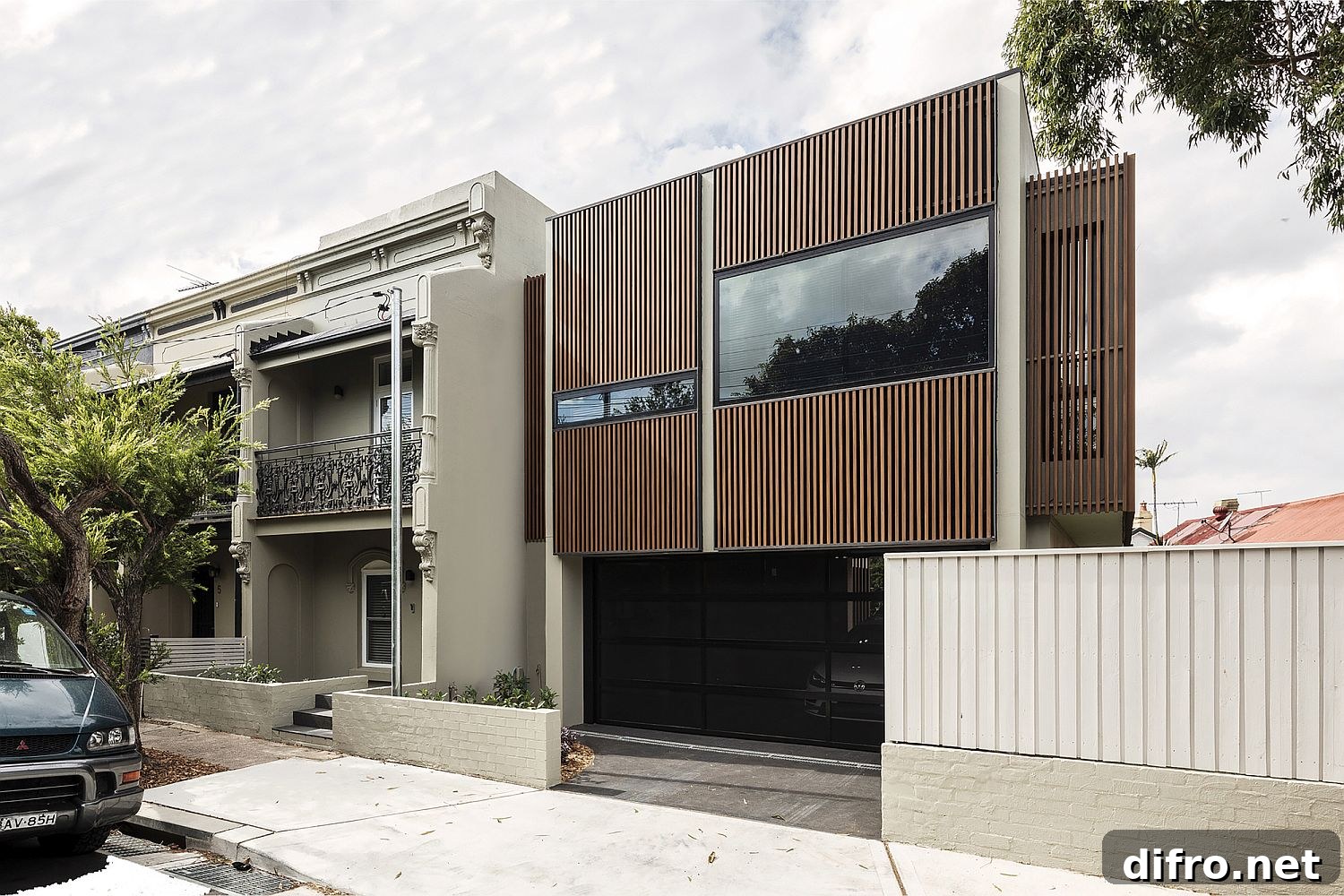
Photographic documentation captures the balance between the house’s historic Victorian elements and the contemporary interventions that make it relevant for today’s lifestyle. The result is a home that respects its past while offering practical, beautiful spaces for modern living.
Photography: Tom Ferguson Photography