Interior design goes far beyond choosing attractive paint colors or buying high-end furniture; it’s about shaping a space that feels purposeful, practical, and true to your personality. Professional designers balance form and function, create visual flow, and layer personality into every room. You don’t need a design degree to achieve a similar effect at home. With an intentional approach and a few key strategies, you can make your rooms look considered and cohesive. Below are practical, professional-level tips to help you style your home with confidence.
Start With a Plan, Not a Purchase
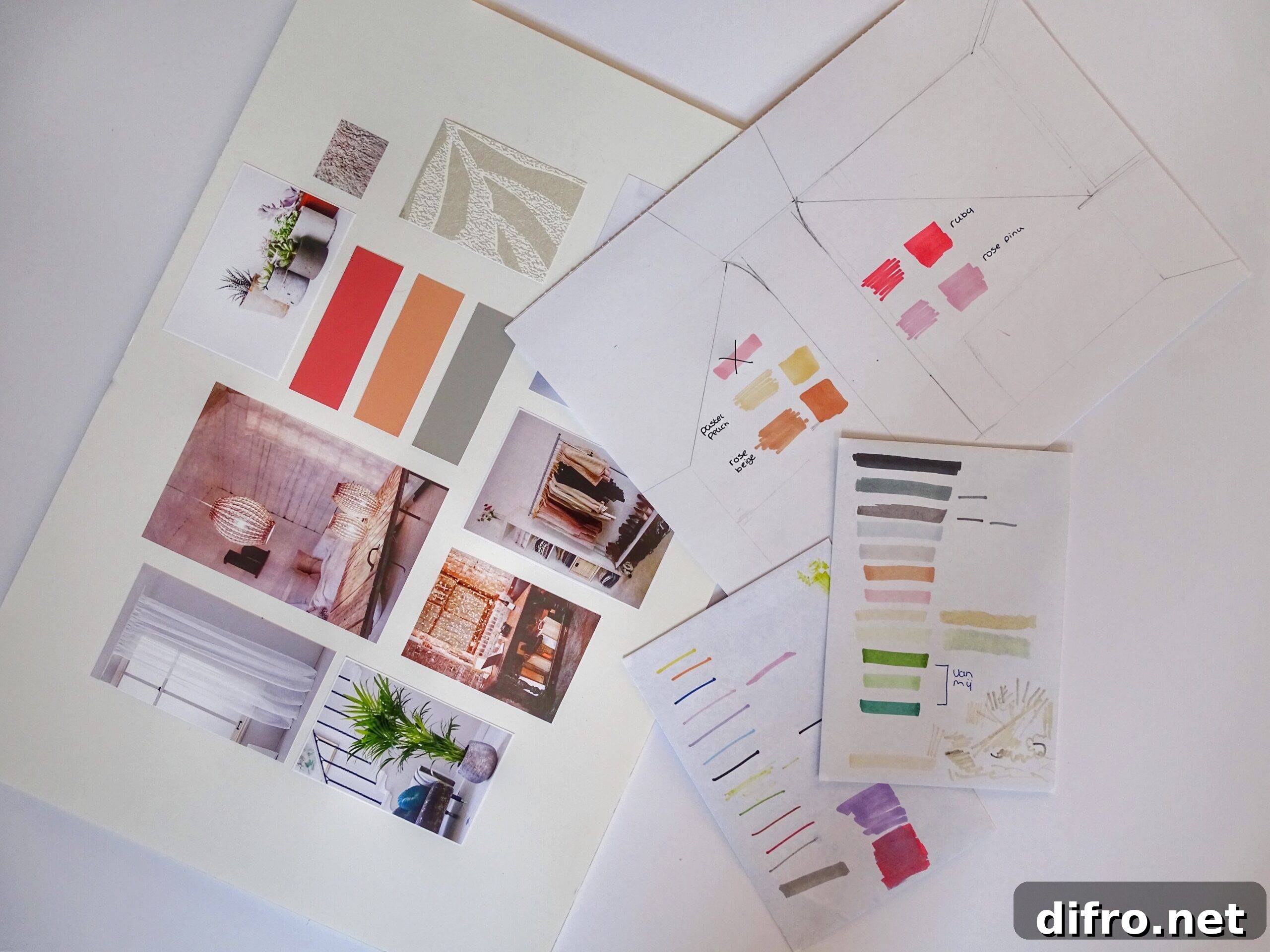
One of the most common mistakes in decorating is shopping before you have a clear vision. Pros always begin with planning. Consider the intended function of the space, the mood you want to evoke, and how each element will interact. Build a mood board or collect images and samples that reflect the atmosphere you want—textures, color swatches, and furniture silhouettes. Decide how you want to feel in the room, not just how it should look. A clear plan keeps purchases purposeful and prevents a disjointed result, saving time and money in the long run.
Layering Elevates
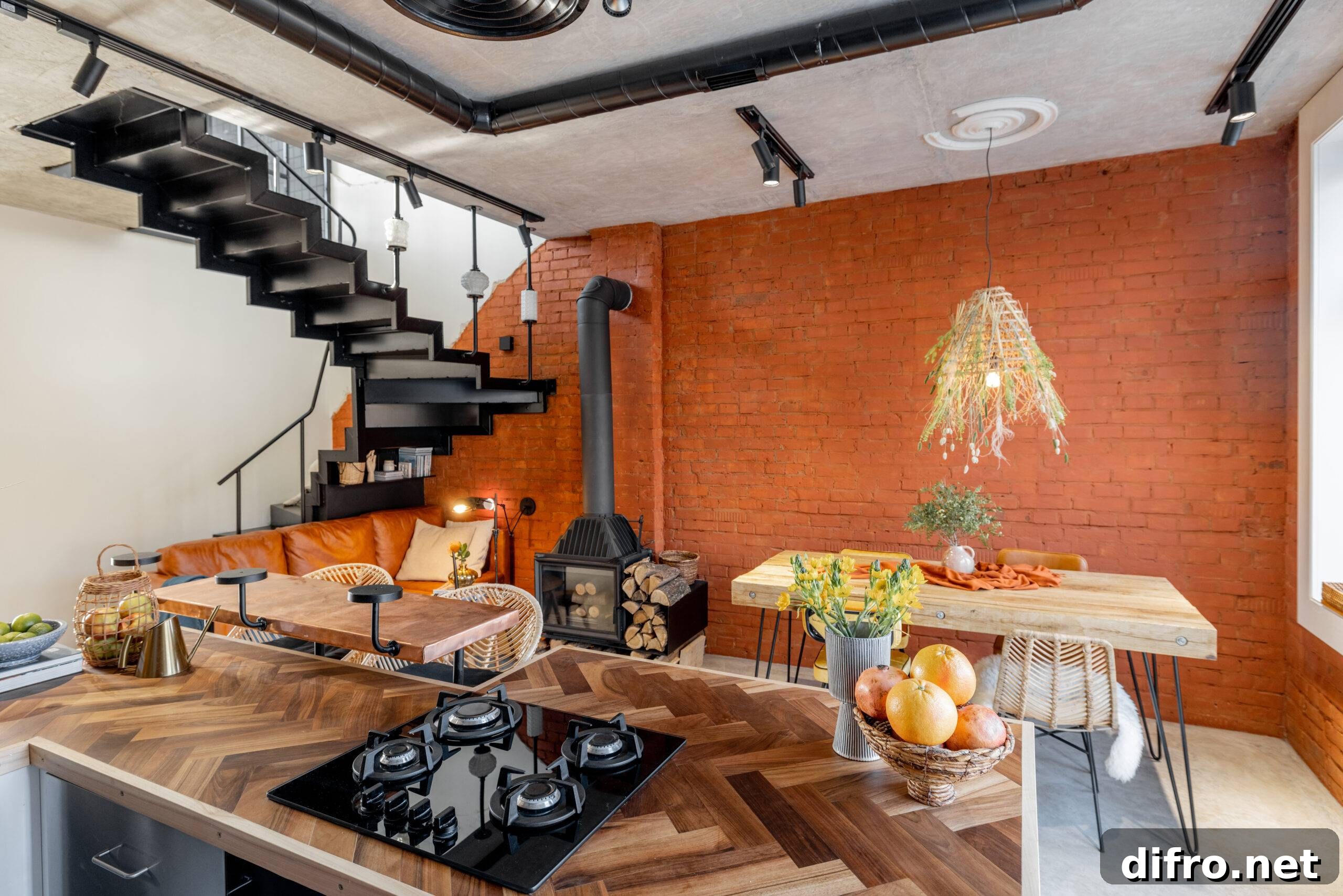
Great interiors have depth; flat rooms feel unfinished. Layering is the technique designers use to build that dimensional richness. Mix textures—think boucle or velvet upholstery against smooth leather or lacquered surfaces. Combine materials such as wood, metal, glass, and natural fibers to introduce contrast. Vary finishes between matte and gloss to catch the light differently across surfaces. Layering also applies to textiles: rugs, throws, and cushions in different weights and patterns create visual interest and a tactile, inviting environment.
Play With Negative Space
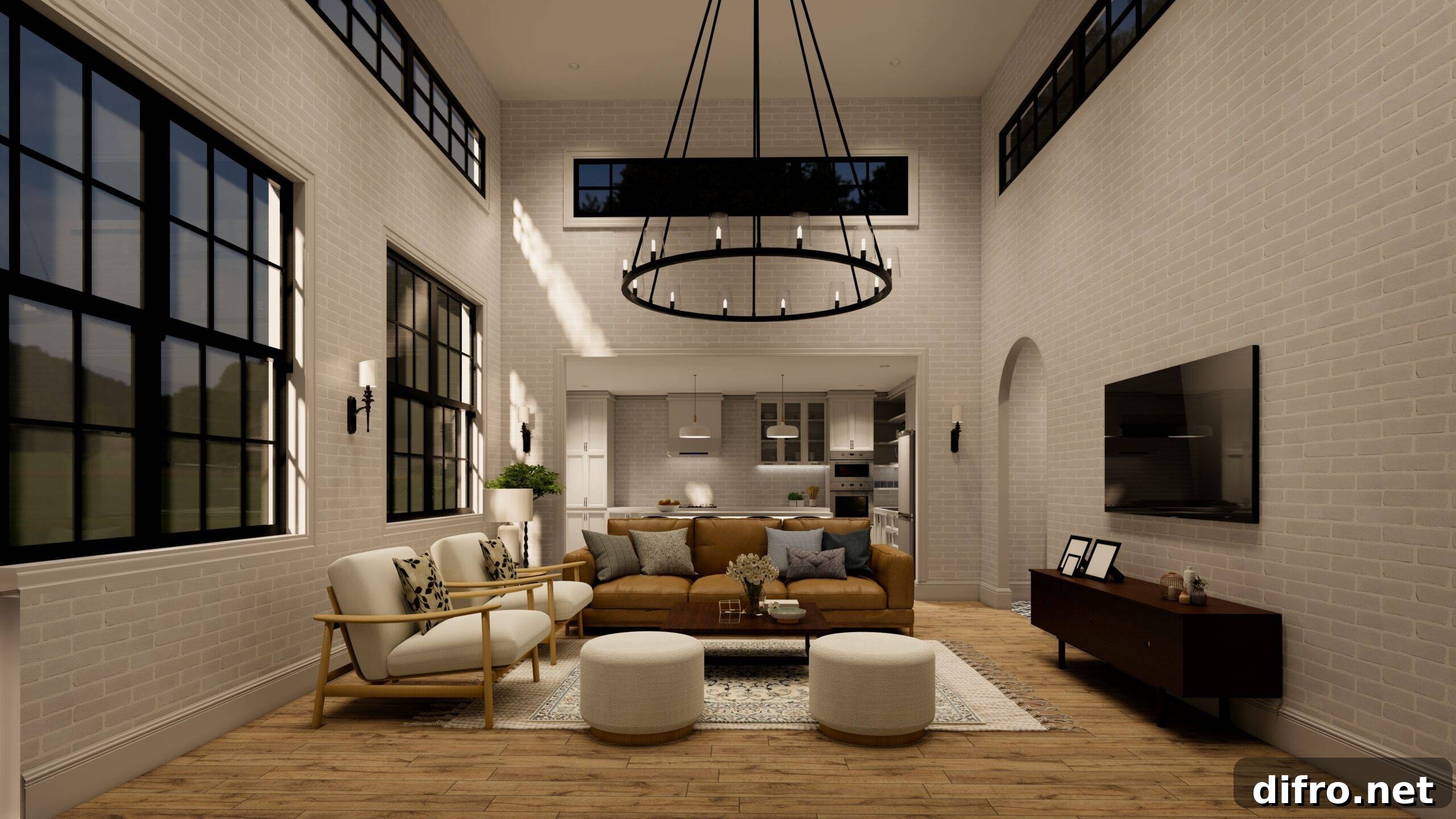
Every inch of your home doesn’t need to be filled. Negative space—the empty areas around furniture and decor—gives the eye room to rest and allows key pieces to stand out. Rather than crowding every surface and corner, leave breathing space around important elements like a sofa, an artwork, or a statement table. Negative space helps a room feel organized, intentional, and calm. It also improves circulation and makes daily living more comfortable.
The 70/30 Color Rule
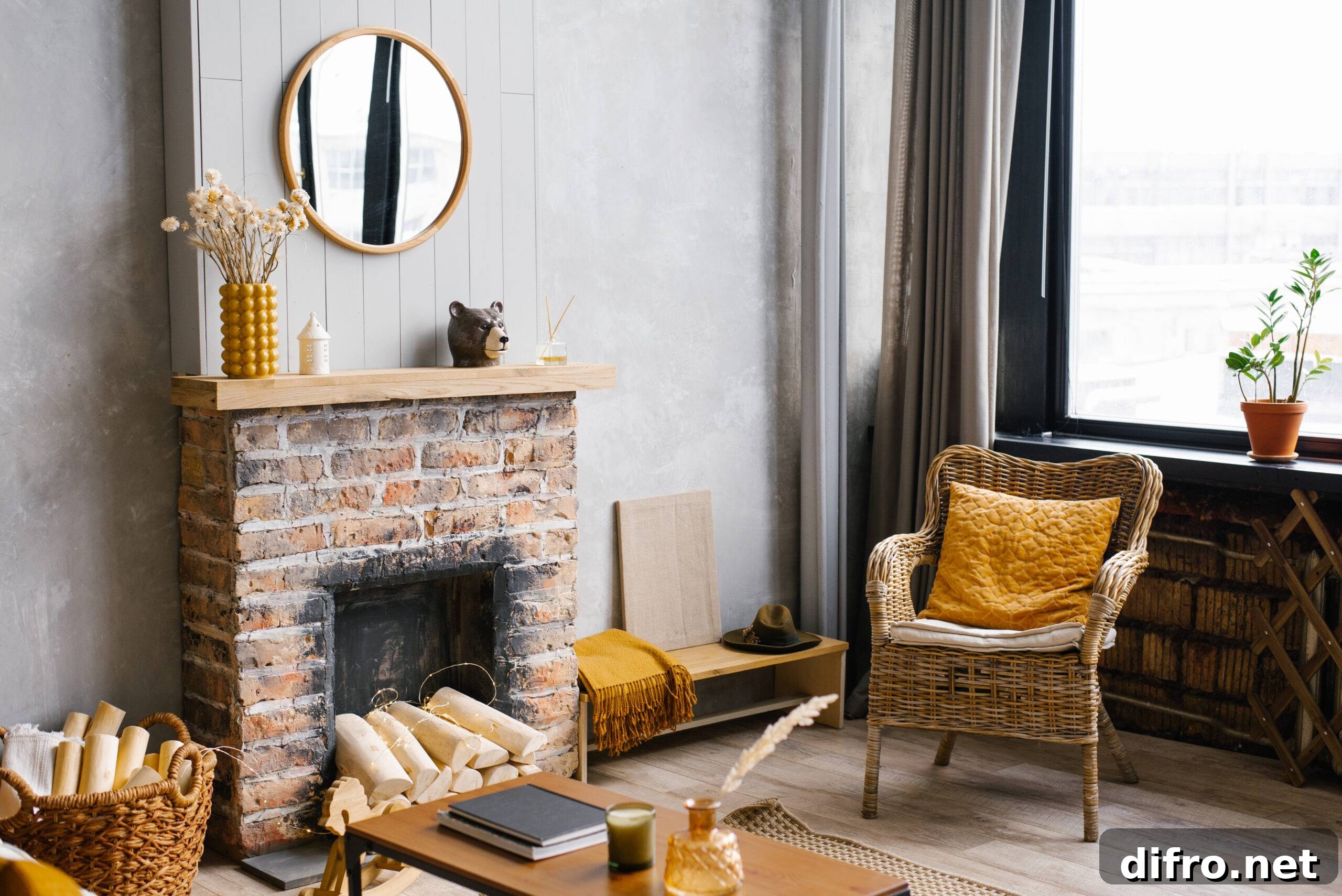
Color can be overwhelming without a guiding principle. The 70/30 rule is a simple, reliable approach: assign roughly 70% of the palette to neutral or base tones and reserve about 30% for accents. Base tones form the backdrop—walls, large furniture, and major finishes—while accent colors appear in smaller items like cushions, artwork, and accessories. This balance keeps a space feeling harmonious and prevents any single hue from dominating. Apply the rule vertically (walls to accessories) and horizontally (floor to ceiling) to maintain visual unity.
Every Room Needs a Focal Point
A clear focal point anchors a room and gives it purpose. Without one, a space can feel scattered and indecisive. Identify a dominant element—a fireplace, a large piece of art, an eye-catching light fixture, or a signature sofa—and arrange other pieces to complement and frame it rather than compete. Use lighting, rug placement, and furniture orientation to lead the eye toward the focal point. When the main feature is emphasized, the whole room reads as intentional and finished.
Style, Then Edit
Styling is as much about restraint as it is about collecting beautiful things. After placing furniture and accessories, take a step back and evaluate. Ask whether each item contributes to the overall story of the room. Removing one or two pieces can often improve balance more than adding new items. Curating with a critical eye creates clarity: a few well-chosen objects that relate to one another will have far more impact than many unrelated items.
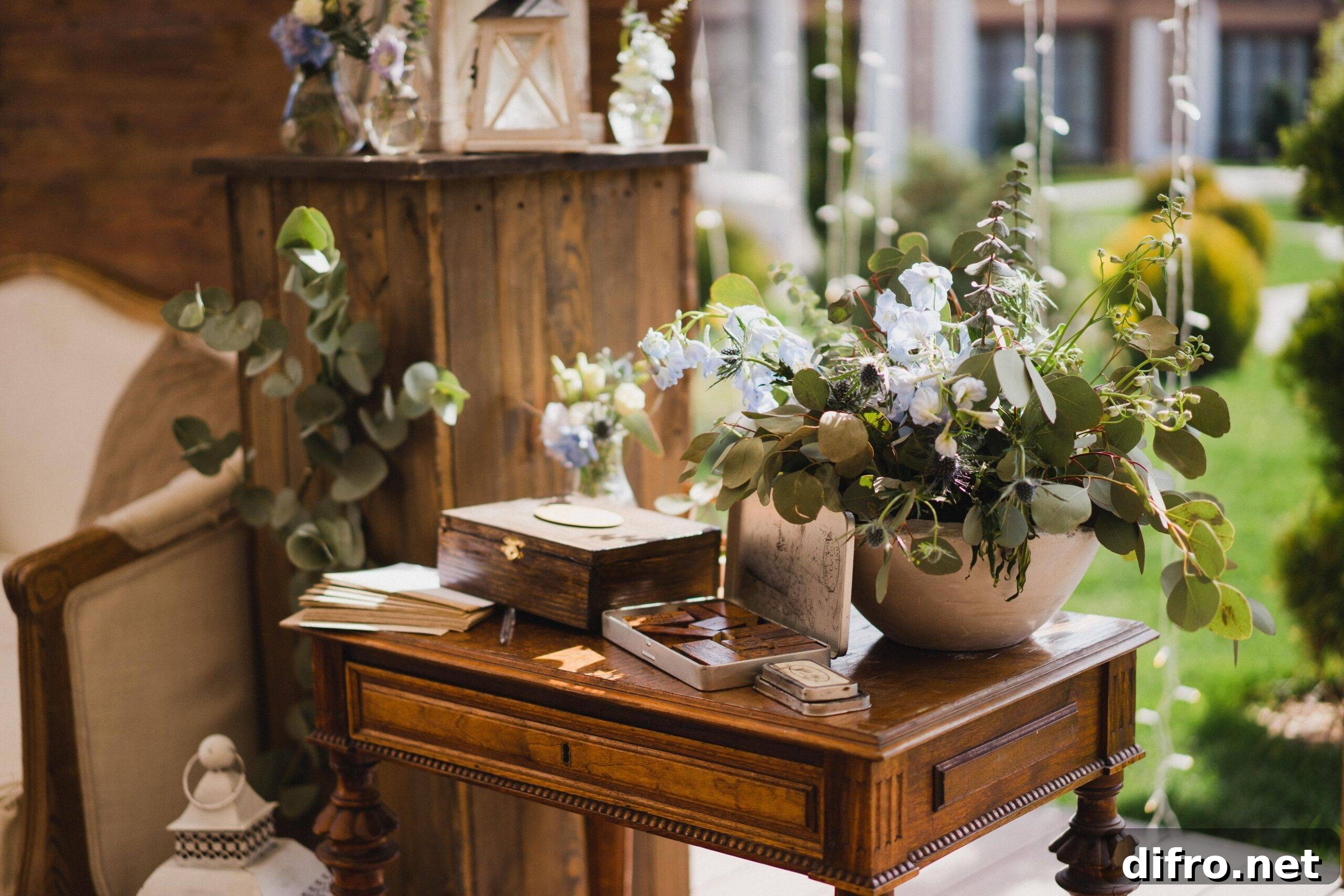
Styling your home like a professional is less about following trends or spending a lot and more about thoughtful decisions: plan first, layer textures, respect negative space, balance color, and create a strong focal point. Curate intentionally and edit ruthlessly to achieve a calm, cohesive result. Take your time, test ideas, and trust your instincts—small, considered changes often yield the most polished outcomes. With these principles, you can create a home that feels functional, personal, and professionally composed.