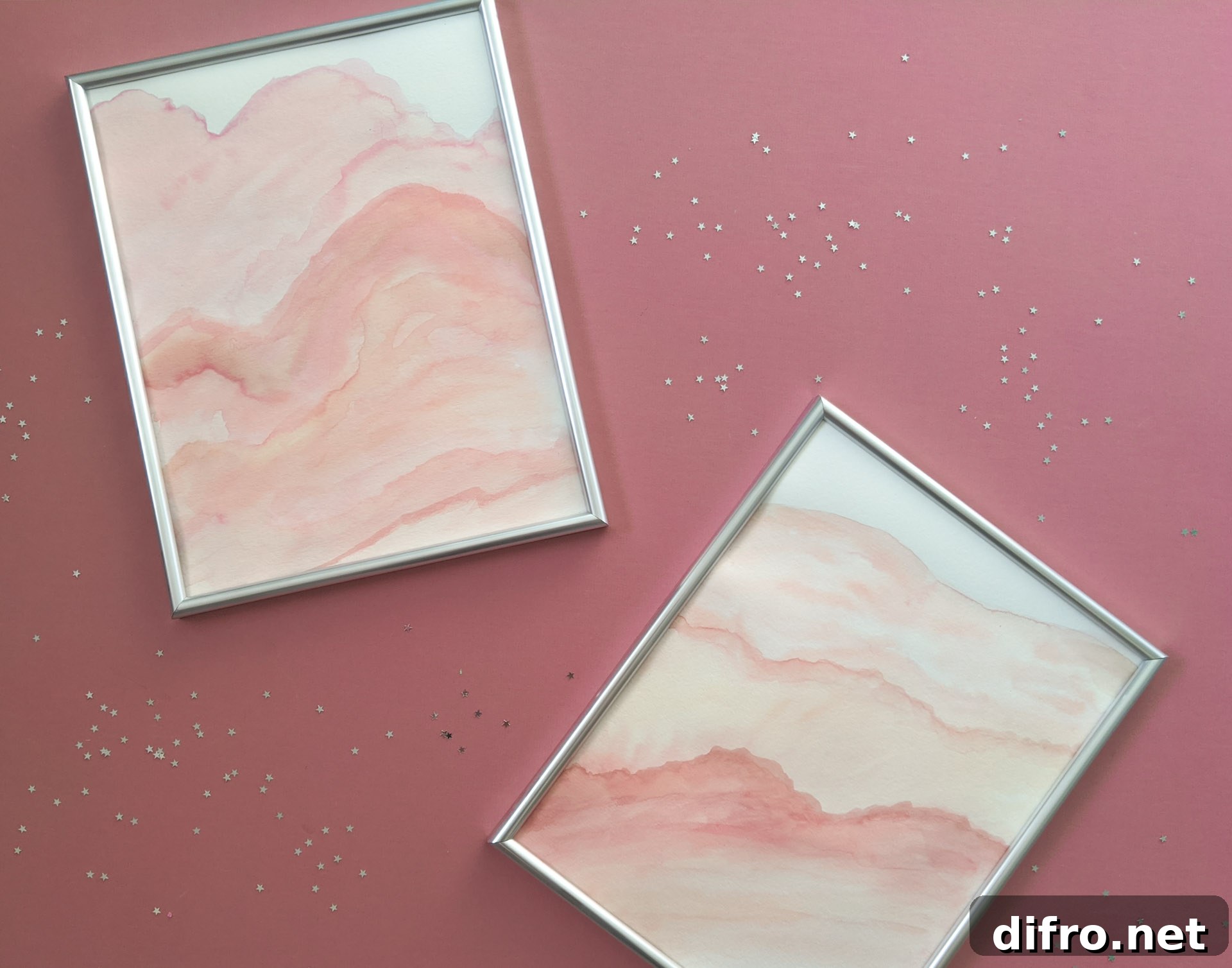
With online marketplaces offering a wide range of affordable prints and wall decor, it’s easier than ever to buy art. So why make your own? Creating DIY watercolor wall art lets you tailor color, scale, and texture to suit your space. Beyond customization, the process is calming and rewarding—there’s a special pride in seeing a piece you made hanging in your home every day.
Choose a Muse
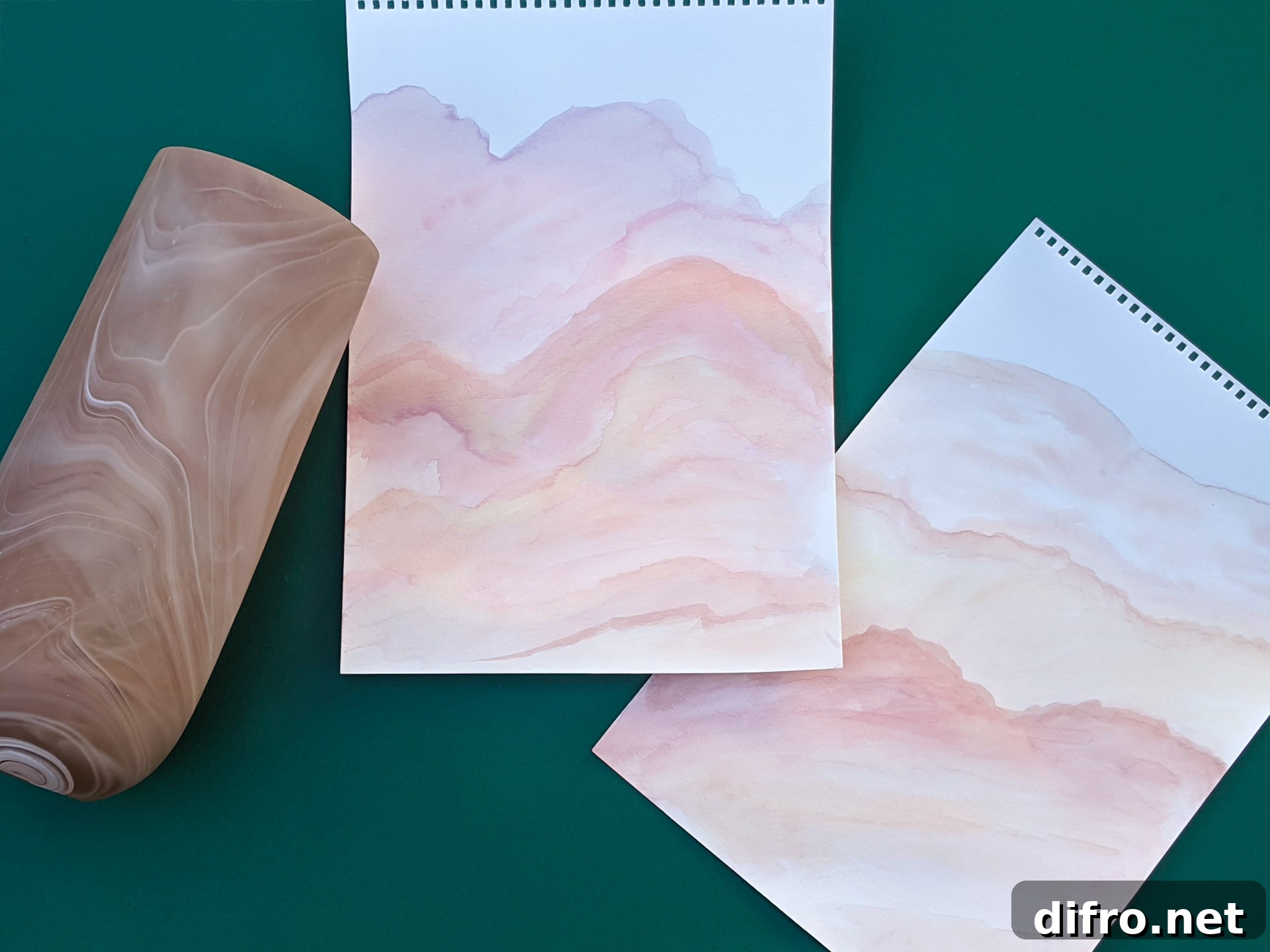
Before you begin, choose a source of inspiration: a photograph, an object, a memory, or a favorite color palette. For the artworks shown here, a marbleized vase inspired the shapes and tones. Keeping your muse or a printed photo nearby while you paint helps you match color, texture, and movement more faithfully. A tangible reference grounds decisions as you mix colors and build layers.
Practice, Practice, Practice
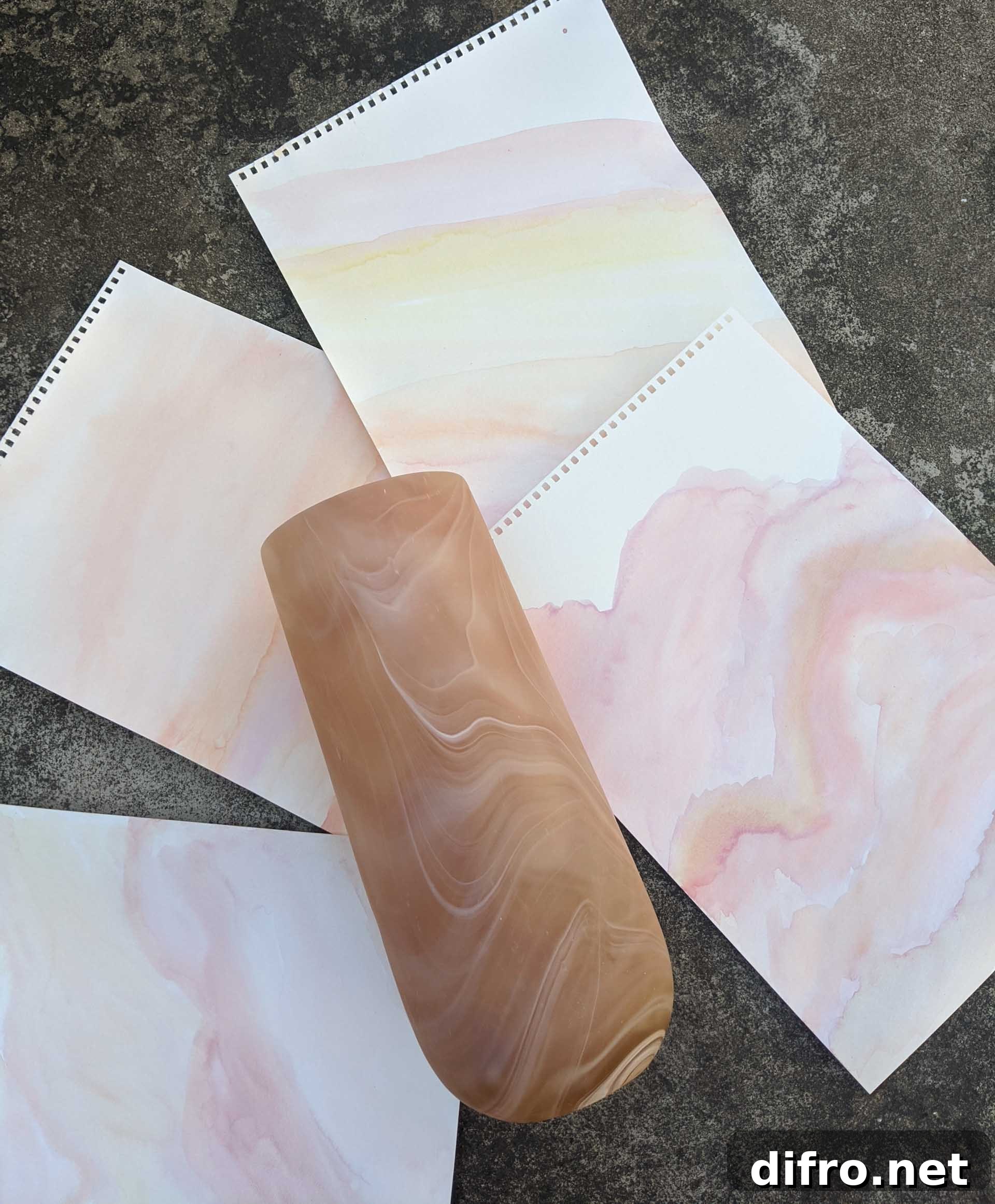
Very few artists get everything right on their first try, and that’s okay. Practice on spare sheets of watercolor paper to test blends, brush sizes, and color strength. Using a pad of proper watercolor paper is worth the investment: thicker paper handles water better and gives you more control over bleeding and texture. Treat each practice page as a study—an opportunity to refine techniques without pressure.
When working with limited supplies, accept that some pieces will be experiments rather than finished works. Allow yourself multiple attempts; translating the image in your mind to the page is a skill that improves with repetition.
Let the Brushstrokes Shape Your Creation
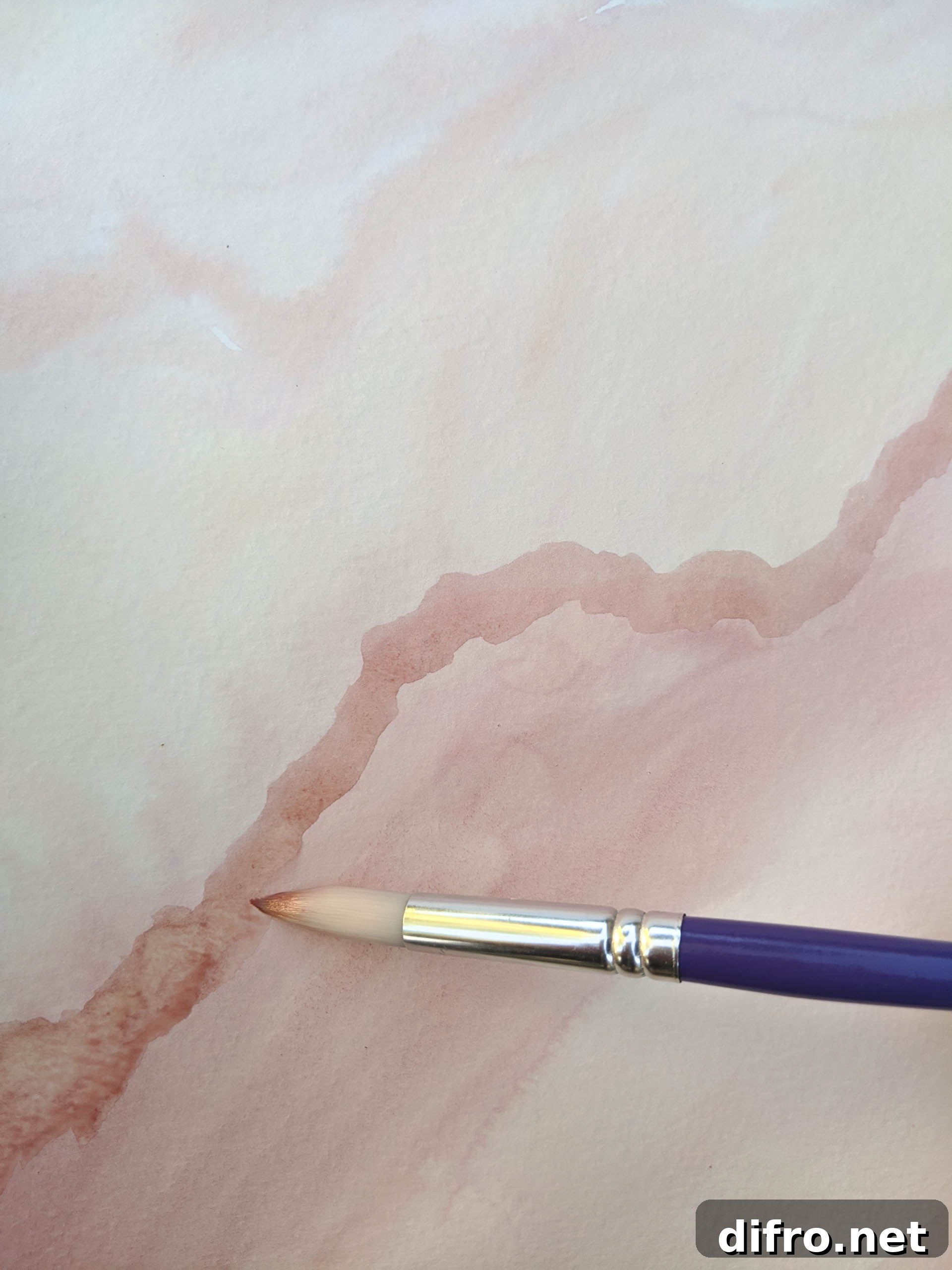
Watercolor is expressive: each brushstroke carries movement and feeling. Don’t be afraid to take risks—interesting marks often come from embracing imperfection. A wet-on-wet approach, where you apply paint to damp paper, produces soft edges and organic blends. That method gives you time to experiment since the paint moves and mixes slowly on the surface.
If a stroke becomes too strong or a section dries unevenly, soften it by brushing clean water over the area to lift or blur pigment. You can also reintroduce diluted color to create smoother transitions. These simple adjustments let you refine shapes and balance contrast while the paint remains workable.
Layer and Repeat
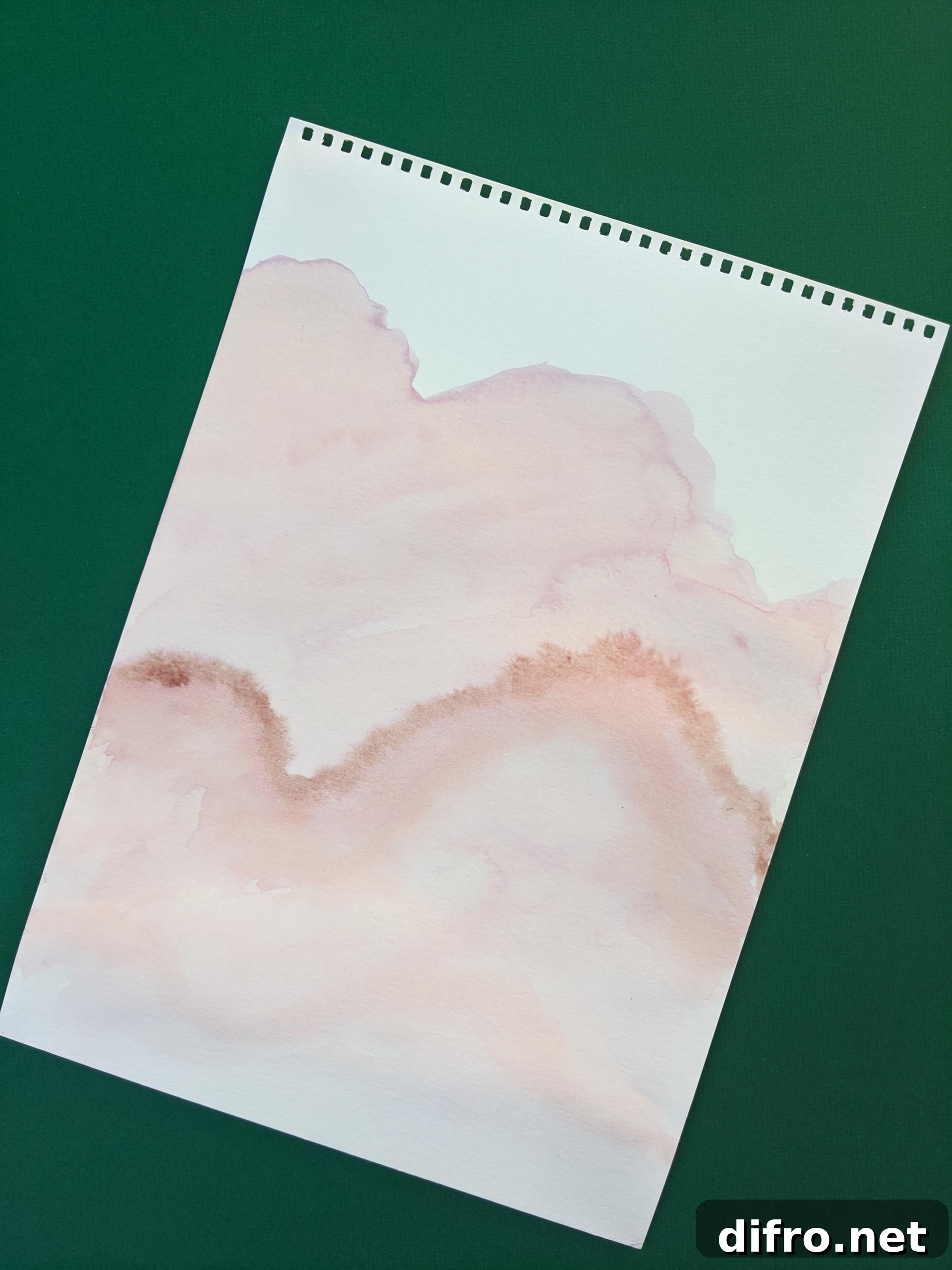
Color often dries lighter than it appears when wet. If your painting feels flat or pale, add more layers. Additional washes increase depth and richness: build up darker areas gradually, letting each layer dry before applying the next to avoid muddying the colors. Aim for contrast between soft washes and bolder strokes to create focal points and visual rhythm.
At the same time, know when to stop. Overworking a piece can reduce the freshness that makes watercolor appealing. Step back frequently, and when a composition feels balanced, allow it to rest. In the example paintings, initial soft rows were enhanced with concentrated lines and curves that serve as visual anchors.
Frame It
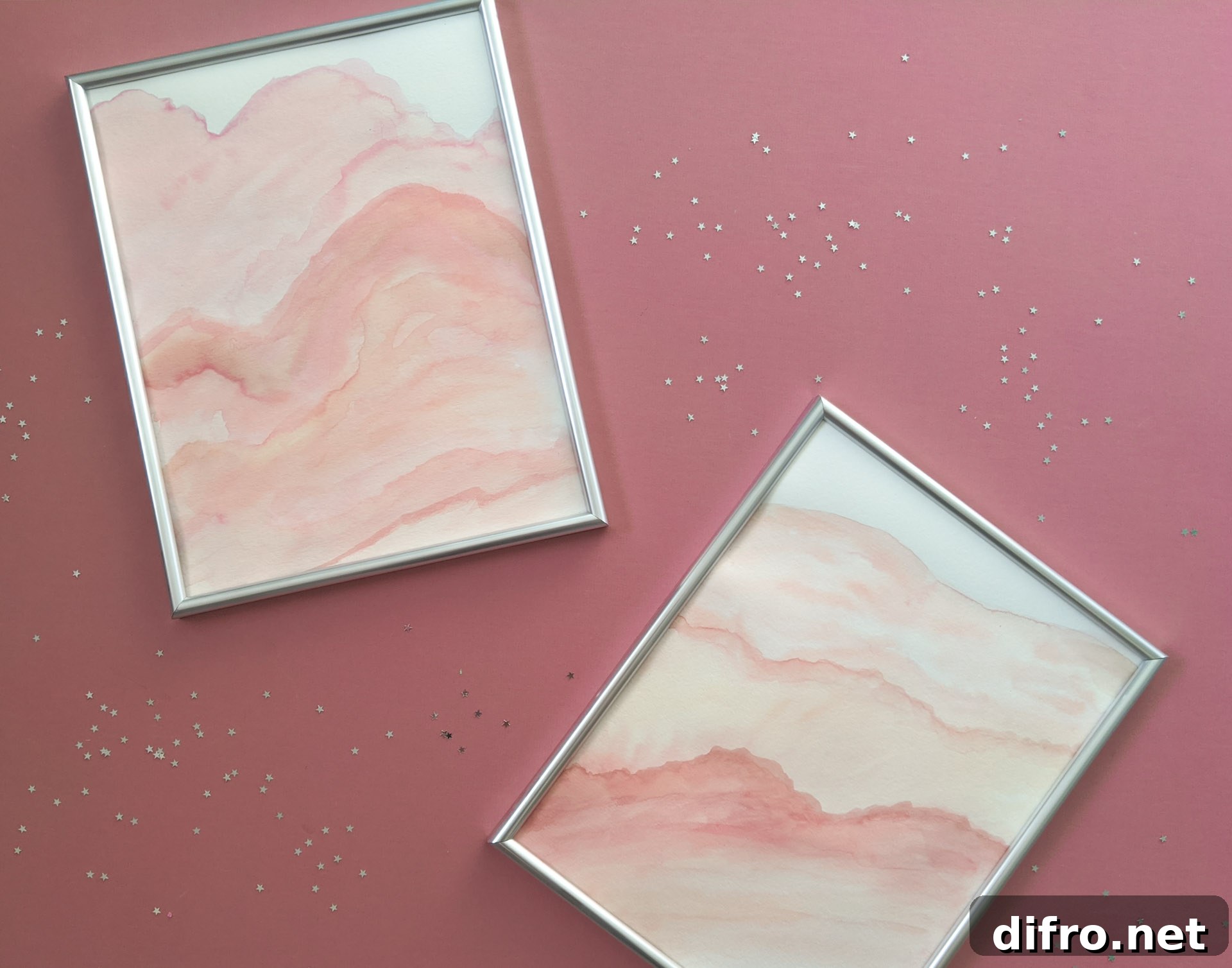
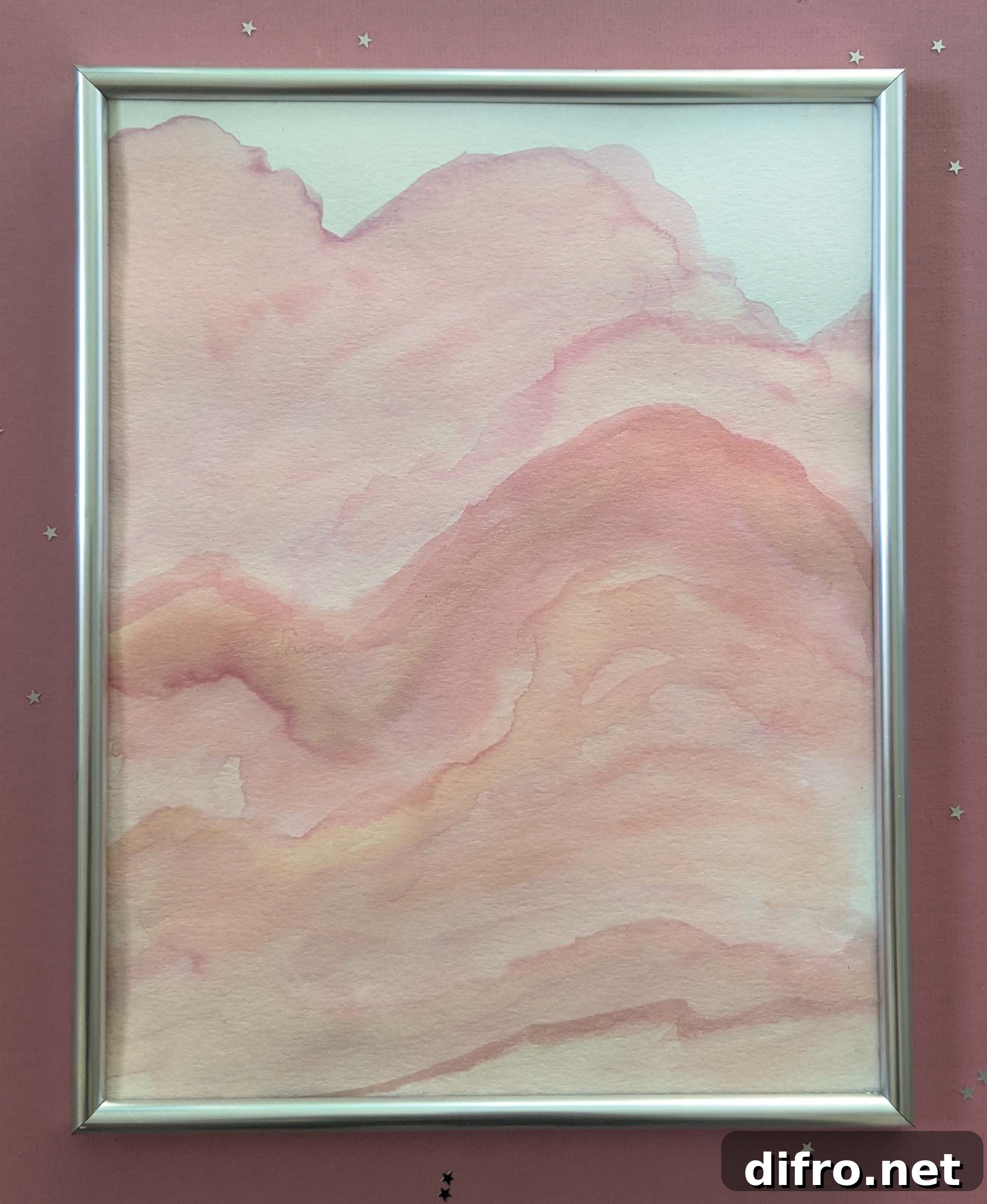
After your watercolor has fully dried, framing is the final step. A simple wooden frame gives a timeless look, while a metallic or retro frame can change the mood of the piece. Choose a frame and mat that complement both the artwork and the room where it will hang. The right framing elevates the painting from craft to curated decor and helps it stand out on the wall.
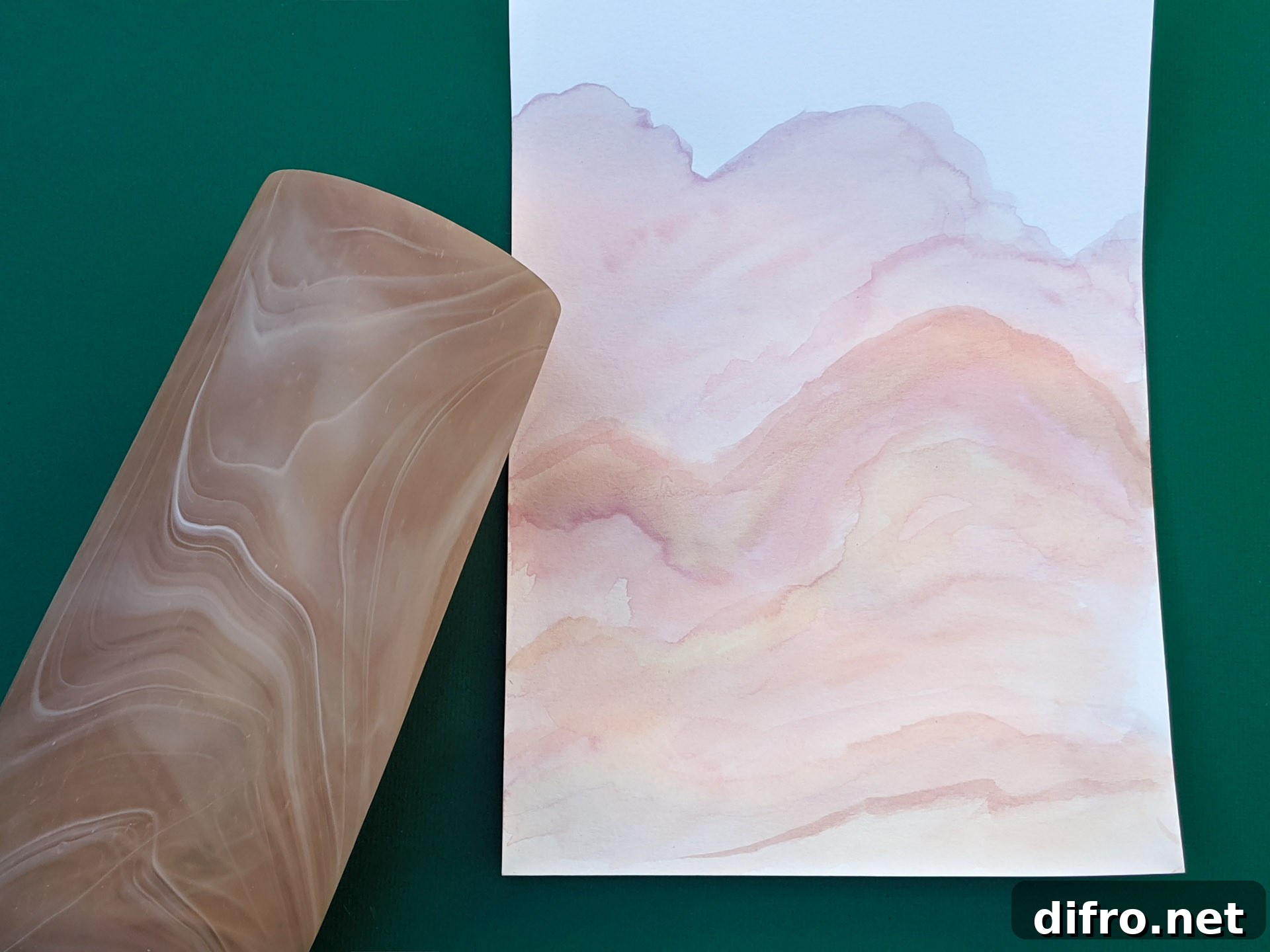
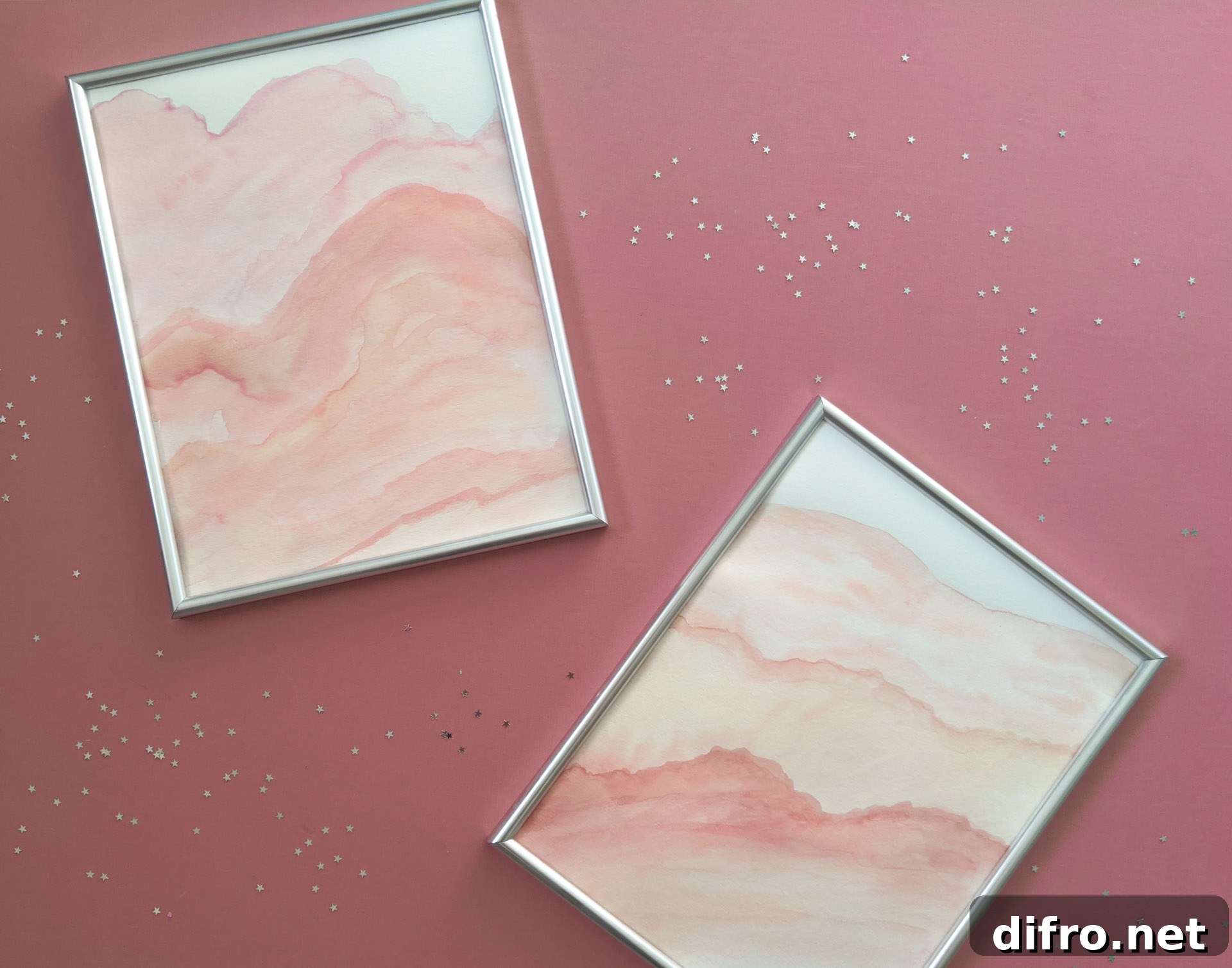
Whether you’re making a single statement piece or a series of small studies, DIY watercolor wall art is accessible and rewarding. Experiment with palette, scale, and technique, and let your personal taste guide the outcome. Happy painting—and enjoy seeing your work bring color and character to your home.