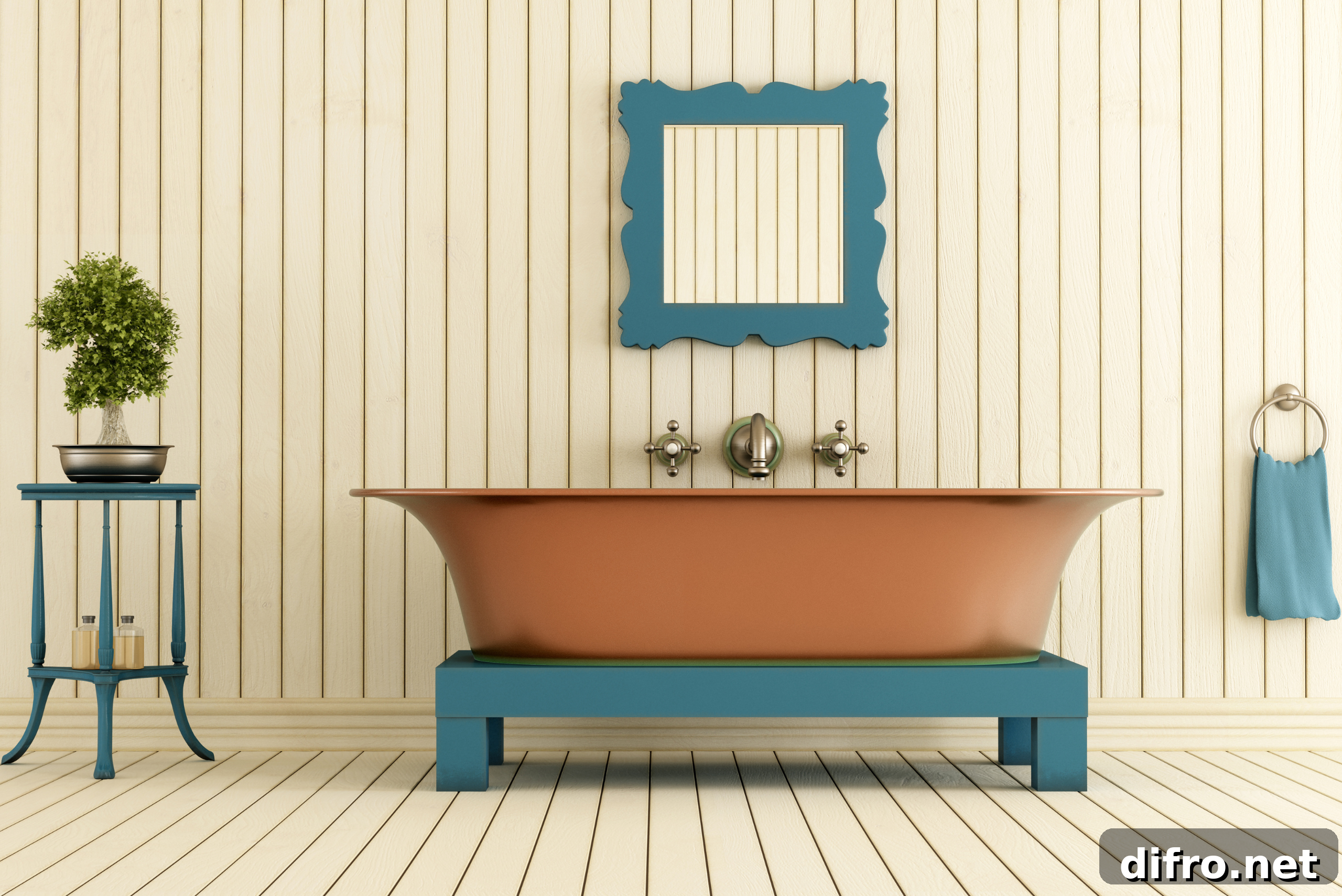
Remodeling a small bathroom on a tight budget is entirely achievable with careful planning, smart material choices, and a few well-executed DIY projects. Small bathrooms present unique challenges, but they also offer opportunities to add value and style without a major expense. This guide covers practical, budget-friendly strategies for small bathroom remodels, including DIY ideas, affordable materials, repurposing tips, shopping advice for fixtures, space-saving design, lighting and color guidance, and when to hire a contractor.
DIY Projects for Small Bathrooms
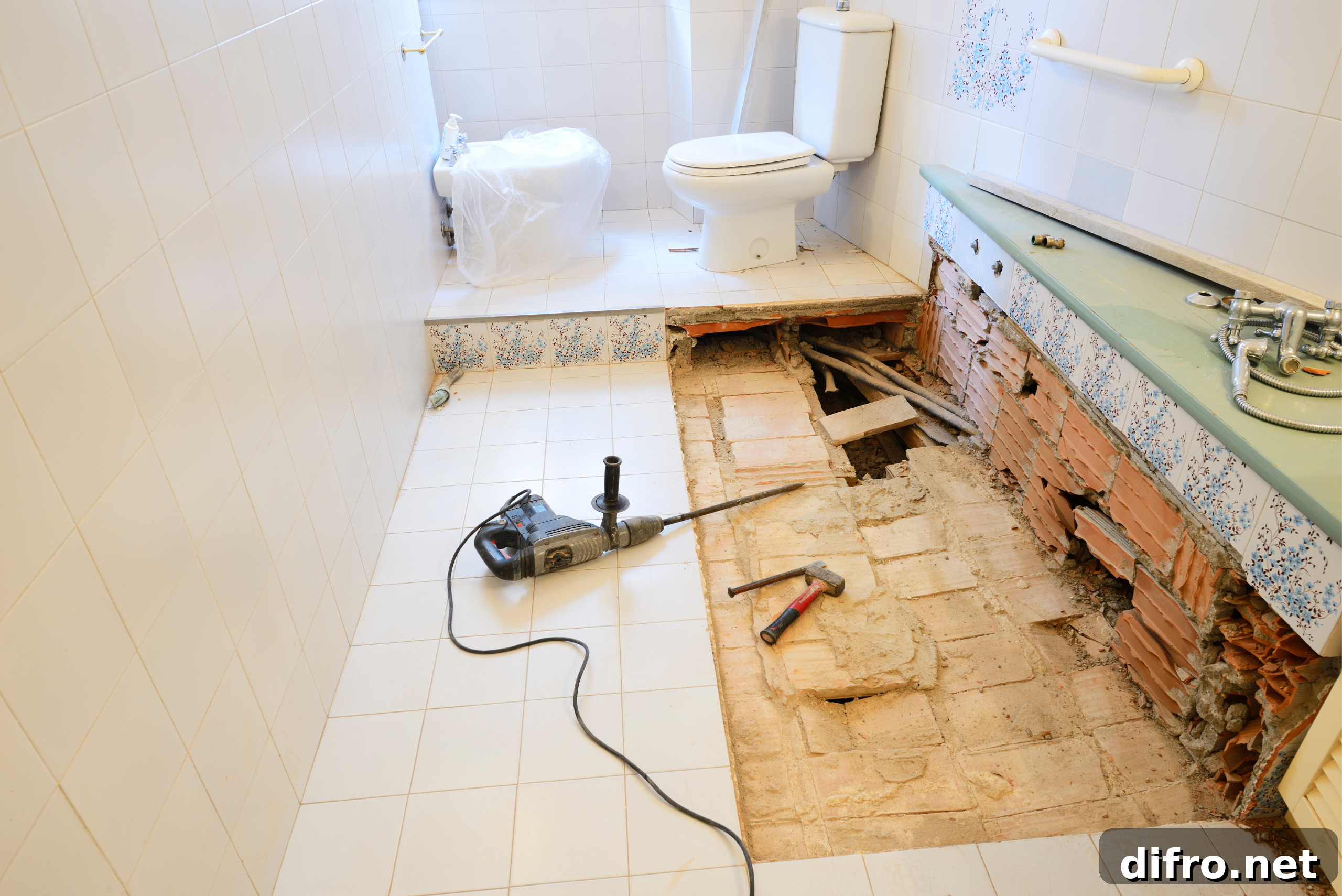
DIY projects are one of the most effective ways to cut costs while upgrading a small bathroom. Focus on tasks that are low-risk and high-impact:
- Painting: A fresh coat of paint instantly refreshes the room. Use light, neutral tones to reflect light and make the space feel larger. Proper surface preparation—cleaning, sanding, and priming—improves durability and finish.
- Tiling: Re-tiling a floor or adding a backsplash can be done as a DIY job if you take your time. Affordable ceramic or vinyl tiles offer many styles and are easier to install than natural stone.
- Refinishing fixtures: Refinishing a bathtub, sink, or cabinet can restore the look of older pieces without the cost of replacement. Refinish only when the underlying structure is sound and there are no serious leaks.
- Hardware and trim: Replacing towel bars, drawer pulls, and light switch covers is inexpensive but has a surprisingly big visual impact. Choose cohesive finishes to tie the design together.
Always prioritize safety: shut off water and power when working near plumbing or electrical components, use proper protective equipment, and get guidance for complex tasks.
Affordable Materials and Finishes
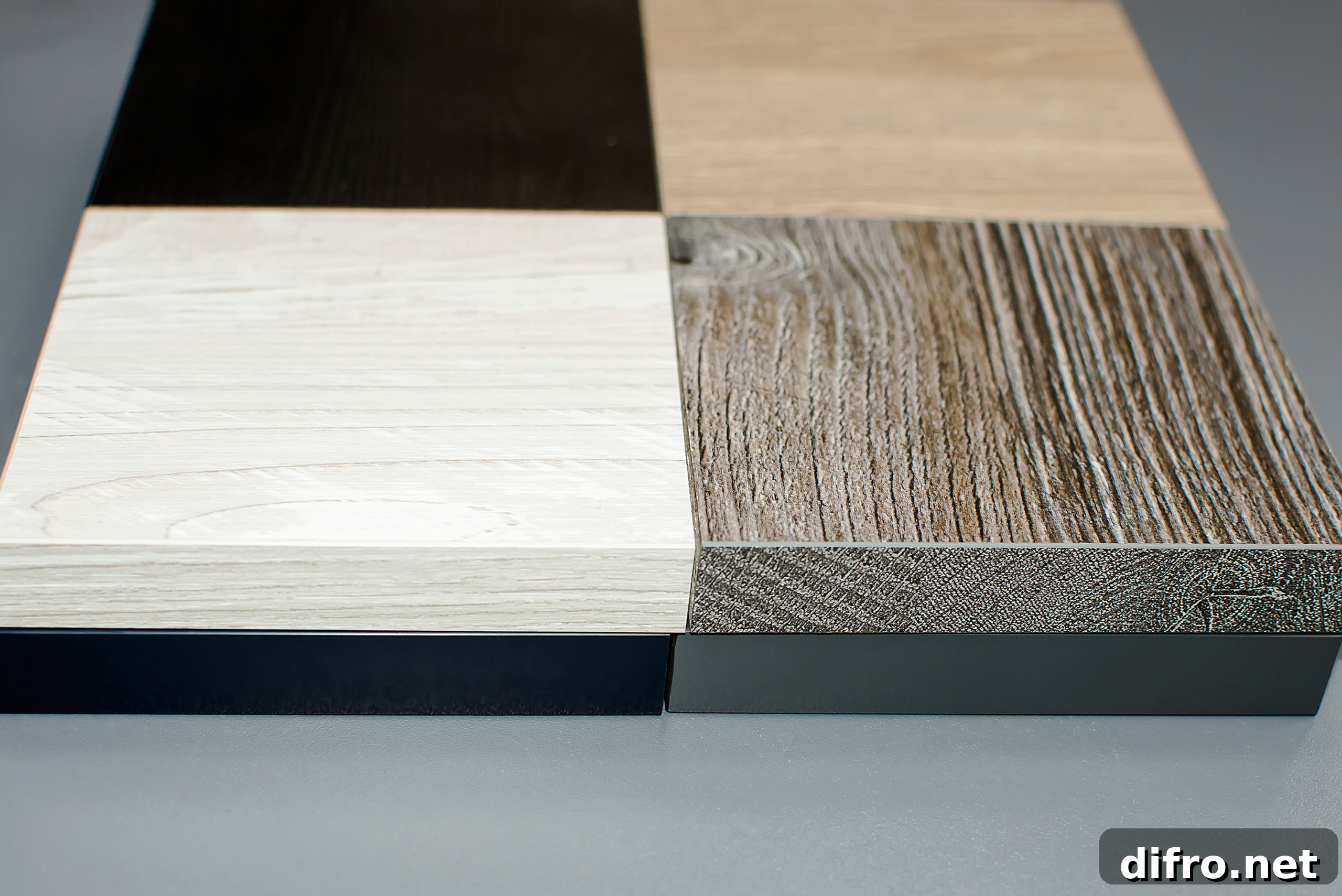
Choosing budget-friendly materials is key to a cost-effective remodel. Consider durable, low-maintenance options that mimic higher-end finishes:
- Flooring: Vinyl plank, sheet vinyl, and laminate provide waterproof or water-resistant surfaces that are affordable and easy to install. They come in many styles that replicate wood, tile, and stone.
- Walls: Paint is the most economical wall covering and can be used to create a clean, modern backdrop. For texture or interest, consider beadboard or wainscoting on lower walls.
- Countertops: Laminate and engineered surfaces can replicate the look of natural stone at a fraction of the price and with less maintenance.
Watch for sales and clearance sections at local stores or online retailers. Buying slightly discontinued patterns or last-season colors can save significantly while still giving a fresh look.
Repurposing and Upcycling
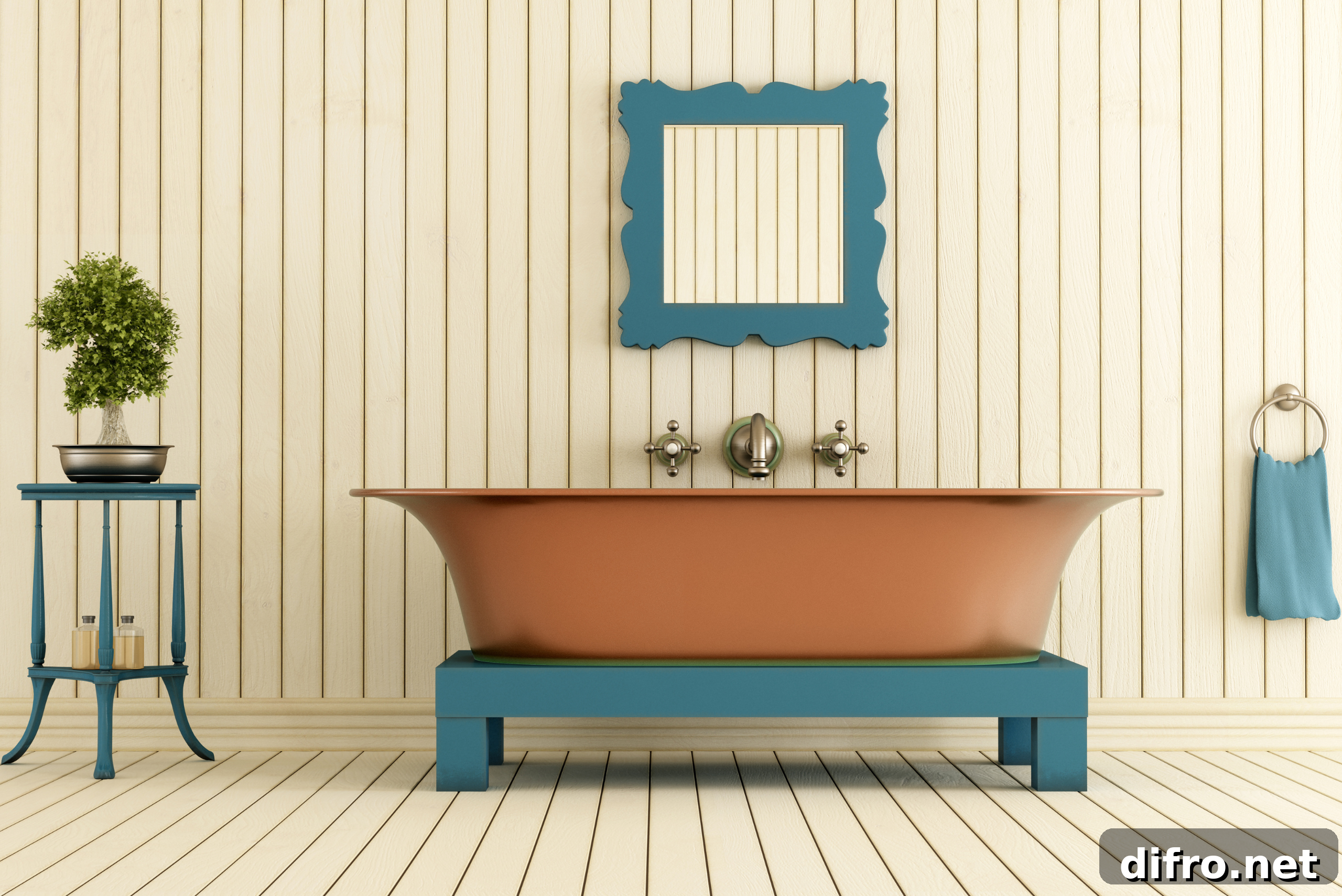
Repurposing and upcycling keep costs down and add personality to a small bathroom. Look for pieces with good bones that can be refreshed:
- Repurposed furniture: Old dressers or cabinets can be converted into vanities by adding a sink cutout and waterproofing the top. This creates unique, storage-rich solutions.
- Upcycled decor: Mirrors, picture frames, and salvaged wood can be turned into shelving or accent features, giving character without high cost.
Upcycling supports sustainability and often results in a one-of-a-kind look that sets your bathroom apart from mass-produced designs.
Budget-Friendly Fixture Shopping
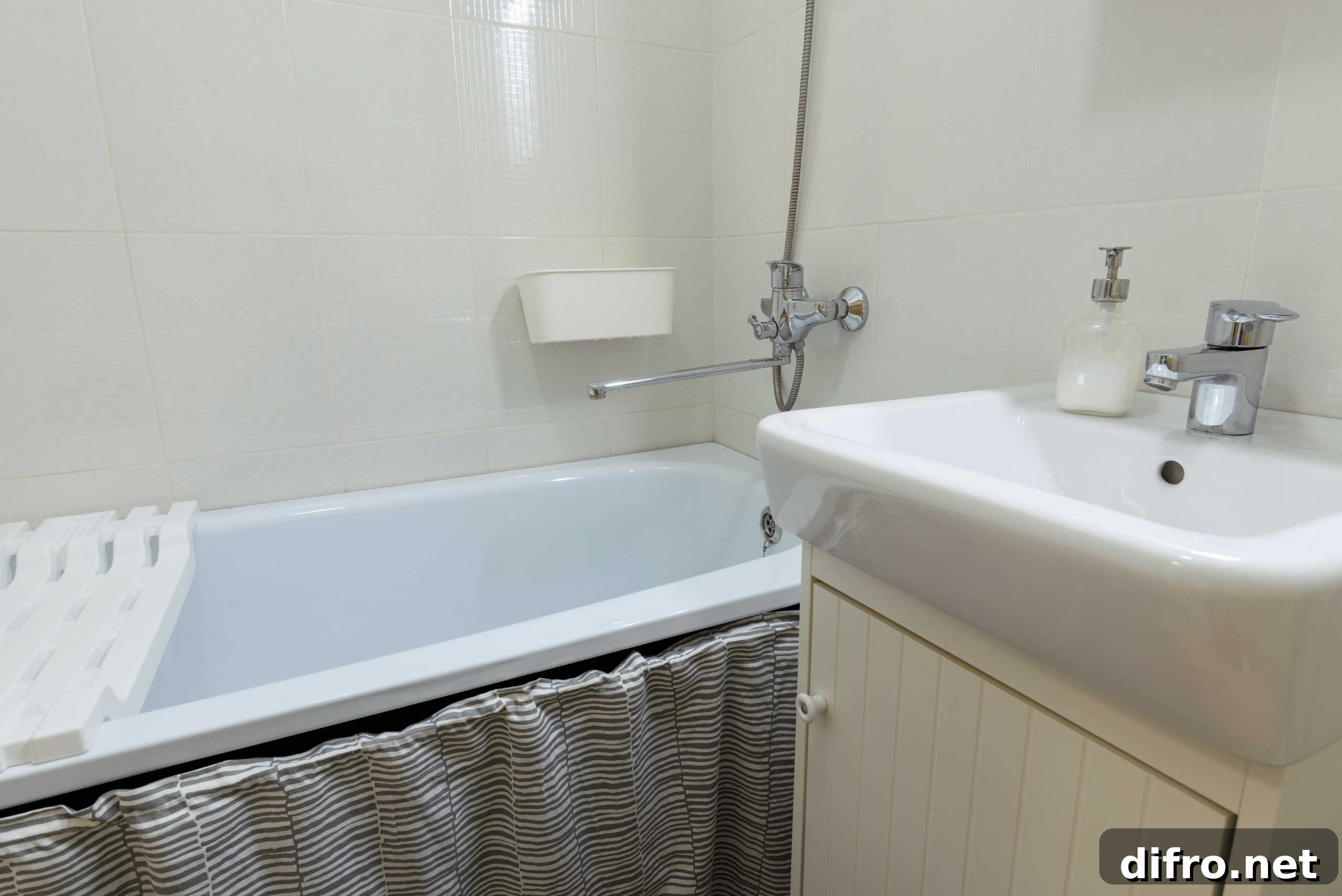
Fixtures like faucets, showerheads, and lighting can add style without a large investment. Where to look and what to prioritize:
- Outlet and clearance stores: Overstock and outlet stores often carry fixtures at reduced prices. Inspect items for damage and verify return policies.
- Second-hand sources: Thrift shops and salvage yards can yield high-quality finds at a fraction of retail cost. Verify condition and compatibility before purchasing.
- Value-focused brands: Many manufacturers offer reliable fixtures designed for affordability—shop reviews and warranties to find the best fit.
When selecting fixtures, focus on finishes and proportions that suit the scale of your small bathroom. Mixing styles carefully can create a curated look without needing expensive matching sets.
Space-Saving Design
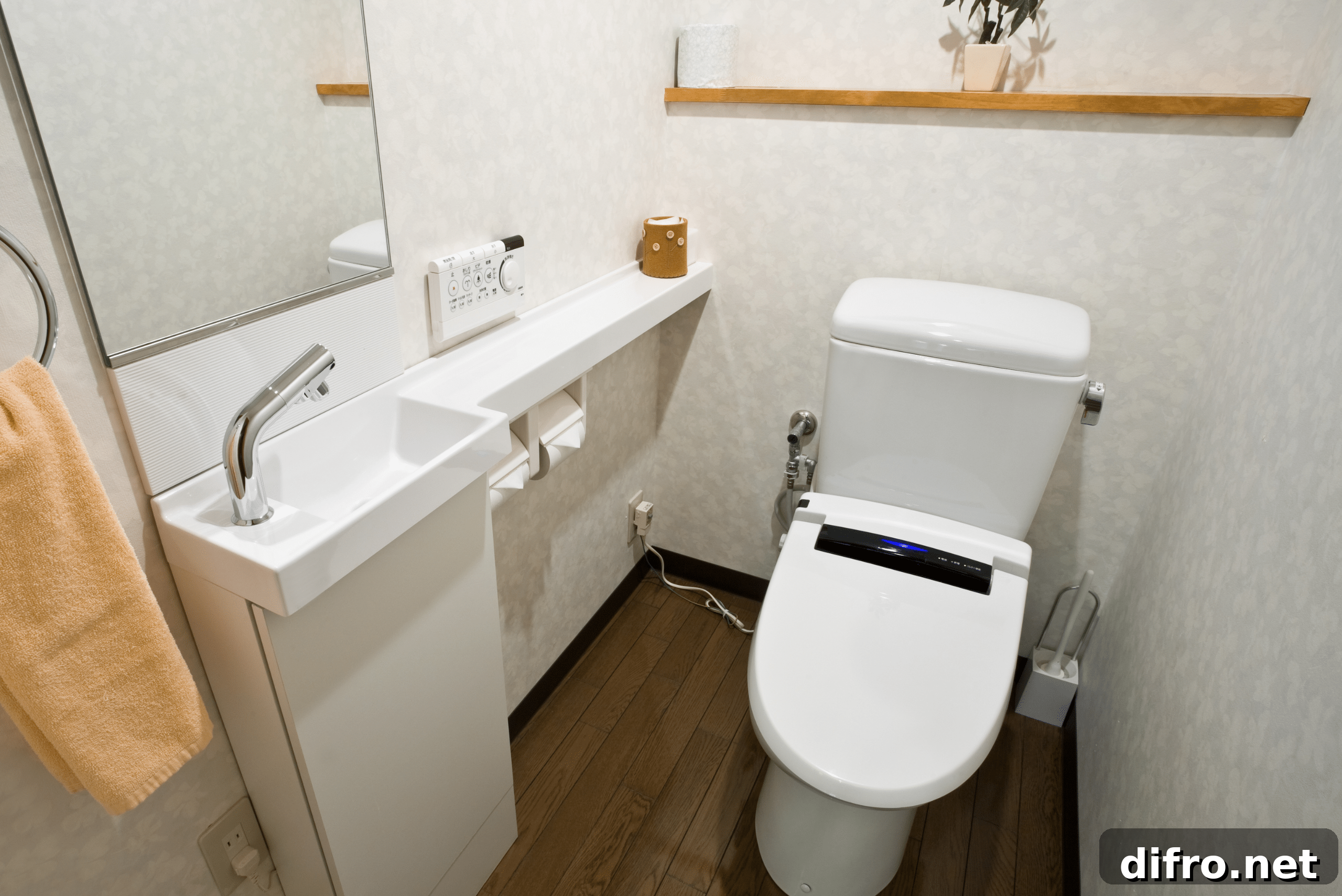
Smart layout and storage solutions make a small bathroom feel larger and more functional:
- Open and floating shelving: Wall-mounted shelves and floating vanities keep floor space visible, creating the impression of more room.
- Compact storage units: Slimline cabinets, corner vanities, and recessed medicine cabinets maximize storage without crowding the room.
- Multi-functional pieces: Choose vanities and mirrors with integrated storage to reduce clutter and free up surfaces.
Plan storage around daily routines—store frequently used items within easy reach and stow less-used supplies higher up or in decorative containers.
Lighting and Color Choices
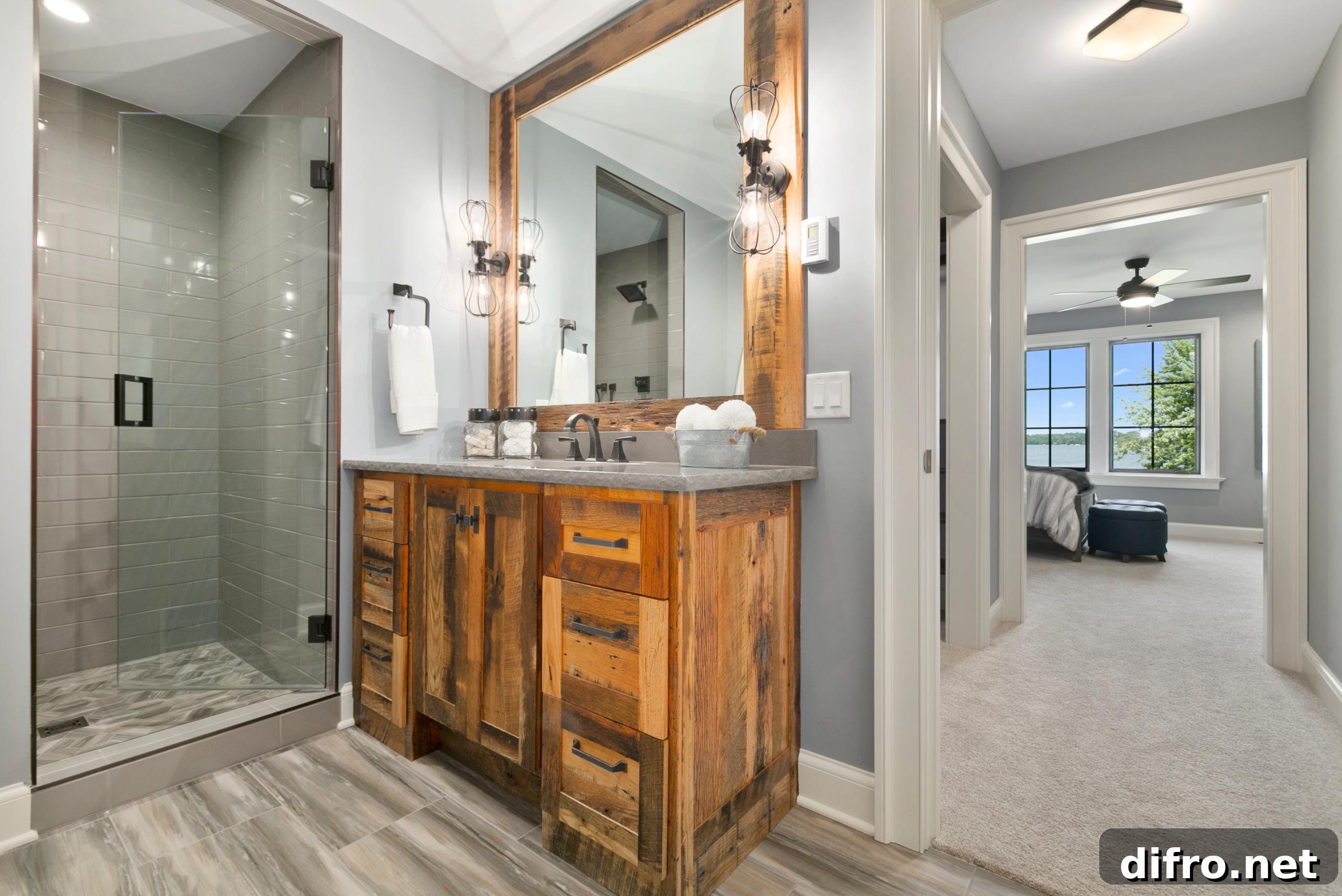
Proper lighting and a careful color palette are essential to making a small bathroom feel open and inviting:
- Lighting: Layer lighting with task lights at the vanity and ambient ceiling or wall fixtures. Energy-efficient LED bulbs provide bright, flattering light while keeping energy use low.
- Color palette: Light, neutral colors expand the visual space. Use contrast with darker accents sparingly to add depth without overwhelming the room.
Mirrors placed opposite or near light sources amplify brightness and create the illusion of additional depth.
Hiring a Contractor vs. DIY

Decide early which tasks you can handle and which require professional help. Basic cosmetic updates—painting, installing shelves, and replacing hardware—are often manageable as DIY projects. Complex work that involves plumbing, structural changes, or electrical rewiring is usually best left to licensed contractors to ensure safety and compliance with local building codes.
Get multiple quotes for contractor work, check references, and ensure any hired professional carries appropriate insurance and permits. Clear communication about budget, timeline, and expectations helps prevent surprises.
With deliberate planning, smart material choices, and a mix of DIY and professional help where appropriate, a small bathroom remodel can be budget-friendly and highly effective. Focus on improvements that increase function, improve lighting and storage, and reflect a cohesive design. A modest investment and thoughtful execution will transform a compact bathroom into a comfortable, attractive space you’ll enjoy for years.