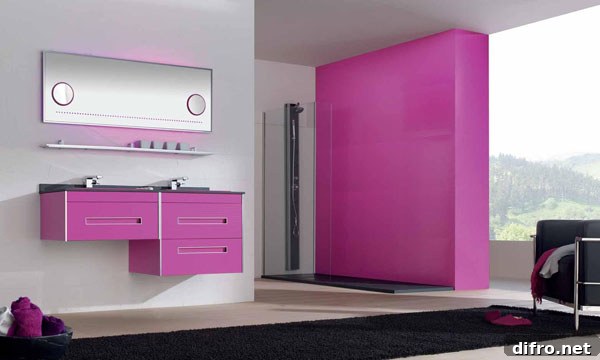
Roman showers are a contemporary addition to bathroom design that blend elegance with practicality. Defined by their open, doorless configuration, roman showers create a seamless transition between the shower area and the rest of the bathroom. Their simple silhouette and architectural presence can upgrade both modern and traditional interiors, offering a tailored, spa-like atmosphere that feels purposefully designed rather than an afterthought.
In residential settings, roman showers often incorporate modern conveniences that enhance comfort and relaxation. Integrated LED lighting, steam functions, and optional entertainment features such as in-bathroom audio or screens are common in higher-end installations. These technologies are complementary to the design, letting homeowners control ambiance, temperature, and privacy while preserving the clean lines that define a roman shower.
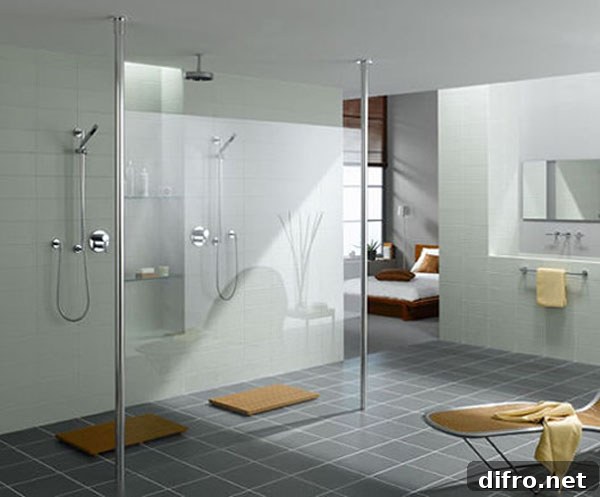
One of the defining benefits of a roman shower is the way it opens up the bathroom visually and physically. By removing doors and curtains, designers gain flexibility: the shower can integrate built-in niches for toiletries, inset benches for seating, and recessed shelving for neat storage. These details not only improve usability but contribute to a polished, cohesive look.
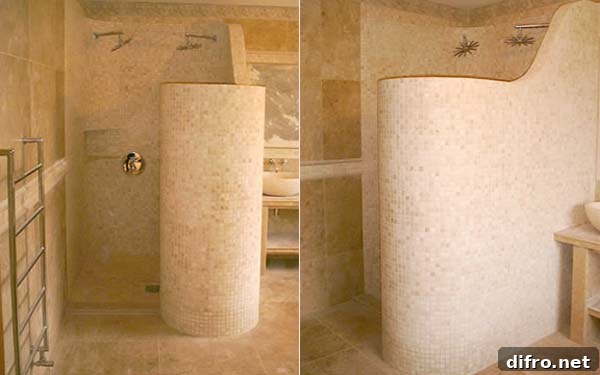
Roman showers are commonly used in wetrooms—bathrooms intentionally designed as open, waterproofed spaces where the shower area is part of the overall floor plan. In a wetroom layout, a single drain often collects water from the entire space, which visually enlarges the room and simplifies circulation. Proper slope toward the drain and careful planning of the floor pitch are essential to ensure efficient drainage and to prevent pooling.
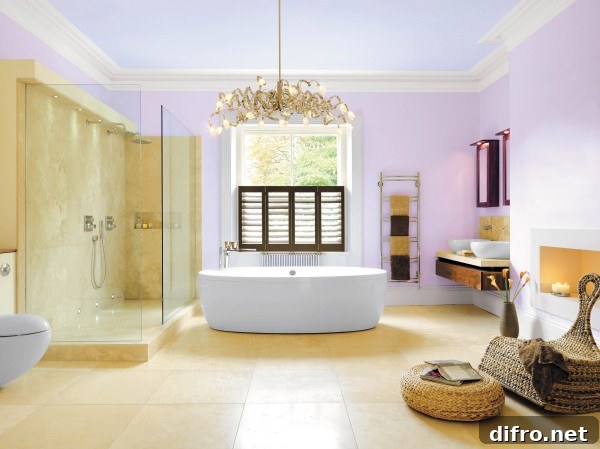
Waterproofing is the most critical technical consideration for any roman shower. Because the shower is open to the rest of the bathroom, sub-tile waterproofing membranes and properly sealed joints are essential to protect the structure beneath. Professional installation of the waterproofing layer, careful detailing around drains, and correctly installed tile or paving will ensure the shower remains both attractive and durable over time.
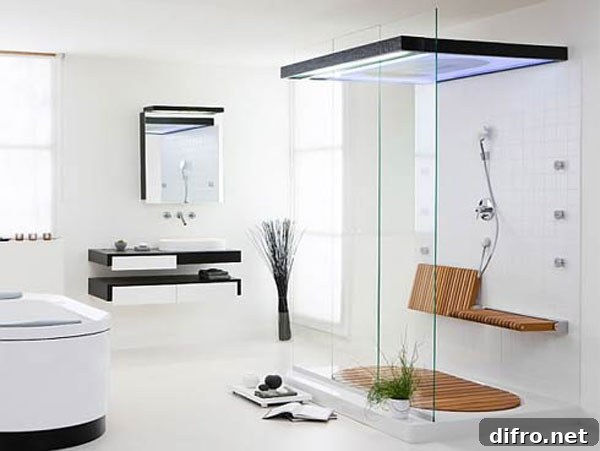
Material choices matter for both aesthetics and longevity. Non-slip floor tiles are recommended for safety, while larger-format wall tiles can reduce grout lines and create a more continuous visual plane. Natural stone, porcelain, and high-quality ceramic are popular choices; waterproof grout and sealants add protection and reduce maintenance. In some designs, contrasting tile patterns or a feature wall add focal interest without overwhelming the clean geometry of a roman shower.
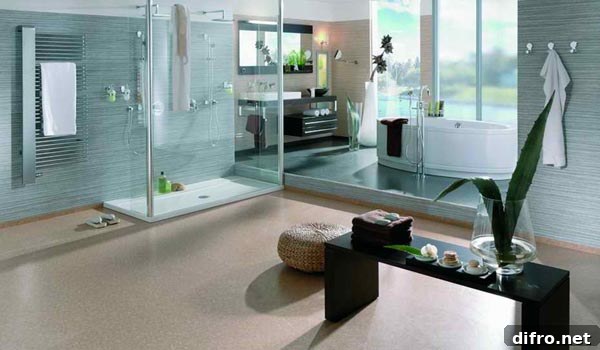
Color and lighting play a big role in shaping the perceived size and mood of a bathroom with a roman shower. Light, neutral colors reflect light and make the space feel larger and airier, while deeper tones create a cozy, enclosed feeling. Layered lighting—overhead, task, and accent—can emphasize architectural details, illuminate niches, and create a comfortable ambiance for both quick morning routines and longer, relaxing showers.
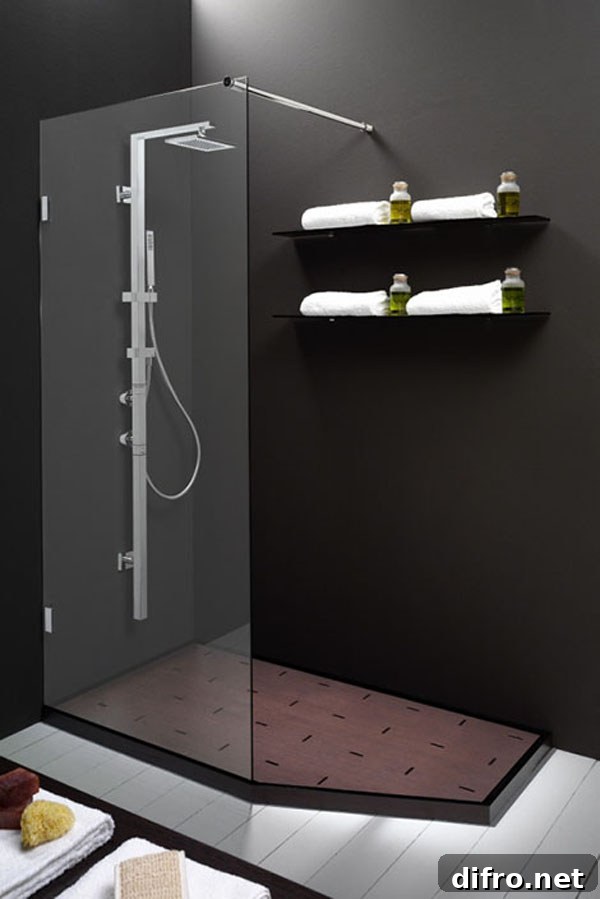
Accessibility is another advantage of roman showers. Their threshold-free entry makes them suitable for walk-in access, and adding a built-in bench or grab bars increases usability for people with limited mobility. Thoughtful placement of controls and hand showers at reachable heights ensures the space is comfortable for all users.
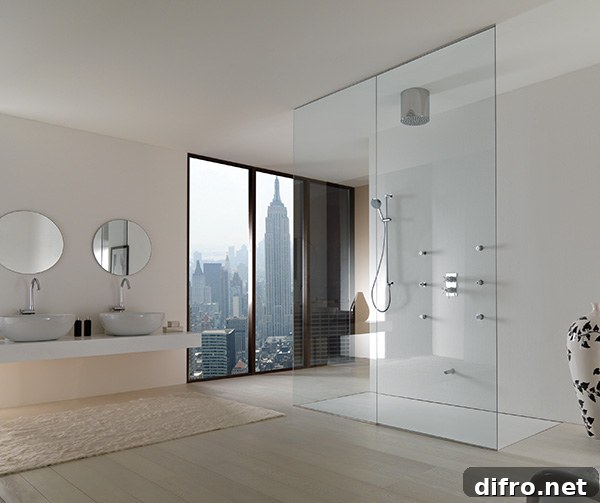
Maintenance of an open roman shower is straightforward if designed with durable finishes and accessible drainage. Regular cleaning of grout and surfaces, proper ventilation to reduce humidity buildup, and routine inspection of seals will keep the space looking and performing at its best for years.
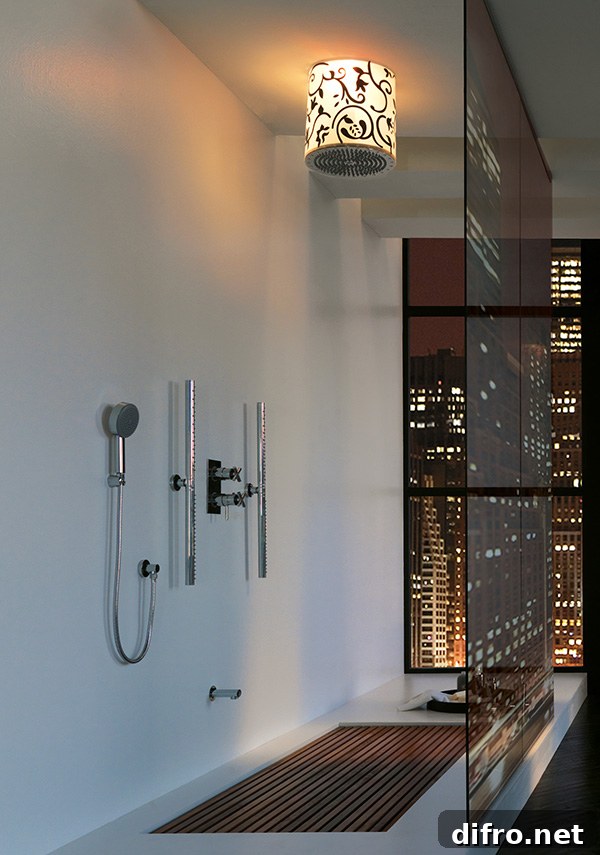
When planned carefully, a roman shower can transform a bathroom into a calm, open, and highly functional space. It combines visual simplicity with practical features—storage niches, seating, safe flooring, and reliable waterproofing—to create a sophisticated shower experience that suits a variety of tastes and lifestyles.