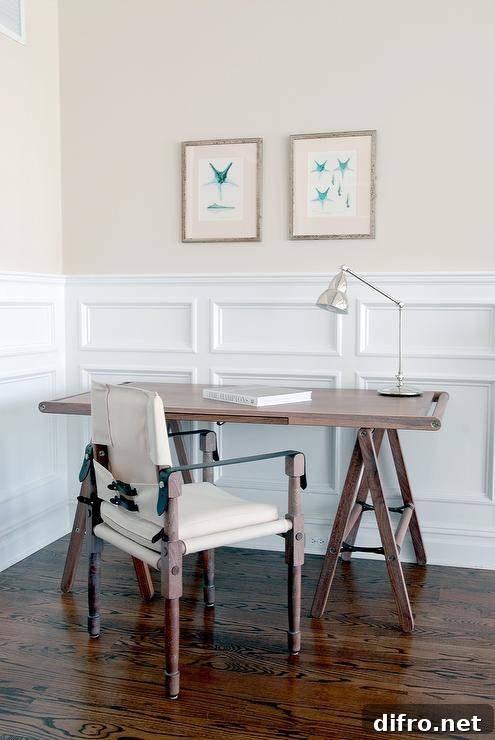
Wainscoting is a timeless decorative wall treatment that can add character and sophistication to any room. Once used primarily to protect walls from dampness and daily wear, wainscoting now serves mostly aesthetic purposes—bringing texture, architectural interest, and a sense of finish to interiors. Whether you prefer classic paneling or a more modern tongue-and-groove look, there are many wainscoting ideas to inspire your next home update.
This guide offers practical wainscoting ideas, a brief history, popular styles, tips for choosing the right option, and DIY advice so you can decide whether wainscoting is the right textured element for your space.
Wainscoting typically covers the lower portion of a wall with wood paneling, beadboard, or alternative materials like MDF and PVC. It protects walls from scuffs and scratches while visually anchoring furniture and creating a cozy, well-defined area. Because it can be painted or stained, wainscoting easily adapts to many decor styles—from traditional and Victorian to farmhouse, coastal, and contemporary.
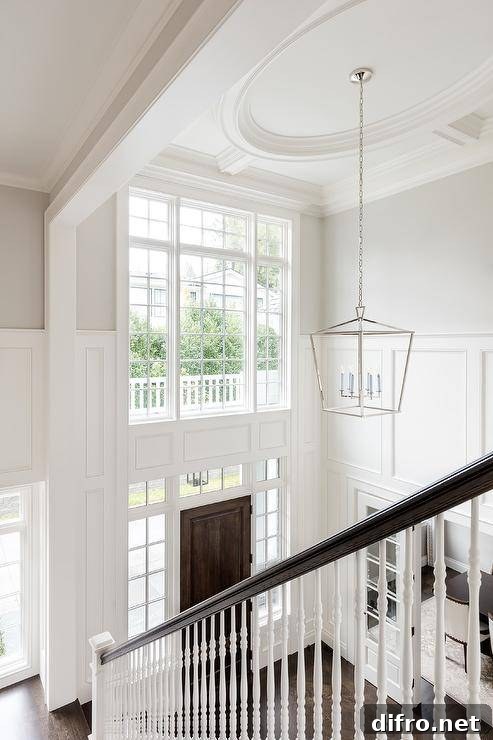
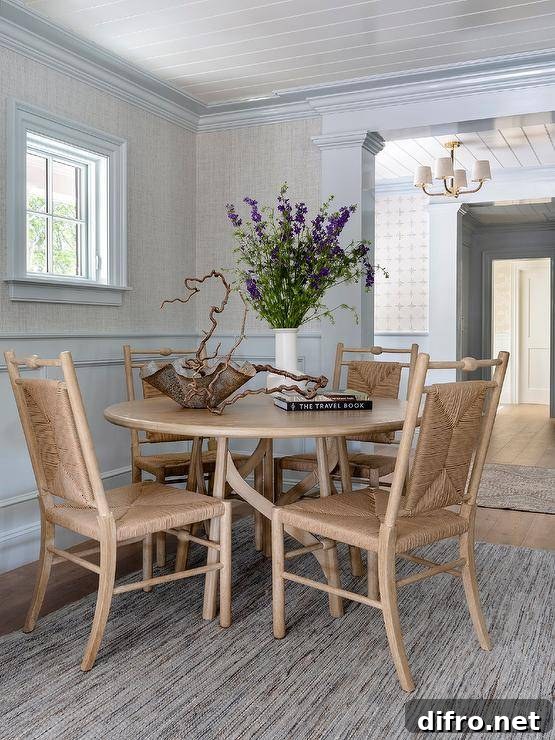
Wainscoting is versatile: it can create formality and depth in dining rooms and entryways, add cottage charm to kitchens and bathrooms, or bring rustic warmth to a family room. Choosing the right material and finish will determine how durable and low-maintenance the installation will be.
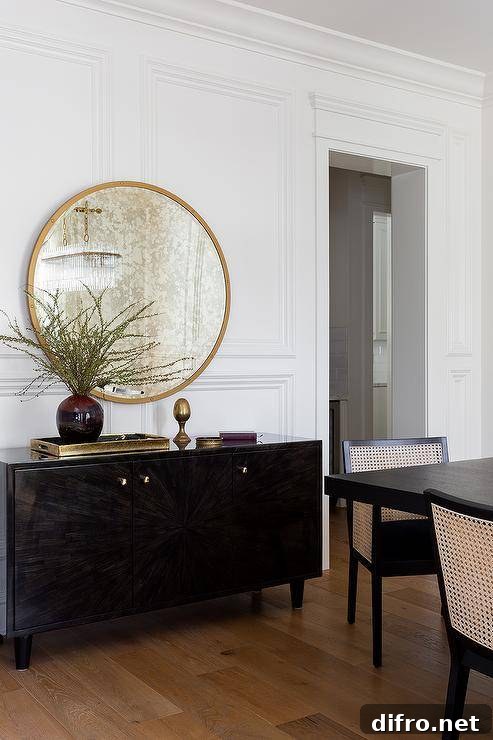
History of Wainscoting
The term “wainscot” comes from an Old Norse word meaning “wall shield.” Historically, wainscoting used oak boards to protect lower walls from moisture and grime in medieval homes. As building techniques and interiors evolved, paneling became an architectural detail that expressed status and taste.
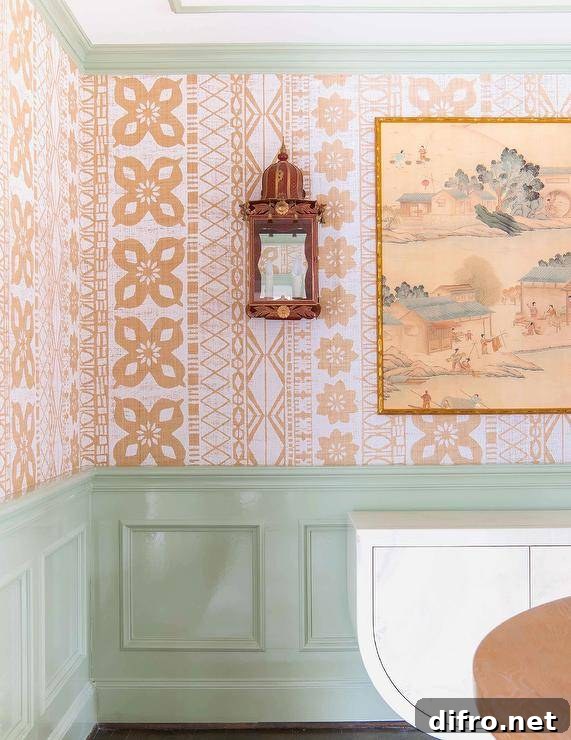
During the Tudor and later Georgian periods, wainscoting became both protective and ornamental. In the 17th and 18th centuries, carved motifs and elaborate moldings were introduced to express wealth and craftsmanship. By the Victorian era, wood paneling was frequently combined with wallpaper for dramatic interior schemes.
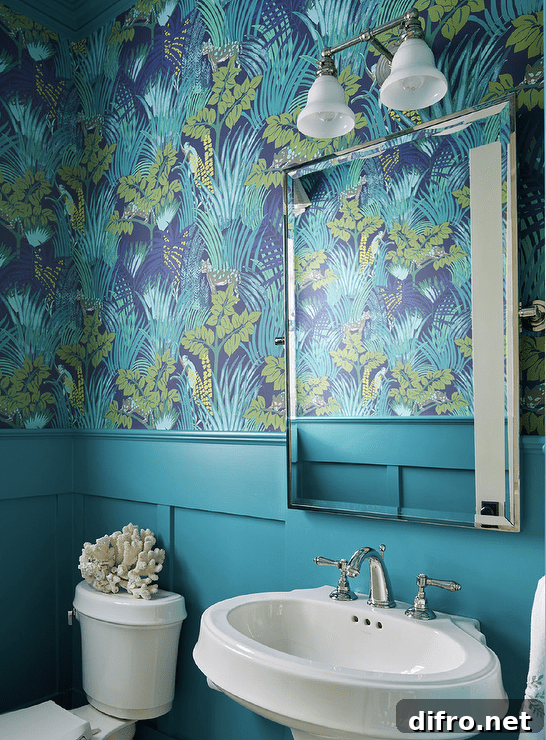
Today, traditional wood remains popular, but modern alternatives like MDF and PVC offer budget-friendly, low-maintenance options. Wainscoting continues to be a flexible design tool that suits a wide range of interiors.
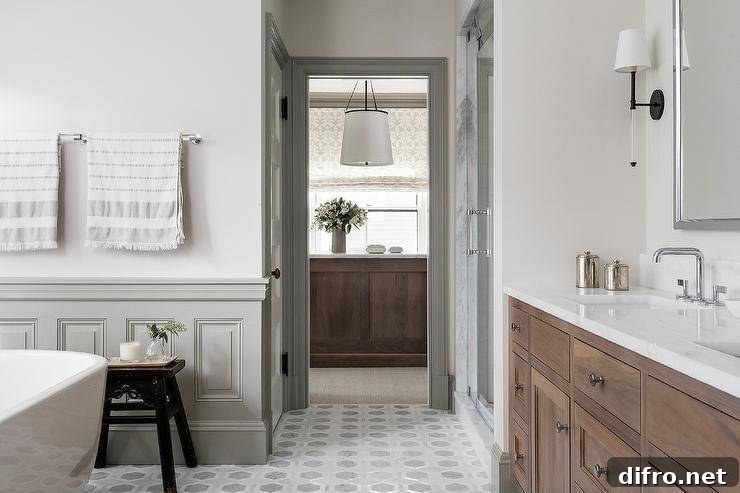
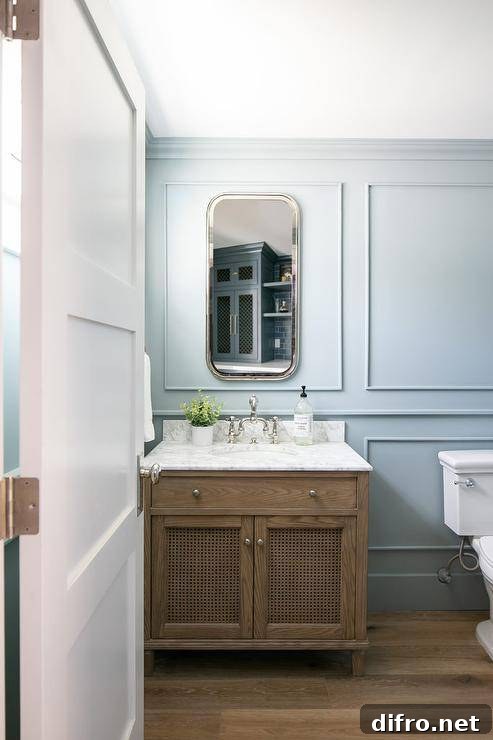
Types of Wainscoting Ideas
Wainscoting comes in several styles, each lending a different mood and level of formality to a room. Consider the overall style of your home, the room’s function, and practical factors like maintenance and durability.
Raised Panel
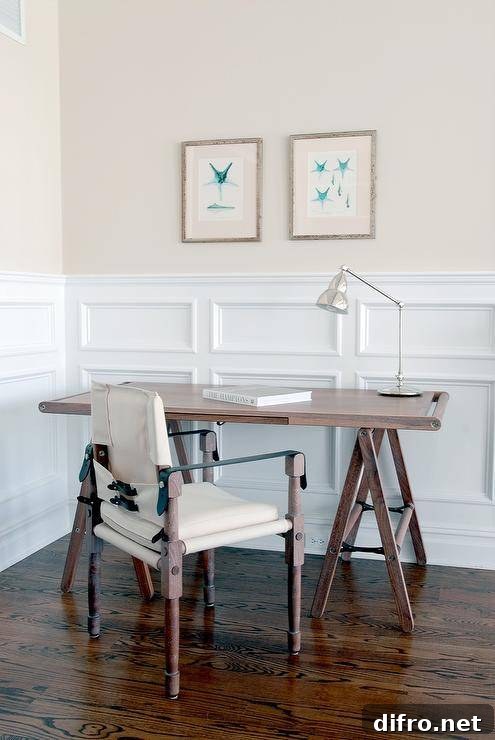
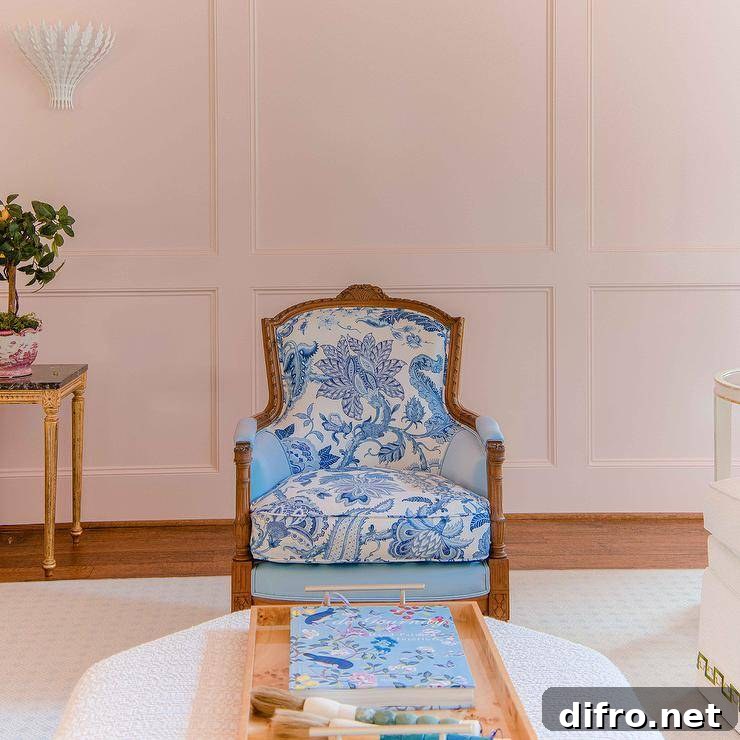
Raised panel wainscoting features panels with beveled or raised centers framed by stiles and rails. It’s a classic, formal choice ideal for entryways and dining rooms. It offers an elegant, traditional look but tends to be more costly and labor-intensive to install.
Beadboard
Beadboard features narrow vertical planks with a distinctive bead joint. It’s charming and casual—perfect for kitchens, bathrooms, mudrooms, and cottages. Beadboard is generally affordable and easy to install, though the grooves may require occasional cleaning.
Board and Batten
Board and batten uses wider vertical boards with narrow battens covering seams. This rustic option fits farmhouse and country-style homes and adds strong vertical texture. Installation requires careful measuring and cutting but yields a bold, structural look.
Shiplap
Shiplap features horizontal boards with a small reveal between them. Popular in coastal and modern farmhouse interiors, shiplap adds casual linear interest. It can be more expensive if using high-quality timber but provides a contemporary, relaxed feel when painted or stained.
Each type of wainscoting brings its own advantages. Your choice should reflect personal taste, architectural context, and the room’s function—whether you want formal elegance, cottage charm, rustic warmth, or clean modern lines.
Choosing the Right Style
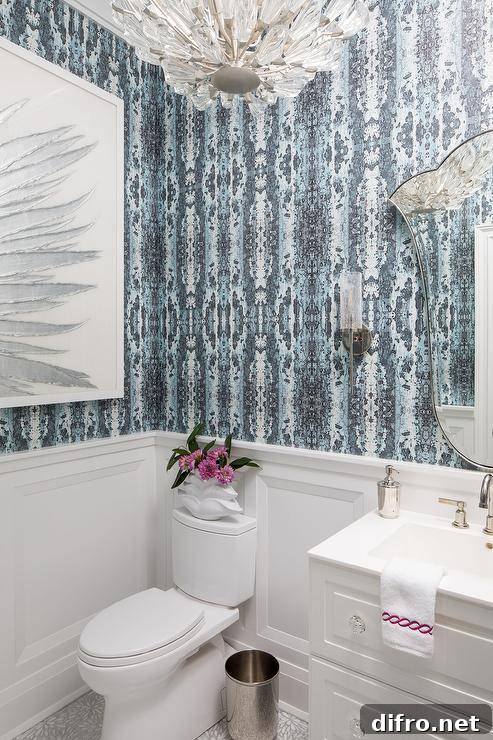
Selecting the right wainscoting style involves matching the paneling to your room’s decor, the home’s architectural period, and practical needs. A few simple guidelines will help you decide:
- Match the decor: Choose clean, minimal wainscoting for modern interiors and more ornate panels for traditional or historic rooms.
- Respect the architecture: Period homes pair well with classic beadboard or raised panels; contemporary homes often suit flat panels or tongue-and-groove designs.
- Consider durability: For homes with children or pets, choose robust materials like painted MDF or durable PVC to withstand daily wear.
- Think about maintenance: Smooth painted panels are easiest to clean; textured grooves may require more upkeep.
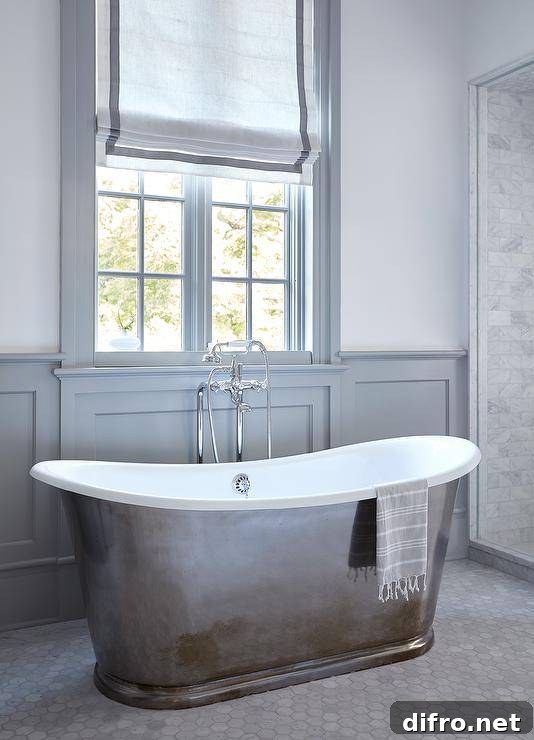
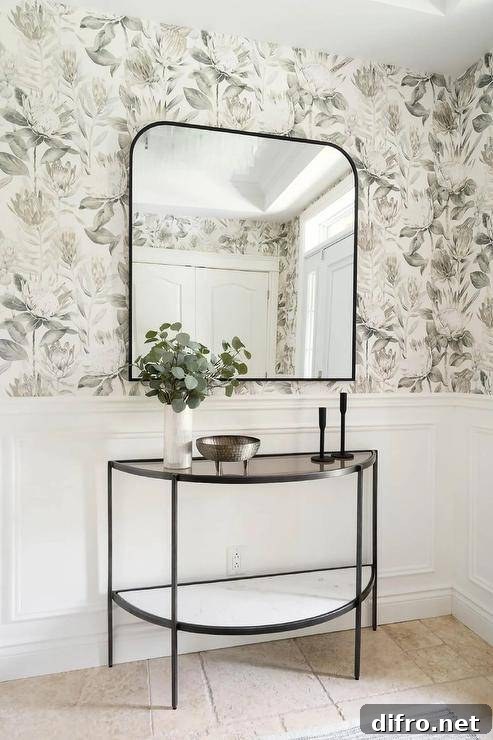
Keep proportion in mind: wainscoting that rises about one-third up the wall is common, but taller panels can work in rooms with high ceilings. Always measure and visualize the height before committing.
Tips for the DIY Route
Installing wainscoting yourself is achievable with planning and the right tools. These tips help you save money and achieve professional-looking results.
- Rent tools: Borrow or rent specialty tools like a table saw, nail gun, or mitre saw if you don’t already own them to avoid high upfront costs.
- Choose cost-effective materials: MDF and primed pine are budget-friendly alternatives to solid hardwood and can be painted to look high-end.
- Do the labor yourself: Labor is the biggest expense; doing the work yourself can reduce overall costs significantly, though complex raised panels may still require a pro.
- Plan carefully: Measure accurately, draw a layout, and buy a bit extra material to allow for mistakes. Pre-painting panels before installation often speeds the final finish.
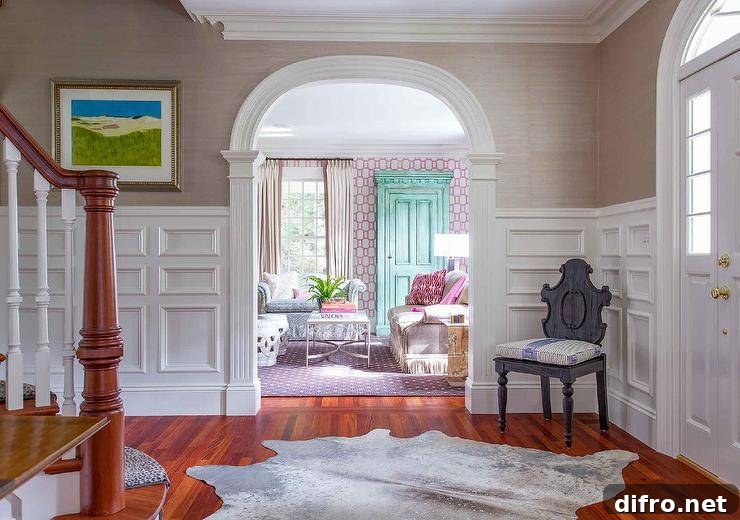
With patience and proper preparation, a DIY wainscoting project can dramatically elevate your interior without a huge budget.
Frequently Asked Questions (FAQs)
What is wainscoting?
Wainscoting is decorative paneling applied to the lower section of interior walls. It can be made from wood, MDF, PVC, or plywood and comes in many profiles and finishes.
What are the benefits of wainscoting?
Wainscoting adds visual interest and texture, protects walls from damage, increases perceived architectural detail, and can define functional areas within a room.
How high should wainscoting be installed?
Common practice places wainscoting about one-third up the wall, but it can be taller—up to chair-rail height or even floor-to-ceiling—depending on ceiling height and design goals.
Can wainscoting be painted?
Yes. Most wainscoting is painted to match or contrast with walls and trim. Choose paint formulated for the material and the level of wear expected.
What is the difference between wainscoting and beadboard?
Beadboard is a subtype of wainscoting made from narrow, vertical planks with beaded seams. Not all wainscoting is beadboard, but beadboard is always a form of wainscoting.
How do you clean and maintain wainscoting?
Clean painted or sealed wainscoting with a soft cloth and mild soap and water. Avoid harsh abrasives. Regular dusting and touch-up painting keep it looking fresh.
Can wainscoting be installed over existing drywall?
Yes. Wainscoting can be mounted directly over drywall as long as the surface is clean, flat, and securely fastened. Proper prep ensures a lasting installation.