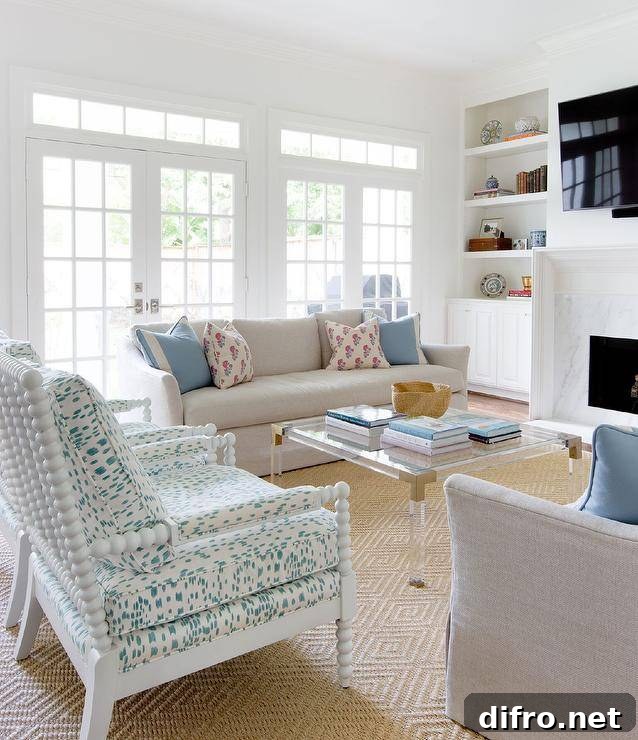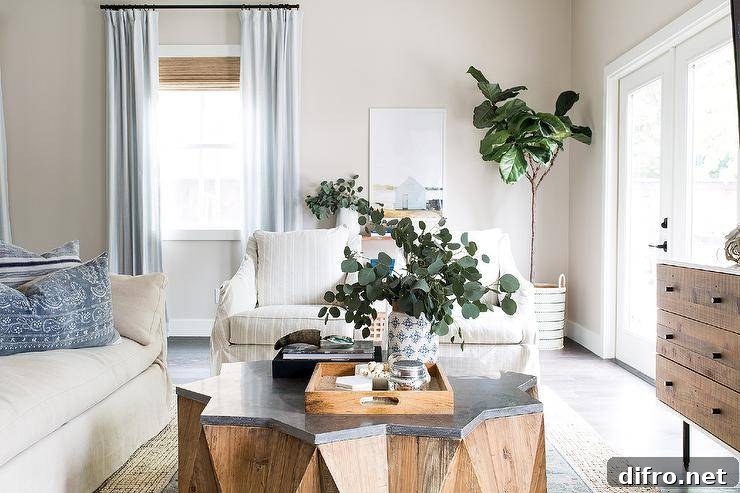
Choosing the right coffee table to pair with your sofa is an important design decision. A well-chosen coffee table improves function, completes the room’s look, and helps establish the scale and flow of your living space. This guide explains practical tips for selecting the best coffee table for your sofa, covering size, shape, height, material, function, and styling advice to help you make a confident choice.
Read on to learn how to choose a coffee table that fits your sofa and overall decor while maximizing comfort and usability.
Choosing a Coffee Table
Start by assessing the room’s scale and your sofa’s proportions. Measure the seating area so you know how much floor space you can dedicate to a table. Larger living rooms can accommodate wider, longer tables or multiple pieces; smaller rooms benefit from compact or multifunctional options.

Match the table’s style to your room. Modern rooms work well with streamlined, minimal tables; traditional spaces often benefit from warm wood and more ornate details. Glass or lucite tables can visually open a small room, while wood or stone provides a grounded, tactile focal point.
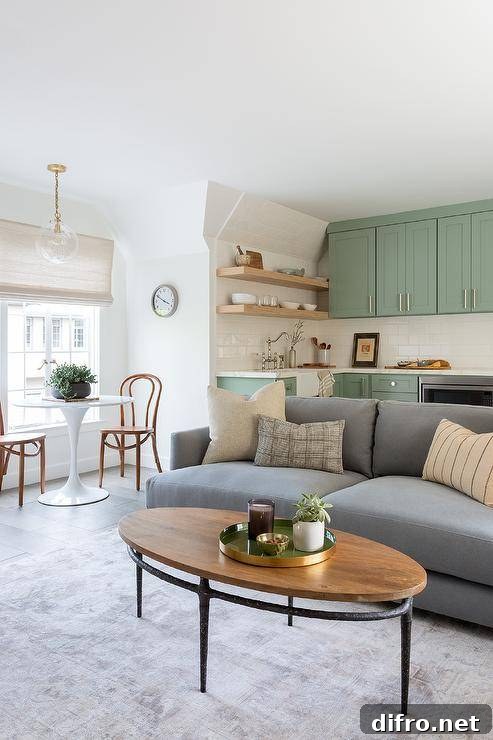
Function and Storage
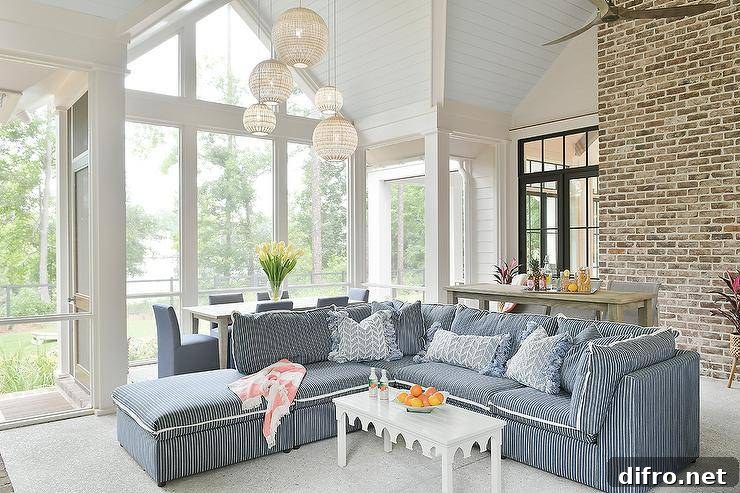
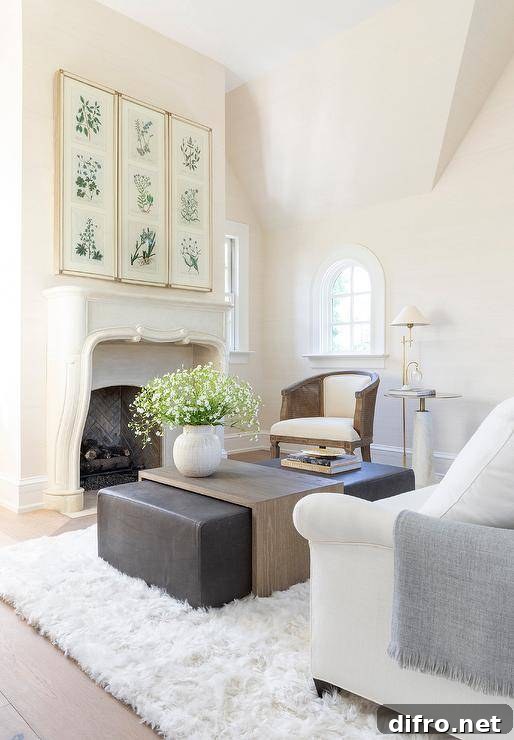
Think about how you use the table. If you need hidden storage, choose a model with drawers, a lower shelf, or a lift-top. If you entertain or frequently eat on the couch, prioritize a large, stable surface. Ottomans and upholstered tables add surface comfort and extra seating when needed.
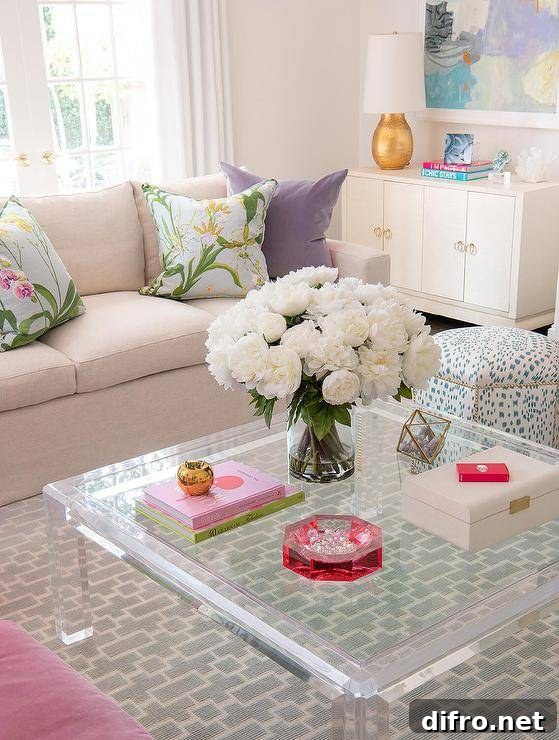
Materials and Durability
Material affects both appearance and longevity. Popular options include:
- Wood – warm, durable, and versatile for many styles.
- Glass or lucite – visually light, great for small rooms but show fingerprints.
- Metal – modern and durable; pair with wood or stone for contrast.
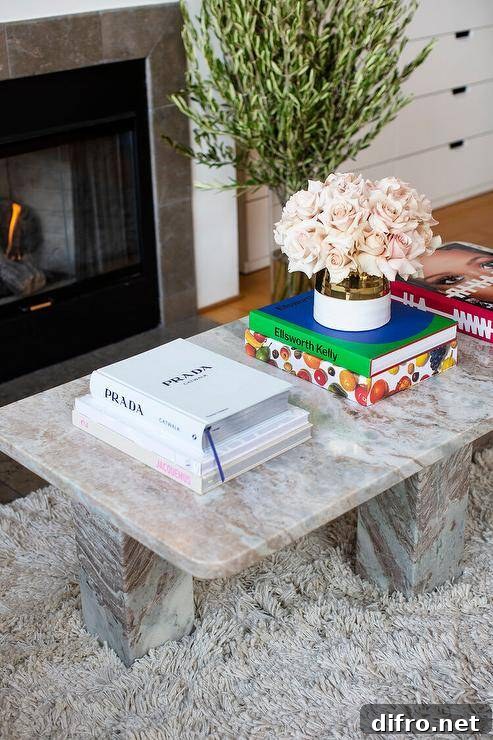
- Stone or marble – luxurious but heavier and often pricier.
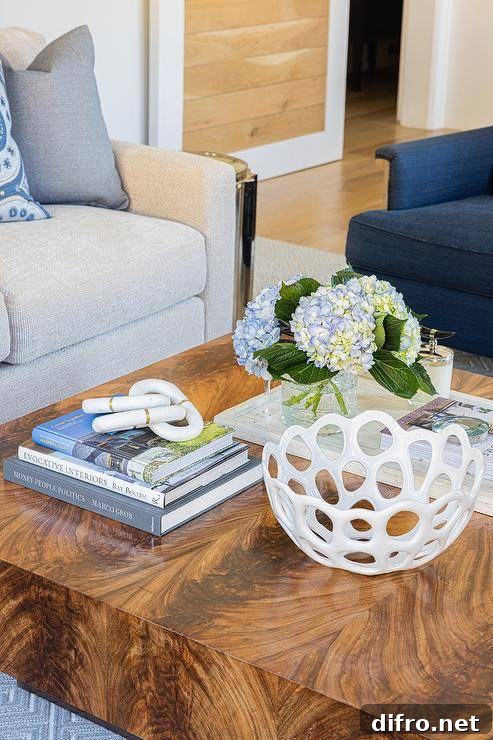
Choose a finish and material that stand up to your household—kids and pets may require tougher surfaces and easier-to-clean options.

Height: How Tall Should It Be?
For comfort and proportion, aim for a coffee table roughly the same height as your sofa cushions or 1–2 inches lower. That height makes reaching drinks and snacks comfortable and keeps sightlines balanced. Avoid tables taller than the seat cushions, which can feel awkward and less usable.
Length Relative to Your Sofa
A simple guideline is to choose a coffee table about two-thirds the length of your sofa. This proportion keeps the table visually balanced without overpowering the seating. For example, a 96-inch sofa pairs well with a table around 64 inches long. Always measure first to confirm clearance for walking paths and side tables.
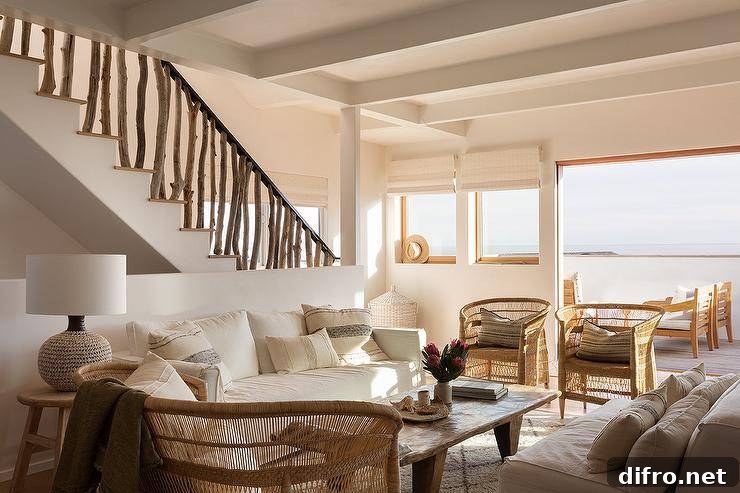
Table Shape and Clearance
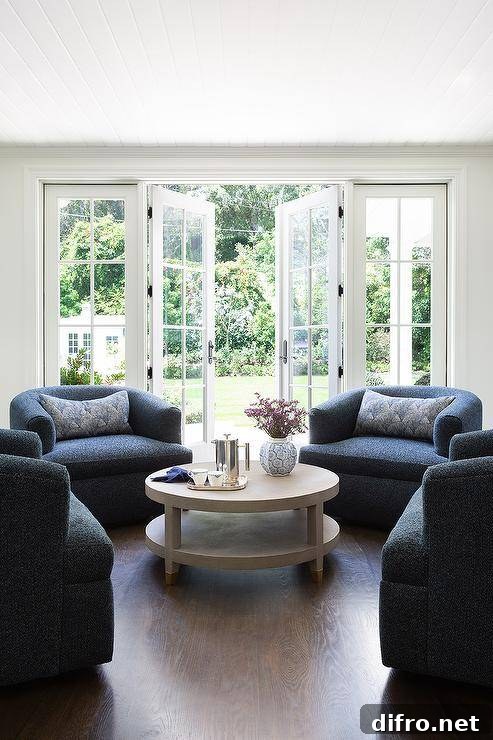
Choose a shape that fits the seating layout and flow. Rectangular or oval tables suit long sofas and narrow rooms. Round tables are ideal around curved seating or in small spaces where sharp corners could obstruct movement. Aim for 12–18 inches between the sofa and table for comfortable legroom, and leave at least 24–30 inches between the table and other furniture pieces to maintain clear pathways.
Balancing the Room
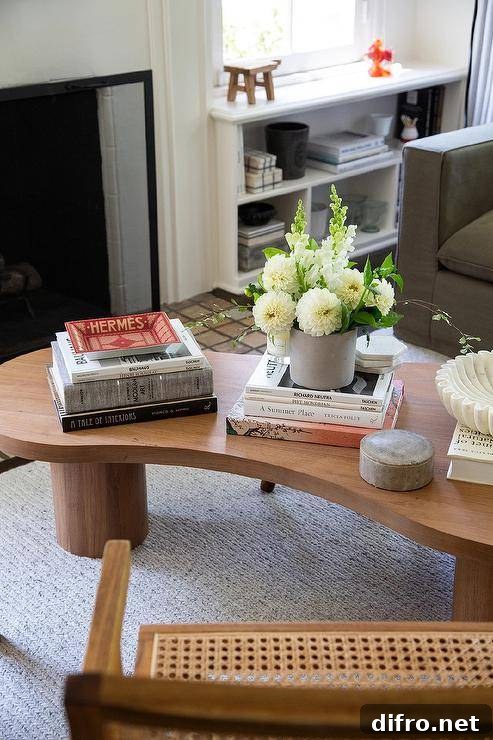
Match the visual weight of the coffee table to surrounding furniture. If your sofa has slender legs, a chunkier table can ground the space. If the sofa appears solid or has no visible legs, choose a table with taller, lighter legs to avoid a bottom-heavy look. The goal is harmony between the sofa, table, and other seating.
Quick Design Tips
Here are concise guidelines to keep in mind as you select a coffee table for your sofa and living room:
- Consider your sofa’s style—match modern sofas with sleek tables and traditional sofas with warmer, detailed pieces.
- Measure: a table about two-thirds the sofa length is a useful starting point.
- Choose a contrasting or complementary material depending on the sofa fabric—wood or metal contrasts soft upholstery; leather tops pair well with leather sofas.
- Use neutral tables to balance bold sofas, or introduce color with a statement table when the sofa is neutral.
- Factor in function—if you need storage or extra seating, select a table or ottoman that performs both roles.
Frequently Asked Questions (FAQs)
How do you choose a coffee table that complements your sofa?
Consider style, proportion, and color. Look for a table that echoes elements of the sofa—shape, finish, or material—and is proportional in size. A contrasting color or texture can also create visual interest.
What size should my coffee table be?
Choose a table roughly two-thirds the length of your sofa and allow at least 12–18 inches between the sofa and table for comfortable use.
What shape should my coffee table be?
Select a shape that complements the seating arrangement: rectangular for long sofas, round or oval for sectional or curved seating, and square for compact or symmetrical layouts.
What material should my coffee table be made of?
Pick a material that fits your lifestyle and design: wood for warmth and durability, glass or lucite to reduce visual weight, metal for modern looks, and stone for a high-end feel.
Should my coffee table have storage?
Storage is a smart choice for small spaces. Drawers, lower shelves, and lift-top designs keep clutter contained without sacrificing style.
How much should I spend on a coffee table?
Set a budget before you shop. Coffee tables come in a wide price range; decide which features (material, craftsmanship, brand) matter most to you and prioritize those within your price range.