This week a visit to my favorite childhood hotel had me reflecting on lobbies and how hard they are to get right. These entry spaces are often vast—grand in scale—and filling them well is a true design challenge. Big rooms invite dramatic statements: a bold chandelier, a sweeping staircase, oversized art. When those elements work together, the result is unforgettable. When they don’t, mismatched trends, clashing colors or out-of-scale pieces can overwhelm the architecture and dull the overall effect.
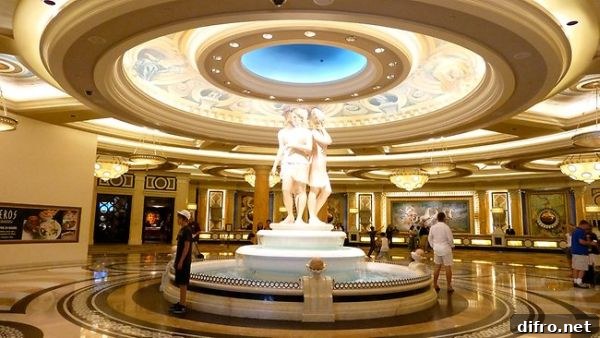
When a lobby is thoughtfully designed, every detail enhances the space: finishes support the architecture, lighting sculpts the volume, and furniture defines comfortable circulation. Below are eleven inspiring lobby examples that illustrate different approaches to lobby design—from sumptuous hotel entrances to refined residential and commercial lobbies. Each demonstrates strategies you can adapt for entrance halls, foyers or other transitional areas in the home.
Hotel Lobbies
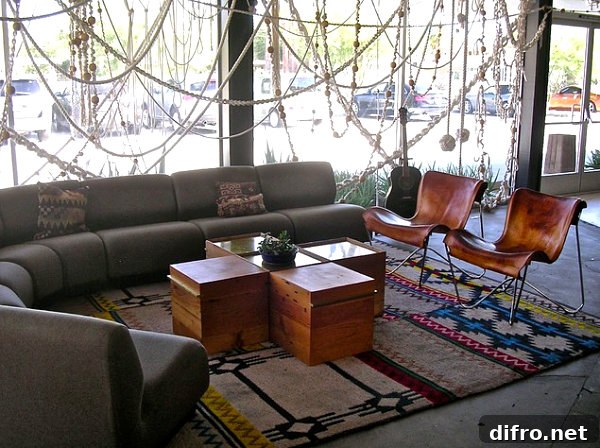
Hotel lobbies capture the spirit of escape and relaxation. Boutique and independent hotels in particular have embraced creative, eclectic design to shape memorable first impressions. At the Ace Hotel in Palm Springs, earthy textures like a tribal rug paired with modern accents and dramatic drapery create a relaxed yet theatrical arrival space. The mix of old and new materials emphasizes place without relying on predictable ornament.
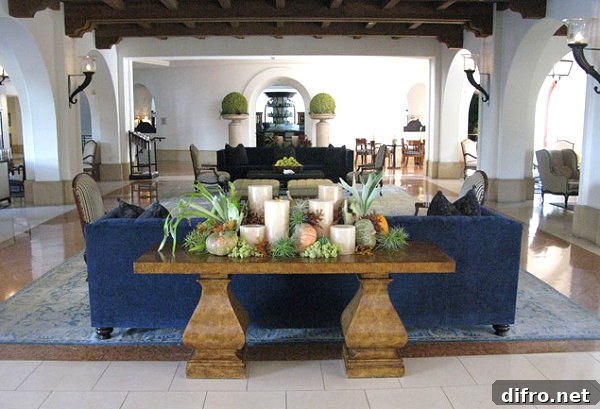
Designs that honor local character feel specially resonant. A Santa Barbara resort lobby with Spanish‑colonial touches—warm plaster tones, rich wood and a central table displayed with candles and greenery—creates a welcoming, site-specific arrival that’s easy to adapt at home. Simple rituals like a vignette on a console table instantly make an entry feel curated.
Lighting is a powerful design element in lobbies. The lobby of Hotel Palazzo Zichy in Budapest uses layered illumination—pendants, backlighting and recessed fixtures—to create drama and guide attention throughout the space. Thoughtful lighting design both highlights architectural features and sets a mood for guests as they arrive.
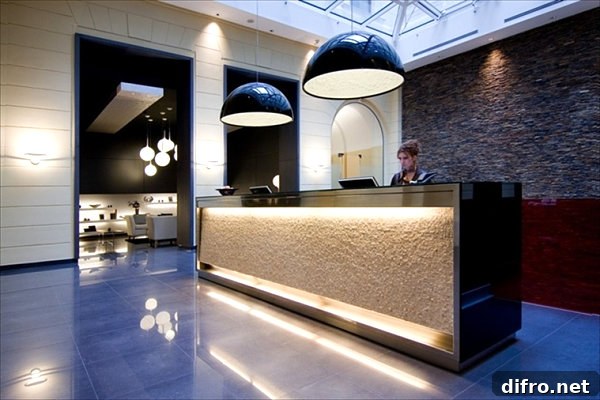
Themes can also inspire cohesive design. At a lakeside resort lobby, a ceiling installation and rippling floor patterns evoke water; the scheme is tied together with modern artwork and purposeful window placement. When a consistent motif runs through finishes, furnishings and lighting, the whole space reads as intentional and memorable.
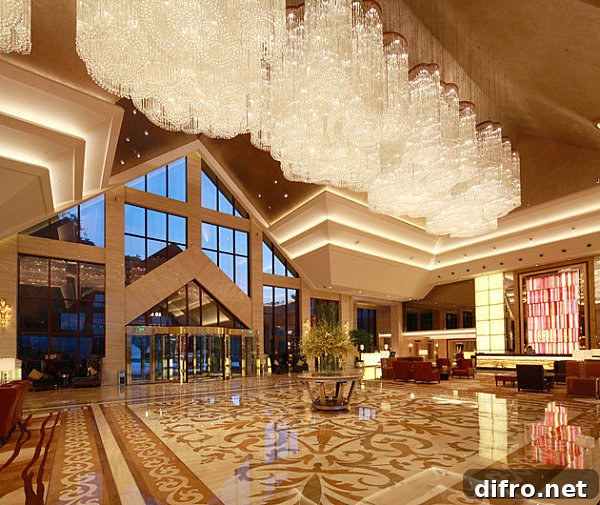
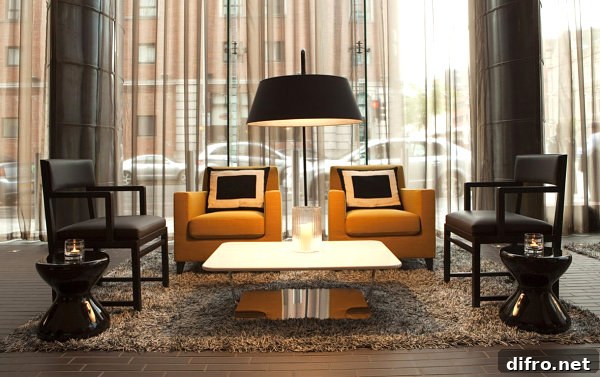
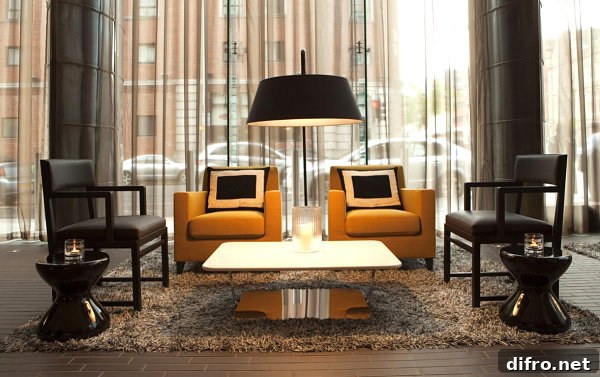
Simple palettes with strong accents can feel luxurious. The black-and-gold scheme at a Belfast hotel demonstrates how clean-lined seating, sculptural pillows and restrained color choices create an elegant, contemporary lobby without fuss.
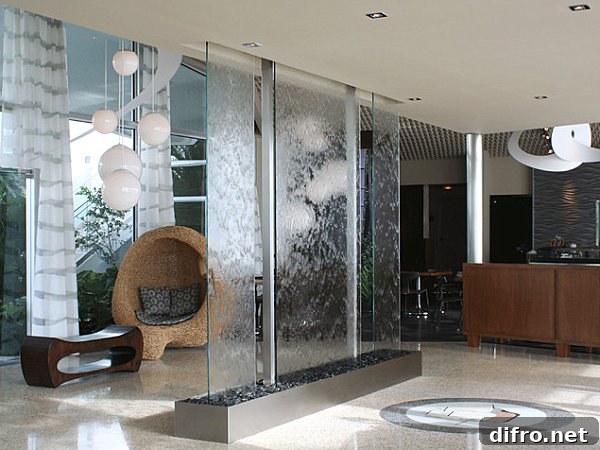
Water features make a powerful focal point. A modern Miami lobby uses glass panels with flowing water to divide seating from dining—an elegant solution that introduces sound, movement and a calming sensation.
Residential and Commercial Lobbies
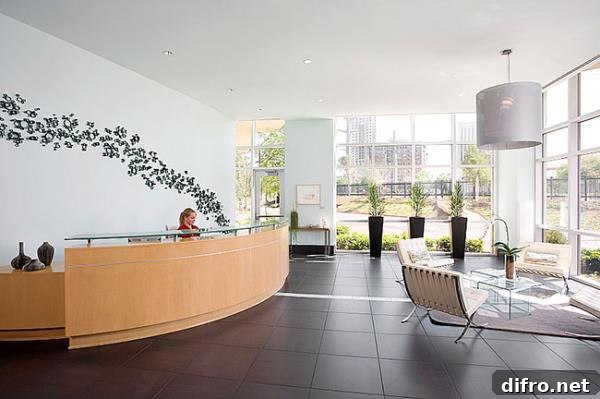
Moving from hotels to daily-use buildings, residential and commercial lobbies present different functional demands: durability, wayfinding and comfortable waiting areas. The Shore high-rise in Austin combines iconic seating forms with playful wall art and a large pendant light to create a memorable condo lobby that still reads as welcoming and practical.
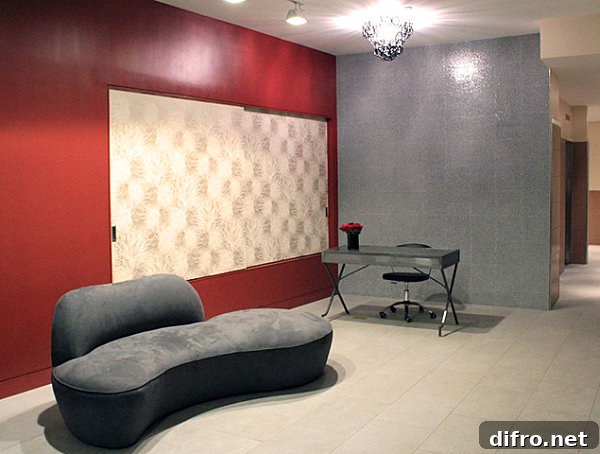
Clever finishes can elevate practical elements. A New York condo lobby uses a decorative wall covering to disguise a service cabinet while maintaining a chic, cohesive look. Well-chosen seating and accessories keep the space functional yet stylish.
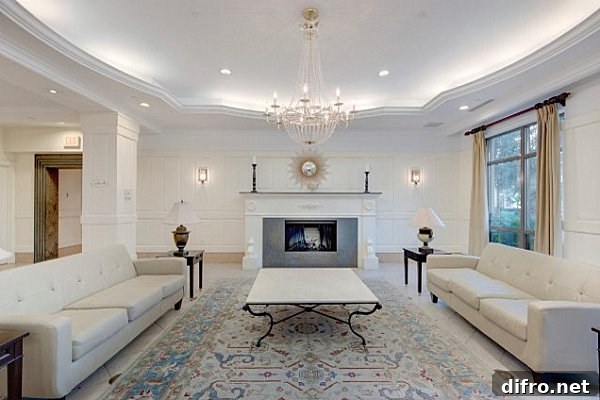
Many contemporary lobbies blend classical details with modern furniture: wall molding, drapery and a chandelier set a formal tone, while white schemes and uncluttered layouts prevent the space from feeling heavy. A careful balance of ornament and minimalism invites visitors in without intimidation.
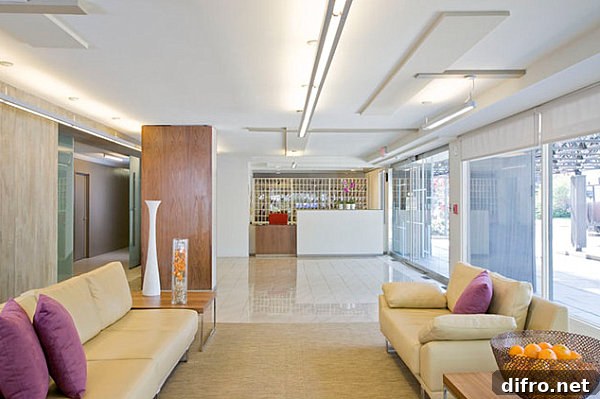
Unexpected color combinations keep lobbies fresh. A Washington, D.C. area lobby brightens a neutral scheme with orange and purple accents—fruit, pillows and flowers introduce playful pops without overwhelming the overall calm, modern feeling.
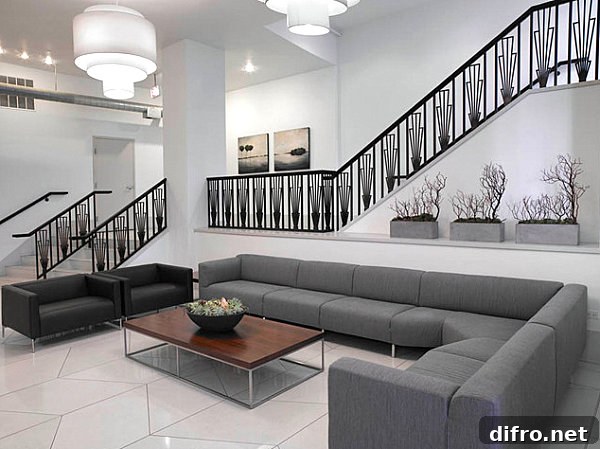
Finally, Art Deco motifs can provide dramatic pattern and rhythm in a residential lobby. A Chicago building uses Deco stair railing and flooring patterns alongside clean-lined furniture and sculptural plant installations for a sophisticated, contemporary arrival space that reads both historic and modern.
In sum: interesting plants, layered lighting, ample seating, compelling artwork and well-chosen materials are reliable ingredients for any successful lobby. Whether you’re designing a hotel entrance, a commercial foyer or a building lobby at home, think about circulation, scale, focal points and how elements work together to create a cohesive arrival experience. Would you borrow lobby design strategies for your home? Share your thoughts below.