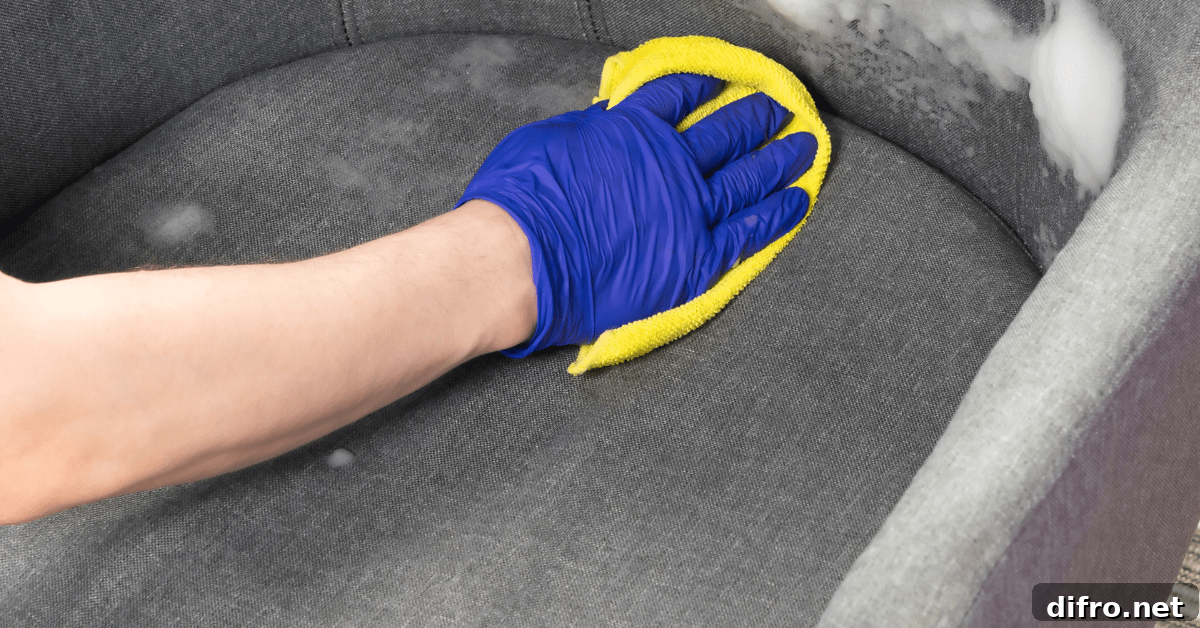
Have you ever looked at your favorite armchair and wished it could look and feel fresh again? You don’t need expensive cleaners or harsh chemicals—many effective upholstery solutions are already in your kitchen. This guide explains simple, natural methods to clean upholstery quickly and safely, tackling everyday dirt, odors, and common stains while keeping your home eco-friendly.
These DIY techniques are gentle on fabric, budget-friendly, and easy to follow. With the right tools and a little routine care, you can maintain the appearance and scent of your furniture without professional help. Read on for practical, step-by-step advice to restore and protect your upholstery.
Essential Tools for DIY Upholstery Cleaning Success
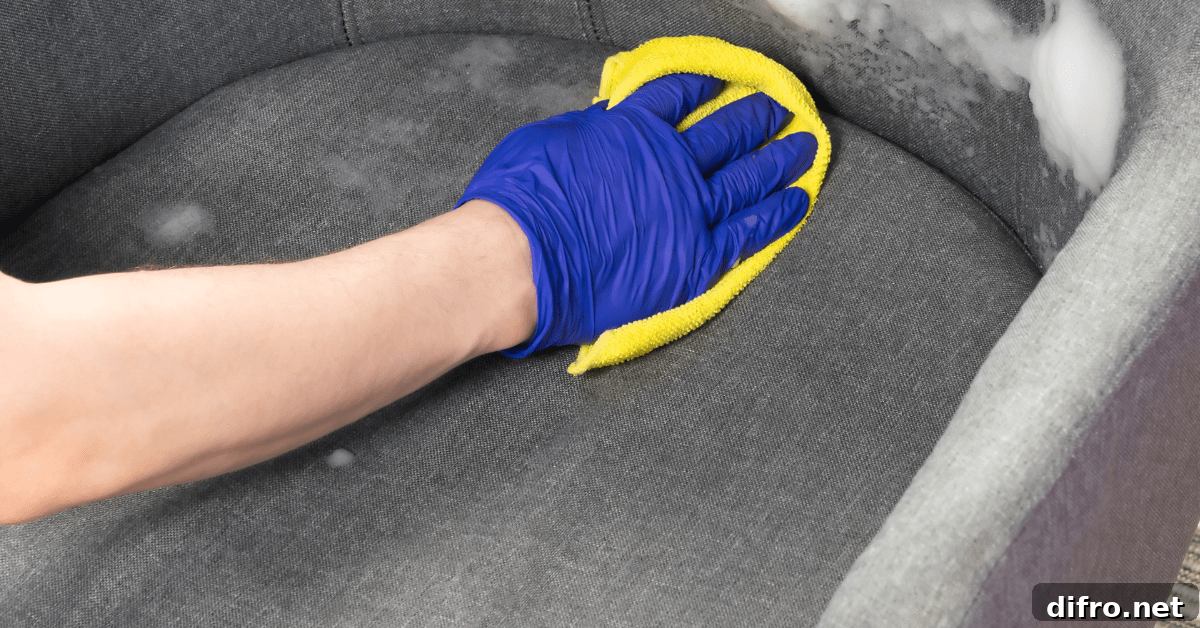
Before you start, gather basic supplies you likely already have: a vacuum with upholstery attachments, clean white cloths or microfiber towels, a soft-bristled brush, and a spray bottle for mixing solutions. The vacuum removes loose dirt and dust, microfiber towels blot stains without leaving lint, and a soft brush helps work cleaners into fibers gently. Having a spray bottle on hand makes application even and controlled.
Baking Soda: A Natural Deodorizer and Stain Fighter
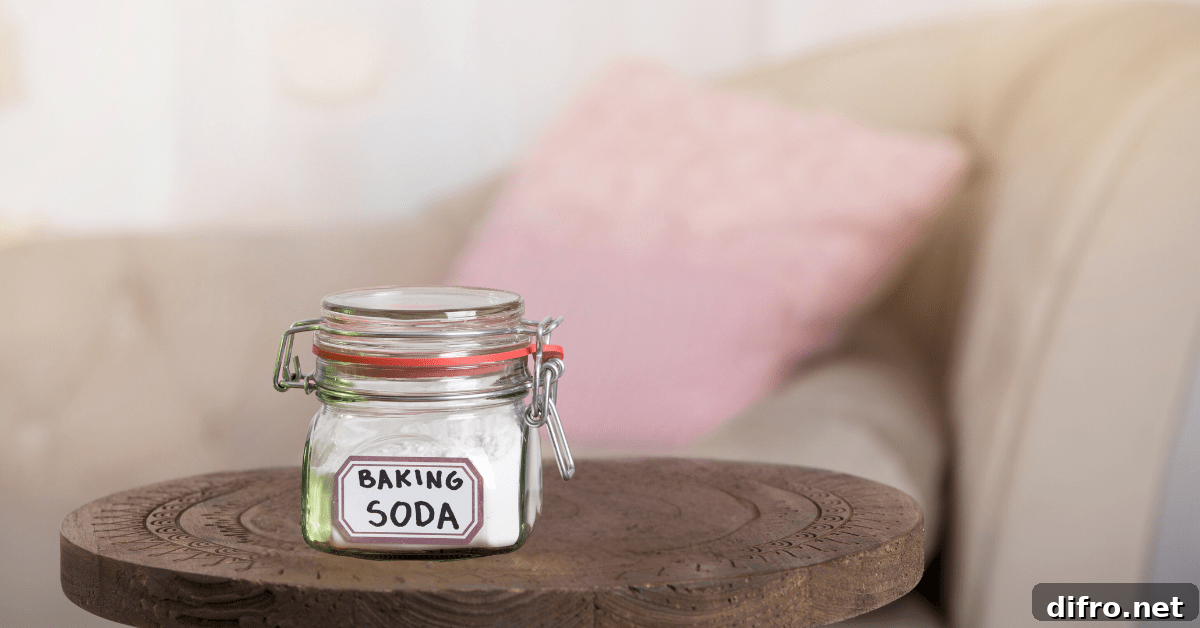
Baking soda is inexpensive and highly effective for freshening upholstery. To deodorize, sprinkle a generous layer over the fabric and let it sit for at least 15 minutes—longer for stronger odors. Vacuum thoroughly to remove the powder and trapped smells. For greasy or oil-based spots, make a paste with baking soda and a small amount of water, gently work it into the stain with a soft brush, let it dry, then vacuum or brush away the residue.
Vinegar: The All-Natural Cleaning Solution for Stubborn Upholstery Stains
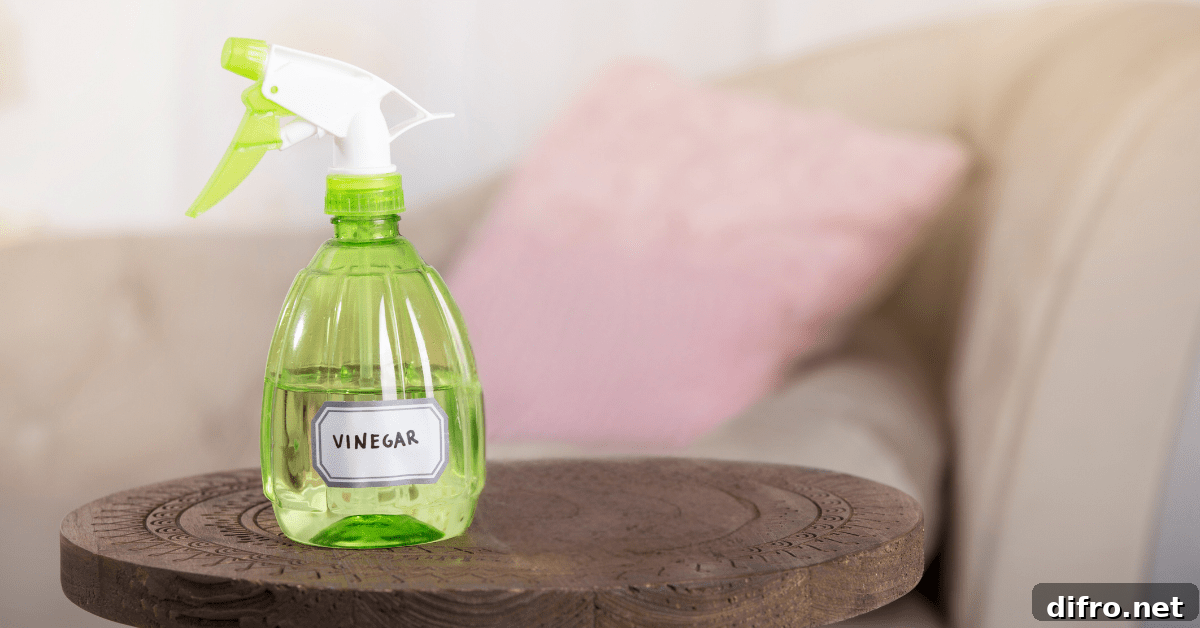
White vinegar is a reliable natural cleaner for many upholstery stains. Mix equal parts water and white vinegar in a spray bottle for a general-purpose cleaning solution. Lightly mist the affected area, then blot with a clean cloth to lift soil. For tougher marks, increase the vinegar concentration slightly but always test on an inconspicuous spot first to check for colorfastness. After cleaning, blot with a damp cloth to remove any vinegar residue; the vinegar odor fades as the fabric dries.
Dish Soap: Gentle Yet Effective for Everyday Upholstery Cleaning
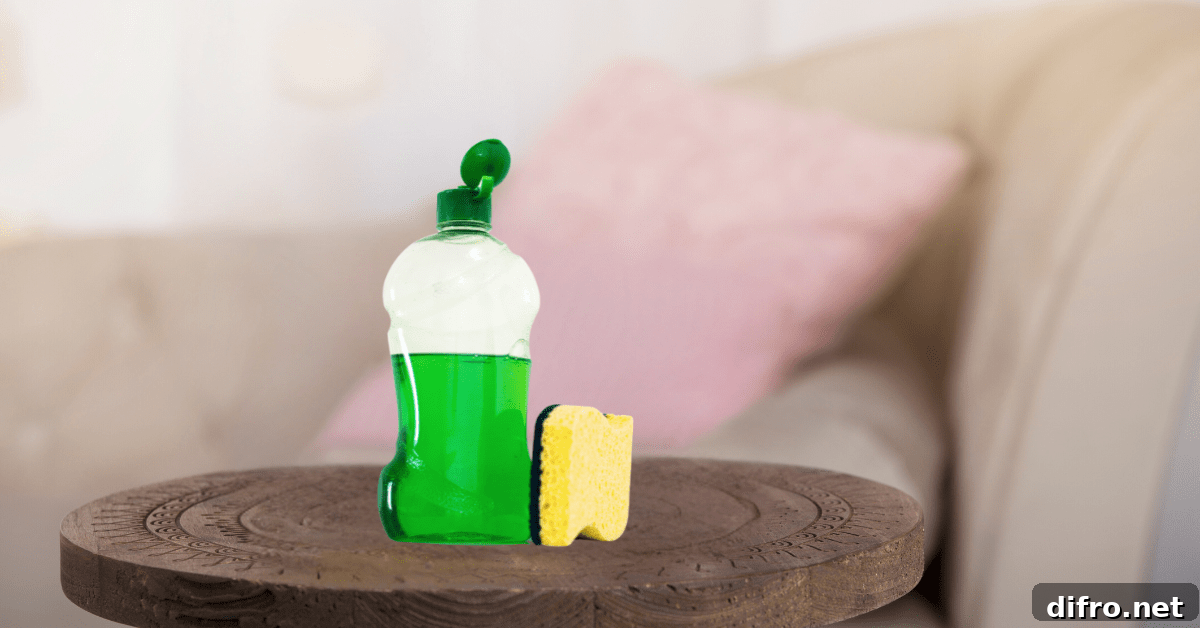
Mild dish soap mixed with warm water is ideal for routine cleaning and water-based stains. Combine a few drops of dish soap with warm water to create a sudsy solution. Dampen a white cloth—do not soak—and gently blot the stained area. Avoid over-wetting the fabric. Follow with a clean, damp cloth to remove soap residue and then allow the upholstery to air dry. This approach works well for food spills, dirt buildup, and general upkeep.
Maintaining Your Upholstery for Long-Lasting Freshness and Cleanliness
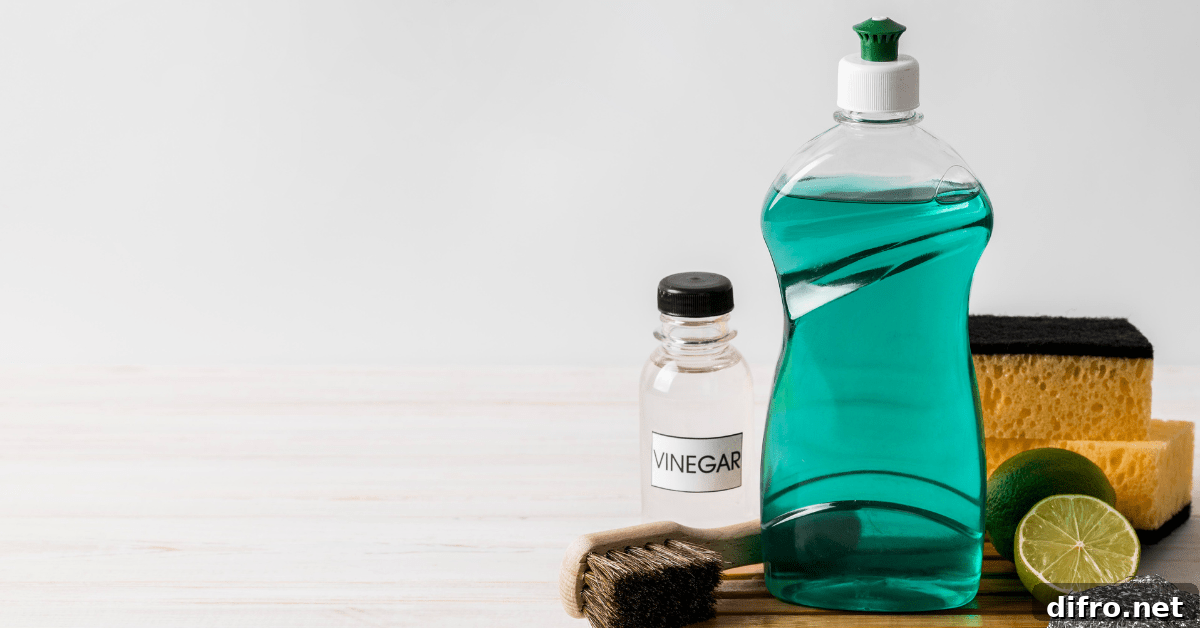
Consistent care keeps upholstery looking its best between deep cleans. Vacuum weekly using the upholstery tool, paying special attention to seams and crevices where dirt accumulates. Use washable slipcovers or throws on high-traffic pieces to reduce wear and simplify cleaning. Rotate cushions regularly for even wear, and treat spills promptly—addressing stains early makes them much easier to remove. These small habits extend the life and appearance of your furniture.
Related Articles
- Effective Tips and Tricks for Cleaning Sticky Kitchen Cabinets
- How to Clean and Deodorize Area Rugs the Right Way
- Simple Tricks to Keep Your Microwave Clean
Using baking soda, vinegar, and mild dish soap provides safe, effective options for most upholstery cleaning needs. Always test any cleaner on a hidden area before treating a visible surface to avoid discoloration. For persistent or delicate fabric issues, consult a professional cleaner or follow the manufacturer’s care instructions. With these natural methods and regular maintenance, your upholstery will stay fresh, clean, and inviting for years to come.
Turn your house into the home of your dreams. Our newsletter provides design ideas and decor trends—subscribe to start your journey to a stunning home!