When you spot a bold piece of furniture or décor that you love but aren’t sure how to fit it into your room, don’t let uncertainty stop you. A vibrant chair, an oversized light fixture, an eclectic rug, or a sculptural sideboard can become the focal point of a space without overwhelming it. With a few thoughtful strategies—borrowing color, balancing scale, or building complementary accents—you can make a striking item feel intentional and harmonious. Below are professional tips for styling a statement piece so it enhances your room rather than competing with it.
One statement piece at a time
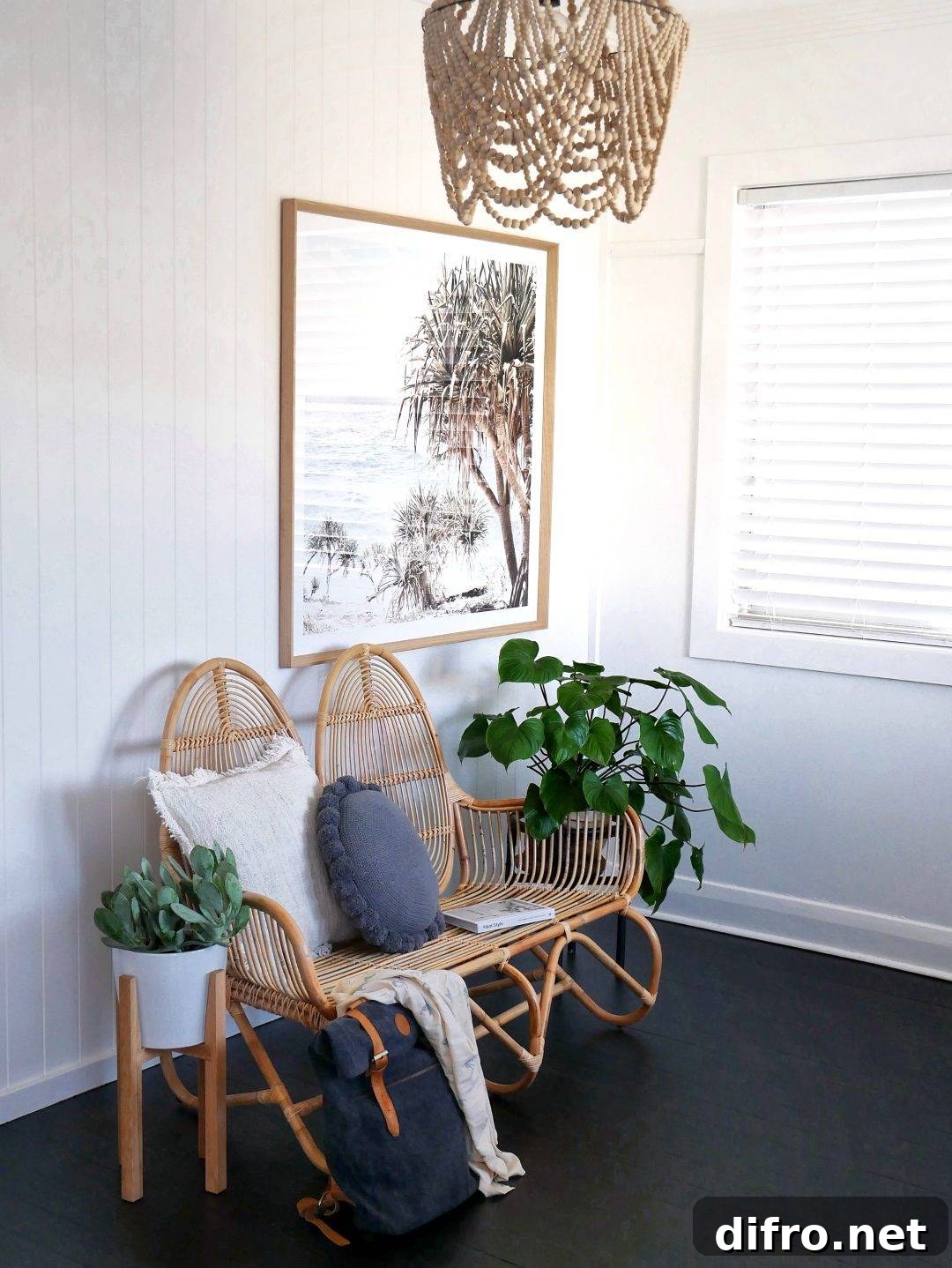
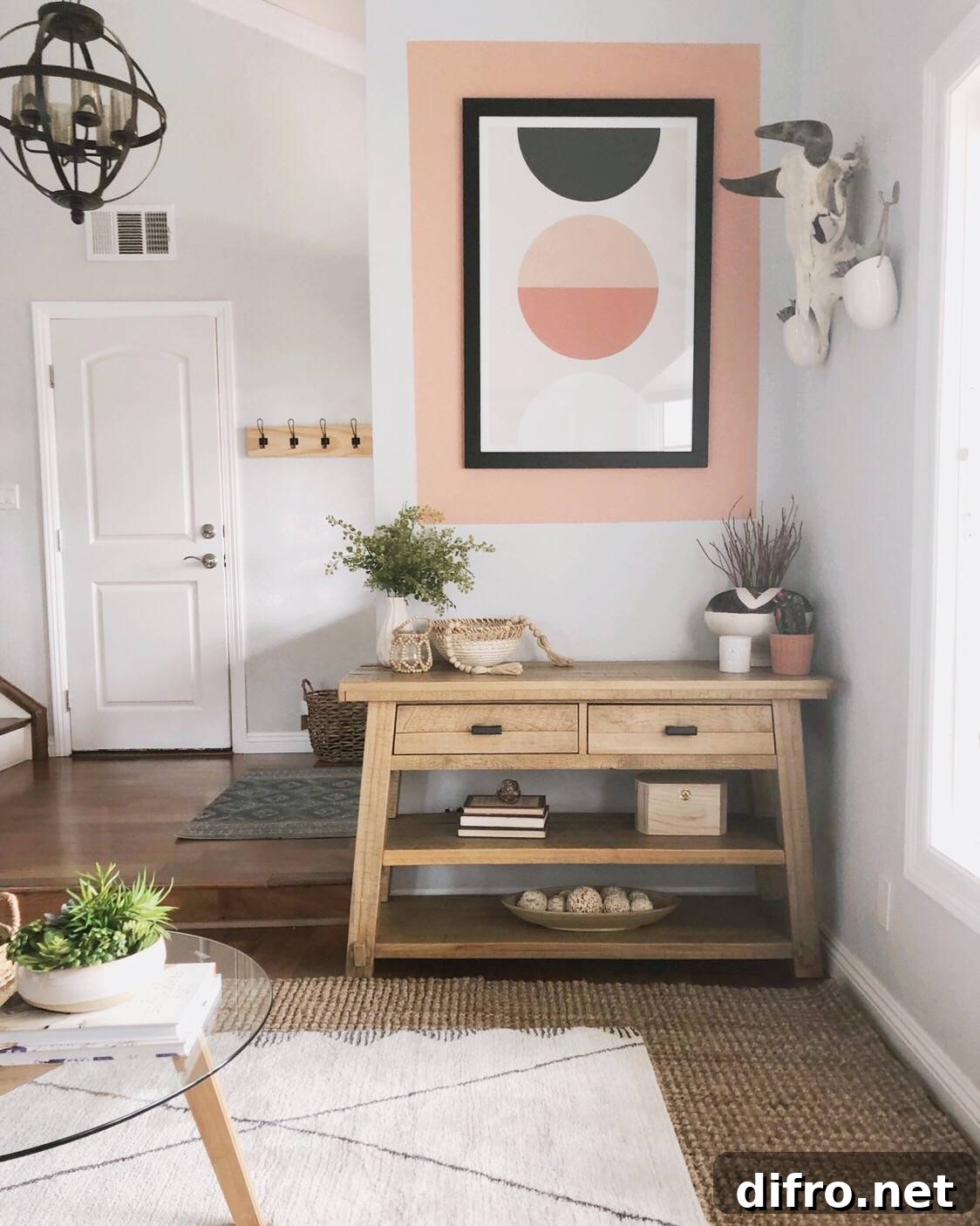
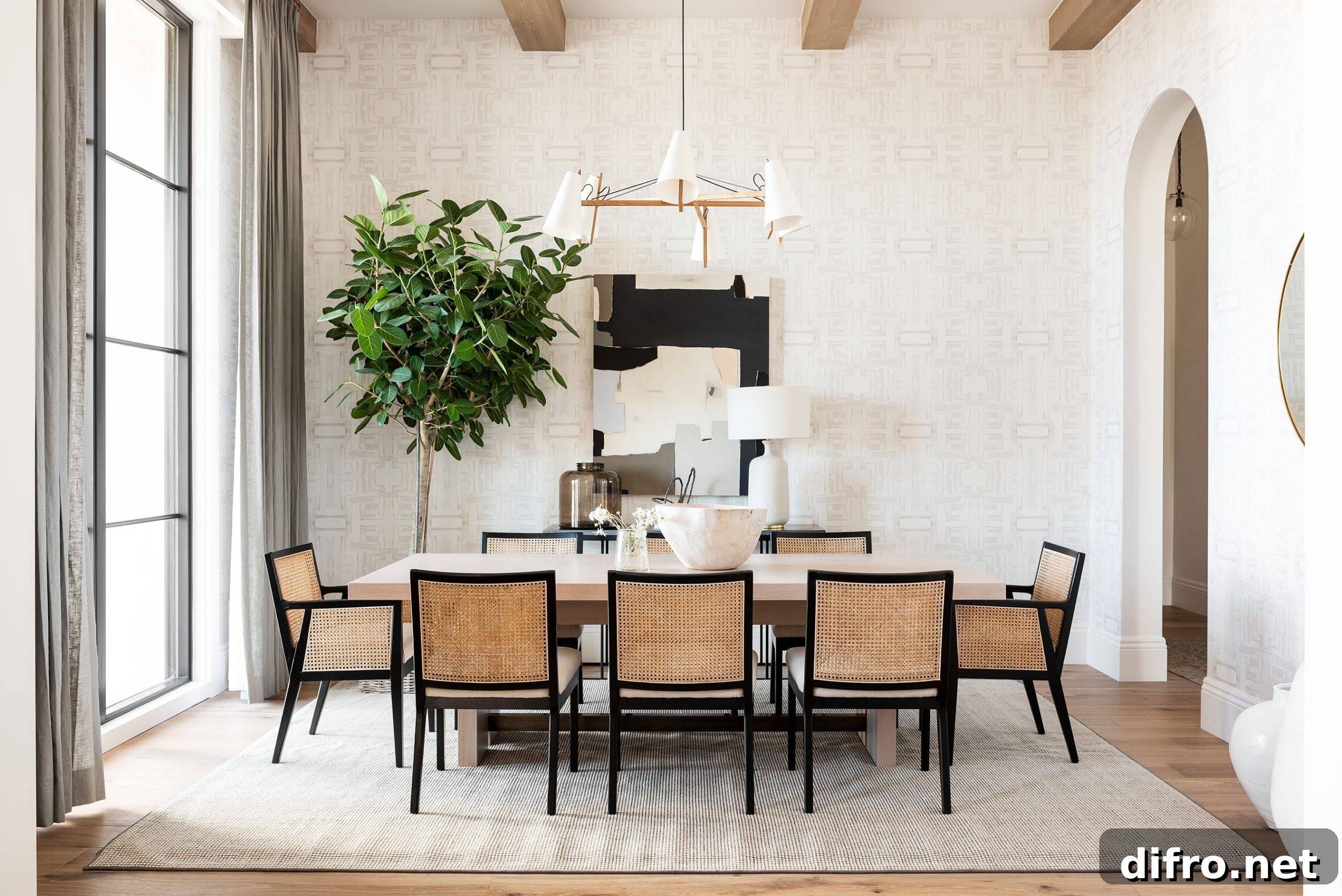
Add only one major statement piece per room to keep the design clear and focused. When a single item serves as the room’s focal point, the eye has one place to rest, which prevents visual overload. Choose neutral or subdued surroundings so the bold piece can command attention without clashing. For example, oversized artwork that follows a neutral palette but introduces a strong geometric motif can be enough to define a dining space without adding competing elements.
Borrow the color scheme
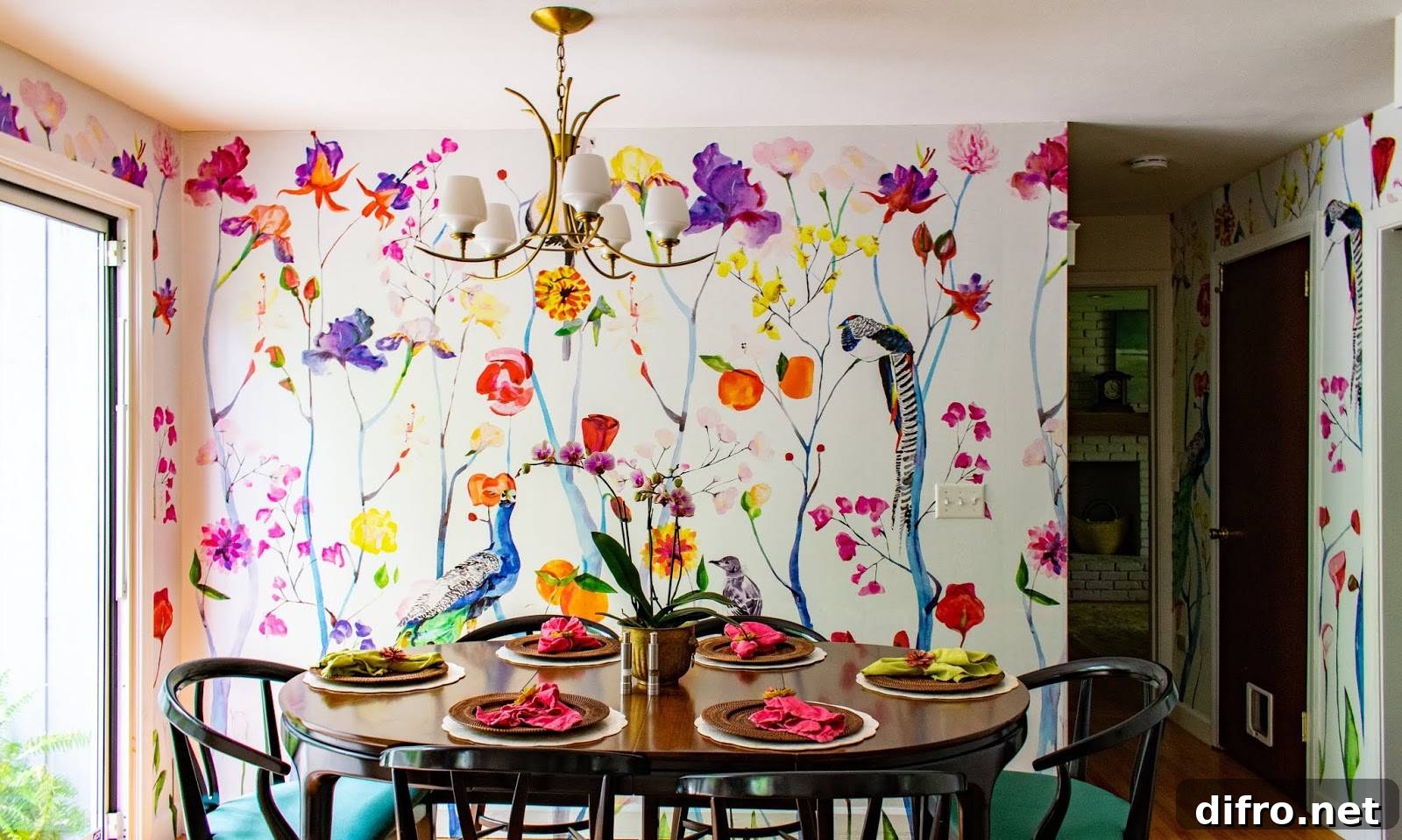
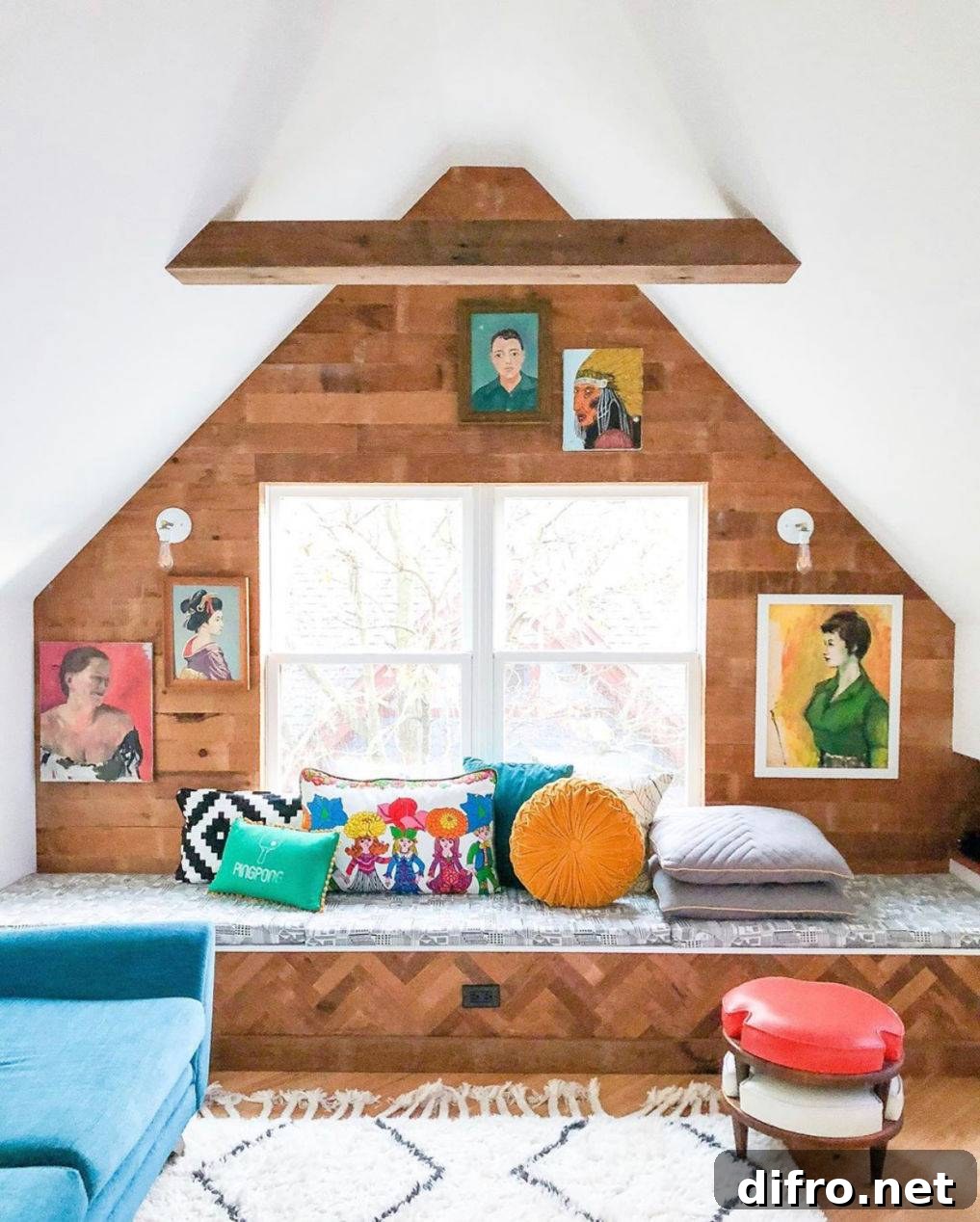
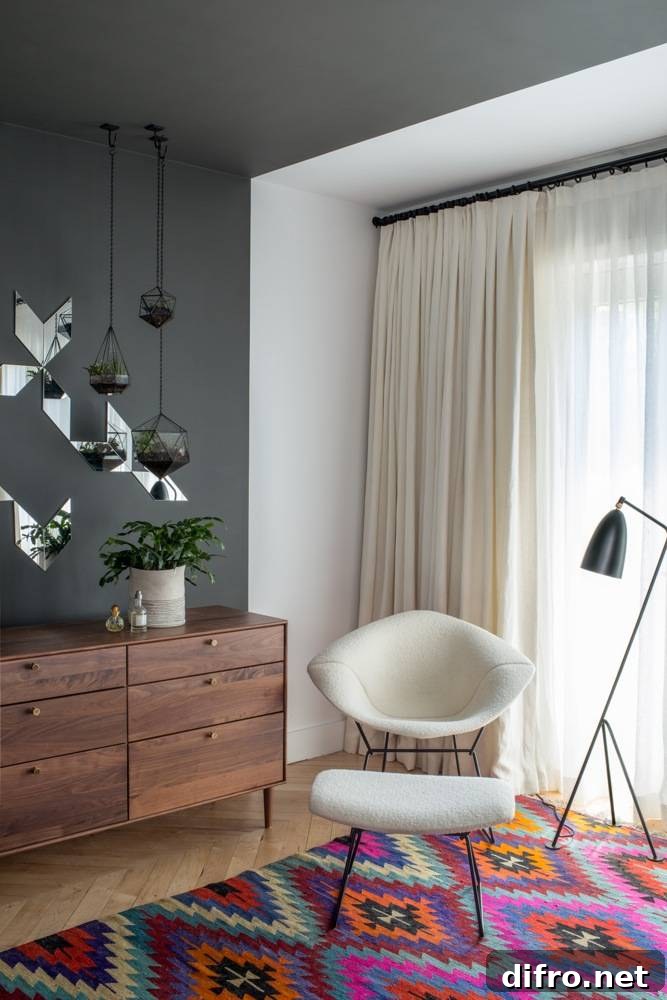
If your statement piece has a pattern or vibrant colors, pull two or three hues from it and repeat them in smaller accents across the room. Throw pillows, a lamp shade, a vase, or a framed print can echo the piece’s palette and make it feel deliberately integrated. For instance, a floral chair with jewel tones can be tied into the room by matching those hues in wallpaper, cushions, or art, creating cohesion without overwhelming the pattern.
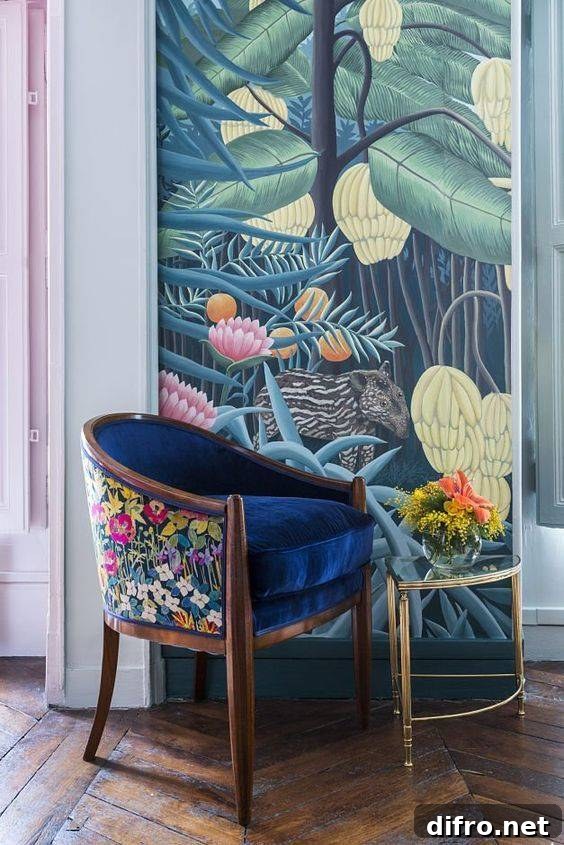
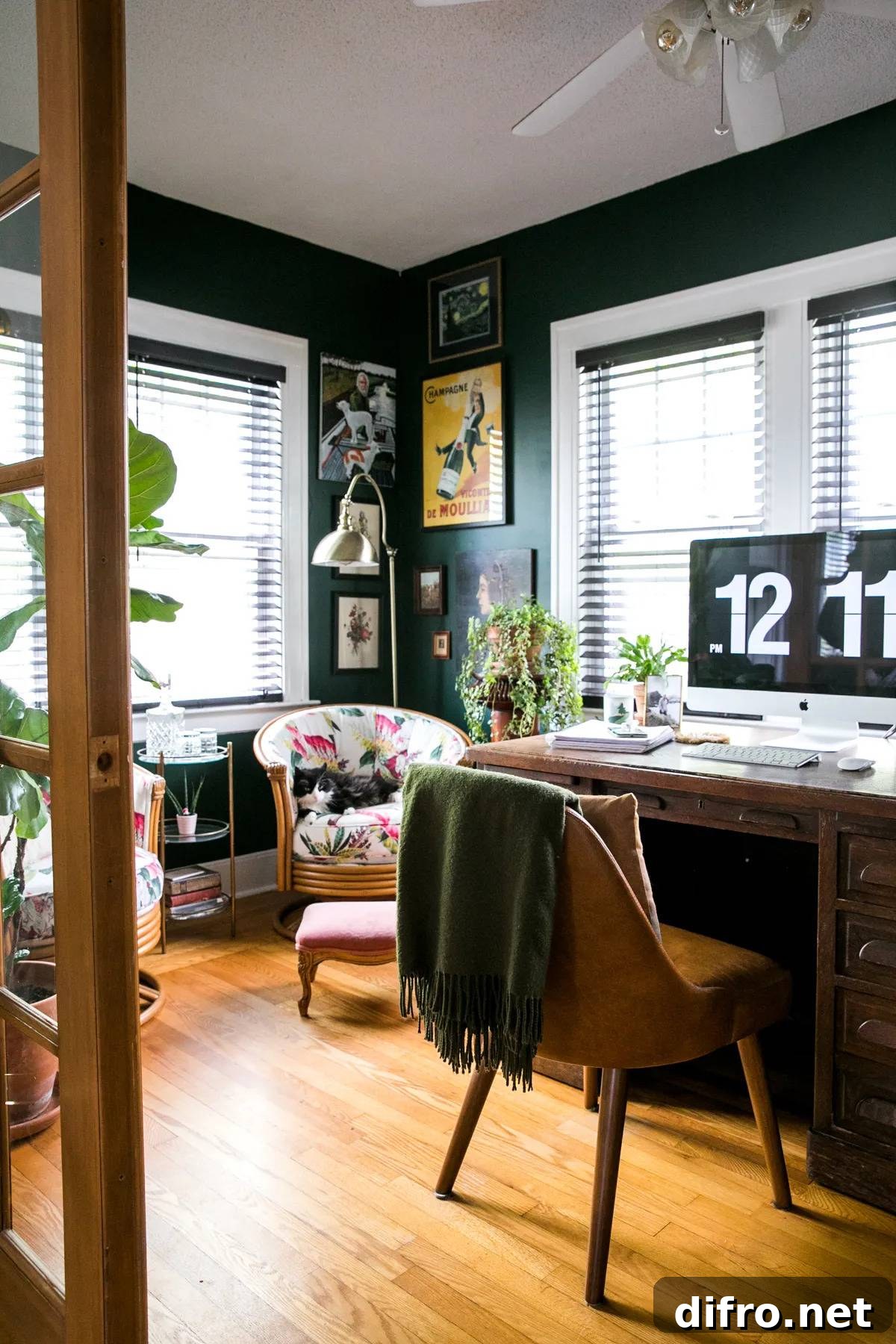
Bold contrast
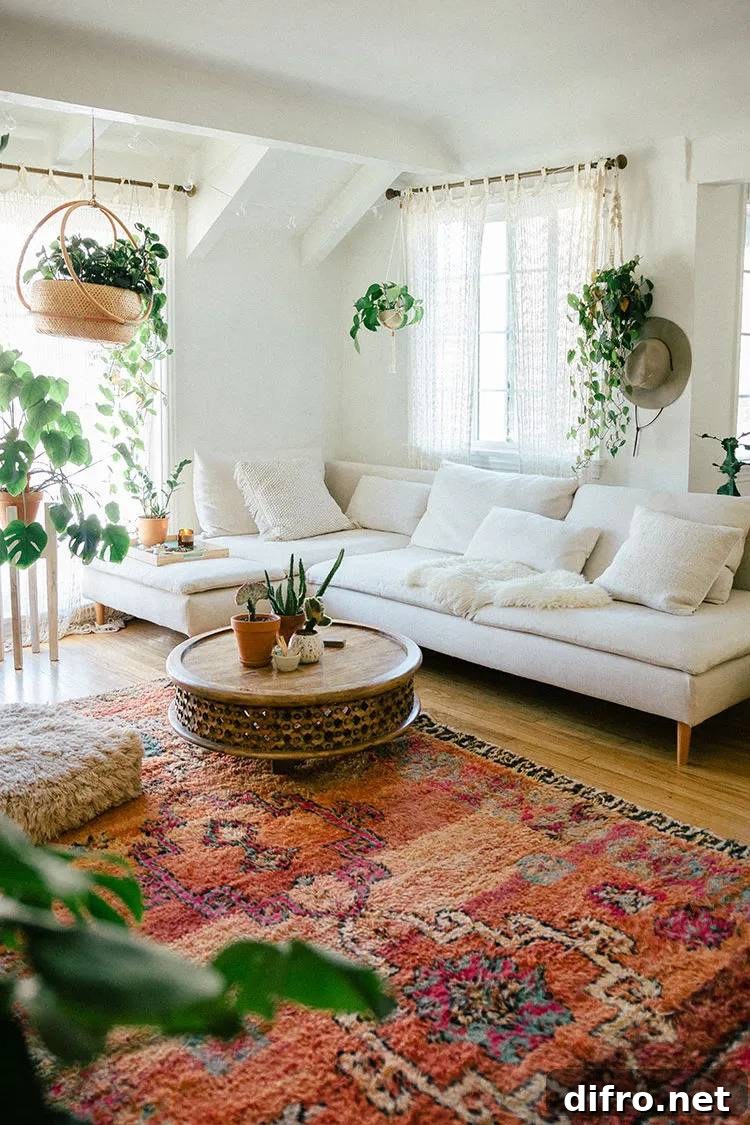
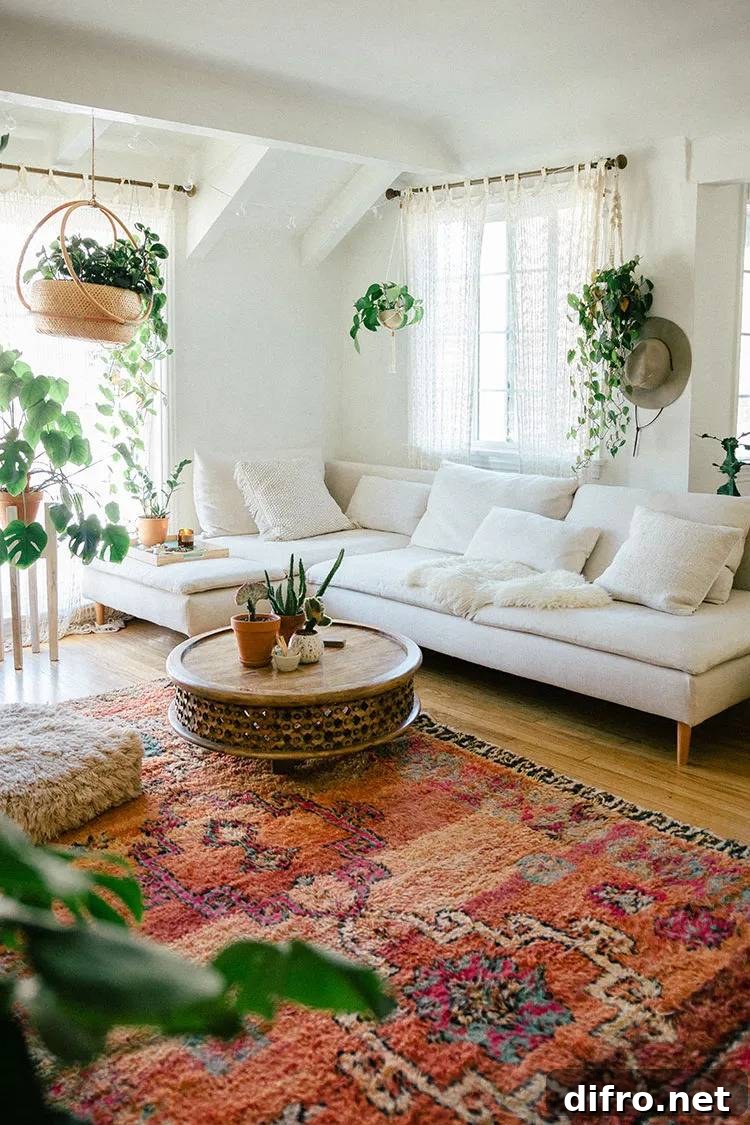
Contrast can highlight a statement piece by pairing opposing styles, materials, or shapes. Combine antique and modern items or juxtapose geometric forms with organic curves. Contrast draws attention and gives the piece context: a vivid Moroccan rug, for example, can energize a spare entryway while making both the rug and the surrounding minimal decor feel intentional.
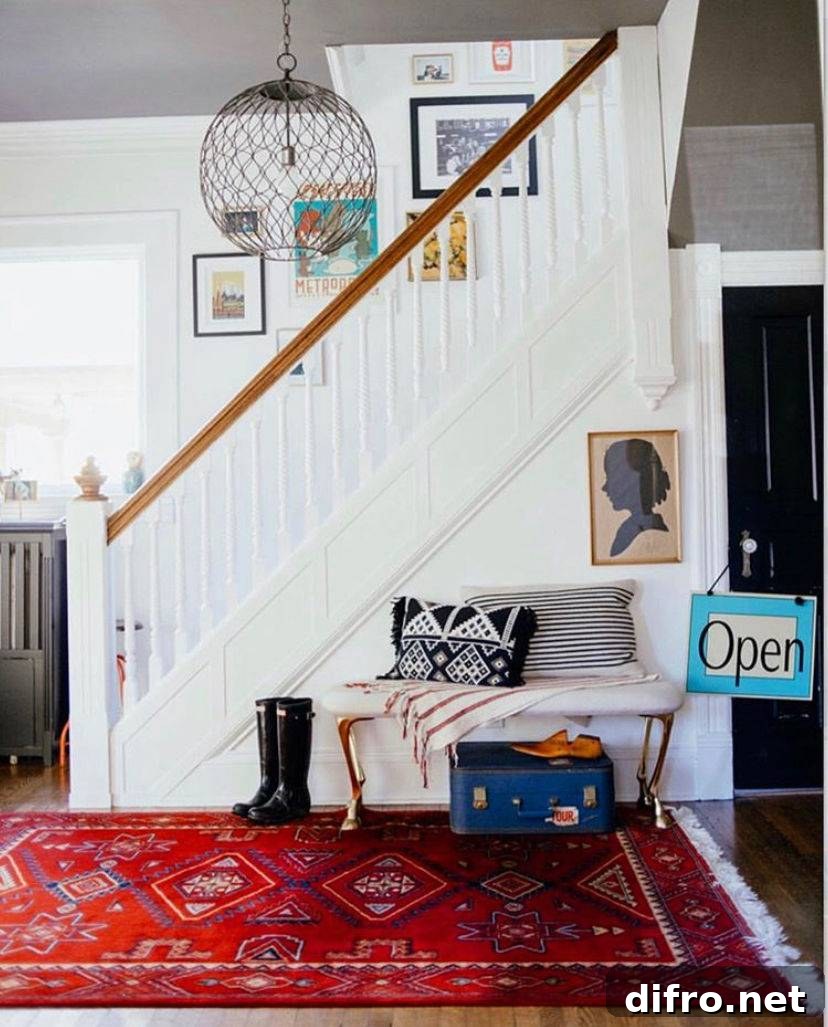
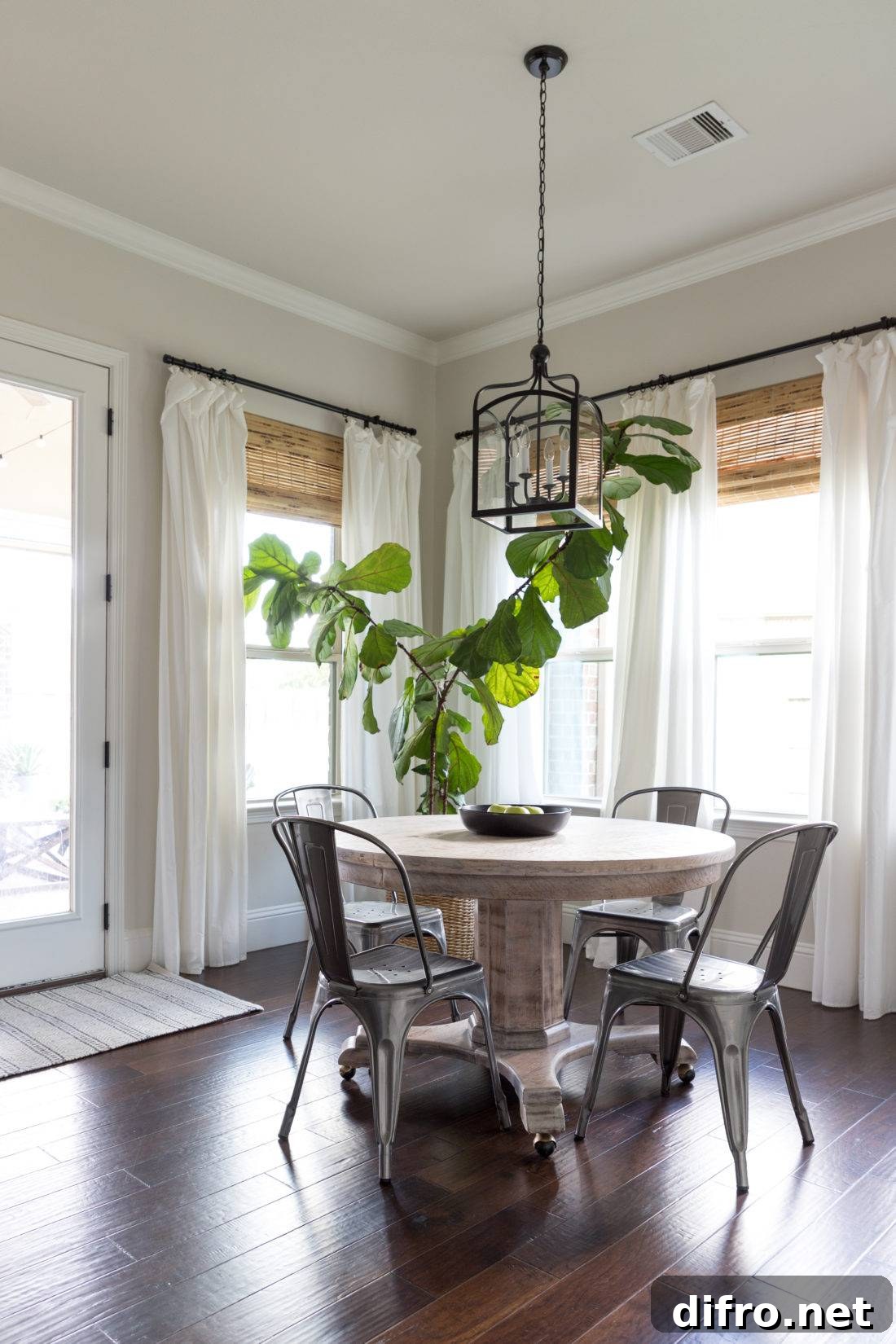
Neutral foundation
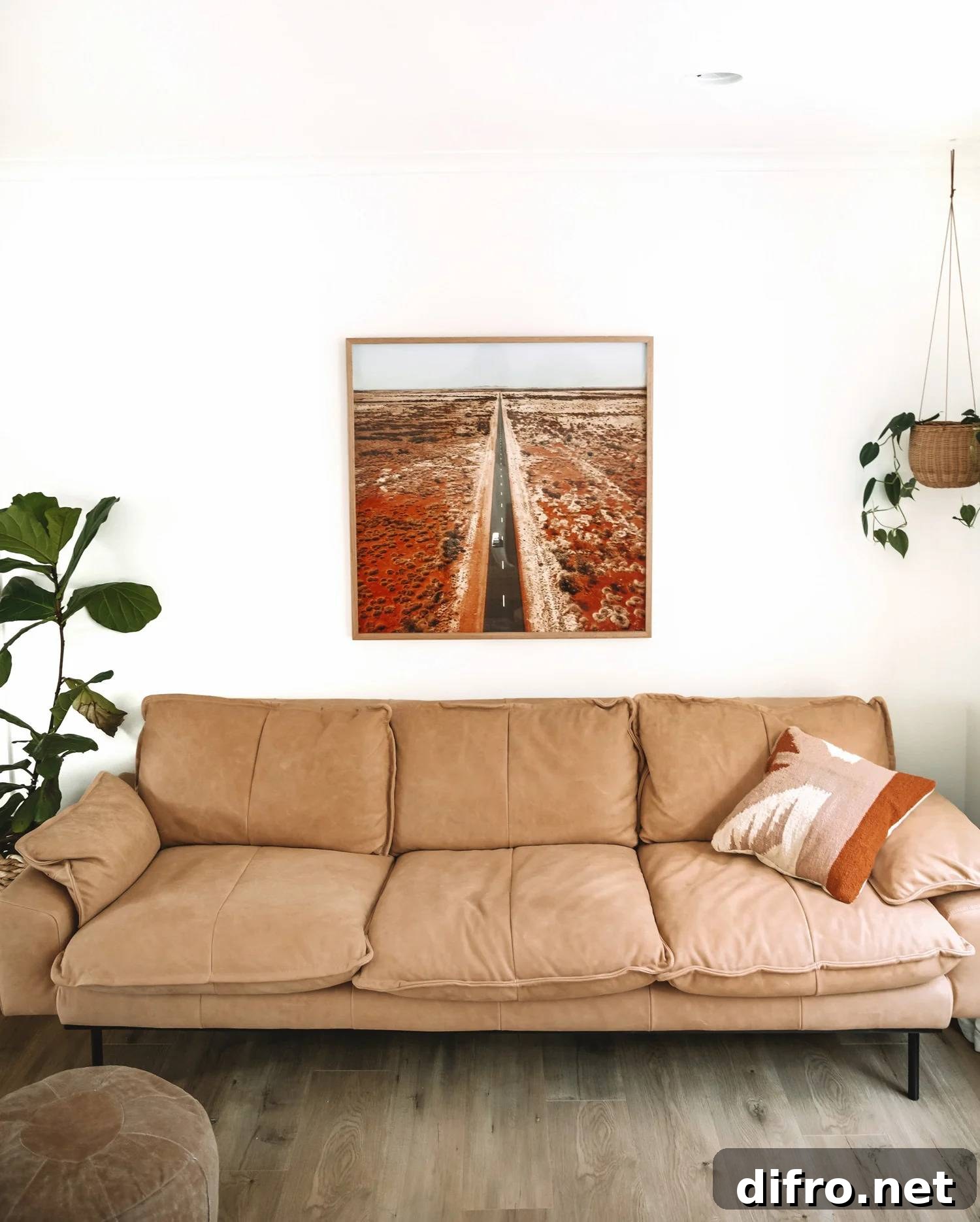
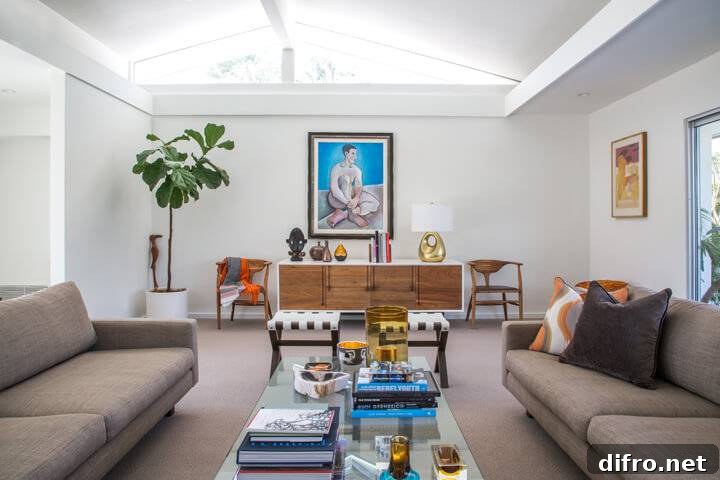
A neutral base makes it easy to introduce color and personality. Walls, large upholstery pieces, and major surfaces in off-whites, creams, or soft grays create a calm backdrop that lets a bright rug, vivid sofa, or large artwork become the hero. The neutral elements act like a blank canvas, so your statement piece can take center stage without creating a chaotic look.
Opt for timeless pieces
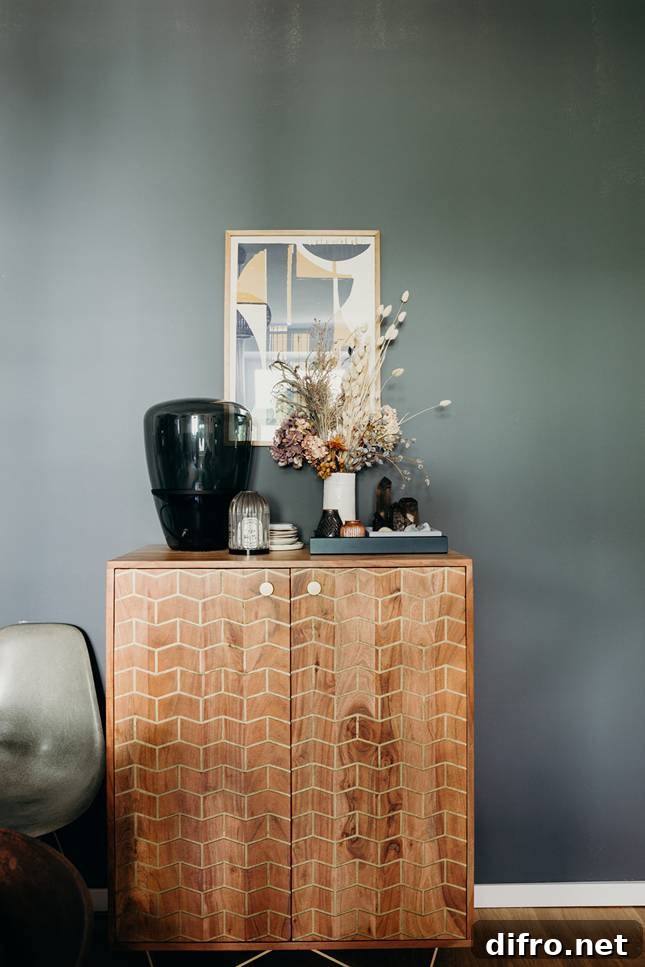
Choose a statement piece with enduring style if you want it to remain relevant for years. Classic shapes, well-made furniture, or restrained patterns usually outlast fleeting trends. A retro dresser with a geometric flair or a well-crafted sofa in a strong, simple silhouette can anchor a room for a decade or more when paired with complementary finishes and a thoughtful color palette.
Add meaningful items
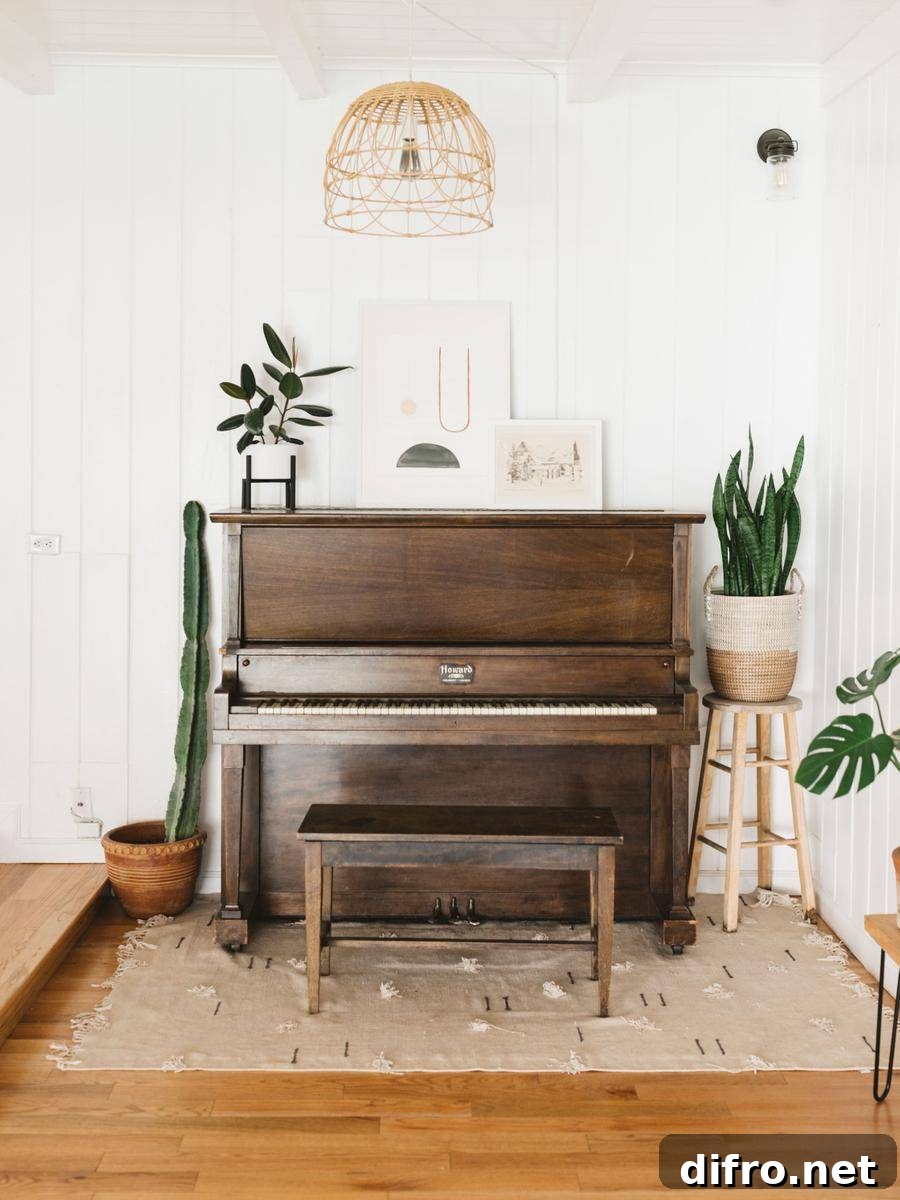
Items with personal history or a clear story bring warmth and authenticity. Heirloom furniture, travel finds, or hobbies-anchored pieces—like an old piano or a beloved armchair—make spaces feel lived in and intentional. A statement piece that resonates emotionally will always feel more integrated than a decorative object chosen on impulse.
Build up around the statement piece
If a bold item feels out of place on its own, add supporting décor to make it look intentional. Layer in complementary textiles, side tables, lighting, and artwork so the statement piece is part of a composed vignette. For example, a colorful sofa will read as designed if paired with a coordinating rug, a side table, and cushions that reference its tones and textures.
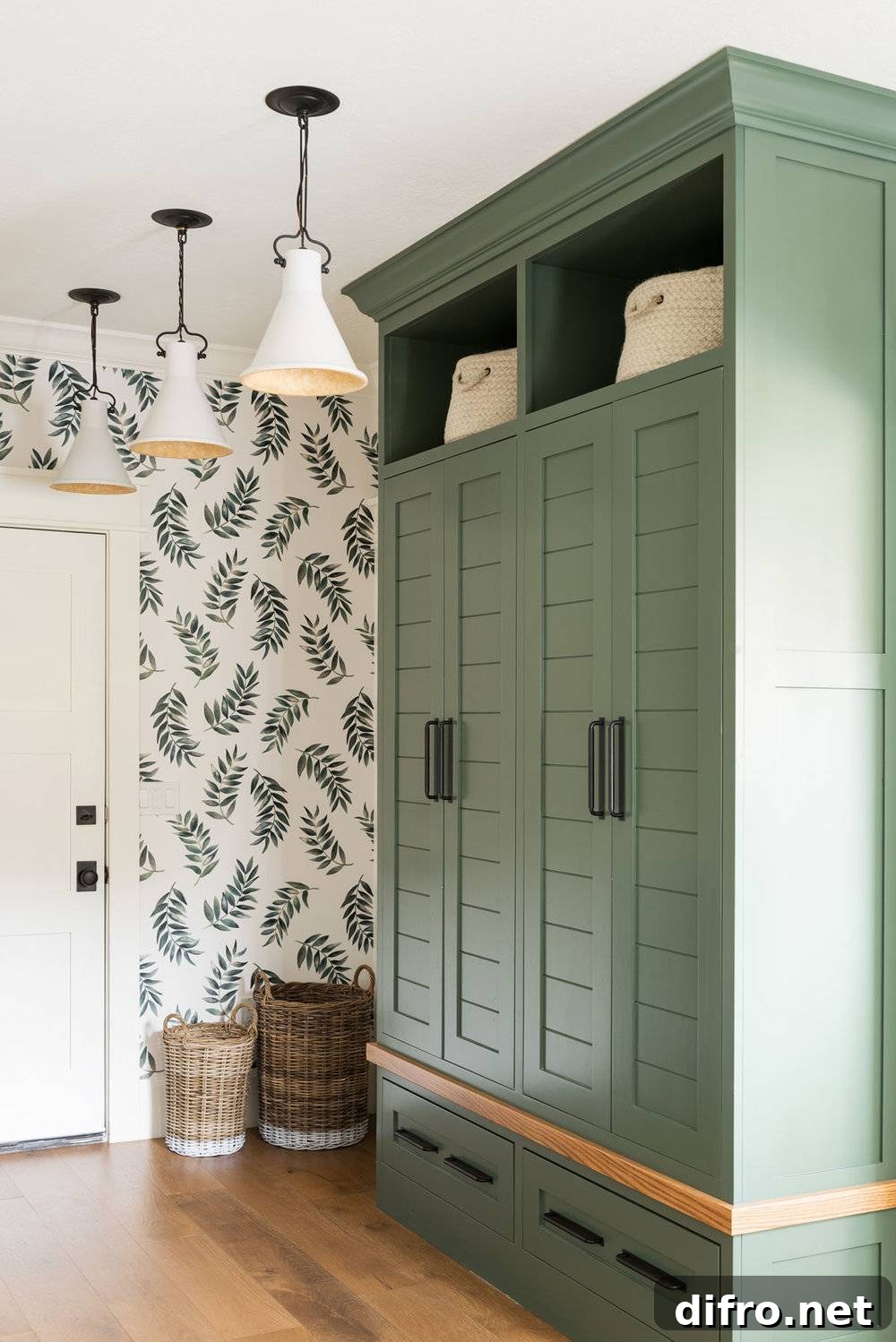
Simple updates—like repainting a wardrobe in a flattering hue or arranging patterned wallpaper and woven baskets nearby—can integrate the piece into the room’s overall story and style.
Pay attention to scale
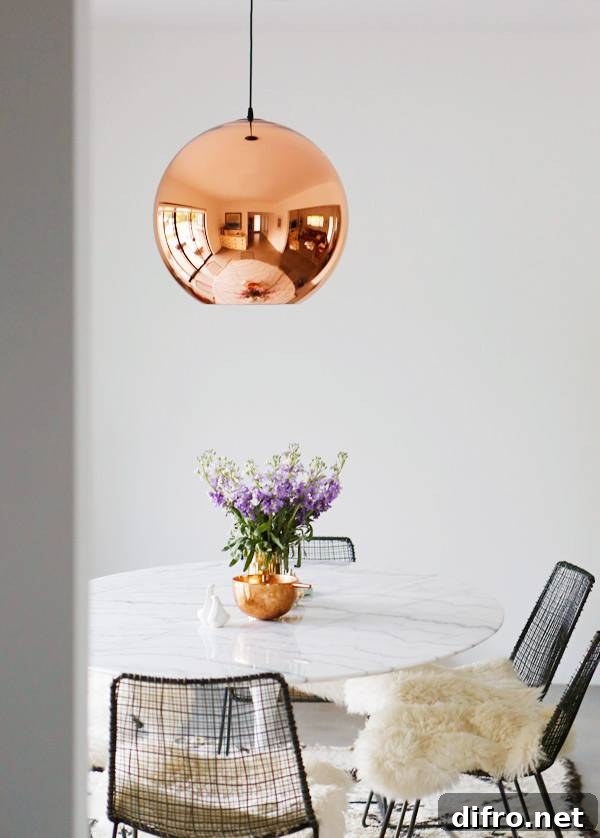
Scale matters as much as color or style. A too-large piece can dominate a room and hinder circulation, while an undersized item can feel lost. Measure doorways, sightlines, and traffic paths before committing. Think about how the piece relates to surrounding furniture: pair large items with equally substantial supporting pieces, and reserve delicate accessories for smaller focal points.
Keeping scale in mind ensures the statement piece enhances both the look and the function of your space.
With these practical approaches—choosing a single focal piece, echoing colors, using contrast, building supporting layers, selecting timeless designs, honoring meaningful objects, and minding scale—you can confidently introduce bold furniture and décor into any room. A well-chosen statement piece will enrich your interior, reflect your personality, and elevate the overall design.