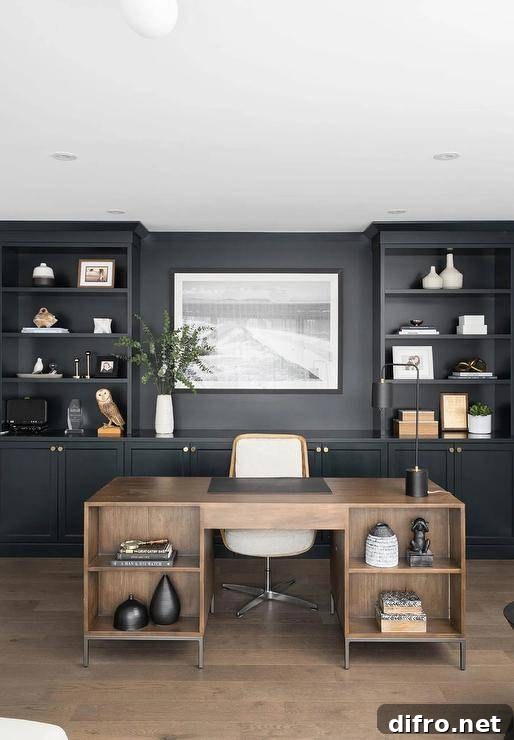
Creating a home that truly reflects who you are goes beyond following design trends. It’s about building a space that feels comfortable, meaningful, and welcoming—somewhere that supports how you live, work, rest, and entertain. As our homes serve more roles than ever—offices, studios, gyms, and retreats—intentionally shaping your surroundings to match your personality and needs becomes essential.
This article outlines practical and creative ways to personalize your living space, from choosing colors and textures that resonate with you to displaying art, heirlooms, and hobby zones that celebrate your interests. Use these ideas to turn rooms into expressions of your story and style.
Embracing Personal Style in Home Decor
Begin by asking what “home” means to you. Do you want a calming sanctuary, an energetic social hub, or a warm family nest? When you set that intention, every choice—from the front door experience to paint colors and furniture—becomes a deliberate step toward making your space feel unmistakably yours.
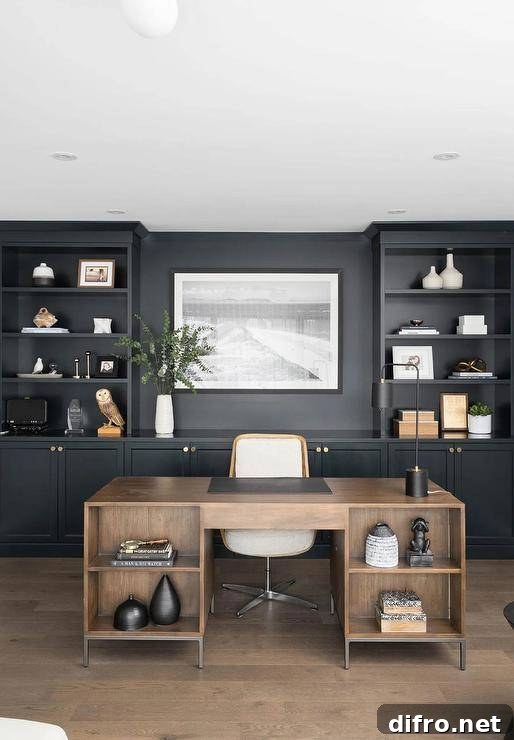
Think about the mood you want to create and make choices that support that feeling. For example, a moody, layered palette with rich textures will read very differently than a bright, airy scheme with minimalist furnishings. Defining your desired atmosphere first simplifies decisions and helps you curate a cohesive, personal interior.
Reflecting Your Interests Through Art and Display Pieces
Art and curated objects tell your story in ways furniture alone cannot. Displaying pieces tied to your passions—prints from favorite bands, travel finds, paintings, or sculptures—creates visual anchors that reveal what matters to you. Place these pieces where you’ll see them often, such as near seating areas, entryways, or your workspace.
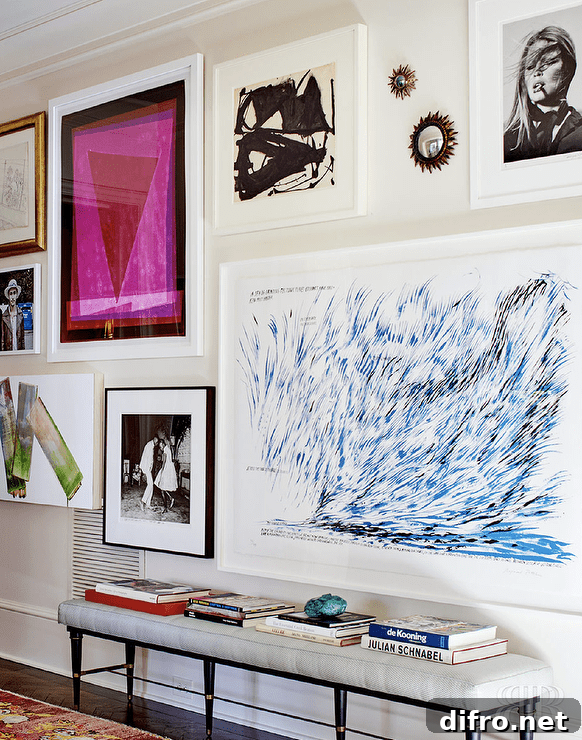
Mixing eras and styles—pairing a classic painting with a contemporary sculpture, for example—can create a compelling, eclectic display that feels curated rather than staged. Consider scale, spacing, and sightlines so your arrangements read as intentional focal points instead of clutter.
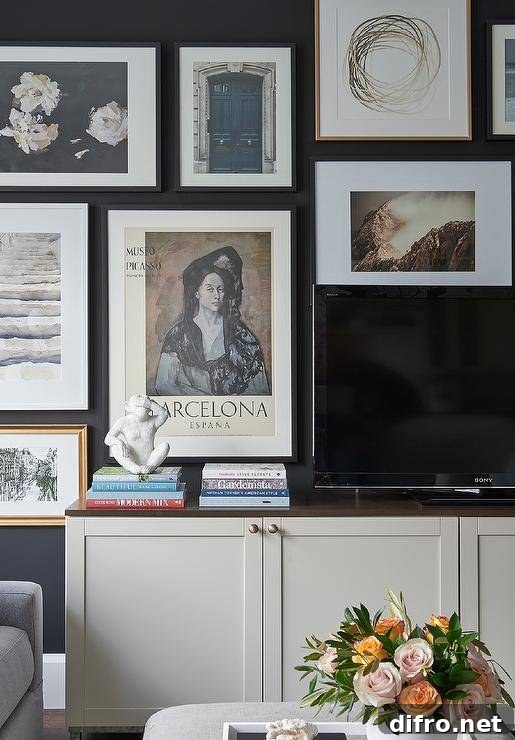
Choosing Colors and Textures That Speak to You
Color and texture are powerful tools for translating personality into design. Identify hues that calm, energize, or comfort you, and use them as the backbone of your scheme. Soft blues and greens can feel restorative, while warm reds or oranges add energy and intimacy.
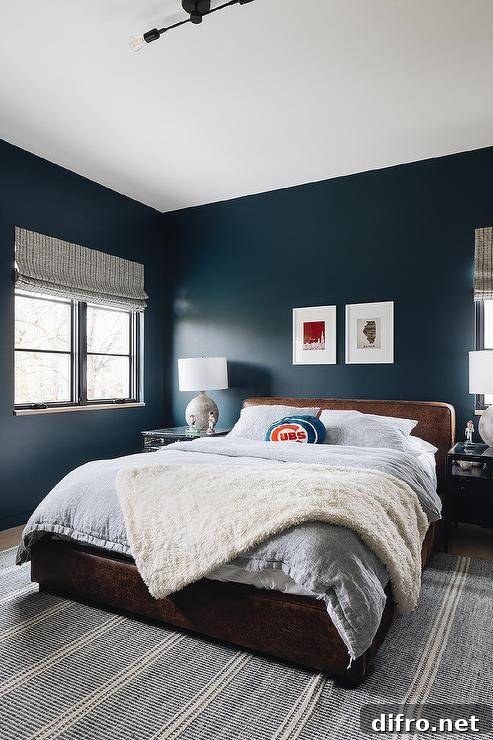
Layering textures—rugs, throws, cushions, woven baskets, and different finishes—adds depth and tactile richness. A mix of coarse and smooth materials, matte and glossy surfaces, or natural and engineered elements keeps spaces visually interesting and comfortable to inhabit.
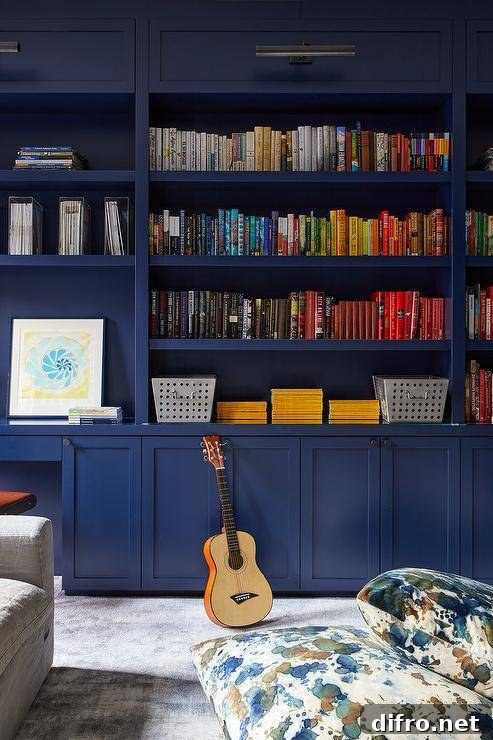
Integrating Personal Memorabilia and Heirlooms
Family heirlooms and keepsakes bring history and character into a home. These items—old photos, a passed-down clock, quilts, or meaningful travel souvenirs—carry stories that mass-produced decor can’t recreate. Thoughtful placement of these treasures turns them into conversation pieces and emotional anchors.
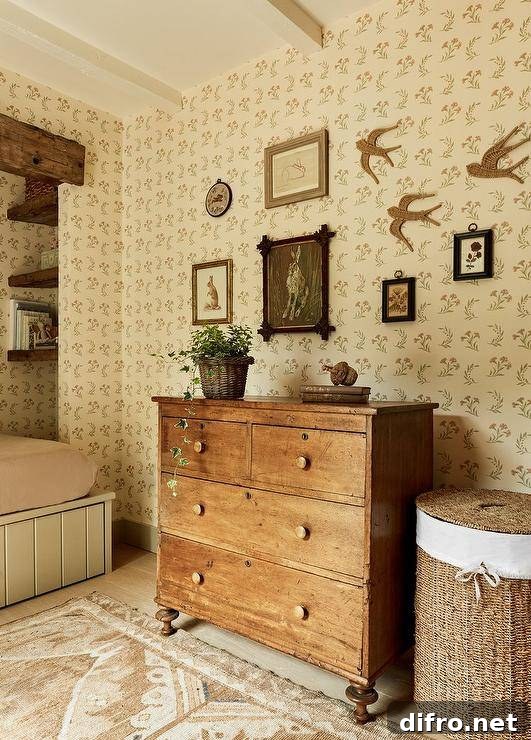
Repurpose older pieces to fit modern needs—an antique suitcase can become a side table, or a wooden ladder might serve as shelving. These adaptations preserve sentimental value while making items functional and relevant in today’s interiors.
Creating Spaces for Your Hobbies and Passions
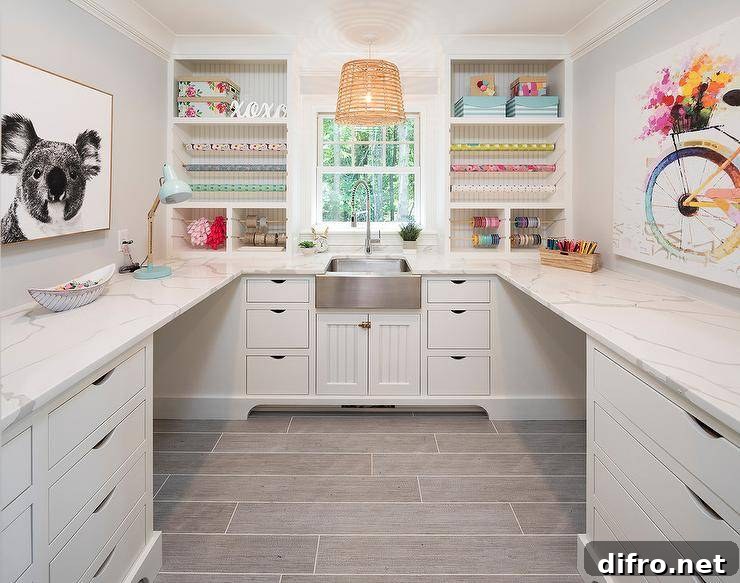
Designating areas for hobbies transforms your home into a living, evolving reflection of your life. A dedicated reading nook with comfortable seating and task lighting invites relaxation; a balcony garden or indoor planting station nurtures creativity for gardeners; a tidy craft corner encourages regular creative practice.
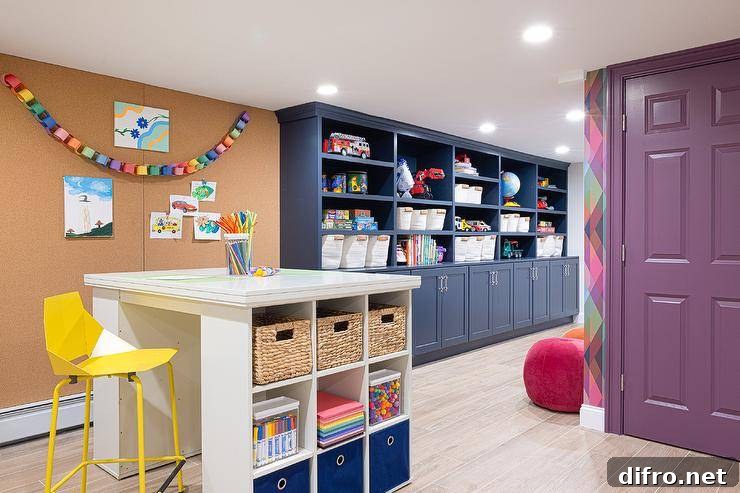
These hobby zones also help contain clutter by giving tools and supplies a home. Plan storage and organization so each area is inviting and easy to use, which makes it more likely you’ll return to the activities that enrich your life.
Crafting a Unique and Comfortable Living Environment
Personalizing your home is a mix of storytelling, comfort, and practical design. Display cherished photos, curate collections that reflect your interests, and choose furniture, colors, and textures that align with your lifestyle. Each decision becomes a brushstroke in the larger composition of your home.
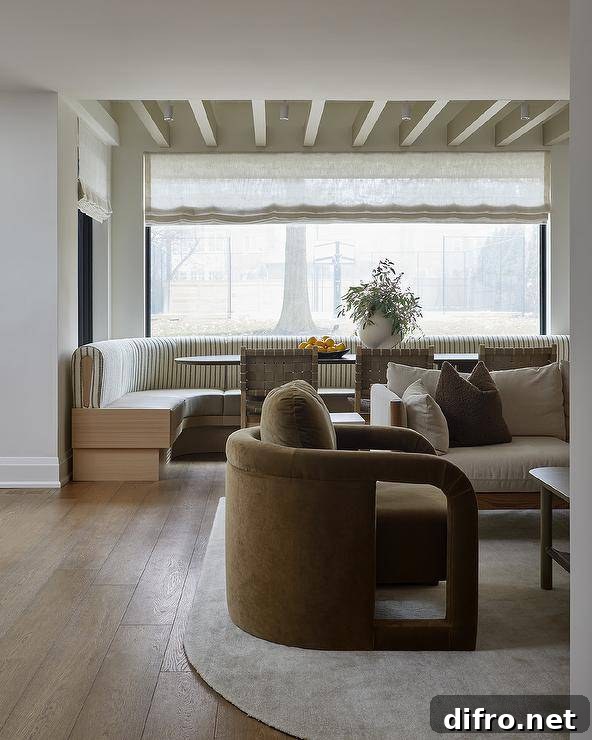
Prioritize comfort and calm: soft lighting, comfy seating, and soothing palettes encourage relaxation and improve daily life. At the same time, thoughtful displays and hobby corners keep your home lively and personal.
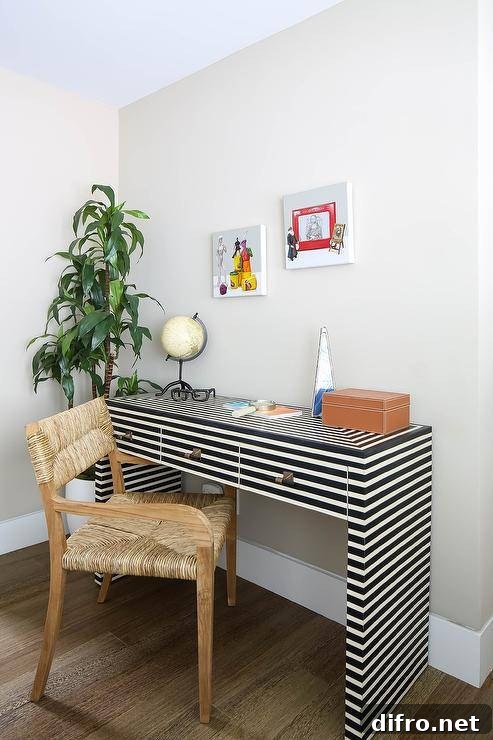
There are endless ways to make a house feel like yours. Start small—choose one corner to personalize—or tackle a whole room. Over time, these choices accumulate into a home that not only looks beautiful but also supports the way you live and the person you are.
Related Articles
- A Gallery Wall Layout Is The Way To Add Personality To Any Room
- Ceiling Designs: Adding Personality to Your Space
- 10 Ways to Add Personality to Your Rental Apartment
Turn your house into the home of your dreams. Subscribe to design ideas and decor trends to begin your journey toward a more personal and beautiful living space.