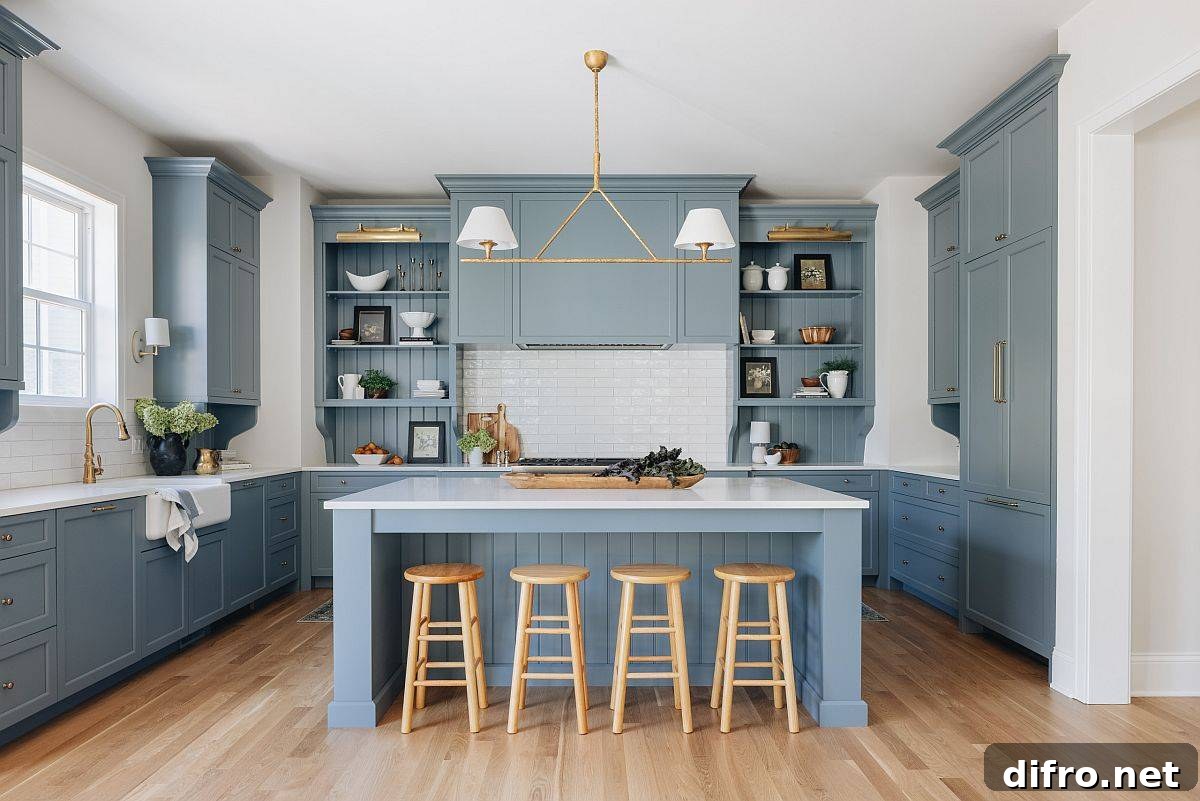
The kitchen is far more than the room where meals are prepared; in modern homes—large or small—it has become the heart of daily life. Families gather there in the morning for a quick bite and return in the evening to share stories from the day. While each home has unique needs when it comes to kitchen design, style, color choices, appliances and finishes often receive the most attention. But before you invest in finishes, it’s essential to prioritize what matters most: efficiency, ergonomics and long-term functionality.
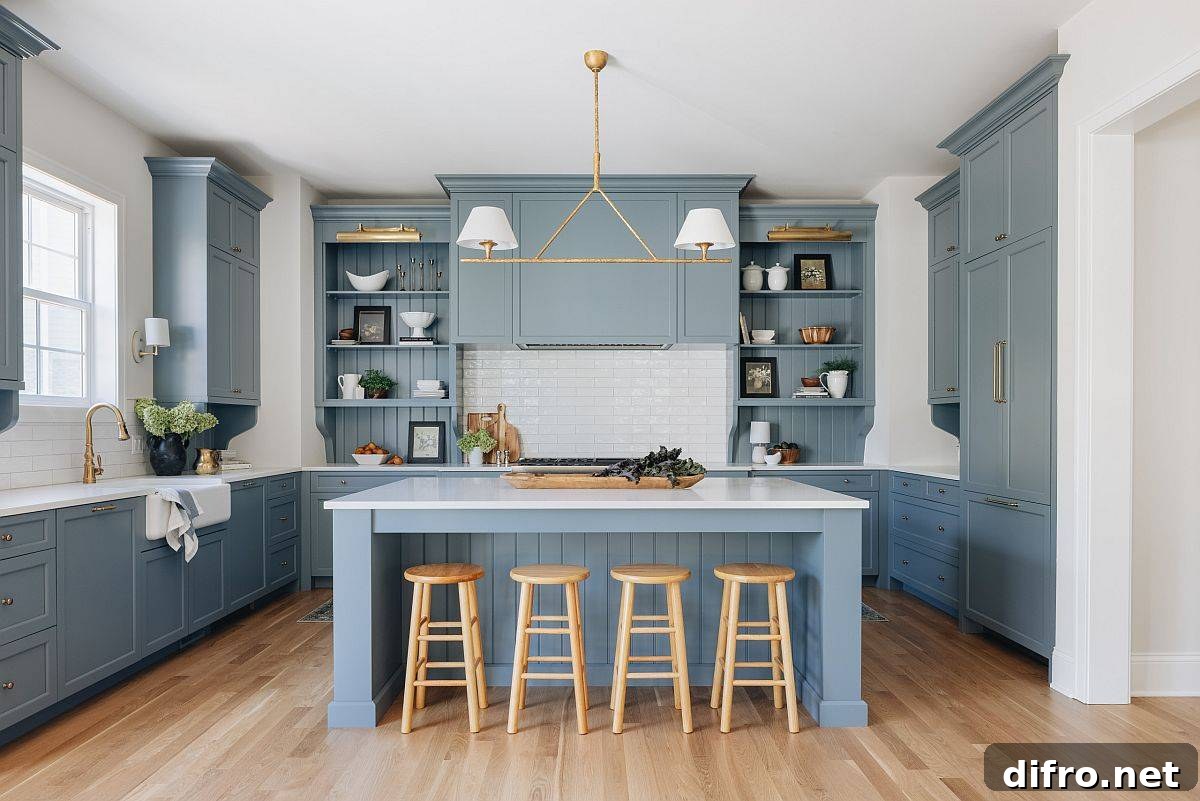
A smart kitchen puts function first while still achieving a pleasing aesthetic. If compromises are necessary, prioritize usability: clear circulation, easy access to appliances and sensible storage beat purely decorative choices. Many common layout mistakes are easy to avoid early in the design process. Below are practical tips to help you correct flaws and plan a kitchen that works for everyday life.
1. Consider the Circulation Space
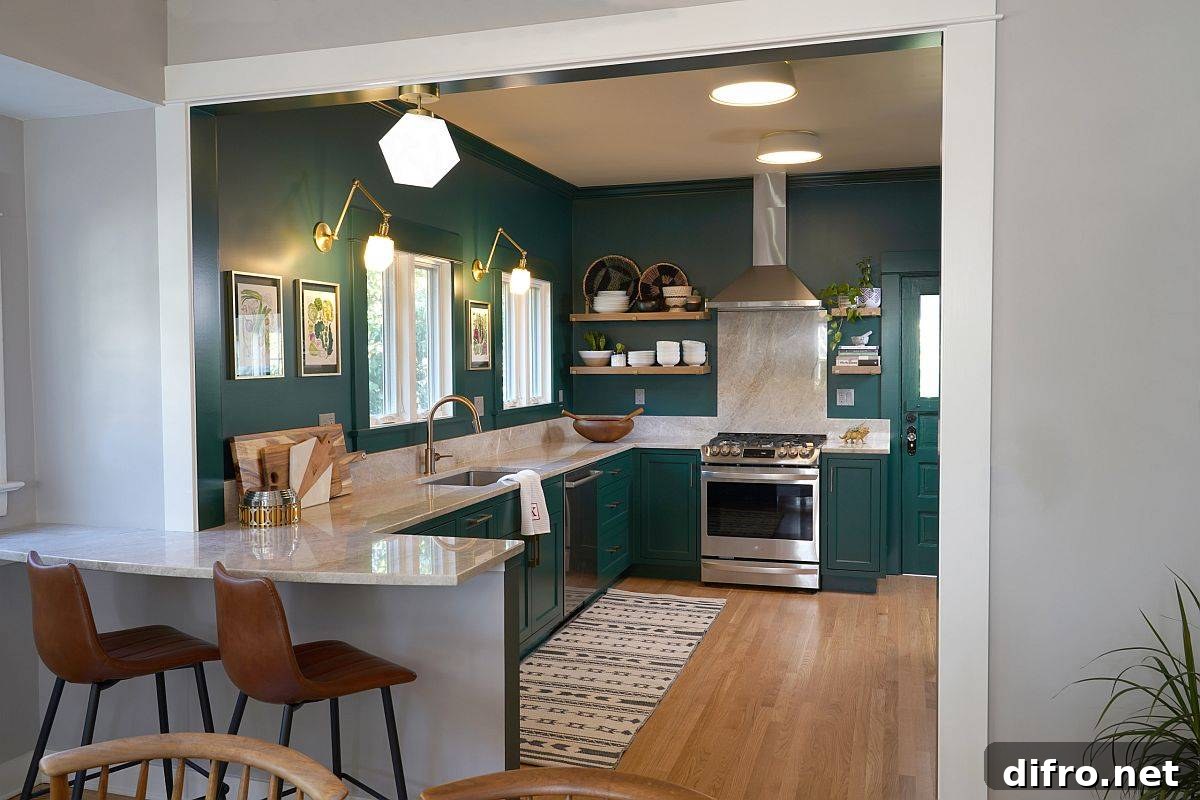
Begin by mapping how people will move through the kitchen. Kitchens serve many roles—cooking, dining, socializing—so maintain generous walkways between islands, counters and dining areas. Aim for at least four to five feet (about 120–150 cm) of clearance where people pass behind one another or where appliance doors will open. This prevents bottlenecks and ensures safe, comfortable movement when multiple people use the space.
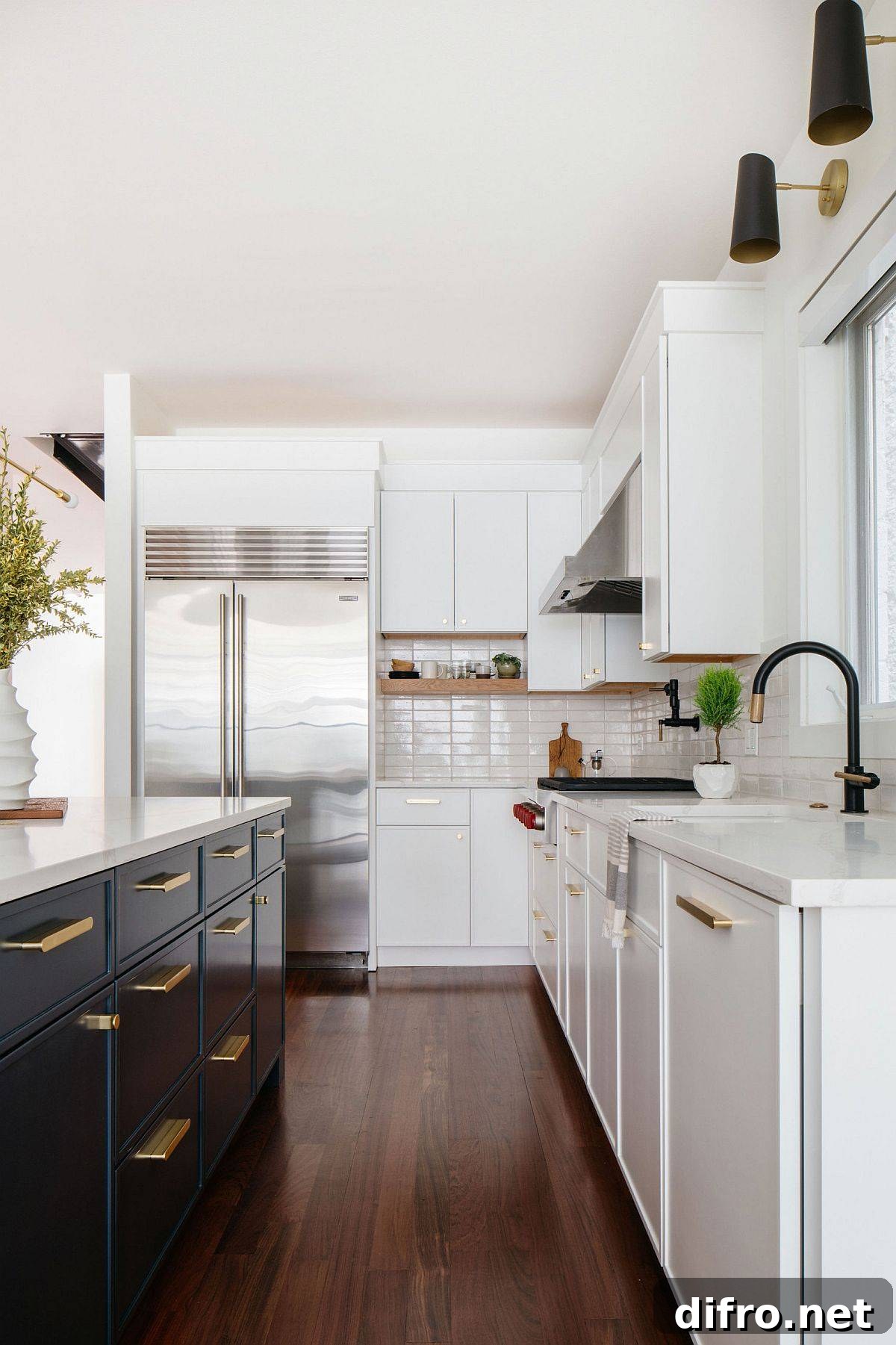
2. Take Your Appliances into Account
Appliances should be integrated into the layout, not treated as afterthoughts. Measure each appliance and design dedicated niches for the refrigerator, microwave, dishwasher and oven so counters remain clear. Check door swing and clearance for appliance doors and drawers so they won’t block traffic or collide with cabinets and islands. Position heavy-use appliances within easy reach of prep areas to reduce unnecessary steps.
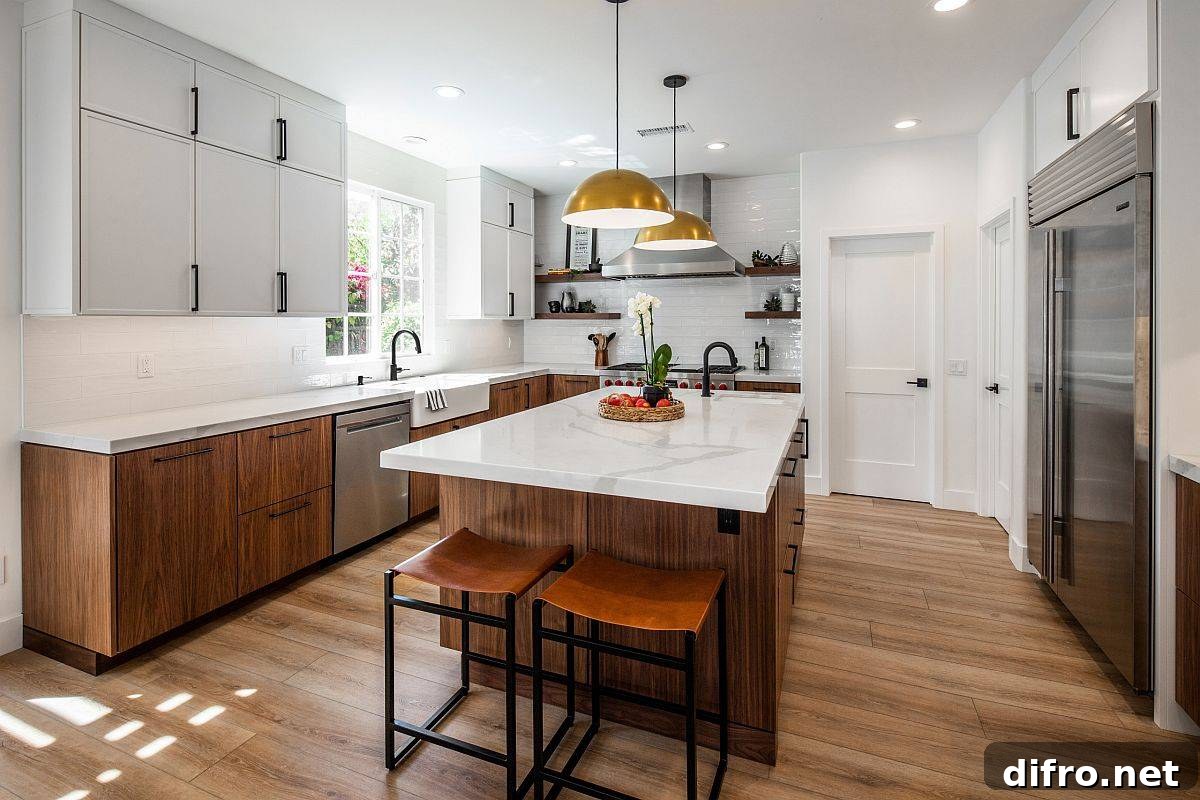
3. Plan Cabinetry, Doors and Storage
Tall, wall-to-wall cabinetry may look impressive, but it can obstruct sightlines and movement if not planned thoughtfully. Use vertical space wisely—extend cabinets to the ceiling to maximize storage while keeping counters clear. Choose cabinet door styles and hardware that allow easy access in tight areas; consider pull-out drawers, corner carousels and deep drawers for pots and pans rather than relying solely on high shelves.
4. Do You Really Need an Island?
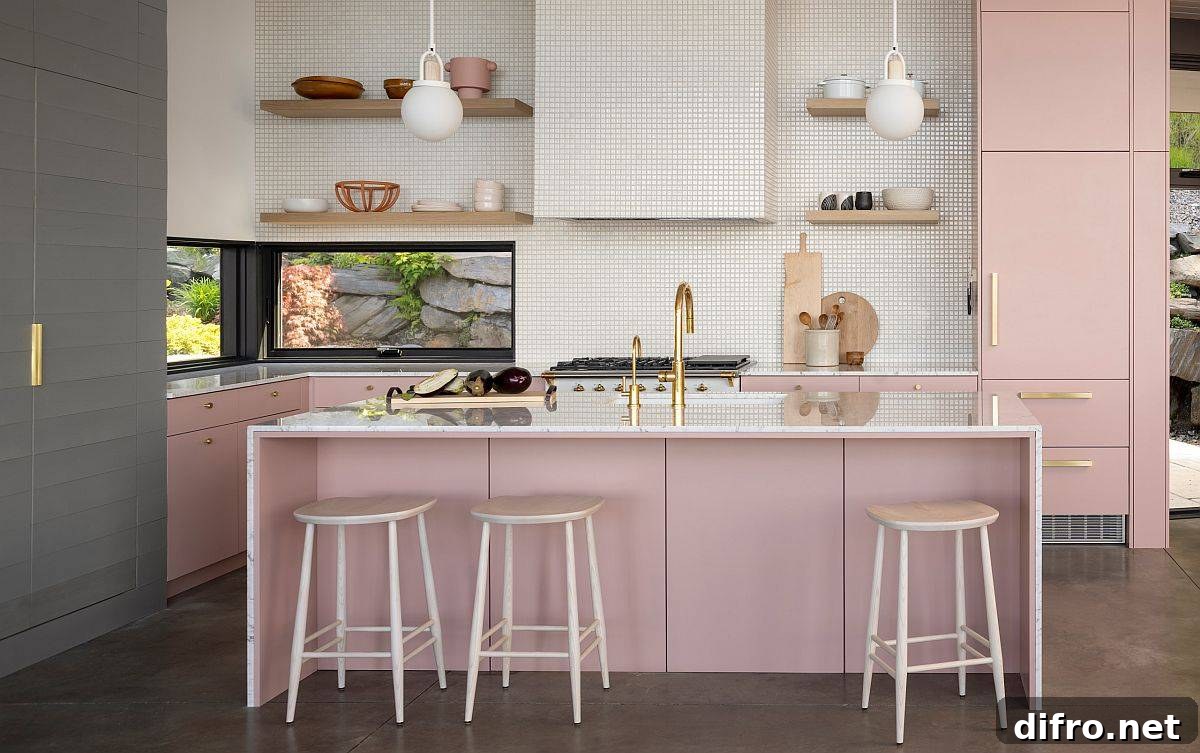
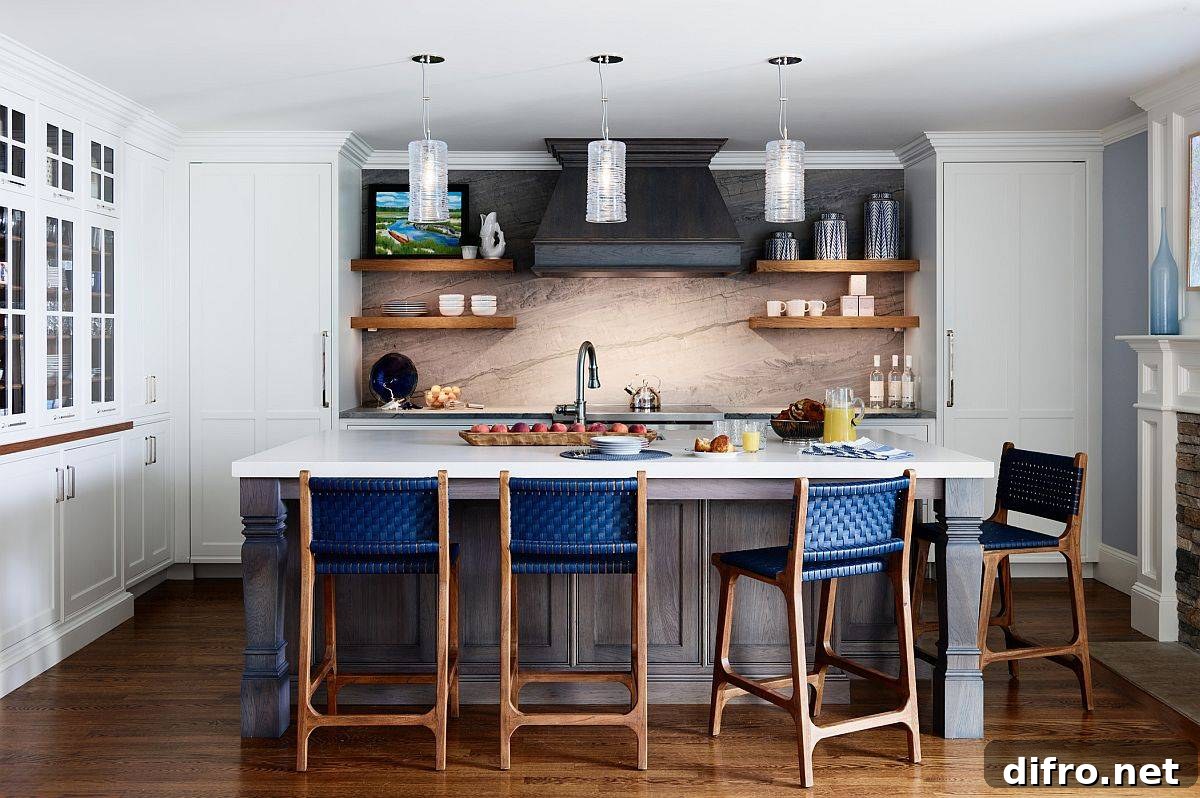
Islands are popular, but not mandatory. An island only improves a kitchen if it adds usable prep surface, storage or seating without compromising circulation. In small kitchens, a permanent island can crowd the room and limit functionality. Consider alternatives such as a rolling island, a large movable cart or a slim peninsula to gain flexibility while preserving space.
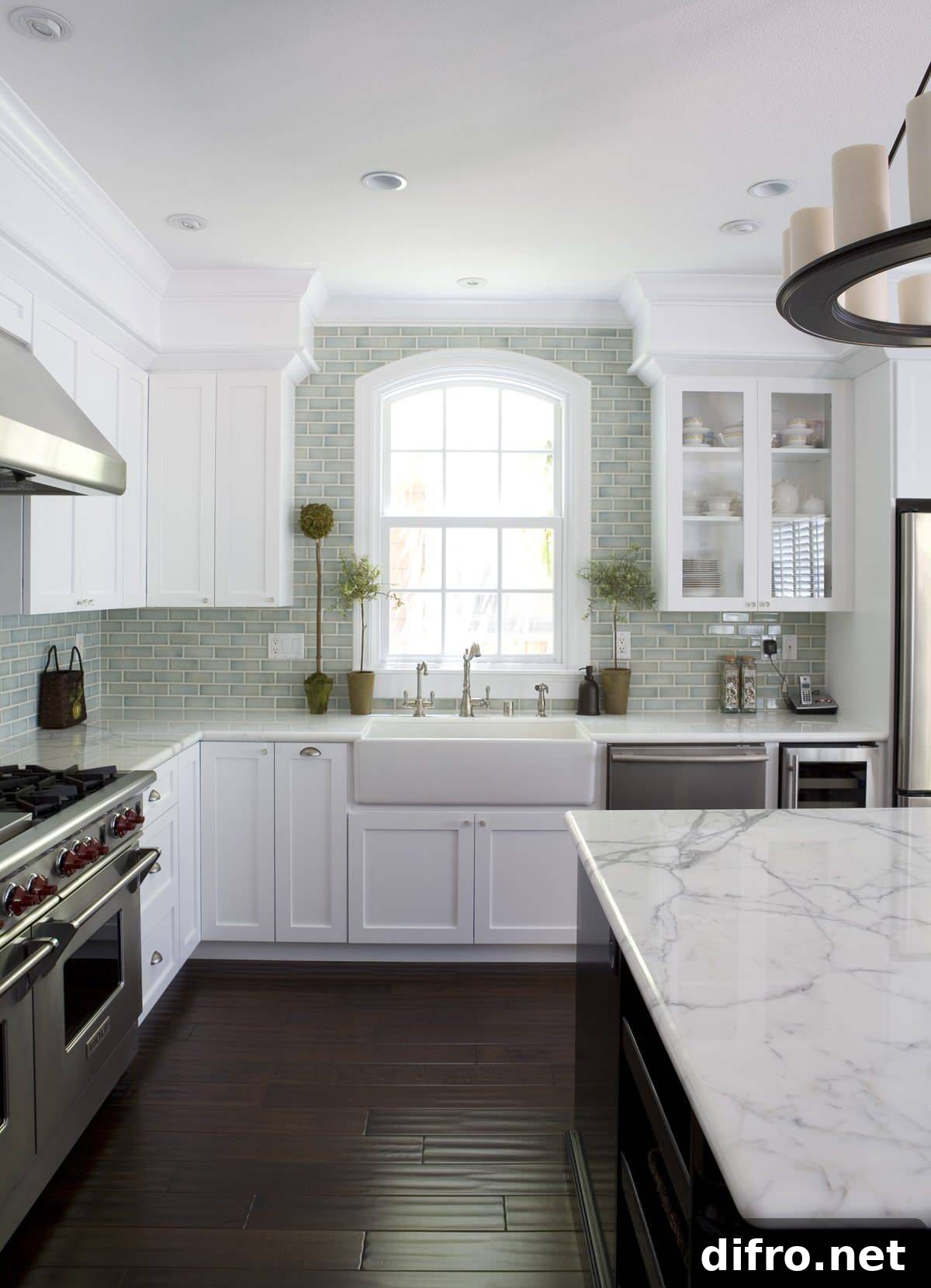
5. Match the Kitchen to Your Cooking Needs
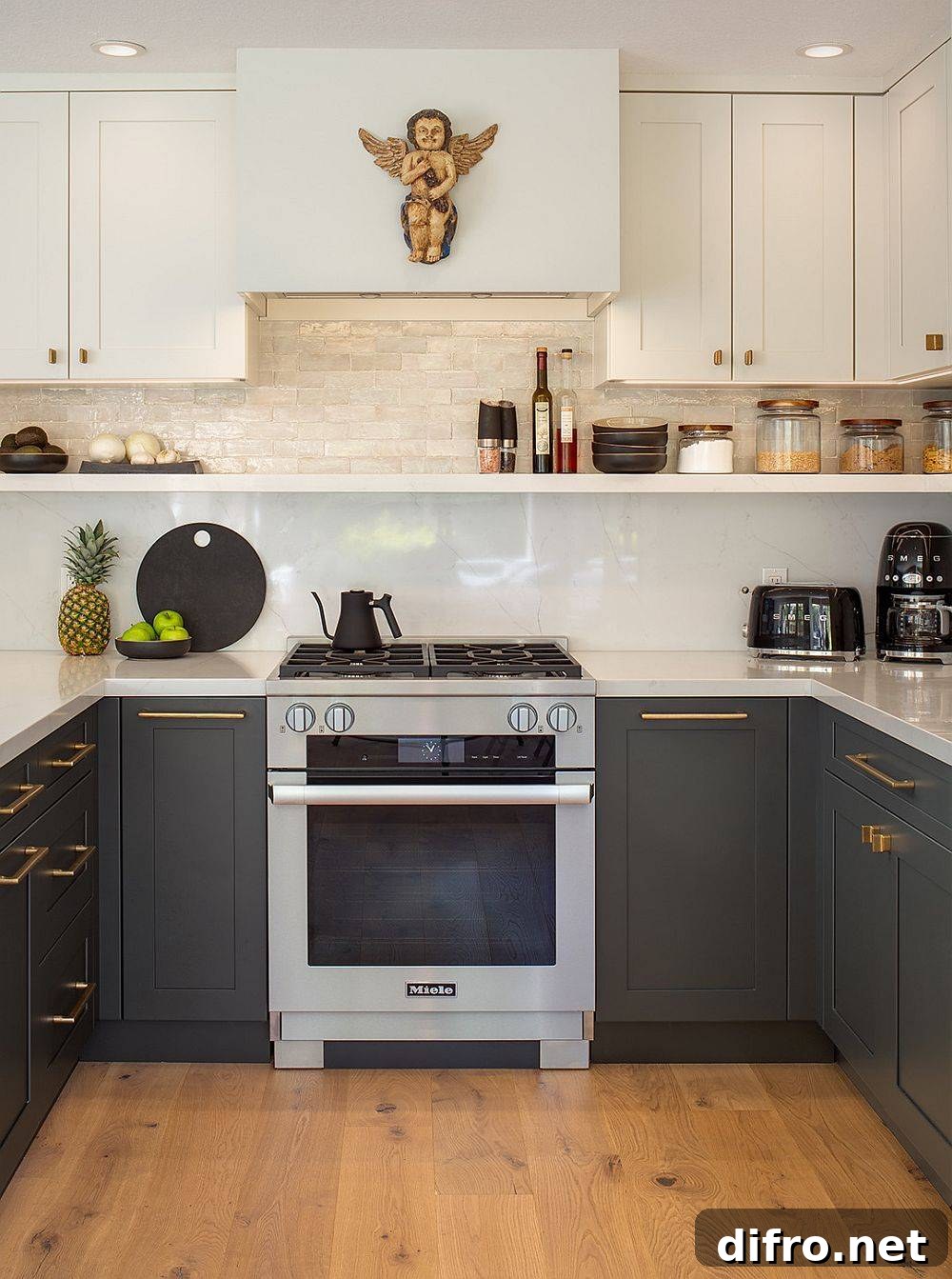
Design your kitchen to suit how you actually use it. A weekend cook doesn’t need industrial-grade appliances or large pot storage; an active family that prepares multiple meals daily will need more prep space, larger sinks and ample storage for cookware. Be realistic about meal prep, storage needs and seating so the kitchen serves your lifestyle rather than creating unused space.
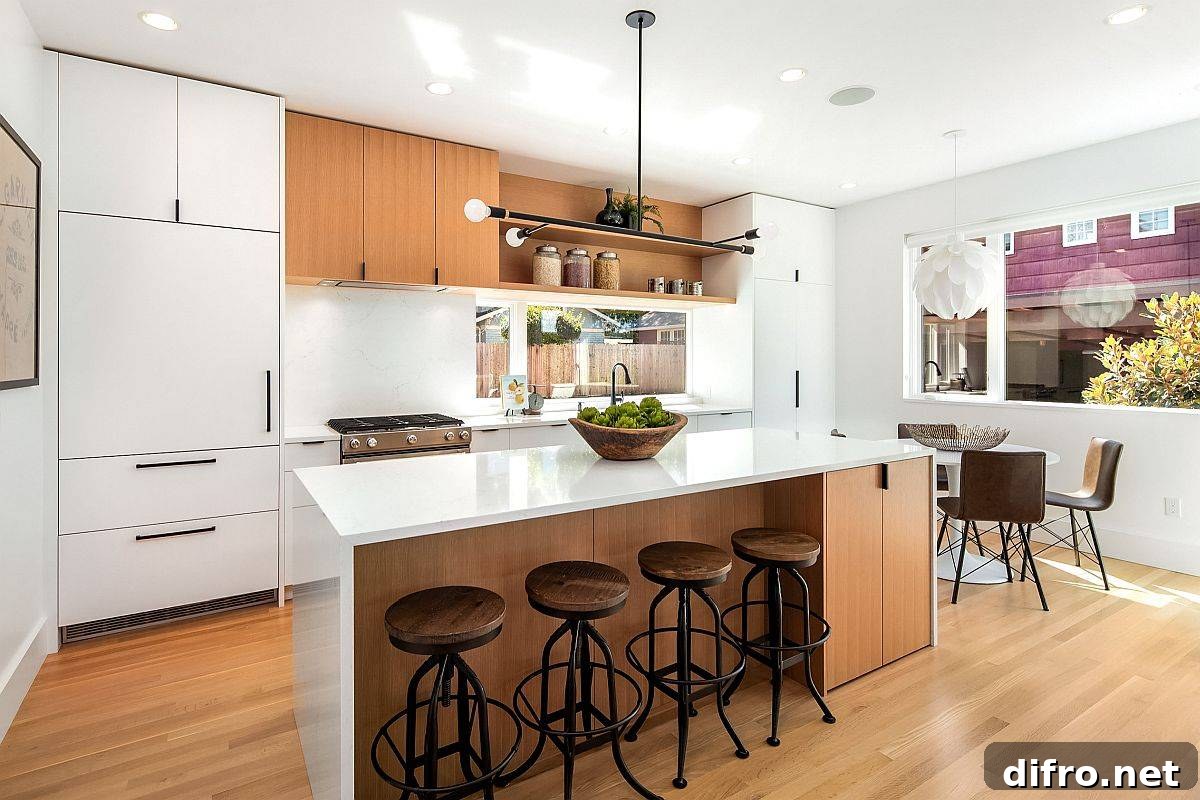
6. Use Wall Space Effectively
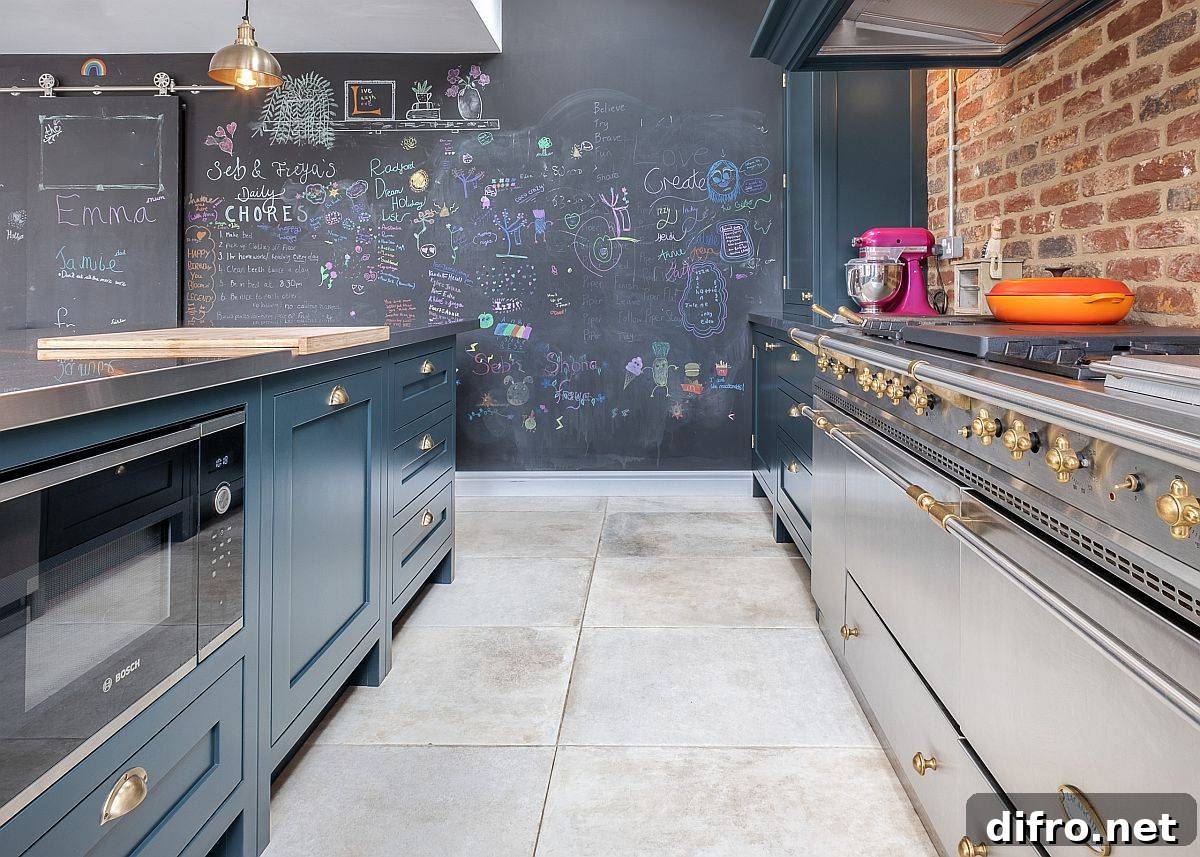
Wall space is a valuable asset. In addition to full-height cabinets, incorporate open shelving, pegboards, hooks and chalkboard panels to keep essentials accessible and visible. Open shelves can display frequently used dishes, while pegboards and rails are ideal for hanging utensils and pots. Thoughtful wall storage keeps counters clear and improves workflow.
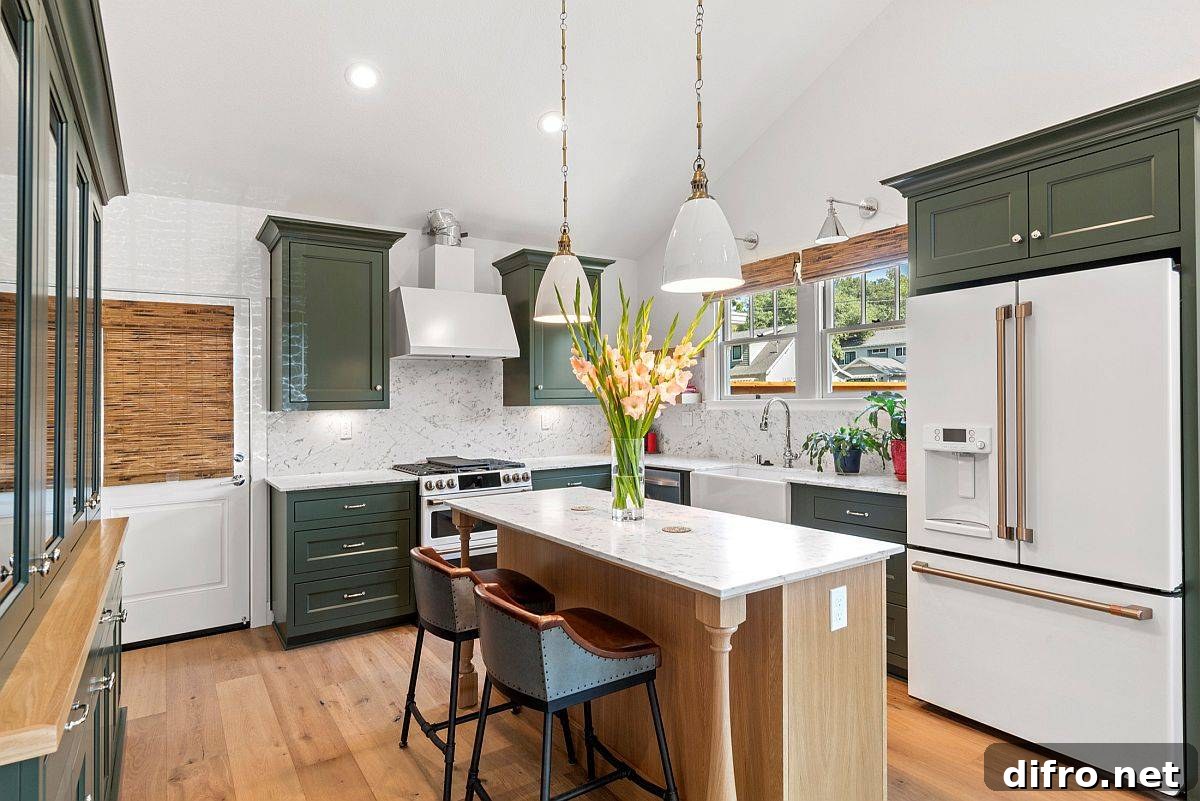
7. Lighting Makes the Biggest Difference
Poor lighting undermines even the best layouts. Layer light for safety and atmosphere: combine ambient recessed lighting with task lighting over counters, sinks and islands, and add pendants above seating areas for focused illumination. Under-cabinet lights reduce shadows on work surfaces, and large windows or glass doors can bring abundant natural light during daytime, reducing dependence on fixtures while improving mood and visibility.
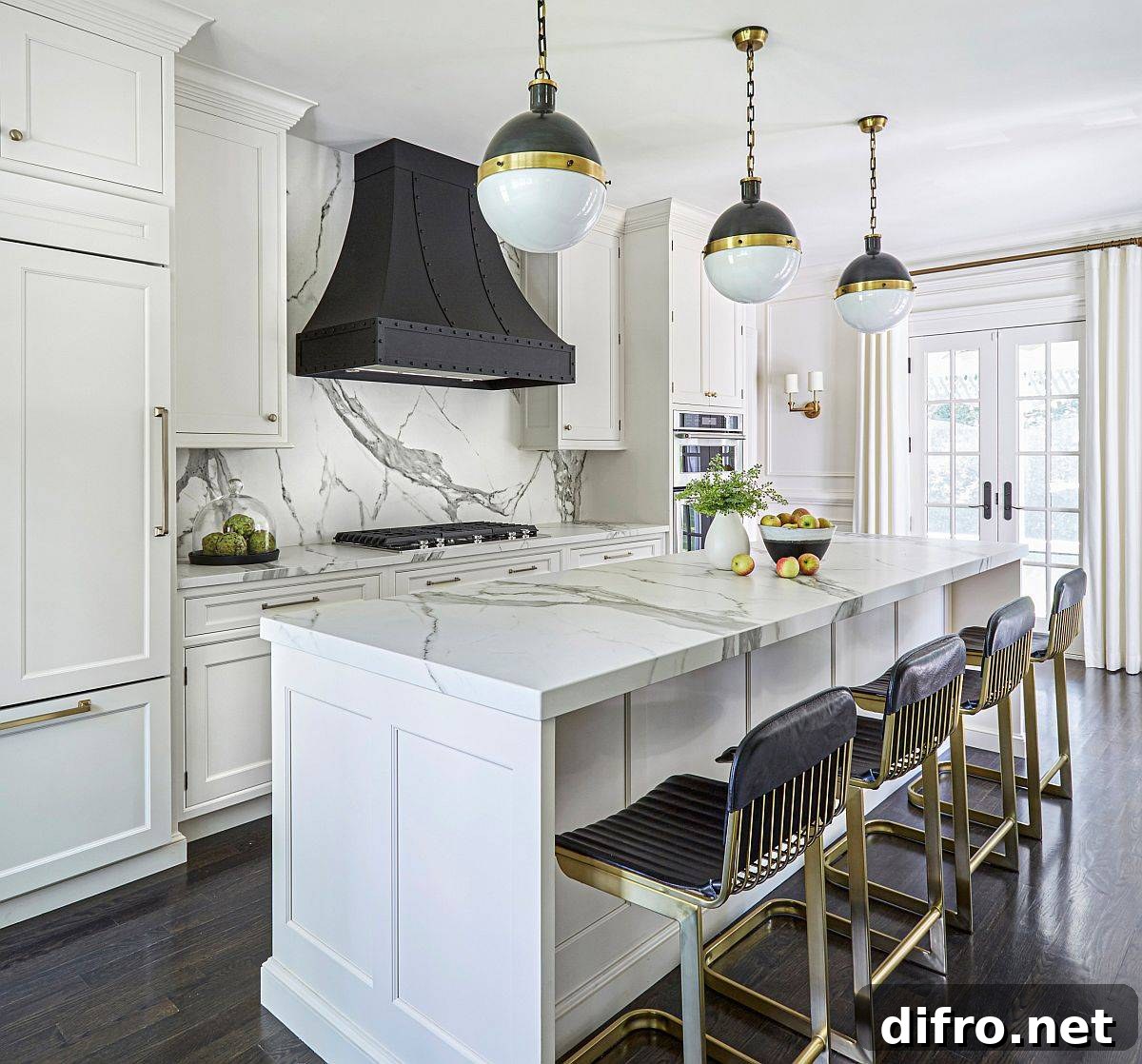
Designing a kitchen that works means balancing beauty with practicality. Focus first on circulation, appliance placement, storage and lighting, and then layer in finishes and accents. With thoughtful planning, your kitchen will be both inviting and highly functional—truly the heart of the home.