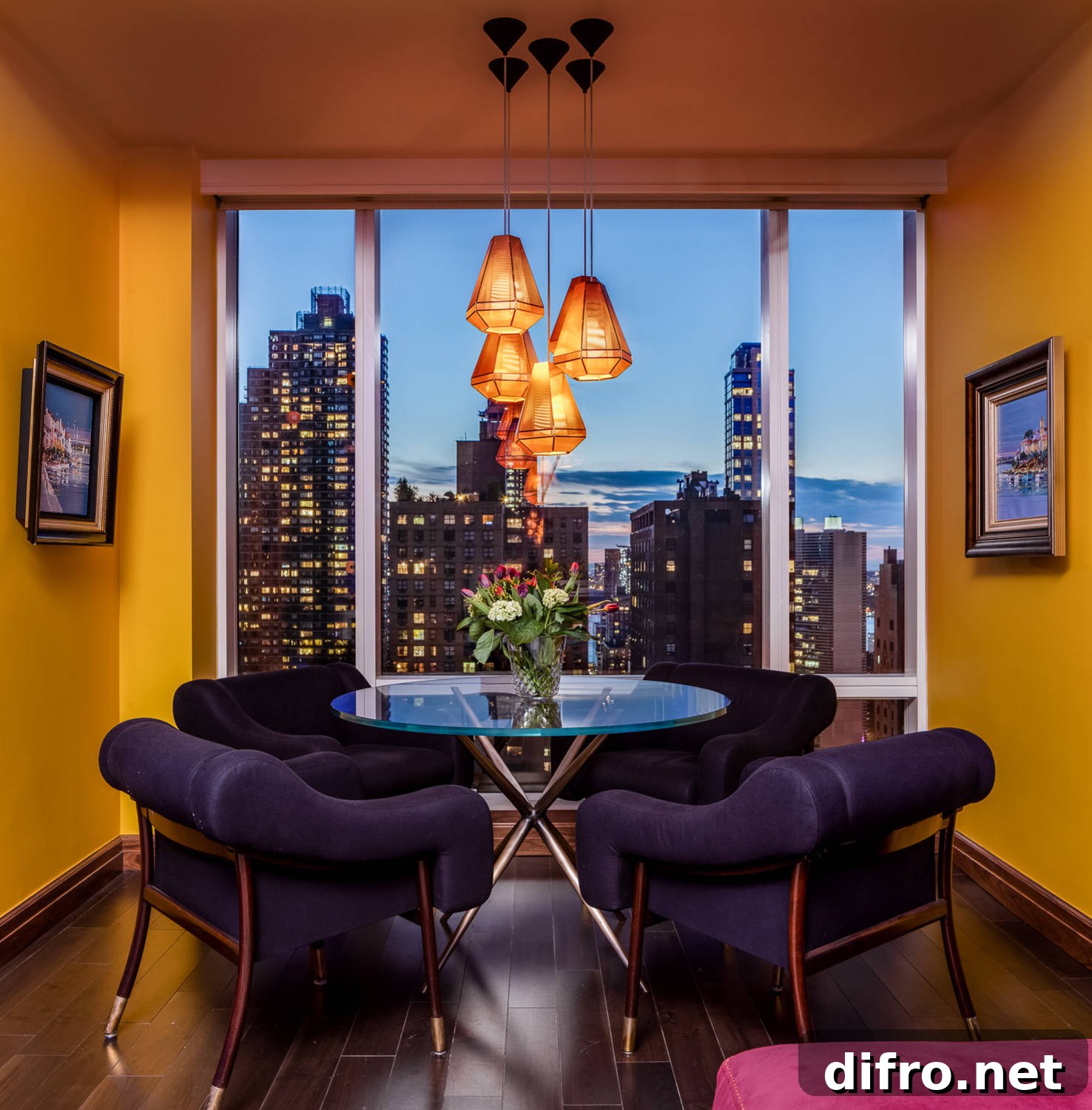
Every home has its own needs, and with changing lifestyles and work habits the traditional idea of a formal, separate dining room is fading. Many homeowners still reserve a formal dining area for holidays and special gatherings, but an increasing number prefer an open-plan layout where the dining zone sits between the living room and kitchen. That layout creates a single social hub where people can interact while meals are being prepared and served, making everyday living more flexible and sociable.
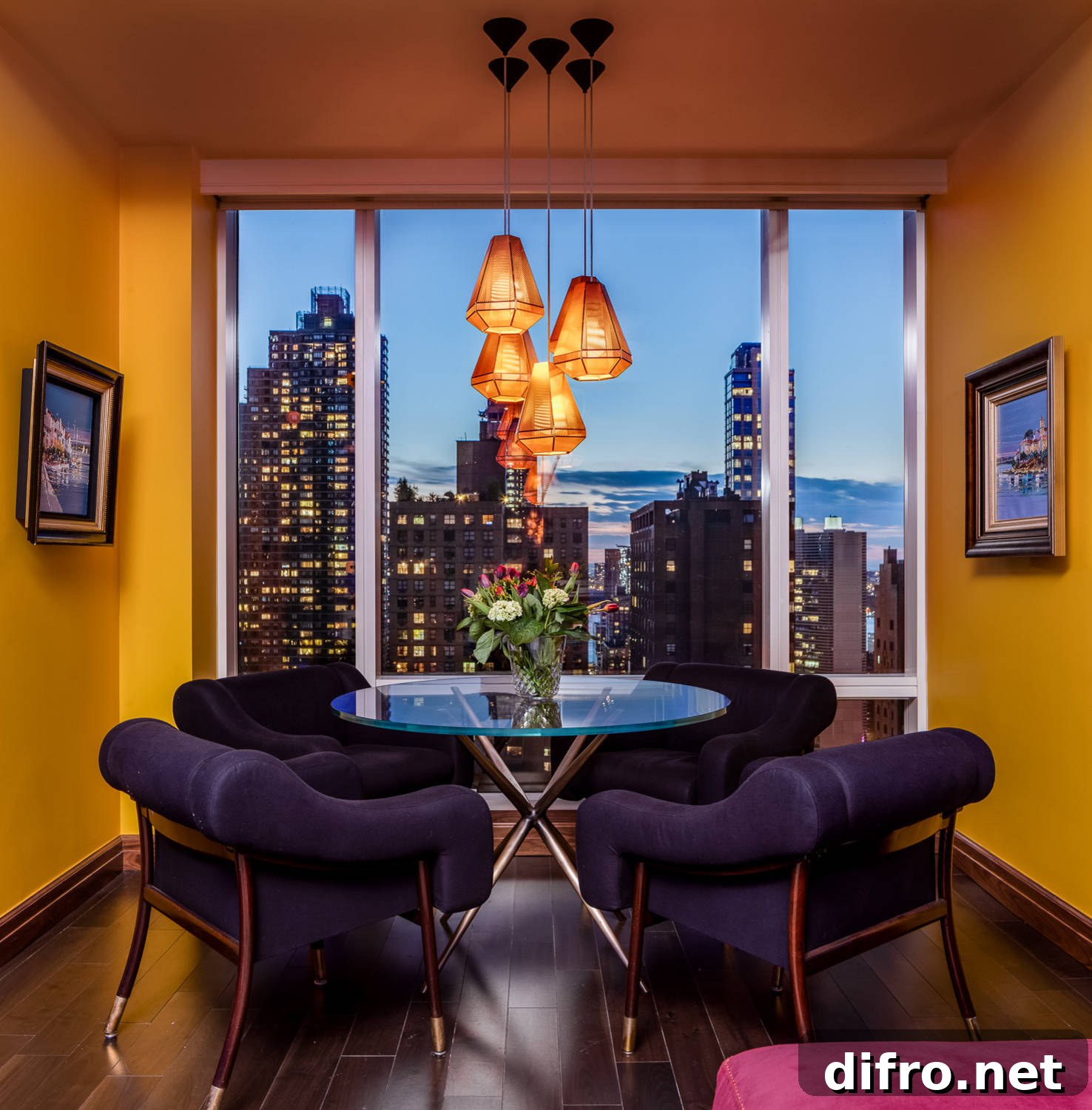
This shift has given rise to a wealth of small dining room ideas — compact layouts that comfortably seat two to six people without feeling removed from the rest of the home. When you must make the most of limited square footage and introduce contemporary aesthetics into a space-conscious interior, few places match the ingenuity found in New York City. From clever compact kitchens to bedrooms with skyline views, NYC homes often show smart, stylish solutions. Below are practical and inspirational small dining room approaches drawn from the city, useful whether you live in a loft, condo, or a compact apartment.
Backdrop Clad in Neutral Hues
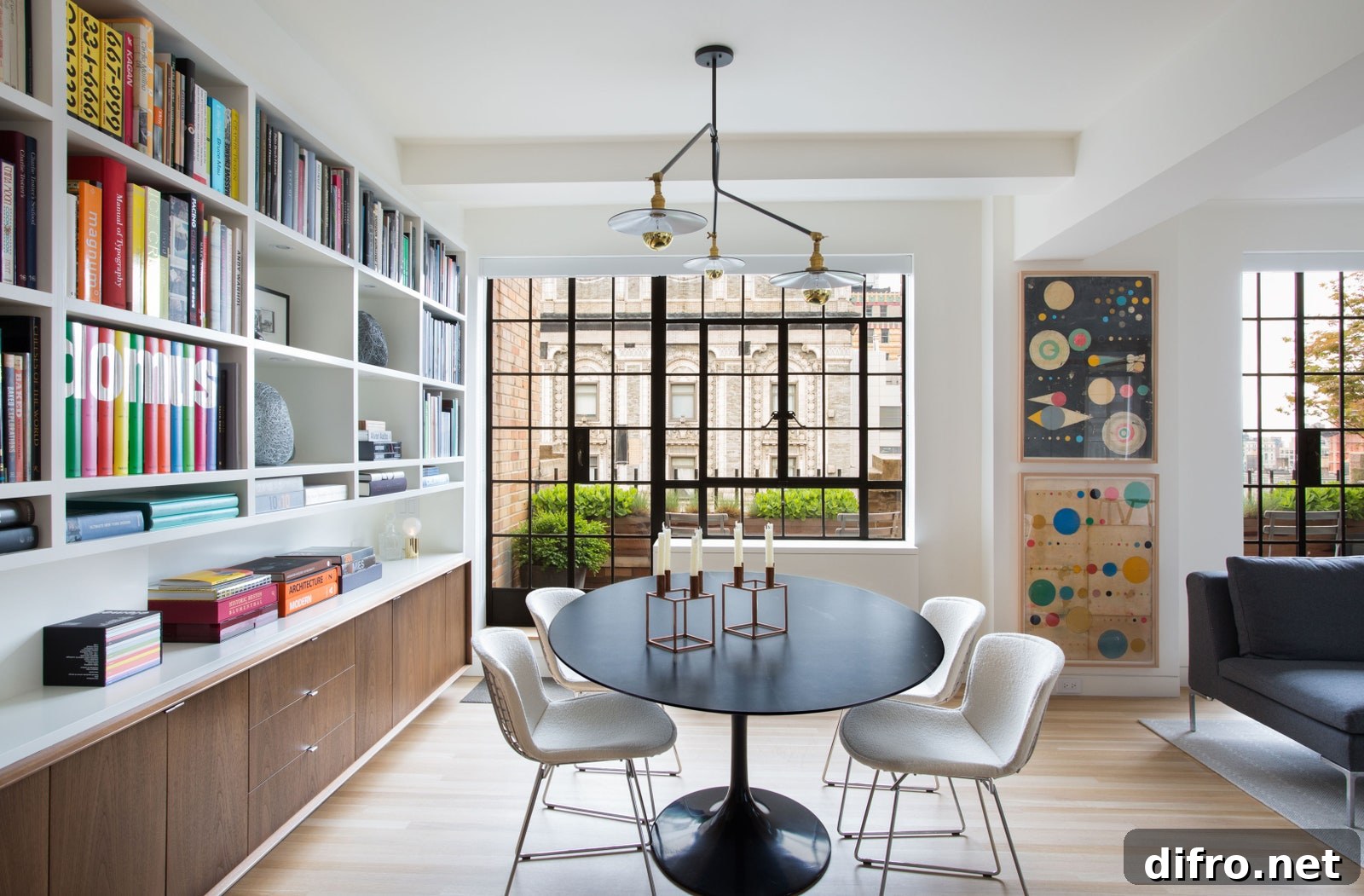
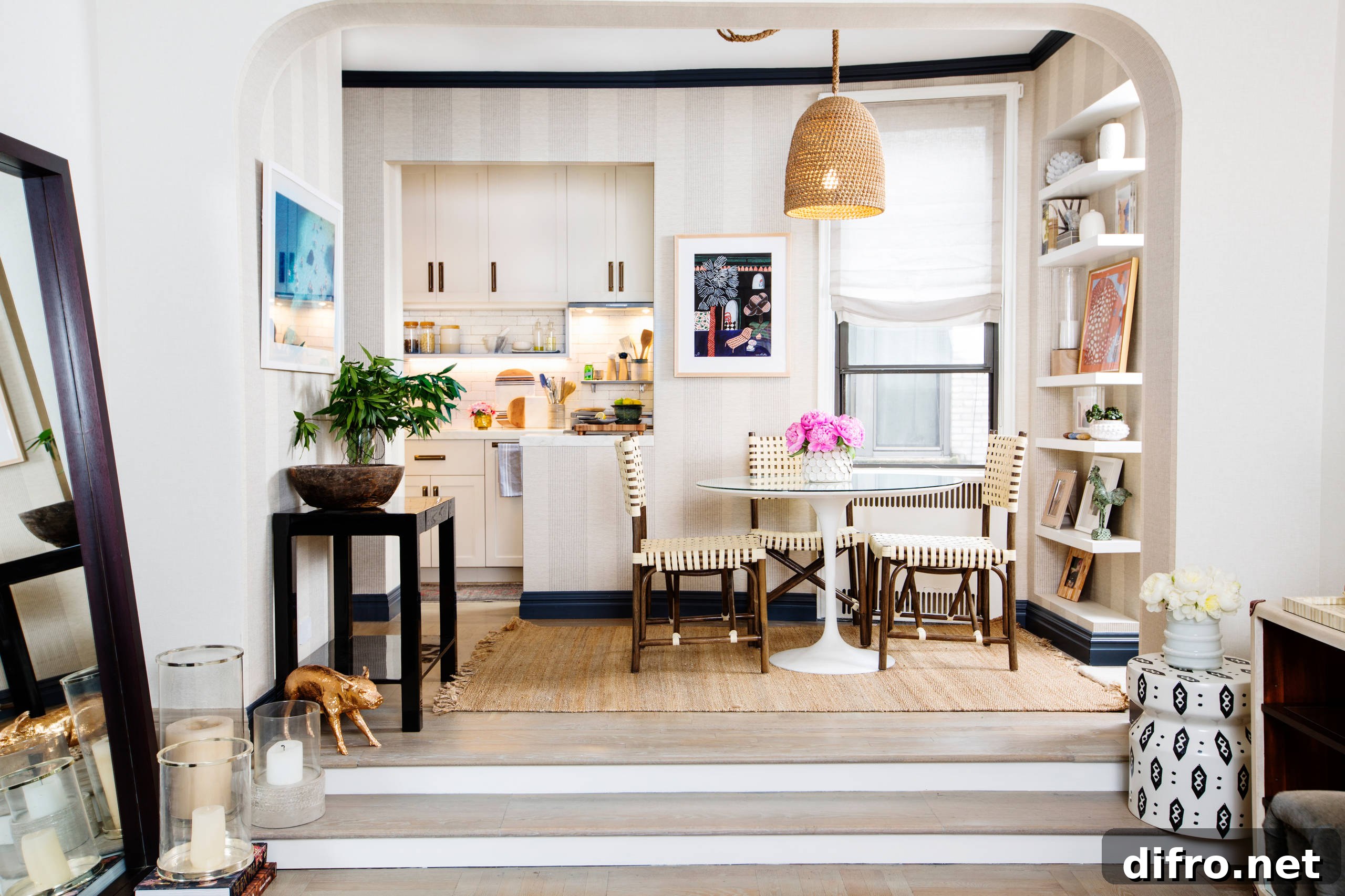
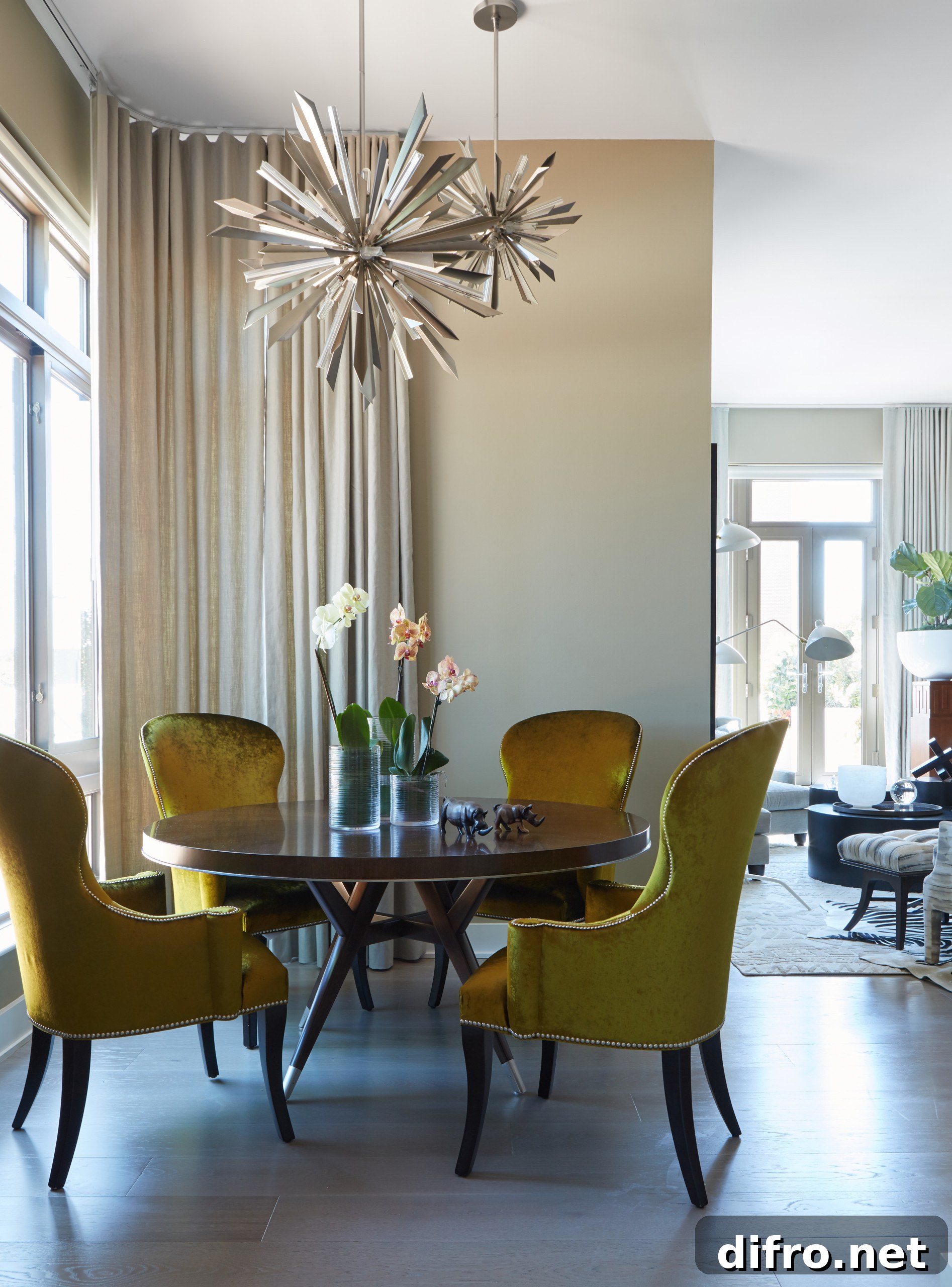
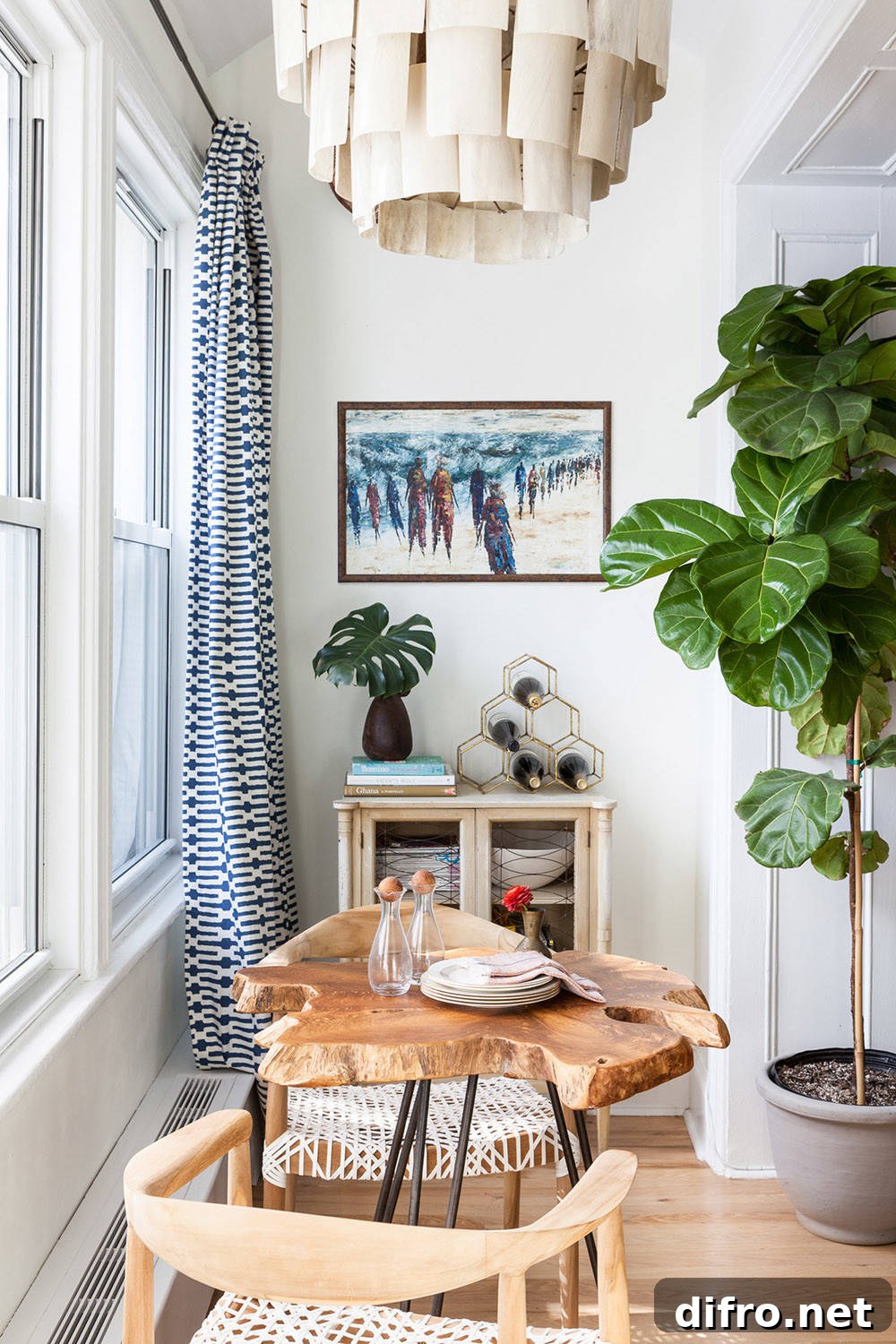
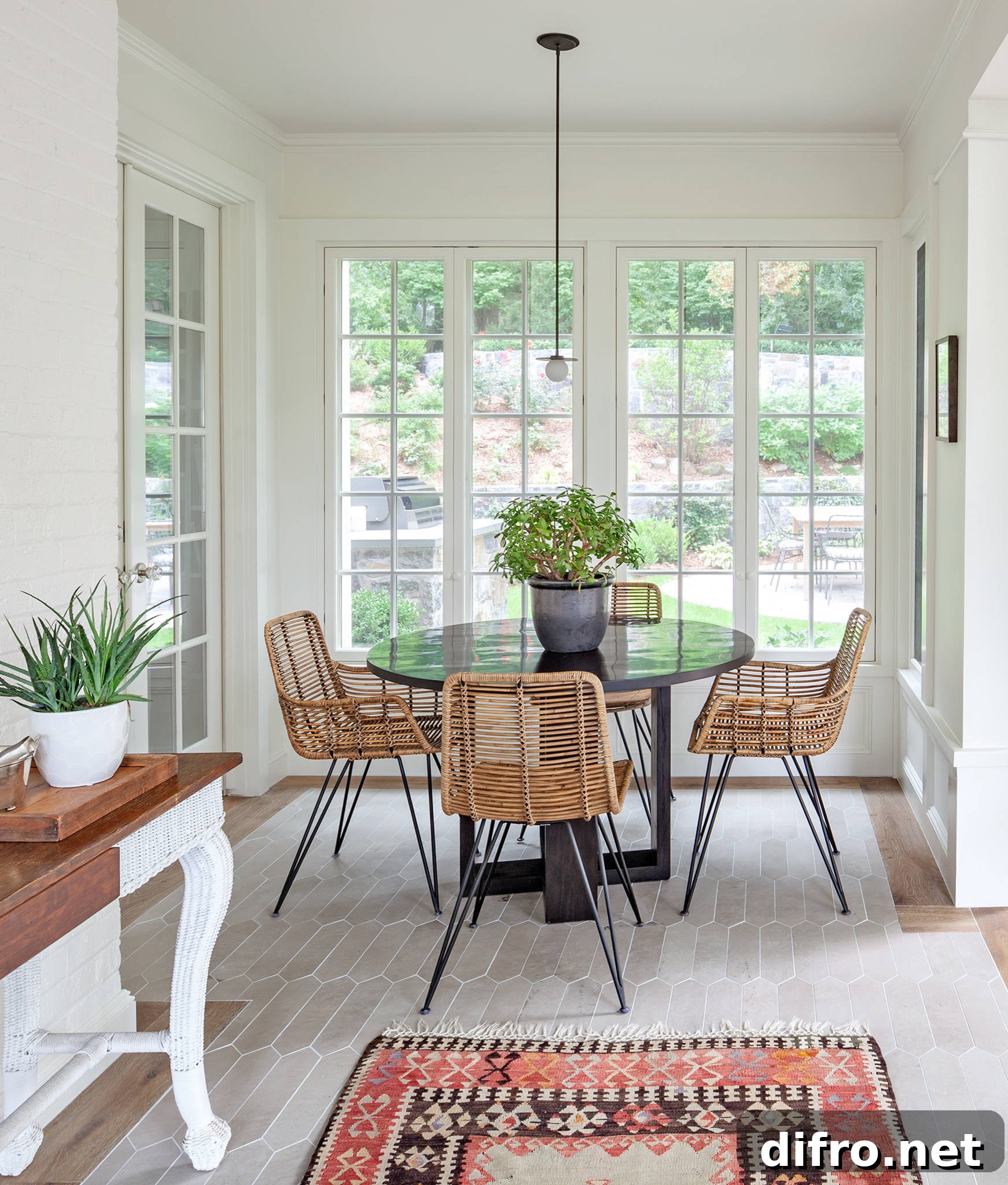
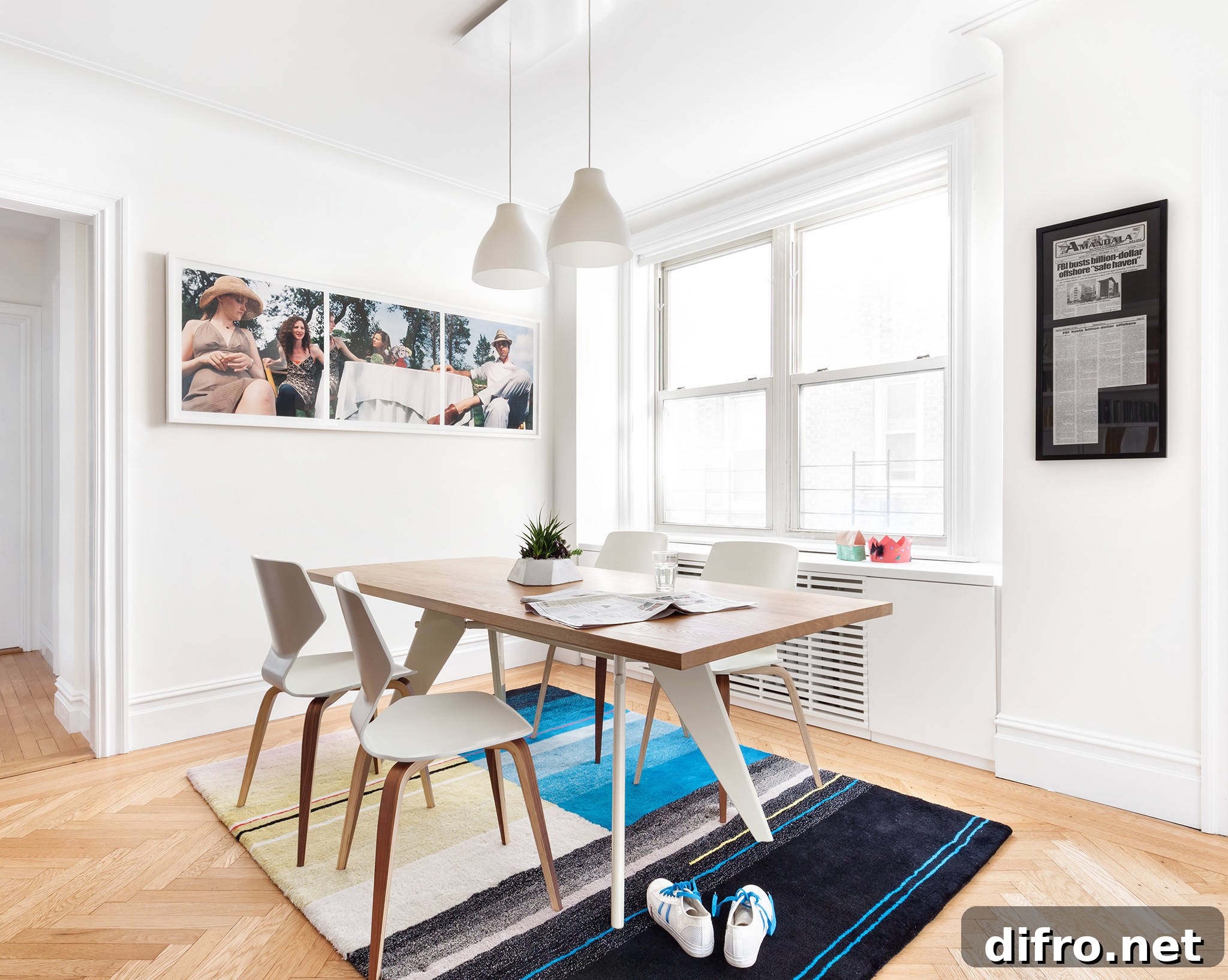
Neutral backgrounds—especially white, soft gray, and beige—are common in many small dining areas around the city because they help unify the living, dining, and kitchen zones. A neutral canvas makes it easier to switch decorating styles over time without repainting and lets accent colors and artwork stand out more dramatically. Lighter walls also enhance the sense of airiness and improve perceived ventilation in a tight space. If straight white feels too stark, warm beiges or gentle grays are excellent alternatives that still preserve flexibility.
Brilliant Infusion of Color
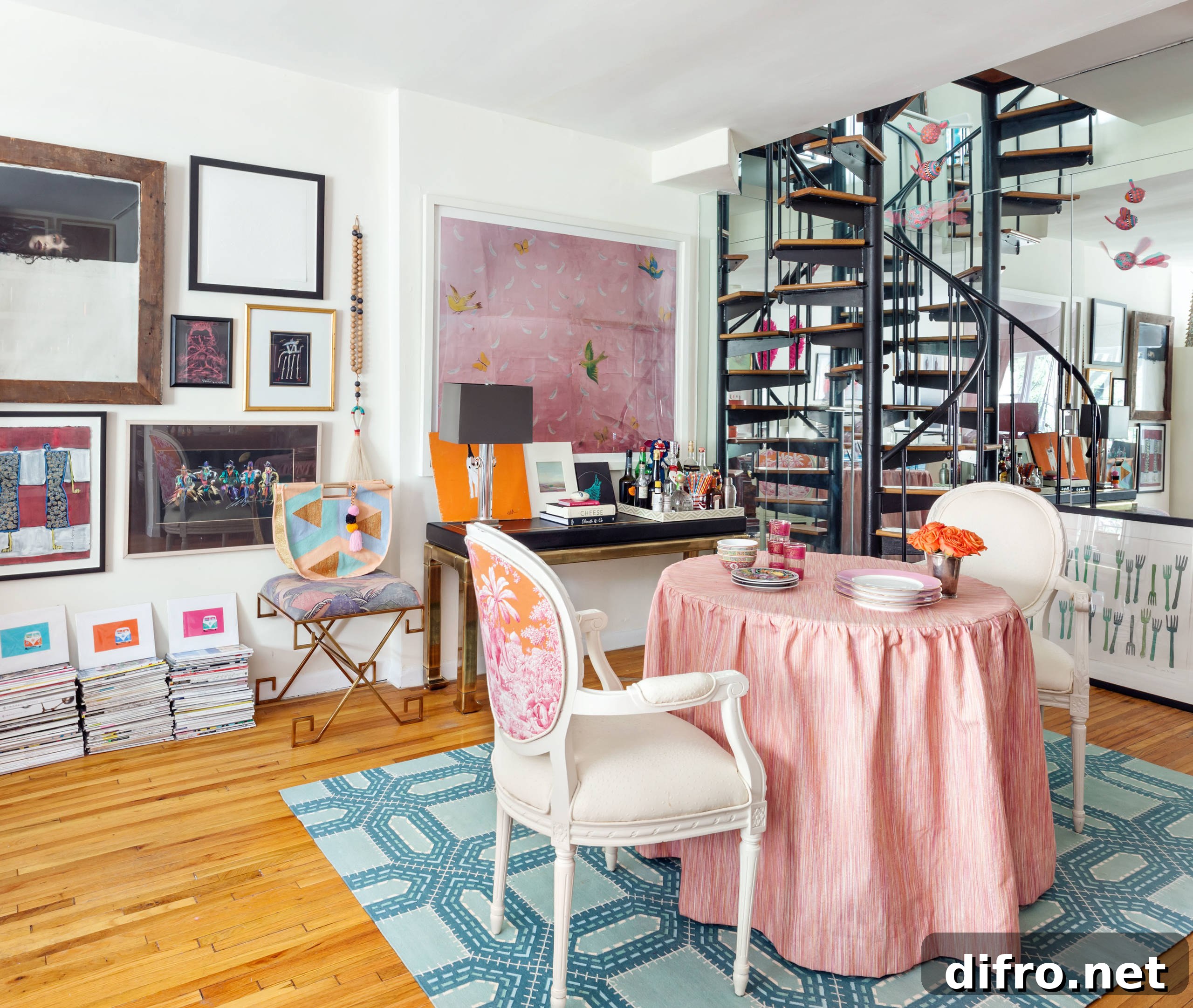
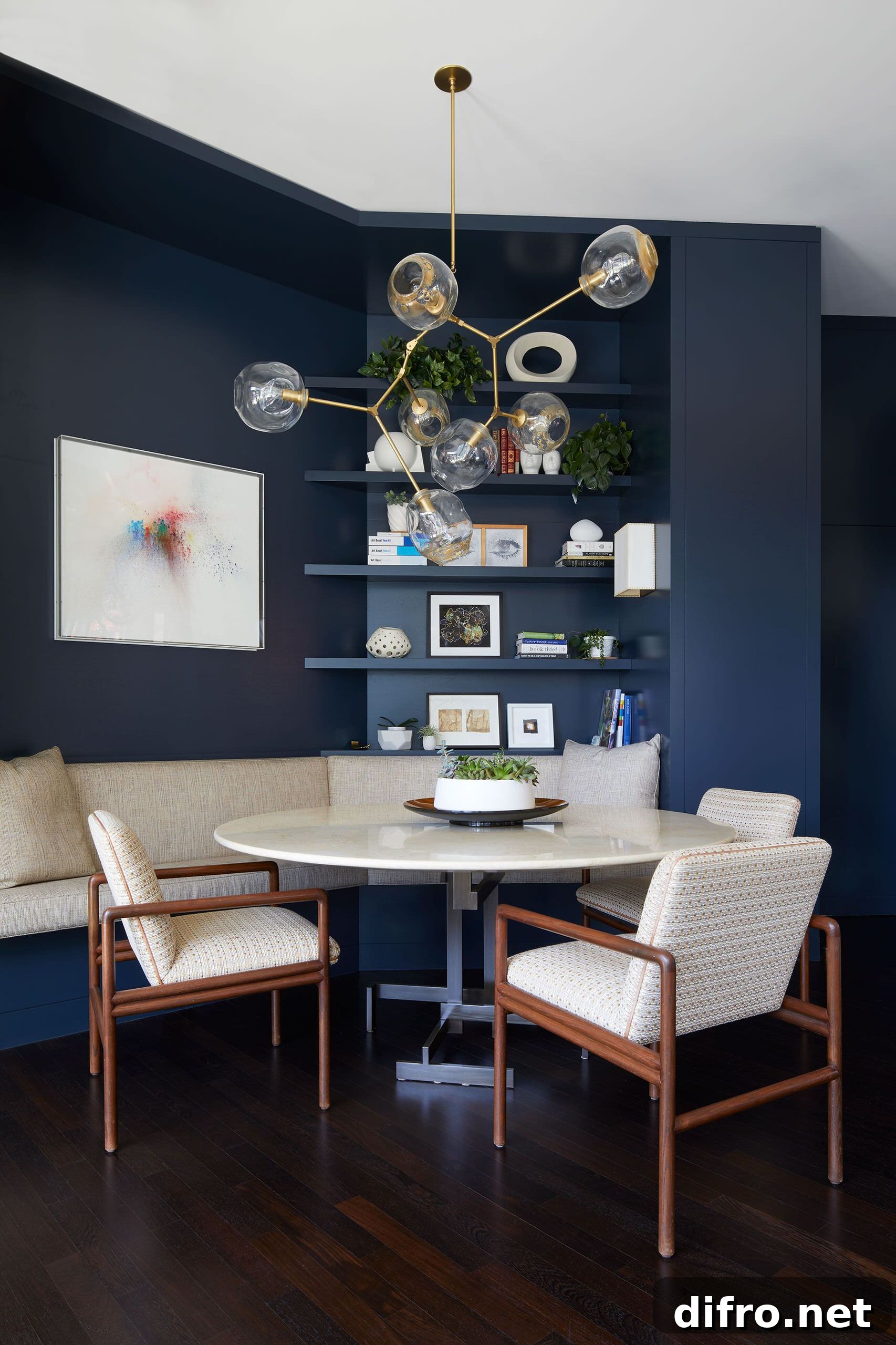
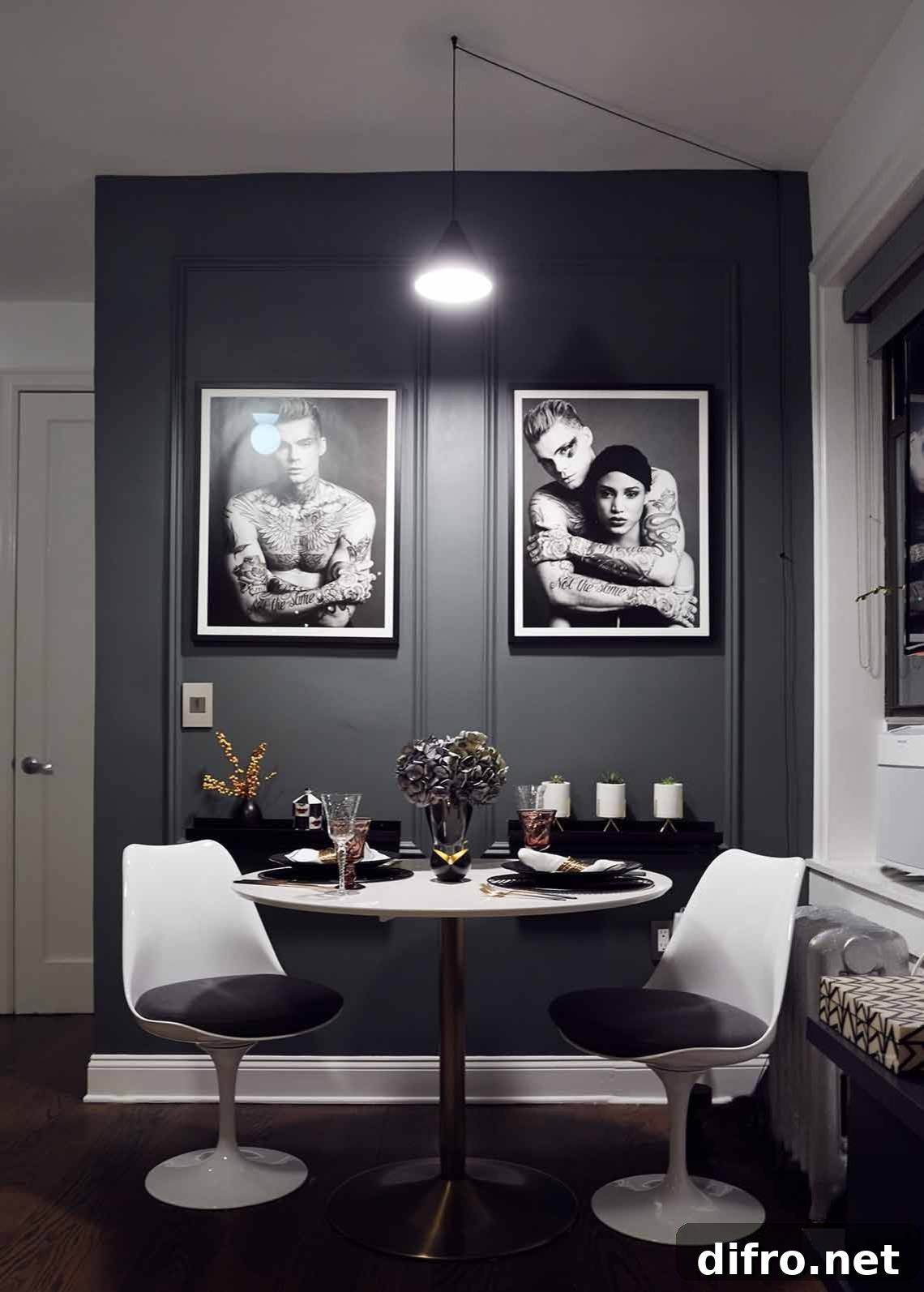
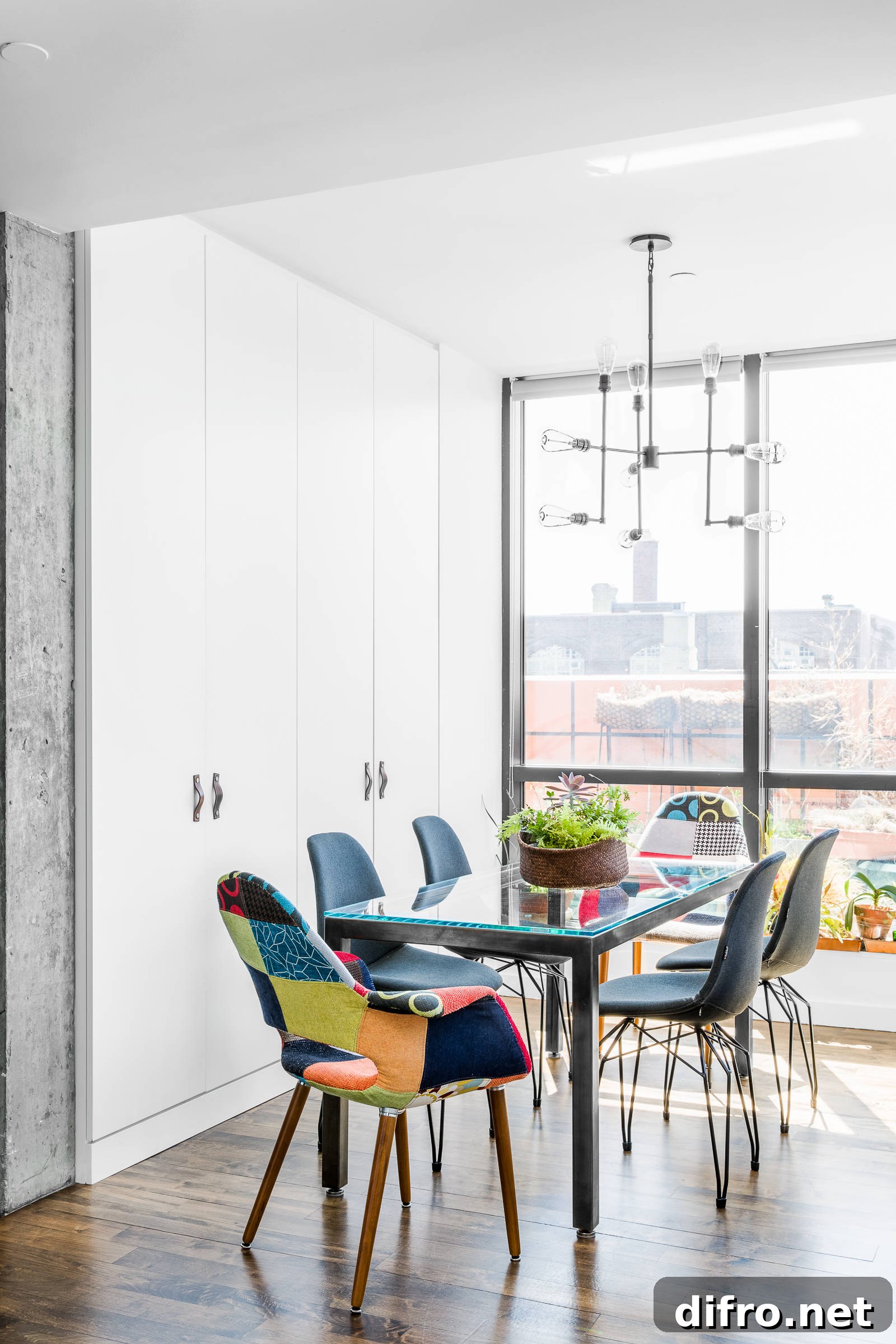
Bright accents are a recurring theme in many small NYC dining rooms, used sparingly against a neutral backdrop. The contrast makes these pops of color feel intentional and lively. Wall art is an especially effective way to add personality, while rugs, chairs, pendant lights, and a standout chandelier can introduce color and texture without overwhelming the space. Aim for harmony rather than a clash of patterns—too many competing prints will make a small dining area feel cramped. Choose one or two accent pieces to carry a color theme through the space for a refined, cohesive look.
Getting the Basics Right
Successful small dining rooms get the fundamentals right. Swap a square or rectangular table for a round one to free up circulation and make the space feel larger; a pedestal-style base is particularly useful because it allows chairs to tuck in neatly. A pendant light above the table helps define the dining zone within an open plan, and an area rug anchors the grouping so it reads as its own room within a room. Transparent materials like acrylic chairs or a glass table reduce visual clutter, creating a lighter, airier atmosphere that makes the area appear more spacious.
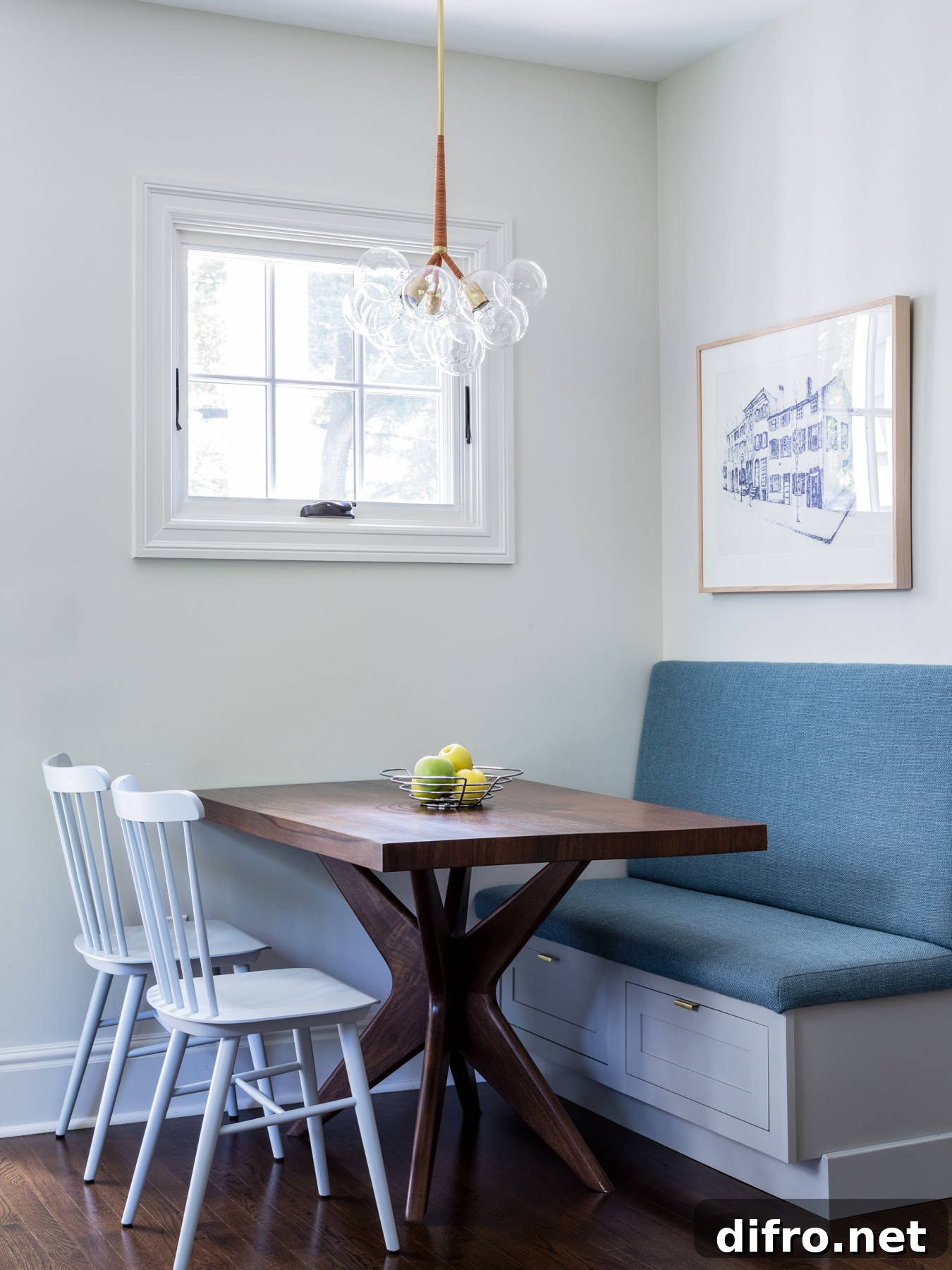
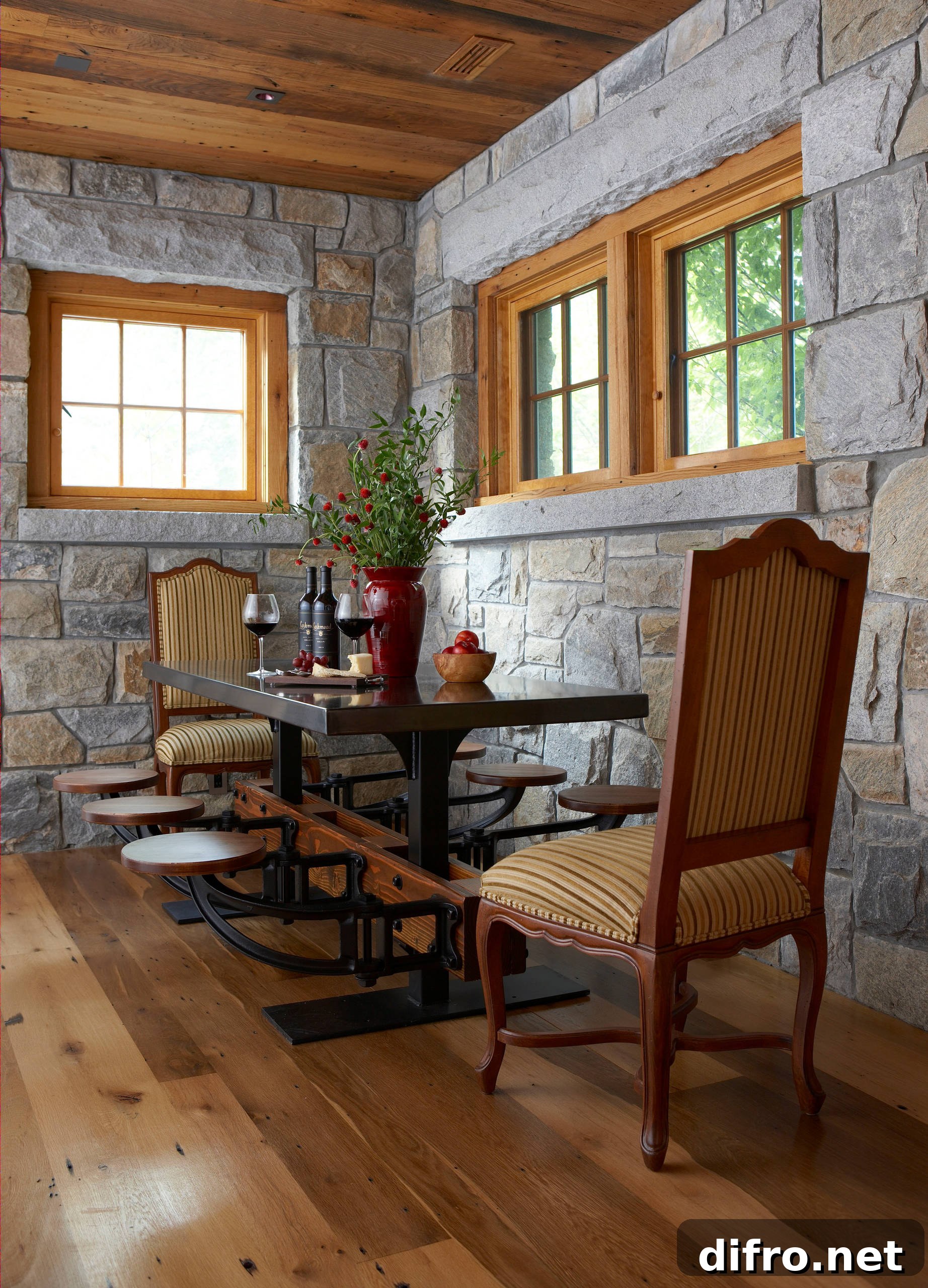
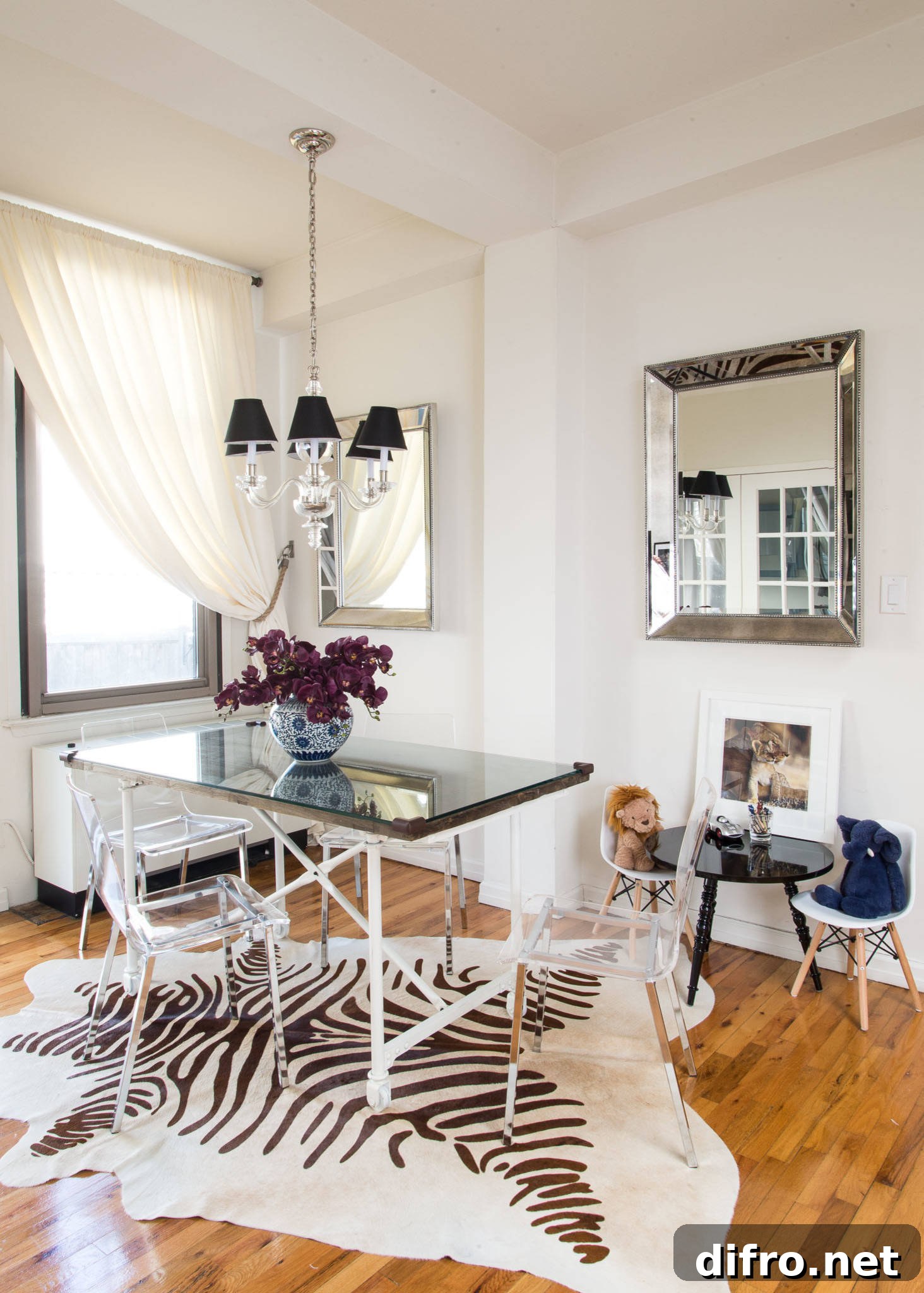
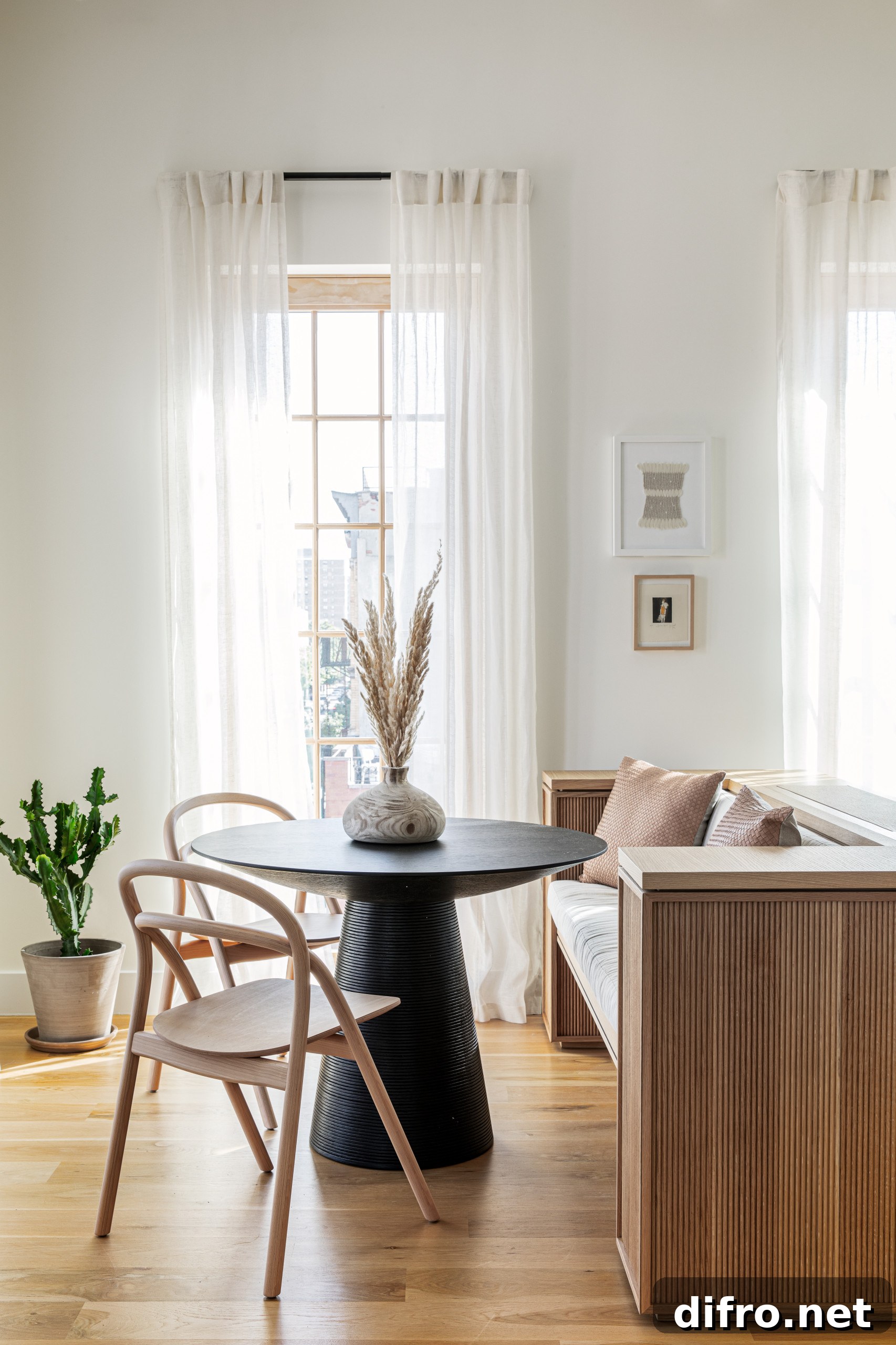
Small dining rooms are ultimately about balance: thoughtful furniture choices, a clear zone defined by lighting and rugs, and a restrained use of color and pattern will keep the space both functional and inviting. Whether you prefer a minimal, modern look or a cozier eclectic mix, applying these practical ideas will help you create a dining space that feels larger, more comfortable, and perfectly suited to contemporary living.