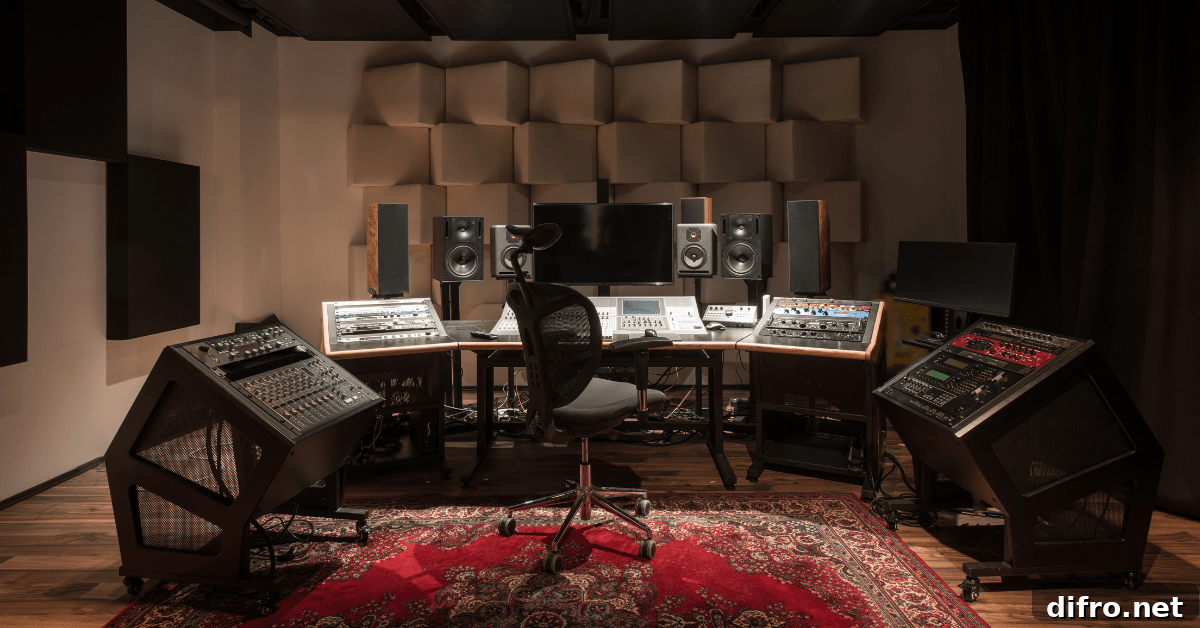
Creating a home music room that nurtures creativity and passion is an exciting project. Whether you’re a professional musician, a dedicated hobbyist, or someone who simply loves music, designing the right space takes thought and planning. Below are practical, stylish, and inspiring music room ideas to help you build a space that supports practice, recording, and relaxation while reflecting your personal taste.
Unleashing the Potential of Your Space with Music Room Ideas
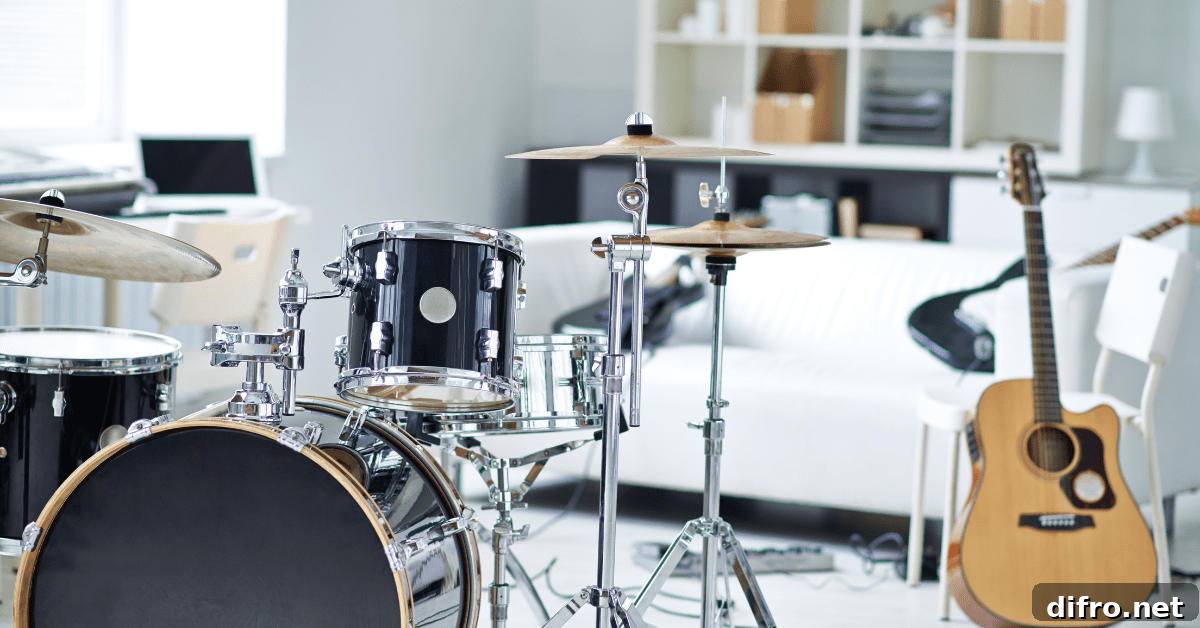
Transforming a spare room into a music sanctuary goes beyond placing instruments inside four walls. A thoughtfully arranged music room should inspire practice, creativity, and collaboration. Consider the room’s natural flow: where instruments will sit, where equipment will be stored, and how players and listeners will move through the space. Aim for a balance of functionality and personal style so the room becomes a calm, productive environment for rehearsals, composing, and informal performances.
Choosing the Right Theme and Style for Your Music Room
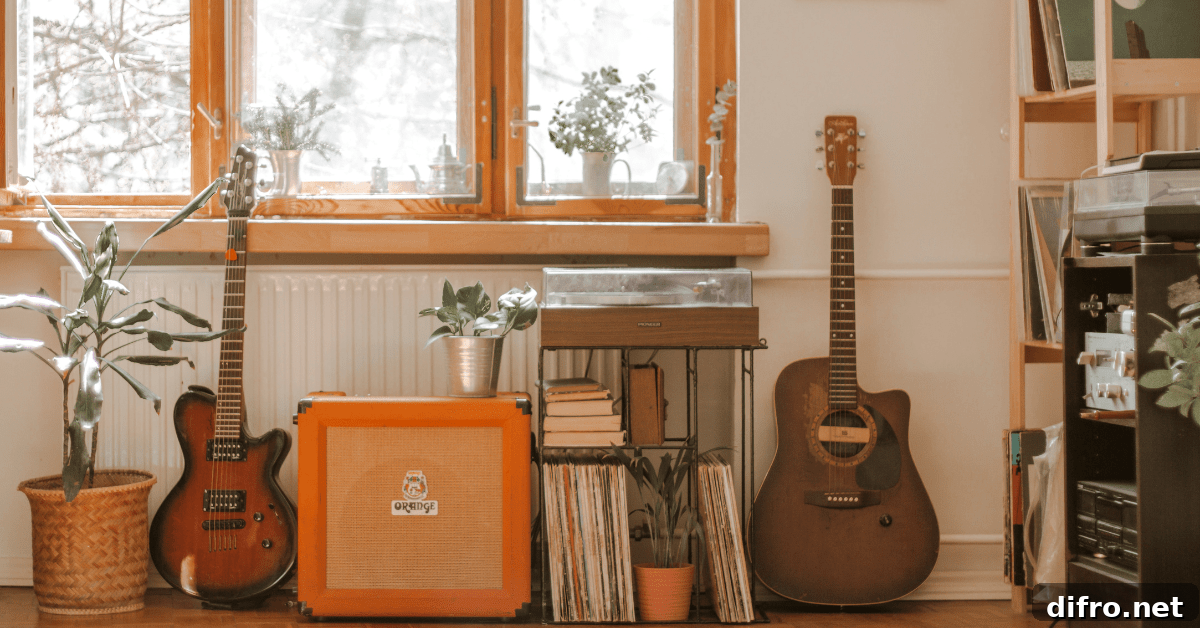
Start by choosing a theme that reflects your musical tastes and lifestyle. A modern, minimal design emphasizes clean lines, technology, and efficient storage for cables and gear. A vintage or rustic theme highlights warm woods, textured fabrics, and framed album art or band posters for a nostalgic touch. You can also blend styles: for example, pair vintage instruments with contemporary lighting and storage solutions. Use decor elements—framed vinyl covers, tasteful posters, and instrument stands—to make the space uniquely yours without cluttering it.
Selecting Functional Yet Stylish Furniture
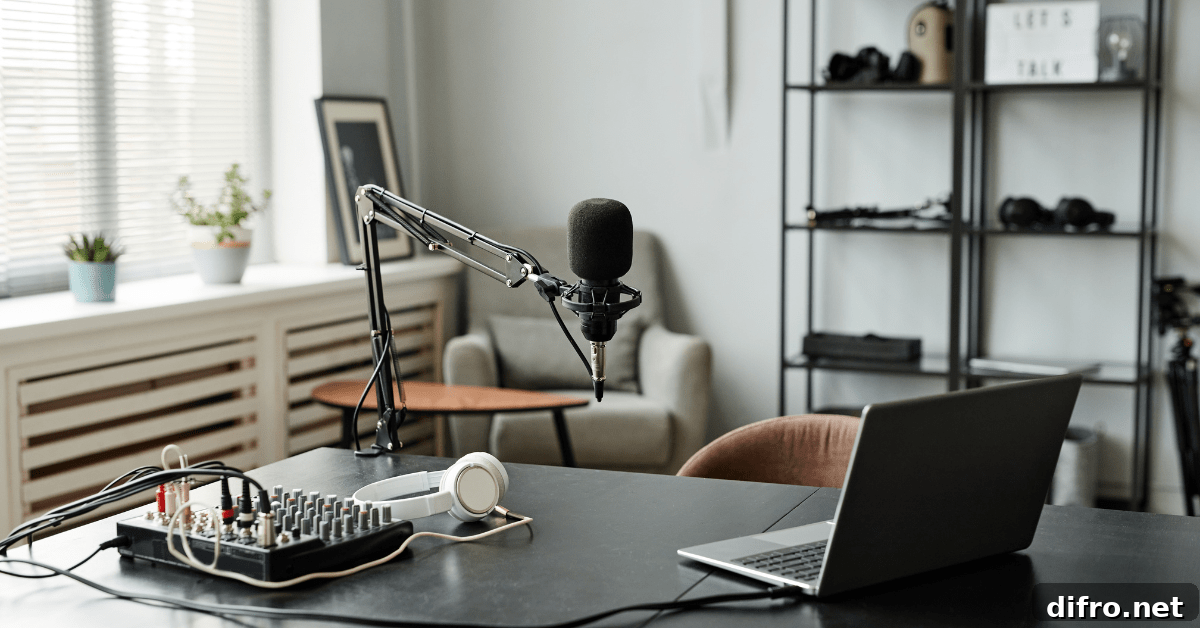
Comfort and utility are both essential when choosing furniture. Select seating that supports long practice sessions—ergonomic benches for pianists, adjustable stools for guitarists, and a comfortable couch or armchairs for visitors or collaborative rehearsals. Shelving and wall mounts keep instruments visible and accessible while preventing clutter. Use storage cabinets with soft-close drawers for accessories such as cables, picks, metronomes, and spare strings. Keep pathways clear so players can move freely and acoustic reflections remain consistent.
Setting the Stage with Proper Lighting
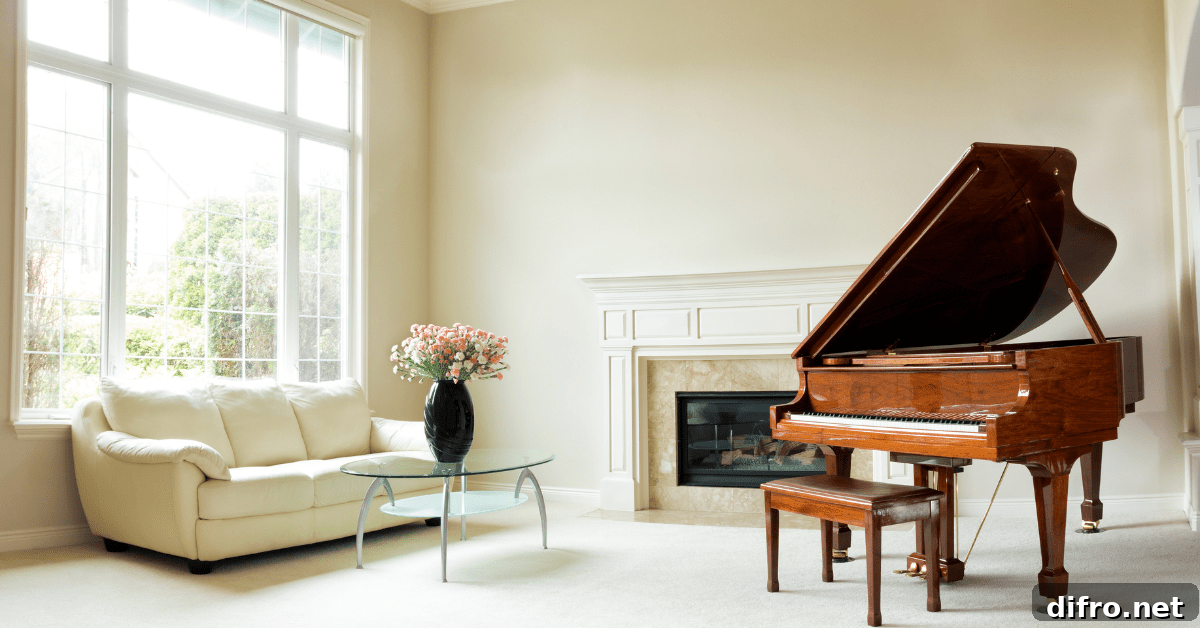
Lighting can change the mood and functionality of a music room. Maximize natural daylight for daytime practice and composing, placing instruments near windows when possible. For evening sessions or recording, install layered lighting: bright task lights for reading sheet music and dimmable ambient lights for relaxed rehearsals. Consider accent lighting or color-tunable LEDs behind equipment or along shelving to add atmosphere during performances or jam sessions. Good lighting should be flexible, glare-free, and adjustable to meet both visual and aesthetic needs.
Incorporating Soundproofing and Acoustic Treatment
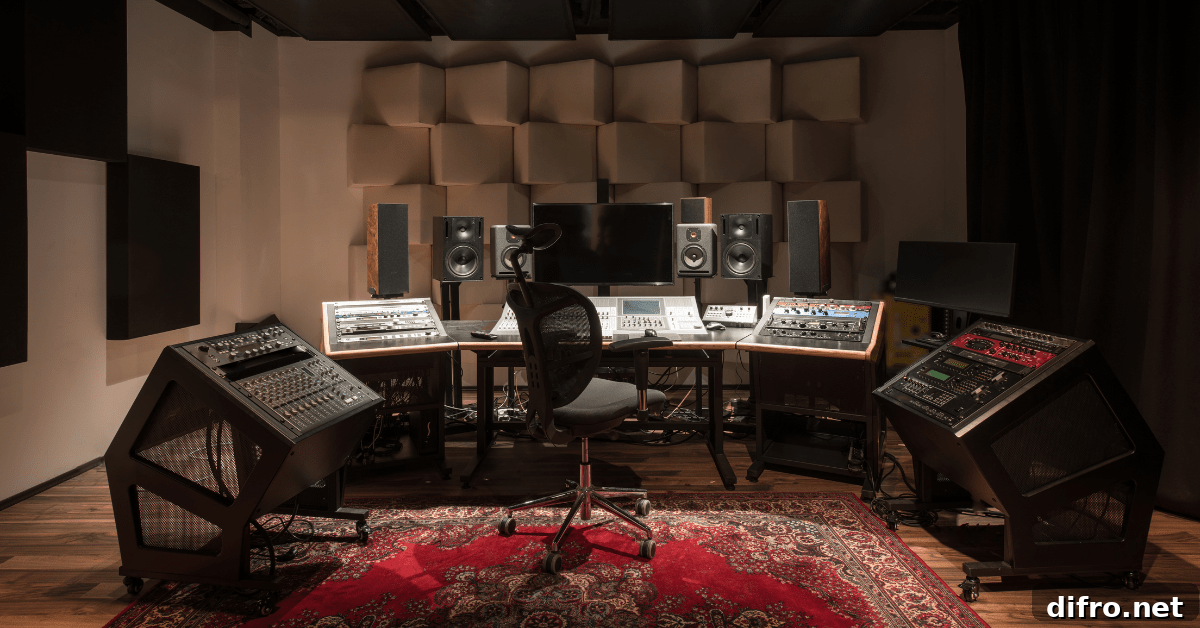
Soundproofing is a priority if you plan to record, practice amplified instruments, or avoid disturbing neighbors. Combine soundproofing methods with interior design so the room remains attractive. Use acoustic panels to tame reflections and flutter echoes; these come in decorative finishes or can be covered with fabric to match your decor. Heavy curtains and area rugs help absorb mid and high frequencies, while bass traps manage lower frequencies in corners. Seal gaps around doors and windows to reduce sound leakage. Proper acoustic treatment improves both the quality of recordings and the listening experience in the room.
Layout, Equipment, and Practical Considerations
Plan the room’s layout to support the way you use it. If you record, position monitors and the primary listening spot in an optimal triangle, with the primary listening position centered between studio monitors. If the room is mainly for practice, create zones: one for instruments, one for amplification and electronics, and one comfortable area for collaborators or an audience. Keep cables organized with labeled ties and hidden raceways to reduce trip hazards and improve workflow.
Choose reliable power sources and surge protection for amplifiers, computers, and effects. Consider a small workstation for a laptop or tablet used for notation, recording, or streaming. For delicate instruments, include climate-conscious storage and stands that support instrument health—proper humidification for acoustic instruments prevents damage over time.
Decor, Inspiration, and Maintenance
Decorate with items that inspire you: framed concert posters, meaningful memorabilia, or artwork that complements the room’s acoustics and style. Plants can soften the space and slightly improve acoustics while adding a calming presence. Keep the room tidy—regular maintenance and organization ensure instruments remain accessible and in good condition, and the space continues to feel inviting.
Related Articles
- Small Space Design: Tiny, Functional Music Shed in Vancouver in Glass and Timber
- How To Style Your Room With A Piano
- Seattle-Area Architectural Firm Designs One-Of-A-Kind Container Home For Musician
A well-designed music room becomes more than a practice space; it turns into a creative sanctuary where ideas grow and music comes alive. By aligning your room’s theme, furniture, lighting, and acoustic treatments with your musical needs, you’ll create an environment that supports consistent practice, comfortable collaboration, and joyful listening. Now that you have a plan, arrange the space, refine it as you use it, and let your creativity flourish.
Ready to refresh your home interior? Subscribe to interior design updates, tips, and ideas to help transform your living spaces and inspire your creative projects.