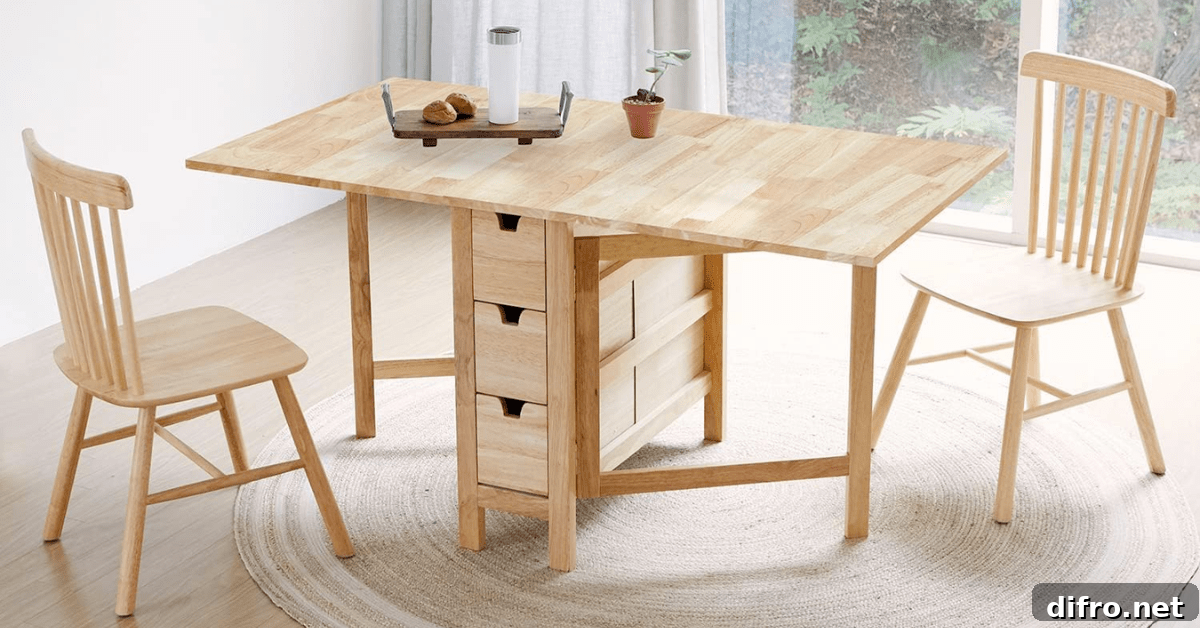
A drop leaf table is a practical, space-saving piece of furniture that adapts to changing needs. Ideal for small apartments, multi-use rooms, or anyone who values flexibility, these tables expand when you need extra surface area and fold down to free up floor space. This guide explains the advantages of a drop leaf table, the styles and materials available, how to choose the right size and features, where to source one, and simple care tips to keep it looking great.
Benefits of Owning a Drop Leaf Table
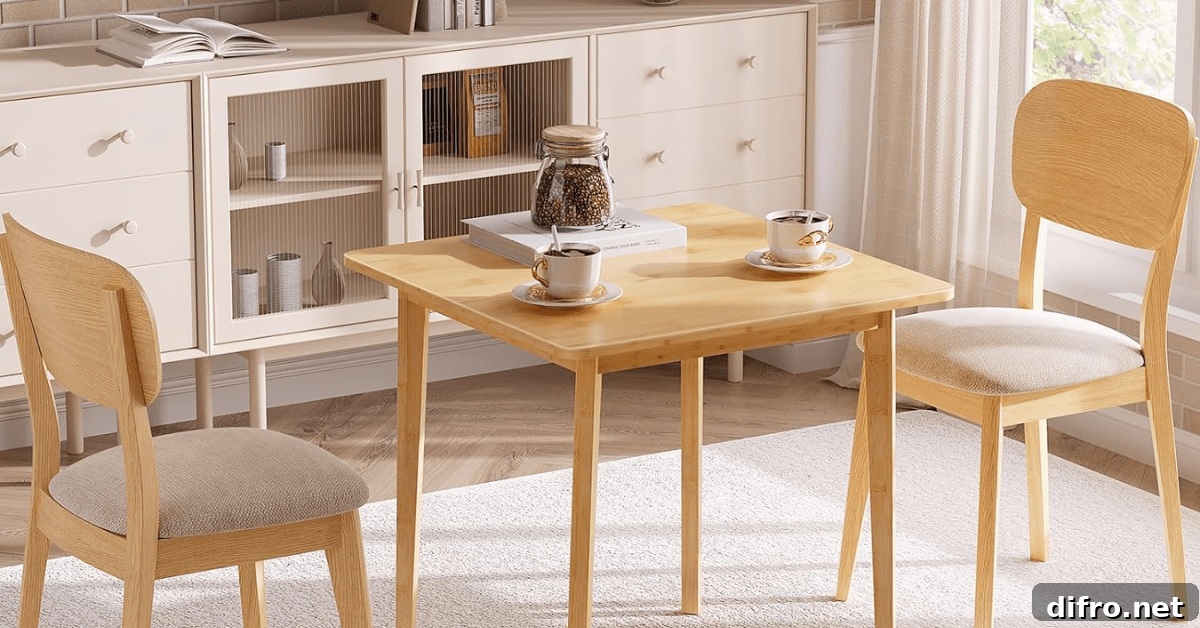
Drop leaf tables offer a number of advantages that make them popular in modern homes. Their most obvious benefit is flexibility: you can fold one or both leaves down to save space during daily use, then open them to accommodate guests, projects, or extra place settings. This makes them a smart choice for small dining areas, kitchens, entryways, or home offices that double as craft or work tables.
They are also available in a wide range of designs and materials, so they can complement traditional, rustic, industrial, or contemporary interiors. Many models include extra features—such as built-in drawers, shelving, or locking mechanisms—that enhance functionality while keeping the footprint small when the leaves are down.
Factors to Consider When Buying a Drop Leaf Table
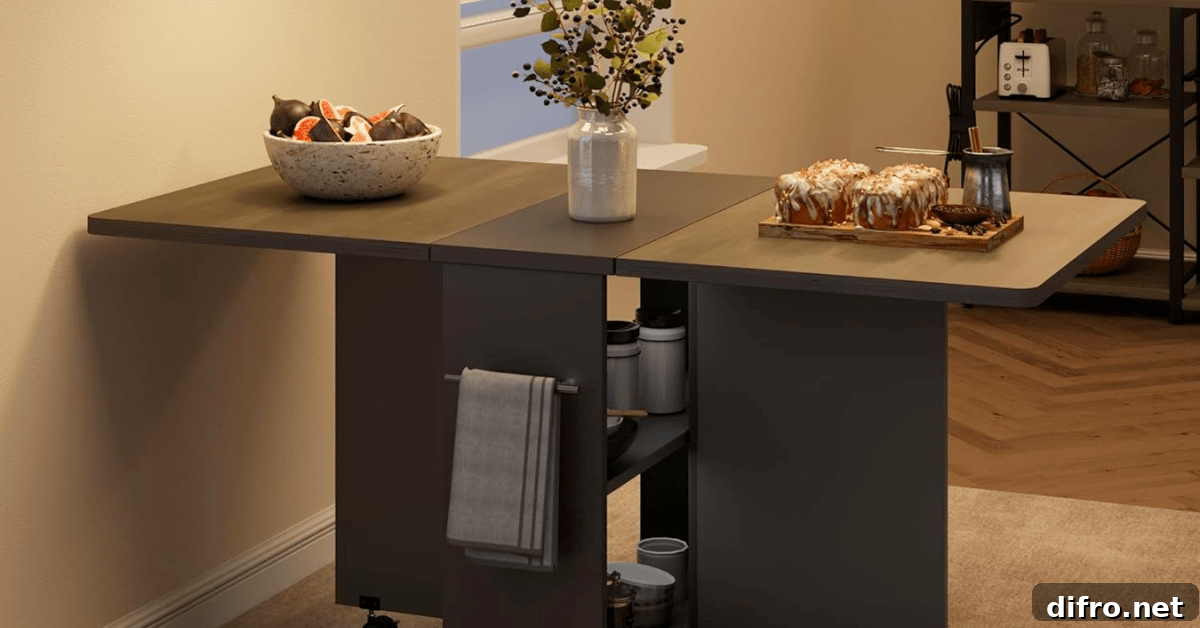
Before purchasing, evaluate how you plan to use the table. Ask yourself: Will it serve as a dining table, workspace, or occasional side surface? How many people should it seat when fully extended? Consider frequency of use—daily versus occasional—since that affects the durability and finish you should choose.
Measure the intended location carefully. Note the footprint with leaves folded and fully extended, and allow clearance for chairs, traffic flow, and opening the leaves. If mobility is important, look for lightweight designs or models with casters. If storage matters, seek tables with shelves, drawers, or room underneath for baskets.
Different Styles of Drop Leaf Tables
Drop leaf tables range from traditional to modern styles. Classic designs often feature turned legs, solid wood tops, and detailed joinery, which suit period interiors and country-style kitchens. Contemporary versions emphasize clean lines, mixed materials (such as wood and metal), and minimalist hardware for a lighter visual impact.
There are also bar-height and console-style drop leaf tables that convert from narrow hall tables into full dining surfaces. Choosing a style that matches your existing decor ensures a cohesive look while still offering the practicality of a space-saving table.
Choosing the Right Size
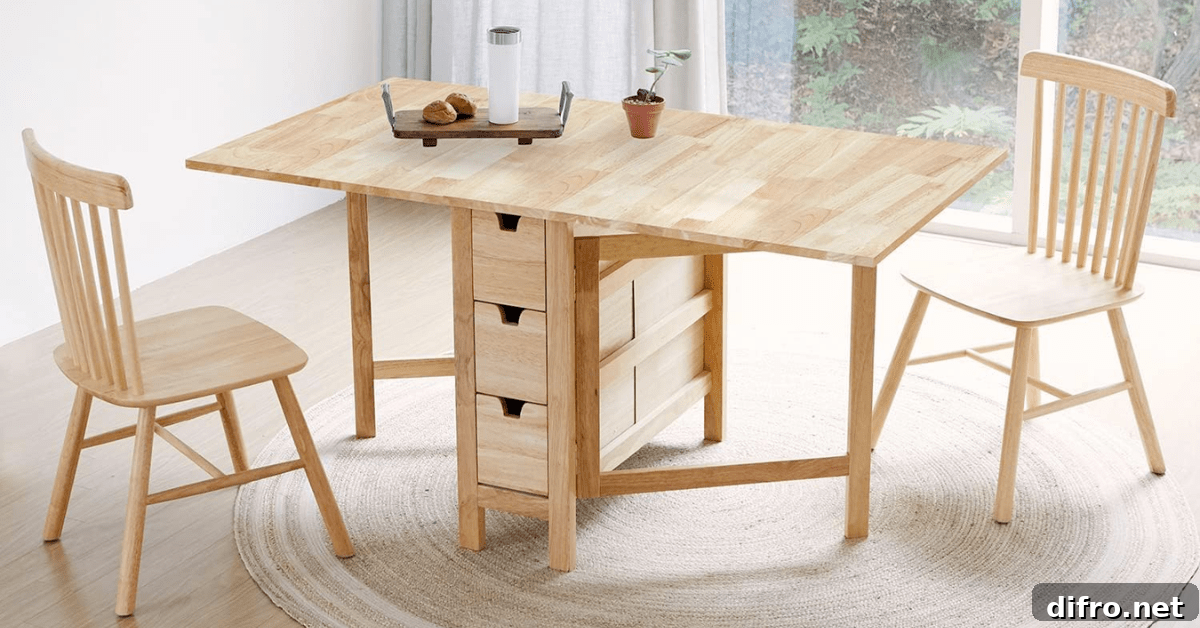
Size planning is key. Measure width, depth and clearance for chairs and movement. For dining, a typical comfortable width per person is about 24–30 inches; a two-leaf table should allow enough surface so each diner has adequate space. If you plan to use the table for work or crafts, consider depth and surface area for tools or laptops.
Pay attention to the mechanism that supports the leaves. Drop leaf tables may use hinged supports, pull-out brackets, or folding legs; these affect how much usable legroom and under-table storage you’ll have when the leaves are extended.
Material Options for Drop Leaf Tables
Materials influence both appearance and longevity. Solid wood—like oak, maple, or walnut—offers warmth, durability and the option to refinish over time. Veneered or engineered wood can provide a similar look at lower cost while resisting warping if properly constructed.
Metal-framed tables add an industrial, modern feel and can be very durable. Glass-topped drop leaf tables create a sense of openness and make small rooms feel larger, though they require more frequent cleaning and are less forgiving to heavy use.
Where to Get a Drop Leaf Table
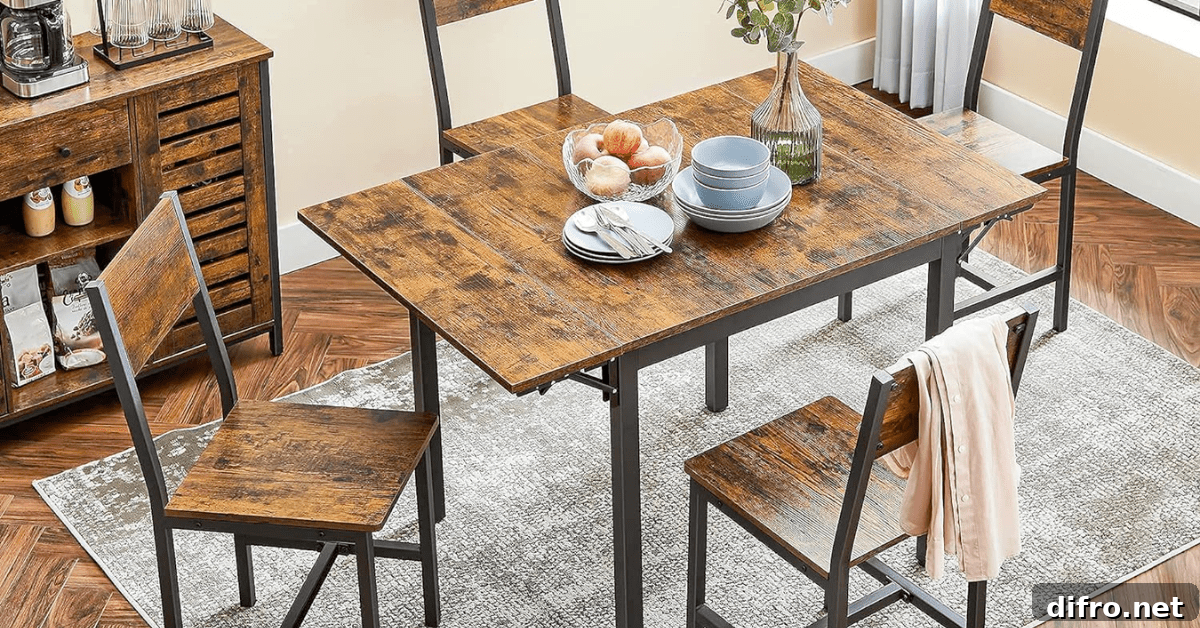
Drop leaf tables are available from furniture retailers, independent workshops, and secondhand or antique shops. Shopping in person lets you inspect construction, test hinges and supports, and compare finishes. Online marketplaces offer a wide selection and convenience; just check dimensions and return policies closely.
If you enjoy DIY projects, building a custom drop leaf table can be a rewarding option. A handmade table lets you tailor size, materials and finish to your exact needs and often results in a unique, well-fitted piece for your space.
Maintenance and Care Tips
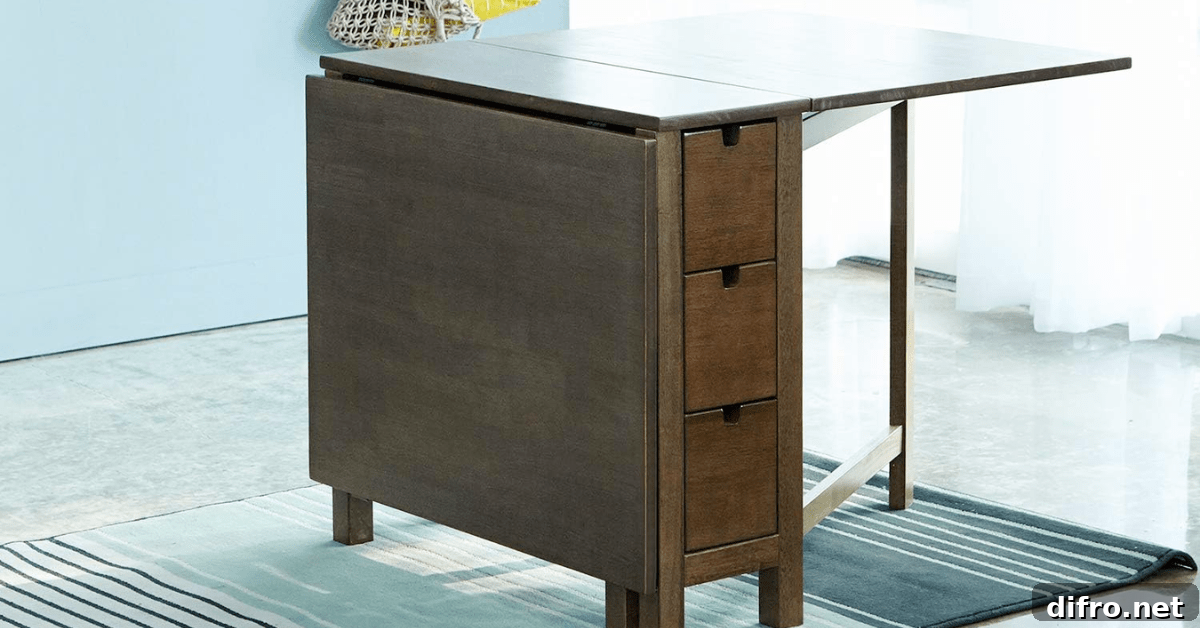
Proper care preserves both function and appearance. Regularly dust and wipe surfaces with a soft, damp cloth, and follow manufacturer recommendations for specific finishes. Tighten hardware and hinges periodically to maintain stability. Protect wood tops from direct sunlight and moisture, and use coasters or placemats to prevent stains and scratches.
With the right size, material and maintenance, a drop leaf table can be an elegant, practical solution for compact living—offering flexibility, style and long-term value for any home.
Related Articles:
- How To Choose A Coffee Table That Complements Your Sofa
- 19 Wall Mounted Desk Ideas Perfect For Small Spaces