Most houses built in Southeast Asia in the late 1970s and early 1980s favored a compartmentalized, cubicle-like layout with rooms separated by solid walls. Over the years, however, design preferences have shifted toward airy, flexible living spaces. The open floor plan has become a defining feature of contemporary renovations, offering better flow, daylighting and social interaction. One striking example of this trend is the transformation of 67 Jalan Binchang, a house that required far more than a repair or extension: it needed a complete rethinking.
Architects from A D Lab approached the project by preserving the building’s structural logic while reimagining its interior and outdoor relationships. The result is a home that balances modern aesthetics, tropical comfort and smart spatial planning.
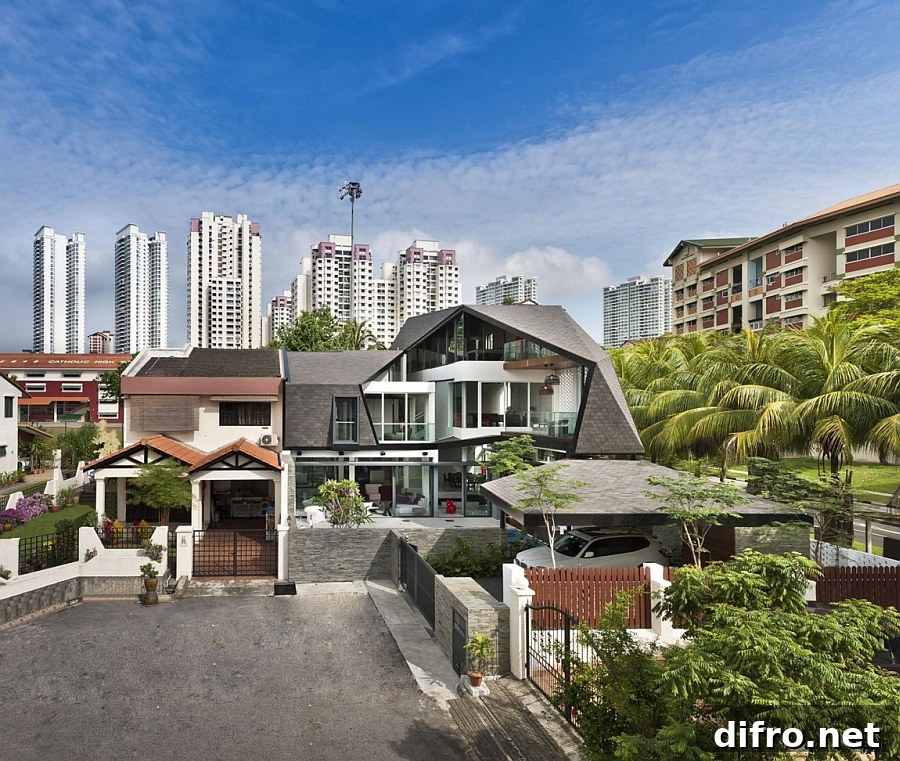
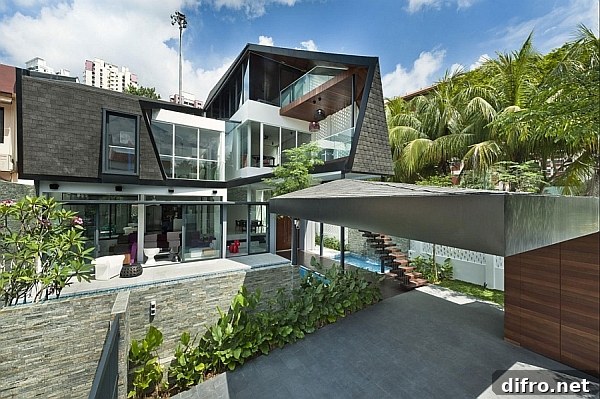
Rather than demolishing the original shell, the design team devised a cost-effective strategy that retained the house’s existing structure and rhythm. This allowed the redesign to focus resources on creating a contemporary interior and improving performance for tropical living. A key exterior intervention is a multi-functional, permeable wall that filters noise and reduces solar heat gain while permitting ventilation and filtered light. Entering the property, visitors are welcomed by a floating staircase and a visually connected swimming pool that opens the indoors to the outdoors.
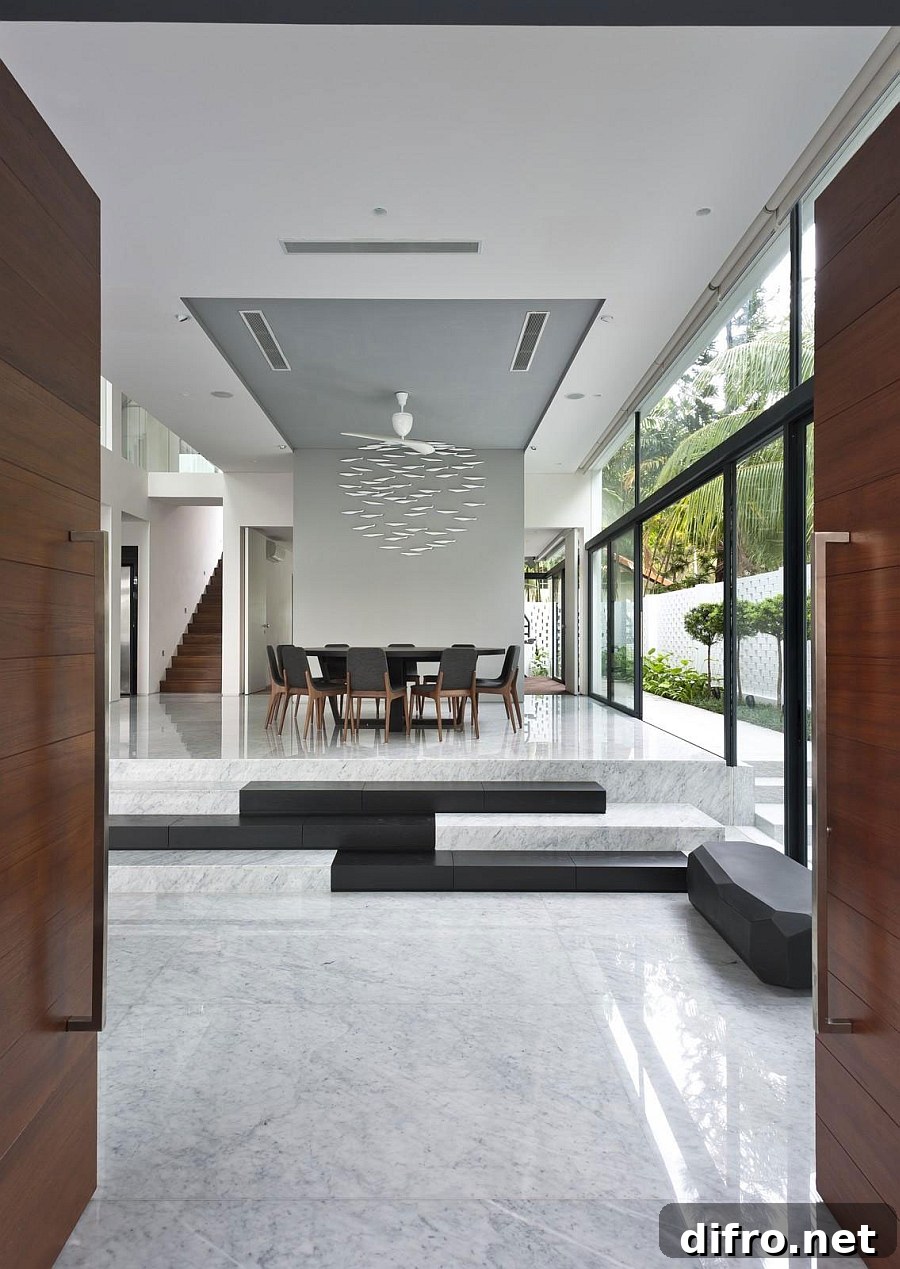
The ground floor centers on shared living: a seamless sequence of living room, dining area and kitchen forms the social heart of the house. A carefully designed walkway leads into this open space, where generous glazing and considerate orientation maximize daylight while shading strategies limit direct sun. Tucked discreetly to the side are functional service spaces including a home gym, laundry room and a wet kitchen—each placed to support daily use without interrupting the main entertaining zones.
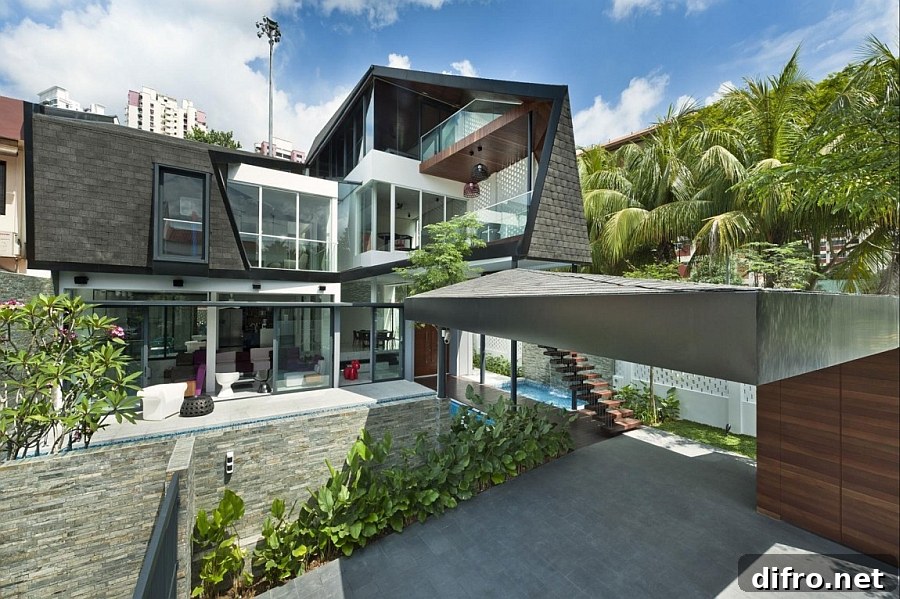
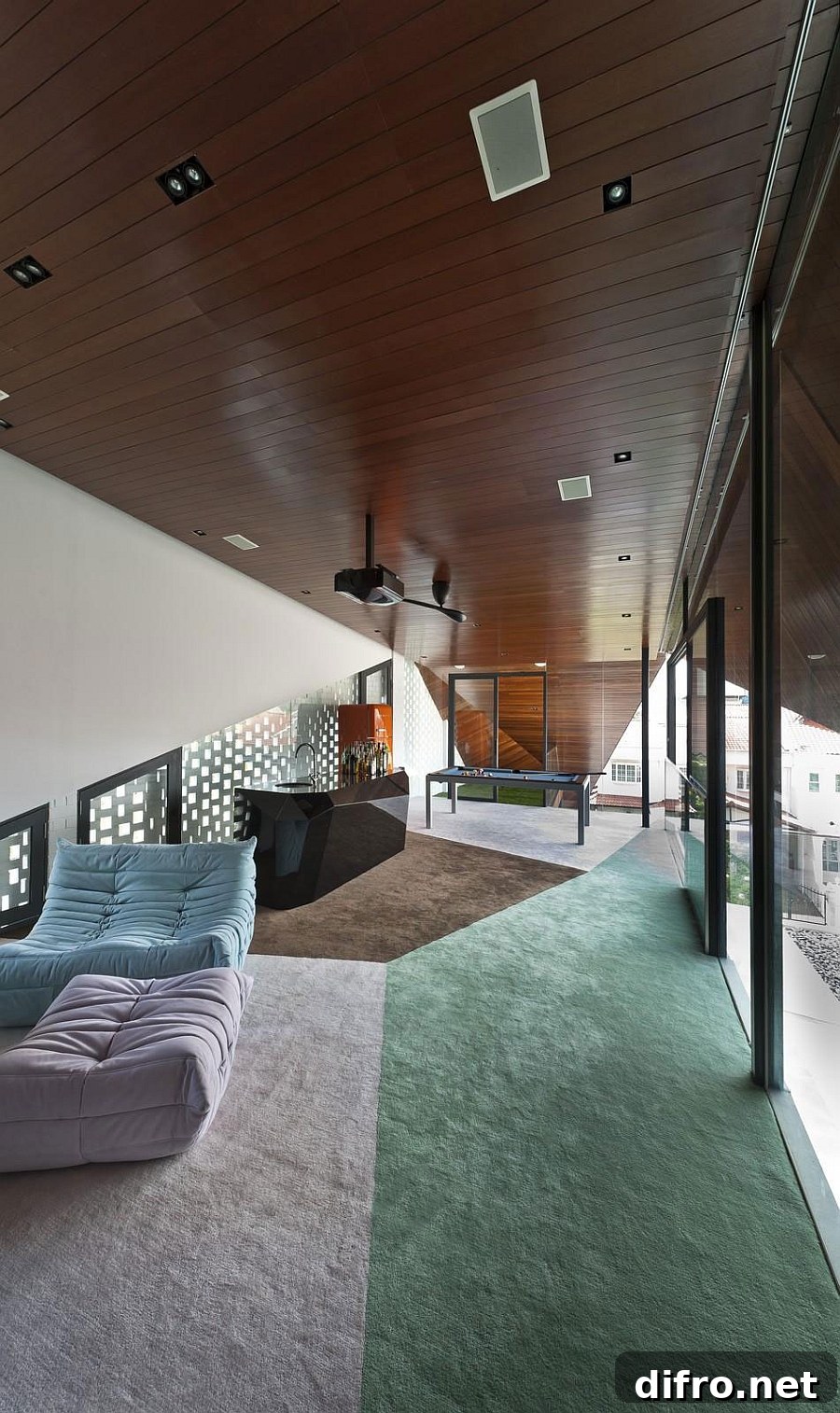
The second floor accommodates private family life with a master suite, three additional bedrooms and a family room that functions as an intimate gathering area. The top level is dedicated to leisure and entertainment, featuring a roomy recreation area with a pool table and a generous terrace that frames views across the city. Together, these stacked layers create a clear hierarchy of public, private and recreational spaces, each with its own character and connection to the outdoors.
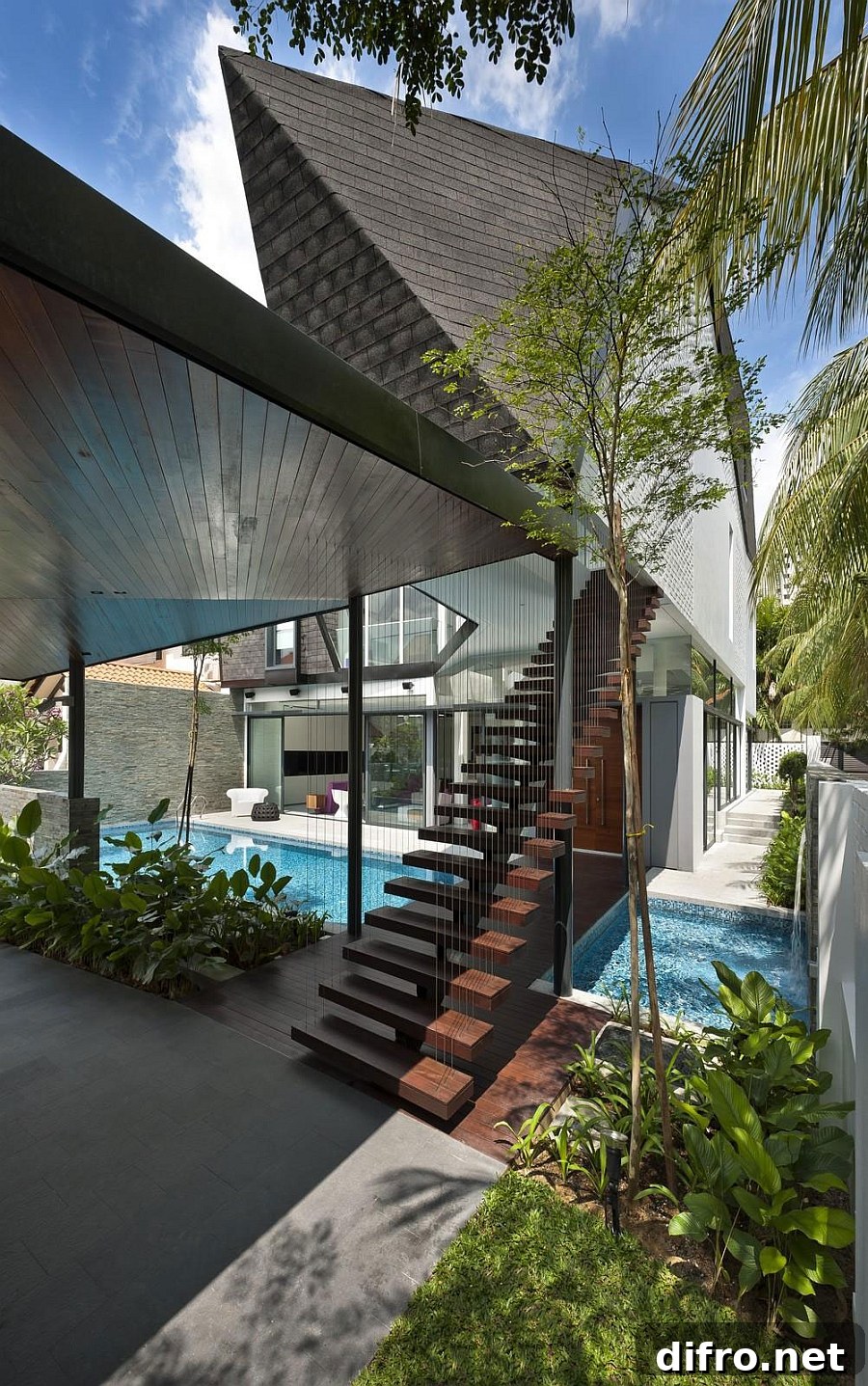
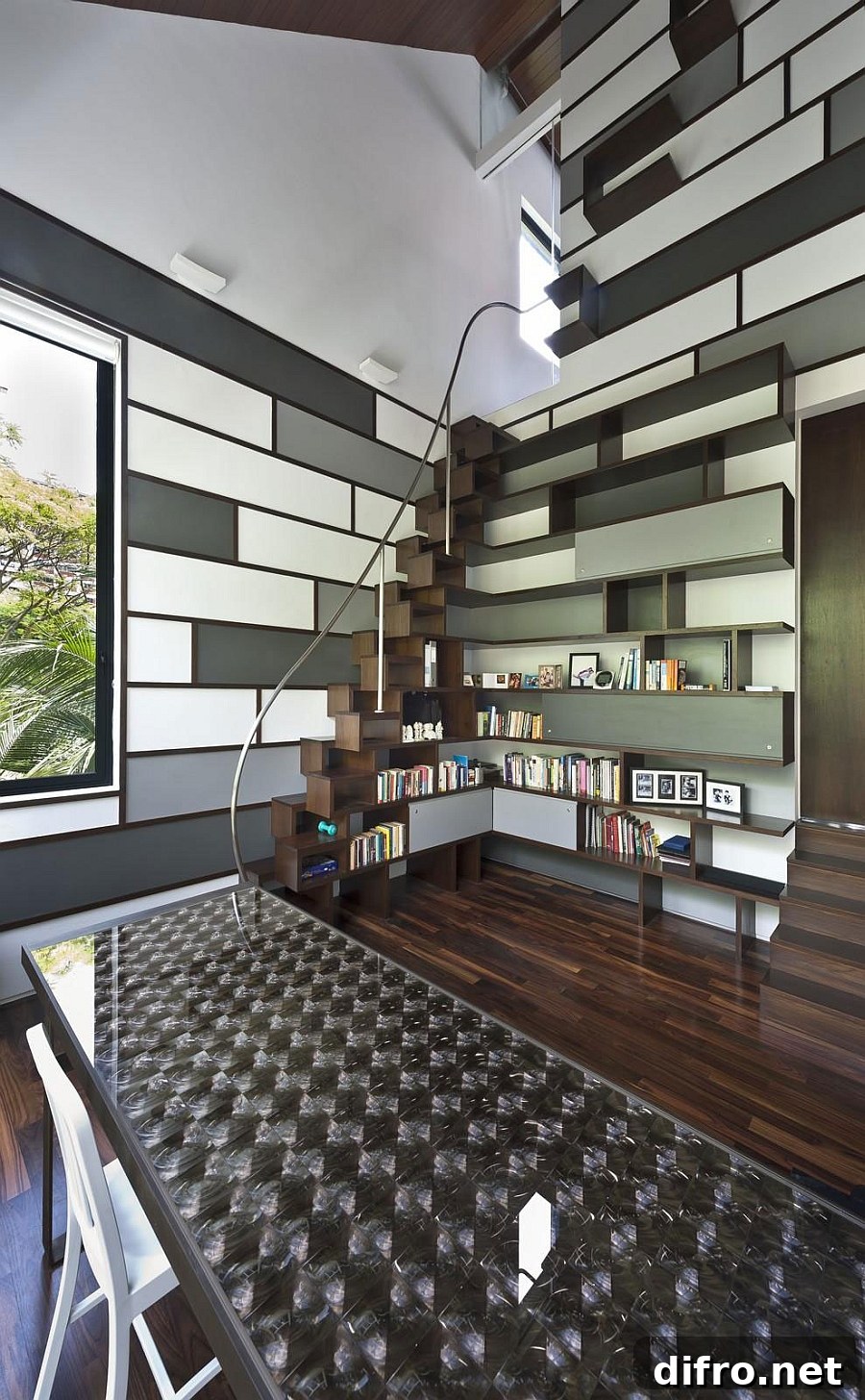
Material choices and lighting play a defining role in the house’s refreshed identity. Enhanced insulation, strategically placed shading and modern glazing improve thermal comfort while cutting energy use in a tropical climate. Interior lighting is used as both task and sculptural elements, highlighting textures, architectural details and wall-mounted art. Design features such as a sculptural bookshelf, three-dimensional wall art behind the dining area and plush accent upholstery add personality without overwhelming the clean-lined contemporary language.
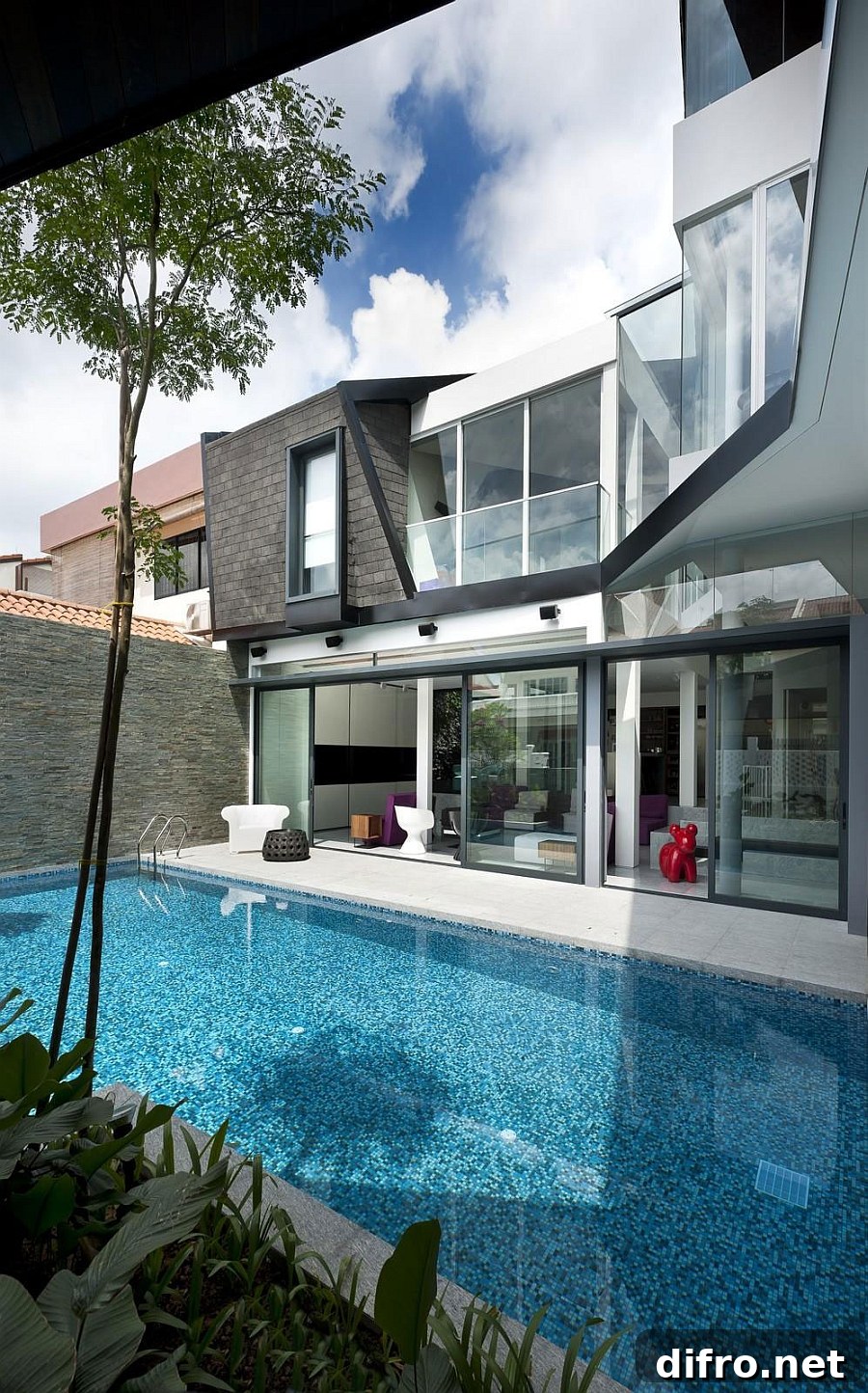
Bathrooms and service areas are contemporary and restrained, with floating vanities and stone finishes that deliver a spa-like feel. The open kitchen and dining arrangement supports modern family living and entertaining, allowing cooks and guests to interact freely. Visually, the pool adjacent to the living spaces strengthens the perception of continuity between interior and exterior, while the permeable façade mediates environmental conditions throughout the day.
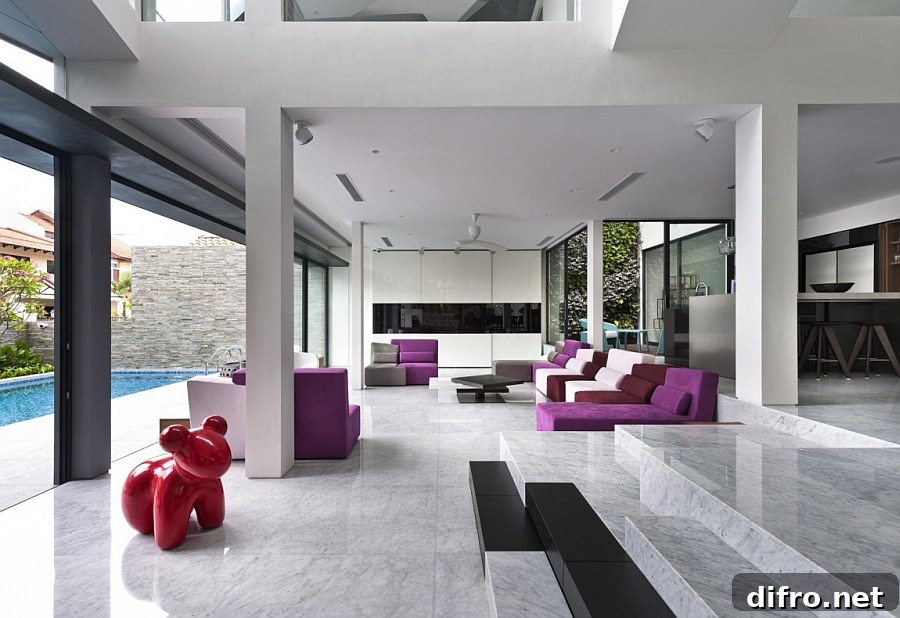
The designers looked at the existing building as one would study a living organism that needed to adapt to a new environment. Instead of demolishing its embedded history and reinventing it as something completely new, they decided to use its structure, its internal logic of organization and meaning as a starting point to the design…
This guiding philosophy is evident throughout the project: the renovation honors the house’s past while adapting form and function for contemporary life. By working with the existing framework, the architects achieved a more sustainable outcome—reducing waste, conserving materials and directing investment where it mattered most: improving comfort, daylighting and spatial quality.
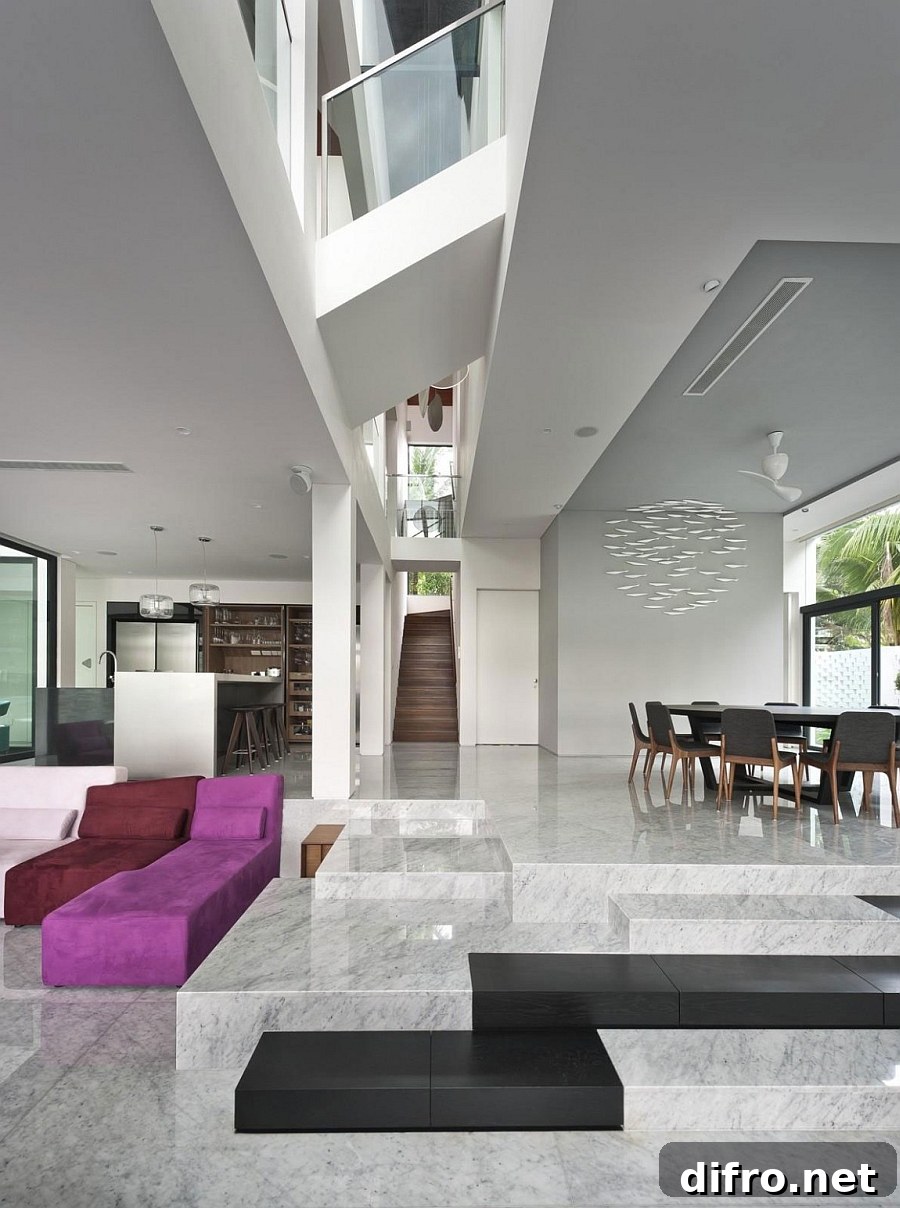
Ultimately, 67 Jalan Binchang stands as a contemporary residential example that skillfully blends thoughtful conservation of an existing structure with modern design strategies. The house showcases how open floor plans, smart exterior treatments and carefully considered interiors can transform an aging property into a comfortable, efficient and visually compelling modern home.