Work occupies a large portion of our lives, and the way an office is designed has a direct influence on how we feel and perform throughout the day. Thoughtful office interiors help people focus on their tasks while also providing comfortable moments of rest during breaks. Bright, well-planned spaces encourage concentration and creativity, while dark, cluttered environments tend to increase stress and reduce productivity. Good office design strikes a balance between functionality and comfort, creating an environment that supports both efficiency and well-being.
The seven office interiors shown here illustrate a range of design strategies that improve daily work life: generous natural light, careful color schemes, smart furniture choices, and thoughtful spatial organization. Whether you share a large open-plan area with colleagues or work in a private office, these design principles can transform your workspace into a place where people want to be productive and feel comfortable throughout the day.
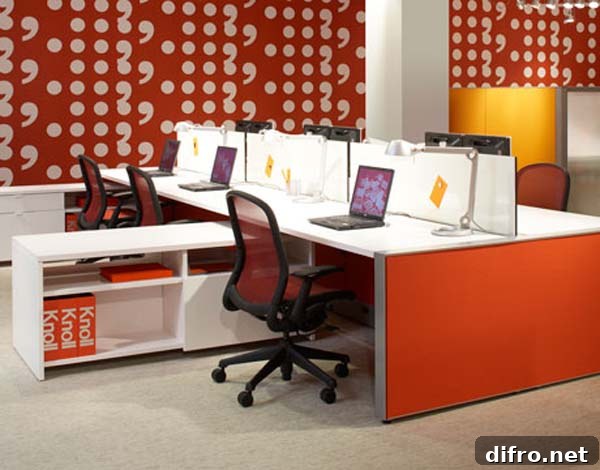
Successful office interiors begin with light and air. Maximizing daylight and providing opportunities for fresh air support alertness, reduce eye strain, and improve overall comfort. Where windows and natural ventilation are available, layouts that keep workstations within sight of daylight perform best. In interior spaces without direct windows, layered artificial lighting with adjustable task lights helps mimic natural rhythms and maintain focus.
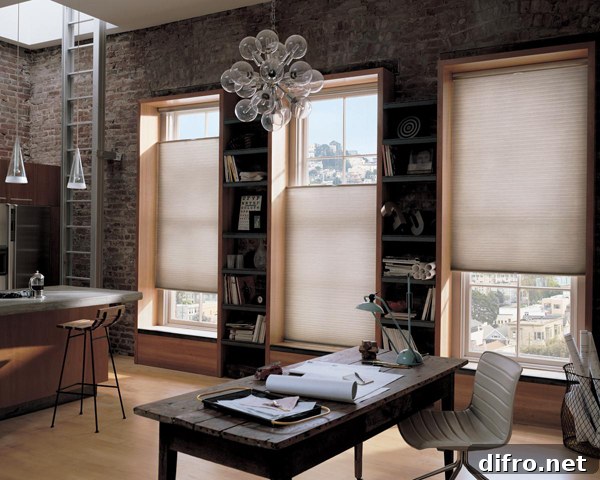
A clear, uncluttered layout helps reduce cognitive load and creates a calmer work atmosphere. Thoughtful storage solutions—hidden cabinets, shelving systems, and dedicated personal storage—keep surfaces tidy and make it easier to maintain order. Flexible furniture, such as adjustable desks and modular seating, adapts to different tasks and postures, supporting ergonomics and health over long workdays.
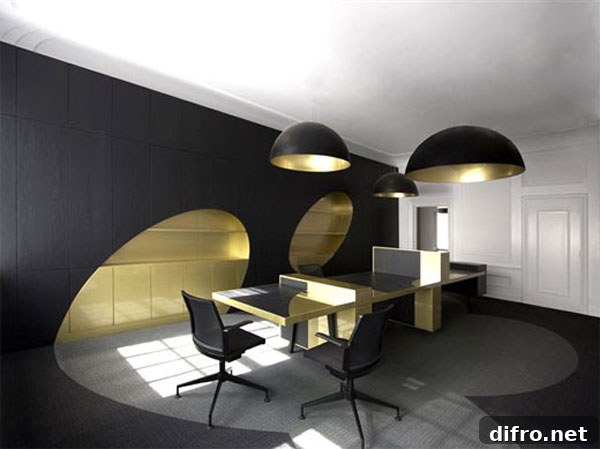
Color and material choices play a subtle but powerful role in shaping mood and focus. Neutral palettes with strategic accents—soft blues, greens, or warm natural tones—support concentration while lively accent colors can energize collaborative zones. Natural materials such as wood and stone add warmth and texture, while clean lines and minimal finishes maintain a modern, professional look.
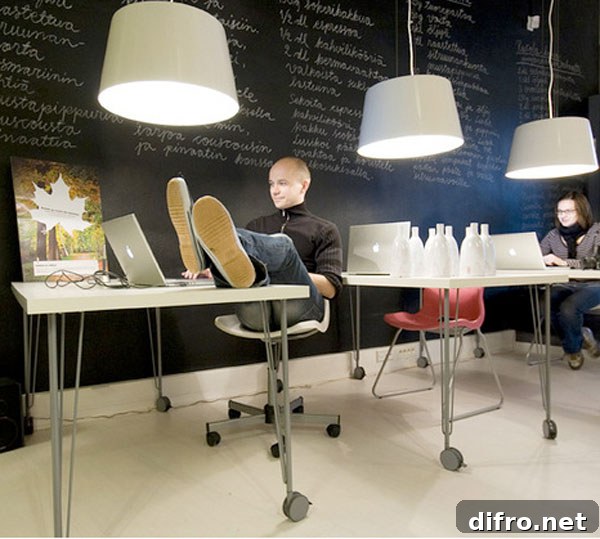
Biophilic design elements—plants, living walls, and natural views—are increasingly popular because they help reduce stress and improve air quality. Incorporating greenery into workspaces and communal areas creates visual interest and provides a restorative pause during the workday. Even small planters or well-placed pots can make a significant difference in perceived comfort and connection to nature.
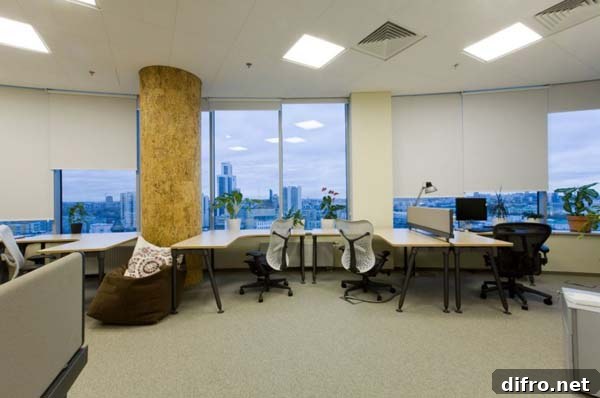
Acoustic comfort and privacy are essential, especially in open-plan offices. Soft materials, acoustic panels, rugs, and strategic partitions reduce noise and allow focused work to coexist with collaborative activities. Quiet zones, meeting rooms, and flexible breakout spaces give teams the choice of where to concentrate, meet, or relax.
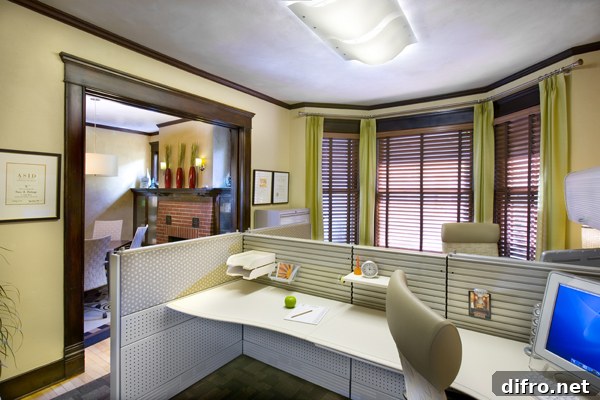
Designing offices with both functionality and personality in mind supports workplace culture. Thoughtful branding, flexible meeting zones, and comfortable break areas invite collaboration and make the office feel inviting. Small details—adjustable lighting, supportive seating, and accessible amenities—contribute to daily comfort and long-term satisfaction.
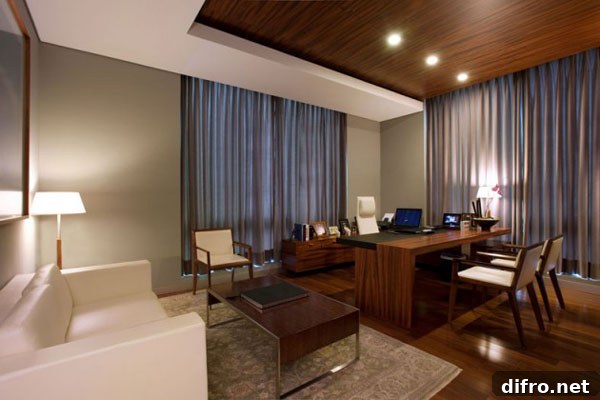
Ultimately, a well-designed office supports the people who use it. By prioritizing daylight, ventilation, ergonomic furniture, thoughtful storage, acoustic balance, and a mix of collaborative and quiet areas, interior design can boost productivity, creativity, and employee satisfaction. The seven interiors featured here demonstrate how these principles come together to create modern, comfortable, and inspiring workplaces where people can do their best work.