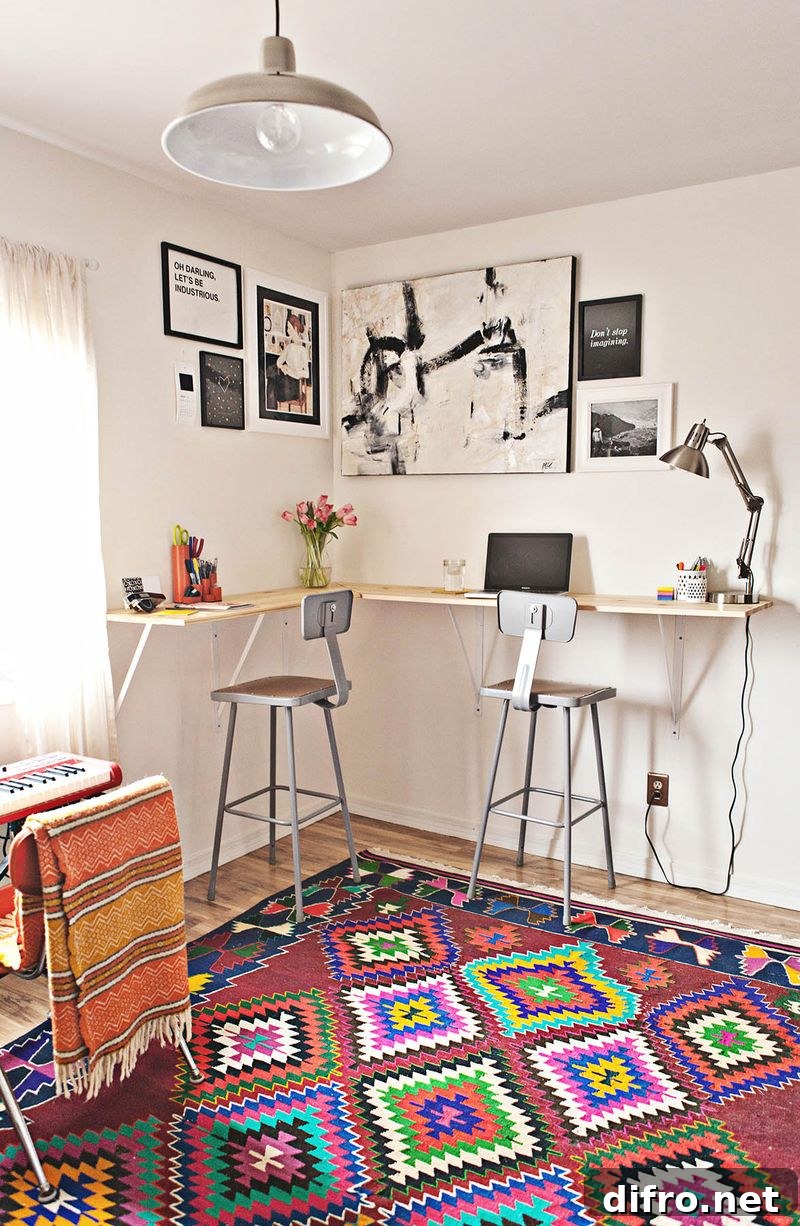
There’s growing evidence that sitting for long stretches can harm your health, so now is a great time to rethink your home office. You don’t have to spend a fortune on a motorized adjustable desk to give yourself the option to stand and sit through the day. With simple DIY solutions and thoughtful use of existing furniture, you can create an attractive, functional standing workspace that fits your budget and space. Below are practical ideas—from wrap-around counters and wall-mounted shelves to portable add-ons and repurposed bookcases—to help you build a standing desk that works for you.
Build a Wrap-Around Desk Along a Wall
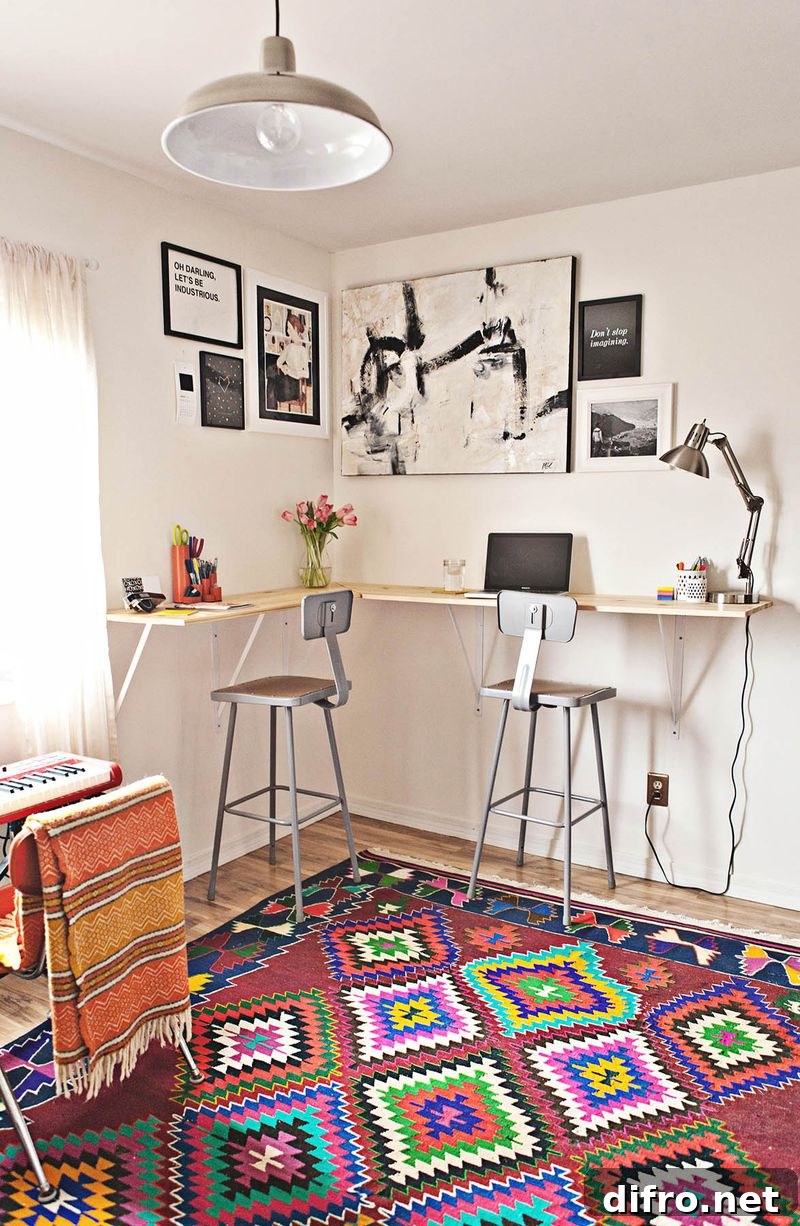
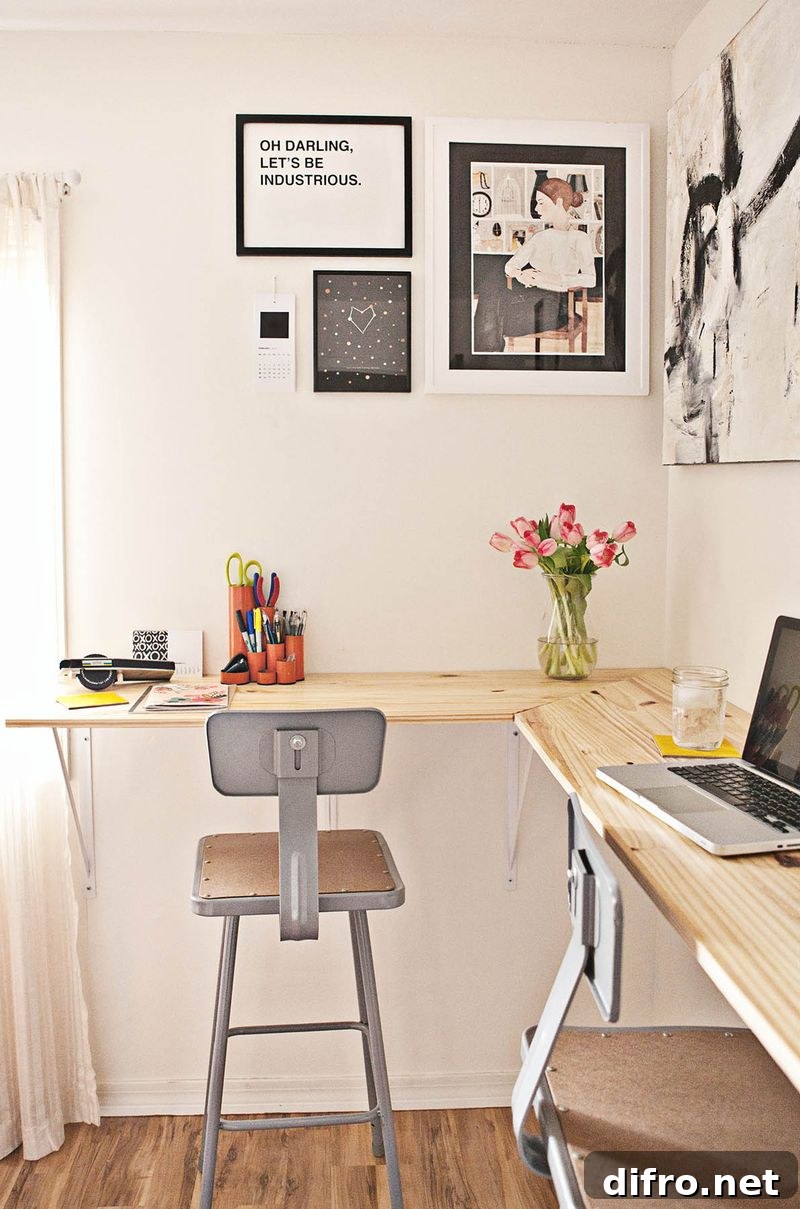
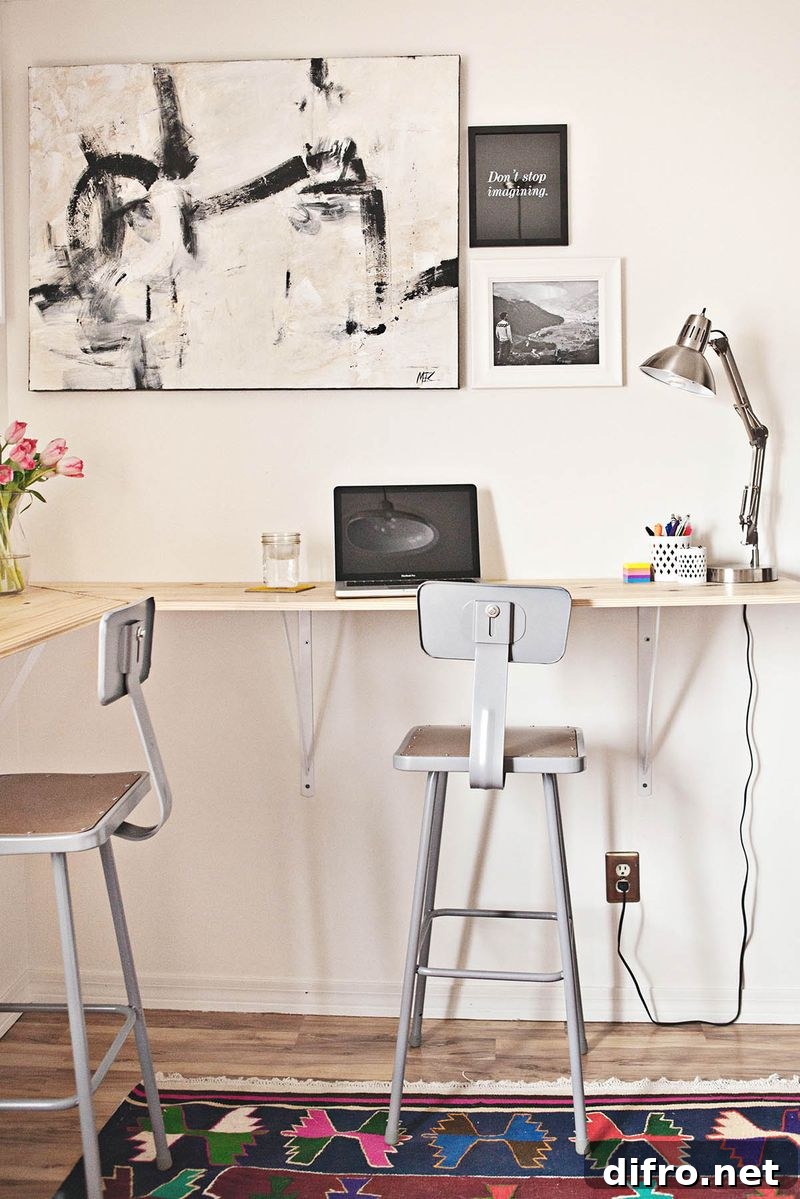
A wrap-around counter-style desk provides plenty of surface area and supports both standing and sitting when paired with bar-height stools. This solution is ideal when you want a continuous work surface for multiple tasks or several users. A wrap-around design can be as simple as a long countertop mounted to studs, supported by brackets or shallow shelving, and styled with art and lighting to keep the area inviting.
Make Your Own Compact Shelf Desk for Smaller Spaces
Short on room? A wall-mounted shelf at standing height creates a compact standing desk without taking up floor space. A sturdy shelf or tabletop fixed to the wall with robust brackets can hold a laptop or monitor and pairs well with a bar stool when you want to sit. This low-cost, low-effort strategy works especially well in narrow nooks or apartments where a full desk footprint isn’t possible.
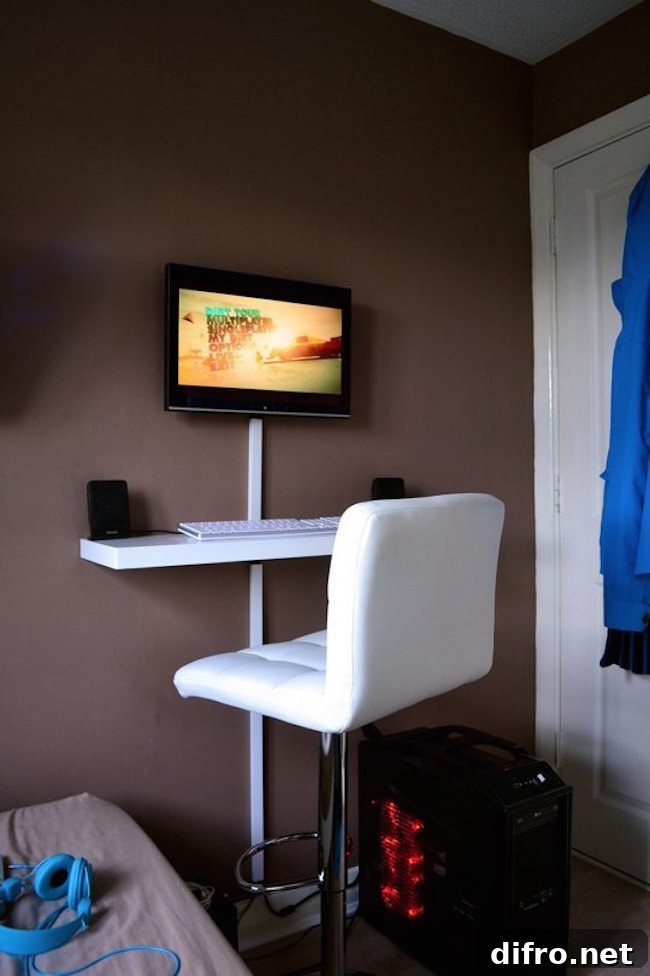
Use Existing Shelving Units in Your Home
Before buying new furniture, check the shelves and built-ins you already own. A freestanding or built-in shelf at the right height can serve as a standing desk; simply clear a section for your computer and peripherals. Styling with books, plants, and decorative items keeps the space functional and attractive, while a nearby stool provides a sitting option when needed.
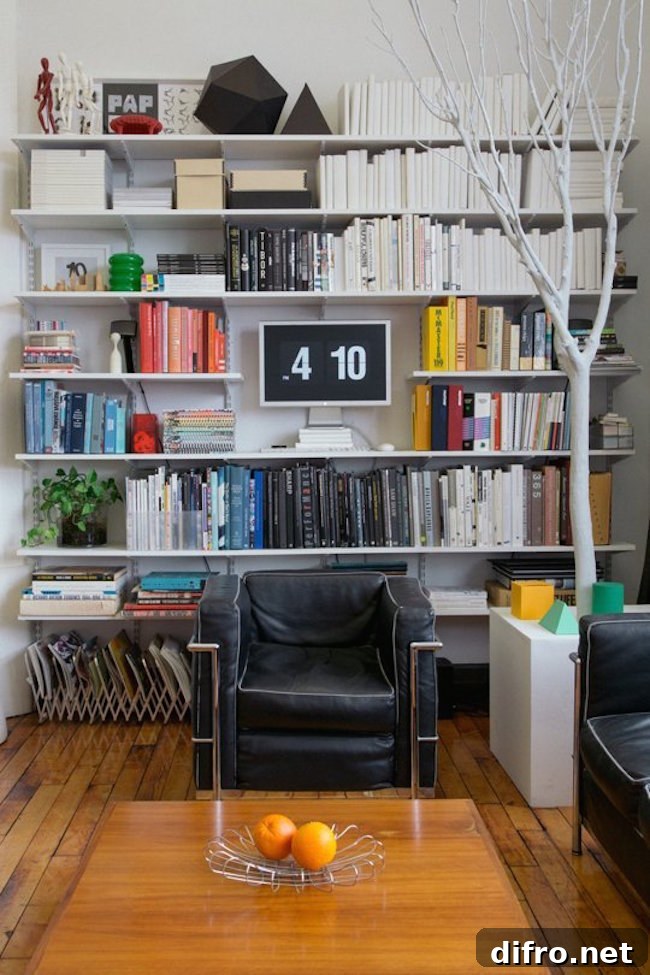
Get Inspired by More Shelves for Maximum Storage
If storage is a priority, build multiple shelf layers above and around a standing-height desk. Stacked shelving creates a dedicated zone for supplies, reference materials, and decor while keeping the main work surface free. This configuration is especially useful if you need to organize a lot of items close at hand—perfect for craft rooms, studios, or busy home offices.
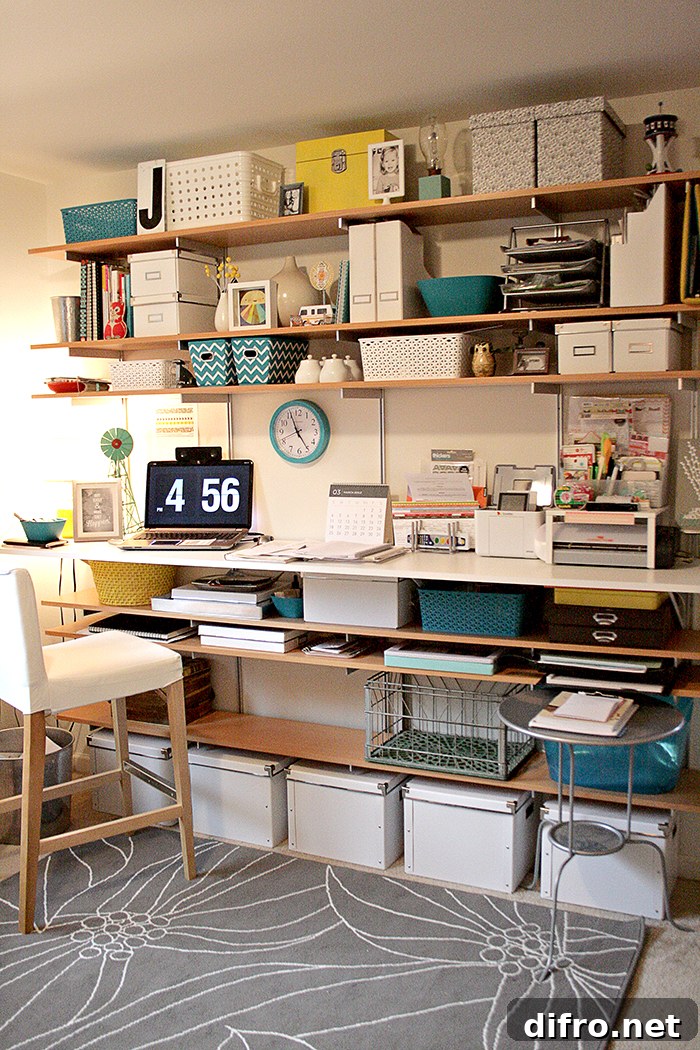
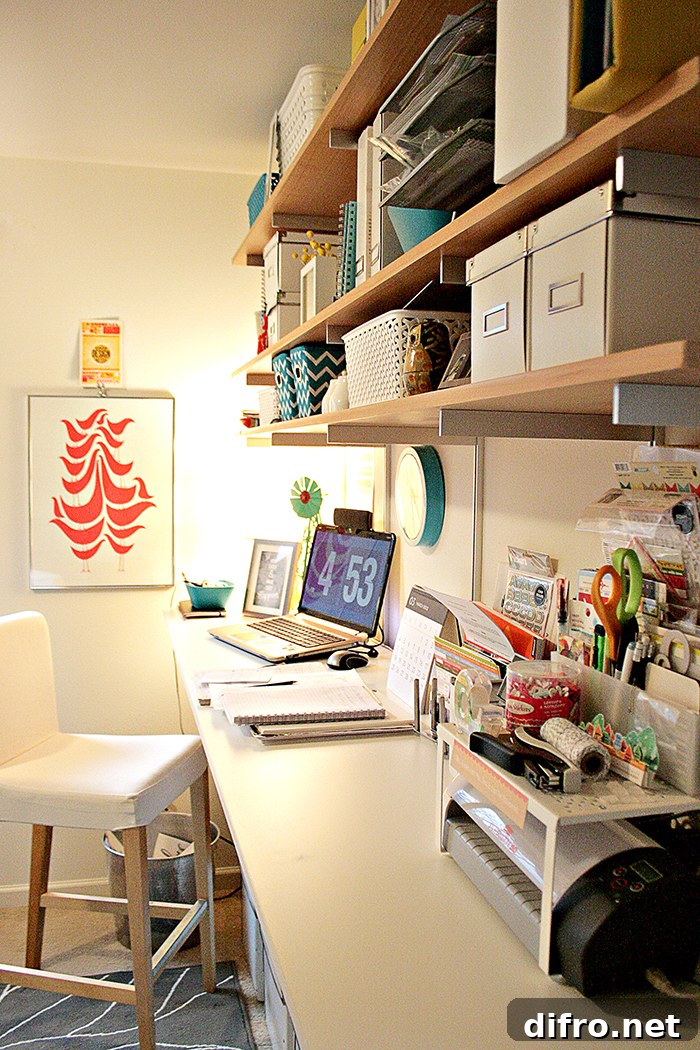
Go for a Minimal Shelf-Inspired Look
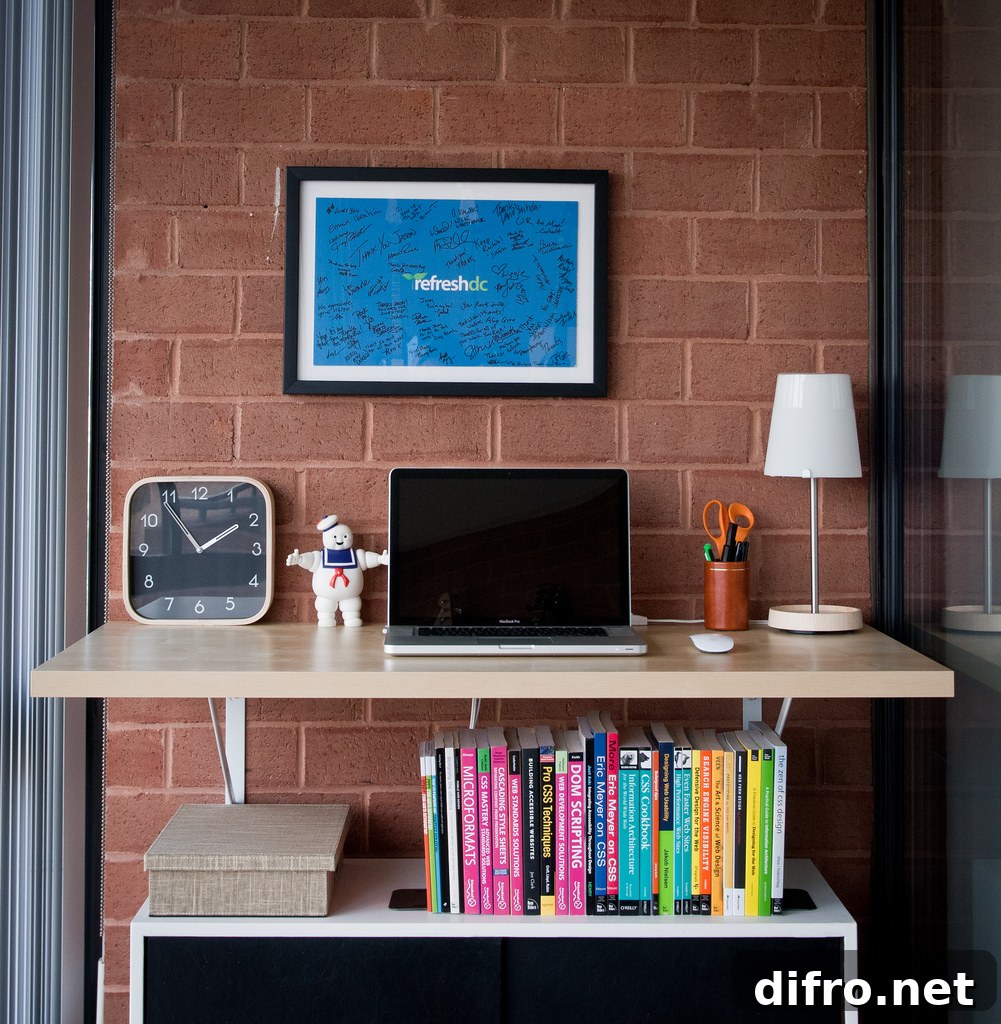
You don’t need elaborate construction to get a stylish standing area. A single mounted tabletop or narrow shelf paired with a low storage unit beneath can create a clean, minimalist work zone. Using inexpensive tabletops and retrofitting them to the wall is a budget-friendly approach that still offers a polished result.
Look for Unconventional Solutions
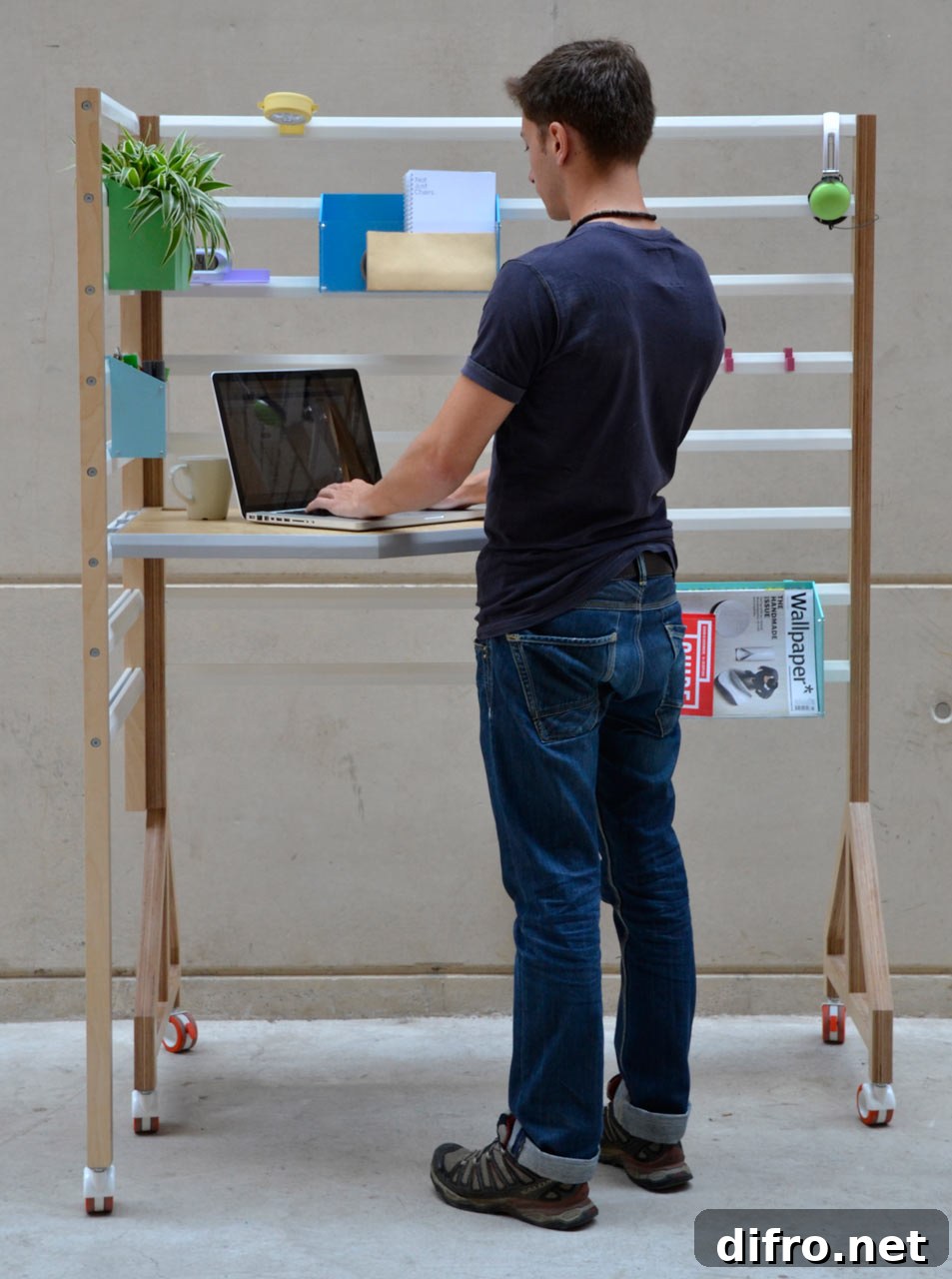
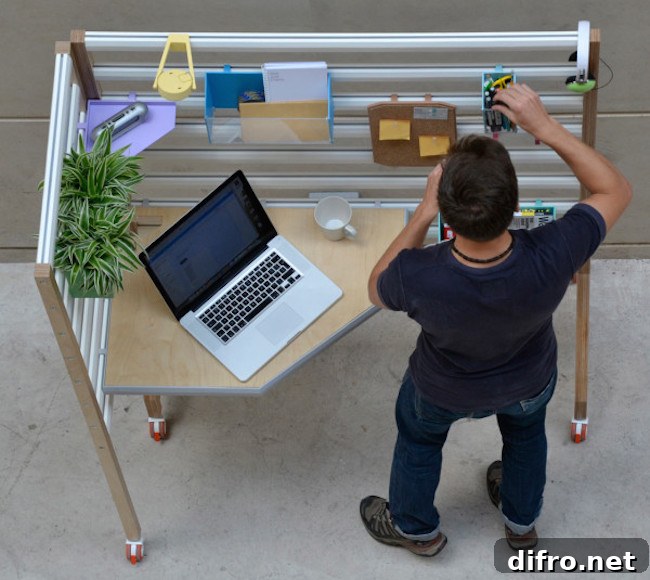
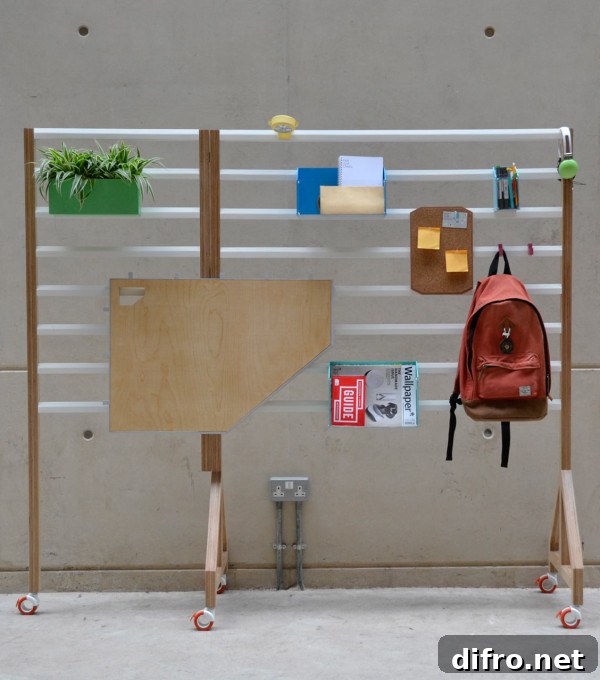
If you prefer a purpose-built adjustable option, consider creative designs with detachable tops or rail systems that let you move the work surface as needed. These modular desks can be reconfigured, hung, or flattened against a wall for storage, offering both flexibility and space efficiency.
Look for Portable or Temporary Solutions
If you’re not ready to commit to a permanent change, portable standing platforms and monitor risers can convert an existing desk quickly and affordably. These add-ons provide room for a monitor and keyboard and can be moved between workstations. Portable solutions are ideal for renters, shared spaces, or anyone testing whether a standing setup fits their workflow.
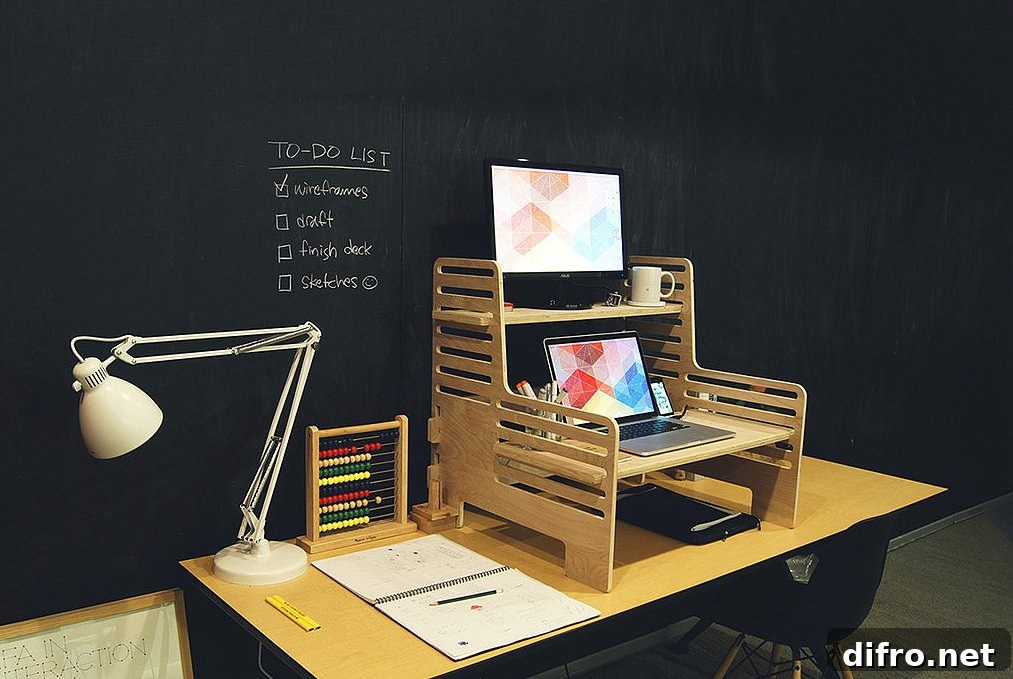
Create a Work Station Using Regular Bookcases
Pairing two bookcases with a sturdy plywood or tabletop surface creates an instant standing workstation. This approach gives you a wide, central workspace and abundant storage for bins, baskets, and equipment in the shelving below or beside the desk. It’s an inexpensive, flexible method that works well in large rooms or open-plan spaces.
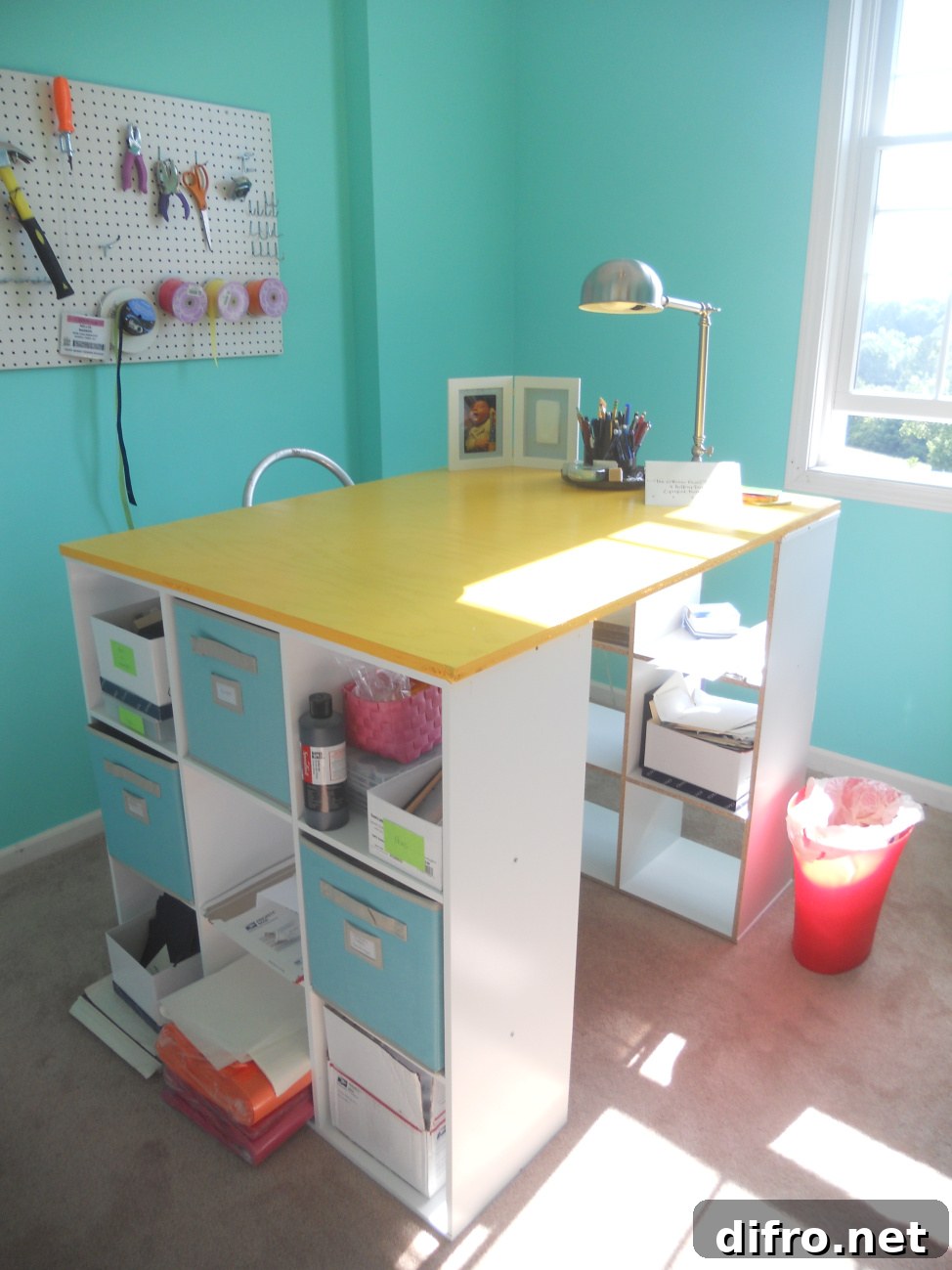
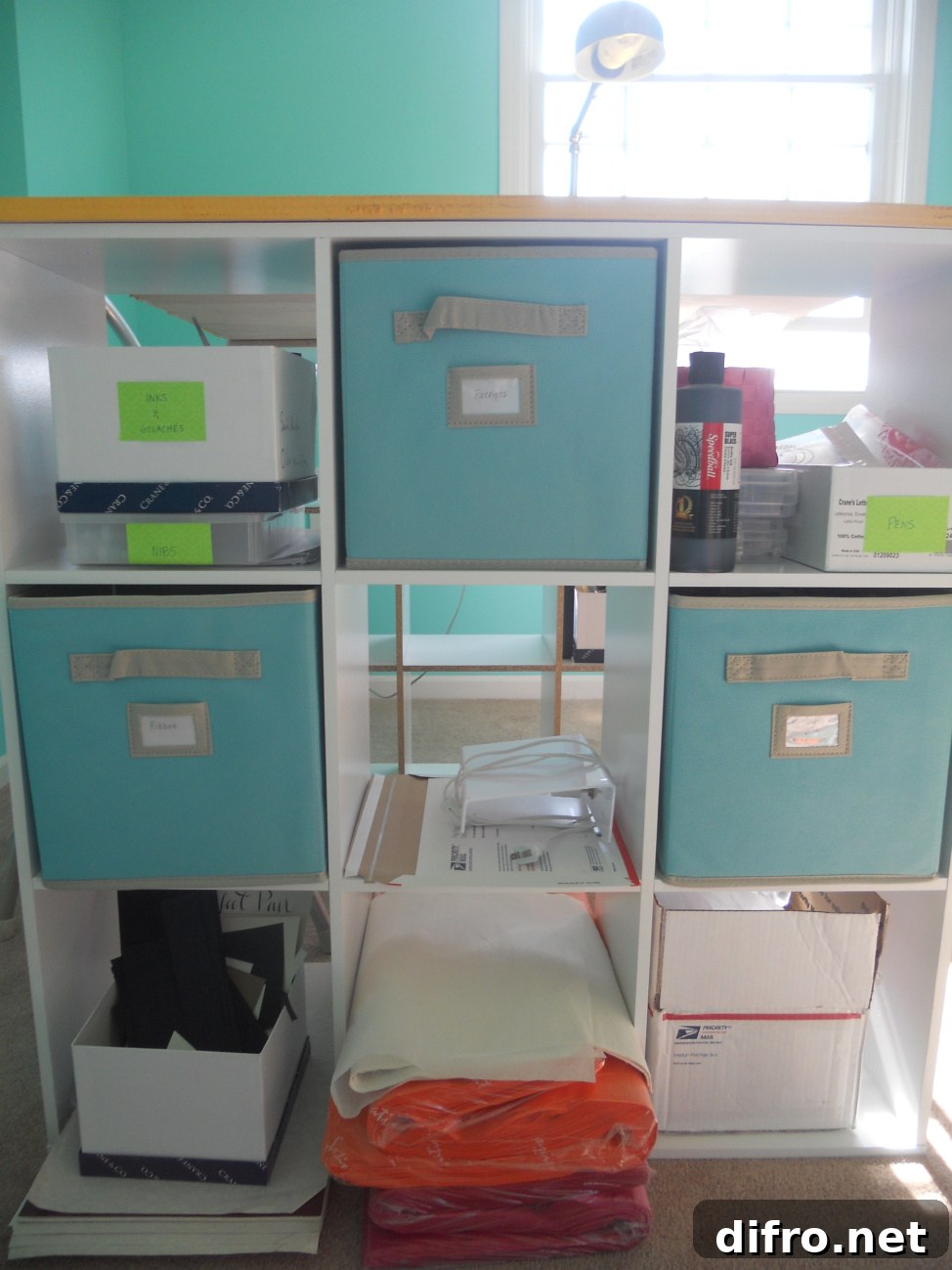
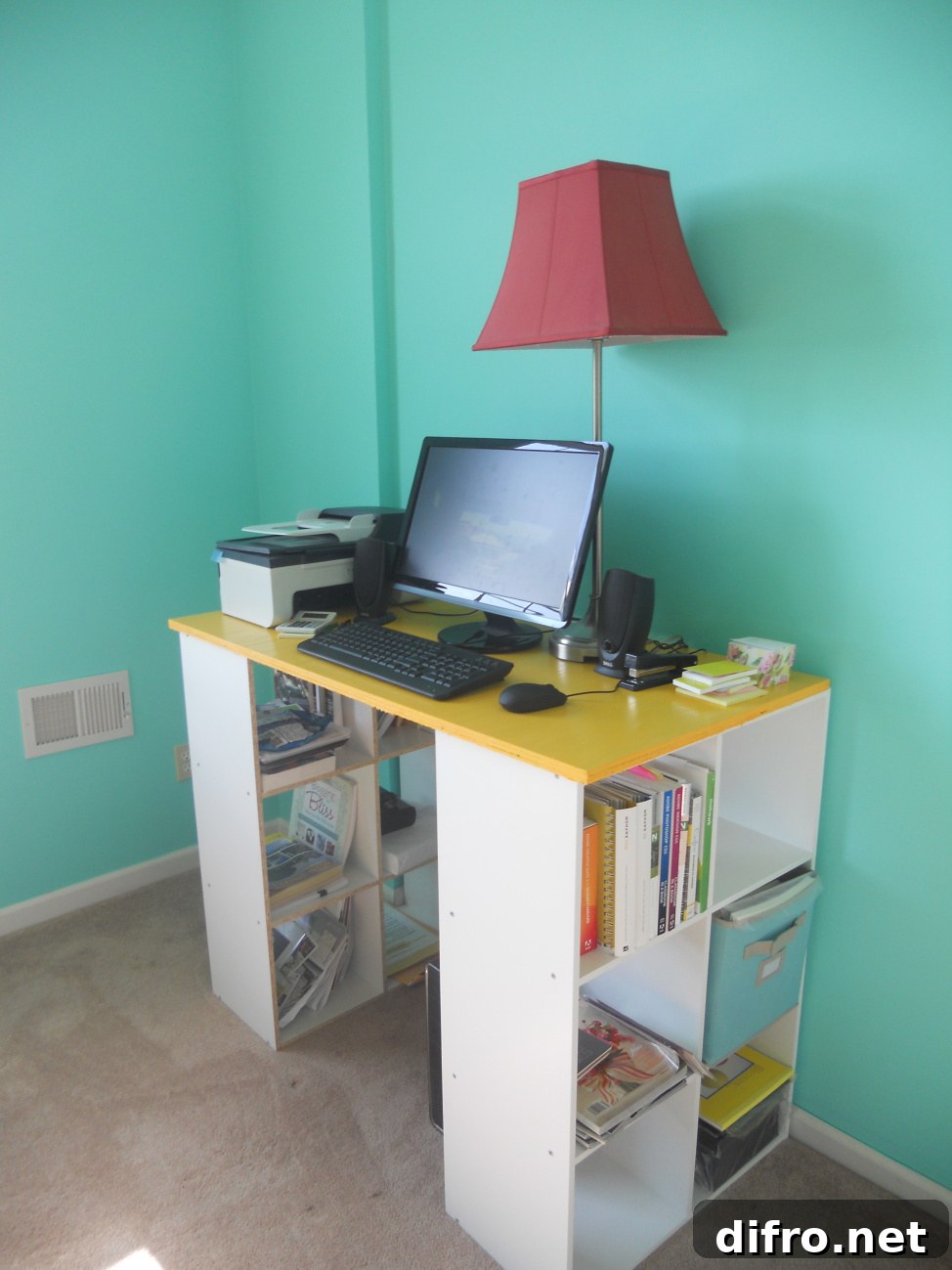
Whether you choose a full wall-mounted counter, a compact shelf desk, a modular adjustable system, or an inexpensive portable riser, there are many ways to build a standing workspace that enhances comfort and productivity. Start by measuring the ideal height for your standing posture, assess the storage needs of your workflow, and select a solution that matches your budget and style. With a few simple materials and a bit of creativity, you can create a healthier, more flexible home office without breaking the bank.