
Have you noticed dust, cobwebs, or stubborn stains on your ceiling? A clean ceiling brightens a room and improves the overall feel of your home. This guide covers practical, safe, and easy-to-follow ceiling cleaning tips and step-by-step methods so you can restore your ceiling without unnecessary effort or expense.
Essential Equipment for Effective Ceiling Cleaning
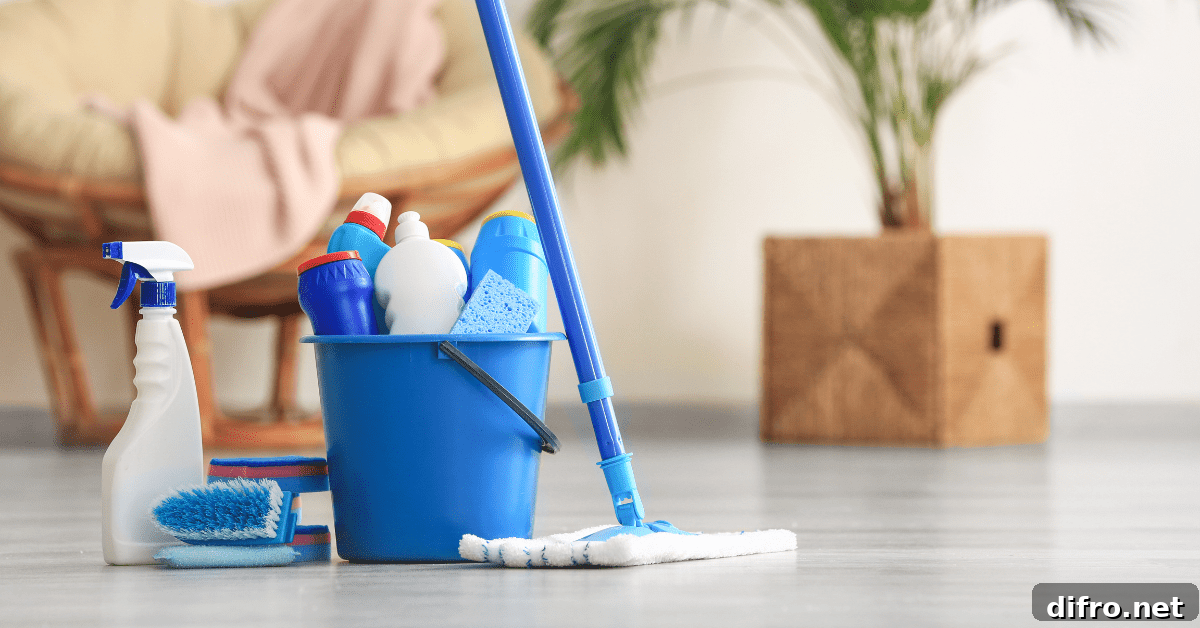
Gathering the right tools before you begin will make ceiling cleaning faster and safer. Key items include an extendable pole or broom handle, a microfiber mop head or a soft-bristled brush attachment, a vacuum with a brush tool, lint-free cloths, a bucket of warm water with mild detergent, and a spray bottle with a water-and-white-vinegar solution for stubborn marks. Protect floors and furniture with old sheets or drop cloths and keep a small step ladder handy if you need tighter control near light fixtures or corners.
Safeguard the Room Before You Clean

Prepare the space to limit mess and protect surfaces. Move smaller furniture out of the way and cover remaining pieces and the floor with drop cloths. Cover electrical outlets and light fixtures with plastic sheeting or plastic bags secured gently to avoid water contact. If you can, dust ceiling fans and hanging fixtures first so loose dust doesn’t fall onto a freshly cleaned ceiling. Open windows for ventilation to help cleaning solutions dry and to reduce moisture buildup.
Remove Loose Dust and Cobwebs
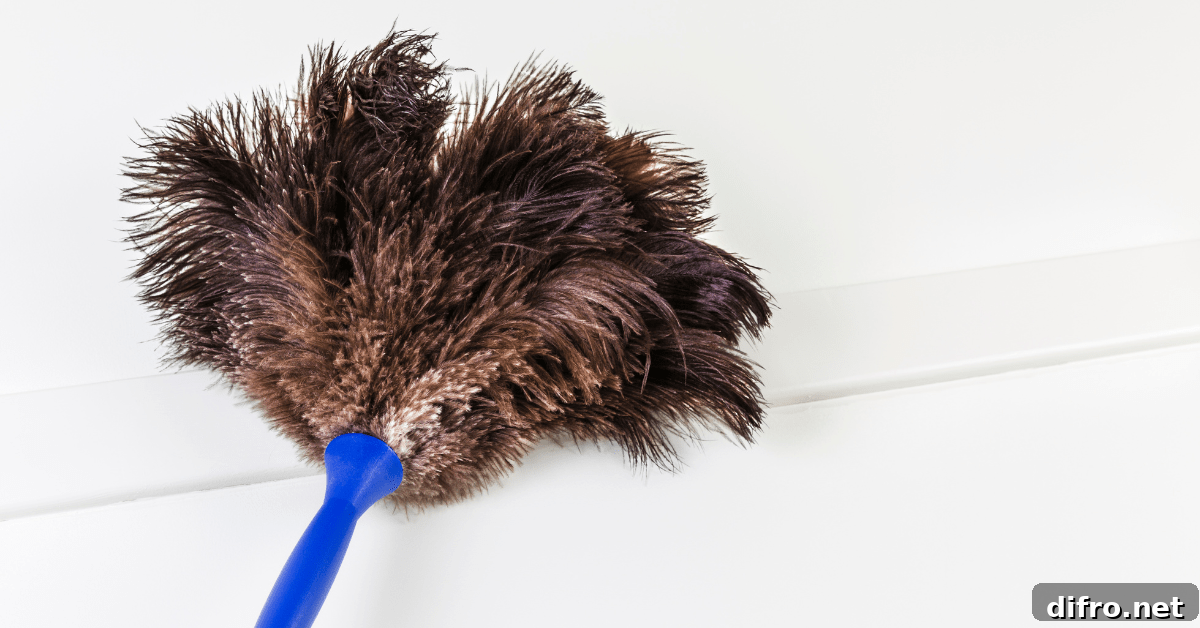
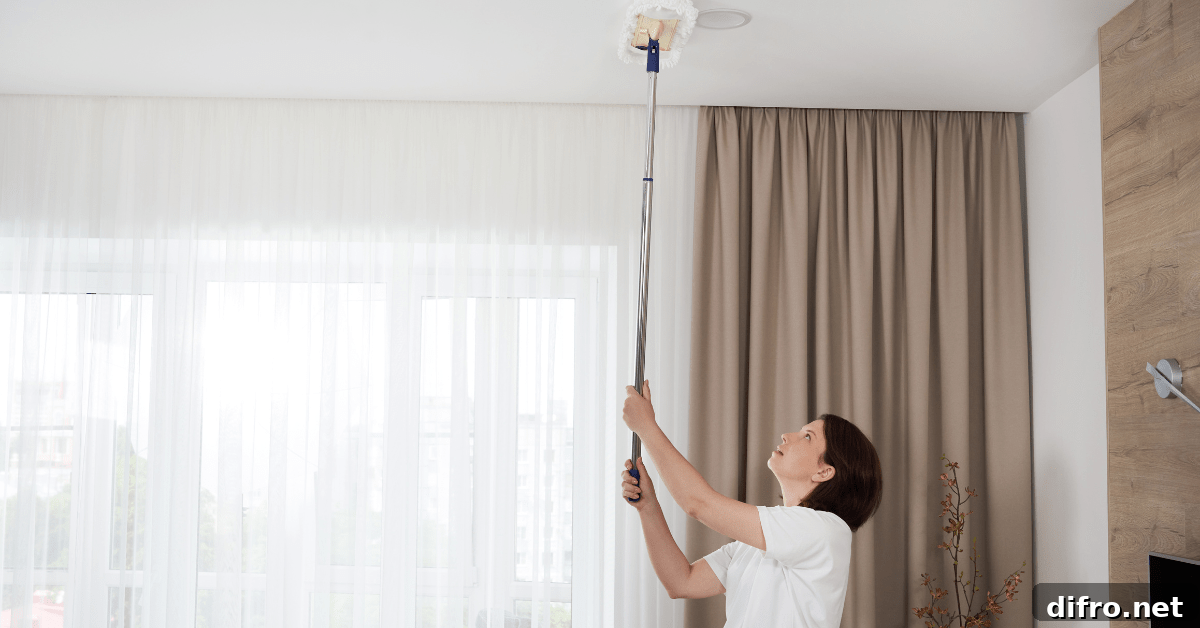
Begin by removing loose debris with the extendable pole and microfiber mop or a soft brush. Use gentle, overlapping strokes and work methodically from one side of the room to the other. Pay special attention to corners, crown molding, and the edges near the walls where cobwebs and dust collect. After brushing, run your vacuum’s brush attachment over the ceiling to lift remaining particles—this is especially helpful on textured or popcorn ceilings.
Tackle Stains and Marks Carefully
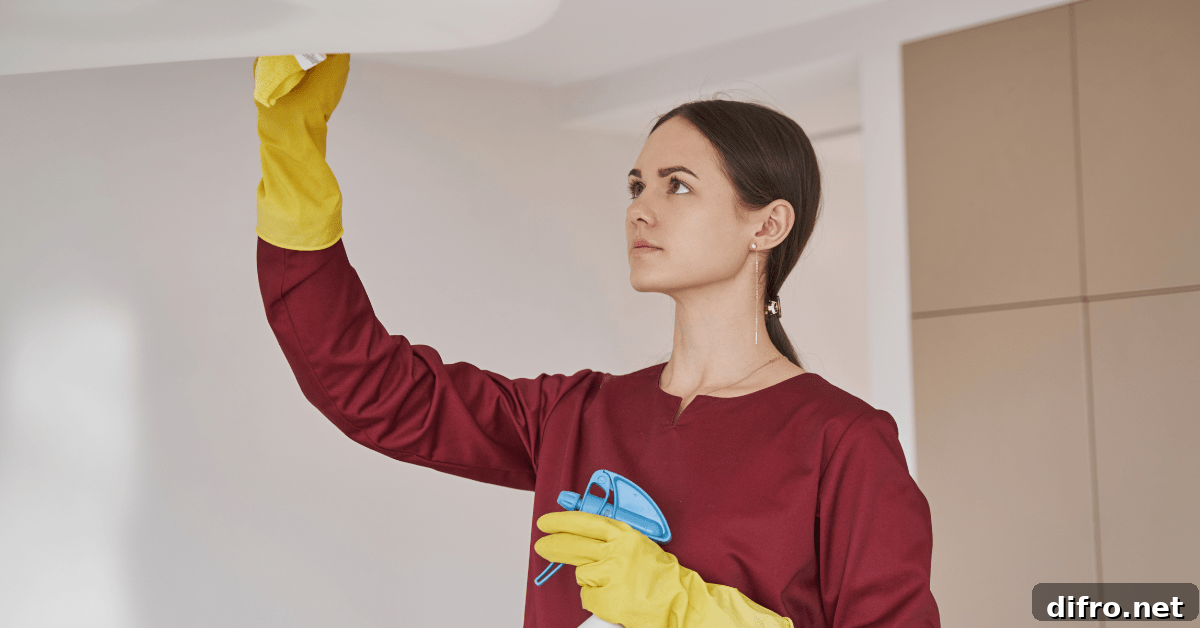
For localized stains, use a damp, lint-free cloth wrung out well so it’s only slightly moist. Lightly blot the stain instead of scrubbing to avoid damaging paint or plaster. For grease or grime, a small amount of dish soap in warm water helps lift residue. A diluted vinegar solution (one part white vinegar to three parts water) can help remove some discoloration—spray it sparingly, then blot. Always test a cleaning solution in an inconspicuous spot first. If you spot mold or persistent water stains, consult a professional since these may indicate a leak or a ventilation issue that needs repair.
Deep Cleaning the Whole Ceiling
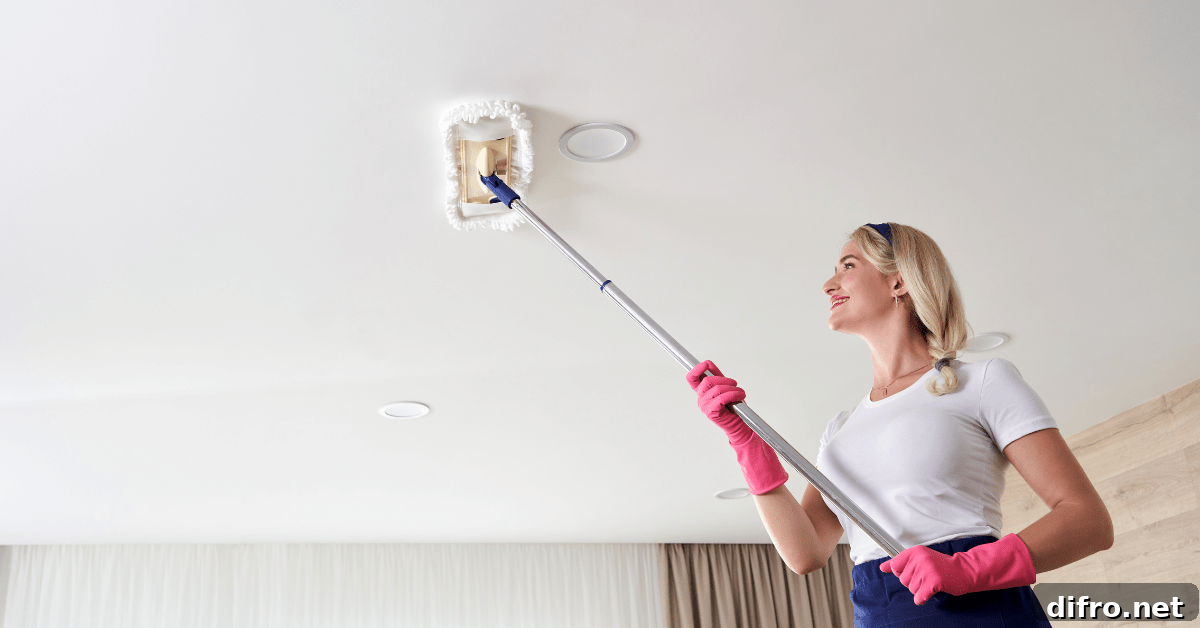
If the ceiling needs a full refresh, use the extendable pole with a clean, damp mop or cloth and work in manageable sections. Start at one corner and move in a consistent pattern so you don’t miss areas. Rinse and wring your cloth frequently to avoid pushing dirt around. For textured ceilings, a soft-bristled brush on the pole will help reach crevices without tearing the surface. You may need two passes for very dirty ceilings—first with a mild cleaning solution, then with plain water to rinse. Keep good ventilation and take breaks; cleaning overhead surfaces can be physically demanding.
Drying, Final Checks, and Upkeep
Allow the ceiling to dry completely to prevent water spots or future mold growth. Use fans and open windows to speed drying. Inspect for any missed marks and, if necessary, spot-treat and blot again. For minor scuffs that won’t come out, a small touch-up with matching paint can restore a uniform look. Gently restore the texture on popcorn or textured ceilings with a soft brush if it became flattened during cleaning. Finally, wipe down light fixtures and fans before removing protective coverings and returning furniture to place.
Related Articles
- How to Clean Your Oven with Lemon and Vinegar
- Simple Tricks to Keep Your Microwave Clean
- Effective Tips and Tricks for How to Clean Sticky Kitchen Cabinets
Regular ceiling cleaning—once or twice a year for most homes—keeps dust and stains from building up and helps your rooms feel brighter and fresher. With the right tools and a careful approach, you can safely and effectively restore your ceiling’s appearance. If you encounter persistent stains, mold, or water damage, seek professional advice to address underlying issues. Happy cleaning!
Turn your house into the home of your dreams. Our newsletter shares design ideas and decor trends—subscribe to receive regular inspiration and practical tips.