
Welcome to a practical guide to analogous color schemes. Whether you work in graphic or interior design, fashion, illustration, or simply enjoy experimenting with color, this guide explains what analogous color schemes are, why they work, and how to apply them effectively to create balanced, engaging visuals.
Analogous color schemes are a cornerstone of color harmony. They rely on colors that sit next to one another on the color wheel, producing smooth transitions and a cohesive appearance. These schemes are versatile, calming, and easy to control, which makes them popular across many creative fields.
What Is an Analogous Color Scheme?
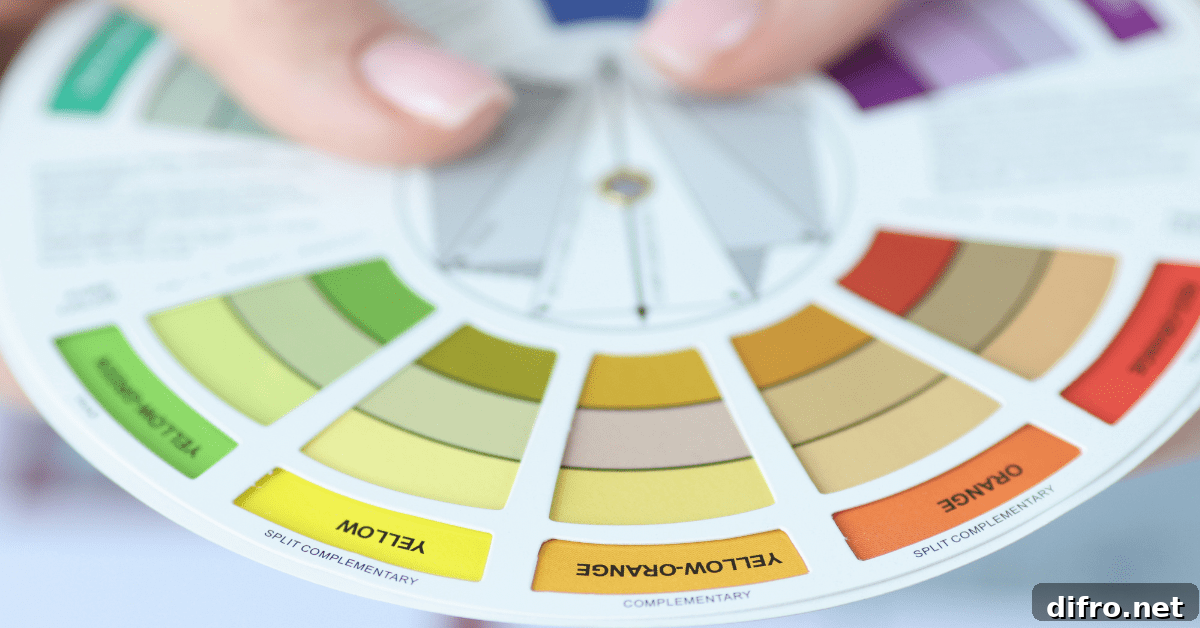
An analogous color scheme consists of three or more colors that are adjacent on the color wheel. Because these colors share similar undertones, they naturally complement each other and create visual continuity. Designers use them to unify layouts, set moods, and guide the viewer’s eye without strong discord.
The Psychology of Analogous Colors
Colors influence perception and emotion. Analogous schemes can feel serene, warm, or energetic depending on the specific hues chosen. For example, a palette made of greens and blues tends to feel fresh and restful, while a red-orange-yellow grouping feels lively and warm. Understanding how color temperature and saturation affect mood helps you select combinations that support the message or atmosphere you want to convey.
How to Implement Analogous Color Schemes
Applying analogous colors successfully requires a few key decisions: choose a dominant color, select supporting colors from adjacent positions on the wheel, and adjust value and saturation to create depth. Below are practical strategies for getting the most from these schemes.
Selecting the Right Combinations

Start with a primary color that will dominate the composition. Then choose one or two adjacent hues to support it—two to three analogous colors generally work best. Keep in mind how saturated or muted each color should be for the intended tone: vivid hues read as energetic, while desaturated tones feel sophisticated and subtle.
Balancing Warm and Cool Tones
Analogous palettes often lean toward either warm or cool temperatures. Tuning the balance between these can add interest: for instance, warm accents in a mostly cool palette create subtle contrast without breaking harmony. Decide whether your design should feel cozy, crisp, or neutral, and adjust the temperature of your colors accordingly.
Creating Contrast and Focal Points
Because analogous colors are similar, intentional contrast is important. Vary lightness and darkness by using tints and shades, or reserve the most saturated color for focal elements—calls to action in digital design, a feature wall in interiors, or a statement garment in fashion. These choices guide attention while keeping the overall palette unified.
Using Neutrals and Considering Lighting
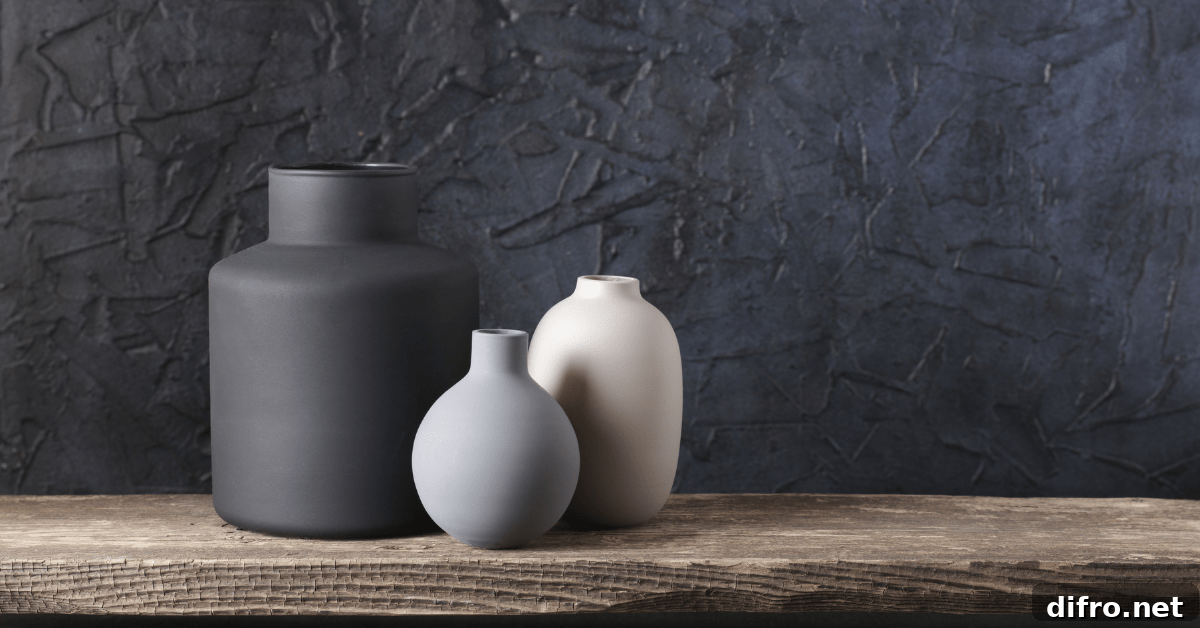
Introduce neutrals—white, gray, black, or beige—to anchor an analogous scheme and give the eye resting points. Also test colors under the actual lighting conditions where they will appear: natural light, warm incandescent, or cool fluorescent bulbs can change perceived hue and contrast. Always review samples in-situ when possible.
Drawing Inspiration from Nature and Successful Work

Nature provides many examples of harmonious analogous palettes—sunsets, forest gradients, and coastal tones are great starting points. Study projects and designers that handle analogous schemes well to learn how they balance accents, lightness, and texture.
Common Mistakes to Avoid
Analogous palettes are forgiving but not foolproof. Avoid these common pitfalls so your design stays intentional and effective.
Color Clashes and Monotony
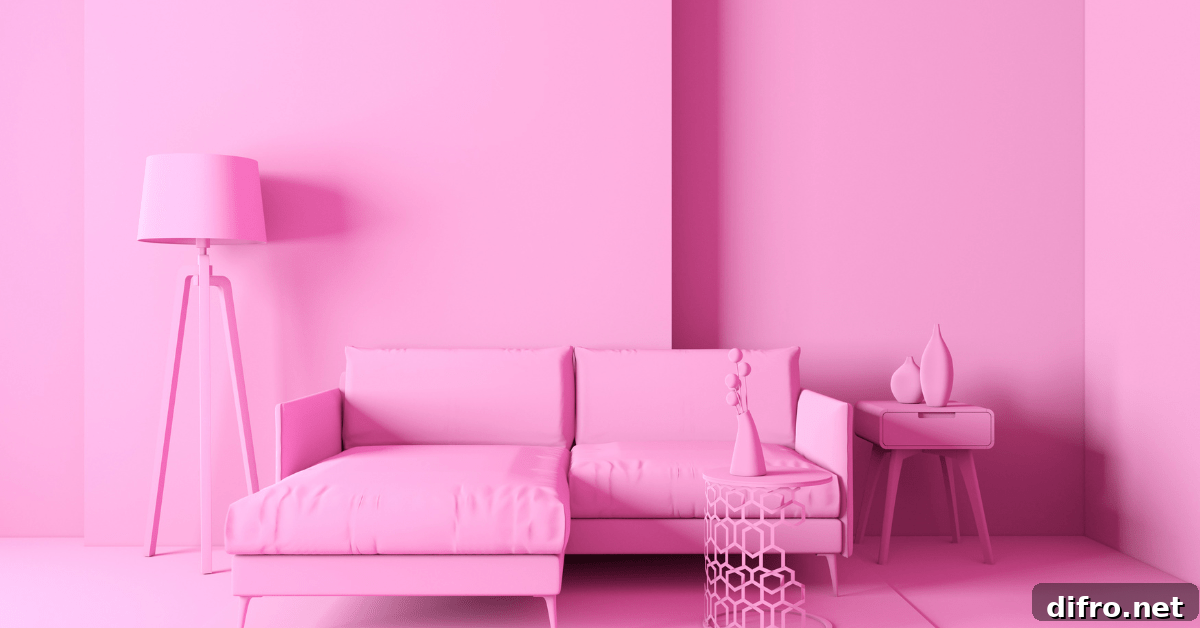
Not all adjacent hues pair well; some combinations can produce uncomfortable visual tension. Conversely, using too many close variations without variation can make a design flat. Break monotony with differences in value, texture, or a well-placed neutral.
Lack of a Focal Point and Poor Contrast
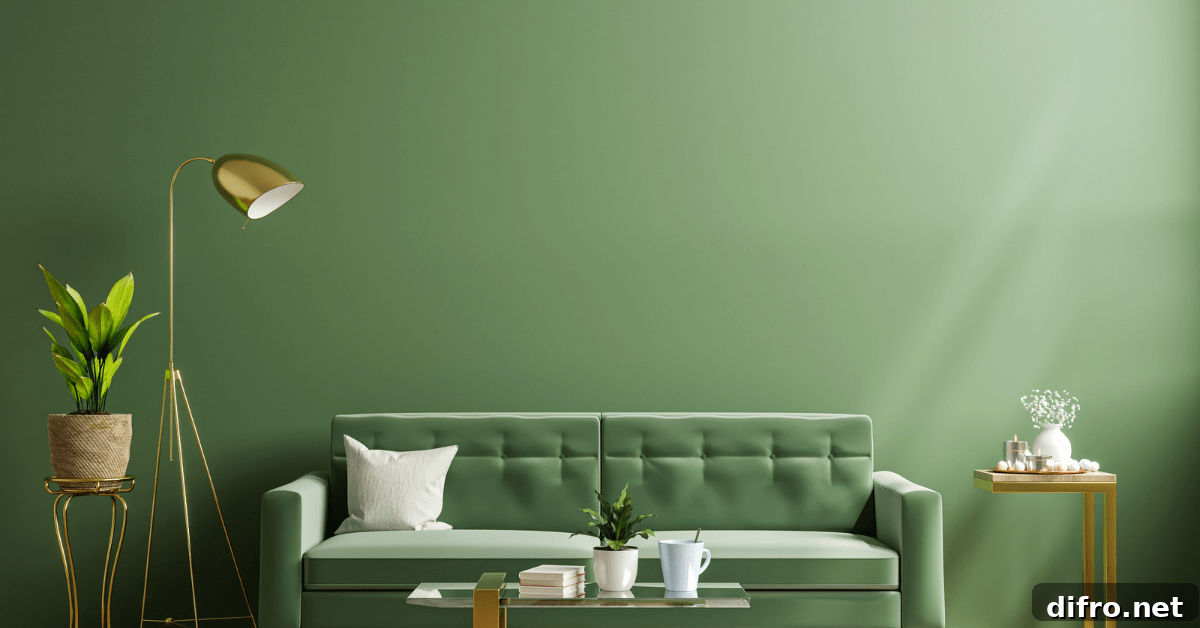
Always designate a focal color or element to direct attention. Maintain legibility and usability—especially in digital interfaces—by ensuring sufficient contrast between text and background to avoid eye strain.
Ignoring Context and Feedback

Choose color schemes that suit the project’s purpose and audience. Test ideas with peers or clients and be open to adjustments—feedback helps catch issues you might miss when working alone.
Embracing the Versatility of Analogous Color Schemes
Analogous color schemes offer a simple yet powerful approach to building cohesive, attractive designs. By selecting a dominant hue, balancing warm and cool tendencies, introducing neutrals and contrast, and testing under real conditions, you can harness color harmony to support mood, function, and style. Use the principles here as a starting point, experiment with natural inspiration, and refine your palette based on context and feedback. With practice, analogous schemes will become a reliable tool in your creative toolkit.