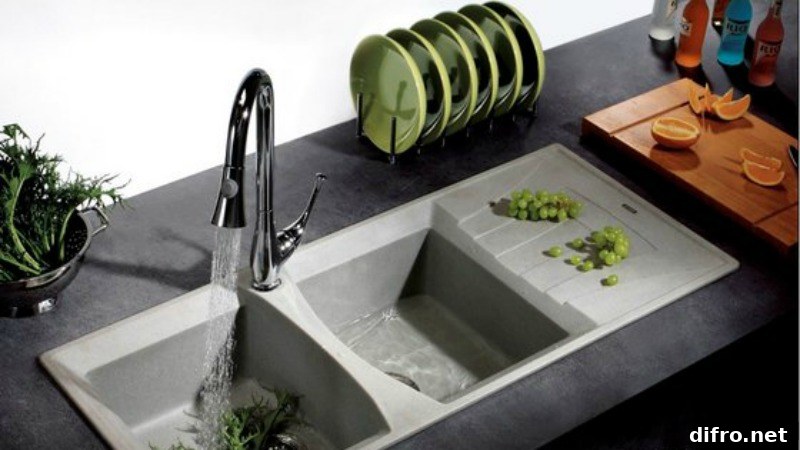
A beautiful porcelain sink can look stunning in any kitchen or utility space, but in active households porcelain often shows scratches, chips or cracks over time. If you want a surface that combines character with real toughness, consider a stone sink. Stone offers a wide range of colors, textures and finishes—everything from classic marble to modern engineered quartz—while delivering long-lasting performance and a distinctive aesthetic that only improves with use.
Marble
Marble remains a timeless choice for sinks and countertops thanks to its natural beauty and durability. While marble evokes tradition, it can be used in contemporary settings to create striking contrasts: for example, a Carrera marble farmhouse sink with a polished apron looks elegant when paired with modern cabinetry and minimalist hardware. Keep in mind marble is a natural stone and is more porous than some alternatives, so routine care such as periodic sealing and gentle cleaners will help preserve its finish and prevent staining.
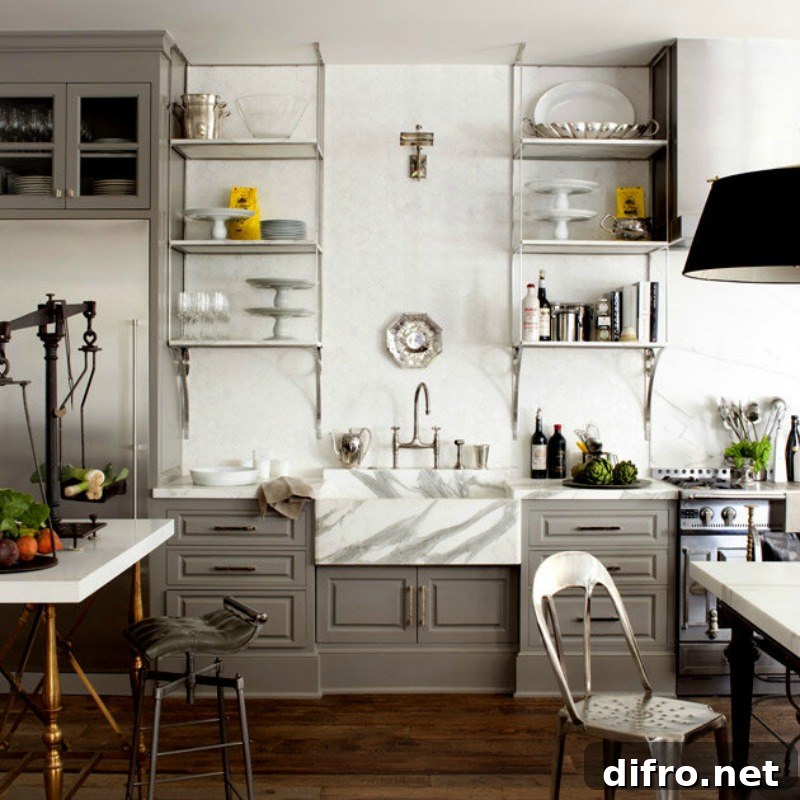
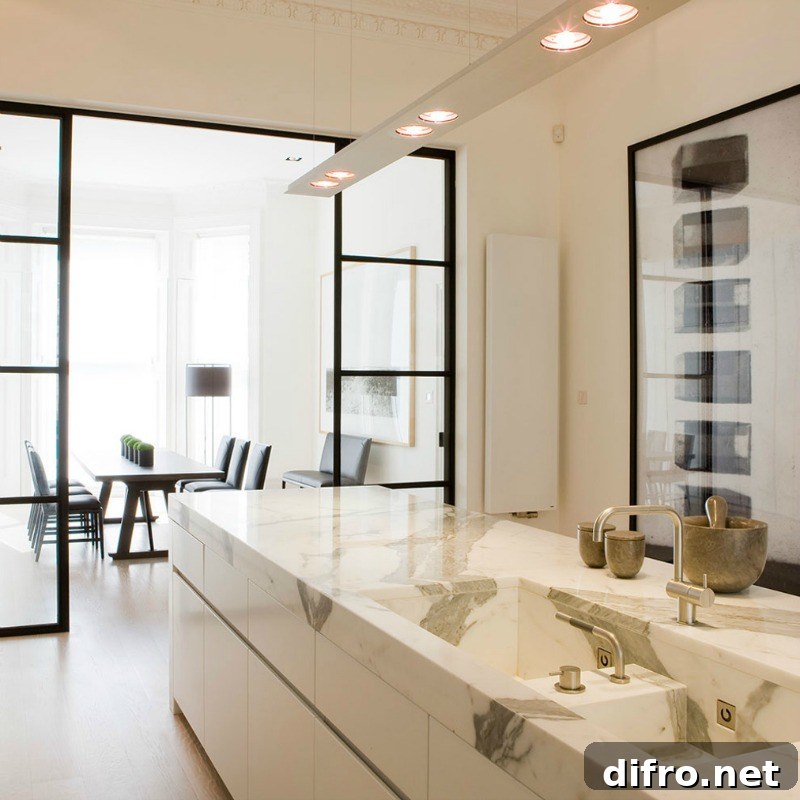
Marble is also frequently used for integrated countertops and sinks, creating a seamless, sculptural look. Integrated marble installations give a strong design statement while remaining durable when properly maintained.
Antique
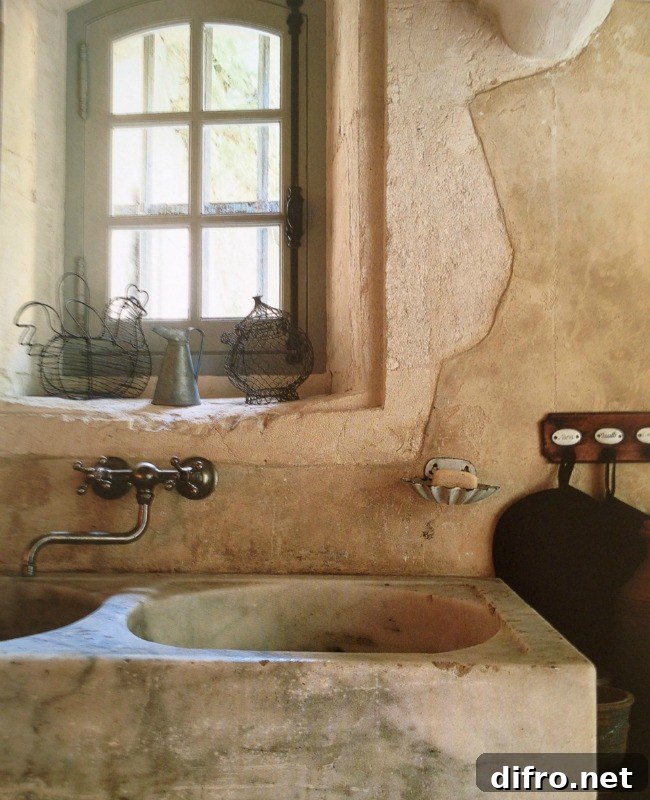
Stone sinks have been used for centuries, and antique or vintage stone basins add character and history to modern interiors. Reclaimed or restored stone sinks range from intricately carved decorative pieces to simpler, utilitarian designs that suit farmhouse or industrial-inspired kitchens. An antique stone sink can be a focal point that honors craftsmanship while functioning well in contemporary settings.
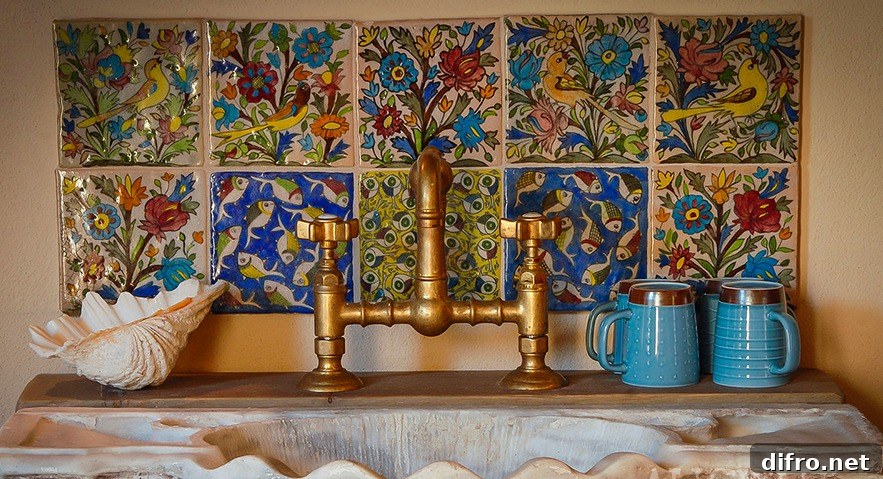
Vintage pieces come in many looks—some ornate and decorative, others nearly modern in silhouette. A restored French stone double basin, for instance, lends authenticity and sculptural form to a kitchen while performing as reliably as a newer sink.
Soapstone
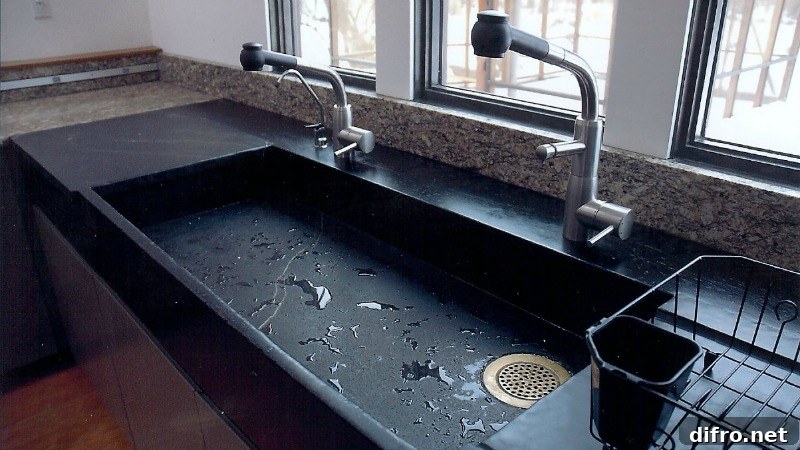
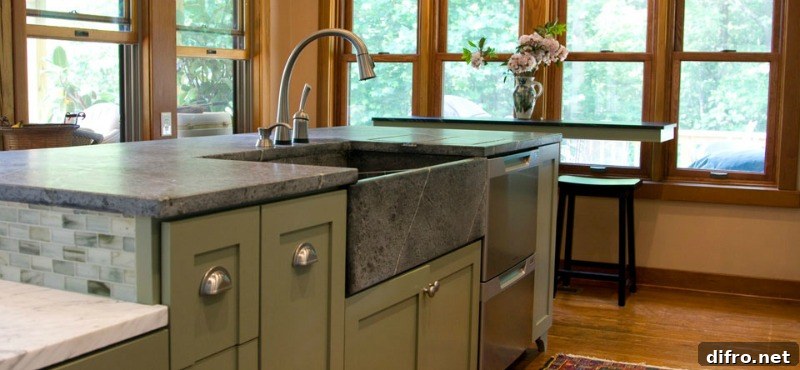
Soapstone is an excellent, often more affordable alternative to some marbles. Used in sinks and countertops since the 1800s, soapstone is prized for its dense, non-porous nature and soft matte appearance. It ranges in color from pale greens and greys to deep black, and it develops a patina over time that many homeowners find appealing.
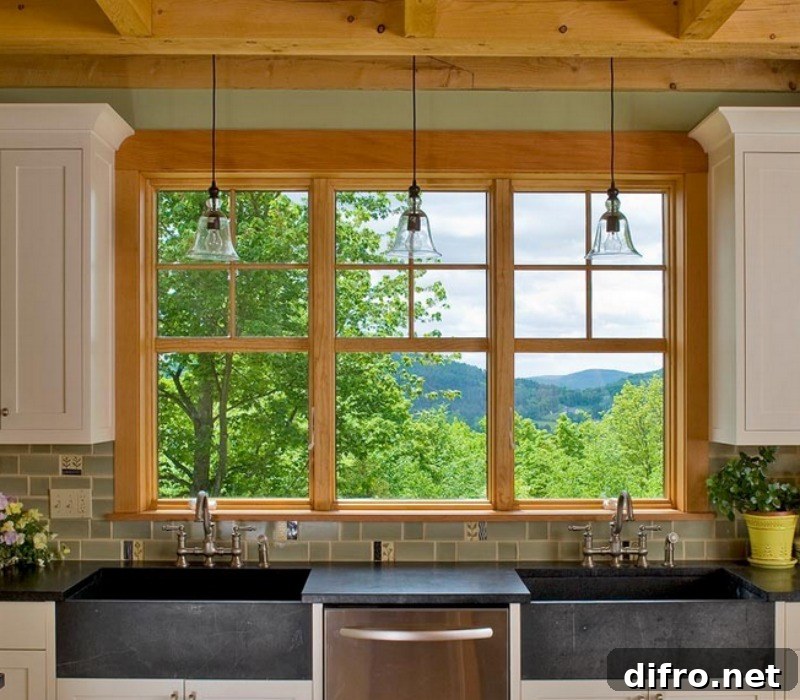
Soapstone resists acids and alkalis, and it tolerates knives, heat and everyday wear remarkably well. It is naturally nonporous, so it typically requires no harsh sealants; this makes it a hygienic and eco-friendly choice. Soapstone can appear plain and uniform or exhibit subtle veining and texture—both options work beautifully in farmhouse and modern kitchens alike.
Quartz
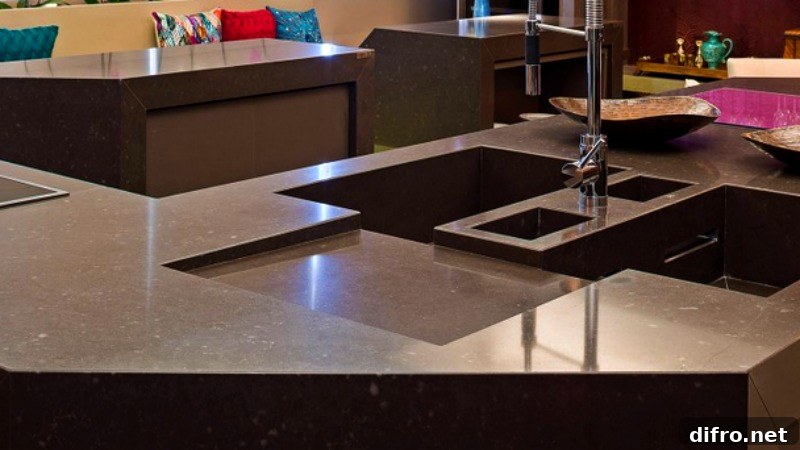
Engineered quartz sinks and countertops combine natural quartz with resins and pigments to create a durable, low-maintenance surface available in a wide palette of colors. Quartz resists staining and is easy to clean, making it a practical choice for busy kitchens. There are integrated quartz sinks as well as paired sink-and-countertop combinations that offer subtle or bold contrast depending on the design.
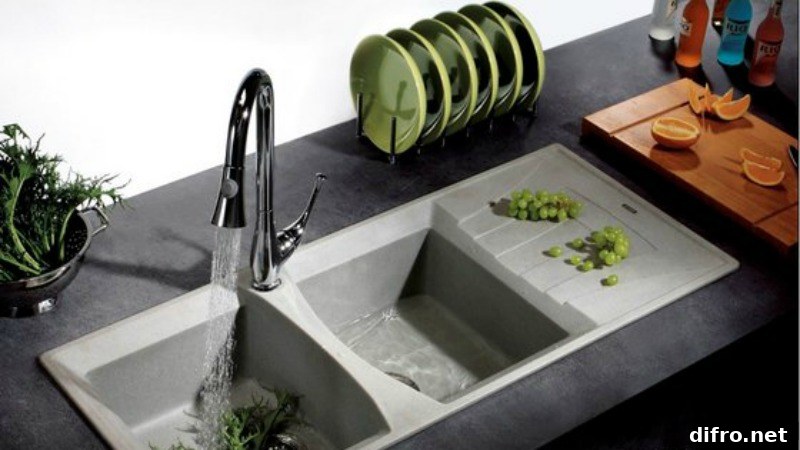
Some quartz products are blended with pigments and other materials to create unique shades and finishes, including warm browns, reds and more saturated hues. These engineered surfaces offer consistency in color and pattern and require minimal upkeep.
Granite
Granite is often the stone people picture first for kitchen surfaces. It’s extremely hard, available in many colors and patterns, and can be finished to a high polish or a soft matte texture depending on the look you want. Granite sinks can take on a sculptural, monolithic quality or be paired with contrasting countertops for visual interest.
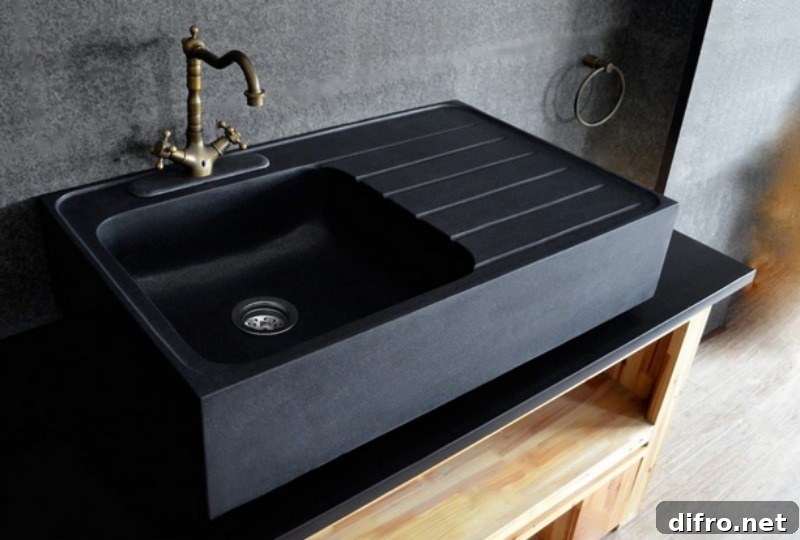
Polished granite offers a reflective surface that highlights depth and mineral patterns, while honed or matte granite provides a more understated, tactile finish. With proper installation and regular cleaning using pH-neutral products, granite sinks deliver long-term performance and a refined appearance.
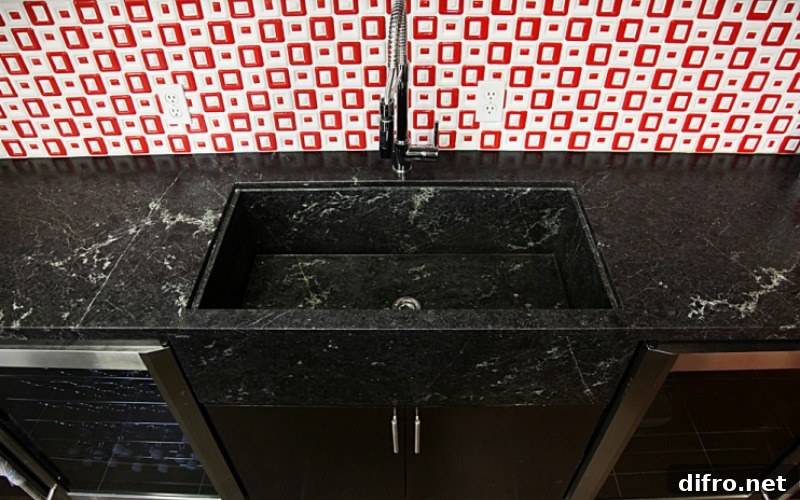
Choosing a stone sink means balancing aesthetics, durability and maintenance. Natural stones like marble, soapstone and granite each bring unique character and require specific care—sealing and gentle cleaners in some cases, minimal treatment in others—while engineered quartz offers consistent color and very low upkeep. Whichever material you select, a stone sink can be a lasting centerpiece that enhances both the look and the function of your kitchen or utility room.