
Cottagecore is a design movement that celebrates simplicity, connection to nature, and a timeless, cozy atmosphere. As lives grow busier, more people are turning their homes into cottagecore retreats—spaces that feel warm, inviting, and intentionally slow. This guide explores how to bring the cottagecore aesthetic into your house and garden through materials, lighting, textiles, decor, and simple DIYs.
Exploring the Timeless Appeal of Cottagecore Style
At its heart, cottagecore is an embrace of a quieter lifestyle and an appreciation for natural beauty and handcrafted details. It evokes the charm of rural cottages—homes built for comfort and connection rather than status. This enduring appeal comes from layers of texture, natural materials, soft color palettes, and objects that tell a story. Whether you live in a city apartment or a country home, cottagecore can be adapted to any space to create a feeling of refuge and ease.
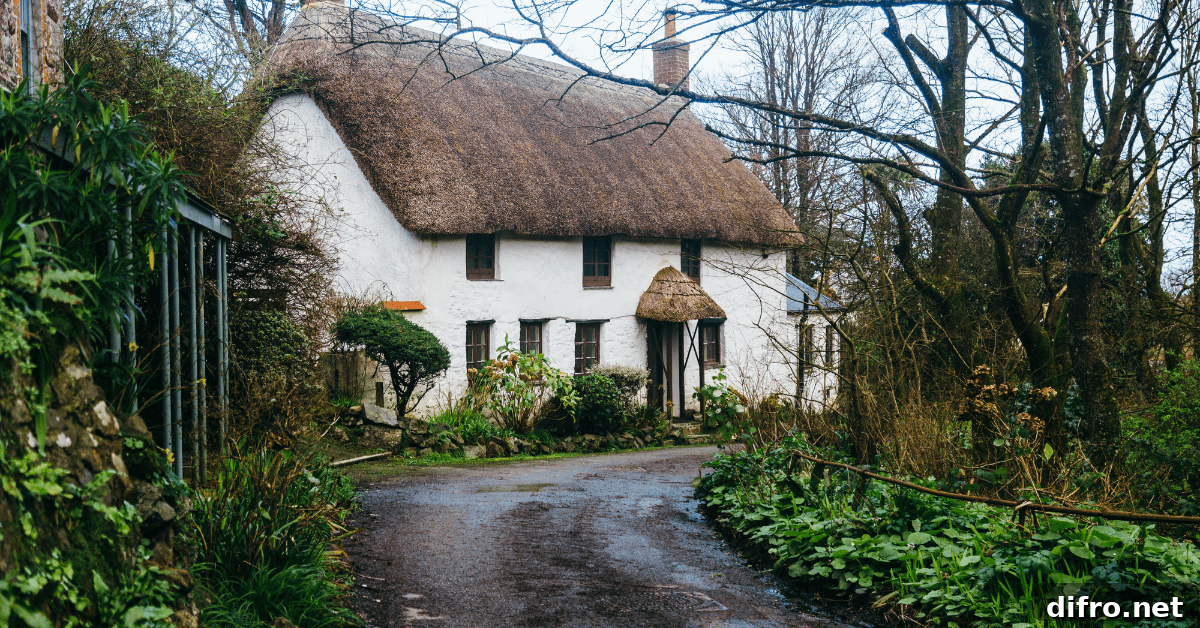
Embracing the Cottagecore House Aesthetic
To create an authentic cottagecore feel, prioritize natural materials and vintage character. Exposed wooden beams, stone accents, and reclaimed timber add warmth and texture. Introduce furniture with patina—antique dressers, painted wooden tables, and well-loved chairs—and accent them with handmade quilts, embroidered cushions, and aged picture frames. These elements work together to form a lived-in, comfortable environment that feels rooted in history and nature.
Creating a Cozy and Welcoming Atmosphere
The atmosphere in a cottagecore home should invite rest and presence. Achieve this with thoughtful textiles, layered lighting, and plentiful plants. Together they create a nurturing environment that encourages slowing down and savoring small pleasures.
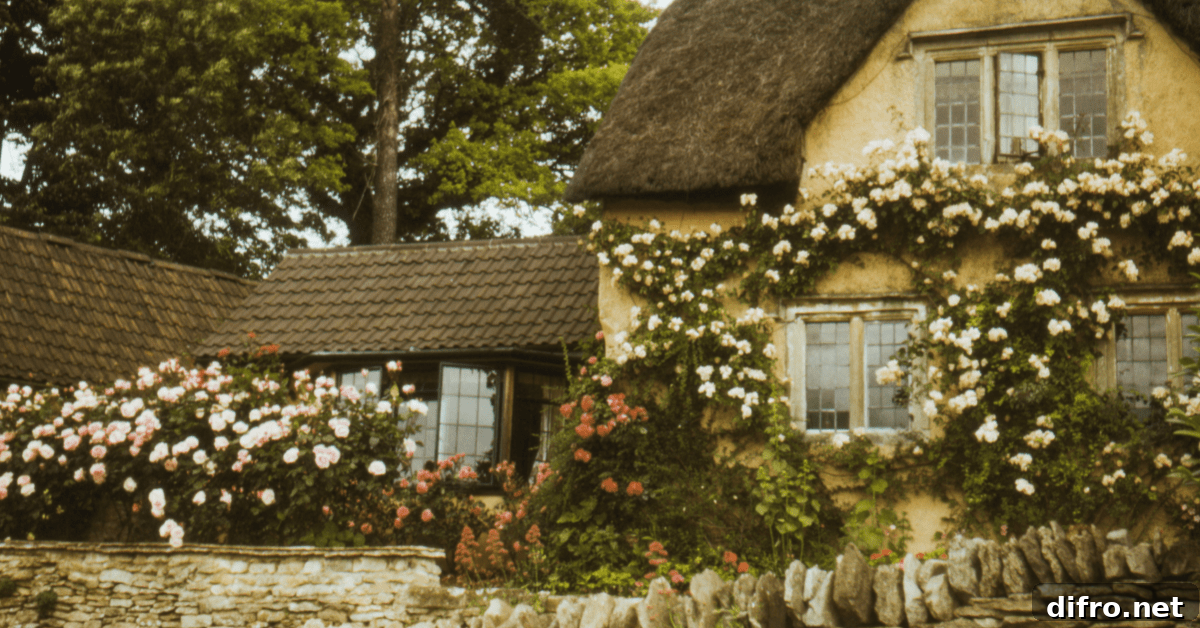
Layering Textiles for Comfort and Warmth
Layered textiles are essential to the cottagecore look. Use soft rugs underfoot, throw blankets draped over chairs, and embroidered pillows for texture and color. Natural fabrics like linen, cotton, and wool help the space feel breathable and authentic. Layering invites touch and makes rooms feel welcoming—perfect for curling up with a book or entertaining friends in a relaxed way.
Utilizing Soft Lighting for an Intimate Ambiance
Lighting sets the mood. Choose warm bulbs, table lamps with soft shades, and string lights to create a gentle glow. Candles add atmosphere for evenings, while shaded lamps and dimmers let you adjust light levels throughout the day. Soft lighting blurs hard edges and makes rooms feel cozy and intimate.
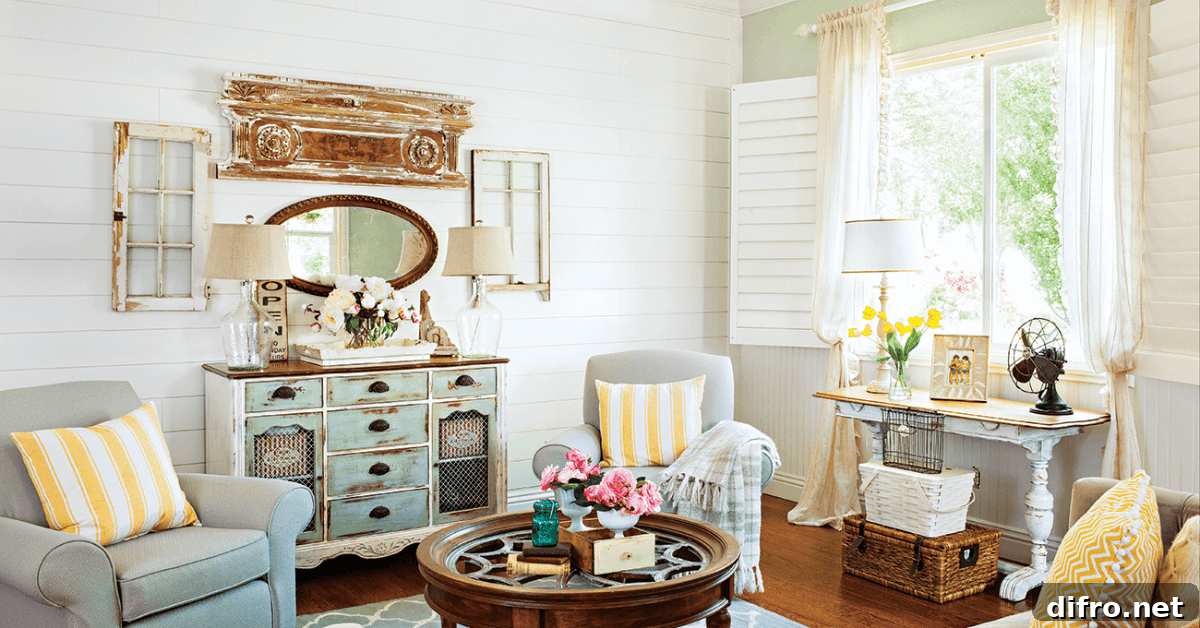
Bringing the Outdoors Inside: Plants and Flowers
Plants are central to cottagecore living. Kitchen windowsills filled with herbs, hand-tied bouquets of wildflowers, and potted greens scattered through the home bring life and seasonal variation indoors. Fresh and dried botanicals add scent, color, and texture, connecting your interior to the natural world beyond the door.
Incorporating Cottagecore into Different Rooms
Each room is an opportunity to apply cottagecore principles:
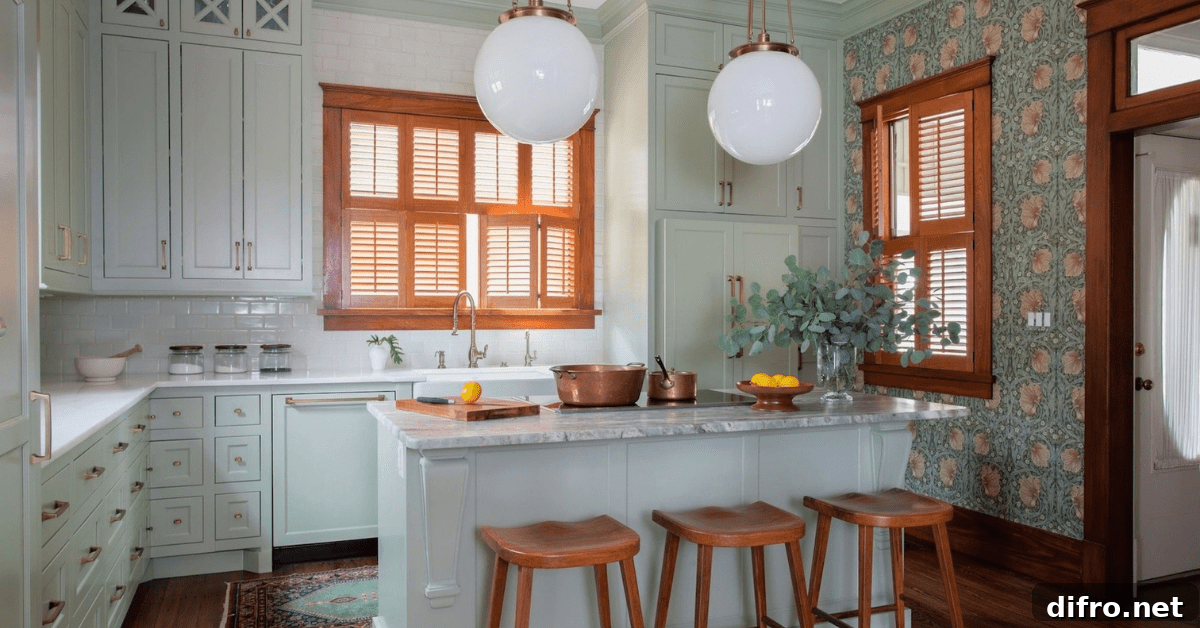
- Kitchen: Consider a farmhouse sink, open shelving with vintage dishes, and hanging herbs to create a functional, rustic kitchen.
- Bedroom: Create a dreamy nook with floral prints, a canopy or soft curtains, and layered bedding for a restful retreat.
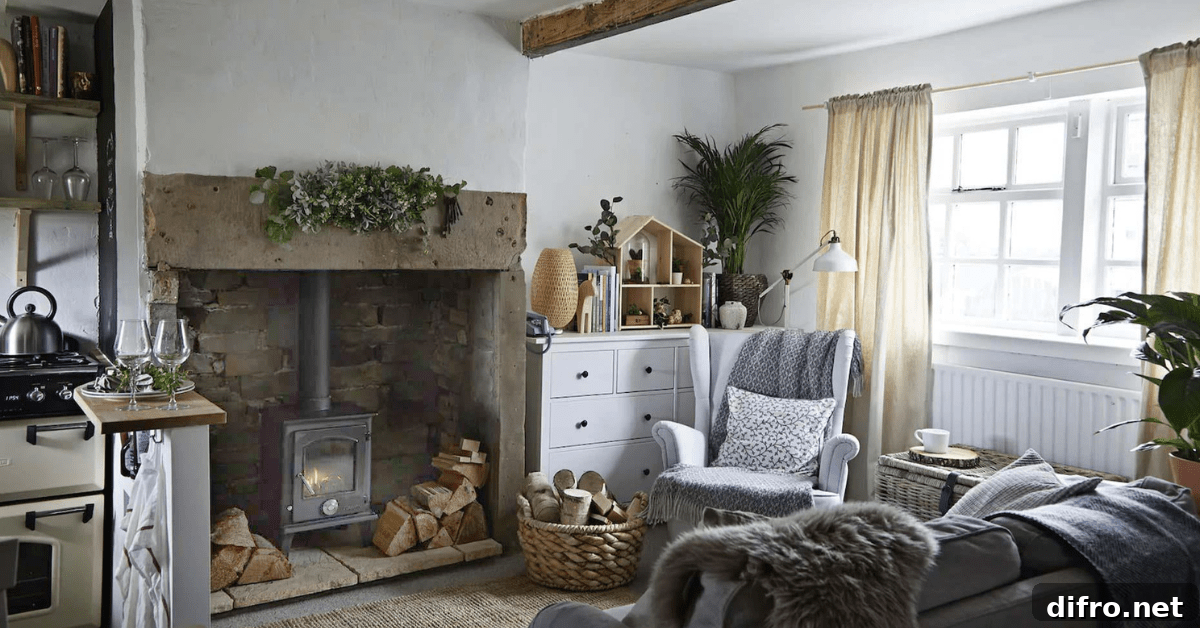
- Living room: Overstuffed sofas, a wood-burning stove or fireplace, and shelves of old books and keepsakes form a cozy centerpiece for daily life.
Outdoor Spaces and Gardens: Where Cottagecore Flourishes
Garden design is a natural extension of cottagecore. The ideal cottagecore garden favors informality and biodiversity—overgrown flower beds, fragrant herbs, and a mix of perennials and annuals create a relaxed, romantic landscape. Outdoor seating and rustic structures invite lingering and connection with nature.

Cultivating Overgrown Flowers and Wild Blooms
Rather than rigidly manicured beds, allow wildflowers and cottage favorites—roses, lavender, irises, and daisies—to grow in a slightly untamed way. This creates a natural, seasonal garden that attracts pollinators and fills the air with scent.
Wandering Whimsical Pathways
Curving stone or gravel paths encourage exploration and discovery. These walkways lead to small garden rooms, benches, arbors, or hidden corners—each a chance to create a calm, private moment outdoors.
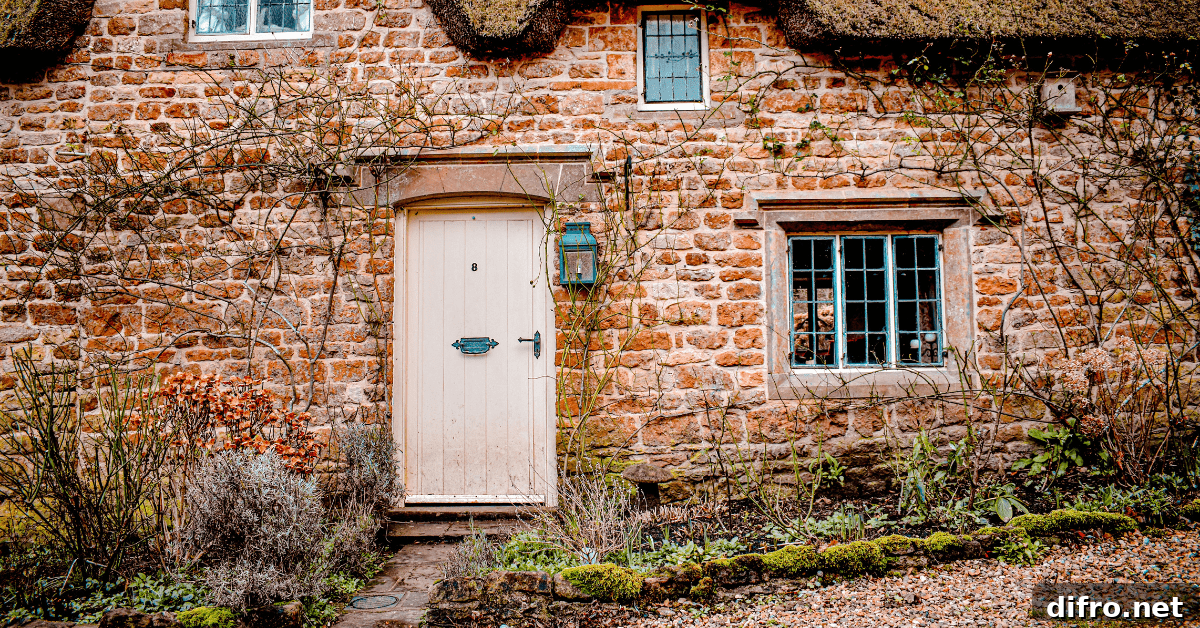
Creating Charming Seating Areas
Scattered seating—a wrought-iron bistro set, a wooden bench beneath a vine-covered arbor, or a weathered swing—invites lingering conversations and quiet reflection. These spots become outdoor living rooms rooted in the garden’s atmosphere.
Incorporating Rustic Elements
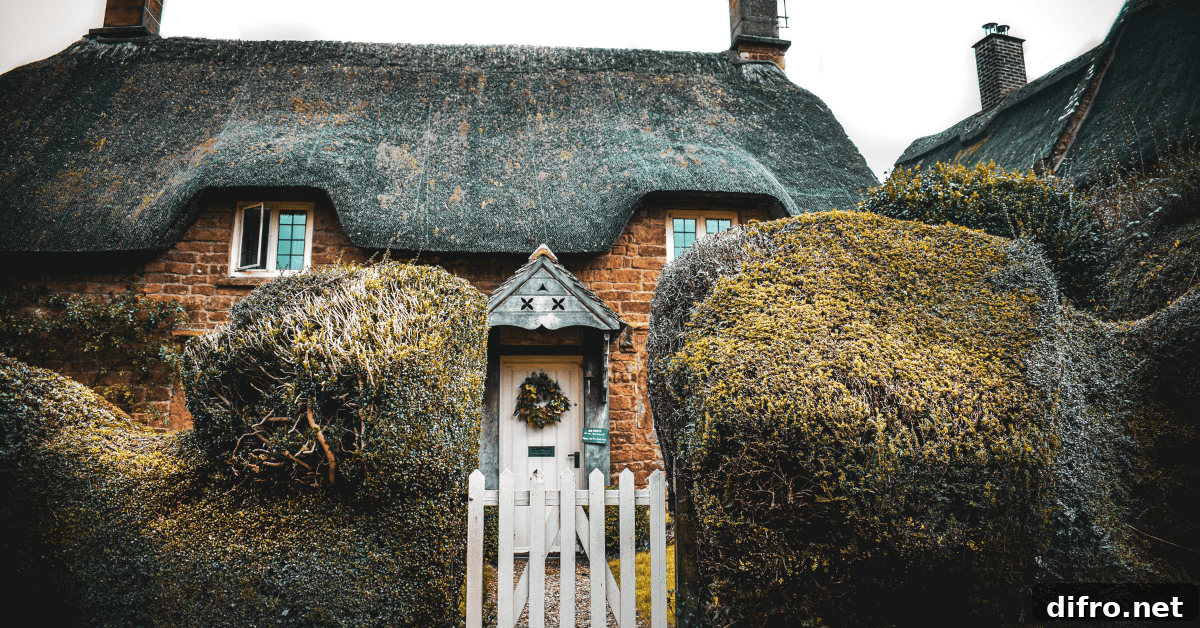
Wooden fences, trellises, and simple picket gates add structure and nostalgia. Let climbing plants weave through trellises to create green archways and cozy enclosures that feel both protected and open to the landscape.
Vintage-Inspired Outdoor Furniture
Choose pieces with timeless lines and a weathered finish—wrought-iron tables, wooden benches, and bistro chairs all suit a cottagecore garden. Pair them with soft cushions and vintage china for an inviting outdoor tea spot.
Tips for Organizing a Cottagecore Home
Organization enhances the calm, restorative quality of a cottagecore home. Use vintage storage like wicker baskets, wooden crates, and open shelving to keep spaces tidy while maintaining aesthetic coherence. Designate areas for hobbies—sewing, knitting, gardening supplies, or painting—so creativity has a welcoming place that doesn’t create clutter.
Finding Inspiration and Resources
Inspiration for cottagecore can be found in thrifted furniture, flea market discoveries, gardening books, and community workshops. Social platforms and blogs dedicated to slow living and DIY crafts also offer project ideas and step-by-step tutorials to adapt the style to your home and budget.
DIY Projects for a Cottagecore Vibe
DIY is central to cottagecore philosophy. Handmade pieces and upcycled furniture add character and reduce waste, while also making your home uniquely personal. Here are a few approachable projects to begin with:

Floral Arrangements and Wreaths
Gather seasonal blooms and dried stems to create simple bouquets or wreaths. These natural accents bring the garden inside and evolve with the seasons, adding sensory depth through scent and texture.
Upcycling Furniture
Restore or refinish secondhand furniture with soft paints, light distressing, or new upholstery. Upcycled pieces gain personality and fit seamlessly into a cottagecore interior.
Building a Cozy Reading Nook
Use repurposed crates for shelving, pallets for a low bench, and layered cushions to craft a quiet corner for reading and reflection. Personal touches—favored books, a soft throw, and a small lamp—make the space inviting.
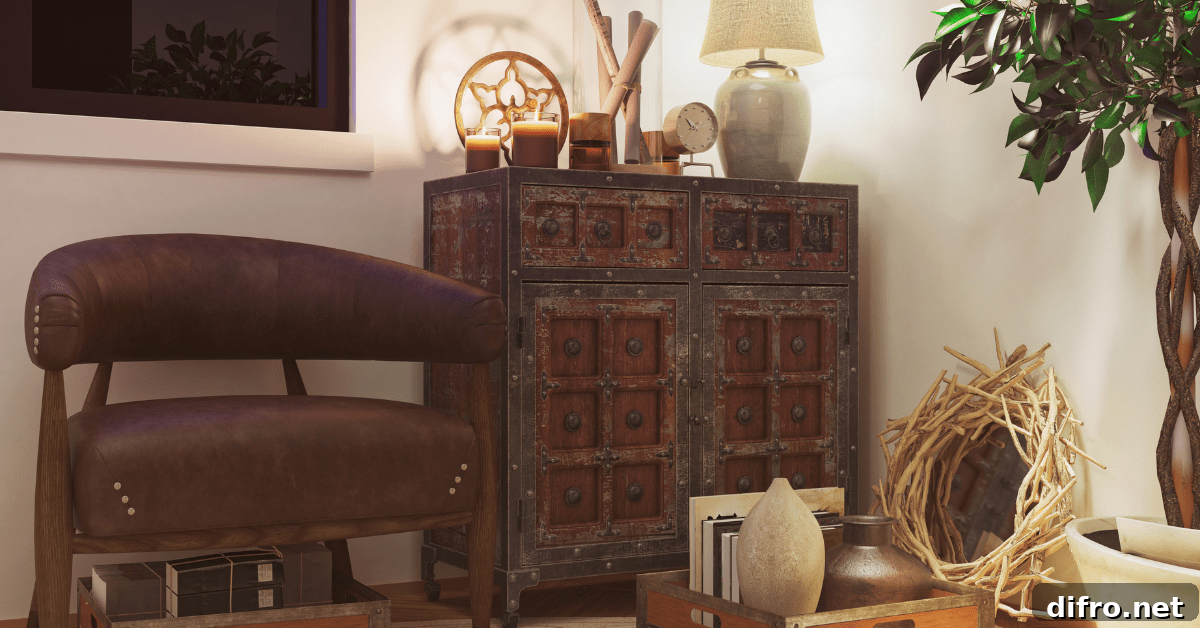
Creating a cottagecore house is about curating a lifestyle that values comfort, nature, and handmade charm. By combining natural materials, soft lighting, layered textiles, and simple DIY projects, you can craft a home that feels nurturing and timeless. Start small—introduce one or two pieces, add plants, or upcycle a favorite find—and let your cottagecore home grow organically over time.