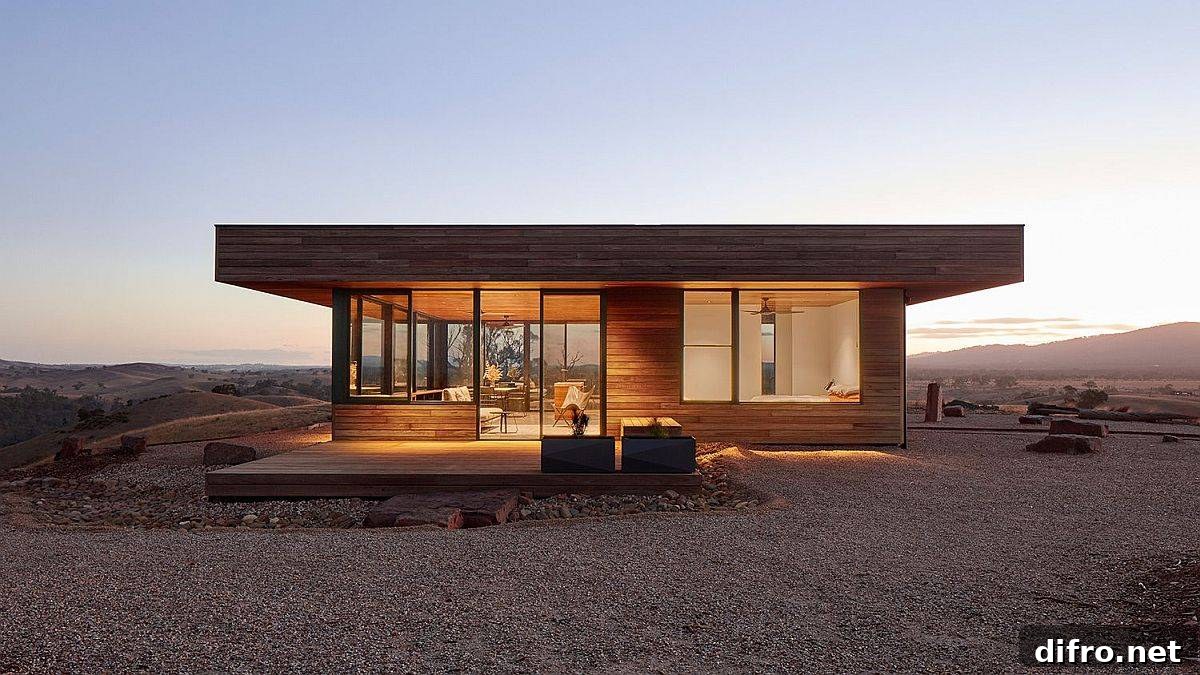
Elemental House — An Eco-Friendly Off-Grid Retreat in High Camp
Escaping the daily grind often means more than finding a remote holiday home; for many, it is about going truly off-grid and reconnecting with nature. The Elemental House by Ben Callery Architects in High Camp embodies this ideal: a compact, sustainably minded cabin that withstands the elements while offering a simple, thoughtful living experience. Carefully planned systems and material choices make the house self-reliant and resilient, while generous openings and a compact footprint maximize the dramatic landscape views.
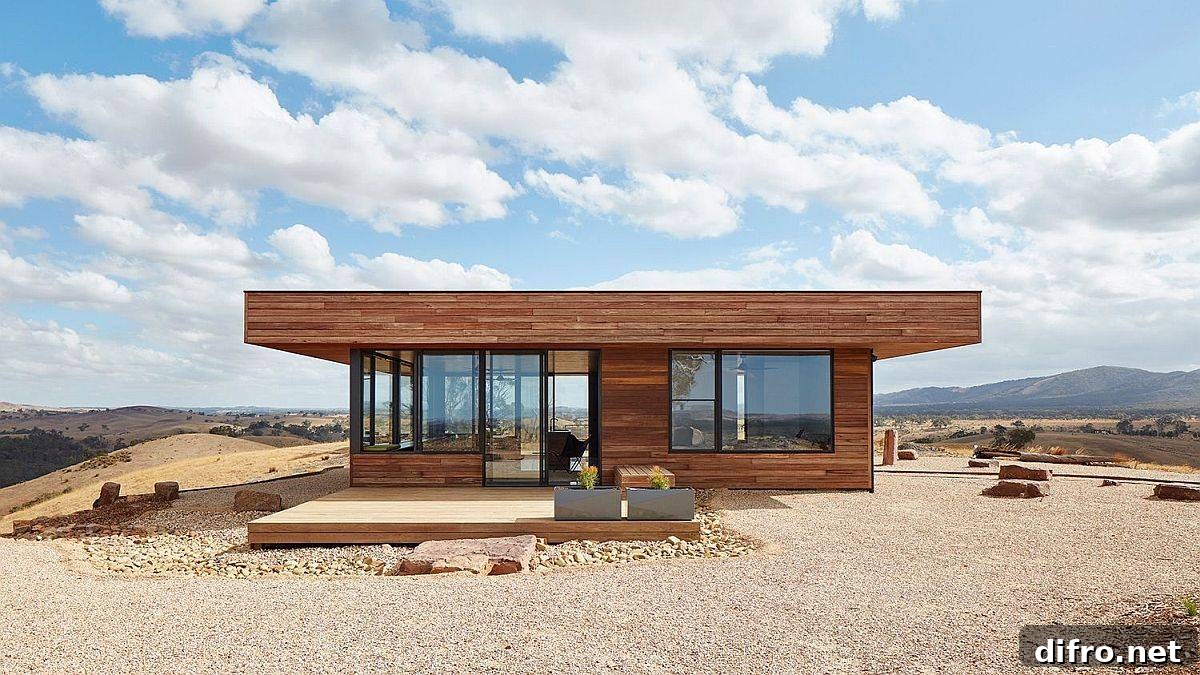
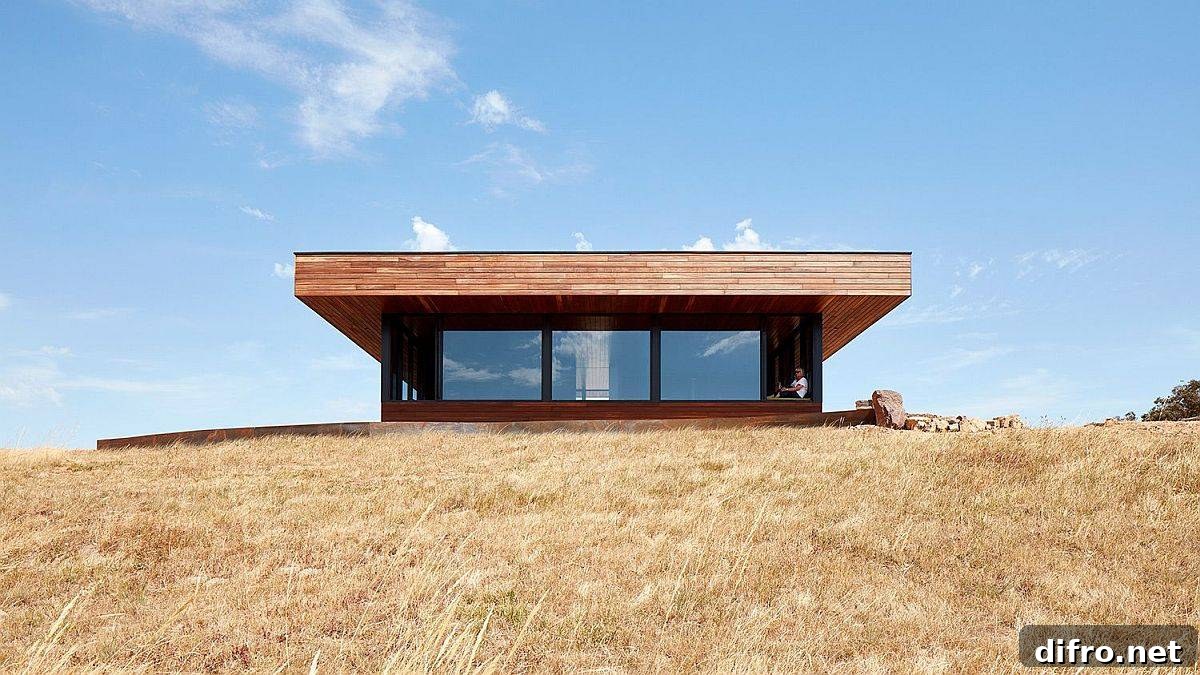
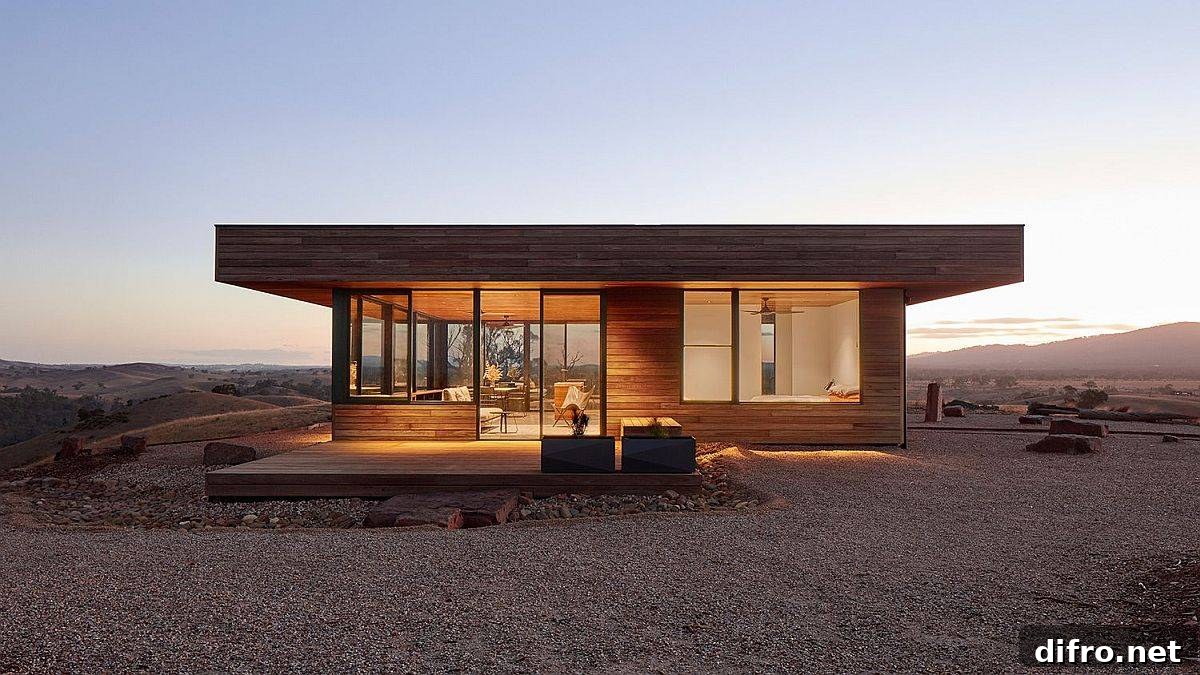
Positioned on the exposed edge of a ridge, the cabin faces strong sun and rugged weather. Rather than fight the location, the design embraces it. The exterior cladding uses fire-resistant spotted gum timber—a practical choice that reduces bushfire risk while giving the house a warm, tactile appearance. Deep, continuous eaves surround the home, shading openings and keeping direct sunlight out during the hottest parts of the day. The result is an interior that feels both protected and contemporary: compact but comfortable, with daylight and panoramas replacing excess square footage.
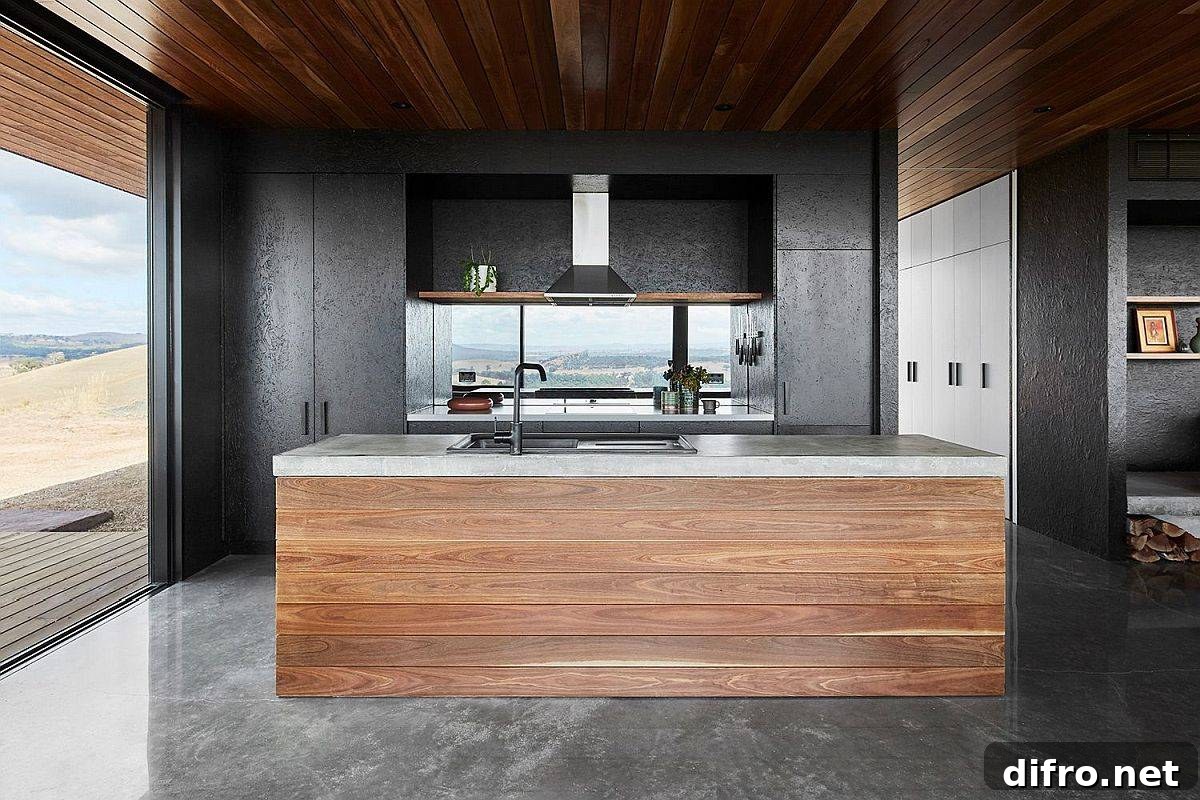
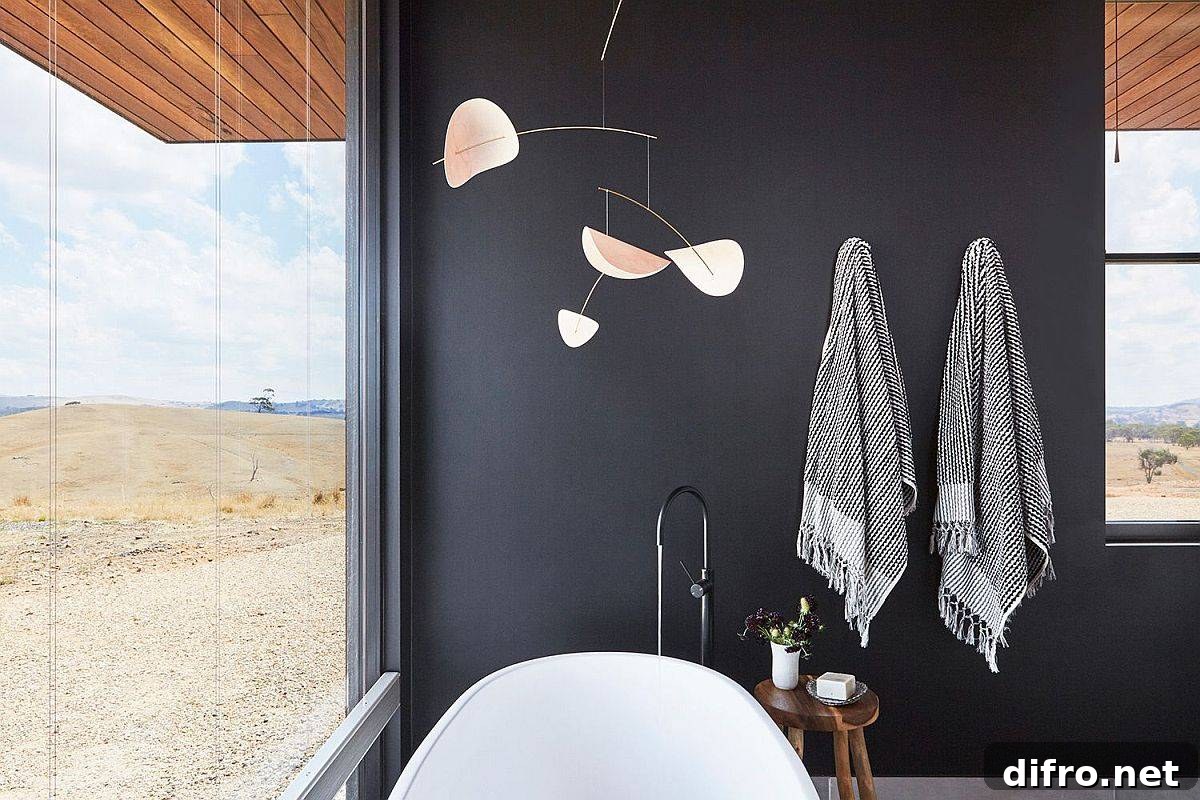
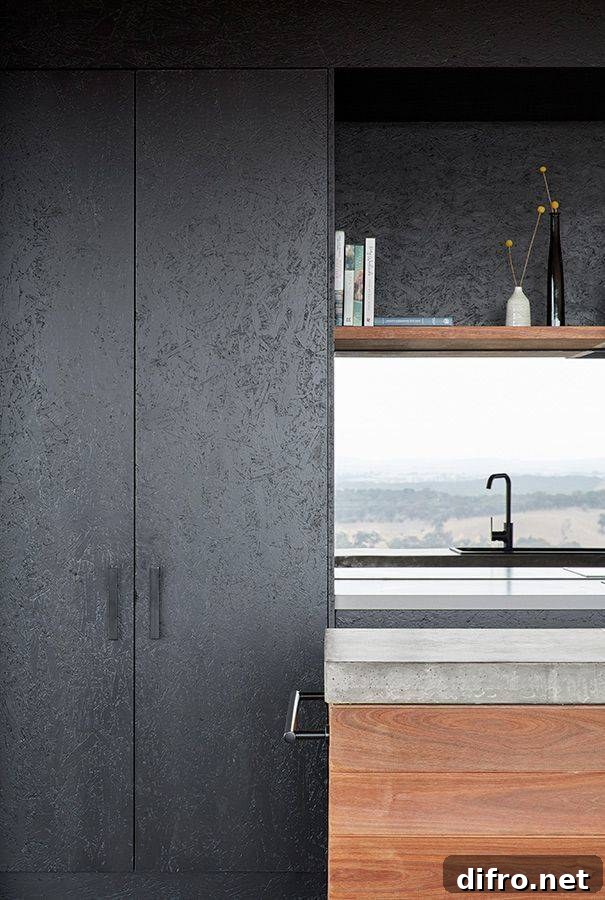
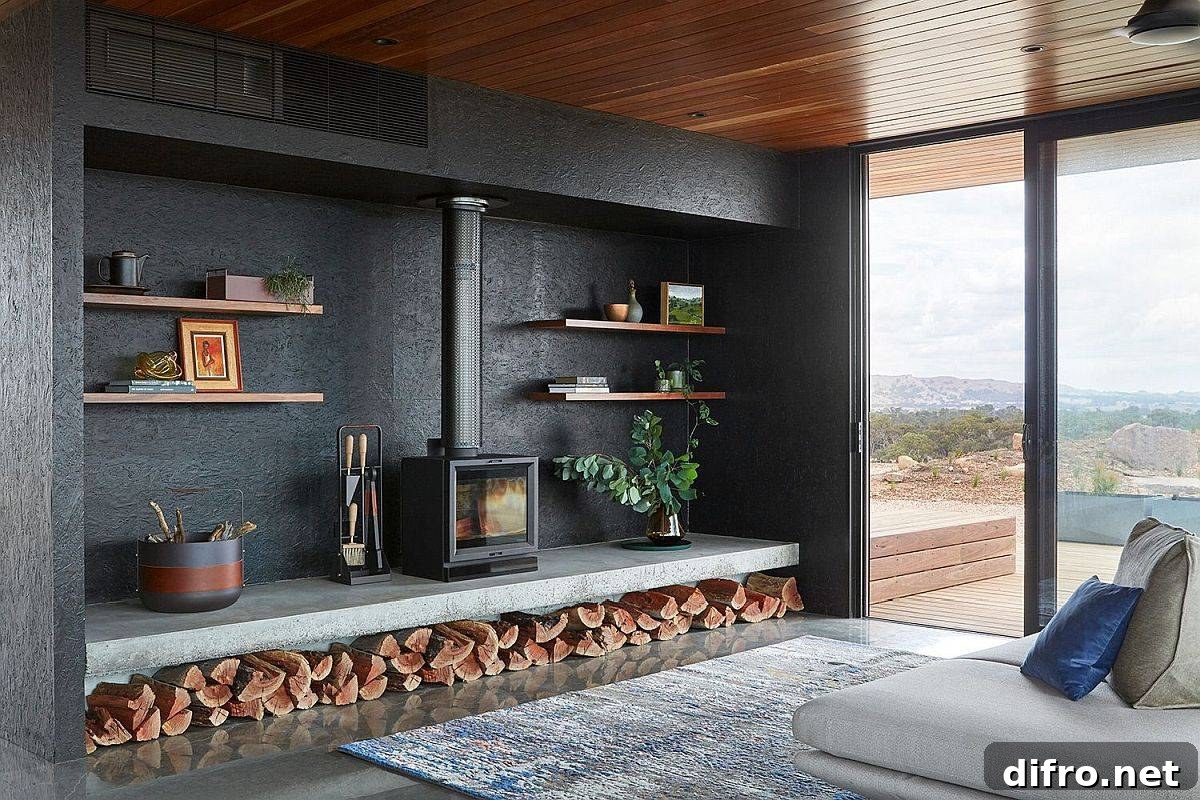
The interior is organized as a single living space with a kitchen, a bedroom, and a bathroom. Rather than relying on luxury or excess, the design focuses on quality of space and connection to the outdoors. Large windows frame distant views and bring in natural light, while a restrained palette of materials—painted oriented strand board panels, concrete floors, and dark trim—creates a sophisticated backdrop that complements the timber exterior.
Functionality and sustainability are integral to the project. The house is designed to operate off-grid: photovoltaic panels generate electricity and store energy for use between sunny periods; a rainwater harvesting system captures runoff for domestic use; and water recycling strategies reduce fresh water demand and minimize waste. Together these systems let the house remain largely independent of external services while minimizing its environmental footprint.
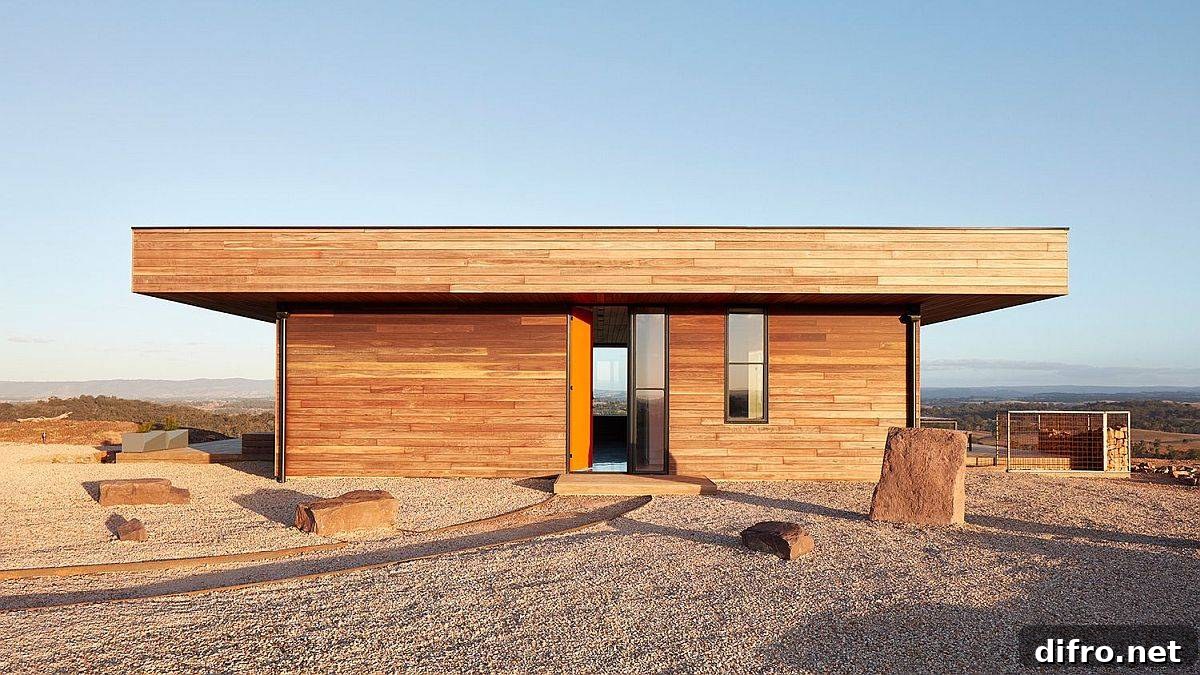
The material choices inside are deliberately restrained to enhance longevity and ease of maintenance. Oriented strand boards painted black contrast with light concrete surfaces, offering a durable and visually rich interior that ages well in an exposed environment. Dark joinery and fittings create a strong visual rhythm against the warm timber tones seen through the windows.
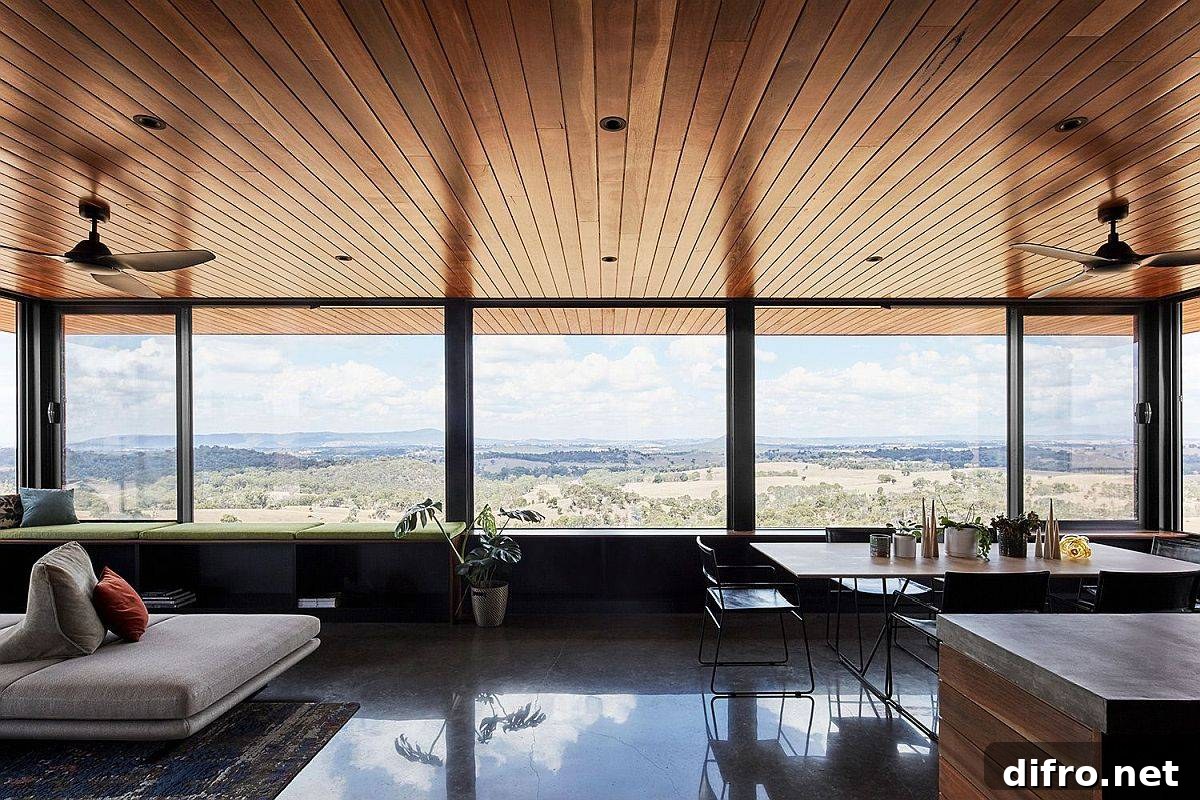
“We went to Ben with a hand-drawn sketch of a design for a modest weekend retreat to be built high on a hill in country Victoria. After listening to our dreams for the house and visiting the site, Ben came back with a suggestion for a completely different design – one which suited the site and the rugged conditions far better. The result is a beautifully crafted robust 10-square house which takes full advantage of its heroic views…”
The quote above highlights the collaborative process behind the project and the value of designing in response to a specific site. Instead of imposing a preconceived plan, the architect proposed a simple, robust solution tuned to the ridge-top conditions. The compact plan reduces exposure, while glazing and the internal layout focus attention outward, making the landscape the dominant feature of the experience.
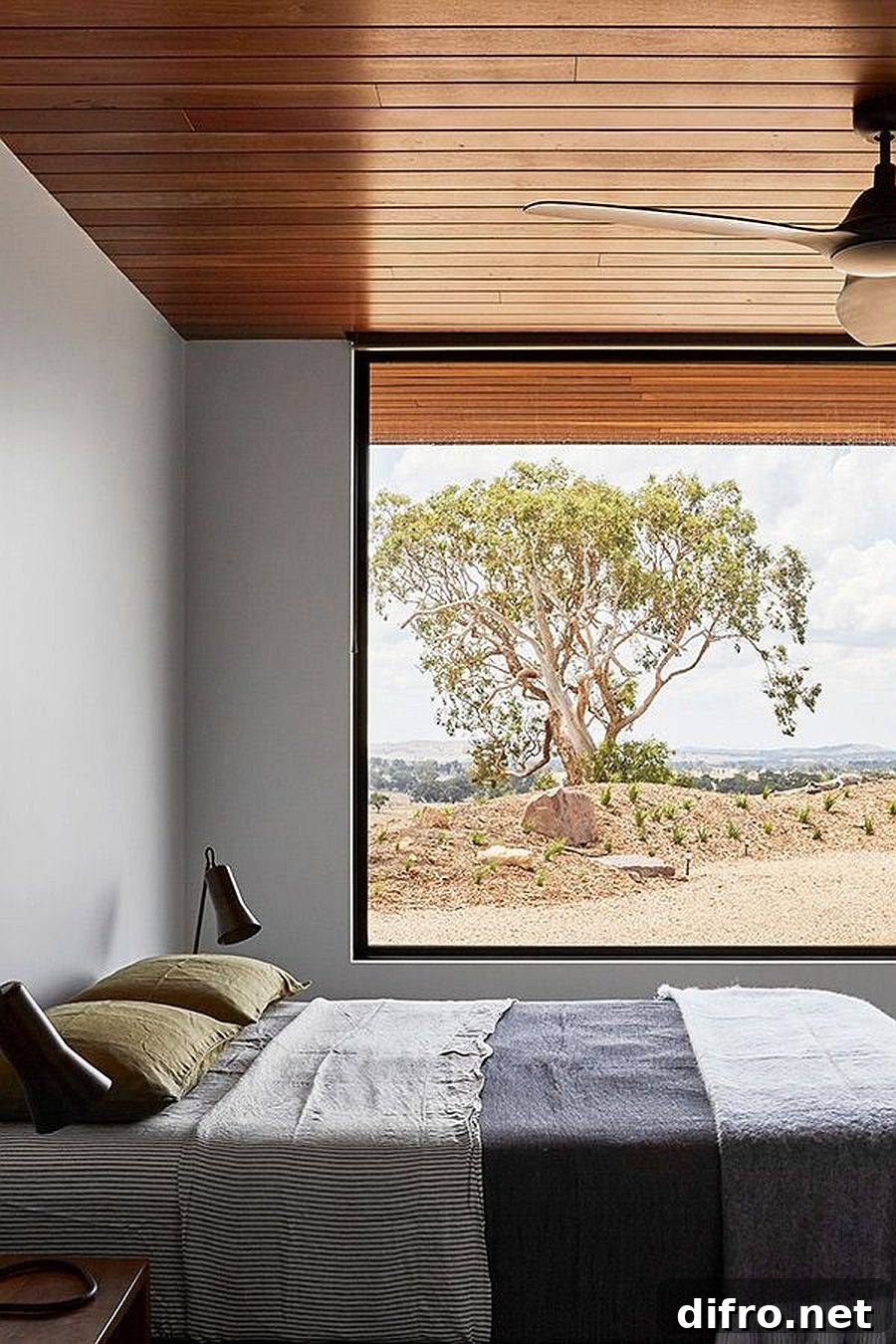
In summary, Elemental House demonstrates how modest scale, careful material selection, and integrated sustainable systems can produce a resilient, low-impact retreat. It prioritizes the essentials—shelter, connection to landscape, and resource independence—while delivering a refined, durable interior that complements its wild setting. For anyone seeking an off-grid escape that is both practical and poetic, this cabin offers a clear, well-crafted example.