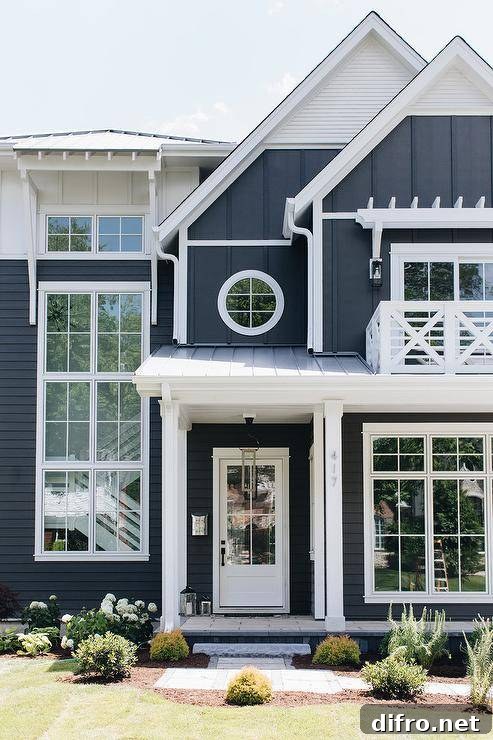
Choosing the right siding color for your home is an important decision that affects curb appeal, resale value, and how your house feels in its neighborhood and landscape. With so many options available, it helps to follow a structured approach: assess your home’s style and surroundings, review materials and maintenance needs, test colors in different light, and consult professionals when necessary. Below are practical tips to guide you through selecting a siding color that will look great and last.
Begin by considering your home’s architectural style and the character of the neighborhood. Look at neighboring homes, browse images of similar styles, and note recurring color palettes. Pay attention to permanent exterior elements—brick, stone, shutters, and porch details—so your siding color complements these features rather than clashes with them.
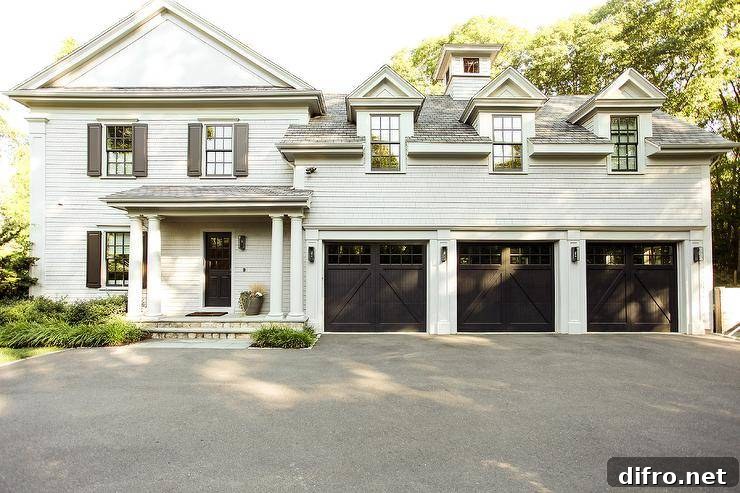
Match siding colors to your roof and other permanent finishes. Roofing materials and their tones influence which siding shades will look harmonious. Newer roofs may encourage more subtle, cohesive palettes, while older or weathered roofs might benefit from colors that either blend with or carefully contrast their tones.
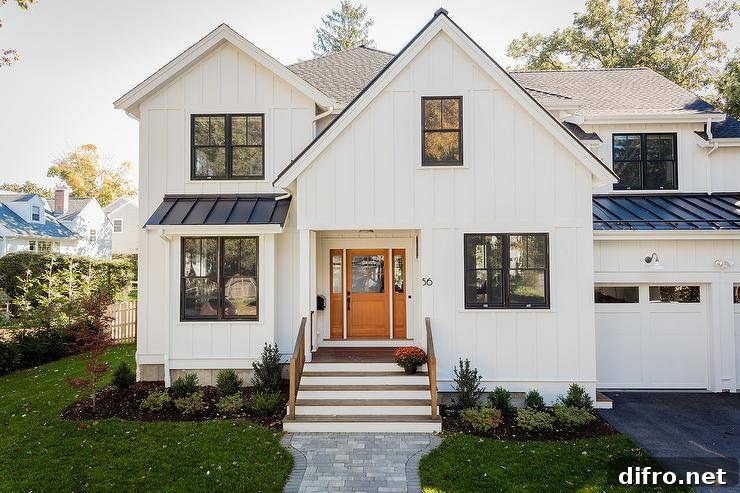
Factor in landscaping and outdoor elements. The colors of trees, shrubs, stonework, and hardscapes should influence your choice. A color that works with the natural greens and seasonal changes will make your home feel integrated into its setting. Consider whether you prefer a monochromatic look that blends with nature or a bolder contrast that highlights the house.
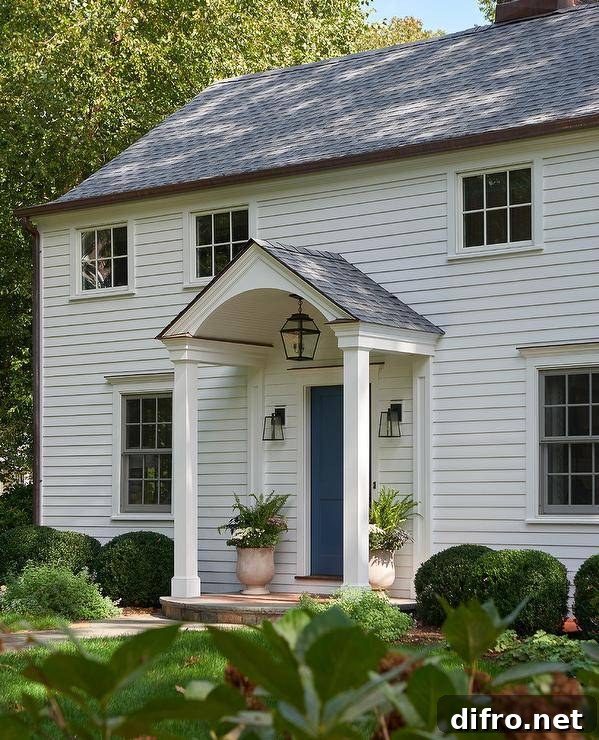
Coordinate windows, doors, and trim. These elements are opportunities to add contrast or continuity. Trim is usually lighter than the body color to highlight architectural details, but mid-tones or darker trims can work well to reduce contrast and create a softer appearance. Accent colors for front doors or shutters can add personality without overwhelming the overall palette.
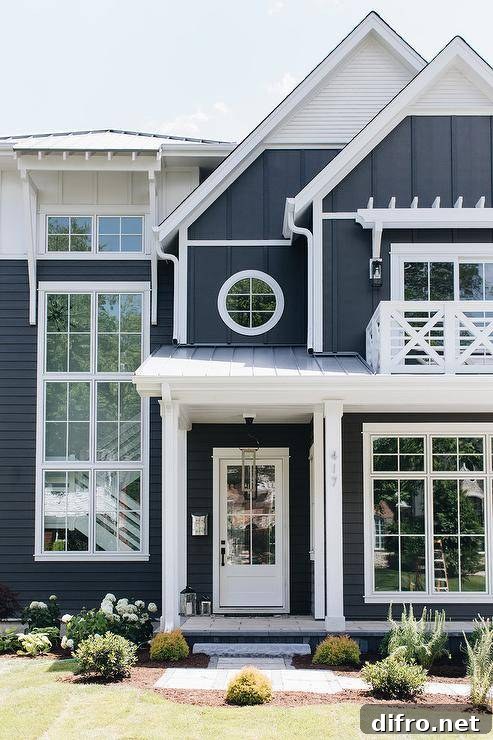
Warm and Cool Colors
Colors fall into warm and cool families: warm tones include reds, oranges, and yellows; cool tones include blues, greens, and purples. Warm colors tend to feel energetic and make architectural elements appear more prominent. Cool colors create calm, understated facades that can recede into the landscape. Consider the emotional impact you want and how the tones will interact with sunlight and shade throughout the day.
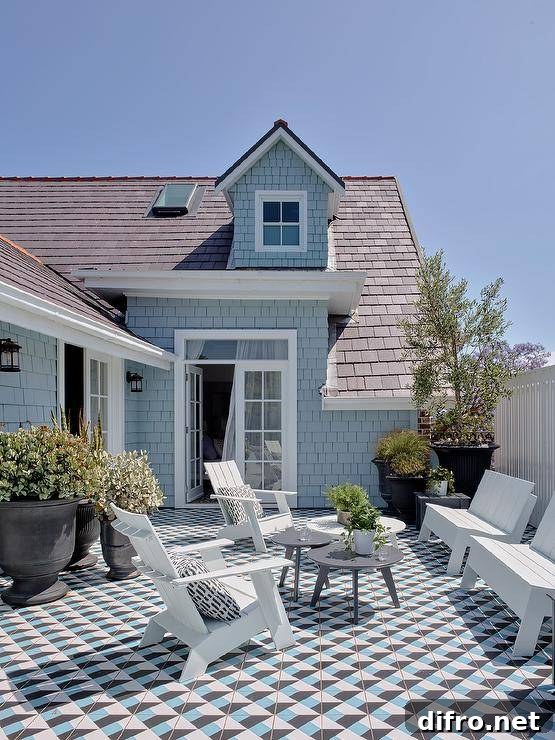
Do Some Research When Choosing Between House Siding Colors
Research is a critical step. Investigate siding materials—vinyl, wood, fiber cement, brick, stone—and how each material reflects color and weathers over time. Some materials and finishes show dirt, fading, or staining differently; maintenance needs and longevity vary. Also study local trends: popular neighborhood colors can inform choices that respect local character while allowing your home to stand out appropriately.
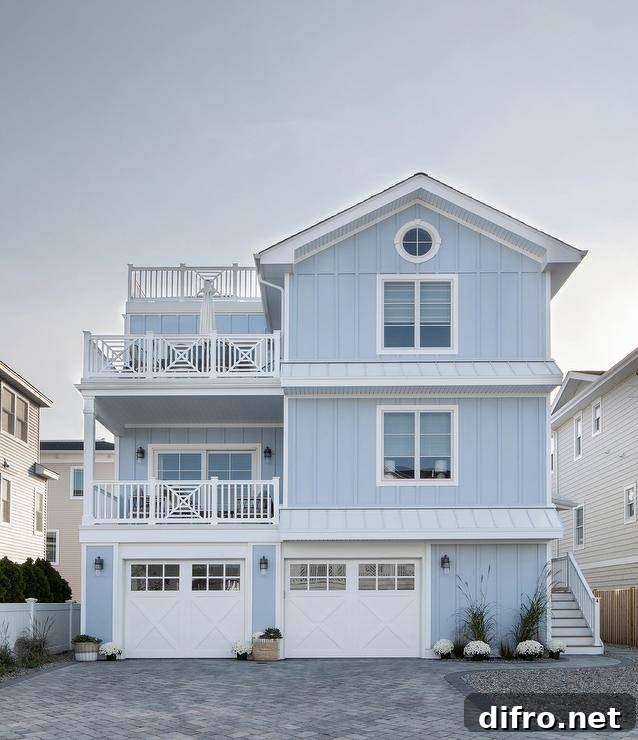
Test potential colors in real conditions: paint large swatches on different elevations and observe them throughout the day and in various weather. Lighter colors reflect heat and help keep interiors cooler in warm climates; darker tones absorb heat and may be better for colder regions. When in doubt, consult a contractor or color specialist who understands materials and local conditions.
An experienced contractor or color consultant can advise on material performance, color longevity, and application techniques that affect final appearance. They can also recommend finishes and trims to reduce maintenance and preserve curb appeal over time.
Questions to Ask Before Choosing a Siding Color
What colors work best with existing exterior elements such as roofing, brick, and stone?
Choose harmonizing tones if you want a cohesive, traditional look, or select complementary contrasts for a modern statement. Test multiple samples against the roof and masonry at different times of day to see which combination reads best.
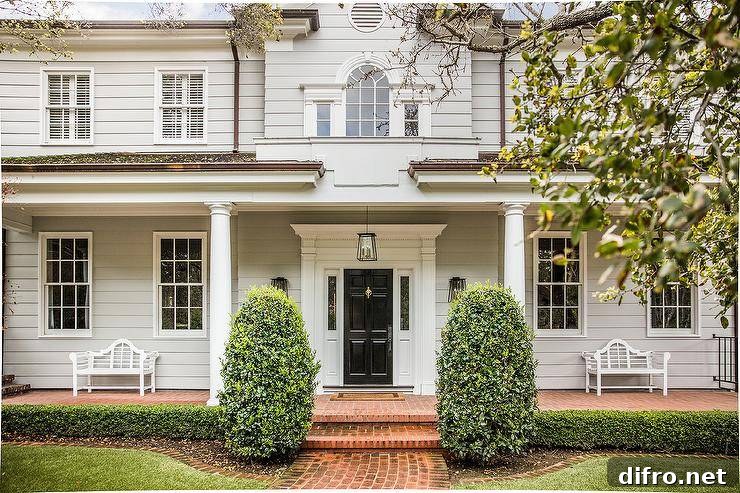
What colors are most popular in the area?
Neutral tones like beige, gray, and white are common, but tasteful pops of color—navy, green, or muted reds—are used to highlight features. Choose colors that fit neighborhood norms while allowing your home to express its personality.
Are there rules or regulations about exterior colors?
Check local zoning, historic district guidelines, or homeowners’ association rules before finalizing a color. Some communities restrict exterior palettes to preserve architectural character.
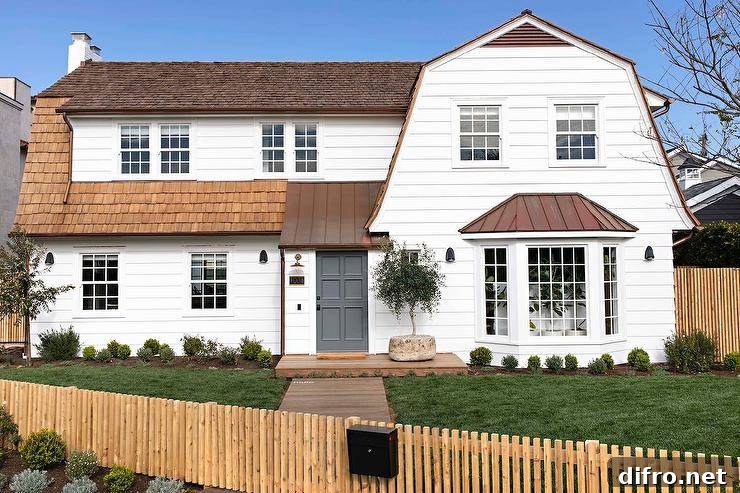
How will color look in different lighting?
Observe test swatches in morning, midday, and evening light. Color perception shifts with sunlight and shade—what looks bold at midday may appear muted in the evening.
What colors complement surrounding landscaping?
Match or thoughtfully contrast foliage tones. Natural greens pair well with soft neutrals and earthy hues; brighter home colors can punctuate garden beds and seasonal planting.
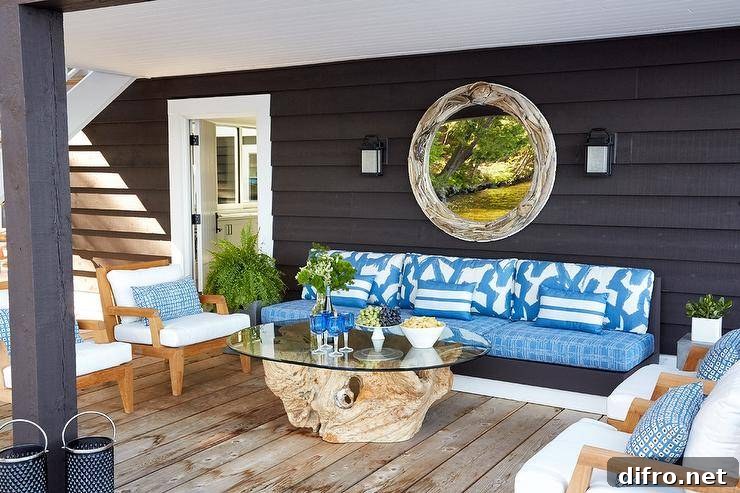
How much maintenance will the siding need?
Maintenance varies by material and color. Lighter colors may show dirt less than mid-tones; some materials require periodic sealing, painting, or pressure washing. Plan for annual inspections and cleaning as needed.
What color will boost curb appeal?
For broad appeal, neutral, well-balanced palettes often work best. If you want to make a statement, use one or two bold accents—front door, shutters, or trim—while keeping the primary body color timeless and complementary to the home’s elements.
Frequently Asked Questions (FAQs)
How many colors should I use on my home?
A typical exterior palette includes three colors: body, trim, and accent. Some modern designs use a second body or trim color for added depth. Keep additional colors close on the color wheel to maintain harmony.
Should my trim be lighter or darker than the body?
Lighter trim often highlights architectural details effectively. However, mid-tone trims can be used to reduce contrast and avoid making darker body colors appear smaller.
Will a dark body color make my home look smaller?
High-contrast combinations can make elements stand out and sometimes create a smaller appearance. To avoid this, pair deep body colors with mid-tone trims rather than stark white.
What if I don’t want to use color?
An all-white exterior is a timeless choice that reflects light and changes subtly throughout the day. Add interest with door color, landscaping, and porch furnishings.
Should my garage door match the front door or trim?
Generally not. A garage door that blends with the body color or is slightly lighter or darker will be less visually dominant and keep the home’s composition balanced.