A healthy, well-maintained lawn is not only attractive—it also delivers environmental and practical benefits that hard surfaces like concrete, asphalt, or wood chips can’t match. Grass captures carbon dioxide, filters airborne pollutants, helps moderate temperatures, and reduces erosion caused by heavy runoff.
When you decide to install a lawn, the two main natural choices are sod and seed. Both produce a green yard, but they differ in cost, installation, timeline, and maintenance needs. This guide compares sod vs seed to help you choose the best method for your property and budget.
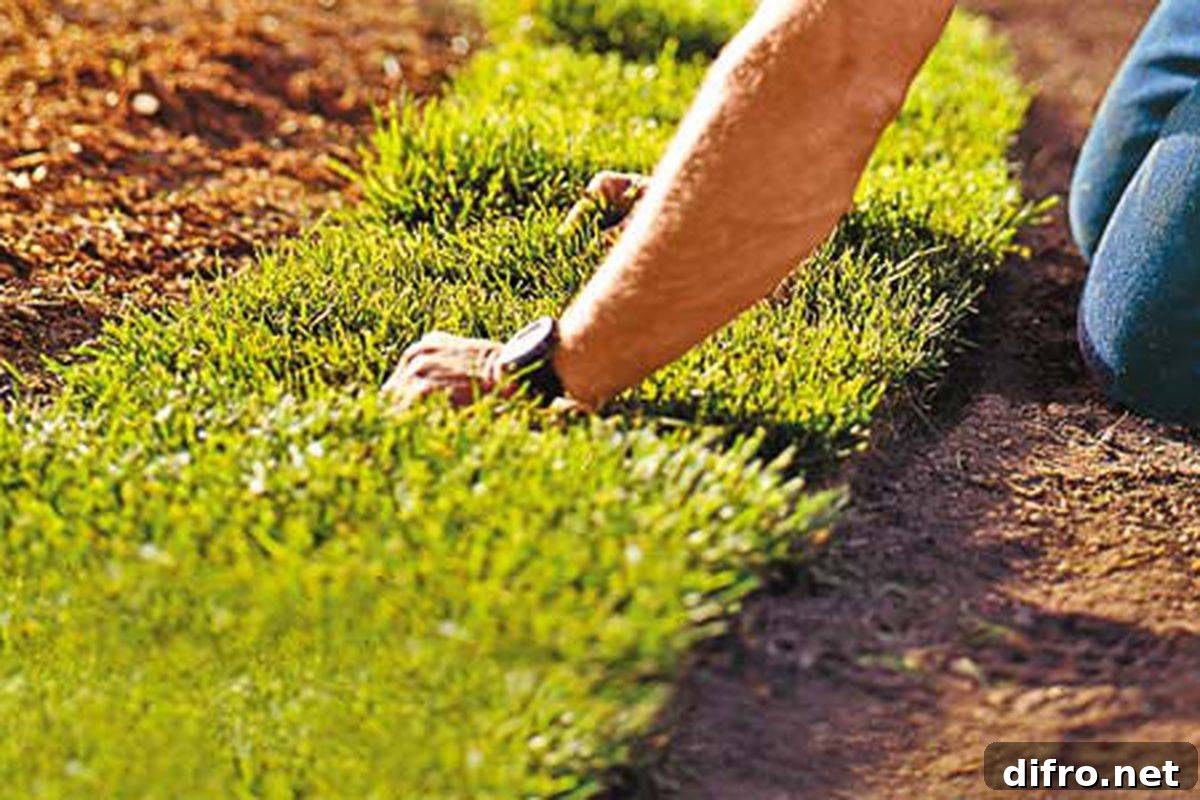
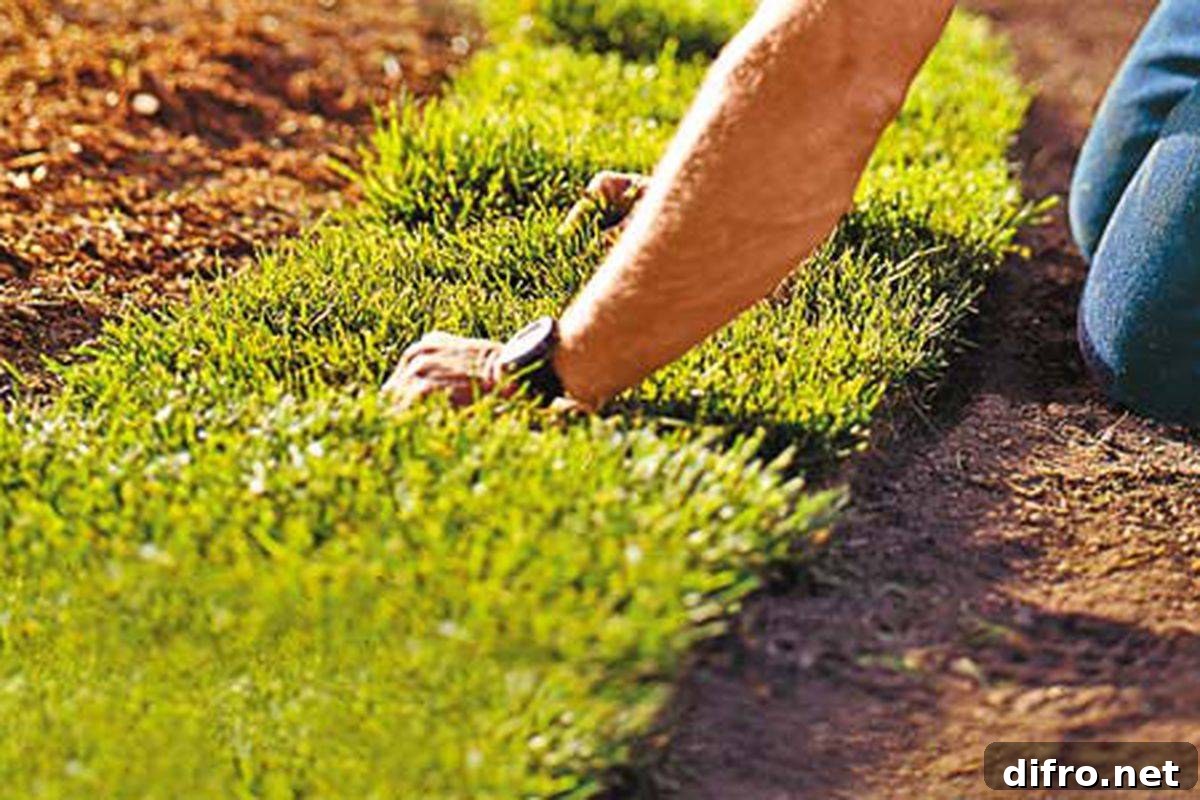
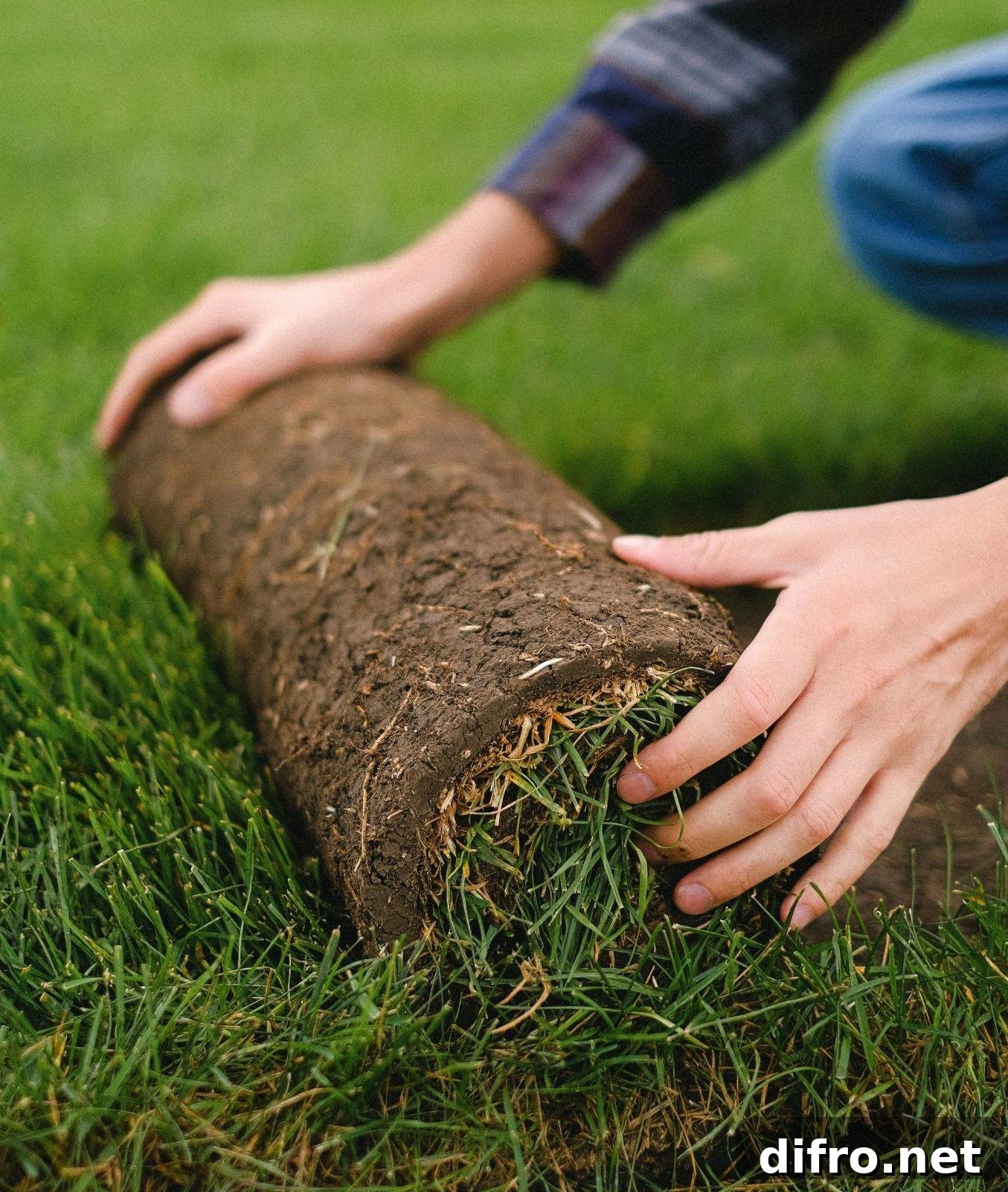
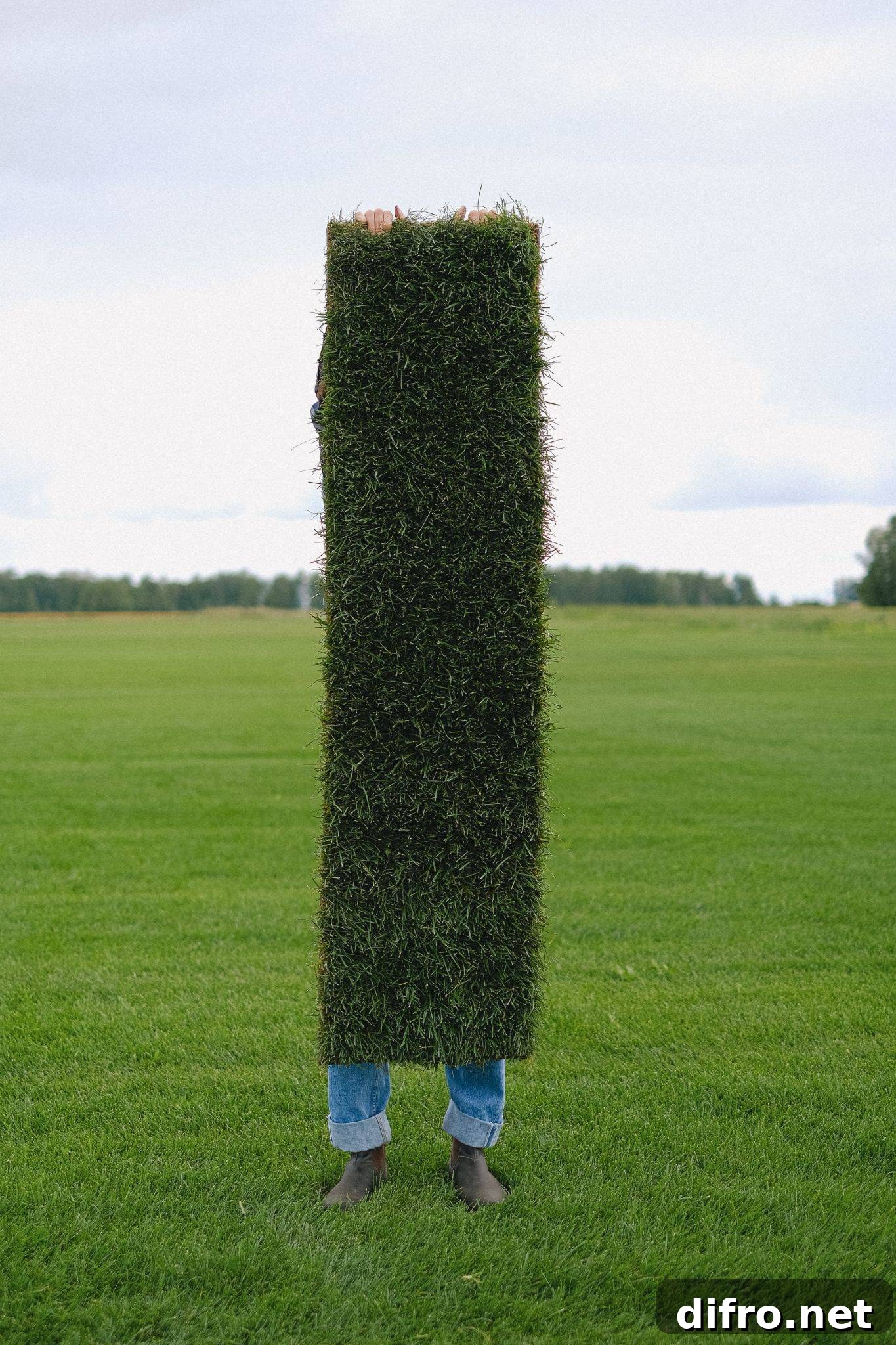
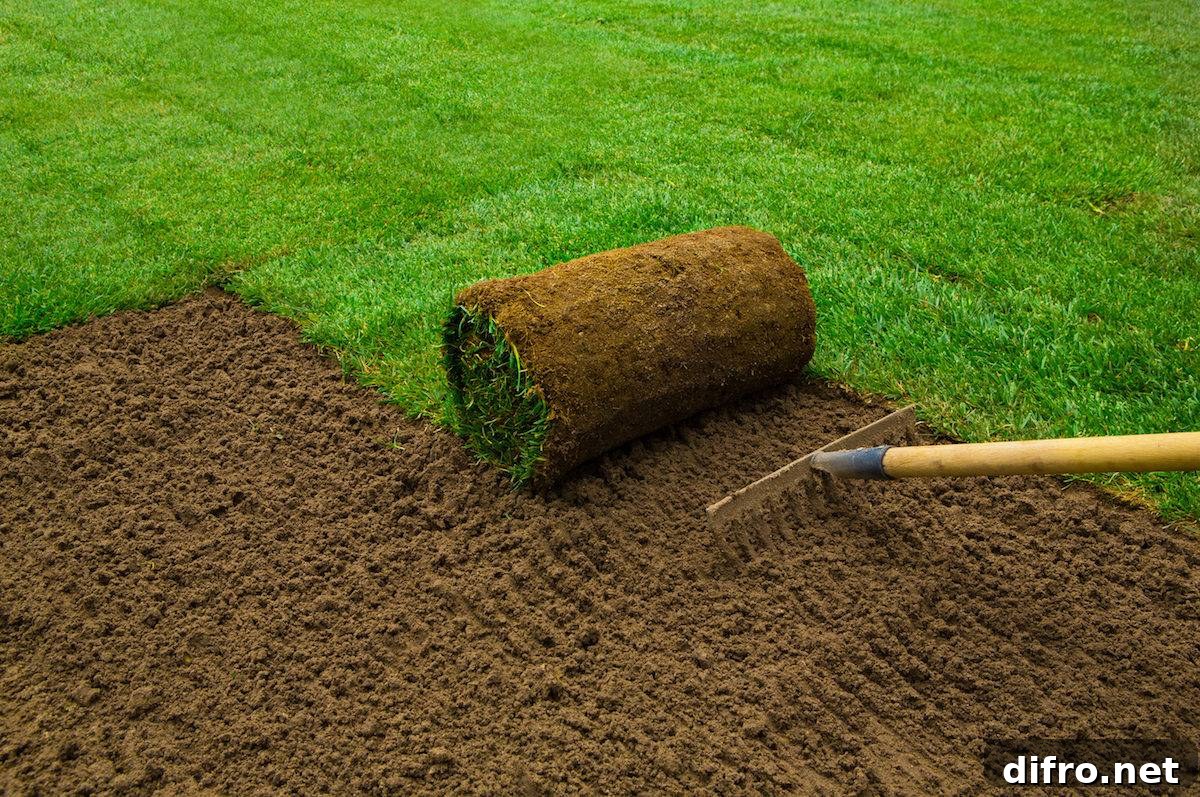
Sod consists of mature grass and a layer of soil bound together by roots, grown and harvested by professionals. It is delivered in rolls or slabs and unrolled over prepared ground—much like laying a carpet. Professional installation is recommended to ensure proper soil contact, seamless seams, and immediate curb appeal.

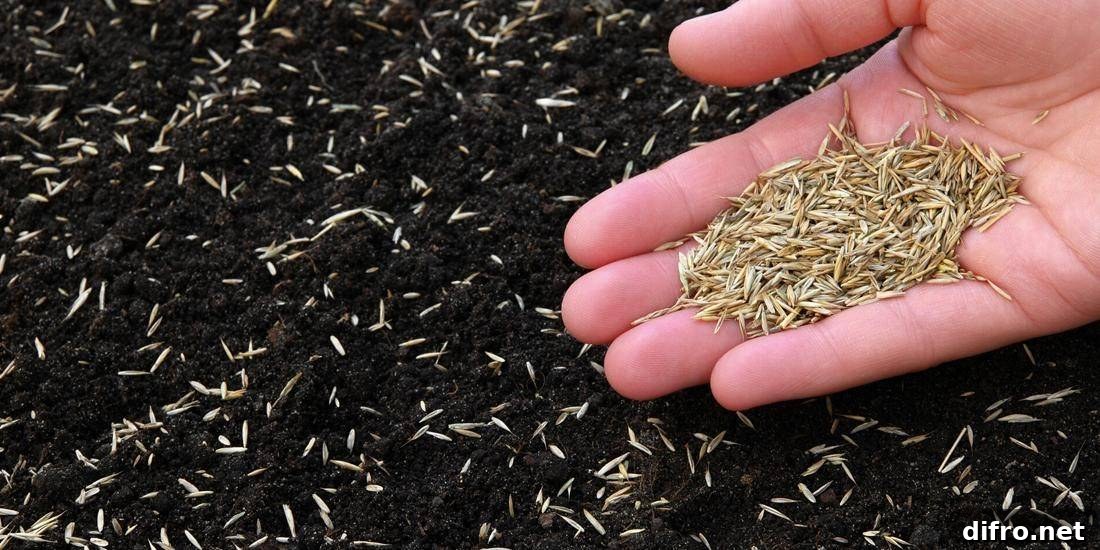
Seed means planting grass seed and nurturing it from germination through establishment. Seeding can be handled by a homeowner or contracted out to a landscaping professional. Seed offers flexibility in grass variety selection and can be a more budget-friendly option.
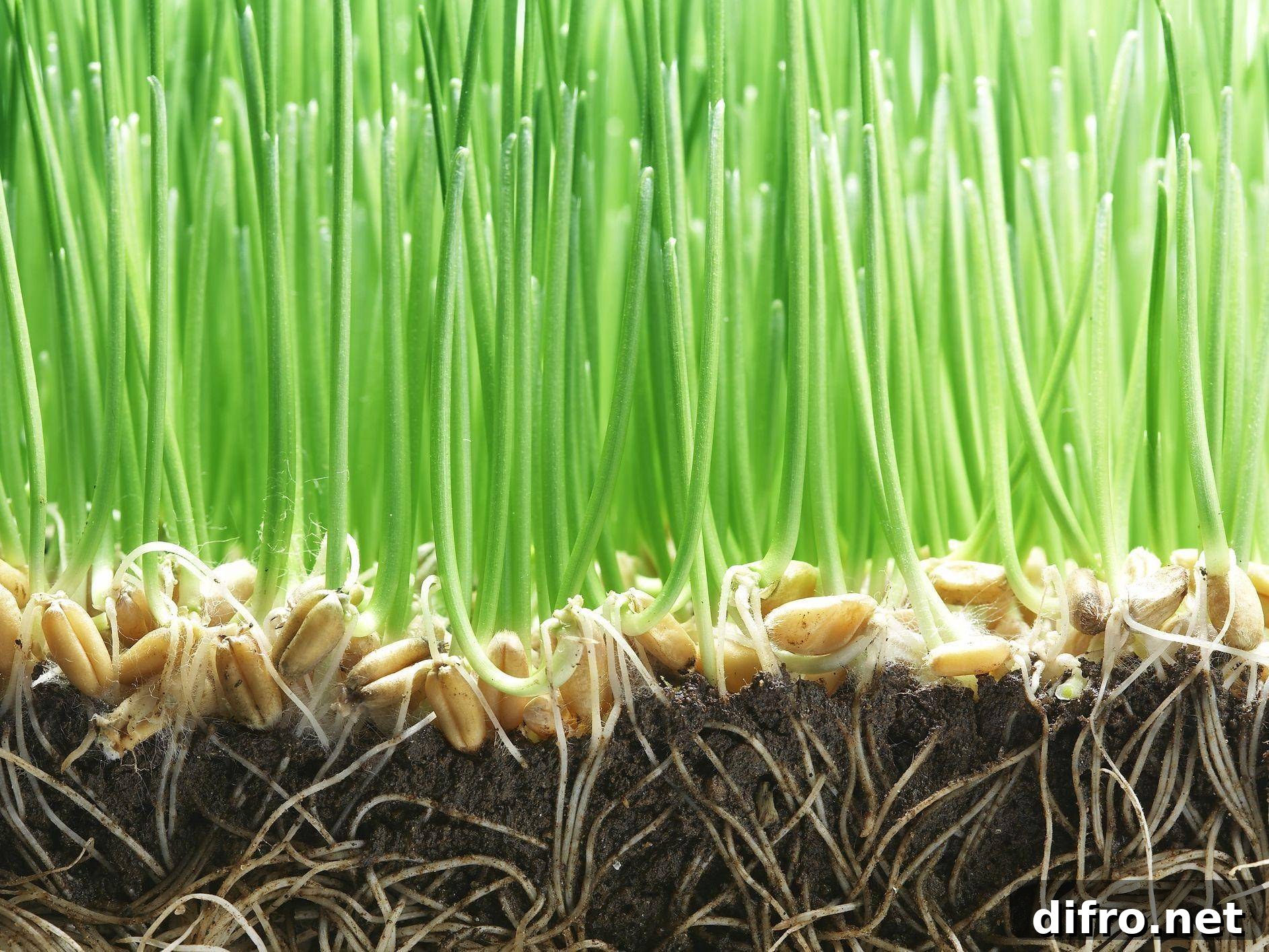
The Differences Between Sod and Seed
When choosing between sod and seed, two of the most important considerations are cost and the time it takes to establish a lawn. Other factors include your local climate, the degree of foot traffic the lawn will receive, and how much time you can dedicate to ongoing care.
Cost
Sod typically costs more up front. Expenses include the price of the sod itself, delivery, and professional installation if you want a flawless result. Additional costs can arise from soil preparation, grading, and any required irrigation adjustments. Depending on lawn size, grass type, and labor rates, sod installation can add up quickly.
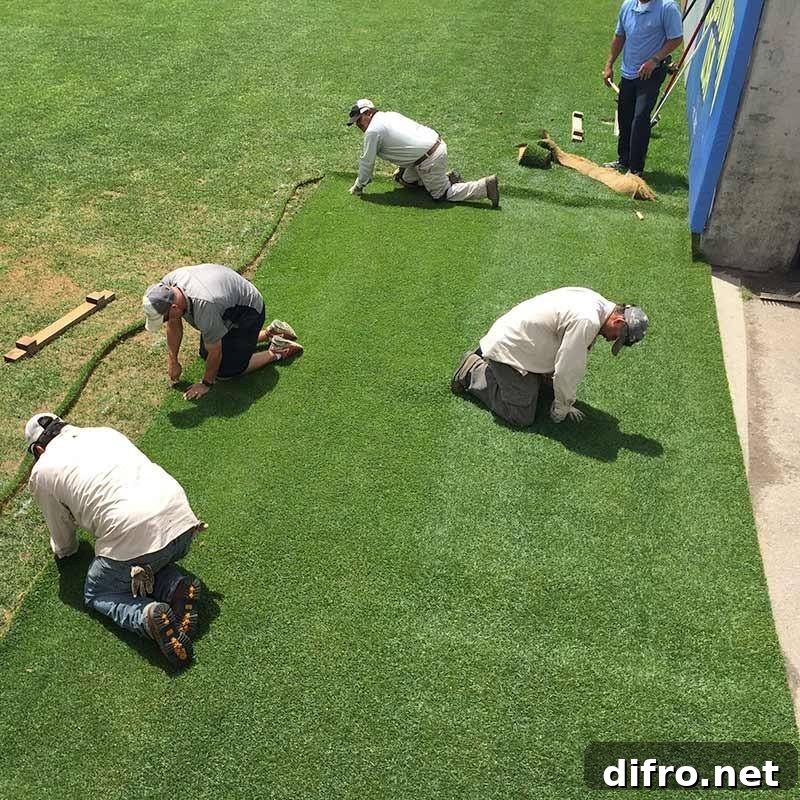
For homeowners without time or confidence to manage a turf installation, sod can be a wise—but pricier—choice. It delivers immediate results and reduces the risk of patchiness or poor germination.
Seed is generally far less expensive. You can seed a lawn yourself with basic tools, and premium seed mixes still cost less per square foot than sod. Seeding reduces labor and material costs but requires more hands-on time for watering, weed control, and monitoring germination.
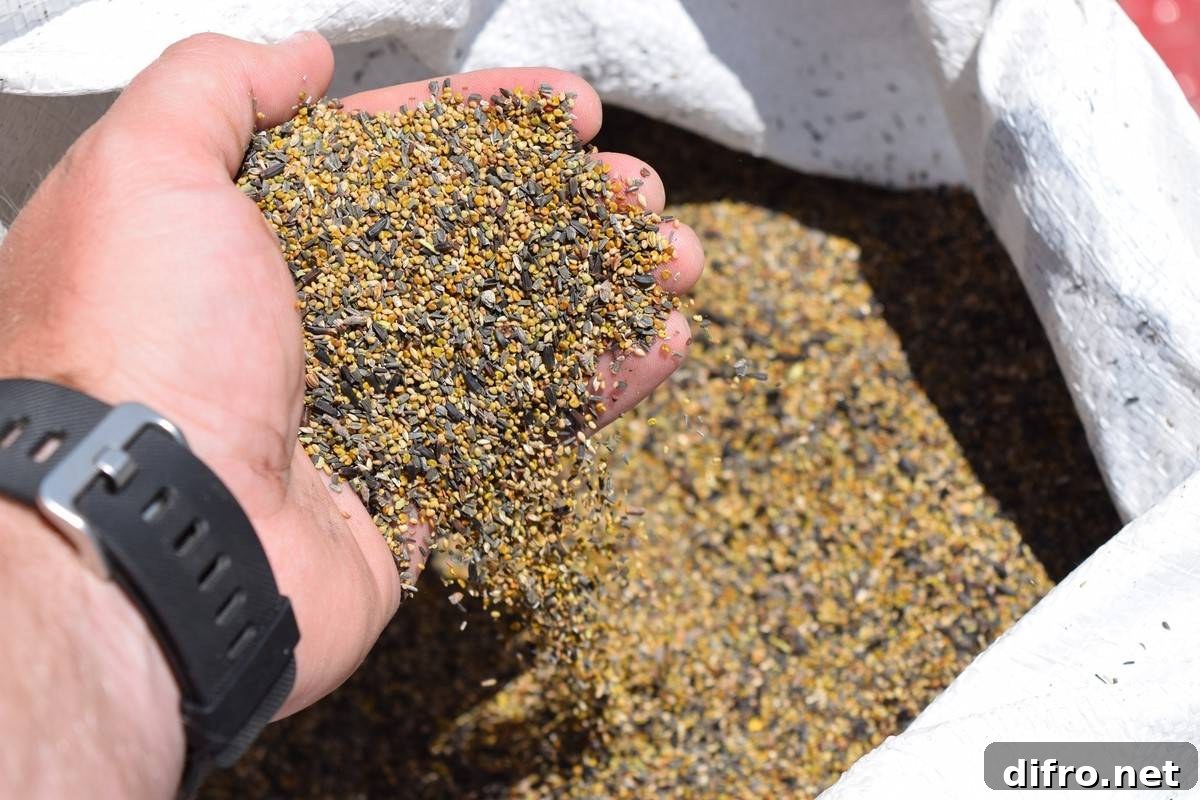
If your main priority is cost savings and you’re willing to invest time in proper seeding and care, seed is an economical and effective solution.
Growth Time and Establishment
Another major difference is how long it takes to get a full, usable lawn.
Sod provides instant green coverage and is often called an “instant lawn.” Once laid and watered, sod will appear mature immediately and typically establishes roots into the underlying soil within two to three weeks. Sod can be installed at many times of year as long as watering is available and conditions are not extreme.
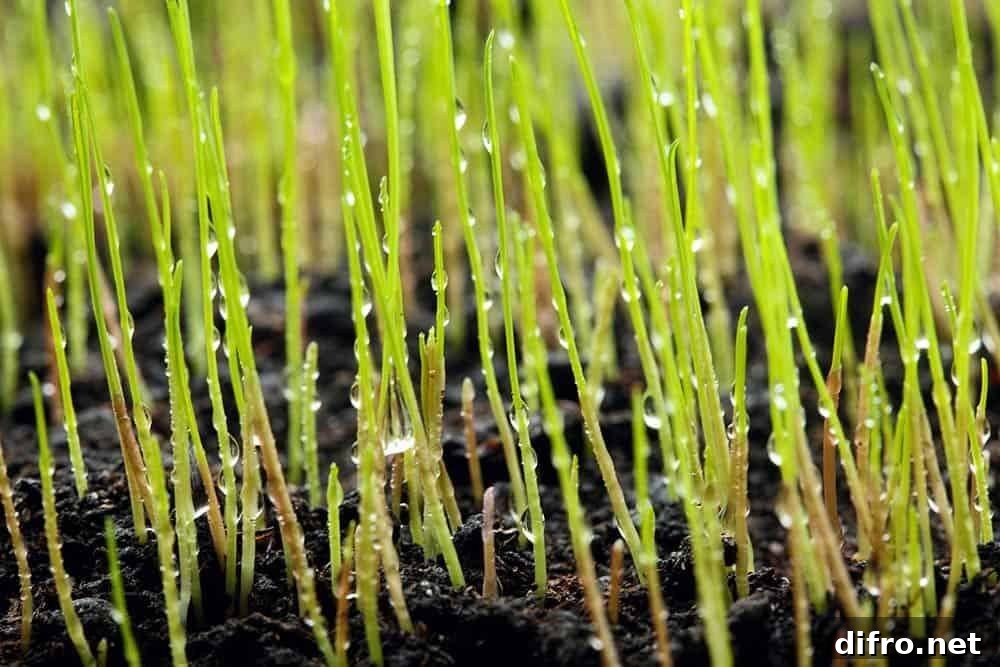
Seed requires patience. Germination timing depends on the grass species and local conditions, but seeding is most successful when done in the proper season—commonly early fall or spring in many regions. Newly seeded lawns need consistent moisture, protection from erosion, and time for roots to develop. While seed takes longer to produce a dense, resilient turf, the roots that develop from seed can become deeper and more drought-tolerant over time.
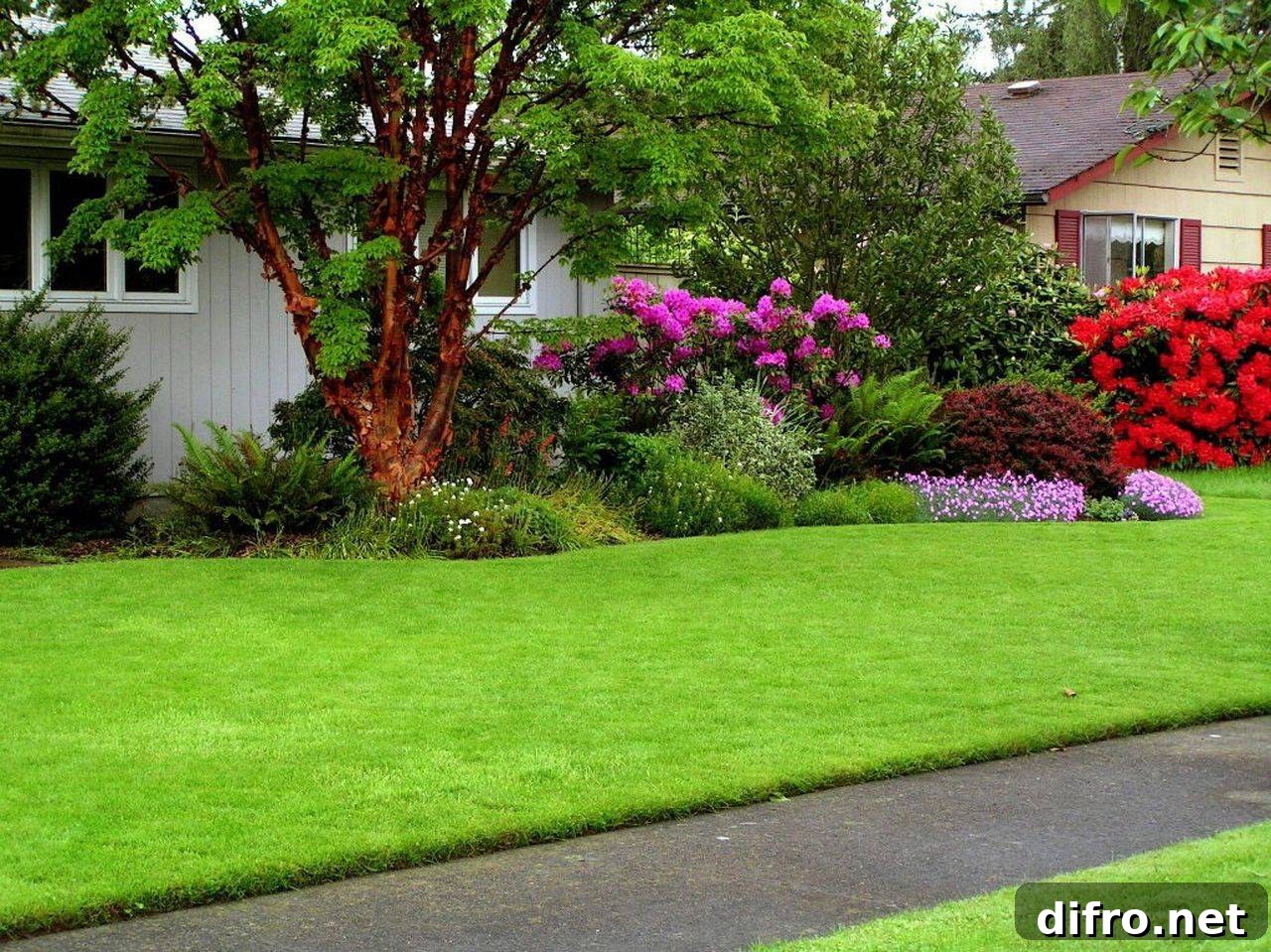
Choosing between sod and seed comes down to your priorities: do you want immediate results with higher upfront cost and lower early maintenance, or are you prepared to invest time and patience to save money and potentially gain deeper-rooted turf? Consider your budget, timeline, climate, and how you’ll use the lawn to make the best decision for your home landscape.
With these factors in mind—cost, timeline, seasonal timing, and maintenance—you’ll be better equipped to choose sod or seed and turn your yard from bare soil into a healthy, green lawn.