As we approach 2024, anticipating new directions in home decor is exciting—but so is recognizing which proven styles will continue to shape interiors. Rather than chasing every fleeting fad, many homeowners are choosing to refine and layer the trends that already work, blending timeless materials, bold accents, and thoughtful details to create spaces that feel both current and lived-in.
This article highlights enduring decor directions from 2023 that are likely to remain relevant in 2024. From natural surfaces and tactile textiles to striking wallpapers and curated vintage pieces, these ideas offer practical ways to refresh rooms while prioritizing longevity and personal style.
Natural Materials
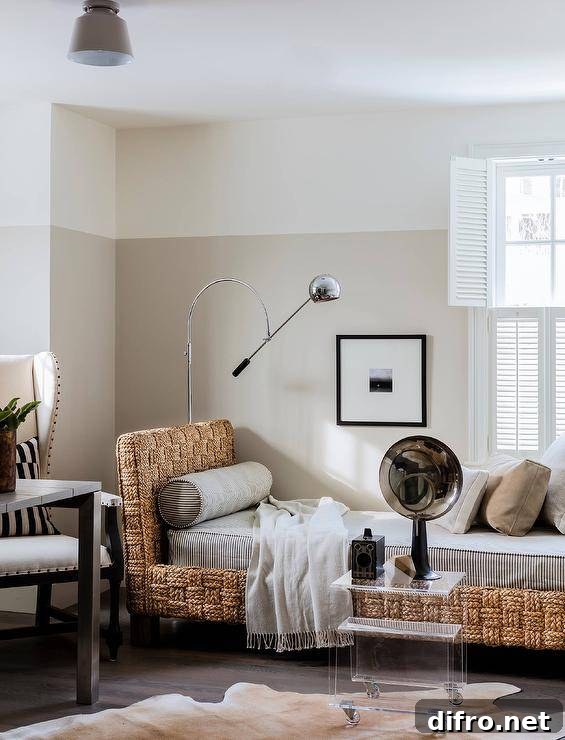
Natural materials—wood, stone, rattan, leather, and linen—continue to anchor modern interiors with warmth and authenticity. These elements bring texture and visual depth while aging gracefully, so investing in solid-wood furniture, stone countertops, or woven accents is a long-term design choice that pays off.
Tip: Mix finishes and scales of natural materials. Pair a reclaimed-wood dining table with a stone lamp base and linen upholstery to create a layered, relaxed look that reads as intentional rather than overly matched.
Bold Wallpaper
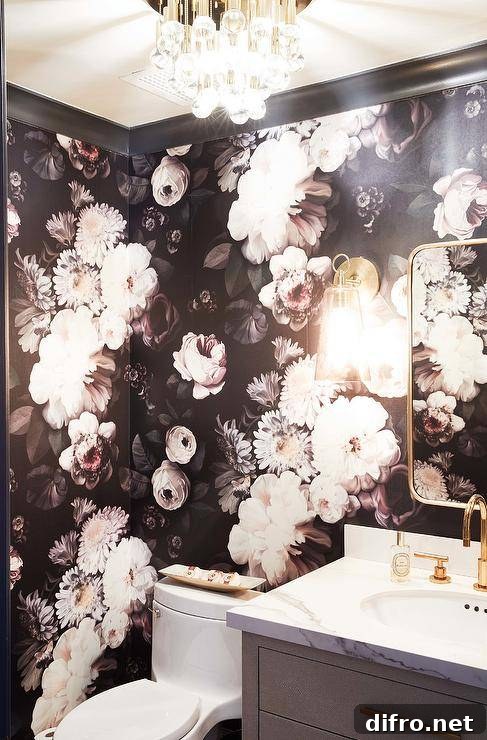
Bold wallpaper remains a powerful tool for injecting personality into a room. Vibrant patterns, large-scale florals, and graphic prints can define a space, create an accent wall, or provide a backdrop for curated furnishings and art.
Tip: Use bold wallpaper sparingly if you’re unsure—cover a single wall, the back of a bookcase, or the powder room to make a dramatic statement without overwhelming the space.
Vintage Accents
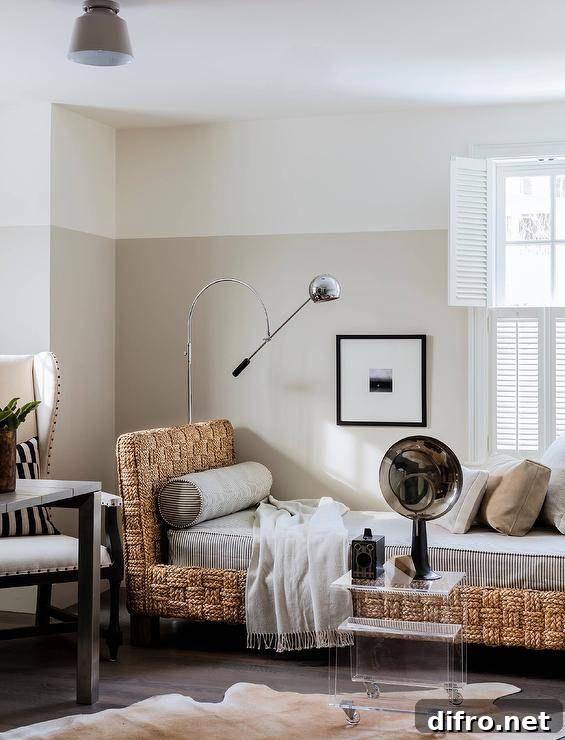
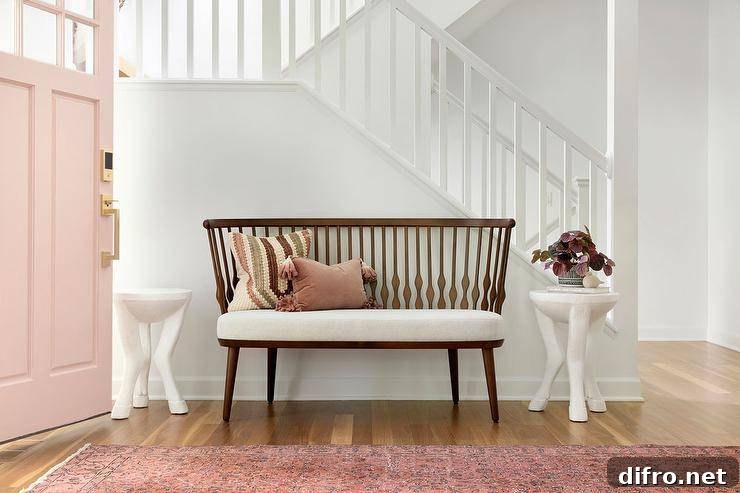
Retro-inspired pieces continue to add character and story to modern interiors. Vintage furniture, secondhand finds, and family heirlooms introduce unique forms and finishes that contrast beautifully with new items, making rooms feel collected rather than staged.
Tip: Mix a single vintage focal piece—such as a bench, sideboard, or mirror—into a contemporary setting to create visual interest and a sense of history.
Mixed Metals
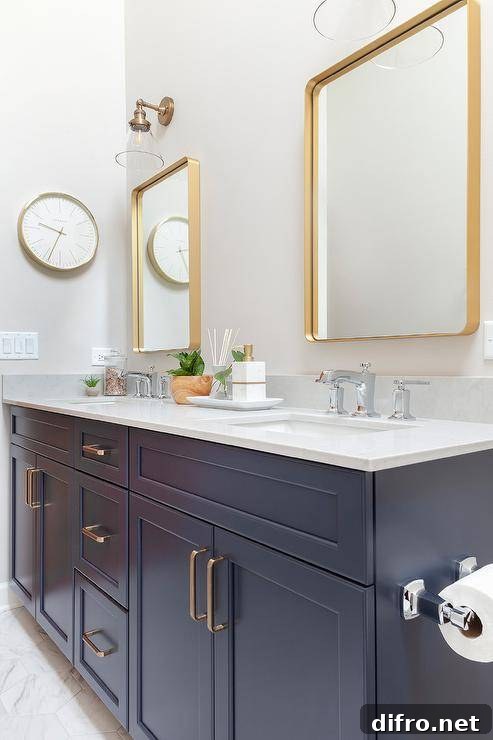
Mixing metals—brass, chrome, copper, and bronze—adds richness and visual complexity to a room. When layered thoughtfully, varied metal finishes create a curated, high-end feel without matching every fixture and accessory exactly.
Tip: Anchor mixed-metal schemes with one dominant finish and sprinkle in accents of contrasting metals for cohesion. For example, choose brass as the primary tone and incorporate copper or matte black in small hardware or lighting.
Velvet
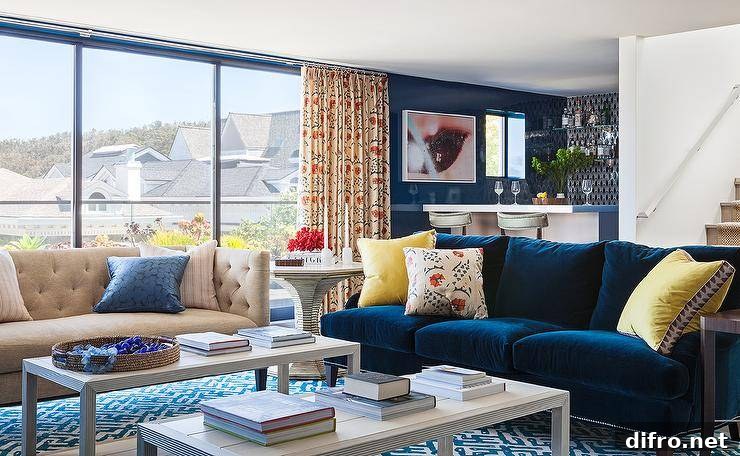
Rich, velvety fabrics continue to be a go-to for adding luxury and comfort. Velvet sofas, chairs, and decorative pillows introduce depth through both color and texture, elevating casual seating areas with a plush, tactile quality.
Tip: Pair jewel-toned velvet with neutral surroundings or use a velvet piece in a muted tone to blend softness with modern minimalism.
Statement Lighting
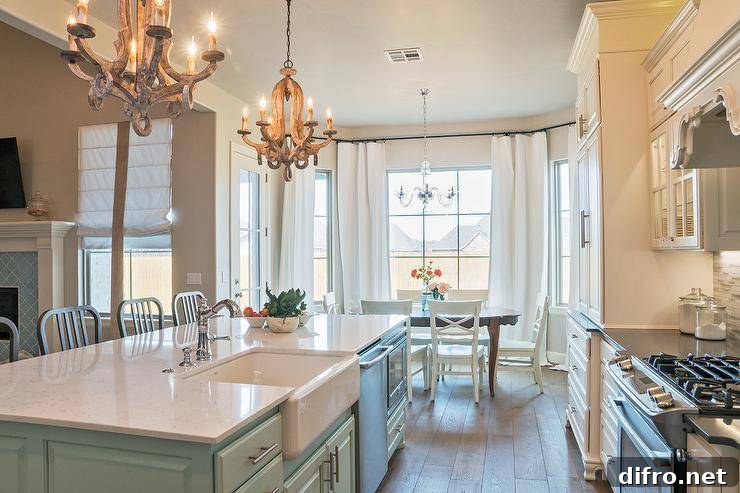
Lighting is increasingly treated as art: sculptural chandeliers, oversized pendants, and sculpted sconces often become the visual center of a room. Statement fixtures deliver both function and form, transforming ordinary spaces into memorable ones.
Tip: Consider scale and proportion when choosing a feature light—pendants should relate to table size and chandeliers to ceiling height to ensure visual balance.
Black and White
The black-and-white palette remains timeless and versatile. High-contrast schemes read as sophisticated and graphic, and they work well across kitchens, bathrooms, and living spaces.
Tip: Use texture and pattern to soften stark contrasts—textured tiles, woven textiles, or natural wood tones help balance monochrome palettes.
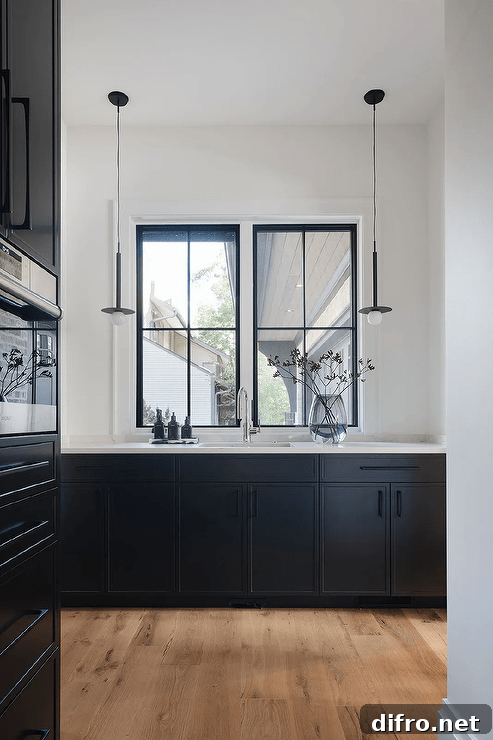
Minimalism
Minimalist design emphasizes clarity and function: clean lines, neutral tones, and purposeful furniture help create calm, uncluttered spaces. This approach is especially effective in smaller homes or open-plan layouts where simplicity enhances flow.
Tip: Edit your space regularly. Keep surfaces clear, choose multi-functional furniture, and prioritize pieces with simple silhouettes for lasting appeal.
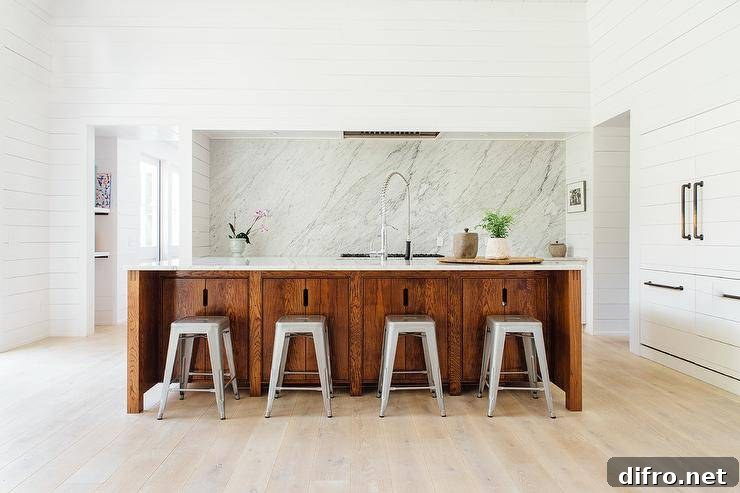
Texture
Texture brings warmth and tactile interest to interiors, from shag rugs and nubby throws to knotted macramé and natural-fiber baskets. Thoughtful texture layering prevents neutral schemes from feeling flat and invites touch.
Tip: Combine at least three different textures—soft, rough, and smooth—in a single vignette to achieve a balanced, inviting look.
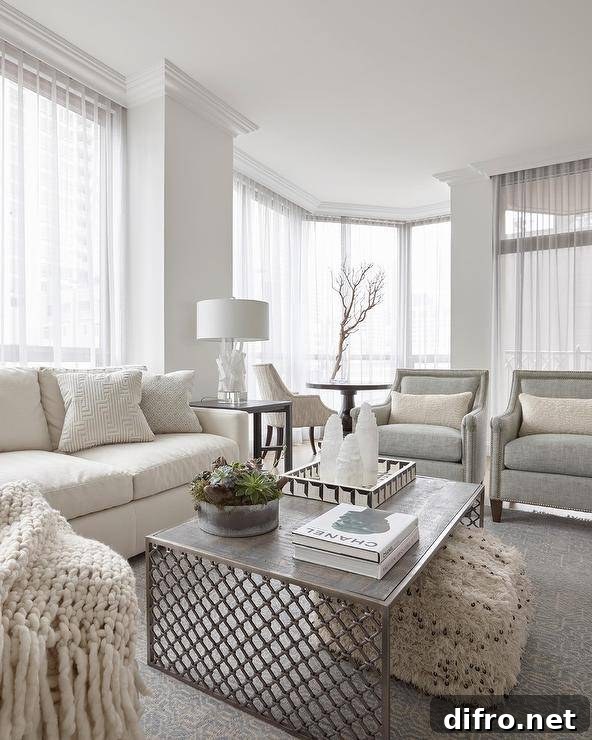
Statement Art
Large-scale artwork continues to be a popular way to define a room and express personal taste. A single oversized canvas or bold sculpture can establish color, mood, and scale while unifying surrounding decor.
Tip: Hang statement art at eye level and ensure it has enough wall space to breathe; this helps the piece command attention without competing with furniture.
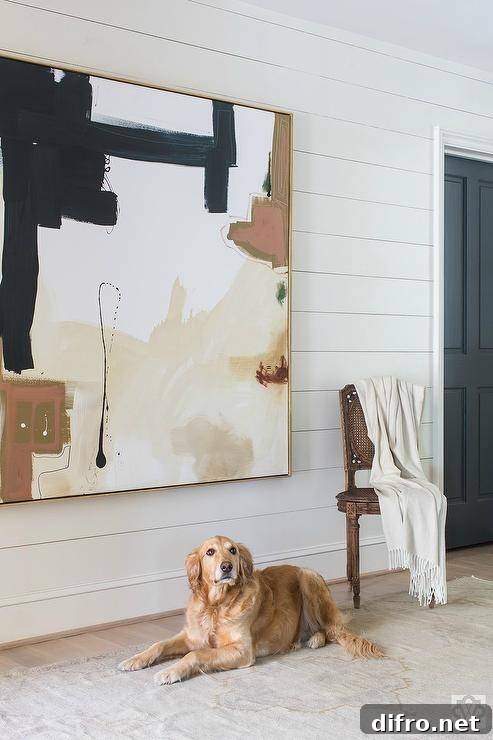
Mixed Patterns
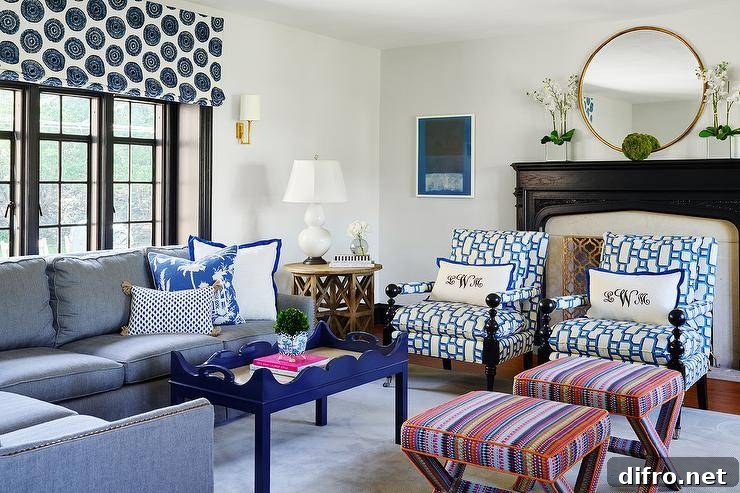
Mixing patterns—stripes, florals, geometrics, and plaids—remains a lively way to personalize interiors. When balanced by a cohesive color palette, varied prints add energy and visual storytelling to living rooms and bedrooms alike.
Tip: Anchor mixed-pattern looks with a unifying color or neutral backdrop, and vary scale so that large and small patterns complement rather than compete with each other.