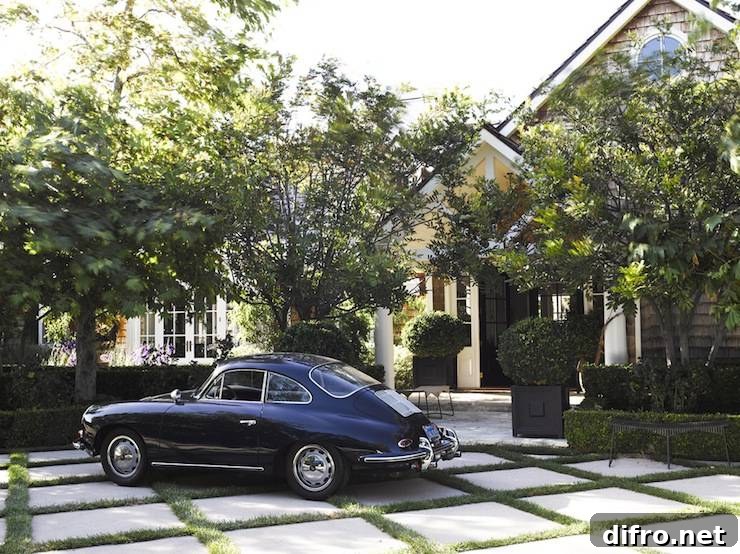
In contemporary landscape design, the modern concrete and grass driveway has emerged as a striking example of style meeting sustainability. Combining durable concrete with strips or pads of living turf creates a driveway that enhances curb appeal while supporting better stormwater management and cooler surfaces. Permeable planting areas help rainwater infiltrate the ground rather than running off into drains, and the greenery reduces the heat-island effect often caused by expansive paved surfaces.
As homeowners increasingly prioritize both function and appearance, these driveways offer a thoughtful, long-lasting alternative to fully paved approaches—one that is adaptable to many architectural styles and climates.
The Appeal of a Modern Concrete and Grass Driveway
Concrete-and-grass driveways combine hardscape strength with softscape beauty, producing layouts that are both practical and visually distinctive. Concrete provides a stable, load-bearing surface for vehicles, while grass adds color, texture and a softer transition between house and street. These driveways can be arranged in checkerboard, linear, diamond or more organic patterns, enabling homeowners to tailor the look to their property’s character.
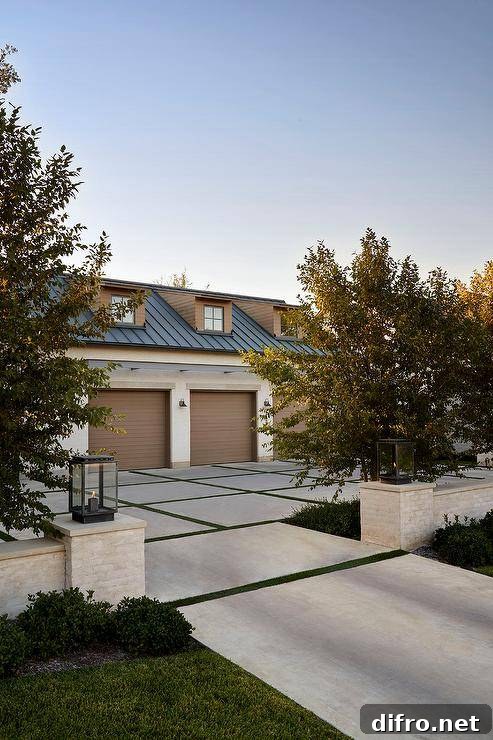
In urban and suburban settings, adding grass into the driveway design brings valuable green space to otherwise paved areas. The living lawn breaks up the concrete visually and contributes to a cooler, more comfortable environment around the home.
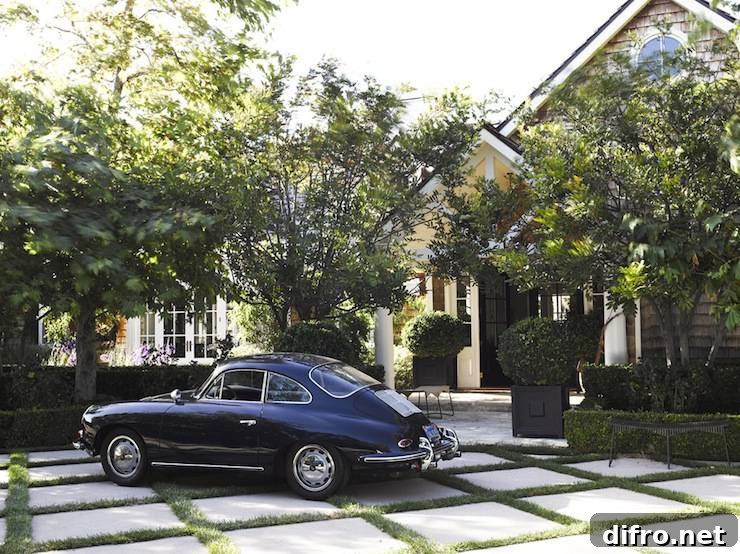
Environmental Benefits of Concrete and Grass Driveways
Concrete and grass driveways offer several environmental advantages over fully paved surfaces. The grass areas provide permeability, allowing rainfall to soak into the soil and replenish groundwater rather than overwhelming stormwater systems. This reduces runoff, erosion and the risk of localized flooding.

In addition, turf and planted areas absorb carbon dioxide and release oxygen, helping improve local air quality. Vegetated surfaces also moderate surface temperatures: shaded and planted areas can be several degrees cooler than bare concrete or asphalt, easing heat stress around the home.
Installation Process of Concrete and Grass Driveways
Installing a concrete-and-grass driveway requires thoughtful planning to ensure proper drainage, load-bearing capacity and an attractive pattern. The typical installation steps are:
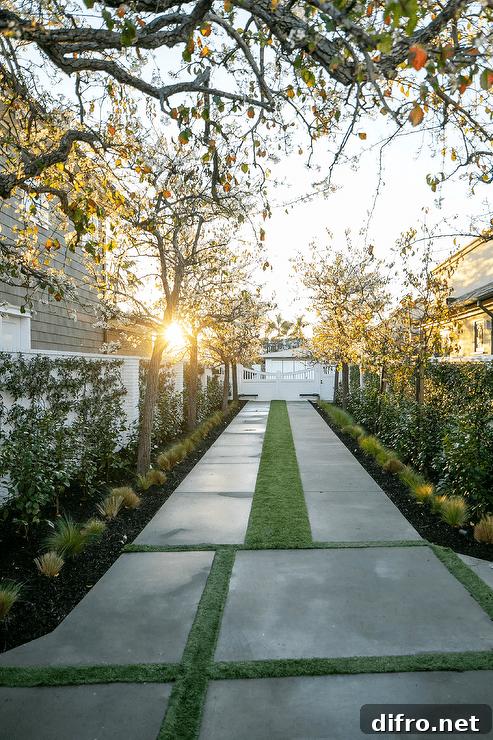
- Design and layout: Plan the overall design, deciding on the pattern, concrete widths and grass gaps. Consider vehicle turning radii and pedestrian access.
- Excavation and base preparation: Excavate to the required depth and install a compacted base of gravel and sand to ensure stability and drainage.
- Concrete placement: Pour or set the concrete sections according to the design, leaving clean gaps for turf or planting. Ensure proper leveling and drainage slopes away from structures.
- Grass or planting: After the concrete cures, install sod, seed or suitable groundcover in the gaps. Select plants suited to your climate and expected traffic.
- Establishment and care: Water new grass regularly until established, and follow recommended maintenance for mowing and feeding to keep turf healthy.
Maintenance Tips for Concrete and Grass Driveways
Maintaining a mixed concrete-and-grass driveway means caring for both the hard and soft elements. These practical tips will help preserve appearance and function:
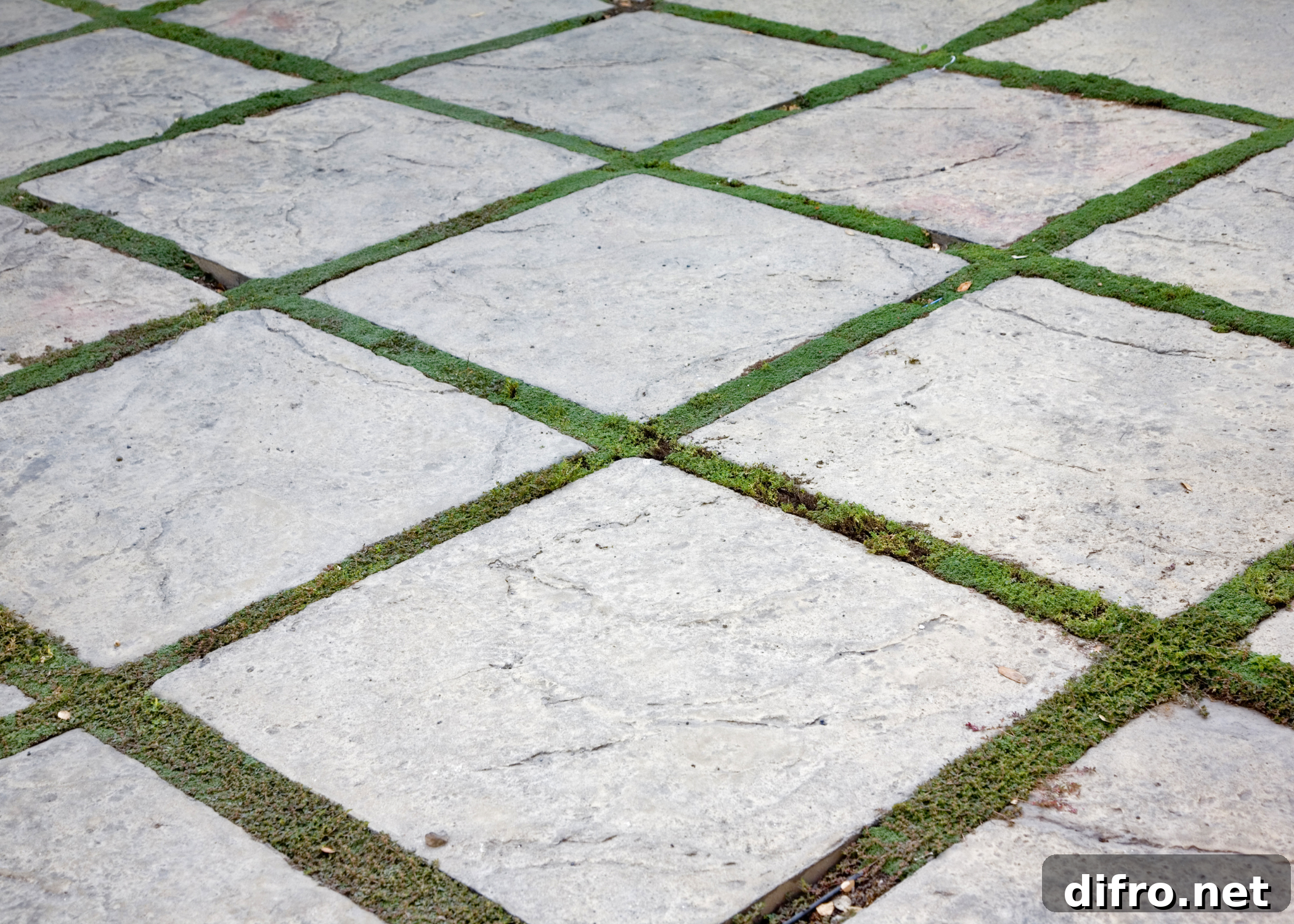
- Regular cleaning: Sweep or blow debris off concrete areas to prevent staining. Use pressure washing periodically for deeper cleaning, taking care not to damage adjacent grass.
- Grass care: Mow to a recommended height for your grass type, water appropriately and fertilize on a schedule suited to the turf species and local climate.
- Weed prevention: Monitor joints and turf edges for weeds and address them early with hand removal or targeted treatments to prevent spread.
- Repairs: Promptly repair any concrete cracks or spalling and reseed thin patches of grass to maintain an even, healthy appearance.
Related Articles
- Achieve the Ideal Desert Landscape for Your Front Yard with Xeriscaping
- Popular American House Styles: Architectural Wonders
- Spice Up Your Landscaping With These Stunning Gabion Wall Ideas
A well-designed concrete-and-grass driveway can dramatically improve your home’s curb appeal while delivering environmental and practical benefits. Whether you prefer a formal geometric pattern or a more relaxed, natural look, this hybrid approach offers flexibility, sustainability and lasting charm.
Interested in fresh ideas for your home? Subscribe to our newsletter for design tips, trends and inspiration to transform your space.
Frequently Asked Questions (FAQs)
Can I install a concrete and grass driveway myself?
DIY installation is possible for skilled homeowners, but professional installation is often recommended to ensure correct grading, drainage and durable construction.
What grass type is best for driveways?
Choose a hardy, low-maintenance variety suited to local conditions. Warm-season grasses like Bermuda or resilient cool-season mixes such as certain fescues are common choices depending on climate and traffic.
How do I prevent weeds in my driveway?
Start with a stable base and clean joints, apply pre-emergent treatments where appropriate, and maintain regular weeding and edging to keep weeds from establishing.
Is a concrete and grass driveway more expensive than a traditional concrete driveway?
Initial costs can be higher because of design complexity and additional material for a stable base and plant establishment. Over time, benefits like improved stormwater management and reduced surface heat can offset some of those upfront costs.
Can I use artificial grass instead of natural grass?
Artificial grass is an option for low-maintenance appearance, but it won’t provide the same environmental benefits—such as infiltration and cooling—as living turf.
How do I handle drainage issues?
Good design is key: a properly graded base, permeable fill layers and correctly spaced planting areas help manage runoff. Permeable pavers and gravel sub-layers further improve water movement.
Will the concrete crack over time?
Concrete can crack like any paved surface. Using quality materials, proper jointing and adequate base preparation minimize the risk and make repairs simpler if cracks appear.